![Johana Shike-kinu Silk Goshuincho Cover: Toyama Slub Silk [2026]](https://jpmono.com/wp-content/uploads/2026/05/japan-map-regions-and-prefectures-800x1050.png)
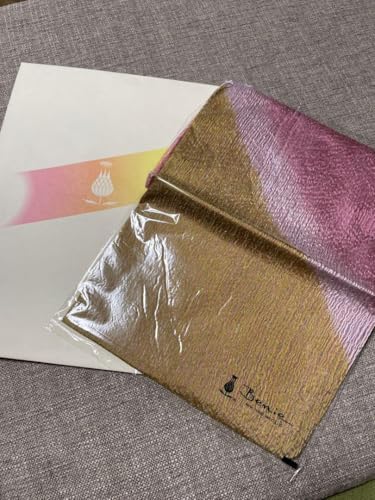
Johana shike-kinu (城端しけ絹, “Johana slub silk”) is a rough, faintly translucent raw silk woven in a hillside temple town in southwest Toyama Prefecture. It is made from tamamayu (玉繭, “double cocoons”) — two silkworms spinning a single shell — which yield an irregular, knotted thread that no machine reeling process wants. That irregularity is the whole point: it gives the cloth a nubby, uneven surface that catches light differently across its width. Matsui Kigyo (松井機業), the workshop behind the goshuincho cover reviewed here, is the last operation still weaving this cloth.
For international readers, the appeal is twofold. First, the material is genuinely rare — a weave that once backed gold leaf and mounted hanging scrolls, now surviving in a single workshop. Second, the object is well matched to its origin: a goshuincho (御朱印帳, “temple/shrine stamp-book”) cover, made in a town whose entire identity is built around pilgrimage to its 15th-century Jodo Shinshu temple. The product is not a generic silk accessory that happens to come from Japan; it is a pilgrimage-book cover from a pilgrimage town.
This guide covers what shike-kinu is, why Johana is the place it comes from, how the goshuincho cover is likely to behave in use, who should buy it, and — importantly — who should not. It also lays out the realistic international purchase paths, because a low-volume workshop textile is not something you will find on a US shelf.
🔄 Last updated:
⏱️ Read time: ~11 min
Who this is for — and who should skip it
- Keep a goshuincho and want a cover with real regional provenance, not a mass-printed one
- Value irregular, tactile textiles over flawless machine-woven uniformity
- Are drawn to rare craft — a weave surviving in a single workshop
- Want a lightweight, meaningful gift tied to Japanese temple culture
- Are comfortable buying from Amazon JP Global Store and waiting for international shipping
- Do not keep a goshuincho and would not use a cover for it
- Expect a perfectly smooth, glossy silk surface — slub silk is deliberately uneven
- Want a heavy-duty, waterproof, or wipe-clean cover — this is raw silk
- Need it fast or at the lowest possible price — it ships from Japan and is low-volume
- Require confirmed exact dimensions before buying — product detail is limited (see caveats)
Product overview (from published specs)
The cover is a textile goshuincho cover woven from raw shike-kinu silk. Because the material and construction vary by maker, the table marks details that are not confirmed as unconfirmed rather than guessing.
| Attribute | Detail | Source |
|---|---|---|
| Item | Goshuincho (temple/shrine stamp-book) cover | Amazon JP Global Store |
| Material | Shike-kinu raw slub silk, woven from tamamayu (double cocoons) | Maker tradition |
| Maker | Matsui Kigyo (松井機業), Johana, Nanto City, Toyama | Maker direct |
| Weave character | Nubby, irregular, faintly translucent | Maker tradition |
| Dimensions / fit | Unconfirmed — check the product details; goshuincho vary in size, so confirm the fit before buying | — |
| Color / pattern | See the pipeline-rendered options below — described in traditional terms only | — |
| Price | Not confirmed in the available product information — verify with the seller | — |
📖 Glossary — key terms
- Shike-kinu (しけ絹) — a rough raw silk with a slubbed, uneven surface, historically used for gold-leaf backing and scroll mounting.
- Tamamayu (玉繭) — a “double cocoon” spun by two silkworms together; its tangled fibers reel into an irregular slub thread.
- Goshuincho (御朱印帳) — an accordion-fold book carried to temples and shrines to collect goshuin (hand-brushed stamp-and-calligraphy seals).
- Hakushita-ginu (箔下絹) — “backing silk for gold leaf,” a historical use of shike-kinu tying Johana to Kanazawa’s gold-leaf craft.
- Etchu (越中) — the old provincial name for present-day Toyama Prefecture.
- Betsuin (別院) — a branch temple of a head Buddhist temple; Johana’s Zentokuji is a Jodo Shinshu betsuin.
Related jpmono guides — same region, or the same silk-weaving thread running through other prefectures.
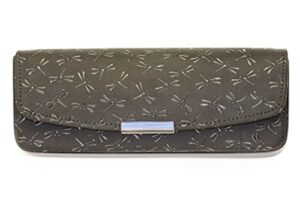
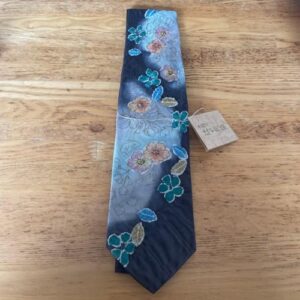
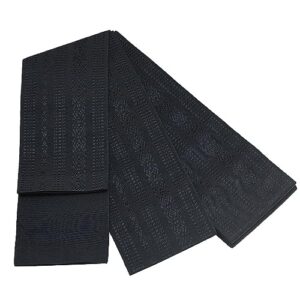
Buying options across stores
Prices for handwoven silk covers can vary by material, construction, and seller; treat any figure below as directional rather than universal.
| Store | Item / Variant | Price (JPY + USD est.) | Notes |
|---|---|---|---|
| 🇺🇸 Amazon.com (US) | Browse Japanese goshuincho books & silk covers | varies (USD) | Best if you are shopping from the US — Prime shipping, USD pricing, no international customs. Amazon US carries Japanese washi goshuincho books and silk covers from various makers; this exact Matsui Kigyo piece is sourced from Japan (next row). |
| 🇯🇵 Amazon JP Global Store | Matsui Kigyo shike-kinu goshuincho cover | Purchase terms were not confirmed — verify current details | The product page for the item. Ships internationally from Japan to most major destinations. |
| Maker direct (Matsui Kigyo) | Shike-kinu goods (covers, stoles, ties, lampshades) | Unconfirmed — check maker site | The workshop sells its own shike-kinu line; international shipping terms vary and may require inquiry. |
| Proxy services (Buyee / Tenso) | Forwarding for JP-only purchases | Item price + forwarding fee | Useful if a purchase does not ship to your country directly; adds a handling fee and a second shipping leg. |
Prices in USD are approximate and depend on the current exchange rate (¥150/USD baseline, mid-2026). The JPY price is authoritative. Customs duties may apply on orders above your country’s threshold.
What it does well
Shike-kinu survives in essentially one working workshop. Owning the cover means owning a weave most of Japan has lost.
The double-cocoon slub thread produces a nubby, light-catching surface no uniform machine silk reproduces.
A pilgrimage stamp-book cover from a pilgrimage temple town — provenance and function align, which most covers cannot claim.
Lightweight, flat to ship, and story-rich — a strong choice for a gift with cultural depth rather than novelty.
“The flaw the reeling machines reject is the exact quality the weave is prized for — a thread too irregular to be uniform, and too beautiful to abandon.”
Weaknesses and things to verify before buying
- Dimensions are unconfirmed. Goshuincho vary in size; confirm the fit for your book before ordering.
- Purchase terms were not confirmed. Check the current retailer information before ordering. Low-volume craft textiles are not typically mass-market goods.
- Raw silk is delicate. Shike-kinu is not waterproof, wipe-clean, or heavy-duty. It marks and absorbs moisture; treat it as a fabric, not a hard case.
- Texture is deliberately uneven. If you expect glassy, uniform silk, the nubby slub surface may read as “rough” rather than refined. This is intrinsic to the material, not a defect.
- International shipping adds time and cost. It ships from Japan; expect longer transit than a domestic US order, plus possible customs duties above your local threshold.
- Single-source availability. Because one workshop makes it, stock can lapse without a ready substitute. If the product is unavailable, there may be no equivalent from another maker.
Conclusion — which buyer type are you?
You want the rarest, most provenance-heavy option and will pay for a single-workshop weave. This is squarely for you — buy the shike-kinu cover.
You keep a goshuincho and want something more distinctive than a printed cover, but should compare the cover size with your book before deciding.
You want a functional cover cheaply. A single-workshop raw silk is unlikely to be the value pick — a plain washi or cotton cover will cost less.
You do not keep a goshuincho, or you want a durable wipe-clean case. This delicate raw silk is not the right object for you.
Other ways to approach this purchase
Craft textiles rarely discount deeply, but Amazon JP Global Store pricing and yen exchange rates fluctuate; a weaker yen can lower the effective USD cost.
For a textile made by a single workshop, new availability may be more realistic than secondhand supply.
If you already collect Amazon points or use a card with foreign-purchase rewards, applying them offsets the international shipping premium.
If you do not keep a goshuincho, a shike-kinu stole or lamp shade from the same workshop may suit you better than a cover you would not use.
Where this comes from

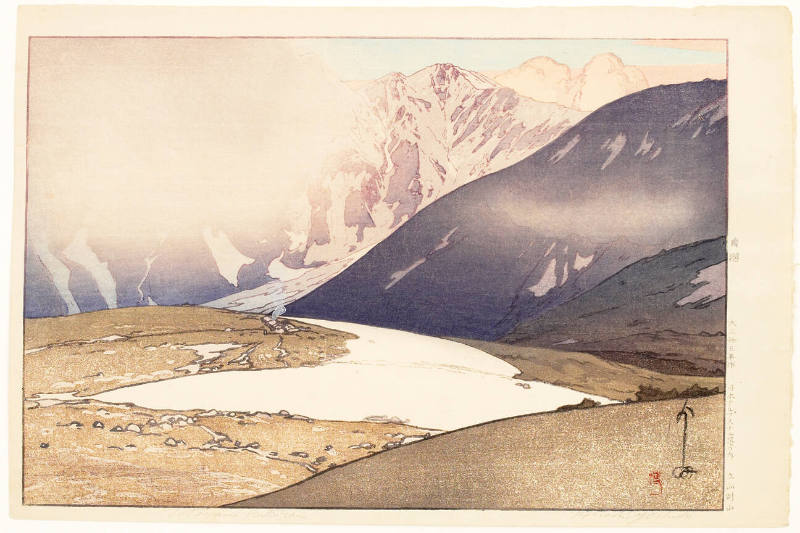
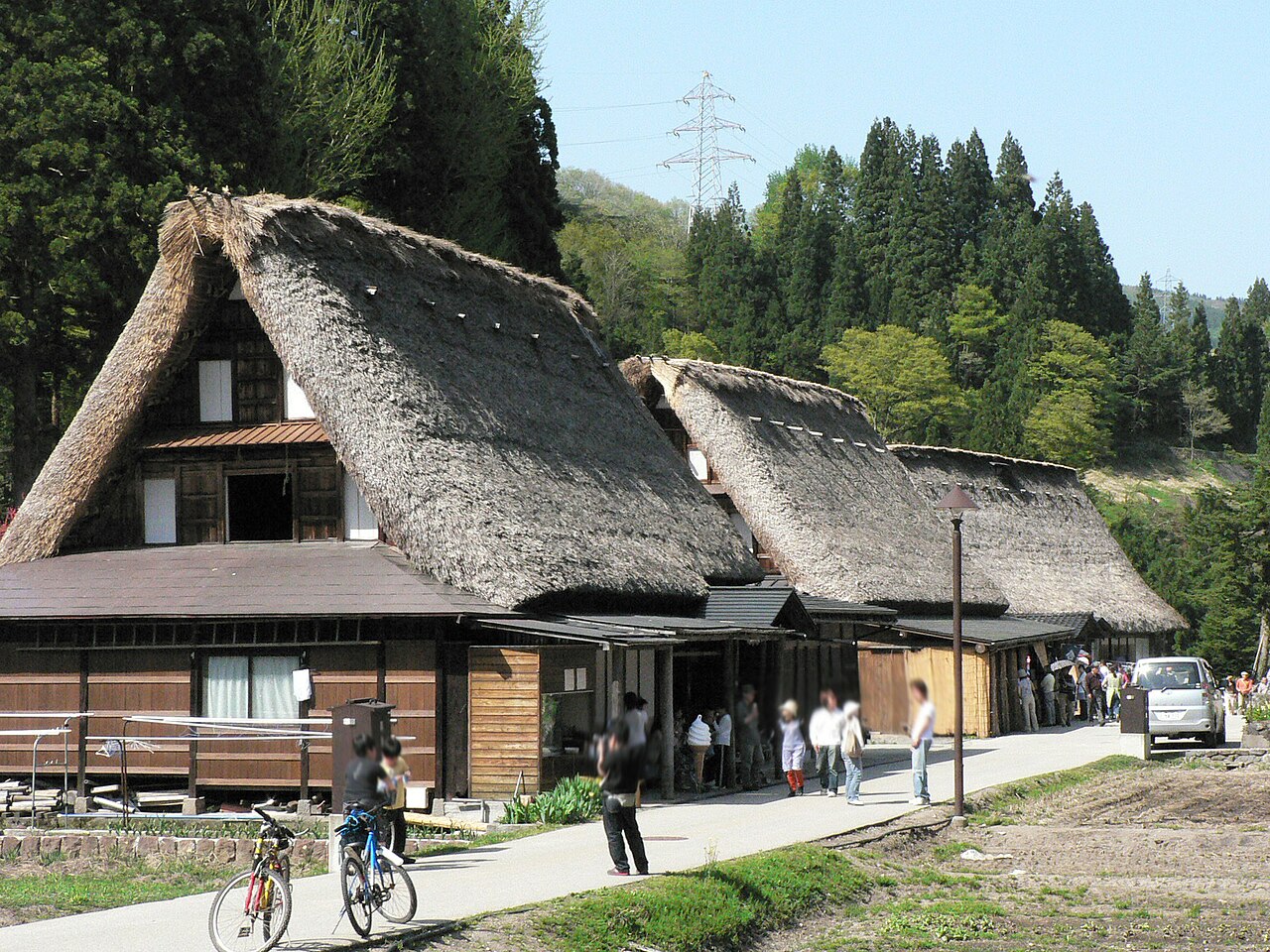
Toyama Prefecture — the old province of Etchu — sits on the Sea of Japan coast of central Japan, walled off to the south and east by the Tateyama mountain range. Johana lies in its southwest corner, in present-day Nanto City, on the hillsides that climb toward the Nanto highlands and the Gokayama valleys. It is snow country: heavy winters, abundant meltwater, and mountain valleys that historically favored mulberry cultivation and sericulture over wet-rice monoculture. That geography is why silk, not some other craft, took root here.
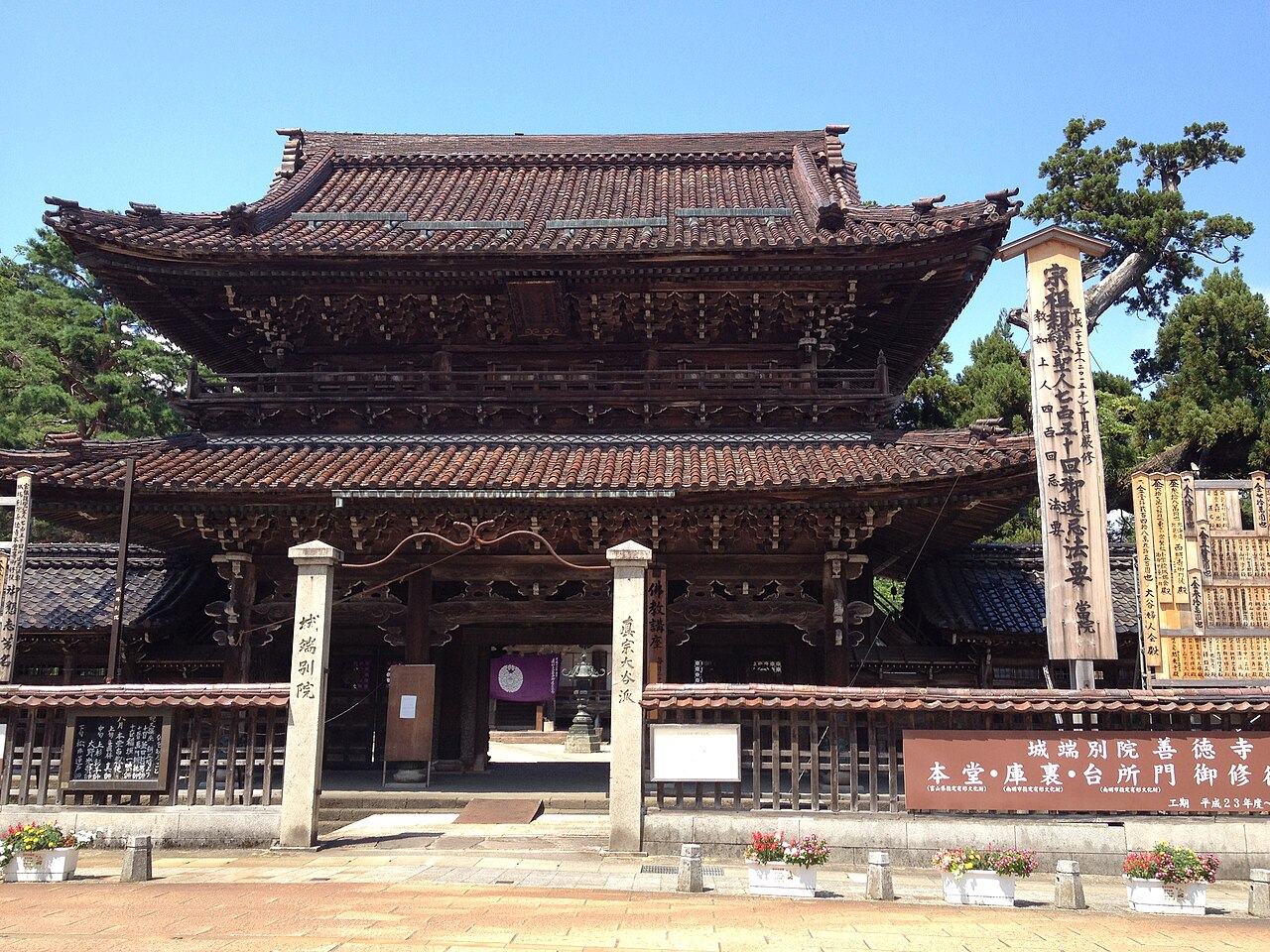
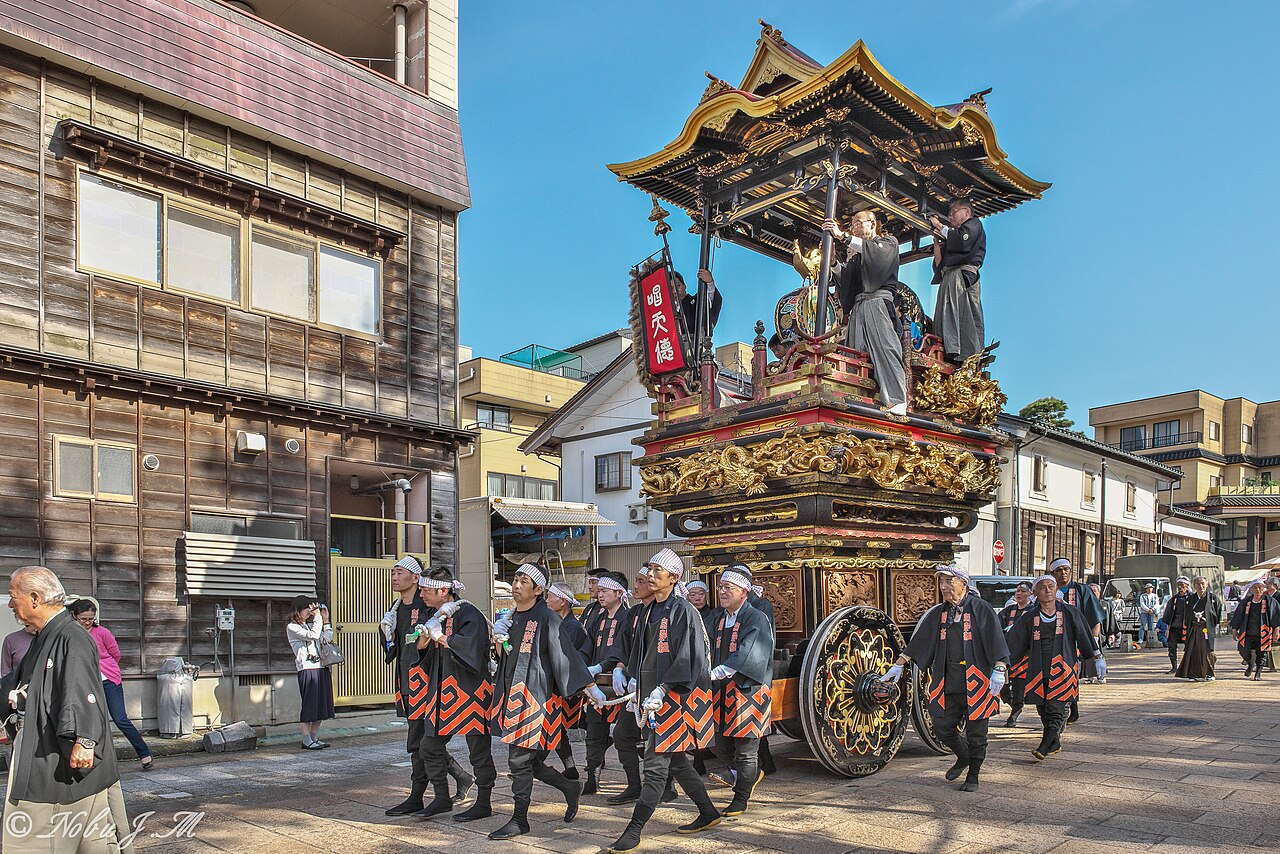
Johana grew up around a temple. In the 15th century, the Jodo Shinshu temple Zentokuji — the Johana Betsuin — was established here, and the town organized itself around the pilgrimage and merchant life that a major temple attracts. For its concentration of temple culture, festivals, and craft, Johana came to be called the “Little Kyoto of Etchu.” A temple town means pilgrims, and pilgrims carry goshuincho — which is precisely why a stamp-book cover is the natural modern product for this weave.
- 15th century — Zentokuji (Johana Betsuin) established; the town forms around the Jodo Shinshu temple.
- Edo period (1603–1868) — Etchu sericulture expands in the Nanto highlands; Johana’s silk trade rises.
- Edo period — Shike-kinu, woven from tamamayu, is used as hakushita-ginu (gold-leaf backing) and for noh-costume and scroll mounting, tying Johana to Kanazawa’s gold-leaf culture.
- Meiji era onward (1868→) — Japan’s silk industry modernizes and machine reeling spreads; irregular slub weaves fall out of mass production.
- 1995 — The Gokayama gassho-zukuri villages in the same Nanto highlands are inscribed as a UNESCO World Heritage Site.
- Present day — Matsui Kigyo is the last workshop still weaving shike-kinu, now shaping it into stoles, ties, lampshades, and goshuincho covers.
What “still being made here” means, concretely, is that a single family workshop keeps the weave alive. Shike-kinu was never a high-volume commodity; its irregular double-cocoon thread was always a specialty. When machine reeling standardized Japanese silk, the slub weave lost its industrial footing, and the workshops that made it closed one by one. Matsui Kigyo did not. It carried the loom forward and redirected the cloth from gold-leaf backing and scroll mounting into finished goods — stoles, neckties, lampshades, and the goshuincho cover reviewed here.
That continuity is the honest heart of the object. The gold-leaf link matters here too: shike-kinu’s historical role as backing silk connects Johana to the gold-leaf craft of neighboring Kanazawa, one province over in the Hokuriku belt of silk, lacquer, and metal leaf. Buying the cover is, in a small way, buying a share of that surviving craft economy.
❓ Frequently Asked Questions
What is shike-kinu, and why is it uneven?
Shike-kinu is a rough raw silk woven from tamamayu, or double cocoons — two silkworms spinning a single shell. The tangled fibers reel into an irregular slub thread, so the finished cloth has a nubby, faintly translucent surface. The unevenness is intrinsic to the material, not a defect.
Does it ship outside Japan?
Yes. Johana shike-kinu silk goshuincho covers are typically available through the Amazon JP Global Store or specialized Japanese silk ateliers, which ship internationally to most major destinations. If a particular retailer does not ship to your country, a proxy service such as Buyee or Tenso can forward a domestic order, adding a handling fee and a second shipping leg.
Will it fit my goshuincho?
Goshuincho vary in size, so compare the stated cover dimensions with your own book before buying.
How do I care for raw silk?
Treat it as a delicate fabric. Raw silk is not waterproof or wipe-clean; it marks and absorbs moisture. Keep it away from water and follow care guidance from the maker. It is a textile cover, not a hard protective case.
Who makes it?
Matsui Kigyo, a workshop in Johana (Nanto City, Toyama Prefecture). It is described as the last operation still weaving shike-kinu, which it now shapes into stoles, ties, lampshades, and goshuincho covers.
Is this a good gift?
For someone who collects goshuin or is interested in Japanese temple culture, yes — it is lightweight, flat to ship, and story-rich. For someone who does not keep a goshuincho, a shike-kinu stole or lampshade from the same workshop may suit better than a cover they would not use.
Why is the price not shown here?
Prices and stock for small-batch silk covers fluctuate; any figure in this article should be treated as a guide rather than a fixed quote.
jpmono.com is curated by a Japan-based editorial team (working out of Toyama in the Hokuriku region and Nara in Kansai) and is independent. We do not take payment from the makers we feature; income comes from affiliate links. We do not physically test every product — we review maker specifications and craft references.
🤖 This article was drafted with AI assistance and edited against the available craft-tradition notes. Facts not present in the available information are marked as unconfirmed rather than guessed.
Affiliate disclosure: jpmono.com may earn a commission on qualifying purchases made through links on this page, at no additional cost to you.