![Ueda Tsumugi Silk Eyeglass Case: Sanada-Domain Striped Pongee from Nagano [2026]](https://jpmono.com/wp-content/uploads/2026/05/japan-map-regions-and-prefectures-800x1050.png)
An eyeglass case is a small object that takes a lot of handling — opened and closed several times a day, slipped in and out of a bag, set down on café tables and hotel nightstands. That constant, low-grade wear is exactly what a fabric like Ueda Tsumugi (上田紬, “Ueda pongee”) was built to survive. Woven in the old castle town of Ueda in Nagano Prefecture, along the Chikuma River, it is a tightly woven striped silk that earned a reputation for lasting across generations rather than seasons.
Ueda Tsumugi ranks with Yuki Tsumugi and Oshima Tsumugi as one of Japan’s three great silk pongees. Where a soft, drapey dress silk might feel more luxurious in the hand, tsumugi is prized for the opposite quality: a crisp, durable, hard-wearing weave spun from silk that keeps a slightly irregular, matte character. Applied to a hard-shell eyeglass case, that translates into a slim, giftable accessory whose exterior is meant to age well, not wear out.
This guide is written from a Japan-based editor’s perspective for readers shopping from outside Japan. It covers what the case is, the Sanada-domain history behind the cloth, how it compares with other Japanese silk accessories, and where — and how — to buy it internationally. The underlying product data available to us at the time of writing is limited, so where a spec or price is unconfirmed, we say so plainly rather than guess.
🔄 Updated:
⏱️ Read time: about 9 minutes
- Who this is for — and who should skip it
- Product overview (from published specs)
- 📍 Where this comes from — place, era, and the craft tradition
- Buying options across stores
- What it does well
- Weaknesses and things to verify before buying
- Conclusion — which buyer type are you?
- Other ways to approach this purchase
- ❓ Frequently Asked Questions
Who this is for — and who should skip it
- Want a small, giftable Japanese craft object with a real regional story behind it
- Prefer a durable, hard-wearing striped silk over soft, delicate dress silk
- Like accessories that carry visible textile character rather than a printed pattern
- Are shopping for a wedding, retirement, or milestone gift where longevity matters
- Appreciate the samurai-era Sanada history that gives Ueda its identity
- Need an oversized case for very large or wraparound sports frames
- Want a soft slip pouch rather than a rigid clamshell shell
- Expect a specific stripe colorway — patterns vary by lot and product
- Are unwilling to wait for international shipping from Japan
- Prefer a fully waterproof or wipe-clean synthetic material
Product overview (from published specs)
This is a hard-shell (clamshell) eyeglass case whose exterior fabric is Ueda Tsumugi silk woven in Nagano. Several practical fields vary by case, so the table marks details as unconfirmed rather than filling them in from assumption.
| Attribute | Detail | Source |
|---|---|---|
| Item type | Hard-shell eyeglass / glasses case (megane-ire) | Amazon JP Global Store |
| Exterior material | Ueda Tsumugi (Ueda-jima striped silk pongee) | Maker description |
| Origin | Ueda, Nagano Prefecture, Chūbu region, Japan | Maker description |
| Pattern | Woven stripe / check (varies by lot — see variant section) | Product photos |
| Dimensions / weight | Unconfirmed — check the manufacturer or product page | — |
| Price | Unconfirmed at time of writing — verify on the current product page | — |
Prices and exact dimensions may shift among cases. Where a figure is not confirmed, the table shows “Unconfirmed” rather than an estimate.
📖 Glossary — key terms in this article
- Tsumugi (紬) — a pongee: silk cloth woven from spun (rather than reeled/filament) silk yarn, giving a matte, slightly irregular, durable fabric. Historically everyday-luxury cloth, hard-wearing rather than glossy.
- Ueda-jima (上田縞) — “Ueda stripes”; the crisp striped and checked patterns that made Ueda Tsumugi famous as “Shima no Ueda” (Ueda of stripes).
- San-dai-mono (三代物) — literally “three-generation thing”; a bolt so durable it was said to be relined and re-tailored across three generations.
- Megane-ire (眼鏡入れ) — a Japanese eyeglass case; here, a rigid clamshell shell covered in tsumugi silk.
- Rokumonsen (六文銭) — the “six coins” crest of the Sanada clan, the warrior house associated with Ueda Castle.
- Sericulture — the raising of silkworms and production of raw silk; the agricultural base the Ueda domain promoted.
📍 Where this comes from — place, era, and the craft tradition

Ueda sits in the eastern basin of Nagano Prefecture, in the mountainous heart of Japan’s Chūbu region, where the Chikuma River — the upper course of the Shinano, Japan’s longest river — cuts through a broad valley. The surrounding hills were well suited to mulberry cultivation, and the dry, sunny inland climate favored sericulture. Those two facts — mulberry land and silkworms — are the raw-material foundation of every silk-weaving district in this part of Japan, and Ueda was one of the most productive.

The town’s identity, though, is inseparable from the Sanada clan. Sanada Masayuki built Ueda Castle in 1583, and the fortress quickly became famous far beyond its size. In the First Battle of Ueda (1585) and again in the Second (1600), the Sanada twice repelled or delayed far larger Tokugawa armies from behind its walls — episodes that made the Sanada, and their six-coin (rokumonsen) crest, one of the most storied warrior legacies in all of Nagano.
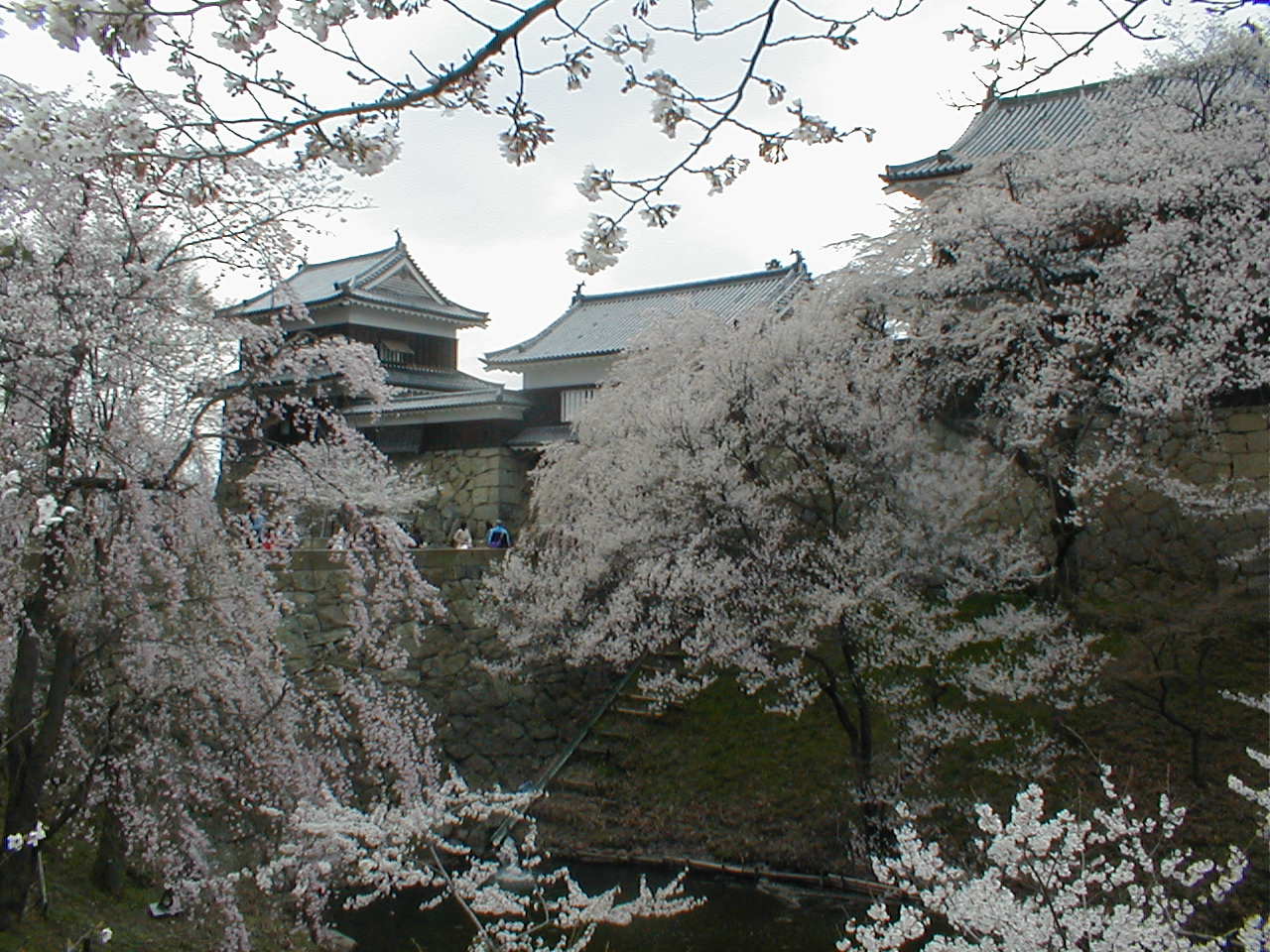
Through the Edo period the Ueda domain passed from the Sanada to the Sengoku and then the Matsudaira houses, but a policy thread ran through all of them: the domain actively promoted sericulture and silk weaving in and around the castle town. Out of that patronage came a tightly woven striped and checked silk so recognizable that the cloth simply took the town’s name — it became known as “Shima no Ueda,” Ueda of the stripes.
- 1583 — Sanada Masayuki builds Ueda Castle on the Chikuma River plain.
- 1585 — First Battle of Ueda: the Sanada repel a far larger Tokugawa force.
- 1600 — Second Battle of Ueda: the Sanada delay Tokugawa Hidetada’s army en route to Sekigahara.
- 17th century — The Ueda domain (Sanada, then Sengoku, then Matsudaira) promotes sericulture and silk weaving.
- Edo period — Ueda-jima striped silk becomes famous nationally as “Shima no Ueda.”
- Edo–Meiji — The cloth’s durability earns it the name “san-dai-mono,” a three-generation fabric.
- Present — Ranks with Yuki Tsumugi and Oshima Tsumugi as one of Japan’s three great silk pongees.
What set Ueda Tsumugi apart was not delicacy but toughness. Spun-silk yarn, densely woven, produced a cloth that resisted abrasion and held its shape — and buyers valued it precisely for that. A good bolt was traditionally said to be a “san-dai-mono,” a fabric that could be relined and re-tailored across three generations of wear. That is folk reputation rather than a laboratory measurement, but it captures why the cloth suits a hard-used small object.
“A good bolt of Ueda Tsumugi was called a san-dai-mono — a three-generation cloth, relined and re-tailored down a family line. That is the durability now wrapped around an eyeglass case.”
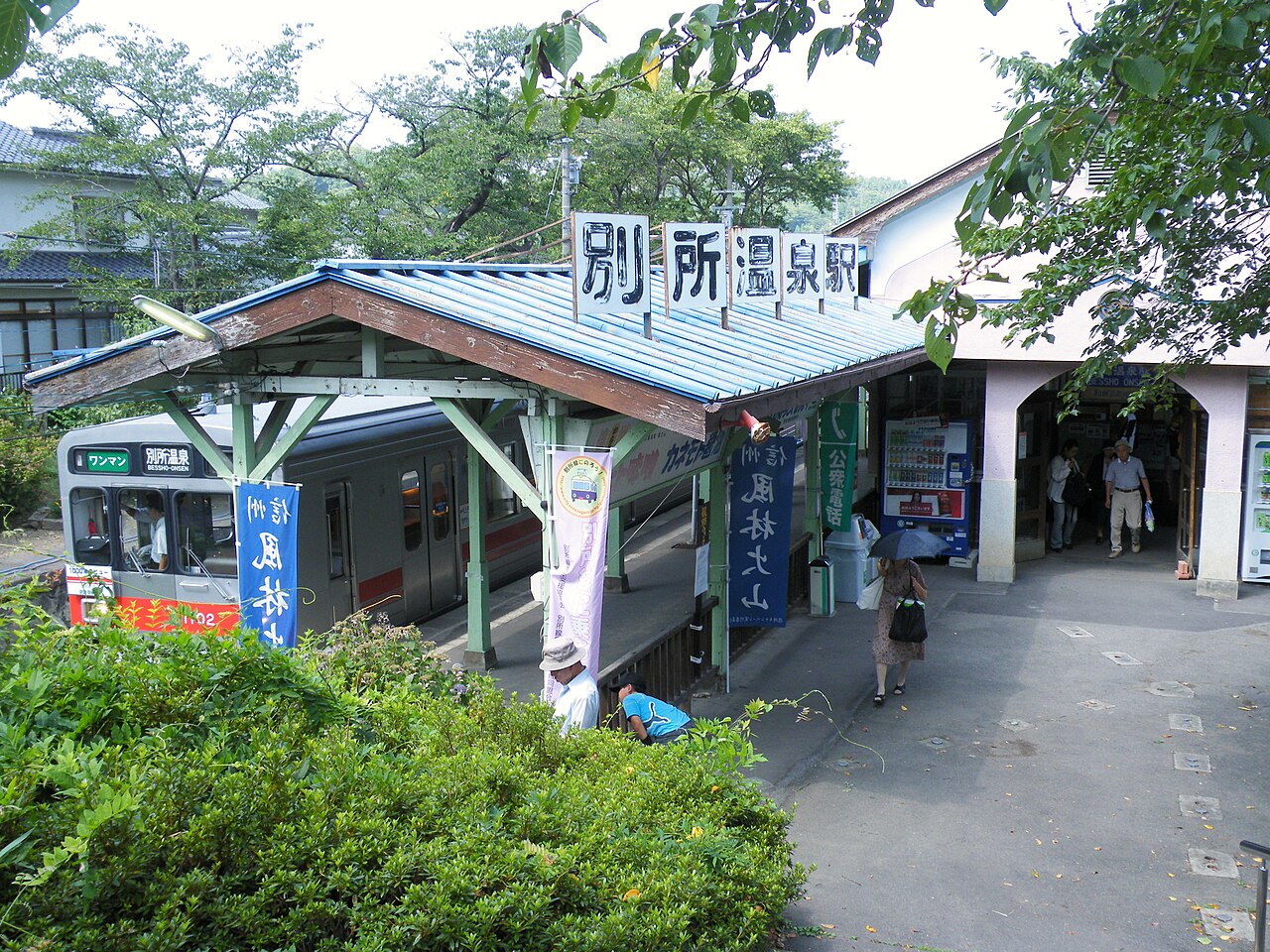
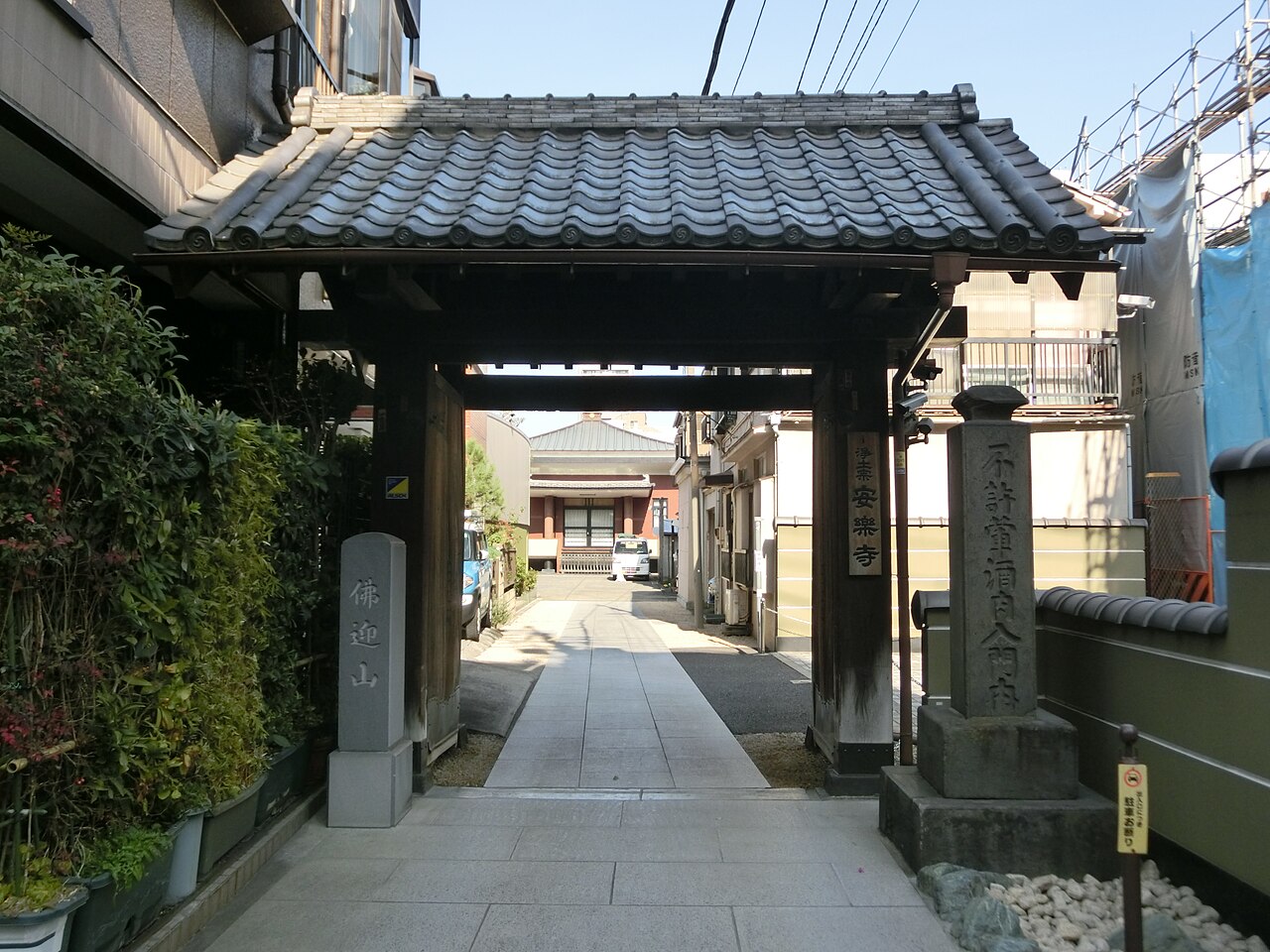
The area around Ueda carries the rest of that history in its landscape. A short ride away, Bessho Onsen is an old hot-spring town nicknamed the “Kamakura of Shinshu” for its concentration of medieval temples, and nearby Anrakuji preserves an octagonal three-story pagoda that is the only national-treasure octagonal pagoda in Nagano. These are the cultural surroundings that a piece of Ueda silk quietly belongs to.
Ueda Tsumugi sits within a wider family of Japanese silk (and Nagano) crafts we have covered. If you are weighing options, these related guides help you compare region, material, and form.
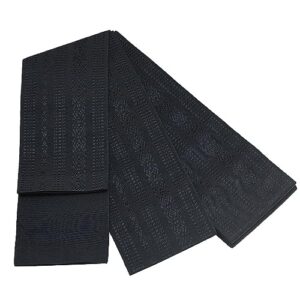
Buying options across stores
Prices and stock fluctuate. USD figures are approximate at a ¥150/USD baseline, and the article does not treat any single price as universal.
| Store | Item / Variant | Price (JPY / USD est.) | Notes |
|---|---|---|---|
| 🇺🇸 Amazon US (search) | Browse Japanese silk eyeglass cases | varies (USD) | Best if you are shopping from the US — Prime shipping, USD pricing, no international customs. Amazon US carries comparable Japanese silk and fabric cases for comparison; this exact Ueda-woven piece is sourced from Japan (next row). |
| 🇯🇵 Amazon JP Global Store | Ueda Tsumugi hard-shell eyeglass case | See the current product details | The product page for the item. Ships internationally from Japan to most major destinations. Confirm current purchase terms before ordering. |
| Maker direct | Ueda Tsumugi weavers / Nagano craft shops | Varies | Some Ueda weavers and Nagano craft galleries sell small silk goods directly; many do not ship internationally without a proxy. |
| Proxy services (Buyee / Tenso) | Forwarding for Japan-only purchases | Item price + fee + forwarding | Useful when a Japan-only shop will not ship abroad. Adds a service fee and a second shipping leg; factor in customs on arrival. |
What it does well
Weaknesses and things to verify before buying
- Purchase terms were unconfirmed. The available product information did not include confirmed terms. Check the current Amazon JP product page before committing.
- Exact dimensions unlisted. Case interior size was not confirmed in the fetched data. If you wear large or wraparound frames, verify the internal dimensions first.
- Stripe/colorway varies. Woven stripe patterns differ by lot. The pattern you receive may not exactly match a photo; treat images as representative.
- Silk care. Silk exteriors are not wipe-clean like synthetics. Keep the case away from prolonged moisture and avoid abrasive cleaning.
- International shipping and customs. As a Japan-sourced item, it ships from Japan; delivery is slower than domestic US orders and may attract customs duty above local thresholds.
- Hard shell, not soft pouch. This is a rigid clamshell. Buyers who want a slim fabric slip pouch should look elsewhere.
Conclusion — which buyer type are you?
Other ways to approach this purchase
❓ Frequently Asked Questions
Does the Amazon JP Global Store ship this internationally?
International availability and shipping cost depend on the destination; delivery may take longer than a domestic US order.
What is Ueda Tsumugi, exactly?
Ueda Tsumugi is a striped silk pongee woven in Ueda, Nagano. It is spun from silk yarn into a tightly woven, durable, matte cloth, and ranks with Yuki Tsumugi and Oshima Tsumugi as one of Japan’s three great pongees.
Will it fit large or wraparound frames?
Exact interior dimensions vary by case. If you wear oversized or wraparound frames, compare the case measurements with your frames before purchase.
How do I care for the silk exterior?
Treat it as silk: keep it away from prolonged moisture, avoid abrasive or wet cleaning, and wipe gently with a dry cloth. It is not a wipe-clean synthetic case.
Is this a good gift?
Yes — it needs no sizing, is compact to post, and carries a genuine regional-craft story from the Sanada castle town of Ueda. That combination makes it a low-risk milestone or thank-you gift.
What if the exact item is not available on Amazon US?
Ueda Tsumugi goods may be offered through Japanese retailers rather than US storefronts. Compare similar Japanese silk cases by fabric, construction, and shipping terms.
Will the stripe pattern match the photo?
Not necessarily. Ueda Tsumugi stripes and checks vary by lot and piece, so product images are representative rather than exact. If a specific colorway matters, confirm current stock with the seller.
jpmono.com is curated by a Japan-based editorial team (working out of Toyama in the Hokuriku region and Nara in Kansai) and is independent. We do not take payment from the makers we feature; income comes from affiliate links. We read maker specifications and craft references rather than physically testing every item.
Note: This article was produced with AI assistance and reviewed against the available craft information and public-domain sources. Specifications and prices may change, so the article marks where details are uncertain.
Affiliate disclosure: jpmono.com may earn a commission on qualifying purchases made through links on this page, at no additional cost to you.