![Sendai Hira Silk Necktie: Date Clan’s Formal Hakama Silk Guide [2026]](https://jpmono.com/wp-content/uploads/2026/05/japan-map-regions-and-prefectures-800x1050.png)
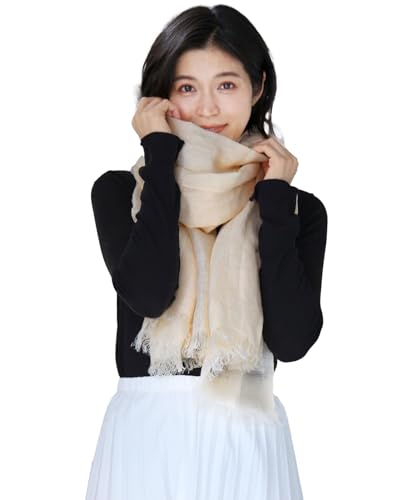
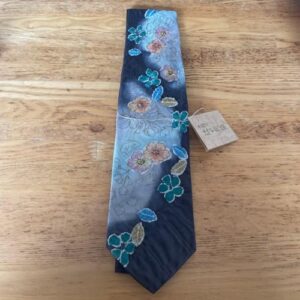
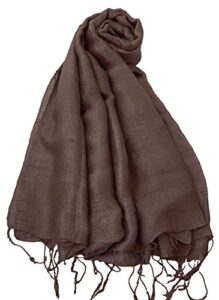
Sendai-hira (仙台平, Sendai-hira) is the most formal woven silk of Miyagi Prefecture — a densely packed plain-weave cloth that for centuries supplied the highest grade of men’s hakama, the pleated formal trousers worn over kimono. It is produced in and around Sendai, the castle town founded by the warlord Date Masamune, and was designated a traditional craft by Japan’s Ministry of Economy, Trade and Industry (METI) in 1982. A Sendai-hira necktie takes that ceremonial weaving tradition and folds it into something a modern wardrobe can actually use.
What makes Sendai-hira notable internationally is not pattern or color but density and discipline. The seigo (精好) weave — perfected after the Sendai-han lord Date Tsunamura invited Nishijin weavers from Kyoto in the early Edo period — produces a silk so tightly woven that it holds a crisp, architectural drape. This is the cloth still specified for the hakama of sumo referees (gyōji), Noh performers, and certain court ceremonies. Genuine production today is extremely small-scale and protected, which places authentic Sendai-hira firmly in rare-luxury-textile territory.
This guide is for readers outside Japan who are weighing a Sendai-hira silk necktie as a gift or a wardrobe investment. It explains what the cloth is, who still weaves it, how it compares with other Japanese silk and textile crafts, where it can be bought from abroad, and — honestly — who should pass on it. Prices and stock may change over time, so no item-specific figure is asserted here.
🔄 Updated:
⏱️ Read time: ~11 min
- Who this is for — and who should skip it
- Product overview (from published specs)
- Where this comes from — place, era, and the craft tradition
- 📦 Shipping & where to buy from outside Japan
- Buying options compared
- What it does well
- Weaknesses and things to verify before buying
- Conclusion — which buyer type are you?
- Other ways to approach this purchase
- ❓ Frequently Asked Questions
Who this is for — and who should skip it
- Value formal, ceremonial-grade Japanese silk over flashy patterns
- Want a necktie with a documented regional and historical provenance
- Appreciate a crisp, structured knot from a densely woven cloth
- Are buying a milestone gift (wedding, graduation, retirement)
- Understand that small-scale traditional production means higher prices and limited stock
- Want a low-cost everyday tie you will not worry about
- Prefer bold prints, novelty motifs, or bright colorways
- Need guaranteed fast domestic shipping and easy returns
- Are unwilling to hand-care for silk (no machine washing)
- Expect mass-market availability and deep, frequent discounts
Product overview (from published specs)
The table below consolidates craft details described in this guide and public documentation. Where a detail is not established, the cell is marked rather than guessed.
| Attribute | Detail | Source |
|---|---|---|
| Craft | Sendai-hira (仙台平), seigo-weave silk | Maker / craft documentation |
| Product | Men’s necktie | Amazon JP Global Store |
| Material | Silk (densely woven plain weave) | Craft documentation |
| Origin | Sendai, Miyagi Prefecture, Tōhoku | Maker direct |
| Designation | METI Traditional Craft (designated 1982) | METI |
| Price | Unconfirmed — live feed returned no price; verify at retailer | — |
The craft background is established here, but current prices and exact dimensions can change over time. Prices in USD are approximate and depend on the current exchange rate.
📖 Glossary — key terms
- Sendai-hira (仙台平) — the high-grade formal silk of Sendai, Miyagi; historically the supreme cloth for men’s hakama.
- seigo (精好) — the dense, finely beaten plain-weave technique that gives Sendai-hira its crisp structure.
- hakama (袴) — pleated formal trousers worn over kimono in ceremonial dress.
- gyōji (行司) — sumo referees, who wear formal hakama at official bouts.
- Nishijin (西陣) — the historic weaving district of Kyoto, whose weavers were invited east to seed Sendai’s silk craft.
- han (藩) — a feudal domain; the Sendai-han was the Date family’s territory.
- METI — Japan’s Ministry of Economy, Trade and Industry, which designates traditional crafts.
Related jpmono guides — Miyagi’s other crafts, and the broader world of Japanese silk and Tōhoku textiles.
Where this comes from — place, era, and the craft tradition

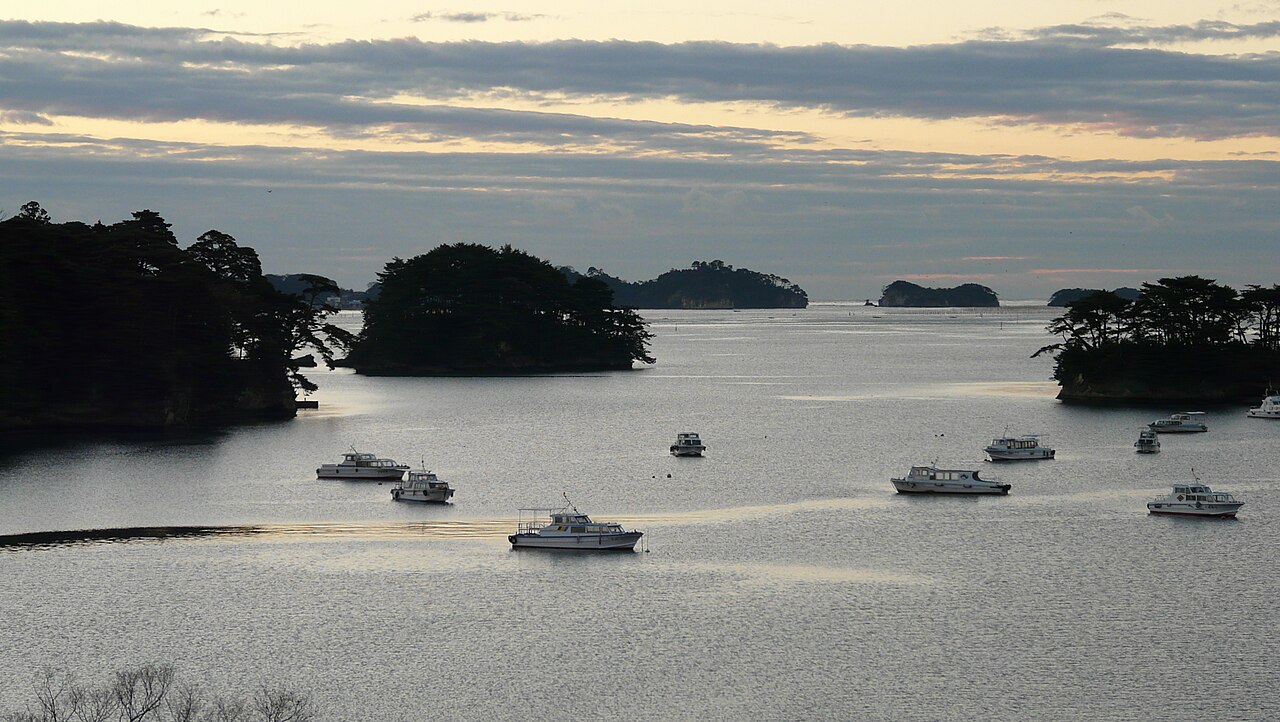
Sendai is the capital of Miyagi Prefecture and the largest city in Tōhoku, the northeastern region of Honshū. It sits on the Pacific coast, sheltered between the Ōu Mountains to the west and the deeply indented Sanriku coastline to the east. Just offshore lies Matsushima Bay, counted among the three great scenic views of Japan. The city’s nickname, “City of Trees” (杜の都), reflects the green boulevards laid out across its castle-town grid.
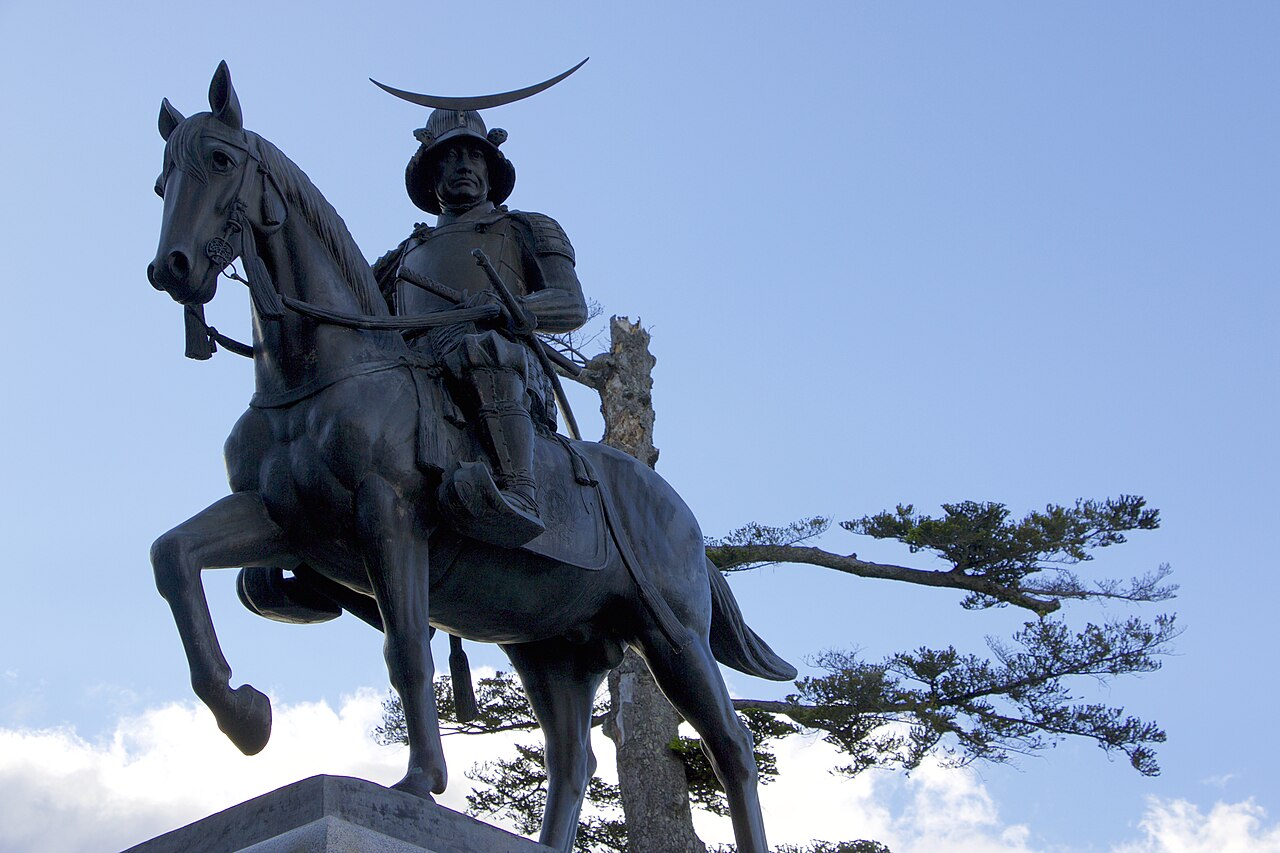
The defining figure here is Date Masamune (1567–1636), the one-eyed warlord who established his domain at Sendai in 1600–1601 and built Aoba Castle on the bluff above the Hirose River. The castle anchored a flourishing samurai economy, and the Date family — one of the wealthiest of the Edo-period domains — became active patrons of refined material culture. That patronage is the soil from which Sendai-hira grew.
The craft itself crystallized a generation or two after the city’s founding. The Sendai-han lord Date Tsunamura invited weavers from Kyoto’s Nishijin district — the center of Japanese high-end textiles — and under their guidance local artisans perfected the seigo weave: a plain weave beaten so densely that the finished silk carries a firm, almost stiff body. This was not cloth for casual wear. Seigo Sendai-hira became the recognized supreme grade for men’s formal hakama, and it kept that status into the modern era.
- 1600–1601 — Date Masamune establishes his domain at Sendai and begins Aoba Castle.
- 1607 — Ōsaki Hachimangū shrine completed in Sendai under Date patronage (later a national treasure).
- Late 17th c. — Lord Date Tsunamura invites Nishijin weavers from Kyoto; the seigo Sendai-hira weave is perfected.
- Edo period — Sendai-hira becomes the supreme cloth for formal men’s hakama, worn at court and ceremony.
- 1982 — Sendai-hira designated a Traditional Craft by METI.
- Today — Production is extremely small-scale and protected; the cloth survives in hakama for gyōji, Noh, and ceremony.
“Still being made here” carries real weight for Sendai-hira, and not in a marketing sense. Authentic seigo Sendai-hira is woven by only a tiny number of hands; the technique was recognized partly because it was at risk of disappearing. The cloth is produced slowly, in small runs, by weavers carrying a line that reaches back to the Kyoto-trained artisans of the Date domain.
“Sendai-hira was never everyday cloth — it was the silk reserved for the most formal hakama a man would ever wear, and it is now woven by only a handful of hands.”
A necktie is a modern adaptation of this ceremonial cloth. The hakama tradition does not directly require neckties, but using seigo silk in a tie lets the weave’s defining quality — its dense, structured hand — translate into a Western garment. The same property that made the cloth ideal for crisp pleated trousers gives a tie a clean, well-defined knot.
📦 Shipping & where to buy from outside Japan
Sendai-hira is a domestic-market craft item, so international buyers should plan around Japan-based fulfillment. Japan-based sellers may ship internationally to most major destinations; confirm shipping eligibility and cost at checkout. Based on the available routes, the following paths apply.
- Amazon JP Global Store — The Global Store program ships internationally; availability and delivery terms depend on destination.
- Maker direct — Sendai-hira weavers and Miyagi craft cooperatives sometimes sell directly, but international ordering is not always supported. Verify shipping terms before relying on this path.
- Proxy services (Buyee / Tenso) — if a Japan-only seller is involved, a forwarding service can receive the parcel in Japan and re-ship it abroad. This adds a service fee on top of shipping.
- Customs — orders above your country’s de minimis threshold may incur import duties or taxes on arrival. A single necktie is usually low-value, but confirm your local rules.
As silk, this is a non-electrical textile item — no voltage or certification concerns apply. Care is hand-only: see the FAQ.
Buying options compared
The JPY/USD figures below could not be confirmed, so treat the table as a routing guide rather than a quote. JPY is the standard currency; USD figures are approximate at a ¥150/USD baseline.
| Store | Item / Variant | Price (JPY + USD est.) | Notes |
|---|---|---|---|
| 🇺🇸 Amazon.com (US) | Browse Japanese silk neckties | varies (USD) | Best if you’re shopping from the US — Prime shipping, USD pricing, no international customs. Amazon US carries Japanese silk and textile goods useful for comparing weave and price tiers; the exact Sendai-hira piece is sourced from Japan (next row). |
| 🇯🇵 Amazon JP Global Store | Sendai-hira (seigo) silk necktie | Price unconfirmed — verify at retailer | Ships internationally from Japan. |
| Maker direct | Sendai-hira weaver / Miyagi craft cooperative | Unconfirmed — check manufacturer site | May not support international orders; confirm before relying on this path. |
| Proxy services (Buyee / Tenso) | Forwarded Japan-only sellers | Item price + service fee + shipping | Useful when a seller does not ship abroad directly. |
What it does well
Weaknesses and things to verify before buying
- Pricing was unconfirmed at the time of writing. The live feed returned no price; check the retailer for the current figure before committing.
- Limited, intermittent stock. Small-scale production means pieces can sell out and restock slowly.
- Hand-care only. Silk of this grade is not machine-washable; expect dry-clean or specialist care.
- Restrained appearance. Formal woven silk favors subtle texture over bold pattern — wrong choice if you want a statement print.
- International shipping and possible customs. Buying from Japan adds shipping time, cost, and the chance of import duties depending on your country.
- Verify it is genuine Sendai-hira. Confirm the piece specifies Sendai-hira / seigo silk rather than a generic “Sendai-style” tie.
Conclusion — which buyer type are you?
Other ways to approach this purchase
❓ Frequently Asked Questions
What exactly is Sendai-hira silk?
Sendai-hira is a high-grade, densely woven silk from Sendai, Miyagi Prefecture. Its seigo plain weave was perfected after Nishijin weavers were invited from Kyoto under Date-clan patronage, and it historically supplied the supreme cloth for men’s formal hakama. It was designated a traditional craft by METI in 1982.
Does Amazon JP ship a Sendai-hira necktie internationally?
Japan-based sellers may ship internationally to most major destinations. International shipping for a small, light item like a necktie commonly runs in the $15–$40 range, with the exact cost set at checkout. If a seller ships only within Japan, a proxy service such as Buyee or Tenso can forward it.
How do I care for a Sendai-hira silk tie?
Treat it as fine silk: do not machine wash. Spot-clean gently and use a specialist or dry-clean service for thorough cleaning. Untie the knot after wearing and store it rolled or hung to protect the weave.
How is it different from a Kiryu-ori silk tie?
Both are Japanese woven-silk neckties, but Kiryu-ori comes from Kiryu in Gunma Prefecture, a long-established weaving city, while Sendai-hira is the formal-hakama silk of Sendai, Miyagi, tied to Date-clan patronage. Sendai-hira’s seigo weave is specifically a dense, ceremonial-grade cloth. See our linked Kiryu-ori guide to compare.
Is it a good formal or wedding gift?
Yes. Its ceremonial roots and documented heritage suit milestone occasions such as weddings, graduations, and retirements. The restrained, formal look is an asset in those contexts rather than a limitation.
Why could you not confirm the price?
No verified price was available when this guide was prepared. The table marks it as unconfirmed rather than guessing; prices may change over time.
jpmono.com is curated by a Japan-based editorial team (working out of Toyama in the Hokuriku region and Nara in Kansai) and is independent. We don’t take payment from the makers we feature; income comes from affiliate links. Read more about our editorial standards.
Note: This article was prepared with AI assistance and reviewed against the available source data. Specifications, pricing, and availability should be confirmed at the retailer before purchase.
Affiliate disclosure: jpmono.com may earn a commission on qualifying purchases made through links on this page, at no additional cost to you.