![Kamo Kiri Paulownia Rice Container: Echigo Woodwork Storage Box [2026]](https://jpmono.com/wp-content/uploads/2026/06/kamo-kiri-paulownia-rice-container-where-to-buy-2026-featured.jpg)
In the rice country of central Niigata, the box that holds the harvest is treated as carefully as the grain itself. The item covered here is a kometsu (米櫃, “rice bin”) made of solid paulownia — kiri (桐) — in Kamo, the small Echigo city that produces roughly 70% of all the paulownia chests made in Japan. The example we focus on is the Kiriko Modern rice bin from Asahi Sofu, a dovetailed solid-paulownia container sized for about 5 kilograms of rice, with a sliding lid.
Paulownia is not an exotic novelty. It is the lightest of Japan’s hardwoods and the wood Japanese households have used for centuries to protect what spoils, warps, or attracts insects — kimono, documents, and food. A paulownia rice bin applies those same properties to a daily kitchen problem: keeping rice dry, cool, and free of pests without plastic or electricity. The craft tradition behind it is recognized as a national traditional craft (Dentō Kōgeihin).
This guide is written for international readers deciding whether a Kamo paulownia rice container is worth importing. We cover what it is and who makes it, what the wood actually does, how to buy it from outside Japan, the honest weaknesses, and which buyer type it suits. Pricing in the fetched data was thin, so where a number is unconfirmed we say so plainly rather than guess.
📅 Published: June 2, 2026
🔄 Updated: June 2, 2026
⏱️ Read time: ~9 min

- Who this is for — and who should skip it
- Product overview (from published specs)
- Where this comes from — place, era, and the craft tradition
- 📌 How does it compare?
- Price snapshot across stores
- What it does well
- Weaknesses and things to verify before buying
- Conclusion — which buyer type are you?
- Other ways to approach this purchase
- 🏆 Editor’s Pick
- ❓ Frequently Asked Questions
Who this is for — and who should skip it
- Buy rice in 5 kg bags and want a dedicated, breathable container instead of plastic.
- Value natural humidity regulation and insect resistance over airtight sealing.
- Appreciate solid-wood joinery (sashimono) and want a piece that ages rather than degrades.
- Already own or admire Japanese woodwork and want a functional, everyday example.
- Are comfortable importing from Japan and verifying current price and stock at the listing.
- Want a sealed, gasketed bin or a refrigerated rice dispenser with a measuring mechanism.
- Need a very large capacity (10 kg or more) in a single unit.
- Expect a wipe-clean plastic or stainless surface; raw paulownia must stay dry and unwashed.
- Are shopping strictly on lowest price — solid-wood craft costs more than a molded bin.
- Cannot keep it in a dry, ventilated spot away from the stove and sink.
Product overview (from published specs)
The data fetched for this article was limited, so the table below states only what the listing and maker context support, and marks the rest as unconfirmed. Per the rules of this guide, no dimensions, weight, or price are invented where the source did not provide them.
Kamo Kiri Paulownia Rice Container
日本製 桐 米びつ 10kg 新潟県加茂市 桐箪笥職人手作り 桐製米櫃 調湿 防虫 汚れにくい塗装仕上げ スリム 縦型 完成品
残り5点 ご注文はお早めに · Sold by キープロダクション · ASIN B00E85ZDB4
Price and availability as of 2026-08-31 02:30 JST. The Amazon listing at the time of purchase is authoritative. jpmono.com earns a commission on qualifying purchases at no extra cost to you.
| Attribute | Detail | Source |
|---|---|---|
| Item type | Rice container (kometsu, 米櫃) with sliding lid | Listing snapshot |
| Material | Solid paulownia (kiri, 桐) wood | Listing snapshot |
| Capacity | Approx. 5 kg of rice (Kometsu 5kg) | Listing snapshot |
| Construction | Dovetailed corners (sashimono joinery), sliding lid | Listing snapshot |
| Maker / line | Asahi Sofu — “Kiriko Modern” line | Listing snapshot |
| Origin | Kamo, Niigata (former Echigo Province) | Maker region |
| External dimensions | Unconfirmed — check listing | — |
| Weight | Unconfirmed — check listing | — |
| ASIN (JP listing) | B00E85ZDB4 | Amazon JP |
Data note: only the Amazon JP listing reference (ASIN B00E85ZDB4) was available for this item; live pricing was unavailable at time of writing, so check the listing for the current figure. USD figures, where shown elsewhere, are explicit estimates at a ¥150/USD baseline; the JPY price is authoritative.
📖 Glossary — key terms
- kiri (桐, paulownia) — the lightest Japanese hardwood; naturally regulates humidity, repels insects, and resists fire and rot.
- kometsu (米櫃) — a dedicated rice-storage bin, traditionally wooden.
- kiri-tansu (桐箪笥) — paulownia chest of drawers, the heirloom storage furniture Kamo is famous for.
- sashimono (指物) — Japanese joinery that fits wood together with cut joints (such as dovetails) rather than nails or glue alone.
- Echigo (越後) — the historical name for the region that is now Niigata Prefecture.
- Dentō Kōgeihin (伝統工芸品) — “traditional craft product,” a national designation for recognized regional crafts.
Where this comes from — place, era, and the craft tradition

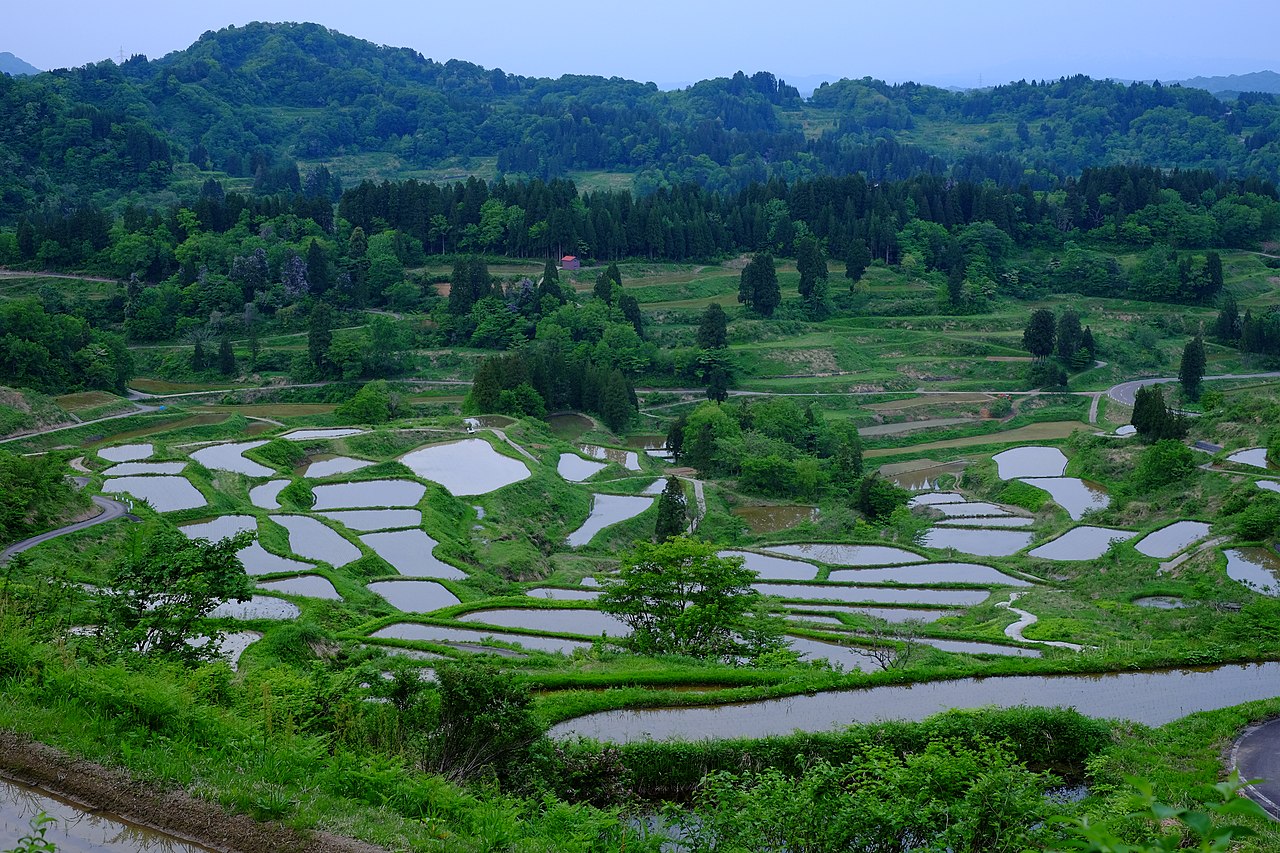
Kamo is a small city in central Niigata, the prefecture that occupies the old province of Echigo on the Sea of Japan coast of central Honshu. It is rice country and snow country at once — the Echigo plain grows some of Japan’s most famous rice, and the winters are long and heavy. That combination, humid summers and snow-buried winters, is exactly why moisture-stable wood became a regional necessity rather than a luxury.

The craft took root because the logistics were favorable. Timber could be floated down the Shinano and Kamo river systems to the town, and from the Edo period onward retainers of the Murakami and Nagaoka domains, along with local farmers, worked paulownia as off-season side income during the snowbound months. Over generations Kamo consolidated into the country’s leading producer of kiri-tansu — paulownia chests — and today the district makes on the order of 70% of Japan’s national output. The tradition carries national traditional-craft recognition.
- 1600s (early Edo) — Domain retainers and farmers work paulownia as off-season side income under the Murakami and Nagaoka domains.
- 1700s–1800s — Timber floated down the Shinano and Kamo rivers feeds a growing woodworking cluster at Kamo.
- Meiji era (1868–1912) — Kamo emerges as Japan’s foremost paulownia-chest town.
- 20th century — Kamo reaches roughly 70% of national kiri-tansu output.
- Modern era — Kamo kiri woodwork carries national traditional-craft (Dentō Kōgeihin) recognition.
- 2026 — Kamo workshops, including Asahi Sofu, continue making paulownia chests and rice bins (kometsu).
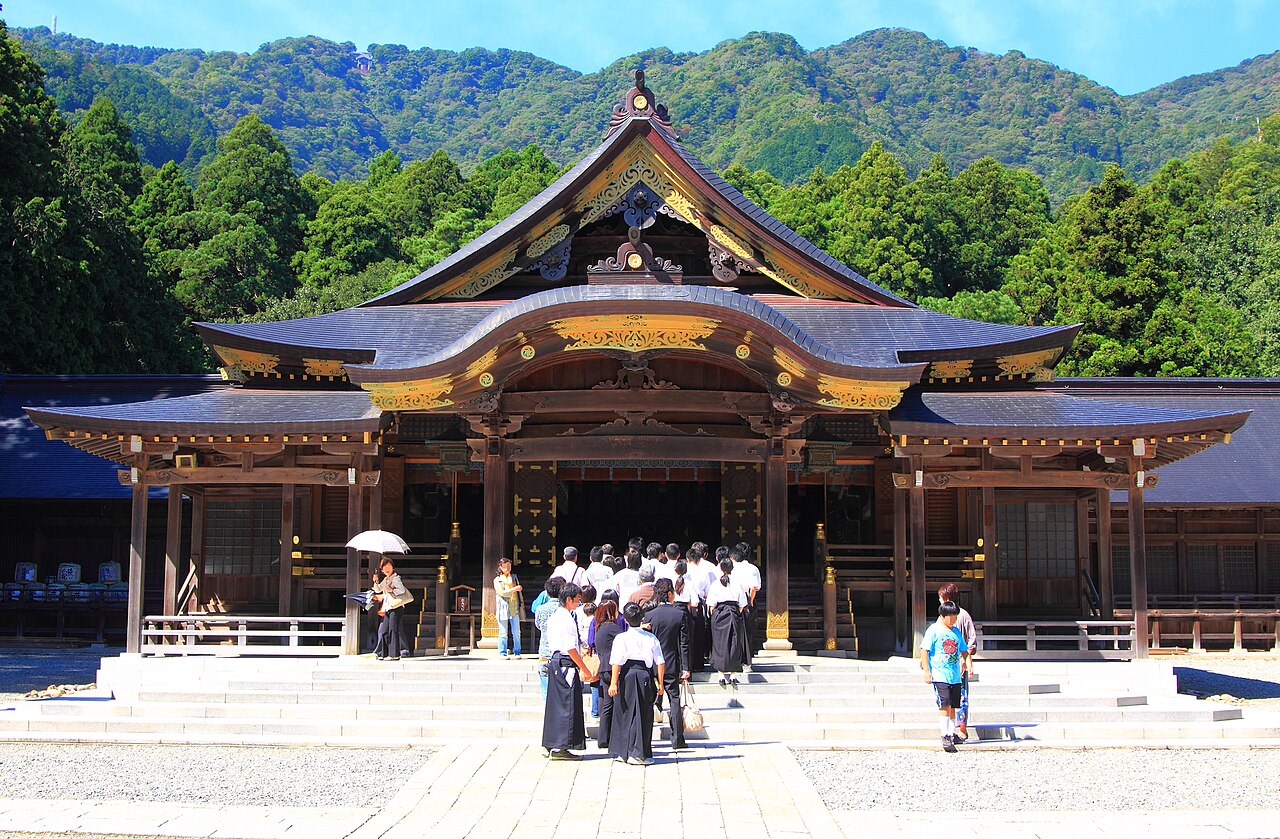
Kamo is sometimes called the “Little Kyoto of Echigo” for its temple district and the Kamo Aoso Shrine — a quiet town whose identity is bound up with both worship and woodcraft. The craft did not arrive as a marketing story; it grew out of what the place had: rivers to move timber, snow to clear the work calendar, and a need to keep grain and cloth safe through a wet, cold year.

Paulownia earned its place through physics, not folklore. It is the lightest of Japan’s hardwoods, and it breathes: the wood takes on and releases moisture with the surrounding air, swelling slightly shut against damp and easing open in dry conditions. It is traditionally valued for repelling insects and for resisting fire and rot — the reasons it became the classic material for chests that protected kimono, documents, and valuables. A rice bin simply puts those same qualities to work on grain.
“Paulownia is the lightest of Japan’s hardwoods — light enough to lift one-handed, yet it breathes with the weather, swelling shut against damp and easing open in dry air.”
📌 How does it compare?
Related Japanese woodwork and regional craft on jpmono.com — useful for comparing material, region, and joinery:
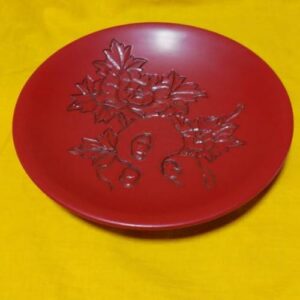 Murakami carved lacquer (Niigata)
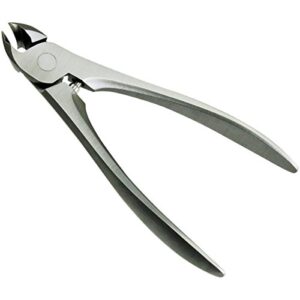 Suwada nail nipper (Niigata)
 Kiso wooden comb (Chubu woodwork)
 Hakone yosegi woodwork
 Miyajima rice scoop
 Aomori hiba board
Tendo shogi pieces (woodwork)
Johana silk (Toyama, Chubu)
Price snapshot across stores
The first row leads with Amazon US, which is the easiest path for most US, EU, and AU readers. The specific Kamo paulownia bin in this guide is sourced from the Amazon JP Global Store (second row). Pricing was unavailable in the fetched data — verify the current figure at the listing before buying.
| Store | Item / variant | Price | Notes |
|---|---|---|---|
| 🇺🇸 Amazon.com (US) | Browse Japanese paulownia rice storage & kiri boxes | varies (USD) | Best if you are shopping from the US — Prime shipping, USD pricing, no international customs. Amazon US carries Japanese kitchen and storage goods useful for comparison; the exact Kamo bin is sourced from Japan (next row). |
| 🇯🇵 Amazon JP Global Store | Kiriko Modern paulownia rice bin / Kometsu 5kg (ASIN B00E85ZDB4) | Check listing (¥ authoritative) | The sourced listing for this exact item. Ships internationally from Japan to most major destinations; duties may apply over local thresholds. |
| Maker direct (Asahi Sofu) | Kiriko Modern line | Unconfirmed — check maker site | Maker’s own catalog may list additional sizes; international shipping varies by maker. |
| Proxy services (Buyee / Tenso) | Any JP-only listing | Item price + proxy fee + forwarding | Useful when a listing does not ship abroad directly; adds a forwarding fee but unlocks domestic-only stock. |
What it does well
Weaknesses and things to verify before buying
- Not airtight. A sliding wooden lid breathes by design; it is not a gasketed seal. If you specifically want an airtight or vacuum container, this is the wrong tool.
- Keep it dry and do not wash it. Raw paulownia should not be submerged or wiped wet. Spills and a damp kitchen spot can stain or swell the wood. Confirm you have a dry, ventilated location away from the stove and sink.
- Capacity is fixed at about 5 kg. Households that buy rice in 10 kg sacks may need two units or a larger container; confirm the capacity suits your buying pattern.
- Exact dimensions and weight were unconfirmed in the data. Measure your shelf or cabinet and verify the external footprint at the listing before ordering.
- Price was unavailable at time of writing. Solid-wood craft costs more than a molded plastic bin; check the current figure and factor international shipping and possible customs duties.
- Natural wood varies. Grain, color, and minor tonal differences are inherent to solid paulownia and are not defects; buyers expecting uniform factory finish should be aware.
Conclusion — which buyer type are you?
Other ways to approach this purchase
🏆 Editor’s Pick
❓ Frequently Asked Questions
Does the Amazon JP Global Store ship a paulownia rice bin internationally?
The Amazon JP Global Store ships many household items to most major destinations, and this listing is the sourced path for the exact item. Confirm shipping eligibility and cost for your country at checkout, and budget for possible customs duties over your local threshold.
How much rice does this kometsu hold?
The listing describes a roughly 5 kg rice capacity, which suits households that buy rice in 5 kg bags. If you buy in 10 kg sacks, you may need a second unit or a larger container.
Why use paulownia (kiri) for storing rice?
Paulownia is the lightest Japanese hardwood and naturally regulates humidity, which helps keep rice from sweating or over-drying. It is also traditionally valued for repelling insects and resisting rot — the same properties that made it the classic wood for chests protecting kimono and documents.
How do I care for a paulownia rice bin?
Keep it dry and do not wash or submerge it. Wipe spills promptly with a dry or barely damp cloth, and store it in a ventilated spot away from the stove and sink. Raw paulownia can stain or swell if kept wet.
Is this the same as a kiri-tansu chest?
It comes from the same Kamo paulownia tradition that produces kiri-tansu (paulownia chests of drawers), but a kometsu is a dedicated rice bin — smaller, single-purpose storage rather than heirloom furniture.
What does it cost?
Pricing was unavailable in the data at the time of writing, so check the current figure at the Amazon JP listing. The JPY price is authoritative; any USD figure is an estimate at a ¥150/USD baseline and depends on the live exchange rate.
jpmono.com is curated by a Japan-based editorial team (working out of Toyama in the Hokuriku region and Nara in Kansai) and is independent. We do not take payment from the makers we feature; income comes from affiliate links. We do not physically test every product — we read maker specs and source listings.
This article was prepared with AI assistance and reviewed against the fetched product data and verified regional facts. Specifications, prices, and availability can change; please confirm details at the retailer before purchasing.
Affiliate disclosure: jpmono.com may earn a commission on qualifying purchases made through links on this page, at no additional cost to you.