![Oku-Kuji Tochi Woodturned Plate: Bare-Grain Kijishi Woodwork from Ibaraki [2026]](https://jpmono.com/wp-content/uploads/2026/05/japan-map-regions-and-prefectures-800x1050.png)
This is a lathe-turned plate of tochi (栃, horse chestnut) from the Oku-Kuji hills of northern Ibaraki — the wooded country around Daigo and Hitachiomiya, set against the Yamizo range that holds the prefecture’s highest peak. It is finished in oil rather than lacquer, which is the whole point: the maker leaves the wood bare so that the pale, watery figure of the horse-chestnut grain stays visible at the table. There is no urushi coat to hide behind, and no painted decoration. What you see is the board and the cut.
The reason a plate like this exists here, and not somewhere generic, is the region’s kijishi (木地師, “woodturner”) tradition. For generations the turners of the Oku-Kuji forests shaped bowls, trays, and plate blanks on the rokuro (轆轤, foot- or power-driven lathe), and many of those bare blanks were handed on to local lacquer workshops — Oku-Kuji is one of Japan’s notable urushi-sap districts — to be coated and sold as finished ware. An oil-finished plate keeps the blank at the first stage of that chain, on purpose, and frames the grain as the object rather than as a surface waiting for lacquer.
This guide is for readers weighing a bare-grain, oil-finished Japanese wooden plate as an everyday or serving piece, and trying to understand what they are actually buying. We cover the woodturning lineage behind it, how it sits next to other Japanese woodwork, the realistic care burden of an unlacquered hardwood plate, and international purchase paths. This is a quieter, more secondary expression of the district than its famous lacquer, and current details can be thin.
🔄 Updated:
⏱️ Read time: ~10 min
- Who this is for — and who should skip it
- Product overview (from published specs)
- Where this comes from — place, era, and the craft tradition
- Where to buy
- What it does well
- Weaknesses and things to verify before buying
- Conclusion — which buyer type are you?
- Other ways to approach this purchase
- ❓ Frequently Asked Questions
Who this is for — and who should skip it
- Want to see the wood — bare oil-finished grain, not a lacquer coat or printed pattern
- Appreciate the kijishi woodturning lineage and want a plate tied to a real district, not a generic “wood plate”
- Are comfortable with hand-wash-only care and occasional re-oiling
- Like the pale, soft figure of tochi (horse chestnut) specifically
- Are buying a calm, everyday serving piece rather than a showpiece
- Want dishwasher- and microwave-safe tableware you never have to think about
- Expect the glossy, protective durability of a fully lacquered (urushi) plate
- Need a guaranteed fit — the available details are limited
- Want a decorated, colored, or maki-e surface
- Are unwilling to re-oil the wood once or twice a year to keep it from drying
Product overview (from published specs)
Current tochi-wood plates from Oku-Kuji vary by workshop. The rows below describe what the maker tradition establishes, while dimensions, weight, finish, and price should be confirmed with the woodworker or specialist seller rather than guessed.
| Attribute | What the data shows | Source |
|---|---|---|
| Item | Woodturned plate (round, lathe-cut) | Amazon JP Global Store |
| Wood | Tochi (栃, horse chestnut) | Amazon JP Global Store |
| Finish | Oil finish, bare grain — no urushi lacquer | Amazon JP Global Store |
| Method | Rokuro (lathe) turning, Oku-Kuji / Daigo kijishi tradition | Maker direct / regional tradition |
| Origin | Oku-Kuji region, Ibaraki Prefecture (Kantō) | Maker direct / regional tradition |
| Diameter / weight | Unconfirmed | Not present in fetched data |
| Price | — | Not present in fetched data |
Prices and exact dimensions for Oku-Kuji tochi plates vary by woodworker, wood blank, size, and finish. Confirm the current specifications with the maker or a specialist woodcraft seller before purchase.
📖 Glossary — key terms
- Kijishi (木地師) — a specialist woodturner who shapes bowls, trays, and plate blanks on a lathe. Historically itinerant communities working the mountain hardwood forests.
- Rokuro (轆轤) — the turning lathe on which the blank is shaped. The same word covers both the old foot-driven and modern powered versions.
- Tochi (栃) — horse chestnut, a pale hardwood prized by turners for its soft, watery figure and the occasional rippled “tochi-mokume” grain.
- Urushi (漆) — Japanese lacquer, the sap of the lacquer tree, applied in coats to seal and decorate wood. This plate deliberately omits it.
- Fuki-urushi / oil finish — minimal finishes that soak into the wood rather than coating it. An oil finish leaves the grain bare and matte; this plate uses oil, not lacquer.
- Mokume (木目) — the visible figure of the wood grain, the feature this bare plate is built to showcase.
Related Japanese woodwork and Kantō-region crafts covered on jpmono.com — useful for placing this bare-grain plate in context.
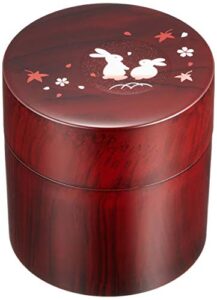 Yamanaka rokuro woodturningLathe-turned keyaki tea caddy
Kijiro mulberry wood bowlBare-grain turned bowl
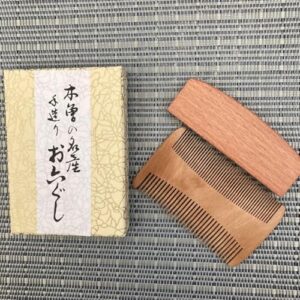 Kiso wooden combFine-grain woodworking
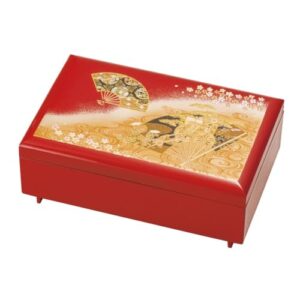 Kyo sashimono woodworkJoinery wood box
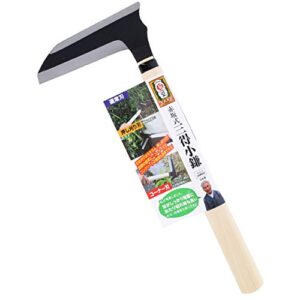 Chiba Koshogu (Kanto)Hand-forged sickle
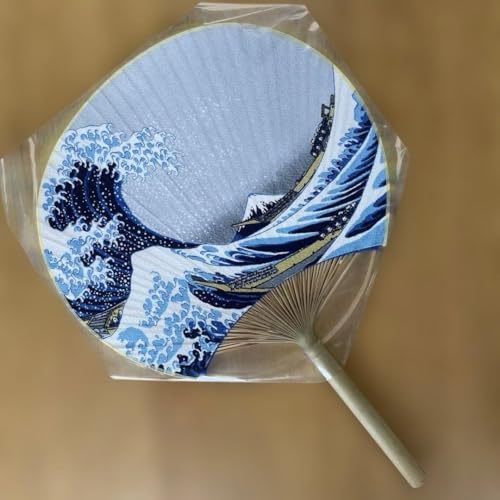 Boshu Uchiwa (Kanto)Hand-split bamboo fan
Takasaki Daruma (Kanto)Cast brass engimono bell
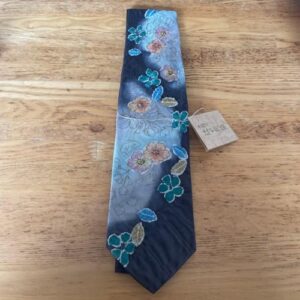 Kiryu-ori (Kanto)Woven silk necktie
Where this comes from — place, era, and the craft tradition

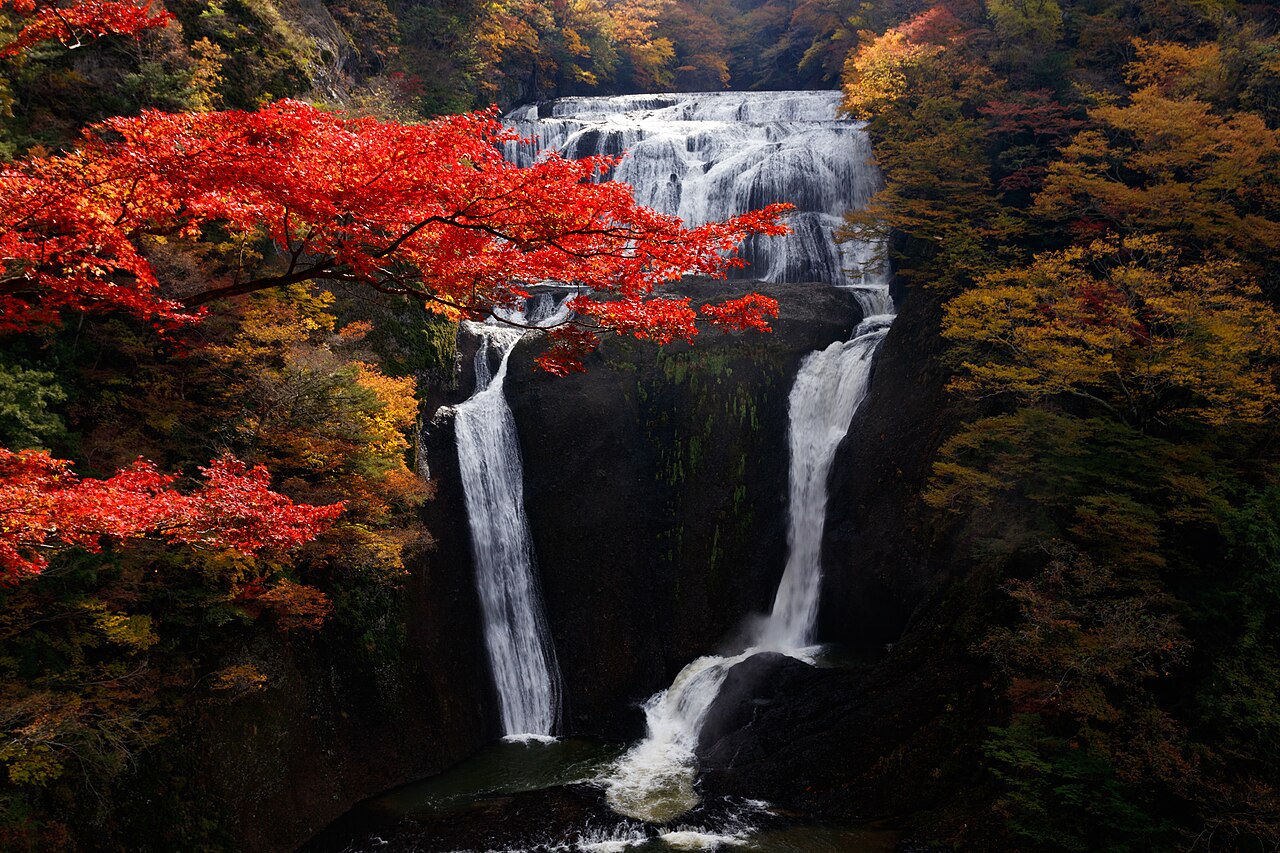
Oku-Kuji (奥久慈) means, roughly, “the deep Kuji country” — the upper, forested reaches of the Kuji River valley in the north of Ibaraki Prefecture, tucked against the Yamizo mountains that mark the boundary with Fukushima. The two towns most associated with the woodturning trade, Daigo (大子) and Hitachiomiya (常陸大宮), sit in a landscape of hardwood ridges, gorges, and waterfalls rather than the flat farmland most people picture when they think of the Kantō plain. It is a cooler, wetter pocket of the region, and that hardwood forest — horse chestnut, zelkova, and others — is exactly the raw material a turning tradition needs.
The craft that took root here is woodturning, carried out by kijishi (木地師) — communities of specialist turners who, across much of pre-modern Japan, followed the mountain forests to shape bowls, trays, and plate blanks on the lathe. In the Oku-Kuji forests the turners had two markets. One was everyday wooden vessels sold as-is. The other, and the more lucrative, was supplying bare blanks to lacquer workshops: Oku-Kuji is one of Japan’s recognized urushi-sap districts, and a local turner’s plate could become the wooden core of a finished lacquer piece. A bare, oil-finished plate like this one is, in effect, that first link in the chain presented as the finished object — the blank, kept honest.
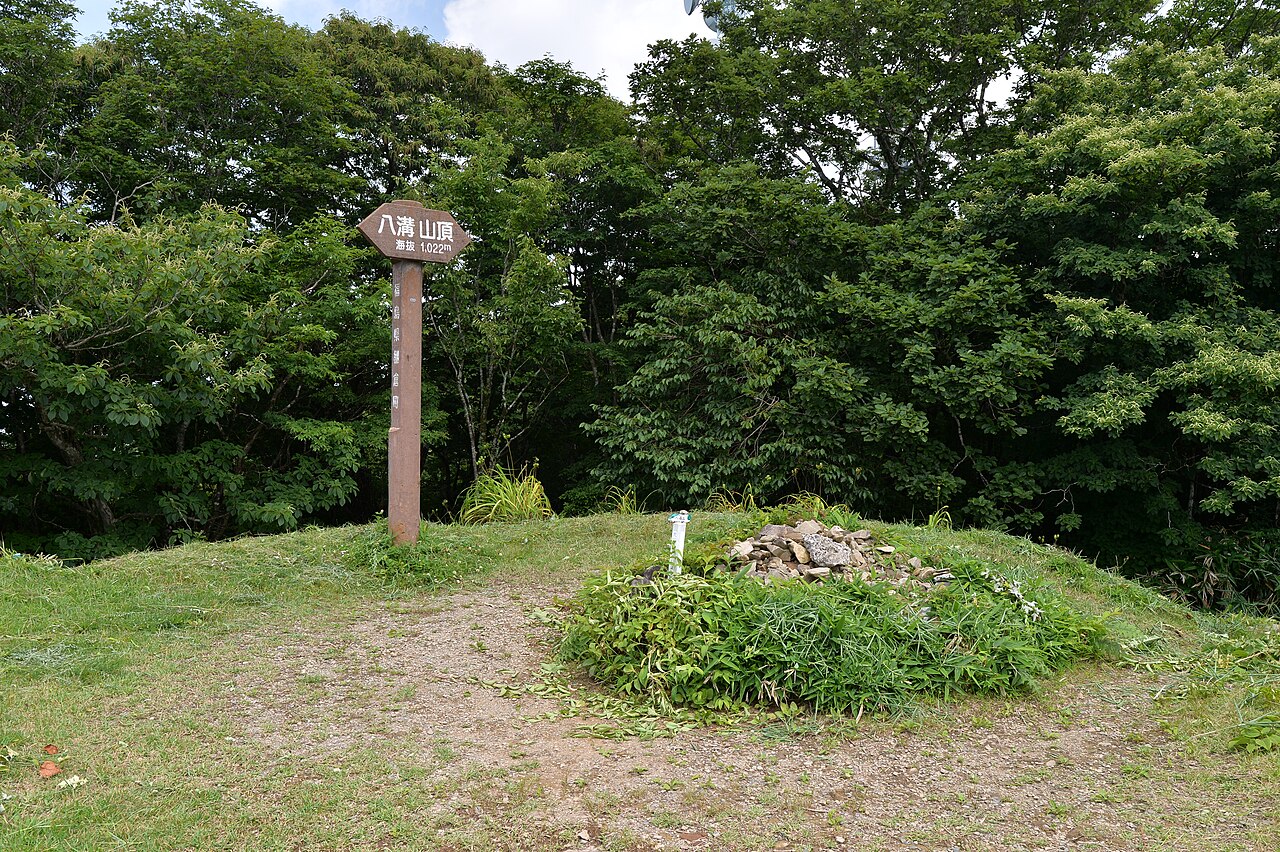
The wood used in Oku-Kuji woodturning, tochi (栃, horse chestnut), is a turner’s wood. It is pale, fairly soft to work, and carries a watery, sometimes rippled figure that lacquer would cover up. Mt. Yamizo (八溝山), the highest peak in Ibaraki at the head of these forests, anchors the catchment that supplied horse chestnut, zelkova (keyaki), and other hardwoods to the district’s lathes. Choosing horse chestnut and then leaving it bare is a deliberate decision to let the material speak — the opposite instinct from the lacquer trade the same forests fed.
- 9th c. onward — Kijishi woodturning communities spread through Japan’s mountain hardwood forests, traditionally traced to the Ōmi-province woodturner lineage.
- Edo period — The Mito Tokugawa domain, one of the three senior Tokugawa branches, promotes forestry and local industry across northern Ibaraki.
- 1657 — Mito’s second lord, Tokugawa Mitsukuni, begins the domain’s program of scholarship and resource development that shaped its forest economy.
- Edo–Meiji — Oku-Kuji becomes a recognized urushi-sap district; local kijishi supply turned blanks both as plain ware and as cores for lacquer workshops.
- 1842 — Kairakuen garden is laid out in Mito by lord Tokugawa Nariaki, emblem of the domain’s cultivation of land and craft.
- 20th c. — Lathe work modernizes from foot-driven to powered rokuro; the bare-blank turner’s tradition persists alongside the lacquer trade.
- 2026 — Oku-Kuji / Daigo turners still produce oil-finished tochi and keyaki ware that foregrounds bare grain.
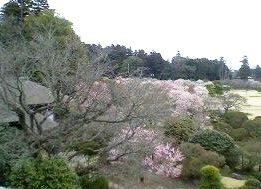
The patron behind the long arc of this trade was the Mito Tokugawa domain. Mito was one of the three senior branches of the ruling Tokugawa family, and its lords — Mitsukuni in the seventeenth century, Nariaki in the nineteenth — invested heavily in scholarship, agriculture, and the management of the domain’s forests and local industries. That patronage is why northern Ibaraki sustained a forestry-and-woodcraft economy rather than letting the hardwood ridges go to waste. Kairakuen, the great garden Nariaki opened in Mito in 1842, is the public face of that cultivating impulse; the kijishi lathes in the Oku-Kuji hills were its working edge.
“An oil-finished tochi plate is the woodturner’s blank kept honest — the first link in the lacquer chain, shown as the finished object.”
It is worth being plain about where this object sits in the regional hierarchy. Oku-Kuji’s famous craft is its lacquer; a bare, oil-finished plate is the quieter, more secondary expression of the same woodland economy. That is not a knock against it — it is the appeal. You are buying the turner’s work without the lacquerer’s coat, the grain of horse chestnut from a real district rather than a glossy surface. Readers who want the prestige and durability of full urushi should know that this is, by design, a different and humbler thing.
Where to buy
| Store | Item / Variant | Price (JPY / USD est.) | Notes |
|---|---|---|---|
| 🇺🇸 Amazon US (search) | Browse Japanese wooden plates & turned woodware | varies (USD) | Best if you are shopping from the US — Prime shipping, USD pricing, no international customs. Amazon US carries Japanese wooden plates and bowls from various makers, useful for comparing size and finish; this exact Oku-Kuji plate ships from Japan (next row). |
| 🇯🇵 Amazon JP Global Store | The exact item | — | Where this specific plate is sourced. Ships internationally from Japan to most major destinations. |
| Maker direct | Oku-Kuji / Daigo turner | Unconfirmed | Small regional workshops may not list online or ship abroad; producer details should be confirmed. |
| Proxy services (Buyee / Tenso) | Forwarding for JP-only sellers | Item price + forwarding fee | A fallback if a workshop sells only within Japan. Adds a forwarding fee and possible customs duty. |
JPY (¥) is the authoritative price for the specific item; any USD figure is an approximate estimate (¥150/USD baseline as of mid-2026) and depends on the current exchange rate. Prices and stock fluctuate — confirm at the retailer before purchasing.
What it does well
Weaknesses and things to verify before buying
- Product details are limited. Confirm the current purchase details before you commit — do not assume the product details from the photo.
- Oil finish is not lacquer. An oil-finished bare plate is less sealed and less water-resistant than full urushi. It is more vulnerable to staining from oily or strongly colored foods and to water rings if left wet.
- Hand-wash only, and re-oil periodically. Expect to hand-wash, dry promptly, and re-oil the wood once or twice a year. No dishwasher, no microwave, no prolonged soaking.
- Natural variation. Tochi grain and color vary board to board; the plate you receive will not match the product photo exactly. That is inherent to bare wood, not a defect.
- Secondary, not flagship, craft. This is the humble, oil-finished expression of a district famous for lacquer. Buyers expecting prestige urushi durability or decoration should set expectations accordingly.
- Producer and shipping unconfirmed. The specific workshop, food-safe finish details, and international shipping terms need verification. Check whether wood items ship to your country without restriction.
Conclusion — which buyer type are you?
Other ways to approach this purchase
❓ Frequently Asked Questions
Is this plate lacquered?
No. It is finished in oil, not urushi lacquer. The oil soaks into the wood and leaves the horse-chestnut grain bare and matte, which is the intended look. It is less sealed and less water-resistant than a fully lacquered plate.
How do I care for it?
Hand-wash with mild soap, rinse, and dry promptly rather than leaving it wet or soaking it. Avoid the dishwasher and microwave. Re-oil the wood with a food-safe oil once or twice a year, or whenever it looks dry, to keep it from cracking.
What is tochi wood?
Tochi (栃) is Japanese horse chestnut, a pale, fairly soft hardwood that woodturners favor for its light weight and its watery, sometimes rippled grain figure. Leaving it bare under oil shows that figure off.
Does it ship internationally?
Wooden tableware from Japan is often sourced through the Amazon JP Global Store, which ships to most major destinations. Shipping terms and any restrictions on wooden items to your country vary, so confirm them with the retailer. If a seller is Japan-only, a proxy service such as Buyee or Tenso can forward it.
How much does it cost?
Prices for bare-grain wood plates vary by wood species, size, turning, and finish. Compare the maker’s current yen price with shipping and customs; any USD figure is only an exchange-rate estimate.
How is it different from a lacquer plate from the same region?
Oku-Kuji is best known for its lacquer (urushi) ware, and the woodturners historically supplied blanks for it. Plates finished at the bare wood stage with only an oil finish are a quieter, more secondary expression that shows the wood instead of a lacquer coat. They trade the durability and gloss of lacquer for visible grain.
Can I put hot or oily food on it?
It works for dry and lightly moist foods like bread, fruit, and sweets. Because the oil finish is not a full seal, strongly colored or very oily foods can stain bare wood and standing water can leave marks, so wipe up spills promptly and avoid prolonged contact.
jpmono.com is curated by a Japan-based editorial team (working out of Toyama in the Hokuriku region and Nara in Kansai) and is independent. We do not take payment from the makers we feature; income comes from affiliate links. We do not physically test every product, and we review maker specifications and public craft references.
🤖 This article was prepared with AI assistance and editorial review. Specifications and prices vary by woodworker and piece, so they should be confirmed with the maker before purchase.
Affiliate disclosure: jpmono.com may earn a commission on qualifying purchases made through links on this page, at no additional cost to you.