![Ouchi Ningyo Lacquered Wooden Doll Pair from Yamaguchi [2026]](https://jpmono.com/wp-content/uploads/2026/06/ouchi-ningyo-lacquered-wooden-doll-pair-where-to-buy-2026-featured.jpg)
Ouchi ningyo (大内人形, “Ouchi dolls”) are rounded, lathe-turned wooden dolls finished in deep vermilion lacquer, sold as a quiet courtly couple — a lord and his lady, side by side. The lacquer is Ouchi-nuri (大内塗), a Yamaguchi tradition of red ground, autumn-grass motifs, and a small gold diamond crest. The faces are painted in the old courtly shorthand of hikime-kagibana (引目�鉤鼻) — a single brushed line for each eye, a hooked stroke for the nose — so the expression reads as calm rather than cute.
What makes the pair worth a foreigner’s attention is not the carving alone but the world it carries. These dolls descend directly from the Ouchi clan, the warlords who turned medieval Yamaguchi into “Nishi-no-Kyo” — the Kyoto of the West — a city of trade, refugees from the capital, and imported art. The vermilion and gold are the colors of that golden age, compressed into an object that fits in two hands.
This guide is written from a Japan-based editor’s desk for readers buying from outside Japan. It covers what the doll pair is, where the tradition comes from, how to read the listing data honestly, where to buy it, and which buyer it actually suits. One caveat up front: as of the writing date the product feed returned no live listing snapshot, so prices and stock below should be treated as “verify at the retailer,” not as quoted figures.
🔄 Updated:
⏱️ Read time: ~10 min

- Who this is for — and who should skip it
- Product overview (from published specs)
- 📍 Where this comes from — place, era, and the craft tradition
- 📌 How does it compare?
- Price snapshot across stores
- What it does well
- Weaknesses and things to verify before buying
- Conclusion — which buyer type are you?
- Other ways to approach this purchase
- 🏆 Editor’s Pick
- ❓ Frequently Asked Questions
Who this is for — and who should skip it
- Want a Japanese folk object with a real regional story, not generic souvenir kitsch
- Are shopping for a wedding, anniversary, or engagement — the pair is a traditional marriage charm
- Like calm, abstract faces (hikime-kagibana) over expressive or doll-like ones
- Collect kokeshi, daruma, or other lathe-turned and lacquered folk crafts
- Appreciate vermilion-and-gold lacquer as a display accent on a shelf or kamidana
- Want a functional item — these are display dolls, nothing more
- Need a guaranteed price before ordering (live pricing was not in the data feed)
- Expect a large statement piece — Ouchi ningyo are typically small palm-scale objects
- Dislike highly stylized faces and prefer realistic figures
- Are unwilling to handle real urushi-style lacquer gently (no dishwasher, no scrubbing)
Product overview (from published specs)
The data feed for this item came back without a populated listing, so the table below is built from the spec sheet supplied with the ASIN plus the general Ouchi-nuri tradition. Treat every cell as “confirm on the live listing.” Where a value was not present in the data, it is marked rather than guessed.
Ouchi Ningyo Lacquered Wooden Doll Pair from Yamaguchi
大内人形 雛人形 大内塗 伝統工芸品 大内人形 郷土玩具 雛人形 置物 伝統工芸 こけし お雛様 民芸品 大内塗 ひな人形
通常7~8日以内に発送します。 · Sold by ちはやshop · ASIN B0GP6DZDJB
Price and availability as of 2026-08-31 02:30 JST. The Amazon listing at the time of purchase is authoritative. jpmono.com earns a commission on qualifying purchases at no extra cost to you.
| Attribute | Detail | Source |
|---|---|---|
| Item | Ouchi ningyo couple pair (lord & lady) | Spec sheet (ASIN B0GP6DZDJB) |
| Material | Lathe-turned wood, vermilion Ouchi-nuri lacquer | Spec sheet + Ouchi-nuri tradition |
| Decoration | Autumn-grass (akikusa) pattern, gold Ouchi-bishi diamond crest | Spec sheet |
| Face style | Hikime-kagibana courtly faces (line-eye, hooked-nose) | Spec sheet |
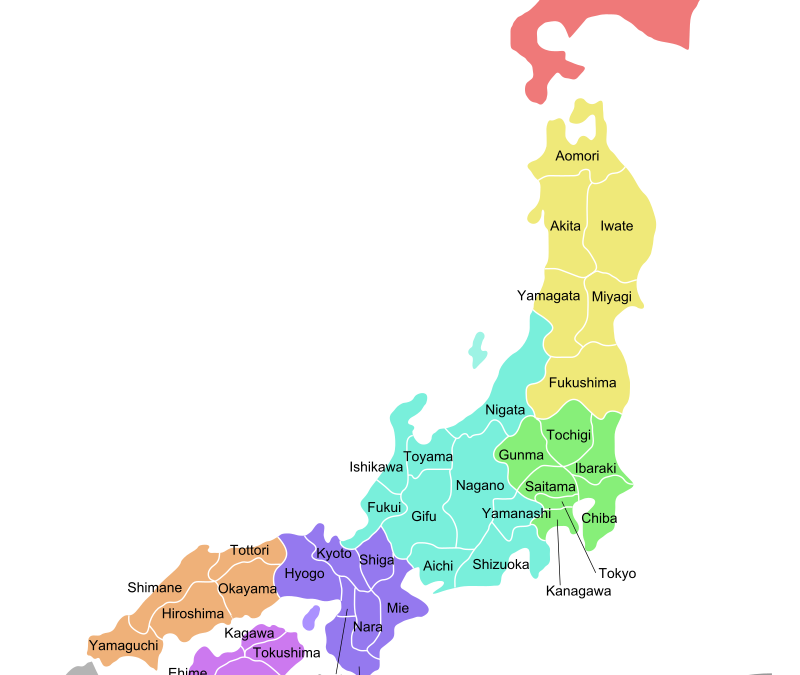
| Origin | Yamaguchi City, Yamaguchi Prefecture (Chūgoku region) | Spec sheet |
| Dimensions / weight | Unconfirmed — check manufacturer / listing | Not in data feed |
| Price | Unconfirmed — live listing snapshot unavailable | Not in data feed |
Store paths for the table and snapshot below: Amazon US (search, primary, moonill-20), Amazon JP Global Store (secondary, moonill-22 — the sourced listing), maker direct, and proxy services where relevant.
📖 Glossary — key terms in this article
- Ouchi ningyo (大内人形) — lathe-turned wooden dolls of Yamaguchi, lacquered and sold as a courtly couple; a marriage charm.
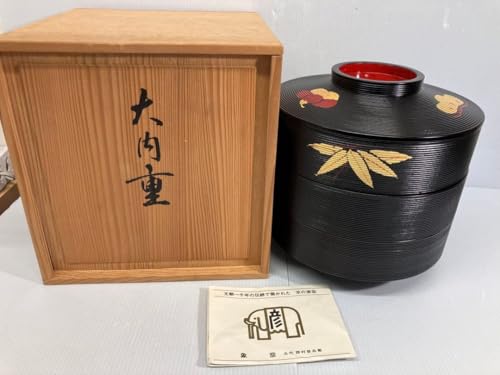
- Ouchi-nuri (大内塗) — Yamaguchi lacquerware tradition: vermilion ground, autumn-grass motifs, gold Ouchi-bishi crest.
- Ouchi-bishi (大内菱) — the diamond (rhombus) family crest of the Ouchi clan, applied in gold.
- Akikusa (秋草) — “autumn grasses,” a classical Japanese decorative motif of seasonal plants.
- Hikime-kagibana (引目鉤鼻) — “drawn-line eyes, hooked nose,” the abstract aristocratic face style of Heian-era picture scrolls.
- Nishi-no-Kyo (西の京) — “the Kyoto of the West,” the historical nickname for Ouchi-era Yamaguchi.
- Urushi (漆) — natural Japanese lacquer, tree-sap based; durable but sensitive to abrasion and prolonged water.
📍 Where this comes from — place, era, and the craft tradition

Yamaguchi sits in a quiet inland basin at the far western end of Honshu, in the Chūgoku region, a short distance from the Seto Inland Sea that historically connected it to Korea, China, and the rest of Japan by ship. It is not a big city today. But for roughly two centuries in the late medieval period it was one of the most cosmopolitan places in the country — and the lacquer tradition behind these dolls is the residue of that era.
The makers were the Ouchi clan (大内氏), who ruled the provinces of Suo and Nagato — most of modern Yamaguchi Prefecture — through the Muromachi period, from roughly the 14th to the 16th century. Lord Ouchi Hiroyo moved the clan seat to Yamaguchi and laid the town out in deliberate imitation of Kyoto, with avenues, temples, and a river standing in for the capital’s geography.
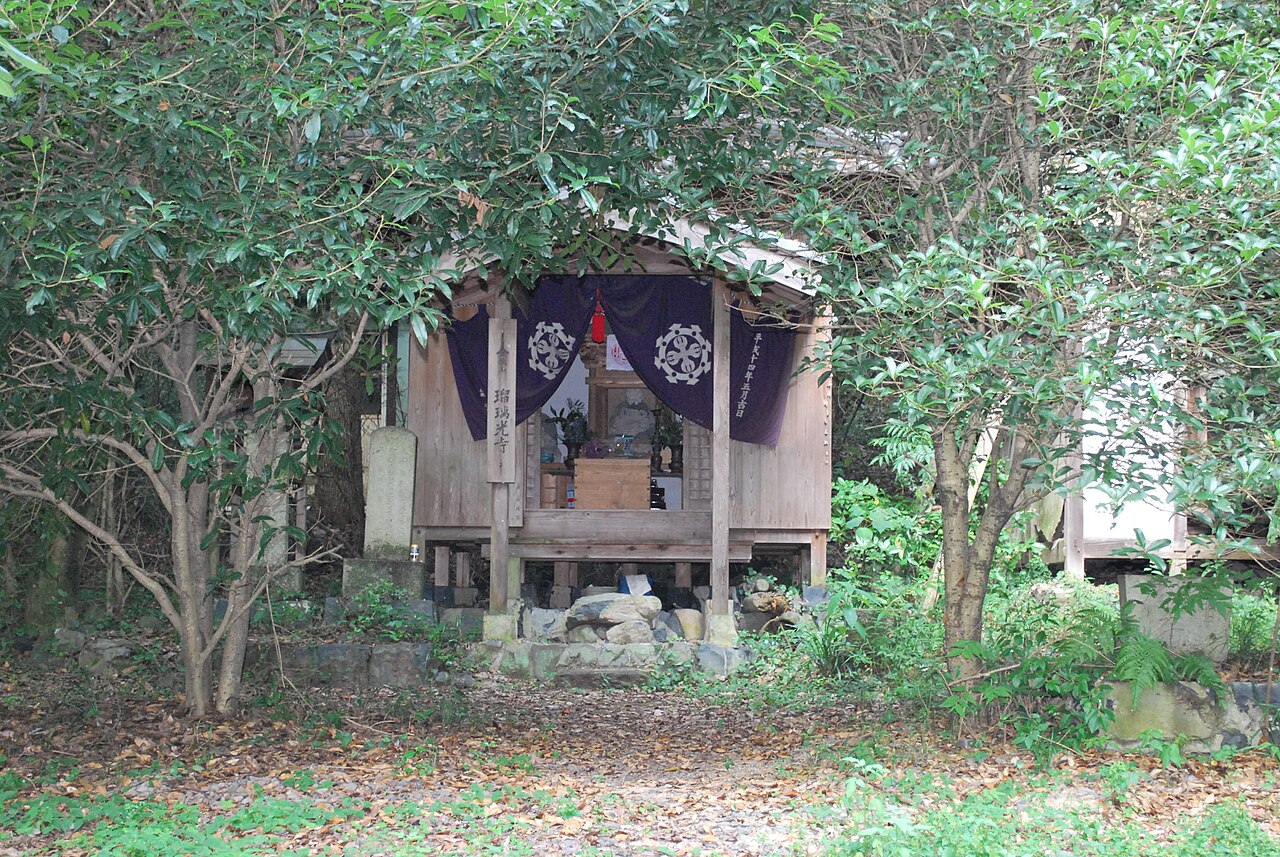
- c. 1360 — Ouchi Hiroyo establishes Yamaguchi as the clan seat, laying it out in imitation of Kyoto.
- 1442 — Ruriko-ji’s five-story pagoda is completed, honoring an Ouchi lord.
- 1467–1477 — During the Ōnin War, Kyoto nobles and artists take refuge in Yamaguchi under Ouchi protection.
- late 15th c. — The painter Sesshu works under Ouchi patronage; the Jōei-ji garden is attributed to his design.
- 1551 — Francis Xavier is received by the Ouchi and preaches Christianity in Yamaguchi.
- 1551 — The Ouchi clan falls after the revolt of retainer Sue Harukata.
- Edo period — Ouchi-nuri lacquer technique survives; rounded lathe-turned dolls develop as folk charms.
- modern era — Ouchi ningyo are recognized as a Yamaguchi regional craft and marriage charm, still made today.
Under lords such as Hiroyo and, later, Ouchi Masahiro, the town became a hub of trade with Ming China and Korea, its wealth flowing through the Inland Sea ports. When the Ōnin War (1467–1477) gutted Kyoto, courtiers, monks, and artists fled west and were sheltered in Yamaguchi. The capital’s culture — poetry, painting, garden design, lacquer — effectively relocated for a generation. That is how Yamaguchi earned its nickname, Nishi-no-Kyo, the Kyoto of the West.
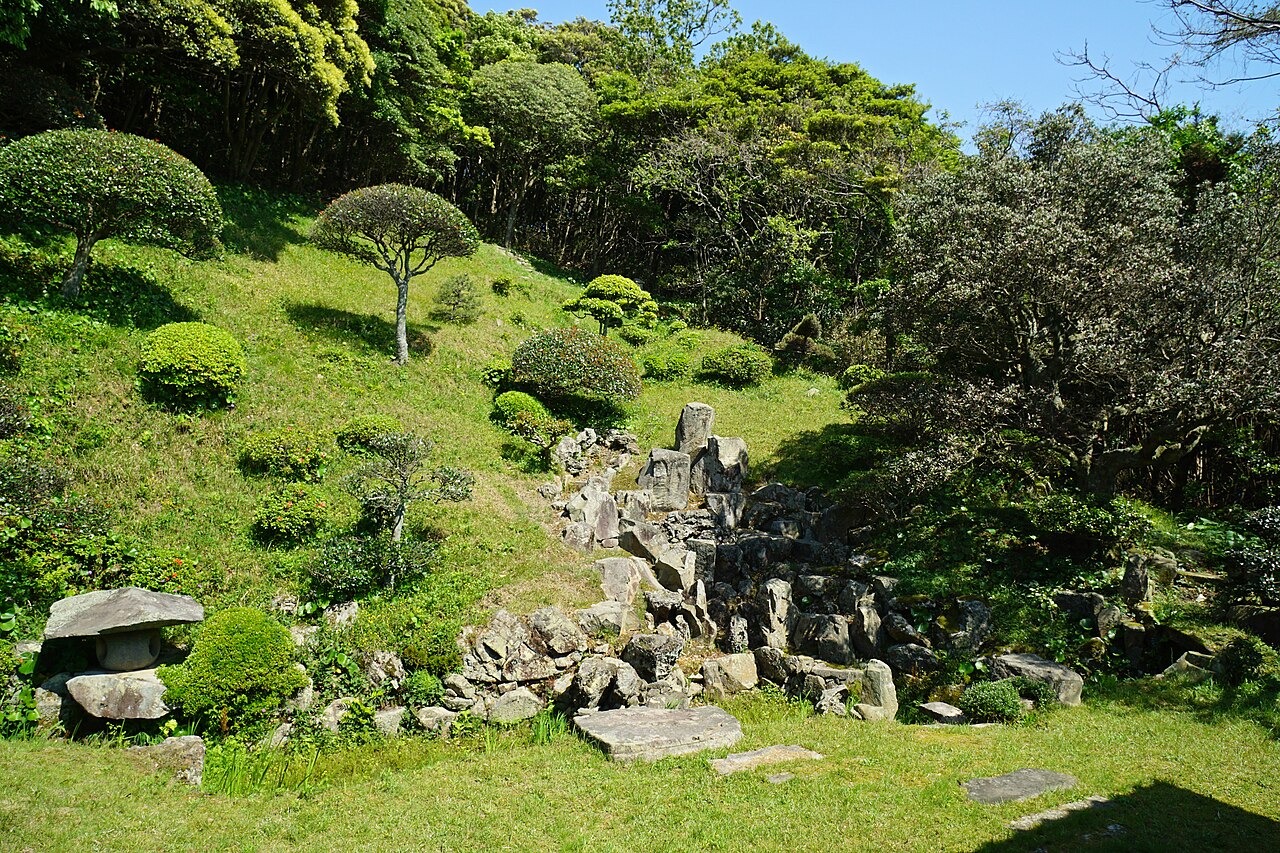
This courtly taste is exactly what the dolls preserve. The vermilion ground, the gold Ouchi-bishi crest, and the autumn-grass motifs are the visual language of Ouchi-nuri lacquer, and the faces borrow the hikime-kagibana convention of Heian-era picture scrolls — the same abstract aristocratic look you see in Genji Monogatari illustrations. The dolls are, in effect, a folk distillation of a medieval court.
“The Ouchi clan is gone, the trade ships are gone, and the city is quiet — but the vermilion and gold survive in something you can hold in one hand.”
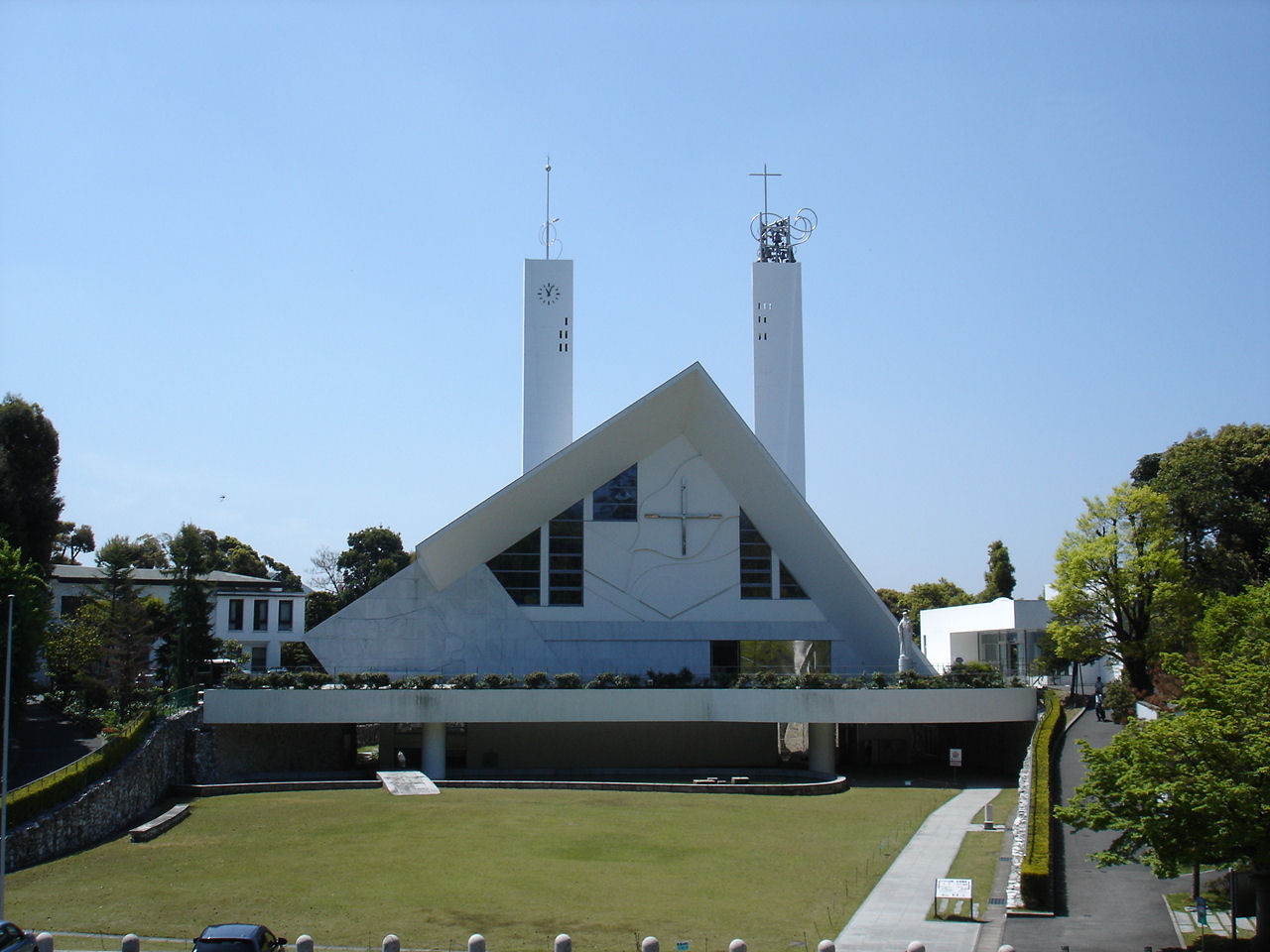
The clan’s openness was not only commercial. In 1551 the Ouchi received Francis Xavier, who was granted leave to preach Christianity in the city — one of the earliest such missions in Japan. That same year the clan fell, betrayed by the retainer Sue Harukata. The golden age ended abruptly, but the craft outlived its patrons. Today Ouchi ningyo are sold, as they traditionally have been, as a married couple — folk-traditionally tied to a legend of an Ouchi lord and the bride he longed for, and given as a charm for a happy marriage. (That legend is a folk tradition, not a documented historical event.)
📌 How does it compare?
If you are weighing this against other Japanese wood and lacquer crafts, these jpmono guides are useful neighbors — several share the Chūgoku region or the lathe-turned / carved-and-lacquered technique:
Price snapshot across stores
The product feed returned no live pricing for this item, so the figures below are intentionally left open. Verify the current price and stock at the retailer before ordering. JPY is the authoritative currency for the sourced JP listing; any USD shown elsewhere is an estimate at roughly ¥150/USD.
| Store | Item / Variant | Price (JPY + USD est.) | Notes |
|---|---|---|---|
| 🇺🇸 Amazon.com (US) | Browse Japanese lacquered folk dolls | varies (USD) | Best if you are shopping from the US — Prime shipping, USD pricing, no international customs. Amazon US carries kokeshi, daruma, and other lacquered Japanese folk dolls; the exact Ouchi ningyo pair ships from Japan (next row). |
| 🇯🇵 Amazon JP Global Store | Ouchi ningyo couple pair (ASIN B0GP6DZDJB) | Live price unavailable — check listing | The sourced listing for this guide. Ships internationally from Japan to most major destinations. |
| Maker direct | Yamaguchi Ouchi-nuri workshops | Varies — JPY | Several Yamaguchi lacquer studios sell Ouchi ningyo; most ship domestically only. |
| Proxy services (Buyee / Tenso) | Any JP-only listing | Item price + forwarding fee | Use when a workshop or JP marketplace will not ship abroad; adds a handling and reshipping fee. |
What it does well
Weaknesses and things to verify before buying
- No live price in the data feed. The listing snapshot was empty at the time of writing; confirm the current price before committing.
- Dimensions and weight unconfirmed. The feed did not return size data. If scale matters to you, check the listing photos and spec line — Ouchi ningyo vary from tiny to several inches tall.
- Lacquer needs gentle care. Real urushi-style lacquer dislikes abrasion, prolonged moisture, and direct sun. Dust with a soft dry cloth; never wash or scrub.
- Handmade variation. Faces, crest placement, and lacquer tone differ slightly piece to piece; the doll you receive will not exactly match the catalog photo.
- Display-only. These are charms and ornaments with no practical function — buy them for meaning and looks, not utility.
- International shipping and customs. If buying via the JP Global Store or a proxy, factor in forwarding fees and possible customs duty in your country.
- “Marriage charm” is folklore. The happy-marriage association is a folk tradition tied to an Ouchi legend, not a documented or guaranteed claim.
Conclusion — which buyer type are you?
Other ways to approach this purchase
🏆 Editor’s Pick
❓ Frequently Asked Questions
What exactly is an Ouchi ningyo?
It is a rounded, lathe-turned wooden doll from Yamaguchi, finished in vermilion Ouchi-nuri lacquer with an autumn-grass pattern and a gold Ouchi-bishi crest. It is traditionally sold as a courtly couple — a lord and his lady — and given as a charm for a happy marriage.
Why is it connected to the Ouchi clan?
The Ouchi clan ruled Yamaguchi through the Muromachi period and turned it into “Nishi-no-Kyo,” the Kyoto of the West. The doll’s lacquer colors, crest, and courtly faces all descend from the Ouchi-nuri lacquer tradition of that golden age.
Does it ship outside Japan?
The Amazon JP Global Store listing ships internationally to most major destinations. If you buy from a Yamaguchi studio that ships within Japan only, a proxy service such as Buyee or Tenso can forward it abroad for an added fee. Customs duty may apply in your country.
How much does it cost?
Live pricing was not available in the data feed at the time of writing, so we have not quoted a figure. Check the current price directly on the Amazon JP Global Store listing before ordering. The JPY price on the listing is authoritative; any USD estimate is approximate at roughly ¥150/USD.
How do I care for the lacquer?
Dust it gently with a soft, dry cloth. Keep it away from prolonged moisture, abrasion, and direct sunlight, which can dull or damage real urushi-style lacquer. Do not wash or scrub it.
Is it a good wedding or anniversary gift?
Yes — the couple pair is the traditional form, folk-associated with a legend of an Ouchi lord and his bride and given as a marriage charm. That association is folklore rather than a documented claim, but it makes the pair a meaningful and coherent gift.
Will the doll look exactly like the photo?
Not precisely. Ouchi ningyo are handmade, so faces, crest placement, and lacquer tone vary slightly between pieces. Treat the catalog image as representative rather than exact.
jpmono.com is curated by a Japan-based editorial team (working out of Toyama in the Hokuriku region and Nara in Kansai) and is independent. We do not take payment from the makers we feature; income comes from affiliate links. We do not physically test every product — we read maker’s specs and source listings.
This article was prepared with AI assistance and reviewed against the supplied listing data and source notes. Facts about the Ouchi clan and Ouchi-nuri lacquer draw on the editorial brief; product specifics that were absent from the data feed are marked as unconfirmed rather than guessed.
Affiliate disclosure: jpmono.com may earn a commission on qualifying purchases made through links on this page, at no additional cost to you.