![Ozu Washi Calligraphy Paper: Ehime’s Handmade Hanshi Guide [2026]](https://jpmono.com/wp-content/uploads/2026/06/ozu-washi-hanshi-calligraphy-paper-where-to-buy-2026-featured.jpg)
Along the clear, soft-watered Hiji River in western Ehime, papermakers in the small castle town of Ozu have pulled sheets of kozo (楮, “paper mulberry”) paper by hand since the Edo period. The result is Ozu Washi (大洲和紙), and its signature is not art paper or stationery but shodo calligraphy hanshi (半紙) — the soft-but-strong practice sheets that generations of Japanese students and brush artists have grown up on.
Ozu Washi was designated a National Traditional Craft in 1977. It is the kind of everyday-yet-refined object that reveals a region’s hand more honestly than any souvenir, and it rounds out Ehime’s craft picture alongside Tobeyaki porcelain and Imabari textiles.
This guide is written for an international reader who wants genuine Japanese calligraphy paper rather than a generic import. It covers what Ozu Washi hanshi actually is, why the Hiji River matters to the fiber, how it sits within the wider world of Japanese washi, and — practically — where to buy it, with the trade-offs of each route. Where the live listing data was thin at the time of writing, this guide says so plainly rather than guessing. The featured item is a multi-sheet pack of Ozu Washi handmade shodo hanshi, 100% kozo (Amazon item B00F5NTOZ4), highlighted in the Editor’s Pick section below.
🗓️ Published: June 1, 2026
🔄 Updated: June 1, 2026
⏱️ Read time: ~9 min
![Ozu Washi Calligraphy Paper: Ehime's Handmade Hanshi Guide [2026]](https://m.media-amazon.com/images/I/31Hg6zGUFpL._SL500_.jpg)
- Who this is for — and who should skip it
- Product overview (from published specs)
- Price snapshot across stores
- What it does well
- Weaknesses and things to verify before buying
- Conclusion — which buyer type are you?
- Other ways to approach this purchase
- Where this comes from
- 🏆 Editor’s Pick
- ❓ Frequently Asked Questions
Who this is for — and who should skip it
- Practice shodo or sumi-e and want paper that takes ink cleanly without feathering into mud
- Prefer a genuine regional handmade washi over an anonymous machine import
- Want a soft surface that still has enough wet-strength to survive a loaded brush
- Are assembling the “four treasures of the study” (brush, ink, stone, paper) with real Japanese pieces
- Like a craft object with a documented place and history behind it
- Just need cheap bulk practice paper and do not care about origin
- Want heavy fine-art or printmaking sheets — that is Awa Washi’s lane, not hanshi
- Need a guaranteed in-stock price today (handmade runs fluctuate; verify before buying)
- Are looking for fusuma or lantern paper rather than calligraphy hanshi
- Expect machine-perfect uniformity — hand-pulled sheets vary slightly by design

Product overview (from published specs)
The table below summarizes what can be stated with confidence about the featured Ozu Washi hanshi pack and where to source it. Hanshi as a format has a long-standardized sheet size; product-specific figures such as the exact sheet count and price should be confirmed on the live listing, as handmade runs and stock shift.
Ozu Washi Calligraphy Paper
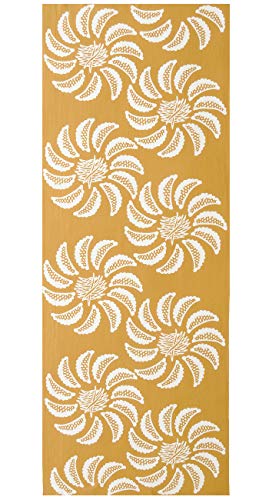
弘梅堂 書道半紙 「剣山 100枚」 清書 作品 愛媛県伊予産 高級書道半紙 手漉き和紙風仕上げ 楷書・行書・草書・隷書・篆書・古典臨書・俳画・水墨画にも 初心者~上級者向け
残り19点 ご注文はお早めに · Sold by 弘梅堂 · ASIN B00F5NTOZ4
Price and availability as of 2026-09-01 05:22 JST. The Amazon listing at the time of purchase is authoritative. jpmono.com earns a commission on qualifying purchases at no extra cost to you.
| Attribute | Detail |
|---|---|
| Craft | Ozu Washi (大洲和紙), handmade kozo paper |
| Product type | Shodo calligraphy hanshi (practice/writing sheets), multi-sheet pack |
| Material | 100% kozo (paper mulberry) |
| Origin | Ozu, Ehime Prefecture, Shikoku — Hiji River basin |
| Standard hanshi size | ~24.3 × 33.4 cm (the established hanshi format; confirm the specific pack on the listing) |
| Sheet count | Multi-sheet pack — exact count: verify on listing |
| Status | Designated National Traditional Craft (1977) |
| Amazon item ID (ASIN) | B00F5NTOZ4 |
📖 Glossary — key terms (tap to open)
- Washi (和紙): Traditional Japanese paper, typically made by hand from plant bast fibers rather than wood pulp.
- Kozo (楮): Paper mulberry. Its long, strong fibers give washi its characteristic toughness and soft texture.
- Hanshi (半紙): The standard small-format calligraphy sheet (~24.3 × 33.4 cm) used for daily shodo practice and writing.
- Shodo (書道): Japanese brush calligraphy.
- Sumi (墨): The black ink used in calligraphy, ground from an inkstick on a stone.
- Fusuma (襖): Sliding-door panels; thicker washi was historically made for these as well as for hanshi.
- Nagashizuki (流し漉き): The hand-pulling technique that layers fibers in a controlled “flow,” giving handmade washi its strength.

Price snapshot across stores
JPY (¥) is the authoritative price for the specific listed item; any USD figure is an explicit estimate (¥150/USD baseline as of mid-2026). Live pricing was unavailable at the time of writing, so the cells below describe each route rather than quote a fabricated number.
| Store | Price (¥ authoritative) | Ships to | Notes |
|---|---|---|---|
| 🇺🇸 Amazon.com (US) | varies (USD) | US / domestic | Best if you are shopping from the US — Prime shipping, USD pricing, no international customs. Amazon US carries Japanese washi and calligraphy supplies for comparison; this exact Ozu pack ships from Japan (next row). |
| 🇯🇵 Amazon JP Global Store | verify on listing | International | Where this specific item (B00F5NTOZ4) is sourced; ships internationally from Japan. |
| Maker direct | unconfirmed — check maker site | Japan (varies) | Ozu-area washi workshops; many do not ship internationally. |
| Proxy services (Buyee / Tenso) | item price + forwarding fee | International | Use when a Japan-only seller will not ship abroad; adds handling cost and a customs step. |
What it does well
100% kozo absorbs sumi without turning a stroke into a muddy blot — the line keeps its character.
Long mulberry fibers give wet-strength, so a loaded brush will not tear the sheet mid-stroke.
Soft Hiji River water suits fiber preparation — a genuine terroir behind the paper.
A National Traditional Craft (1977) with a traceable Edo-period lineage — not an anonymous import.
“A good sheet of hanshi is meant to be invisible: it disappears under the brush and lets the line speak. Ozu’s soft-but-tough kozo is built to get out of the way.”
Weaknesses and things to verify before buying
- Price and stock unconfirmed: handmade runs fluctuate and the live price was unavailable at writing — verify the current figure on the listing before ordering.
- Sheet count varies by pack: “multi-sheet pack” is confirmed, but the exact number is not — check the product page.
- Absorbency is a choice, not a defect: if you want crisp fine-line edges, confirm the sheet is not a very soft, high-bleed practice grade.
- Hand-pulled variation: slight differences in texture and edge are inherent to handmade washi; expect them.
- Not fine-art paper: for heavy printmaking or watercolor, look to Awa Washi instead — hanshi is calligraphy-weight.
- International shipping and handling: via the JP Global Store or a proxy, factor in delivery time and fees, especially for a light-but-bulky paper pack, plus any customs duty above your local threshold.
Conclusion — which buyer type are you?
You want genuine regional handmade hanshi and care about provenance → buy the Ozu Washi pack (Editor’s Pick).
You practice regularly and want quality without overthinking → the standard multi-sheet pack is the safe default.
You only need volume for drilling strokes → consider generic bulk hanshi and save the Ozu sheets for finished work.
You actually want fine-art / printmaking paper or lantern washi → this is not it; see the comparison box above.
Other ways to approach this purchase
Paper is not perishable — if the price looks high, watch the listing across a few weeks.
Per-sheet cost usually drops with bigger packs; if you practice often, the math favors volume over hunting for a deal.
Stack Amazon points or coupons at checkout; a small, light item is ideal for clearing reward balances.
If your goal is art paper or fusuma stock, do not force hanshi to fit — pick the right craft from the comparison box.
Where this comes from

- Edo period — Papermaking takes root in the Ozu domain along the Hiji River, whose soft water suits fiber preparation.
- Mid-1700s — Tradition credits a traveling monk with teaching refined kozo techniques to local makers.
- Late Edo period — The Ozu domain actively promotes papermaking; it grows into a regional industry.
- Meiji onward — Output supplies calligraphy hanshi and fusuma paper across the region.
- 1977 — Ozu Washi is designated a National Traditional Craft (dentō kōgeihin).
- Today — A smaller circle of workshops continues hand-pulling hanshi, reaching international buyers via Amazon JP Global Store and proxies.
Ozu sits in western Ehime, on the island of Shikoku, inland along the Hiji River. The river is not incidental: soft, clear water suits the washing and beating of kozo fibers, which is a large part of why papermaking concentrated here rather than elsewhere on the island.
The Ozu domain promoted papermaking from the mid-Edo period, and tradition holds that a traveling monk in the mid-1700s taught the refined kozo techniques that lifted the local craft into a regional industry. By the modern era, Ozu was supplying calligraphy hanshi and fusuma paper widely — and in 1977 the craft was recognized as a National Traditional Craft.
It is worth placing Ozu precisely. Within Ehime, it complements Tobeyaki porcelain and Imabari textiles, adding paper to the prefecture’s craft picture. Across Shikoku, it sits beside Tokushima’s Awa Washi — but the two are not interchangeable. Awa Washi’s signature is fine-art and printmaking paper; Ozu’s is calligraphy hanshi. Same island, different jobs.
🏆 Editor’s Pick
❓ Frequently Asked Questions
What is Ozu Washi, exactly?
Ozu Washi is handmade Japanese paper from Ozu, Ehime Prefecture, made chiefly from kozo (paper mulberry). Its signature product is shodo calligraphy hanshi, and it was designated a National Traditional Craft in 1977.
What is “hanshi” and what size is it?
Hanshi is the standard small-format calligraphy sheet used for daily shodo practice and writing, traditionally about 24.3 x 33.4 cm. Confirm the exact dimensions and sheet count of a specific pack on its listing.
How is Ozu Washi different from Awa Washi?
Both are Shikoku washi, but they serve different uses. Awa Washi (Tokushima) is known for fine-art and printmaking paper, while Ozu Washi’s signature is calligraphy hanshi. Choose based on whether you are doing calligraphy or art and printmaking.
Where can I buy it internationally?
The specific item is sourced via the Amazon JP Global Store, which ships internationally. Amazon US search may surface comparable Japanese calligraphy paper, and proxy services such as Buyee or Tenso can forward Japan-only sellers.
How much does it cost?
A live price was unavailable at the time of writing, so this guide does not quote a figure. The JPY price on the Amazon JP Global Store listing is the authoritative one; please verify it there before purchasing.
Why does the Hiji River matter to the paper?
Soft, clear river water suits the preparation of kozo fibers, which is part of why papermaking concentrated along the Hiji River in Ozu. It is a genuine link between place and product quality.
Is hanshi good for beginners?
Yes. Hanshi is the standard practice format in Japanese calligraphy. Beginners often start with more absorbent sheets and move to firmer ones as brush control improves; check a pack’s described behavior on its listing.
jpmono.com is curated by a Japan-based editorial team (working out of Toyama in the Hokuriku region and Nara in Kansai) and is independent. We do not take payment from the makers we feature; income comes from affiliate links.
🤖 This article was prepared with AI assistance and reviewed against published listing data. Where live pricing or item specifics were unavailable at the time of writing, the guide says so rather than estimating; please confirm details on the retailer’s listing before purchasing.
Affiliate disclosure: jpmono.com may earn a commission on qualifying purchases made through links on this page, at no additional cost to you.