![Akita Ginsen-zaiku Silver Filigree Brooch: Where to Buy [2026]](https://jpmono.com/wp-content/uploads/2026/05/japan-map-regions-and-prefectures-800x1050.png)
Akita Ginsen-zaiku (秋田銀線細工, “Akita silver-wire work”) is filigree: pure silver drawn into hair-thin wire, then twisted and coiled into lace-like openwork and soldered inside a frame. A brooch made this way reads less like cast jewelry and more like frozen thread — a few grams of metal carrying a surprising amount of negative space. The craft is centered on Akita City, in the Tōhoku region of northern Japan.
What makes the tradition notable internationally is not the technique alone — filigree exists in many cultures — but where its silver came from. The Satake domain, which governed Akita through the Edo period, controlled the Innai and Ani mines, among the largest silver and copper producers in the country. That gave local metalsmiths both raw material and ducal patronage, and the wirework grew up making kanzashi (簪, ornamental hairpins) and accessories for the domain. The brooch is the modern descendant of that line.
This guide explains what Akita Ginsen-zaiku is, how its silver wirework differs from inlay and enamel crafts, and where the tradition sits in Akita’s history. It also outlines the practical points to consider when buying a handcrafted brooch from abroad.
🔄 Updated:
⏱️ Read time: ~9 min
- Who this is for — and who should skip it
- Product overview (from published specs)
- 📌 How does it compare?
- Where this comes from — place, era, and the craft tradition
- Buying options
- What it does well
- Weaknesses and things to verify before buying
- Conclusion — which buyer type are you?
- Other ways to approach this purchase
- ❓ Frequently Asked Questions
Who this is for — and who should skip it
- Want a small, lightweight piece of wearable Japanese metalcraft with a clear regional story
- Prefer openwork and line over gemstones or cast bulk
- Are buying a gift that travels well — a brooch is flat, light, and easy to post
- Appreciate hand-made variation and can accept that no two pieces are identical
- Are comfortable buying from Japan when US availability is limited
- Need immediate certainty about the total and availability before committing
- Want a fully tarnish-free piece; pure silver needs occasional care
- Expect Prime-speed US delivery — the specific maker ships from Japan
- Are looking for inlay (Higo zōgan) or enamel (shippō) — this is wirework, a different craft
- Want a bold statement piece; filigree reads as fine and delicate, not large

Product overview (from published specs)
Available references for Akita Ginsen-zaiku silver filigree pieces include the craft’s traditional makers, regional museum shops in Akita, and craft platforms that aggregate Japanese metalwork. Marketplace availability changes often, so cells in the price table are flagged “verify at retailer” rather than fixed figures.
| Attribute | Detail |
|---|---|
| Craft | Akita Ginsen-zaiku (秋田銀線細工) — silver filigree |
| Object | Brooch (openwork wirework) |
| Material | Pure silver wire, drawn to roughly 0.2 mm, twisted and coiled, soldered into a frame |
| Origin | Akita City, Akita Prefecture, Tōhoku region, Japan |
| Designation | Designated an Akita traditional craft |
| Production | Handmade by Akita City artisans; each piece varies |
| Price | — |
📖 Glossary — key terms
Ginsen-zaiku (銀線細工) — literally “silver-wire work.” The Japanese name for the filigree tradition centered on Akita.
Filigree — a metalworking technique in which fine wire (here, pure silver) is twisted, curled, and soldered into delicate openwork patterns.
Kanzashi (簪) — ornamental hairpins worn with traditional dress. The historical product that Akita’s silversmiths made under domain patronage.
Satake (佐竹) — the daimyō clan that governed the Akita (Kubota) domain through the Edo period and controlled the region’s silver and copper mines.
Higo zōgan / shippō — two crafts often confused with filigree: zōgan is metal inlay (damascene), shippō is cloisonné enamel. Ginsen-zaiku is neither — it is built from wire.
Shokunin (職人) — a craftsperson or artisan; the word implies trained, career-long skill.

📌 How does it compare?
Akita Ginsen-zaiku sits in a wider family of Japanese metalwork and Akita regional craft we have covered. These cross-links help place the brooch among inlay, tin, gold leaf, and the other Akita traditions.
 🔗 Higo Zogan metal inlay
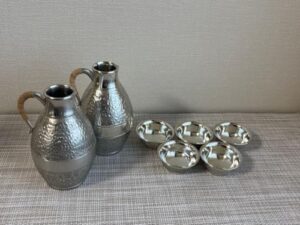 🔗 Naniwa tin craft
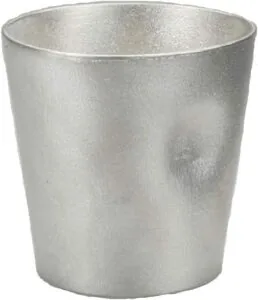 🔗 Nousaku tin (Toyama)
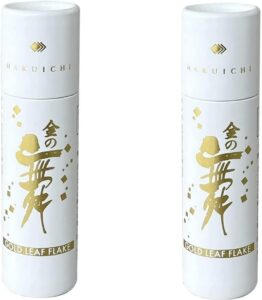 🔗 Kanazawa gold leaf
🔗 Akita Kabazaiku
🔗 Akita Kawatsura lacquer
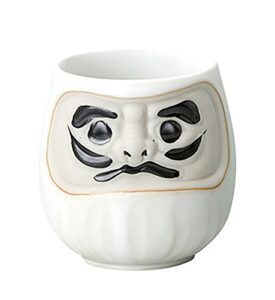 🔗 Shiraiwa-yaki (Akita)
Where this comes from — place, era, and the craft tradition

Akita City lies on the Sea of Japan side of northern Honshū, in the Tōhoku region — the cool, snowy northeast of Japan’s main island. It is a coastal castle town, the historic seat of the Kubota domain, set among river plains that open onto the sea and backed by the mountains where the region’s mines were cut. Long winters and a culture of indoor handwork are part of why fine, patient crafts took root across Tōhoku.
The decisive factor for silver wirework, though, was geology. The domain controlled the Innai and Ani mines, among the largest silver and copper producers in the country during the Edo period. That meant local metalsmiths did not have to import their raw material — it came out of the domain’s own mountains.
“Most filigree traditions had to buy their silver. Akita’s grew up sitting on top of the mine.”
Under the Satake clan, who governed the domain through the Edo period, that abundance turned into patronage. Silversmiths worked the wire into kanzashi and accessories for the domain — ornaments worn rather than spent. The skill of drawing pure silver down to hair-thinness, twisting it, and soldering it into stable openwork is the through-line from those hairpins to the brooch on sale today.
- 1602 — The Satake clan is relocated to the Akita (Kubota) domain and establishes its seat at Kubota.
- Early Edo period — The Innai and Ani mines develop into some of Japan’s largest silver and copper producers.
- Edo period — Domain silversmiths craft kanzashi and accessories under Satake patronage, refining the wire-drawing skill.
- Meiji period (1868–1912) — As dress changes, the wirework is adapted from hairpins toward brooches, pendants, and earrings.
- 20th century — Ginsen-zaiku is designated an Akita traditional craft.
- 2026 — Still made by hand by Akita City artisans, sold as brooches, pendants, and earrings.
What “still made here” means in practice is a small community of Akita City artisans drawing, coiling, and soldering by hand. Because the work is wire-by-wire rather than cast from a mold, each piece carries slight differences — the curve of a scroll, the density of an openwork field. That variation is the signature of the method, not a defect.
Buying options
For each Akita Ginsen-zaiku piece, treat the listed price as an approximation at the time of writing and verify the current JPY figure with the retailer before ordering; JPY is the authoritative currency.
| Store | Item / Variant | Price (JPY + USD est.) | Notes |
|---|---|---|---|
| 🇺🇸 Amazon US (search) | Browse Japanese silver filigree & metalcraft jewelry | varies (USD) | Best if you are shopping from the US — Prime shipping, USD pricing, no customs. Amazon US carries comparable Japanese silver jewelry; this exact Akita maker ships from Japan (next row). |
| 🇯🇵 Amazon JP Global Store | Akita Ginsen-zaiku silver filigree brooch | — | International shipping from Japan may be available. |
| Maker direct | Akita City artisan workshops | Unconfirmed — check maker site | Some Akita Ginsen-zaiku workshops sell directly; international shipping support varies by workshop. |
| Proxy services (Buyee / Tenso) | Forwarding from Japan-only options | — | Useful if a workshop or marketplace will not ship abroad directly; adds a forwarding fee and a second shipping leg. |
What it does well
Weaknesses and things to verify before buying
- Details need confirmation. Confirm the current total and inspect the photos before committing.
- US availability is limited. This exact artisan piece is sourced from Amazon JP Global Store; the Amazon US path is a search for comparable items, not the same brooch.
- Pure silver tarnishes. Like all fine silver, it will need occasional gentle polishing and dry storage; openwork has more surface to reach.
- Delicate by design. Filigree is fine wirework — it is not meant to be crushed in a bag or worn on heavy outerwear that snags.
- Handmade variation. The piece you receive may differ slightly from any photo. That is intrinsic to the craft, but worth knowing if you expect catalog uniformity.
- International shipping and customs. Ordering from Japan can add shipping cost and, above local thresholds, import duty. Confirm the landed cost before buying.
Conclusion — which buyer type are you?
Other ways to approach this purchase
❓ Frequently Asked Questions
Does Amazon JP Global Store ship an Akita Ginsen-zaiku brooch internationally?
Why does the article show an Amazon US search instead of the exact brooch?
How is Ginsen-zaiku different from Higo zōgan or shippō?
How do I care for a pure-silver filigree brooch?
Is it a good gift?
Why is the price not listed here?
What if the workshop will not ship to my country?
Affiliate disclosure: jpmono.com may earn a commission on qualifying purchases made through links on this page, at no additional cost to you.