![Suruga Sashimono Wooden Tray: Shizuoka Nail-Less Joinery Craft [2026]](https://jpmono.com/wp-content/uploads/2026/05/japan-map-regions-and-prefectures-800x1050.png)
Suruga Sashimono (駿河指物, “Suruga joinery”) is a woodworking tradition from central Shizuoka, built on nail-less joints rather than glue or fasteners. A serving tray (obon, お盆) in this style is assembled from precisely cut tenons and mortises — the hozo joints that lock the frame together — and it often combines several wood species so their grain reads as a quiet, deliberate pattern across the surface.
The craft did not appear by accident. When the Tokugawa shogunate ordered the decades-long reconstruction of Shizuoka Sengen Shrine, master temple carpenters and joiners were summoned from across the country. Many stayed in the castle town afterward and turned their precision joinery toward everyday goods. That settlement pattern — skilled hands arriving for a great construction project and remaining to make household objects — is the same one that shaped Nikkō’s woodcraft, and it is why Shizuoka still has a recognized regional joinery tradition today.
This guide is for readers weighing a Suruga Sashimono tray as a serving piece or a gift, and who want to understand what they are paying for before they buy. We cover what the joinery actually is, where it comes from, how it compares to its joinery cousins elsewhere in Japan, where to buy it from outside Japan, and which type of buyer it suits. A solid-wood obon tray in hinoki or keyaki is the typical starting point for newcomers — more on dimensions, wood choice, and sourcing routes in the sections that follow.
🔄 Updated:
⏱️ Read time: ~9 min
Who this is for — and who should skip it
- Value visible joinery and natural grain over painted or printed decoration
- Want a serving tray that doubles as a quiet display piece on a sideboard
- Are buying a gift with a clear regional story behind it
- Appreciate hand-assembled wood goods and accept minor variation between pieces
- Are comfortable with hand-wash, oil-finish care rather than dishwasher convenience
- Need a dishwasher-safe, knock-around everyday tray
- Want a guaranteed exact color match — natural wood varies piece to piece
- Are shopping purely on price against mass-produced trays
- Expect same-day domestic delivery rather than an international ship from Japan
- Dislike the maintenance of occasionally re-oiling a wood surface
Product overview (from published specs)
Suruga Sashimono obon pieces vary between workshops and finishes. The craft category is best understood through its construction and woodwork; individual dimensions should be confirmed with the workshop before purchase.
| Attribute | Detail (from available data) |
|---|---|
| Craft | Suruga Sashimono (駿河指物) — nail-less hozo joinery |
| Item type | Serving tray (obon, お盆) |
| Construction | Solid wood, joined without nails; frame held by hidden mortise-and-tenon joints |
| Finish | Natural grain; multiple wood species often combined for pattern |
| Origin | Shizuoka City, Shizuoka Prefecture (Chūbu region) |
| Dimensions / weight | Not specified |
| Price | Not available in fetched data — verify at the retailer |
📖 Glossary — key terms
- Sashimono (指物) — joinery furniture and boxes assembled by fitting wood members together with cut joints, without nails.
- Hozo (ほぞ) — the tenon (and its matching mortise) that locks two pieces of wood together; the structural heart of nail-less joinery.
- Obon (お盆) — a serving tray.
- Miyadaiku (宮大工) — temple-and-shrine carpenters trained in the high-precision joinery used for sacred architecture.
- Suruga (駿河) — the old province name for what is now central Shizuoka, and Tokugawa Ieyasu’s retirement seat.
 🎐 Suruga bamboo wind chime (same city)
 🍵 Shitoro-yaki Yunomi (Shizuoka)
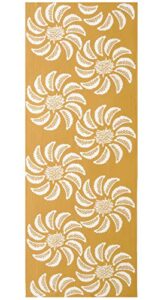 🧵 Hamamatsu Chusen Tenugui (Shizuoka)
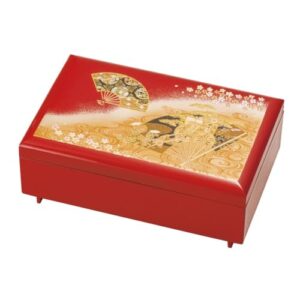 📦 Kyo Sashimono Paulownia Box (joinery cousin)
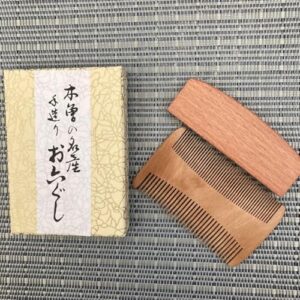 💈 Kiso Oroku-gushi Wooden Comb
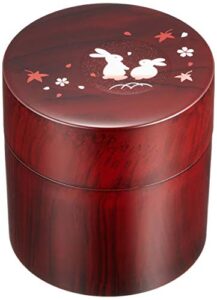 🫖 Yamanaka Woodturned Tea Caddy
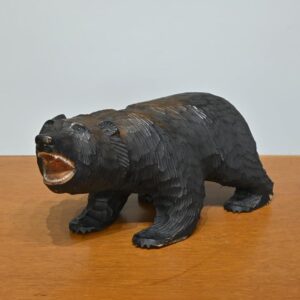 🐻 Hokkaido Kibori Bear Carving
The closest relative here is the Kyo Sashimono paulownia box — the same nail-less joinery philosophy, expressed as a Kyoto kiri-wood box rather than a Shizuoka mixed-grain tray.
Where this comes from

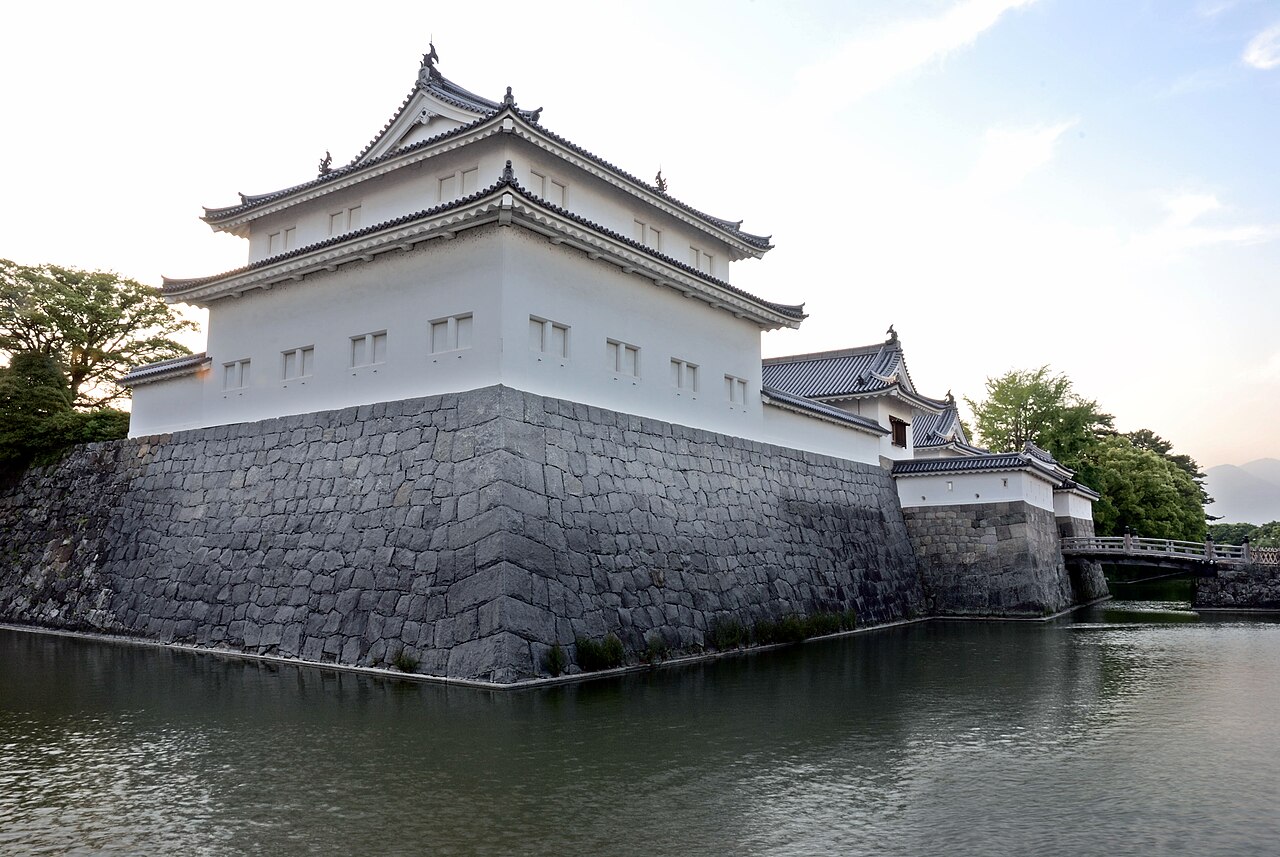
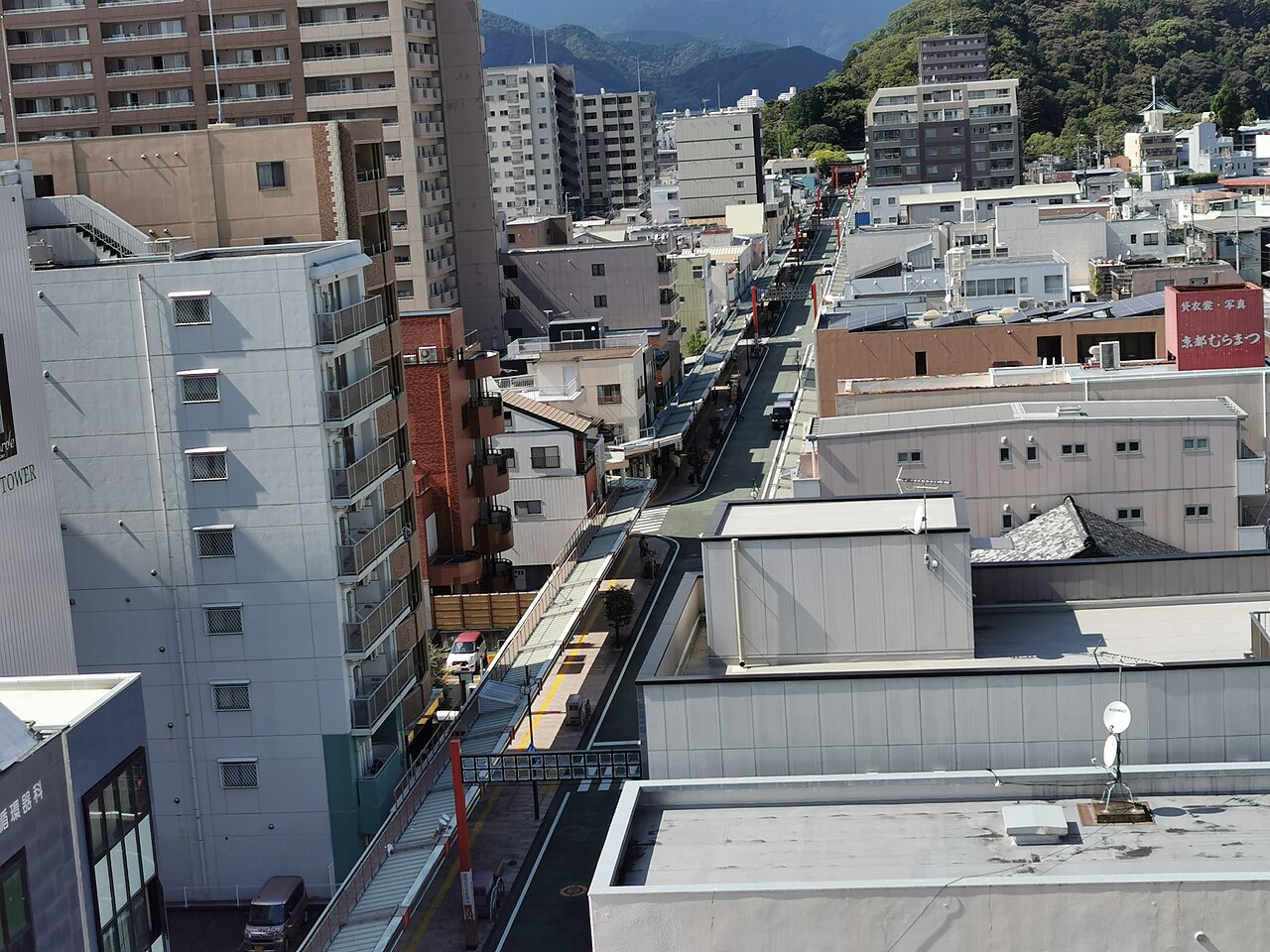
Shizuoka City sits on the Pacific side of central Japan, wrapped around Suruga Bay with Mt. Fuji rising to the northeast. This was the heart of the old province of Suruga, and in the early 17th century it became one of the most consequential places in the country — not as a battlefield, but as the place a retired ruler chose to live.
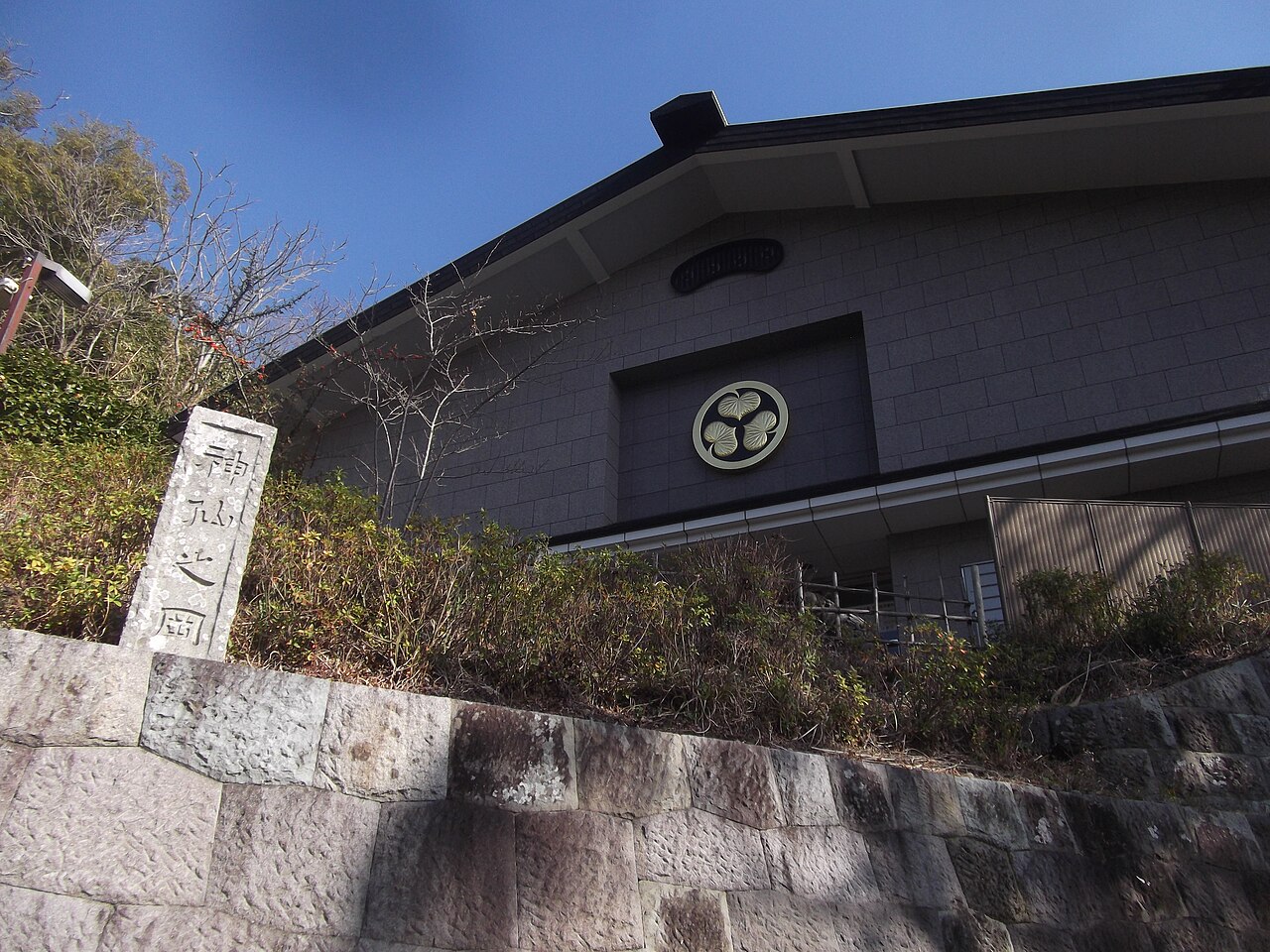
Tokugawa Ieyasu, founder of the shogunate that governed Japan for over 250 years, stepped back from the role of shogun and ruled from behind the scenes at Sunpu Castle in Suruga. When he died, he was first enshrined nearby at Kunozan Toshogu, on a hill above the coast. A retired ruler attracts craftsmen the way a capital does, and Suruga’s woodworking — already supplied with timber from the Mt. Fuji foothills and the Abe River — began to gather skill.
The decisive moment came later, with a building project. The shogunate ordered a sweeping, decades-long reconstruction of Shizuoka Sengen Shrine — a campaign that ran across most of the first half of the 19th century, roughly 1804 to 1868. A project on that scale needed the very best miyadaiku (temple carpenters) and joiners, and they were summoned from across the country to work the shrine’s halls, gates, and intricate fittings.
- 1607 — Tokugawa Ieyasu retires to Sunpu Castle in Suruga, ruling from behind the scenes.
- 1617 — Kunozan Toshogu is established near Shizuoka, enshrining Ieyasu and drawing ornate carpentry.
- 1804 — The shogunate begins the long reconstruction of Shizuoka Sengen Shrine, summoning master carpenters and joiners nationwide.
- 1860s — With the work winding down (to ~1868), many craftsmen settle in the castle town and turn to everyday goods.
- Meiji era — Joinery skills spread into hina-doll fittings, bamboo ware, lacquer, and sashimono boxes and trays.
- Today — Suruga Sashimono is a recognized regional traditional craft, still made by joiners in Shizuoka City.
When the shrine work wound down, many of those craftsmen did not leave. They settled in the castle town and pointed their precision joinery at smaller, daily things — the fittings of hina dolls, bamboo ware, lacquered goods, and the boxes and trays of sashimono. This post-construction settlement is the same dynamic that built Nikkō’s woodcraft after the Tōshō-gū was raised there. The skill arrives for a monument; it stays to make the household.
“The skill arrives for a monument, and it stays to make the household — a shrine-grade joint, scaled down to a tray you set on the table.”
The geography helped. Timber came down from the Mt. Fuji foothills and along the Abe River, giving local workshops a steady supply of varied wood. That variety matters for a sashimono tray: combining species of different color and grain is part of how the piece is decorated, without paint and without carving. The decoration is the wood itself, set into a nail-less frame.
Where to buy
Prices for Suruga Sashimono trays vary with the workshop, wood, and finish. Compare the craft and dimensions before purchase.
| Store | Item / Variant | Price (JPY + USD est.) | Notes |
|---|---|---|---|
| 🇺🇸 Amazon US (search) | Browse Japanese wooden serving trays | varies (USD) | Best if you are shopping from the US — Prime shipping, USD pricing, no international customs. Amazon US carries Japanese wooden trays and joinery-style serveware from various makers for comparison; this exact Suruga Sashimono piece ships from Japan (next row). |
| 🇯🇵 Amazon JP Global Store | Suruga Sashimono obon tray | Price not in fetched data — check live | Ships internationally from Japan to most major destinations. |
| Maker direct | Workshop / regional craft outlets | Varies | Some Shizuoka sashimono workshops sell direct or through craft galleries; international shipping is case by case. |
| Proxy services (Buyee / Tenso) | Forwarding from JP-only sellers | Item + fees | Useful when direct international shipping is unavailable; expect handling fees and consolidated forwarding. |
What it does well
Weaknesses and things to verify before buying
- Seller details vary. Confirm shipping fees and terms before committing.
- Size varies. Check the tray’s fit for your shelf and intended service before choosing it.
- Natural wood varies. Color, grain, and species mix differ piece to piece; do not expect a catalog-exact match.
- Care is hand-wash, not dishwasher. Wood and oil finishes are damaged by dishwashers and prolonged soaking; occasional re-oiling may be needed.
- International shipping from Japan adds time and possible customs duties depending on your country’s thresholds.
- Maker attribution is at the category level in the available data. If provenance to a specific workshop matters to you, confirm it with the seller.
Conclusion — which buyer type are you?
Other ways to approach this purchase
❓ Frequently Asked Questions
What does “nail-less joinery” actually mean here?
It means the tray’s frame is held together by cut wood joints — hozo (mortise-and-tenon) — rather than nails, screws, or relying on glue alone. The joints are fitted so the structure locks mechanically, which is the defining feature of sashimono.
Does Amazon JP ship this tray internationally?
The Amazon JP Global Store delivers to most major destinations. Confirm that your country is supported and check the shipping cost and estimated customs at checkout, or contact the workshop directly for a quote that includes international forwarding.
How do I care for a Suruga Sashimono wood tray?
Hand-wash with a damp cloth, dry promptly, and avoid soaking or the dishwasher. An oil-finished surface can be refreshed occasionally with a food-safe wood oil. Keep it out of prolonged direct sun to limit fading.
Why does the price not show in this article?
Because prices vary by workshop and finish, compare the tray’s construction, dimensions, and intended use before purchasing.
How is this different from Kyo Sashimono?
Both are nail-less joinery traditions. Kyo Sashimono from Kyoto is best known for refined paulownia (kiri) boxes, while Suruga Sashimono from Shizuoka often combines several wood species in trays and boxes so the mixed grain becomes the decoration.
Will it warp or crack over time?
Solid wood responds to humidity. Kept away from heat sources, standing water, and very dry indoor air, a well-joined sashimono tray is stable; the nail-less joints are designed to accommodate the wood’s natural movement.
Is this a good gift?
Yes, for a recipient who appreciates natural materials and craft provenance. It carries a clear story — a Shizuoka joinery tradition descended from shrine carpentry — and functions as everyday serveware rather than a shelf ornament.
jpmono.com is curated by a Japan-based editorial team (working out of Toyama in the Hokuriku region and Nara in Kansai) and is independent. We do not take payment from the makers we feature; income comes from affiliate links.
Affiliate disclosure: jpmono.com may earn a commission on qualifying purchases made through links on this page, at no additional cost to you.