![Ushikubi Tsumugi Silk Stole: Hakusan’s Nail-Pulling Pongee [2026]](https://jpmono.com/wp-content/uploads/2026/05/ushikubi-tsumugi-silk-stole-where-to-buy-2026-featured.jpg)
Ushikubi Tsumugi (牛首紬, “Ushikubi pongee”) is a hand-woven silk made in the former Ushikubi village at the foot of Mt. Haku, in what is now Hakusan City, Ishikawa Prefecture. It is woven — not printed or painted — from yarn hand-drawn off tama-mayu (玉繭, “double cocoons”), the irregular cocoons spun when two silkworms share one shell. That single sourcing choice gives the cloth its entire character: thick, slubbed thread, a quiet uneven luster, and a tensile strength that earned it a blunt local nickname.
That nickname is kuginuki tsumugi (釘抜紬, “nail-pulling pongee”). The folk claim is that if the cloth snags on a nail, the thread is so strong it pulls the nail out of the wood before the fabric tears. Whether or not any modern lab has measured that, it tells you what the weavers and wearers value here: durability over delicacy, substance over surface decoration. This is the opposite instinct from Ishikawa’s more famous textile, the painterly dyed Kaga Yuzen — same prefecture, different craft entirely.
This guide is written for international readers weighing a silk stole or shawl as a wearable piece of Japanese craft — something to use, not just admire. We cover what the cloth actually is, where it comes from and why, how it differs from other Japanese silks you may have seen, how to buy it from outside Japan, and the honest caveats. The specific item anchoring this guide is a Hakusan-region pure-silk stole listed on Amazon JP Global Store (ASIN B0G545X69X); only that listing snapshot was available at the time of writing, so live pricing and stock should be verified at the link.
🔄 Updated: May 31, 2026
⏱️ Read time: ~9 min

- Who this is for — and who should skip it
- Product overview (from published specs)
- Where this comes from
- Price snapshot across stores
- What it does well
- Weaknesses and things to verify before buying
- Conclusion — which buyer type are you?
- Other ways to approach this purchase
- 🏆 Editor’s Pick
- ❓ Frequently Asked Questions
Who this is for — and who should skip it
- Want a woven (not printed) silk with real, visible texture rather than a smooth flat finish
- Value durability and want an accessory you can wear regularly, not just store
- Are drawn to undyed or naturally lustered silk over loud color and pattern
- Appreciate small-production, nationally designated traditional crafts
- Want an Ishikawa-made piece distinct from the well-known Kaga Yuzen
- Expect a perfectly even, machine-smooth surface — slubs are intrinsic, not flaws
- Want bright printed graphics or a painterly dyed motif (look at Kaga Yuzen instead)
- Need a fixed, confirmed price before buying — live pricing was not in our data snapshot
- Require machine-washable, low-maintenance fabric
- Are shopping purely on lowest cost — hand-drawn double-cocoon silk is not budget cloth
Product overview (from published specs)
Based on the Amazon JP Global Store listing snapshot. Some maker-level specifications (exact dimensions, gram weight, weave count) were not present in the data available at the time of writing; those cells are marked “Unconfirmed — check listing” rather than guessed.
Ushikubi Tsumugi Silk Stole
牛首紬 シルク 正絹 ストールマフラー 女性 着物 大島 紬結 城紬 白山工房
通常6~7日以内に発送します。 · Sold by JIMMY Online Shop · ASIN B0G545X69X
Price and availability as of 2026-08-31 02:30 JST. The Amazon listing at the time of purchase is authoritative. jpmono.com earns a commission on qualifying purchases at no extra cost to you.
| Attribute | Detail (per listing / data_notes) |
|---|---|
| Item | Ushikubi Tsumugi pure-silk stole / shawl |
| Material | 100% silk; yarn hand-drawn from tama-mayu (double cocoons) |
| Construction | Woven tsumugi (pongee) — slubbed noshiito yarn, not dyed-printed |
| Finish | Undyed / natural luster (per best-buy hint) |
| Origin | Hakusan region (former Ushikubi village), Ishikawa Prefecture, Japan |
| Designation | Nationally designated traditional craft |
| Dimensions / weight | Unconfirmed — check listing |
| Listing ref. | Amazon JP Global Store, ASIN B0G545X69X |
📖 Glossary — key terms (tap to open)
Tsumugi (紬) — pongee; silk cloth woven from spun, often irregular yarn rather than smooth filament. Prized for matte texture and durability over sheen.
Tama-mayu (玉繭) — “double cocoon,” formed when two silkworms spin a single shared cocoon. The tangled filament cannot be reeled smoothly, so it is hand-drawn into thick, uneven yarn.
Noshiito (のし糸) — the thick, slubbed thread drawn by hand from double cocoons; the source of Ushikubi Tsumugi’s characteristic surface.
Kuginuki tsumugi (釘抜紬) — “nail-pulling pongee,” the local nickname referring to the cloth’s reputed tensile strength.
Kaga Yuzen (加賀友禅) — Ishikawa’s other signature silk craft: a painterly resist-dyed textile, distinct from Ushikubi Tsumugi’s woven approach.
Where this comes from

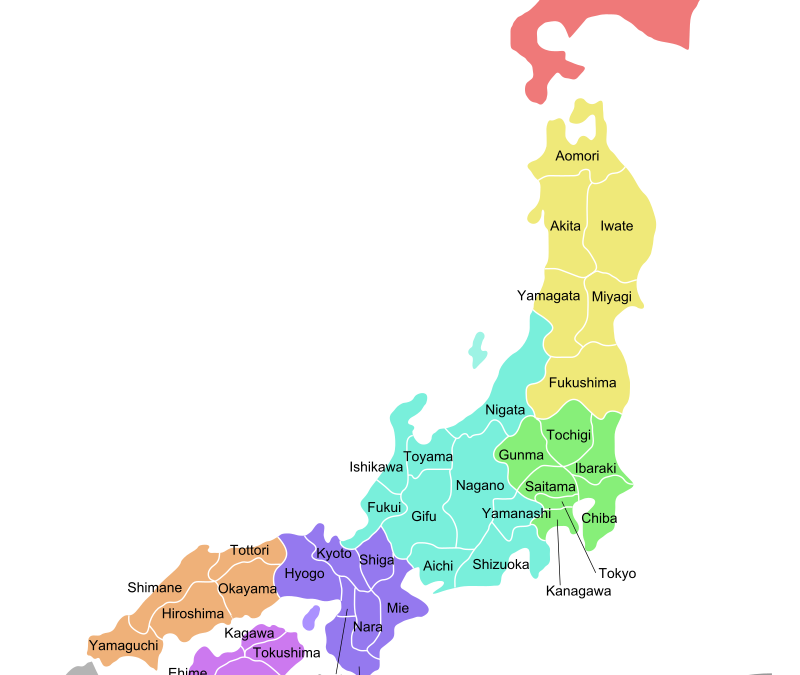
Ishikawa Prefecture stretches along the Sea of Japan in the Hokuriku region, a band of coast known for heavy winter snow driven in off the water. Kanazawa, the old castle town of the Kaga domain, is the prefecture’s cultural anchor and the home of crafts like Kaga Yuzen dyeing, Kutani porcelain, and Kanazawa gold leaf. Ushikubi Tsumugi comes from a quieter, higher place: the mountain valleys at the base of Mt. Haku, the sacred peak that gives Hakusan City its name.
The former Ushikubi village sat in exactly the kind of terrain where sericulture took hold across pre-modern Japan — too steep and cold for easy rice farming, but suited to mulberry, silkworms, and winter weaving indoors. Mountain isolation also helps explain why a distinctive, hand-intensive technique survived here rather than being smoothed away by industrial reeling.
“They call it ‘nail-pulling’ silk — the thread is said to draw the nail out of the wood before the cloth itself will tear.”
The origin story is folk tradition, and we mark it as such. It is traditionally believed that survivors of the Heike (Taira clan), scattered after their defeat in the Genpei War of the 1180s, fled into the Hakusan mountains and took up sericulture and weaving — seeding the craft that became Ushikubi Tsumugi. Whether the lineage is literally that old or not, the story reflects how the locals understand the cloth: a survivor’s textile, built for endurance.
What is verifiable from the craft’s own record is the method. The yarn is hand-drawn from tama-mayu — double cocoons, spun when two silkworms share one shell. Their tangled filament cannot be machine-reeled cleanly, so it is pulled by hand into thick, irregular noshiito. Woven up, that yarn produces the slubbed surface and the tensile strength behind the kuginuki tsumugi nickname. Today it is a nationally designated traditional craft, woven by only a handful of producers remaining in the Hakusan region.
- 1180–1185 — The Genpei War; the Heike (Taira clan) are defeated.
- Late 12th c. — Traditionally believed: Heike refugees settle the Hakusan foothills and take up sericulture and weaving.
- Edo period (1603–1868) — Tsumugi weaving from double-cocoon yarn is established as an Ushikubi village cottage industry.
- Meiji period (1868–1912) — The hand-drawn noshiito technique and the “kuginuki” durability reputation are well established.
- Modern era — Recognized as a nationally designated traditional craft.
- 2026 — Woven by only a handful of producers remaining in the Hakusan region.
One distinction worth holding onto: Ushikubi Tsumugi and Kaga Yuzen are both Ishikawa silks, but they are not the same tradition, the same place, or the same makers. Kaga Yuzen is a painterly, resist-dyed cloth associated with Kanazawa; Ushikubi Tsumugi is a woven cloth from the Hakusan mountains, where the texture comes from the yarn itself. If you already own a Yuzen scarf, a tsumugi stole is a genuinely different object, not a near-duplicate.
Price snapshot across stores
JPY is the authoritative price for the specific listed item. Only the listing reference was available in our data snapshot — no confirmed numeric price was captured — so the JPY/USD cells read “check listing.” Verify the live figure before purchase.
| Store | Item / Variant | Price (JPY + USD est.) | Notes |
|---|---|---|---|
| 🇺🇸 Amazon US (search) | Browse Japanese silk stoles & scarves | varies (USD) | Best if you are shopping from the US — Prime shipping, USD pricing, no international customs. Amazon US carries Japanese silk scarves and stoles for comparison; the specific Ushikubi Tsumugi piece is sourced from Japan (next row). |
| 🇯🇵 Amazon JP Global Store | Ushikubi Tsumugi pure-silk stole (ASIN B0G545X69X) | check listing (¥ authoritative) | The sourced listing for the exact item. Ships internationally from Japan to most major destinations. |
| Maker direct | Hakusan-region weavers / showroom | varies | A small number of producers remain; direct purchase may require Japanese-language contact and may not ship abroad. |
| Proxy services (Buyee / Tenso) | Forwarding for JP-only listings | item + forwarding fee | Useful when a piece is sold only on domestic Japanese sites; adds a forwarding fee and a customs step. |
Prices in USD are approximate and depend on the current exchange rate (≈ ¥150/USD baseline as of mid-2026). The JPY price on the listing is authoritative.
What it does well
Weaknesses and things to verify before buying
- No confirmed price in our data. Only the listing reference was captured — verify the live JPY price and any international shipping surcharge at the link before committing.
- Slubs are intrinsic. The irregular surface is the point of tsumugi; if you expect glassy, machine-even silk you will read the texture as imperfection.
- Care is hand-level. Silk of this kind generally calls for gentle hand care or professional cleaning. Machine-washability was not confirmed — treat it as delicate.
- Dimensions unconfirmed. Exact length, width, and weight were not in the snapshot; check the listing if you need a specific drape or coverage.
- Limited supply. Only a handful of producers remain, so stock and exact variants can be inconsistent; a piece you see today may not be relisted.
- Customs and duties. Orders shipped from Japan may incur import duty or tax above your country’s de-minimis threshold — budget for it.
- Color expectations. The anchor item is undyed/natural; if you want a specific color, confirm it is a dyed variant rather than assuming.
Conclusion — which buyer type are you?
Other ways to approach this purchase
🏆 Editor’s Pick
❓ Frequently Asked Questions
What does “nail-pulling pongee” (kuginuki tsumugi) actually mean?
How is Ushikubi Tsumugi different from Kaga Yuzen?
Can I have it shipped outside Japan?
How do I care for it?
Why isn’t there a fixed price shown?
Is the slubbed, uneven surface a defect?
Does it make a good gift?
jpmono.com is curated by a Japan-based editorial team (working out of Toyama in the Hokuriku region and Nara in Kansai) and is independent. We don’t take payment from the makers we feature; income comes from affiliate links. Read more about our editorial standards.
This article was prepared with AI assistance and reviewed against the source product listing and craft notes. Specifications, pricing, and availability should be confirmed at the retailer before purchase.
Affiliate disclosure: jpmono.com may earn a commission on qualifying purchases made through links on this page, at no additional cost to you.