![Takaoka Shikki Raden Lacquer Tray: Where to Buy Toyama’s Urushi Craft [2026]](https://jpmono.com/wp-content/uploads/2026/05/takaoka-shikki-raden-lacquer-tray-where-to-buy-2026-featured.jpg)
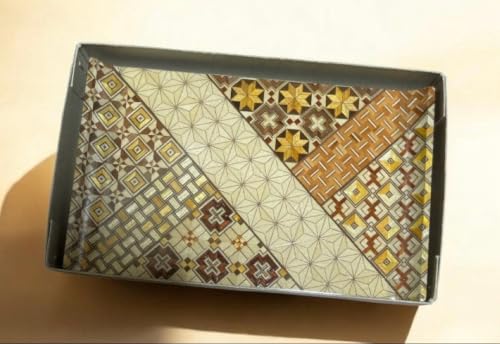
Takaoka Shikki (高岡漆器, “Takaoka lacquerware”) is a tray you notice twice. The first time, you see a quiet round serving tray finished in urushi — natural Japanese lacquer. The second time, you tilt it toward the light, and the inlaid shell wakes up: thin slivers of mother-of-pearl set flush into the surface, shifting from green to violet to silver as the angle changes. That second technique has a name in Takaoka — aogai-nuri (青貝塗), the city’s signature form of raden (螺鈿) shell inlay.
What makes the piece worth a closer look is where it comes from. Takaoka is the same Toyama castle town that gave Japan its most famous metal casting — the foundries whose lineage runs down to makers like Nousaku. Lacquer and metal grew up side by side here, invited into the same new town by the same lord in the same decade. A Takaoka raden tray is, in that sense, the quieter sibling of the tin tumblers and cast bells the region is better known for abroad.
This guide is written for international readers deciding whether a Takaoka Shikki raden tray is worth importing from Japan. We cover what the craft actually is, where Takaoka sits and why lacquer took root there, who the tray suits and who should skip it, the buying paths from outside Japan, and how it compares to other Hokuriku and Japanese lacquer pieces we have covered. One note up front: the dataset captured for this piece was thin — a single Amazon listing reference (ASIN B07QPSYBWN) with no live price snapshot — so we flag every place where you must verify current details at the retailer yourself.
📅 Published: May 31, 2026
🔄 Last updated: May 31, 2026
⏱️ Read time: ~9 min
![Takaoka Shikki Raden Lacquer Tray: Where to Buy Toyama's Urushi Craft [2026]](https://m.media-amazon.com/images/I/312BI9dVolL._SL500_.jpg)
- Who this is for — and who should skip it
- Product overview (from published specs)
- Which finish should you choose?
- 📌 How does it compare?
- Price snapshot across stores
- What it does well
- Weaknesses and things to verify before buying
- Where this comes from
- Conclusion — which buyer type are you?
- Other ways to approach this purchase
- 🏆 Editor’s Pick
- ❓ Frequently Asked Questions
Who this is for — and who should skip it
- Want a serving or display tray with genuine craft heritage, not a printed imitation
- Appreciate raden mother-of-pearl inlay and the way urushi deepens under light
- Already own Hokuriku pieces (Nousaku tin, Wajima or Echizen lacquer) and want a matching origin story
- Are buying a meaningful gift for a tea, sake, or tableware enthusiast
- Accept hand-wash-only care and want an object that ages gracefully
- Need something dishwasher- and microwave-safe for daily rough use
- Want a guaranteed price before committing — this listing had no live price snapshot
- Expect Prime-style next-day delivery; this ships from Japan
- Are sensitive to urushi (lacquer can cause skin reactions in rare cases before fully cured)
- Prefer machine-made consistency over slight hand-finishing variation

Product overview (from published specs)
The source dataset for this guide was limited. Per the captured Amazon reference (ASIN B07QPSYBWN), the item is a Takaoka Shikki round serving tray with raden (mother-of-pearl) inlay and an urushi finish, produced in Toyama. No live price snapshot, weight, or exact dimensions were present in the fetched data, so the table below marks those fields as unconfirmed rather than guessing.
Takaoka Shikki Raden Lacquer Tray
天野漆器 お盆 24cm 木製 トレー あわび貝 螺鈿装飾 丸盆 高岡漆器 (朱色 梅)
通常2~3日以内に発送します。 · Sold by 四季彩の店 一新堂 · ASIN B07QPSYBWN
Price and availability as of 2026-08-31 02:30 JST. The Amazon listing at the time of purchase is authoritative. jpmono.com earns a commission on qualifying purchases at no extra cost to you.
| Attribute | Detail | Source |
|---|---|---|
| Craft | Takaoka Shikki (高岡漆器), aogai-nuri / raden inlay | Listing reference + data notes |
| Type | Round serving tray | Listing reference (ASIN B07QPSYBWN) |
| Finish | Urushi (natural Japanese lacquer) with mother-of-pearl inlay | Listing reference |
| Origin | Takaoka, Toyama Prefecture, Hokuriku | Data notes |
| Designation | National Traditional Craft (METI), designated 1975 | Data notes |
| Dimensions / weight | Unconfirmed — check the live listing | — |
| Price | Unconfirmed — no snapshot captured; verify at retailer | — |
Spec sources, in order of priority: Amazon US (search, moonill-20) for comparable Japanese lacquer; Amazon JP Global Store (moonill-22, the sourced listing for this exact item); maker-direct where available. Only the Amazon JP listing reference was captured here; live pricing may have shifted since the writing date.
📖 Glossary — key Japanese craft terms
- urushi (漆) — natural lacquer tapped from the urushi tree, applied in many thin coats and hardened in humid conditions; the base finish of all Japanese lacquerware.
- raden (螺鈿) — inlay of thin mother-of-pearl shell into a lacquer or wood ground to form iridescent patterns.
- aogai-nuri (青貝塗) — Takaoka’s signature raden technique, using thin slices of abalone and great green turban shell (yakōgai, 夜光貝) cut and set into the design.
- chokoku-nuri (彫刻塗) — carved-lacquer decoration, including tsuishu (堆朱, carved red) and tsuikoku (堆黒, carved black).
- yusen-nuri (勇助塗) — a Takaoka decorative style combining several techniques on one piece.
- shokunin (職人) — a skilled craftsperson working within a defined tradition.
- Hokuriku (北陸) — the Sea of Japan region of central Honshū, including Toyama, Ishikawa, and Fukui; humid and snowy, well suited to lacquer work.

Which finish should you choose?
This piece is listed in 2 finishes. The photos below are the actual 色 options on the listing right now — pick the one you want and confirm it on the product page before ordering, since hand-finished wares vary slightly piece to piece.
![Takaoka Shikki Raden Lacquer Tray: Where to Buy Toyama's Urushi Craft [2026] — 黒柄 さくら finish](https://m.media-amazon.com/images/I/41uKAagz+aL._SL500_.jpg)
📌 How does it compare?
Related guides on jpmono.com — Hokuriku neighbors, other Japanese lacquer traditions, and the metal craft from the same town:
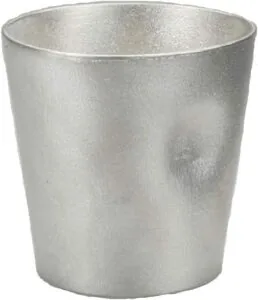 Nousaku Takaoka tin tumbler
Metal craft from the same Takaoka castle town
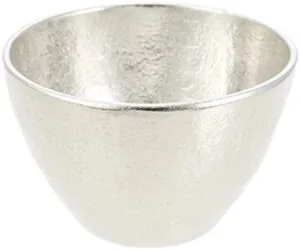 Nousaku Takaoka tin sake cup
Pair a tin gui-nomi with this raden tray
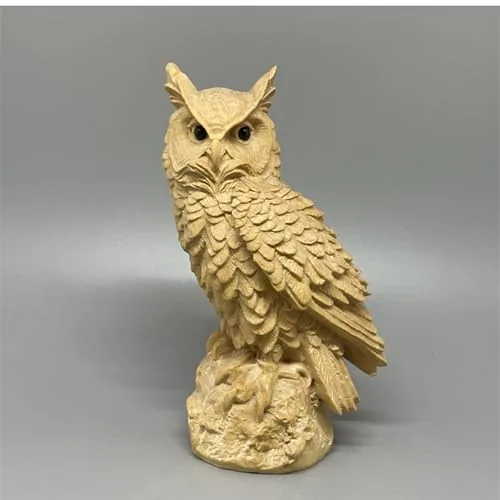 Inami wood carving (Toyama)
Another Toyama craft, just south of Takaoka
Wajima Nuri sake cups (Hokuriku lacquer)
Ishikawa’s renowned lacquer, next door
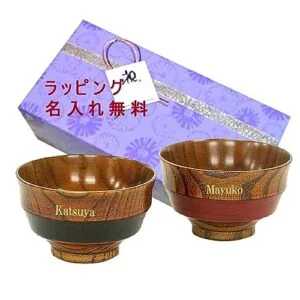 Echizen Shikki soup bowl
Fukui’s lacquer — the third Hokuriku center
Kawatsura Shikki lacquer bowl
Tōhoku lacquer for comparison
 Sanuki Shikki Kinma tea caddy
Shikoku lacquer with carved decoration
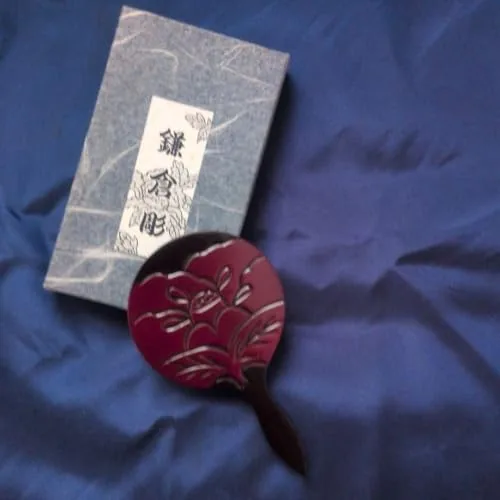 Kamakura-bori carved lacquer
Carved-lacquer technique vs raden inlay
Price snapshot across stores
No live price snapshot was captured for this item, so the figures below say “verify at retailer” rather than a fabricated number. The JPY price on the Amazon JP listing is the authoritative one for this specific tray; any USD figure would be an estimate at the ¥150/USD baseline.
| Store | Item / variant | Price (JPY + USD est.) | Notes |
|---|---|---|---|
| 🇺🇸 Amazon.com (US) | Browse Japanese lacquer & raden trays | varies (USD) | Best if you are shopping from the US — Prime shipping, USD pricing, no international customs. Amazon US carries Japanese lacquer trays and bowls from various makers, useful for comparing styles and price tiers. This Takaoka raden tray is sourced from Japan (next row). |
| 🇯🇵 Amazon JP Global Store | Takaoka Shikki round raden tray (ASIN B07QPSYBWN) | Verify at retailer — no snapshot captured | The sourced listing for this exact item. Ships internationally from Japan to most major destinations. |
| Maker direct | Takaoka lacquerware cooperative / individual workshops | Varies — often Japanese-language only | Widest selection of raden patterns, but many workshops do not ship abroad directly. Best reached via a proxy. |
| Proxy services (Buyee / Tenso) | Forwarding from JP-only shops & marketplaces | Item price + forwarding fee + shipping | Use when a specific workshop pattern is only sold within Japan. Adds a service fee and a consolidation step. |
Prices and availability fluctuate; always confirm at the retailer before purchasing. Orders above your local de minimis threshold may incur customs duties.
What it does well
Aogai-nuri shell inlay shifts color with the viewing angle and light, so the surface never looks static.
A METI-designated National Traditional Craft (1975) from a castle town founded in 1609 — verifiable provenance, not marketing.
Works as a tea or sake serving tray, a vide-poche for keys and watches, or a standalone display piece.
Lacquer with shell inlay reads as a considered, region-specific gift — and ties to the same town as Nousaku metalware.
Weaknesses and things to verify before buying
- No live price was captured. Our dataset held only the listing reference (ASIN B07QPSYBWN) — confirm the current price and that the listing is in stock before you commit.
- Exact dimensions and weight are unconfirmed. “Round tray” covers many sizes; check the listing’s measurements so it fits your intended use.
- Hand-wash only, no dishwasher or microwave. Urushi and inlaid shell do not tolerate heat cycling, abrasive sponges, or prolonged soaking.
- Ships from Japan. Expect longer transit than domestic Prime, plus possible customs duties above your local threshold.
- Lacquer sensitivity is possible. Fully cured urushi is inert, but a small number of people react to lacquer; this is a known property of the material, not a defect.
- Hand-finished variation. Shell placement and surface sheen can differ slightly from the photos — a feature of the craft, but worth expecting if you want machine-perfect uniformity.
“In Takaoka, lacquer and metal were invited into the same new town by the same lord in the same decade — the raden tray and the cast tin tumbler are siblings, not strangers.”
Where this comes from

Takaoka is a port-and-river city in Toyama Prefecture, on the Sea of Japan side of central Honshū. The Hokuriku region it belongs to is humid and heavy with winter snow — a climate that suits lacquer work, because urushi cures best in damp, controlled conditions. That same coastal belt is home to two other major lacquer centers: Wajima in Ishikawa, just to the west, and Echizen in Fukui, to the southwest. Takaoka completes the Hokuriku lacquer triangle.
The city itself was founded in 1609, when Maeda Toshinaga — the second lord of the Kaga domain — built Takaoka Castle as his retirement seat. To grow commerce around the new castle, he invited foundry artisans and lacquer craftsmen into the town. Metal casting and lacquerware took root together, in the same streets, under the same patronage.
That shared origin is the heart of Takaoka’s story.
- 1609 — Maeda Toshinaga of the Kaga domain founds Takaoka and builds Takaoka Castle as his retirement seat.
- c. 1611 — Foundry and lacquer artisans are invited into the town to seed local commerce and industry.
- Edo period — Demand for Buddhist altars (butsudan) and furnishings drives growth; decorative techniques mature — yusen-nuri, chokoku-nuri (tsuishu/tsuikoku), and the signature aogai-nuri raden inlay.
- 1975 — Takaoka Shikki is designated a National Traditional Craft by Japan’s trade ministry (METI).
- Today (2026) — Takaoka remains one of the three Hokuriku lacquer centers alongside Wajima and Echizen, and shares its town with the metal-casting lineage behind makers such as Nousaku.
By the Edo period, demand for Buddhist altars and household furnishings pushed the craft forward, and Takaoka workshops developed an unusually broad decorative vocabulary: yusen-nuri (勇助塗), chokoku-nuri (彫刻塗, carved lacquer including tsuishu and tsuikoku), zonsei (存星), sabie (錆絵), and — most distinctively — aogai-nuri (青貝塗). In aogai-nuri, thin slices of abalone and great green turban shell are cut to a pattern and inlaid flush into the lacquer ground. It is the technique behind the iridescent surface on a Takaoka raden tray.
In 1975, Takaoka Shikki was designated a National Traditional Craft by METI. The recognition formalized what the workshops had carried since the 1600s. Today the craft endures alongside its sibling industry: the cast metalwork that runs from the Edo-era foundries down to contemporary makers like Nousaku, born in the very same town.
Conclusion — which buyer type are you?
You want documented heritage and dense, hand-set shell inlay. Go to the maker-direct or proxy route for the most elaborate aogai-nuri patterns.
You want a genuine Takaoka raden tray with a clear shipping path. The Amazon JP Global Store listing (ASIN B07QPSYBWN) is your simplest route.
You like the look but not the price of hand inlay. Browse Amazon US for entry-level Japanese lacquer trays first, and treat raden as an upgrade later.
You need dishwasher-safe, heavy-daily-use tableware, or you cannot accept hand-wash-only care. A coated wood or melamine tray suits you better.
Other ways to approach this purchase
Craft lacquer rarely deep-discounts, but Amazon JP Global Store prices and yen-exchange shifts can move the landed cost. Watch both.
Older Takaoka raden trays appear on Japanese resale sites; a proxy can forward them. Inspect photos for lifted shell or lacquer crazing.
If you buy through Amazon, stack the purchase with any card or Amazon points you already hold to offset international shipping.
If care requirements or the unconfirmed price give you pause, start with a Nousaku tin piece from the same town and add the raden tray later.
🏆 Editor’s Pick
❓ Frequently Asked Questions
What is raden, and how is Takaoka’s aogai-nuri different?
Raden (螺鈿) is the inlay of thin mother-of-pearl shell into a lacquer or wood ground. Aogai-nuri (青貝塗) is Takaoka’s signature form of it, using thin slices of abalone and great green turban shell set flush into the urushi surface to create iridescent patterns.
Does it ship internationally?
The sourced listing is on the Amazon JP Global Store, which ships to most major international destinations from Japan. Orders above your local de minimis threshold may incur customs duties. For workshop-direct pieces sold only within Japan, a proxy service such as Buyee or Tenso can forward them.
How do I care for a raden lacquer tray?
Hand-wash only with mild soap and a soft cloth, then dry promptly. Do not use a dishwasher, microwave, abrasive sponges, or prolonged soaking — heat cycling and abrasion damage both urushi and inlaid shell.
How much does it cost?
No live price was captured in the dataset for this guide (only the listing reference, ASIN B07QPSYBWN), so we do not quote a figure. The JPY price on the Amazon JP listing is authoritative; any USD figure is an estimate at roughly ¥150 per USD. Verify the current price at the retailer before purchasing.
How does Takaoka lacquer relate to Nousaku’s tin ware?
Both come from Takaoka, the Toyama castle town founded in 1609. Lord Maeda Toshinaga invited foundry artisans and lacquer craftsmen into the same town, so metal casting and lacquerware grew up together. The raden tray and a Nousaku tin tumbler are, in effect, products of the same craft town.
Is it safe for food?
Fully cured urushi is stable and traditionally used for tableware, so a Takaoka tray is suitable for serving. A small number of people react to lacquer, which is a known property of the material rather than a defect; if you are sensitive, handle with care.
How is it different from Wajima or Echizen lacquer?
All three are Hokuriku lacquer centers. Wajima (Ishikawa) is known for many durable undercoats, and Echizen (Fukui) for production lacquerware. Takaoka’s distinguishing feature is its decorative range, especially aogai-nuri raden shell inlay. See the linked guides above to compare.
jpmono.com is curated by a Japan-based editorial team (working out of Toyama in the Hokuriku region and Nara in Kansai) and is independent. We do not take payment from the makers we feature; income comes from affiliate links. We don’t physically test every product — we read maker’s specs and source listings.
This article was produced with AI assistance and reviewed against the captured product data. Where the dataset was thin, we flagged the gap rather than filling it with estimates.
Affiliate disclosure: jpmono.com may earn a commission on qualifying purchases made through links on this page, at no additional cost to you.