![Tenma Kiriko Cut Glass Tumbler: Osaka Cut Glasswork Where to Buy [2026]](https://jpmono.com/wp-content/uploads/2026/06/tenma-kiriko-cut-glass-tumbler-where-to-buy-2026-featured.jpg)
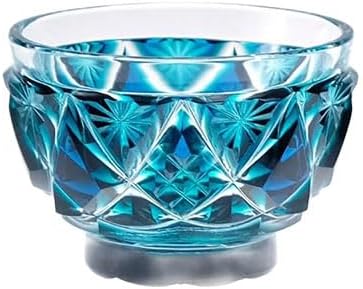
Tenma Kiriko (天満切子) is Osaka’s revived cut-glass craft, and it does not look like the cut glass most international readers picture. Where Edo Kiriko cuts sharp V-grooves and Satsuma Kiriko leans on color gradation in thick overlay glass, Tenma Kiriko is defined by kamaboko-bori — rounded, semicircular concave cuts ground into the surface so that light bends through the glass in soft curves rather than hard glints. The result is a rocks tumbler whose facets read as gentle ripples of light, not as faceted edges.
The craft is named for the Tenma district of Osaka, the merchant-and-craft quarter that grew up around Osaka Tenmangu Shrine. The tradition nearly died out entirely, and was brought back by a small line of Osaka glass cutters who re-learned and re-established the curved-cut technique as a designated local craft. Each piece is hand-ground on a rotating wheel, so every curved facet is shaped individually by the cutter’s hands rather than pressed or molded.
This guide is written for international readers deciding whether a hand-cut Osaka glass is worth importing — for whisky, for chilled tea, or as a gift. It covers what the craft actually is, how it compares to other Japanese glassware on the site, where the piece comes from, and the realistic paths to buy it from outside Japan. A note up front on data: the product feed for this article returned no live Amazon listing snapshot, so this guide does not quote a price. Where a spec is not confirmed in the data, it is marked as such rather than guessed.
🗓️ Published:
🔄 Updated:
⏱️ Read time: ~13 min

- Who this is for — and who should skip it
- Product overview (from published specs)
- Which finish should you choose?
- Where this comes from
- Price snapshot across stores
- What it does well
- Weaknesses and things to verify before buying
- Conclusion — which buyer type are you?
- Other ways to approach this purchase
- 🏆 Editor’s Pick
- ❓ Frequently Asked Questions
Who this is for — and who should skip it
- Want hand-cut Japanese glass and already own or have seen Edo Kiriko, and are curious about the softer curved-cut style
- Drink whisky or cold tea from a heavier rocks-style tumbler and value how cut glass plays with light
- Are buying a gift with a clear regional story (Osaka, the merchant city) attached
- Accept that a hand-ground object carries small individual variations as a feature, not a defect
- Are comfortable importing from Japan and verifying price and stock at the listing before ordering
- Want a dishwasher-and-forget everyday tumbler — hand-cut glass rewards hand washing
- Need an exact, repeatable price point; this guide could not confirm a live price from the data
- Expect mass-produced uniformity across every facet and edge
- Prefer the bold, high-contrast color gradients of Satsuma Kiriko over subtle clear-and-curved light
- Are not prepared for international shipping cost, lead time, or possible customs duty
Product overview (from published specs)
The data feed for this article returned no populated Amazon listing, so the table below states only what is verifiable from the spec and the craft tradition, and marks everything else honestly. Always confirm the live material, dimensions, and price at the listing before buying.
Tenma Kiriko Cut Glass Tumbler
天満切子 タンブラー 杵型 鼓(つづみ) サイズ:高さ:約115mm×直径:約68mm グラス容量:約180㎖ 材質:無鉛ガラス 切子グラス (緑)
残り3点 ご注文はお早めに · Sold by 天満切子 オンラインショップ · ASIN B0CVN7NNYG
Price and availability as of 2026-08-31 02:30 JST. The Amazon listing at the time of purchase is authoritative. jpmono.com earns a commission on qualifying purchases at no extra cost to you.
| Attribute | Detail | Source |
|---|---|---|
| Craft | Tenma Kiriko (天満切子) hand-cut glass | Spec / data notes |
| Defining technique | Kamaboko-bori — rounded, semicircular concave cuts hand-ground on a rotating wheel | Data notes |
| Form | Rocks / old-fashioned tumbler (whisky, cold tea) | Spec |
| Origin | Tenma district, Osaka, Kansai region | Data notes |
| Reference ASIN | B0CVN7NNYG (Amazon JP Global Store) | Spec |
| Material / overlay color | Unconfirmed — check the Amazon JP listing | — |
| Dimensions / capacity / weight | Unconfirmed — check the Amazon JP listing | — |
| Price | Unavailable at time of writing — verify at listing | — |
⚠️ Data note: the source feed for this article returned no live Amazon US or JP listing snapshot. Pricing, exact dimensions, and material/overlay color could not be confirmed and are shown as “Unconfirmed.” Always verify on the listing before purchasing.
📖 Glossary — key terms (tap to open)
Kiriko (切子) — Japanese cut glass. The surface is ground with rotating wheels to create patterns that refract light.
Kamaboko-bori (蒲鉾彫り, “fish-cake cut”) — Tenma Kiriko’s signature technique. The cut is rounded and semicircular in cross-section, named for the domed shape of kamaboko fish cake, scattering light in soft curves rather than sharp lines.
Edo Kiriko (江戸切子) — the Tokyo cut-glass tradition, known for sharp, angular V-shaped grooves and dense geometric patterns.
Satsuma Kiriko (薩摩切子) — the Kagoshima cut-glass tradition, known for thick colored overlay glass and gradated color (bokashi) at the cut edges.
Kabuse / overlay glass (色被せ) — a layer of colored glass fused over clear glass; cutting through the color reveals clear glass beneath, common in colored kiriko.
Shokunin (職人) — a skilled craftsperson; in cut glass, the cutter who shapes each facet by hand at the wheel.
Which finish should you choose?
This piece is listed in 2 finishes. The photos below are the actual 色 options on the listing right now — pick the one you want and confirm it on the product page before ordering, since hand-finished wares vary slightly piece to piece.
![Tenma Kiriko Cut Glass Tumbler: Osaka Cut Glasswork Where to Buy [2026] — 金赤 finish](https://m.media-amazon.com/images/I/415Aw9NXhfL._SL500_.jpg)
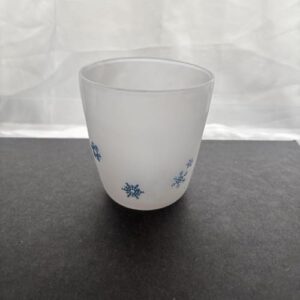
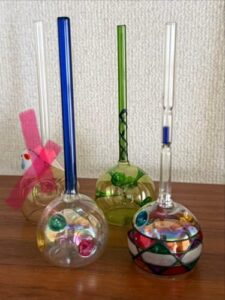
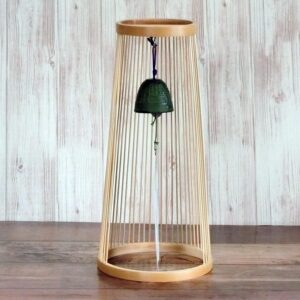
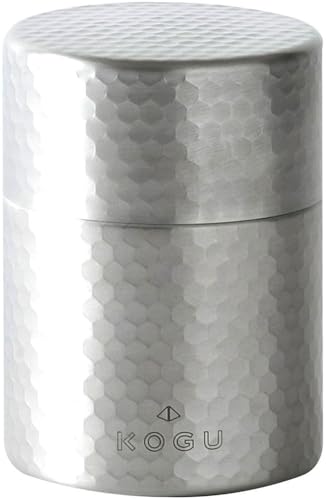
Other Japanese glass and tableware crafts covered on jpmono.com — useful for placing Tenma Kiriko against angular cut glass, blown glass, and the wider world of Japanese drinkware.
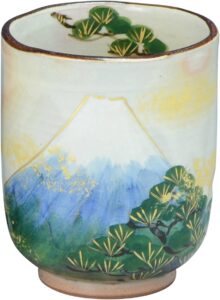
Where this comes from

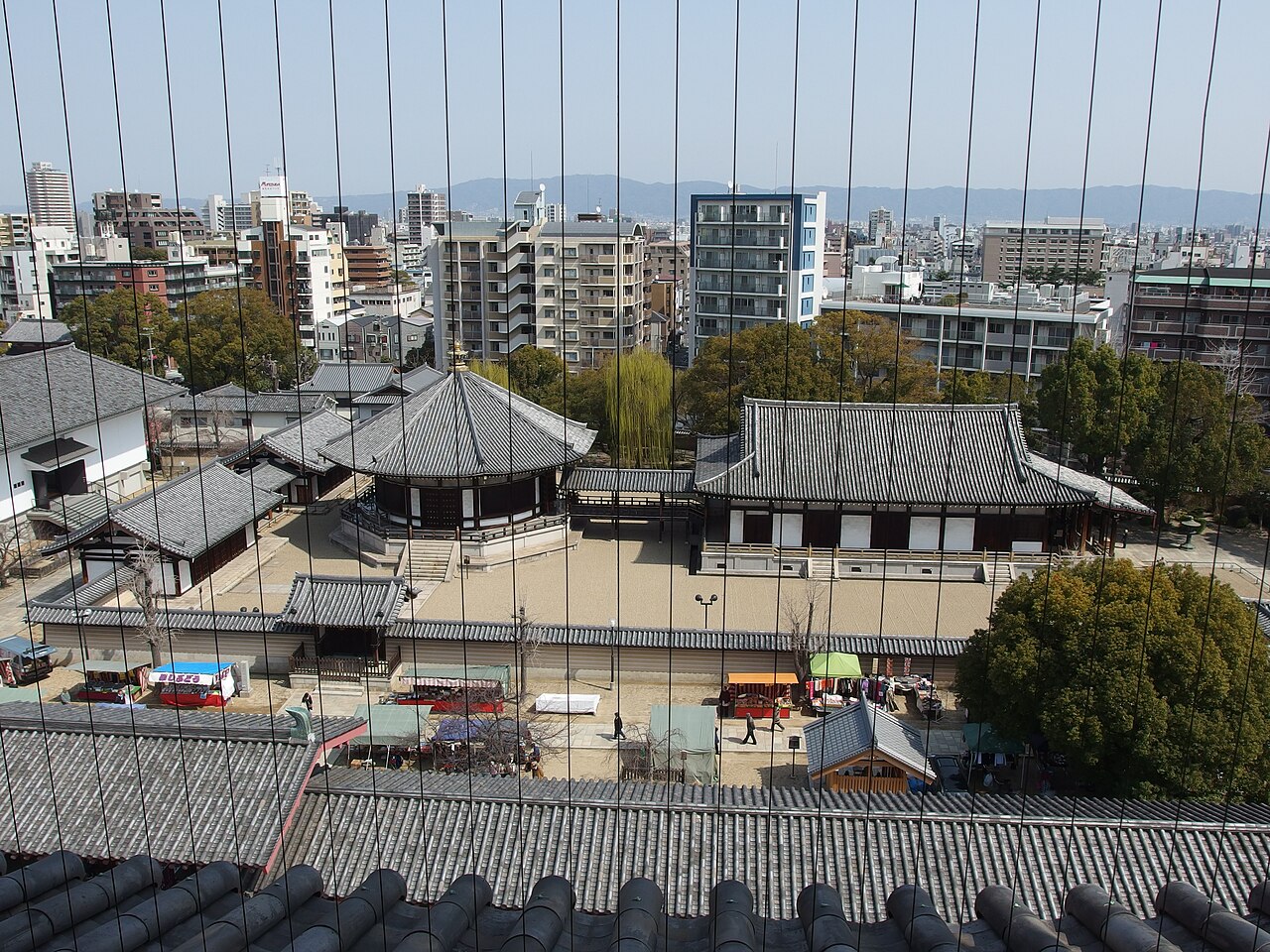
Osaka sits on a bay in western Honshu, the natural harbor that made it Japan’s commercial gateway for centuries. Its craft history runs deep: Shitennoji, founded in 593, is one of the country’s oldest temples and a marker of how early Osaka absorbed continental skills in metal, wood, and decorative work. The city’s identity, though, was set in the Edo period, when it became the nation’s merchant capital.

Edo-period Japan called Osaka tenka no daidokoro — “the nation’s kitchen” — the place where rice, goods, and money from across the country were traded. That merchant wealth is what supported decorative crafts. A city of traders wants fine things to drink from, to give as gifts, and to display, and that demand is what kept skilled artisans in business.
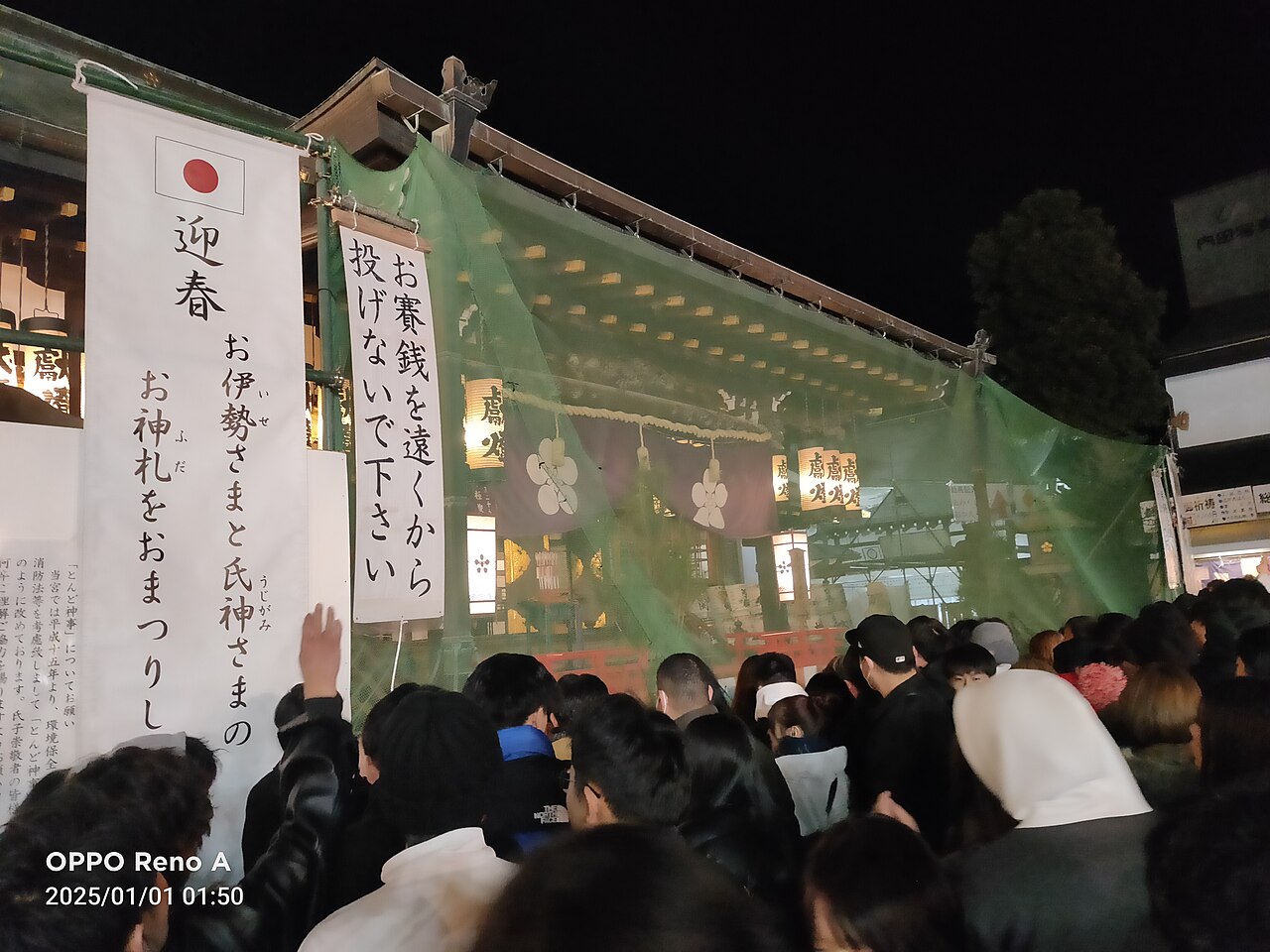
The craft takes its name directly from this geography. The Tenma district, the quarter that grew up around Osaka Tenmangu Shrine, was one of the city’s craft-and-commerce neighborhoods, and it is from Tenma that Tenma Kiriko draws both its name and its origin. This is a distinctly Osaka glass tradition, separate from the prefecture’s other famous craft, Naniwa pewter (浪華錫器), and it is the city’s flagship glasswork.
- 593 — Shitennoji founded in Osaka, an early anchor of imported continental craft skills.
- 1603–1868 — Edo period: Osaka becomes tenka no daidokoro, the nation’s merchant capital; the Tenma district around Osaka Tenmangu grows as a craft-and-commerce quarter.
- 19th century — Japanese cut-glass (kiriko) traditions take shape, including the angular Edo style and the colored Satsuma style.
- Edo–Meiji era — A local cut-glass line develops in the Tenma district, distinguished by the rounded kamaboko-bori cut.
- Mid-20th century — The Tenma Kiriko tradition nearly dies out.
- Late 20th century onward — Revived by Osaka craftsmen (notably the Ura/Teranishi line) and re-established as a designated local craft.
- 2026 — Still hand-ground on rotating wheels in Tenma, Osaka, piece by piece.
What “still being made here” means for Tenma Kiriko is unusually literal, because the craft was very nearly gone. Rather than an unbroken line of dozens of workshops, this is a tradition that was brought back deliberately by a small number of Osaka glass cutters who re-established the curved-cut technique and registered it as a designated local craft. Each tumbler is ground individually on a rotating wheel, so the curved facets are shaped by hand one at a time — there is no mold that stamps the pattern.
“Where Edo Kiriko catches light on a sharp edge, Tenma Kiriko lets it roll along a curve — the same wheel, a different way of seeing glass.”
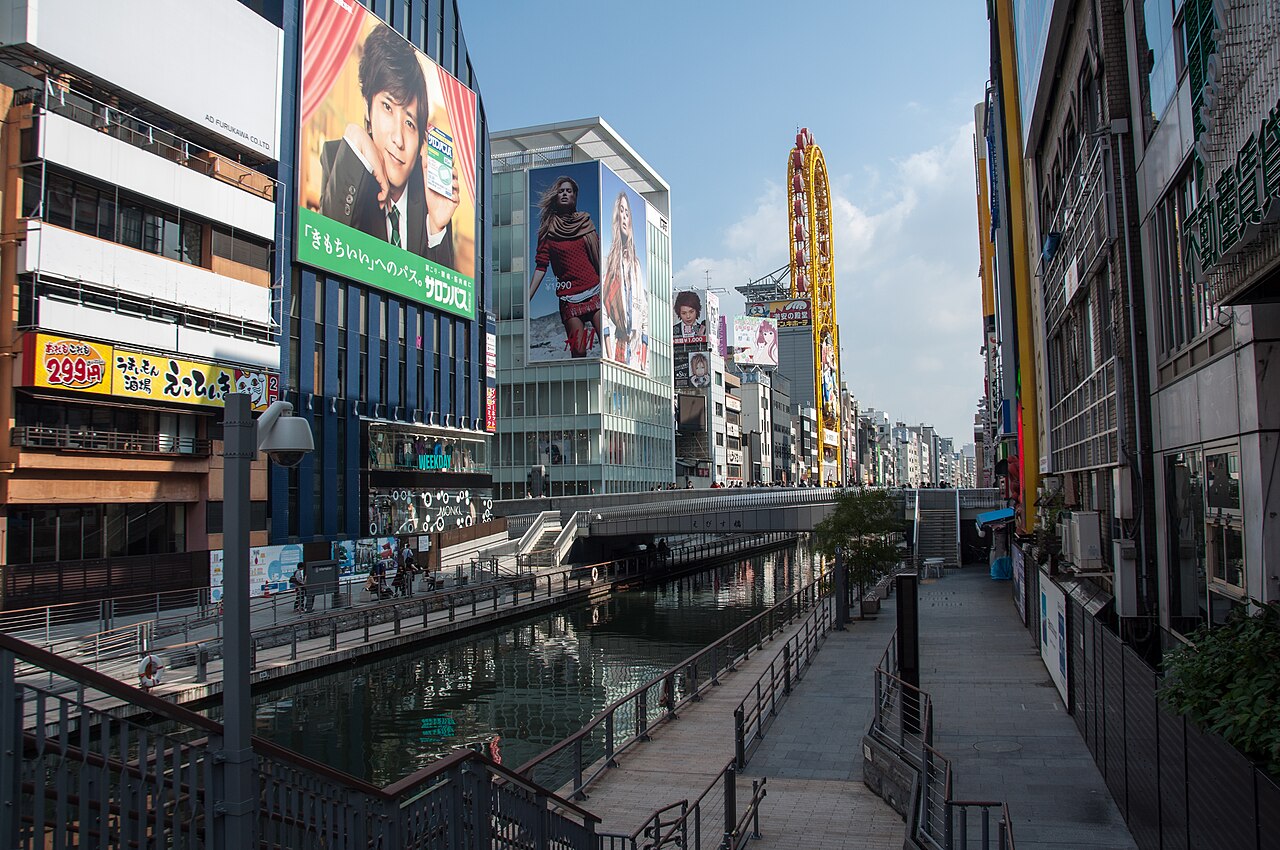
Osaka remains a city built on appetite and commerce, from the food stalls of Dotonbori to its wider consumer culture. A heavy cut-glass tumbler fits naturally into that world: whisky on a rounded ice ball in the cooler months, chilled barley tea or a highball in summer. The curved cuts are not only decorative — they give the glass grip in the hand and a thickness that holds temperature a little longer than thin blown glass.
Price snapshot across stores
The source feed returned no live price for this listing, so the JPY/USD figures below could not be filled in. Verify the current price at the listing before buying. As a jp_craft item, the specific tumbler is sourced from the Amazon JP Global Store; the Amazon US row leads because it is the easier path for most US and EU readers to browse comparable Japanese glassware.
| Store | Item / Variant | Price (JPY + USD est.) | Notes |
|---|---|---|---|
| 🇺🇸 Amazon.com (US) | Browse Japanese cut glass & kiriko tumblers | varies (USD) | Best if you are shopping from the US — Prime shipping, USD pricing, no international customs. Amazon US carries Japanese kiriko and glass tumblers from various makers for comparing styles and price tiers; the exact Tenma Kiriko piece is sourced from Japan (next row). |
| 🇯🇵 Amazon JP Global Store | Tenma Kiriko rocks tumbler (ASIN B0CVN7NNYG) | Price unavailable — verify at listing | The sourced listing for the specific item. Ships internationally from Japan to most major destinations. |
| Maker direct | Tenma Kiriko workshop pieces | Unconfirmed | A revived-craft workshop may sell direct or through Osaka galleries; international shipping is not guaranteed. Confirm before ordering. |
| Proxy services (Buyee / Tenso) | Japan-only listings forwarded abroad | Item price + service fee + forwarding | Useful when a listing does not ship overseas directly. Adds a handling fee and a second shipping leg; budget extra for fragile-glass packing. |
USD figures are approximate and depend on the current exchange rate (¥150/USD baseline, mid-2026). The JPY price is the authoritative one for the specific listed item. Prices and stock fluctuate — follow the affiliate link for current data.
What it does well
The rounded kamaboko-bori cuts scatter light in soft curves, giving a look clearly different from angular Edo Kiriko — a real point of difference, not a minor variation.
Each facet is shaped individually on a rotating wheel. The data suggests this is craft work, not pressed glass, so each piece carries the cutter’s hand.
The cut surface gives grip in the hand, and the tumbler form suits whisky over ice, a highball, or chilled tea — versatile, year-round use.
A revived Osaka craft with a named district behind it makes a coherent gift — the kind of object that comes with something to say.
Weaknesses and things to verify before buying
- No confirmed price in the data. This guide could not retrieve a live price for ASIN B0CVN7NNYG. Treat any budget assumption as provisional and check the listing.
- Material, capacity, and dimensions are unconfirmed. The feed did not return overlay color, glass type, volume, or weight. If exact size matters to you, confirm before ordering.
- Hand washing strongly preferred. Hand-cut glass and dishwashers do not mix well; expect to wash it by hand to protect the cut surface and clarity.
- Fragility in transit. Cut glass is brittle and ships from Japan; confirm protective packing, and factor breakage risk if you use a proxy forwarder that re-boxes items.
- Unit and set ambiguity. Listings for glassware sometimes show a single piece and sometimes a pair or set. Verify exactly how many tumblers the price covers.
- Variation is inherent. Because each facet is hand-ground, slight differences between pieces are expected. Buyers who want machine-perfect uniformity should look at pressed glass instead.
- Customs and shipping cost. International orders may incur duty above local thresholds, and fragile-glass shipping is not cheap. Add this to the landed cost before deciding.
Conclusion — which buyer type are you?
You already know kiriko and want the rarer curved-cut Osaka style. Buy it as a centerpiece glass and accept hand-craft variation as the point.
You want one beautiful, story-rich tumbler for whisky or a gift. Confirm price and whether it is single or paired, then order via the JP Global Store.
Hand-cut glass with international shipping is not a value buy. Compare the Otaru blown-glass or Tsugaru bidoro tumblers first — both are linked above.
You want a dishwasher-safe everyday glass at a fixed low price. This is the wrong category — buy a sturdy pressed tumbler locally instead.
Other ways to approach this purchase
Amazon JP Global Store pricing shifts with the yen and seasonal events. If you are not in a hurry, watch the listing and let the exchange rate work in your favor.
Osaka craft galleries may carry Tenma Kiriko with a wider range of forms. International shipping is not guaranteed — confirm before committing.
If you buy through Amazon regularly, applying accrued points or a rewards card can offset the import cost of a higher-priced craft item.
If a listing will not ship to your country, Buyee or Tenso can forward it. Ask for reinforced packing, since cut glass is fragile in a second shipping leg.
🏆 Editor’s Pick
❓ Frequently Asked Questions
What makes Tenma Kiriko different from Edo Kiriko?
Tenma Kiriko’s defining technique is kamaboko-bori — rounded, semicircular concave cuts that scatter light in soft curves. Edo Kiriko, by contrast, is known for sharp, angular V-shaped grooves. Satsuma Kiriko is a third tradition, defined by thick colored overlay glass and gradated color at the edges.
Where is Tenma Kiriko made?
In the Tenma district of Osaka, in the Kansai region of western Honshu — the historic craft-and-commerce quarter around Osaka Tenmangu Shrine. The craft takes its name directly from that district.
How much does it cost?
The data feed for this article returned no live price, so this guide does not quote one. Check the current price directly on the Amazon JP Global Store listing (ASIN B0CVN7NNYG) before buying; prices and stock fluctuate.
Can I buy it from outside Japan?
Yes. The specific item is sourced from the Amazon JP Global Store, which ships internationally from Japan to most major destinations. US and EU shoppers can also browse comparable Japanese cut glass on Amazon US. If a listing will not ship to your country, a proxy forwarder such as Buyee or Tenso can help.
Is it dishwasher safe?
The data does not confirm dishwasher safety, and hand-cut glass generally rewards hand washing to protect the cut surface and clarity. Treat it as a hand-wash item unless the listing states otherwise.
Will each glass look exactly the same?
No. Because each facet is hand-ground on a rotating wheel, slight differences between pieces are expected and are part of the craft. Buyers wanting machine-perfect uniformity should consider pressed glass instead.
What can I drink from it?
It is a rocks-style tumbler, well suited to whisky over ice, highballs, and chilled drinks such as cold barley or green tea. The cut surface also gives the glass grip in the hand.
jpmono.com is curated by a Japan-based editorial team (working out of Toyama in the Hokuriku region and Nara in Kansai) and is independent. We do not take payment from the makers we feature; income comes from affiliate links. We do not physically test every product — we read maker specs and source listings. Read more about our editorial standards.
🤖 This article was prepared with AI assistance from product listing data and curated public-domain reference material, then edited for accuracy. Specifications and prices reflect the data available at the time of writing and should be verified at the retailer before purchase.
Affiliate disclosure: jpmono.com may earn a commission on qualifying purchases made through links on this page, at no additional cost to you.