![Edo Shikki Tokyo Lacquer Coaster Set by Yamada Heiando [2026]](https://jpmono.com/wp-content/uploads/2026/06/heiando-edo-shikki-lacquer-coaster-set-where-to-buy-2026-featured.jpg)
Lacquerware tends to arrive in two flavors for the international buyer: ornate Kyoto-style maki-e, gold-flecked and ceremonial, or anonymous gift-shop trays that photograph well and chip on the first pour. The Edo Shikki coaster set from Yamada Heiando (山田平安堂) sits in a quieter, more useful place between those poles. It is Tokyo urushi (漆, “lacquer”) made for the table you actually use, by a house that has supplied the Japanese Imperial Household since the early twentieth century.
Yamada Heiando was founded in Tokyo in 1919 and became an official purveyor (御用達, goyōtashi) to the Imperial Household Agency. That lineage matters less as a status badge than as a description of intent: the Edo tradition the maker works in prizes restraint, durability, and everyday usability — the “iki” (粋) chic of the Edo merchant class — over the dense decoration associated with the old imperial capitals. A round wooden coaster, hand-finished in urushi, is about as honest a test of that philosophy as a workshop can set itself.
This guide is written for the reader shopping from outside Japan who wants to understand what they are actually buying, how it compares to other Japanese lacquer pieces we have covered, where it sits on the map and in history, and how to get one shipped home. We lead with the practical: who it suits, who should skip it, the published specifications, and the realistic purchase paths — Amazon US for browsing comparable Japanese goods, and the Amazon JP Global Store for this specific sourced item.
🔄 Updated: June 7, 2026
⏱ Read time: ~11 min

- Who this is for — and who should skip it
- Product overview (from published specs)
- Where this comes from — Tokyo, Edo, and the lacquer trade
- Price snapshot across stores
- What it does well
- Weaknesses and things to verify before buying
- Conclusion — which buyer type are you?
- Other ways to approach this purchase
- 🏆 Editor’s Pick
- ❓ Frequently Asked Questions
Who this is for — and who should skip it
- Want everyday Japanese lacquer that reads as understated, not ceremonial or gilded.
- Value provenance — a maker with a documented Imperial Household purveyor history.
- Are assembling a coherent tea or coffee setting and prefer matched, restrained pieces.
- Are buying a gift that signals care and craft without shouting about price.
- Understand urushi care and accept hand-washing as the trade-off for a warm finish.
- Want dishwasher- and microwave-safe coasters for heavy daily abuse.
- Are shopping purely on price — entry-level cork or silicone costs a fraction.
- Expect bold maki-e gold decoration; Edo Shikki is deliberately plain.
- Need a guaranteed in-stock item today; specific variants rotate and can sell out.
- Cannot accommodate hand-wash, no-soak, keep-out-of-direct-sun urushi care.
Product overview (from published specs)
Per the Amazon listing snapshot, the item is a Yamada Heiando Edo Shikki coaster set — round wooden coasters finished in urushi lacquer, made in Tokyo. Detailed dimensions, the exact piece count per set, and finish color options were not present in the fetched data at the time of writing, so the table below marks those fields as unconfirmed rather than guessing. Always confirm the live specification on the listing before purchase.
Edo Shikki Tokyo Lacquer Coaster Set by Yamada Heiando
山田平安堂 漆器 コースター小皿揃 お菓子入れ うさぎ
現在在庫切れです。 · ASIN B0DGDSZ5ZM
Price and availability as of 2026-08-31 02:30 JST. The Amazon listing at the time of purchase is authoritative. jpmono.com earns a commission on qualifying purchases at no extra cost to you.
| Attribute | Detail (per listing) | Source |
|---|---|---|
| Maker | Yamada Heiando (山田平安堂), founded Tokyo, 1919; Imperial Household Agency purveyor | Maker history / data notes |
| Item | Edo Shikki round coaster set | Amazon JP Global Store listing |
| Material | Wood base, urushi (lacquer) finish, hand-finished | Listing / recommendation hint |
| Origin | Tokyo, Japan (Edo Shikki tradition) | Maker / data notes |
| Shape | Round | Listing |
| Set count | Unconfirmed — check listing | — |
| Dimensions / weight | Unconfirmed — check manufacturer site | — |
| ASIN | B0DGDSZ5ZM | Amazon JP Global Store |
⚠️ Data note: Only the Amazon JP Global Store listing snapshot is available for this specific item, and live pricing was unavailable at the time of writing. Pricing and stock fluctuate; verify on the listing before buying.
📖 Glossary — key terms
Urushi (漆) — natural lacquer, the refined sap of the lacquer tree, applied in thin layers and cured in humidity. It hardens into a durable, water-resistant, warm-to-the-touch surface.
Edo Shikki (江戸漆器, “Edo lacquerware”) — the Tokyo lacquer tradition that grew up serving the shogunate, daimyo, and merchant class. Characterized by plain grounds and sparing decoration rather than ornate gold work.
Iki (粋) — an Edo-period aesthetic ideal of understated, unfussy chic; restraint read as sophistication.
Maki-e (蒔絵) — decorative technique sprinkling gold or silver powder onto wet lacquer; associated with ornate Kyoto-style pieces, and deliberately downplayed in Edo Shikki.
Goyōtashi (御用達) — an official purveyor or supplier, historically to a noble house or, in Heiando’s case, the Imperial Household.
Shokunin (職人) — a skilled craftsperson; the artisan who hand-finishes each piece.
Where this comes from — Tokyo, Edo, and the lacquer trade

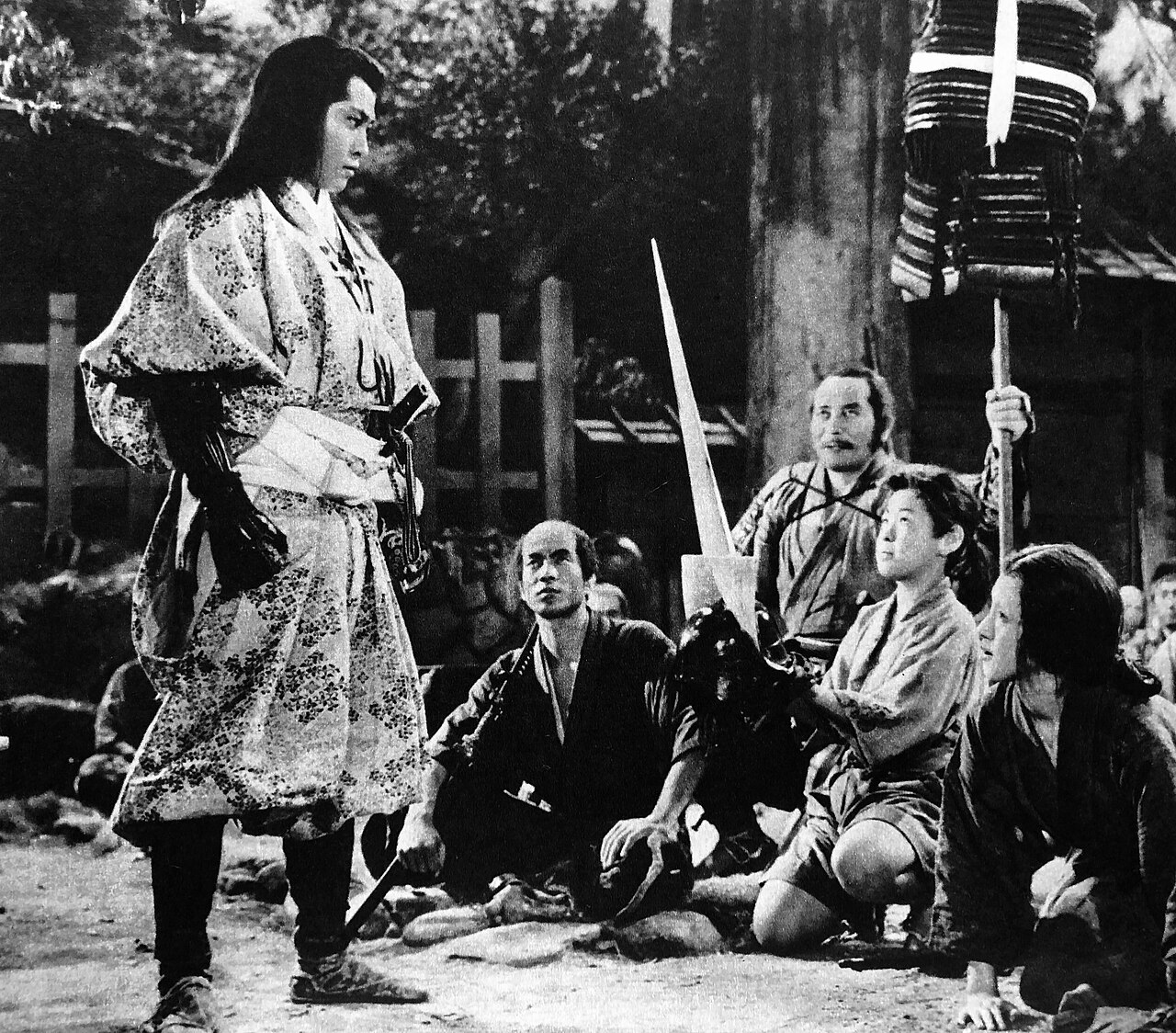
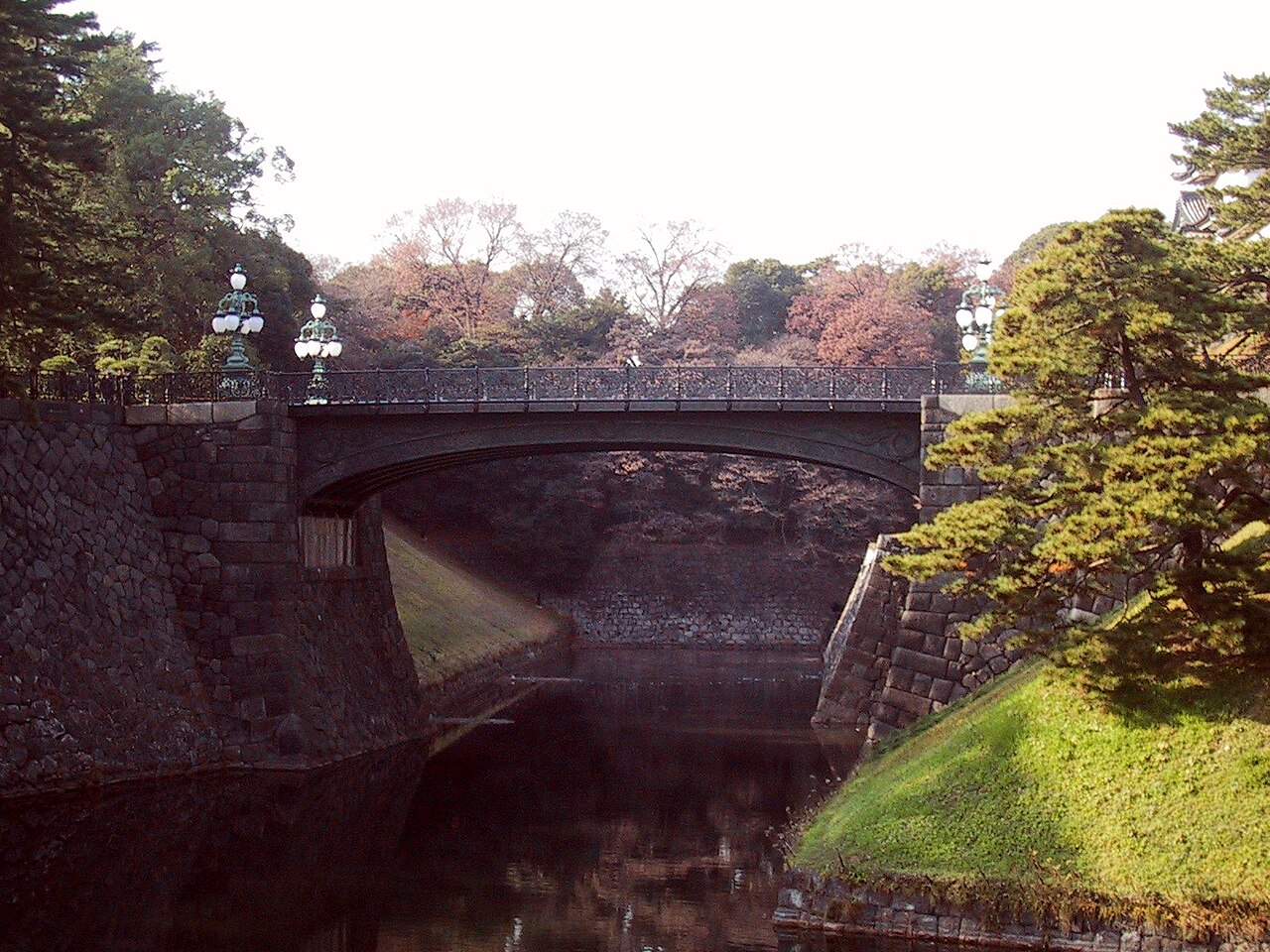
When Tokugawa Ieyasu made Edo the seat of the shogunate in 1603, he turned a provincial castle town into the de facto capital of Japan. Edo Castle stood where the Imperial Palace stands today, and around it grew one of the largest cities in the early-modern world. A capital on that scale needs makers, and lacquer artisans were drawn in to serve the shogunate, the daimyo who maintained mandatory residences in the city, and a merchant class that was growing rich and confident.
Out of that demand, Edo lacquerware took on its own character. Where Kyoto’s tradition leaned toward dense, gilded maki-e for court and temple, Edo Shikki evolved toward the practical and the restrained: plain grounds, durable finishes, sparing decoration. This was lacquer for daily life among townspeople who prized “iki” — an unshowy chic that read sophistication into restraint rather than ornament.
“Edo Shikki is lacquer that hides its skill. The plainness is the point — it is craft for the table, not the display cabinet.”
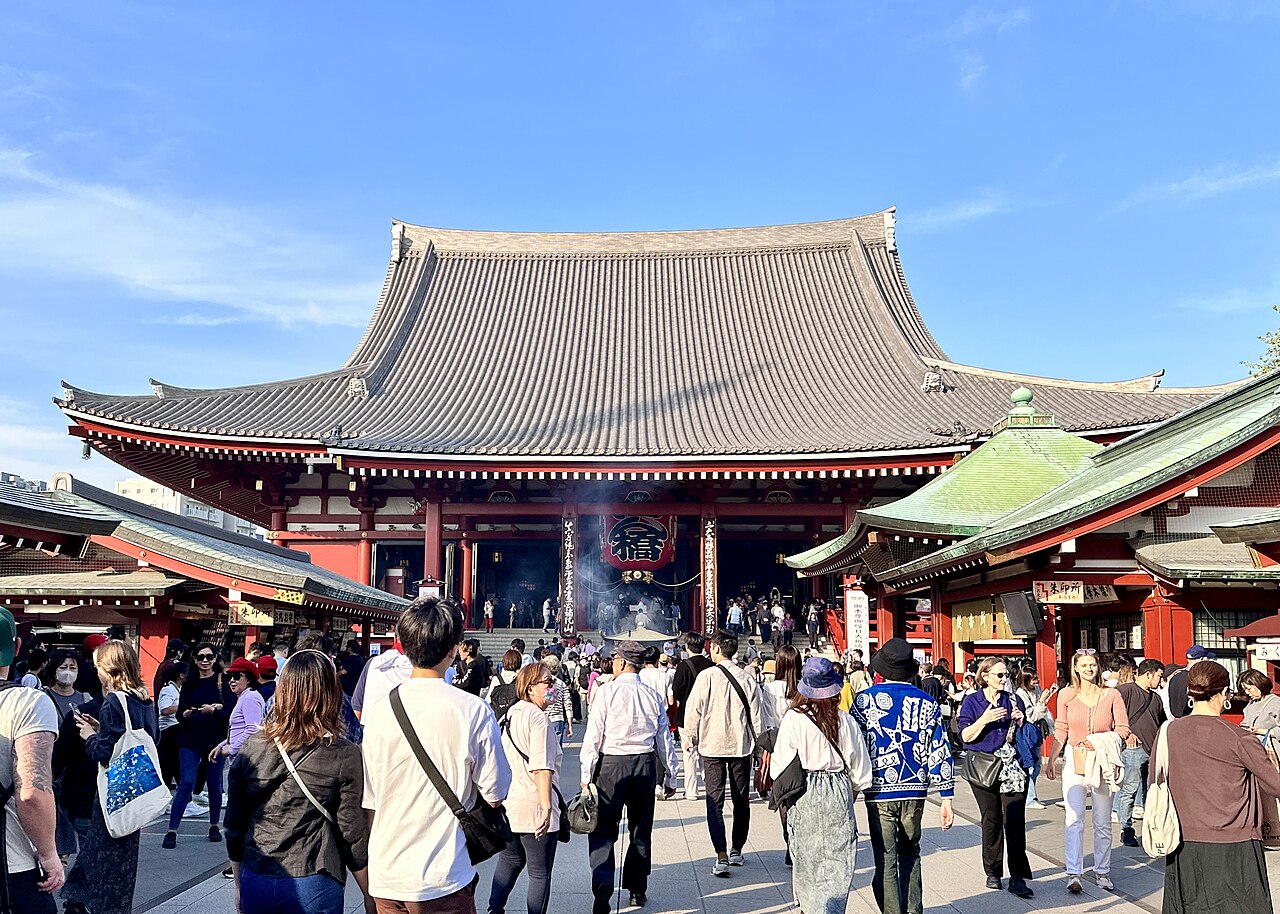
The commercial heart of that city was Nihonbashi, where the five great highways converged and where merchants and craft houses clustered. Asakusa’s Sensōji, to the northeast, anchored the dense downtown artisan districts that produced everyday goods for townspeople. This is the milieu in which a maker like Yamada Heiando emerged in 1919 — late in the long arc of Edo lacquer, but squarely within its tradition, and soon distinguished by appointment as an Imperial Household purveyor.
- 1603 — Tokugawa Ieyasu founds the Edo shogunate; Edo becomes the de facto capital.
- 17th c. — Lacquer artisans concentrate in Edo to serve the shogunate, daimyo, and merchant class.
- Edo period — Edo Shikki develops its restrained, durable, “iki” aesthetic, distinct from Kyoto maki-e.
- 1868 — Edo is renamed Tokyo and becomes the formal capital under the Meiji government.
- 1919 — Yamada Heiando is founded in Tokyo.
- 20th c. — Heiando is appointed an official purveyor to the Imperial Household Agency.
- 2026 — Heiando continues the Tokyo urushi tradition with tableware, trays, and coasters such as this set.
The craft does not stand alone. Japanese urushi is a shared lineage that runs through Wajima and Yamanaka in the Hokuriku region, Takaoka’s inlaid lacquer, and the lacquer traditions of Nara — each a regional dialect of the same material. Edo Shikki is the Tokyo accent in that family: plainer, more urban, made for use. The comparison section below places Heiando’s coasters next to several of those relatives.
Edo Shikki is one accent in a wider Japanese lacquer family. These related jpmono guides cover other regional traditions and lacquer object types worth comparing before you decide.
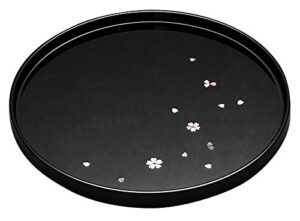 Nara Raden Lacquer TrayMother-of-pearl inlaid tray from the ancient capital
 Takaoka Aogai Raden BoxHokuriku inlaid lacquer accessory box
Wajima Nuri SakazukiPremium Noto-peninsula lacquer sake cups
 Yamanaka Lacquer Free CupTurned-wood wiped-lacquer everyday cup
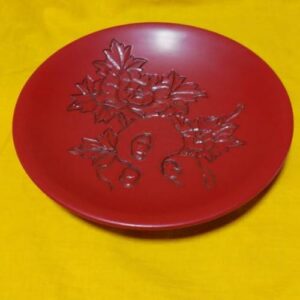 Murakami Tsuishu NatsumeCarved-lacquer matcha tea caddy
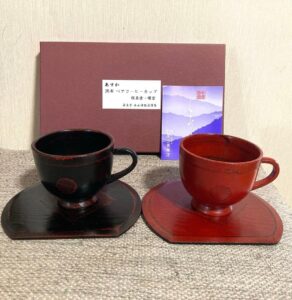 Kiso Lacquer Coffee CupHonyama Kiso paired lacquer coffee cups
 Tokyo Tsukiji YanagibaTokyo sashimi knife — another Tokyo craft
Price snapshot across stores
Live pricing for this specific item was unavailable in the fetched data, so the price cells below direct you to the live listing rather than quoting a figure we cannot verify. JPY is the authoritative price for the sourced item; USD figures elsewhere in this article are approximate (¥150/USD baseline as of mid-2026).
| Store | Item / Variant | Price (JPY + USD est.) | Notes |
|---|---|---|---|
| 🇺🇸 Amazon US (search) | Browse Japanese lacquer coasters & tableware | varies (USD) | Best if you’re shopping from the US — Prime shipping, USD pricing, no international customs. Amazon US carries Japanese lacquer and tableware from various makers for comparison; Heiando’s exact piece is sourced from Japan (next row). |
| 🇯🇵 Amazon JP Global Store | Yamada Heiando Edo Shikki coaster set (ASIN B0DGDSZ5ZM) | See listing — price unavailable at writing | The sourced listing for the exact item. Ships internationally from Japan to most major destinations. |
| Maker direct (Yamada Heiando) | Full Edo Shikki catalog | See maker site | Widest selection and finish options; international shipping policy varies — confirm before ordering. |
| Proxy services (Buyee / Tenso) | Any JP listing not shipping to your country directly | Item price + proxy fee + forwarding | Useful if a specific variant is JP-domestic only; adds handling fees and a second shipping leg. |
What it does well
Weaknesses and things to verify before buying
- Care is hands-on. Urushi is hand-wash only, no soaking, no dishwasher or microwave, and prolonged direct sunlight can dull or craze the finish. If you want fully neglect-proof coasters, this is the wrong category.
- Price for the category. A named-maker lacquer set costs many times what cork, felt, or silicone coasters cost. The premium buys craft and provenance, not raw function.
- Specs were thin at writing. Set count, exact dimensions, weight, and finish color were not confirmed in the fetched data — verify these on the live listing before ordering.
- Pricing unverified. No live price was available at writing; confirm the current figure (and any international shipping surcharge) on the listing.
- Variant and stock rotation. Specific finishes can sell out or be JP-domestic only; if a particular look matters, you may need a proxy service to obtain it.
- Not maki-e. Buyers expecting visible gold decoration will be disappointed — restraint is the design intent, not a shortfall, but it should be understood up front.
Conclusion — which buyer type are you?
Other ways to approach this purchase
🏆 Editor’s Pick
❓ Frequently Asked Questions
Does the Amazon JP Global Store ship this internationally?
The Amazon JP Global Store ships many household items to most major destinations. Availability for a specific item and country is shown at checkout, so confirm the shipping option and any surcharge on the listing before ordering. Where direct shipping is not offered, a proxy service such as Buyee or Tenso can forward the item.
How do I care for urushi lacquer coasters?
Hand-wash with mild detergent and a soft cloth, do not soak, and avoid the dishwasher and microwave. Dry promptly and keep the pieces out of prolonged direct sunlight, which can dull or craze the lacquer over time. Treated this way, urushi lasts for many years.
What is Edo Shikki, and how is it different from Kyoto lacquer?
Edo Shikki is the Tokyo lacquer tradition that grew up serving the shogunate and the merchant class. It favors plain grounds and sparing decoration — the understated “iki” aesthetic — whereas Kyoto-associated work is known for ornate gold maki-e. This coaster set is firmly in the restrained Edo style.
Is Yamada Heiando really an Imperial Household purveyor?
Per the maker’s history, Yamada Heiando was founded in Tokyo in 1919 and became an official purveyor (goyōtashi) to the Imperial Household Agency. That lineage describes the maker, not a guarantee about any single product, so treat it as provenance context rather than a spec.
How much does it cost, and why is no price shown here?
Live pricing was unavailable in our source data at the time of writing, so we have not quoted a figure we cannot verify. Check the current price directly on the Amazon JP Global Store listing. JPY is the authoritative price; any USD figures elsewhere are approximate at a ¥150/USD baseline.
Will there be customs duties when it arrives?
Orders above your country’s de minimis threshold may incur import duties or taxes on delivery. Amazon’s international checkout often estimates these as an import-fees deposit; if you buy through a proxy service instead, budget for duties separately.
Is it a good gift for someone outside Japan?
Yes — a named-maker lacquer set with verifiable heritage reads as a considered gift, and it ships internationally. Include the care notes so the recipient hand-washes rather than putting it in a dishwasher, and it will keep its finish for years.
jpmono.com is curated by a Japan-based editorial team working out of Toyama in the Hokuriku region and Nara in Kansai, and is independent. We do not take payment from the makers we feature; income comes from affiliate links. We do not physically test every product — we read maker specifications and source listings.
🤖 This article was prepared with AI assistance and reviewed against the source listing data. Specifications and pricing reflect the data available at the time of writing and may have changed; verify details on the retailer’s page before purchasing.
Affiliate disclosure: jpmono.com may earn a commission on qualifying purchases made through links on this page, at no additional cost to you.