![Tosa Hinoki Cutting Board: Tosaryu Shimanto Cypress Board [2026]](https://jpmono.com/wp-content/uploads/2026/06/tosa-hinoki-cutting-board-where-to-buy-2026-featured.jpg)
A Tosaryu (土佐龍) cutting board is a plain-looking thing: a pale, fine-grained slab of Japanese cypress, planed smooth, with a faint resinous scent that rises the moment it gets wet. It is made in Kōchi Prefecture — the old province of Tosa, on the Pacific side of Shikoku — from Tosa hinoki, a cypress graded among the finest building and craft woods in Japan and used in shrine architecture. The wood is soft, aromatic, naturally water-shedding, and gentle on a knife’s edge, which is exactly the combination most home cooks want under their blade.
What makes the regional story worth telling is that Kōchi is the most heavily forested prefecture in Japan — roughly 84% woodland — and that this is not an accident of geography alone. Under the Yamauchi clan’s Tosa domain, the best stands were placed under strict tomeyama (留山, “closed mountain”) protection, which seeded centuries of disciplined forestry. The Shimanto River, often called Japan’s last clear stream, still anchors the region’s identity as a source of clean timber and clean water.
This guide is written for international readers deciding whether a Tosa hinoki board is the right cutting surface for their kitchen, and how to buy one from outside Japan. We cover what the wood actually does, how it differs from oil-rich Aomori hiba, the realistic care burden, where it comes from, and the purchase paths — Amazon US for comparable Japanese kitchen woodwork, and Amazon JP Global Store for the sourced Tosaryu listing itself.
📅 Published:
🔄 Updated:
⏱️ Read time: ~12 min

- Who this is for — and who should skip it
- Product overview (from published specs)
- 📍 Where this comes from — place, era, and the craft tradition
- 📦 Shipping & where to buy from outside Japan
- Price snapshot across stores
- What it does well
- Weaknesses and things to verify before buying
- Conclusion — which buyer type are you?
- Other ways to approach this purchase
- 🏆 Editor’s Pick
- ❓ Frequently Asked Questions
Who this is for — and who should skip it
- Want a knife-friendly surface that does not blunt edges the way plastic, glass, or bamboo can
- Prefer a lightweight board you can lift, rinse, and stand to dry one-handed
- Like the clean cypress aroma and a naturally water-shedding, antibacterial-leaning wood
- Value a clear craft-and-forestry provenance, not an anonymous import
- Are comfortable hand-washing and air-drying wood rather than using a dishwasher
- Want a dishwasher-safe, set-and-forget board (softwood will not tolerate that)
- Need a maximum-hardness surface and do not mind dulling knives faster
- Cut heavily pigmented foods (turmeric, beets) and cannot accept some staining on pale wood
- Prefer the heavier, oil-rich, more rot-resistant feel of Aomori hiba
- Will not commit to drying it upright after every wash
Product overview (from published specs)
The product data available at the time of writing is thin. Only the Amazon JP listing reference (ASIN B00Z552TA4) is on hand; live pricing and the current dimension table could not be confirmed from the fetched data and may have shifted since the writing date. Where a value is not verifiable, the table says so rather than guessing.
Tosa Hinoki Cutting Board
TOSARYU SHIMANTO HINOKI 土佐龍 まな板 いちまい板極め HC7003 ベージュ
残り5点 ご注文はお早めに · Sold by Fine Dream · ASIN B00Z552TA4
Price and availability as of 2026-08-31 02:30 JST. The Amazon listing at the time of purchase is authoritative. jpmono.com earns a commission on qualifying purchases at no extra cost to you.
| Attribute | Value | Source |
|---|---|---|
| Material | Tosa hinoki (土佐桧, Japanese cypress) from Kōchi | Maker / region notes |
| Maker | Tosaryu (土佐龍), Shimanto / Sukumo area, Kōchi | Maker |
| Origin | Kōchi Prefecture (former Tosa Province), Shikoku | Region notes |
| Dimensions / weight | Unconfirmed — check the listing (sizes vary by SKU) | — |
| Finish | Planed, untreated softwood; naturally water-shedding | Material profile |
| ASIN | B00Z552TA4 (Amazon JP Global Store) | Listing |
| Price | Unconfirmed — verify on the listing before buying | — |
📖 Glossary — Japanese terms used here
- hinoki (檜 / 桧) — Japanese cypress; a soft, aromatic, durable softwood long used for shrines, baths, and fine joinery.
- Tosa (土佐) — the historical name of present-day Kōchi Prefecture, on the Pacific coast of Shikoku.
- tomeyama (留山, “closed mountain”) — an Edo-period domain practice of placing valuable forest stands off-limits to free logging, managed for long-term timber supply.
- Shimanto-gawa (四万十川) — the Shimanto River, popularly called Japan’s last clear stream (saigo no seiryū).
- Tosaryu (土佐龍) — “Tosa Dragon,” a modern Kōchi maker that turns Tosa hinoki into kitchen woodwork.
- end grain vs flat grain — orientation of the wood fibers at the cutting surface; it affects how a board absorbs knife marks and water.
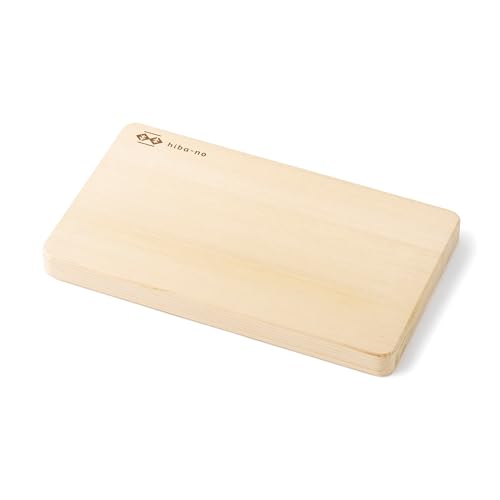 ⚖️ Compare: Aomori hiba boardOil-rich alternative softwood
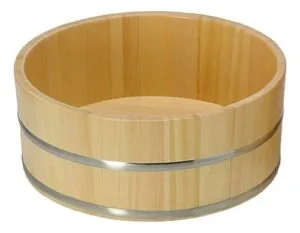 🌲 Same wood: Kishu hinokiHinoki in the bath, not the kitchen
 🍵 Also from Kōchi (Tosa)Odo-yaki Tosa sometsuke yunomi
 🍚 Wooden kitchen toolMiyajima wooden rice scoop
 🌾 Paulownia kitchen woodworkOwari kiri rice container
 🪵 Kiso woodcraftOroku-gushi wooden comb
 📦 Joinery woodworkKyo-sashimono paulownia box
📍 Where this comes from — place, era, and the craft tradition

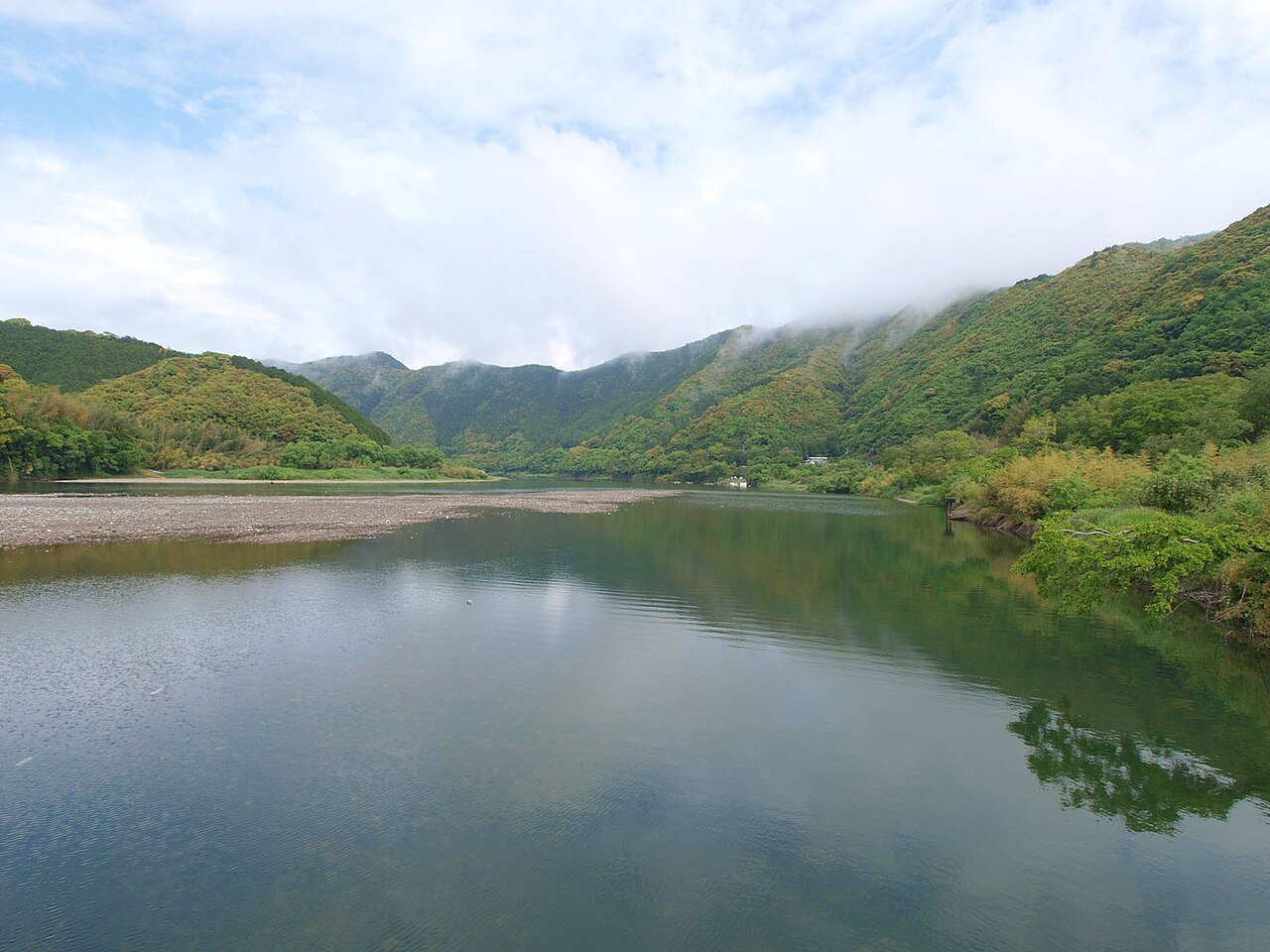
Kōchi occupies the entire Pacific-facing south of Shikoku, the smallest of Japan’s four main islands. It is a province defined by water and trees. Steep, rain-soaked mountains rise quickly from a narrow coast, and the rivers that run off them — above all the Shimanto and the Niyodo — are famous nationally for their clarity. Heavy rainfall, warm summers, and those mountain slopes are precisely the conditions in which hinoki and sugi (cedar) grow well, and Kōchi has become the most heavily forested of all Japan’s prefectures, with woodland covering roughly 84% of its land.
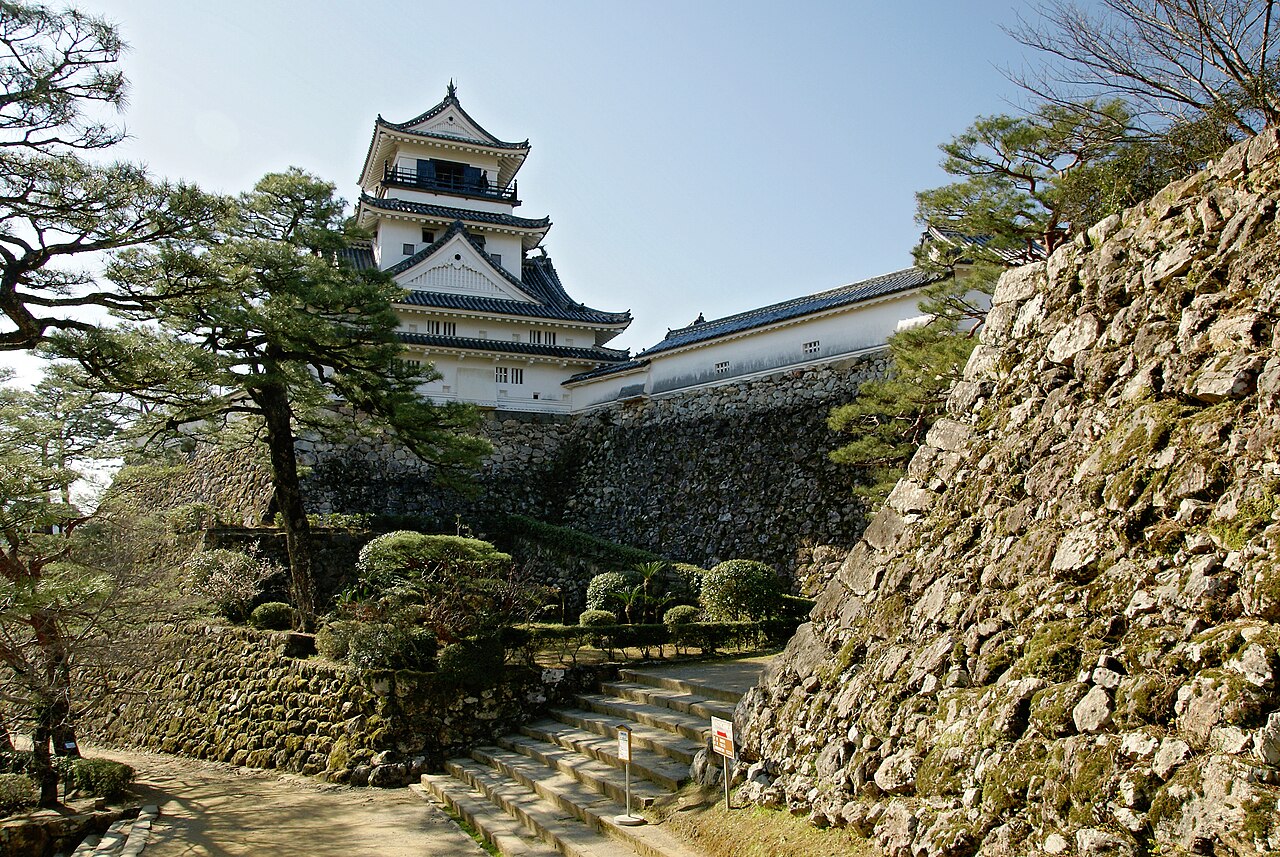
The historical name for this land is Tosa, and the human side of its forestry story runs through the Yamauchi clan, who governed the Tosa domain from their seat at Kōchi Castle. Rather than letting the mountains be logged freely, the domain placed its most valuable stands under tomeyama (留山) — a “closed mountain” system that reserved prized timber and managed it for the long term. That administrative habit, sustained across the Edo period, is one reason Kōchi’s forest culture is as much about cultivation and restraint as about harvest.
- 8th century — Tosa is recorded as a province under the early ritsuryō administrative system.
- 1601 — Yamauchi Kazutoyo is installed as lord of the Tosa domain; construction of Kōchi Castle begins.
- 17th–19th c. — The domain places premium stands under tomeyama (留山) protection, formalizing managed forestry.
- 20th century — Kōchi is recognized as Japan’s most forested prefecture, with woodland over ~84% of its area.
- Late 20th c. — The Shimanto becomes popularly known as Japan’s “last clear stream,” cementing the clean-timber identity.
- Modern era — Tosaryu (土佐龍), in the Shimanto / Sukumo area, develops Tosa hinoki kitchen woodwork for home use.
The wood itself is what carries all of this into your kitchen. Tosa hinoki is a soft, light, aromatic cypress whose surface sheds water rather than soaking it, and which carries the mild, naturally antibacterial-leaning character that hinoki is valued for. It is the same family of timber used in shrine architecture — chosen there for durability and scent, and chosen here for the way it treats a knife edge.

“In a prefecture that is 84% forest, the cutting board is not a commodity carved from imported timber — it is the nearest, most ordinary expression of a centuries-old habit of keeping the mountains green.”
Tosaryu, the maker behind this board, sits in the Shimanto and Sukumo part of the province and works specifically in turning Tosa hinoki into everyday kitchen objects. The continuity case here is straightforward: the wood is local, the forestry tradition behind it is old and deliberate, and the product is a plain household tool rather than a heritage display piece. That is precisely why it earns shelf space in a working kitchen.
📦 Shipping & where to buy from outside Japan
The specific Tosaryu board covered here is sourced from the Amazon JP Global Store (ASIN B00Z552TA4), which ships many household goods internationally to most major destinations. As a plain wooden kitchen item with no battery, liquid, or electrical components, a cutting board is generally an easy candidate for international shipping — but always confirm the “ships to your country” line on the listing before ordering, since per-SKU restrictions do occur.
For shoppers in the US, EU, or Australia, expect international shipping in roughly the $15–$40 range on a single board, varying by destination and box size. Orders above your country’s de minimis customs threshold may attract import duty or VAT on arrival — a wooden board is low-risk but not exempt. As a softwood product, there are no voltage or electrical-certification concerns; the only practical note is that “Japanese-spec” labeling on the listing is written for the domestic market, so verify the dimensions in centimeters before assuming a size.
If the Global Store will not ship the exact SKU to you, a Japan-based proxy service (Buyee or Tenso) can receive the parcel domestically and re-forward it internationally, at additional cost. Amazon US is the easiest route to comparable Japanese hinoki and cypress kitchen woodwork in USD with domestic shipping, though the exact Tosaryu listing itself is sourced from Japan.
Price snapshot across stores
Pricing data was unavailable from the fetched sources at the time of writing, so the figures below are marked accordingly. JPY is the authoritative currency for the sourced item; any USD figure is an approximate estimate at a ¥150/USD baseline. Verify the live price at the retailer before purchasing.
| Store | Item / Variant | Price (JPY + USD est.) | Notes |
|---|---|---|---|
| 🇺🇸 Amazon US (search) | Browse Japanese hinoki cutting boards | varies (USD) | Best if you are shopping from the US — Prime shipping, USD pricing, no international customs. Amazon US carries hinoki and cypress boards from several Japanese makers, useful for comparing size and price tiers. The exact Tosaryu board is sourced from Japan (next row). |
| 🇯🇵 Amazon JP Global Store | Tosaryu Tosa hinoki board (ASIN B00Z552TA4) | Price unconfirmed — verify on listing | The sourced listing for the specific board. Ships internationally from Japan to most major destinations. |
| Maker direct (Tosaryu) | Full Tosa hinoki kitchen line | Unconfirmed — check maker site | Widest size/format selection; international shipping support varies. |
| Proxy services (Buyee / Tenso) | Any JP listing forwarded abroad | Item price + forwarding fee | Fallback when a SKU will not ship directly to your country; adds handling cost. |
What it does well
Weaknesses and things to verify before buying
- Softwood dents and scores. The same softness that protects your knives means the board itself takes knife marks and dents more readily than a hardwood.
- Not dishwasher-safe. Heat and prolonged soaking warp and crack softwood; this board must be hand-washed and air-dried upright.
- Pale wood shows stains. Turmeric, beets, and other strong pigments can mark the light surface; this is cosmetic but visible.
- Drying discipline required. Left lying flat or wet, any wooden board can develop odor or mildew over time — stand it on edge to dry.
- Dimensions unconfirmed in our data. Sizes vary by SKU and the exact size was not verifiable from the fetched data; check the centimeter dimensions on the listing.
- Price not verifiable here. Live pricing was unavailable at time of writing — confirm the current price and shipping cost before ordering.
- Different feel from hiba. If you specifically want the oil-rich, heavier, strongly rot-resistant character of Aomori hiba, this lighter cypress is a different experience.
Conclusion — which buyer type are you?
Other ways to approach this purchase
🏆 Editor’s Pick
❓ Frequently Asked Questions
Does Amazon JP ship the Tosa hinoki board internationally?
The board is sourced from the Amazon JP Global Store (ASIN B00Z552TA4), which ships many household goods internationally to most major destinations. A plain wooden board is generally an easy item to ship, but you should confirm the “ships to your country” line on the listing before ordering.
How is Tosa hinoki different from Aomori hiba?
Tosa hinoki is a soft, light, aromatic cypress that sheds water and is very gentle on knife edges. Aomori hiba is oil-rich, heavier, and strongly rot- and odor-resistant, with a firmer feel and a different scent. Neither is strictly better — it depends on whether you prioritize knife-friendliness and light handling or maximum rot resistance.
Can I put this cutting board in the dishwasher?
No. Like other softwood boards, it should be hand-washed and air-dried. Dishwasher heat and prolonged soaking warp and crack the wood. Wash it promptly, rinse, and stand it on edge to dry.
Why does the board have a strong wood smell?
That resinous scent is the natural aroma of hinoki cypress and is part of what the wood is valued for. It is most noticeable when the board is new or wet and typically softens with use.
What size board should I get, and what does it cost?
Sizes vary by SKU, and the exact dimensions and live price were not verifiable from our data at the time of writing. Check the centimeter dimensions and current price directly on the listing before buying.
Is it really made in Kōchi, and why does that matter?
Yes — Tosaryu works in the Shimanto and Sukumo area of Kōchi, the former Tosa Province, using local Tosa hinoki. It matters because Kōchi is Japan’s most forested prefecture (~84% woodland) with a long, deliberate forestry tradition rooted in the Edo-period tomeyama system, so the wood comes from a genuinely managed local source rather than anonymous imported timber.
jpmono.com is curated by a Japan-based editorial team (working out of Toyama in the Hokuriku region and Nara in Kansai) and is independent. We do not take payment from the makers we feature; income comes from affiliate links. We do not physically test every product — we read maker specs and source listings.
This article was prepared with AI assistance and reviewed against the available product data and source notes. Where data was incomplete (notably live pricing and exact dimensions), the gaps are stated plainly rather than filled with estimates.
Affiliate disclosure: jpmono.com may earn a commission on qualifying purchases made through links on this page, at no additional cost to you.