![Shimada Uchihamono Petty Knife from Shizuoka’s Sword Town [2026]](https://jpmono.com/wp-content/uploads/2026/05/japan-map-regions-and-prefectures-800x1050.png)
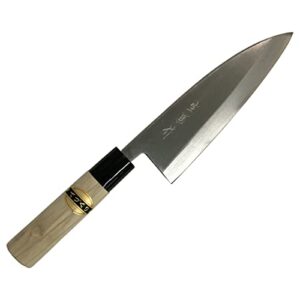
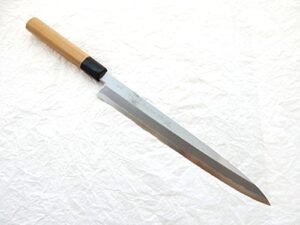
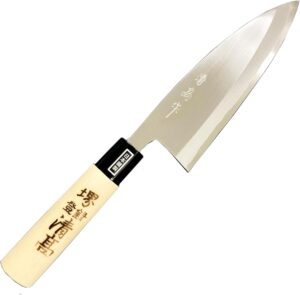
A petty knife is the small utility blade a Japanese home cook reaches for between the big jobs — peeling, trimming, segmenting citrus, boning a fish fillet, slicing a single shallot without dragging out the gyuto. The Shimada uchihamono (島田打刃物, “Shimada forged blades”) petty comes from Shimada City in central Shizuoka, a town whose forges once turned out swords and spears, and whose smiths now hand-forge kitchen blades using the same forge-welded, high-carbon construction.
What makes this worth a closer look for an international buyer is the continuity. Shimada’s swordsmiths worked for the Imagawa, the Takeda, and finally the Tokugawa as control of Suruga province changed hands; when the 1876 sword ban ended the warrior market, the same workshops redirected their craft into agricultural and kitchen knives. The petty knife on the bench today is, in a real sense, the downstream product of a battlefield-steel tradition.
This guide is written for readers shopping from outside Japan who want to understand what they are actually buying, how Shimada compares to better-known knife towns like Seki, Sakai, and Echizen, and what the realistic purchase paths are. We cover specs, the regional and historical background, honest weaknesses, and ways to compare Japanese hand-forged kitchen knives from abroad.
🔄 Updated:
⏱️ Read time: ~12 min
- Who this is for — and who should skip it
- Product overview (from published specs)
- 📍 Where this comes from — place, era, and the craft tradition
- 📦 Shipping & where to buy from outside Japan
- Buying options across stores
- What it does well
- Weaknesses and things to verify before buying
- Conclusion — which buyer type are you?
- Other ways to approach this purchase
- ❓ Frequently Asked Questions
Who this is for — and who should skip it
- Want a small, agile utility blade for peeling, trimming, and detail work
- Value hand-forged, high-carbon construction over mass-stamped stainless
- Appreciate a documented craft lineage and don’t mind a lesser-known town
- Are comfortable with carbon-steel care (wipe dry, occasional oiling)
- Prefer a traditional Japanese wa-handle for a lighter, nimbler feel
- Want a zero-maintenance, fully stainless, dishwasher-tolerant knife
- Need one large do-everything blade rather than a small specialist
- Expect Prime-speed delivery and want to avoid any international shipping
- Are uneasy buying without a confirmed live price (data here is thin — see below)
- Prefer a brand-name knife with a large English support and warranty network
Product overview (from published specs)
Per the data available at the time of writing, only limited product information could be confirmed for Shimada uchihamono petty knives in general. The figures below are drawn from the general Shimada uchihamono tradition; treat anything marked “verify with maker” as provisional, and confirm the exact blade length, steel, and handle with the maker or current retailer before buying.
| Attribute | Value (per available data) |
|---|---|
| Type | Petty (utility) knife — peti naifu (ペティナイフ) |
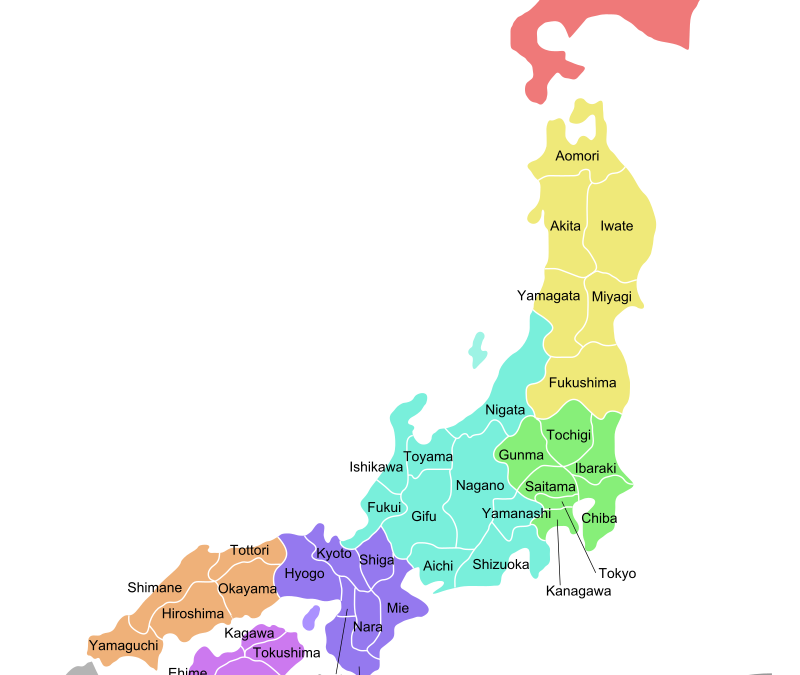
| Origin | Shimada City, Shizuoka Prefecture (Chūbu region), Japan |
| Construction | Hand-forged (uchihamono); forge-welded high-carbon steel core |
| Blade length | — |
| Steel | High-carbon core (e.g., Shirogami / Aogami families are common to Shimada smiths) |
| Handle | Traditional wa-handle (Japanese-style, wood) |
| Edge | — |
| Price | — |
This guide draws on the maker tradition and regional craft background. Exact specifications and prices can vary by knife, maker, and seller.
📖 Glossary — key terms
Uchihamono (打刃物) — “struck/forged blades.” Knives shaped by hammer-forging rather than stamping from sheet steel.
Petty / peti naifu (ペティナイフ) — a small utility knife, roughly 120–150 mm, for tasks too fine for a gyuto.
Wa-handle (和柄) — a traditional Japanese handle (often oval or D-shaped wood), lighter than a Western riveted handle and shifting balance toward the blade.
High-carbon steel (鋼, hagane) — steel that takes a very keen edge and is easy to resharpen, but can rust and discolor if not kept dry.
Suruga (駿河) — the old province covering central and eastern Shizuoka, including Shimada and Sunpu.
Haitōrei (廃刀令) — the 1876 government edict that banned the wearing of swords, ending the swordsmiths’ warrior market.
📍 Where this comes from — place, era, and the craft tradition


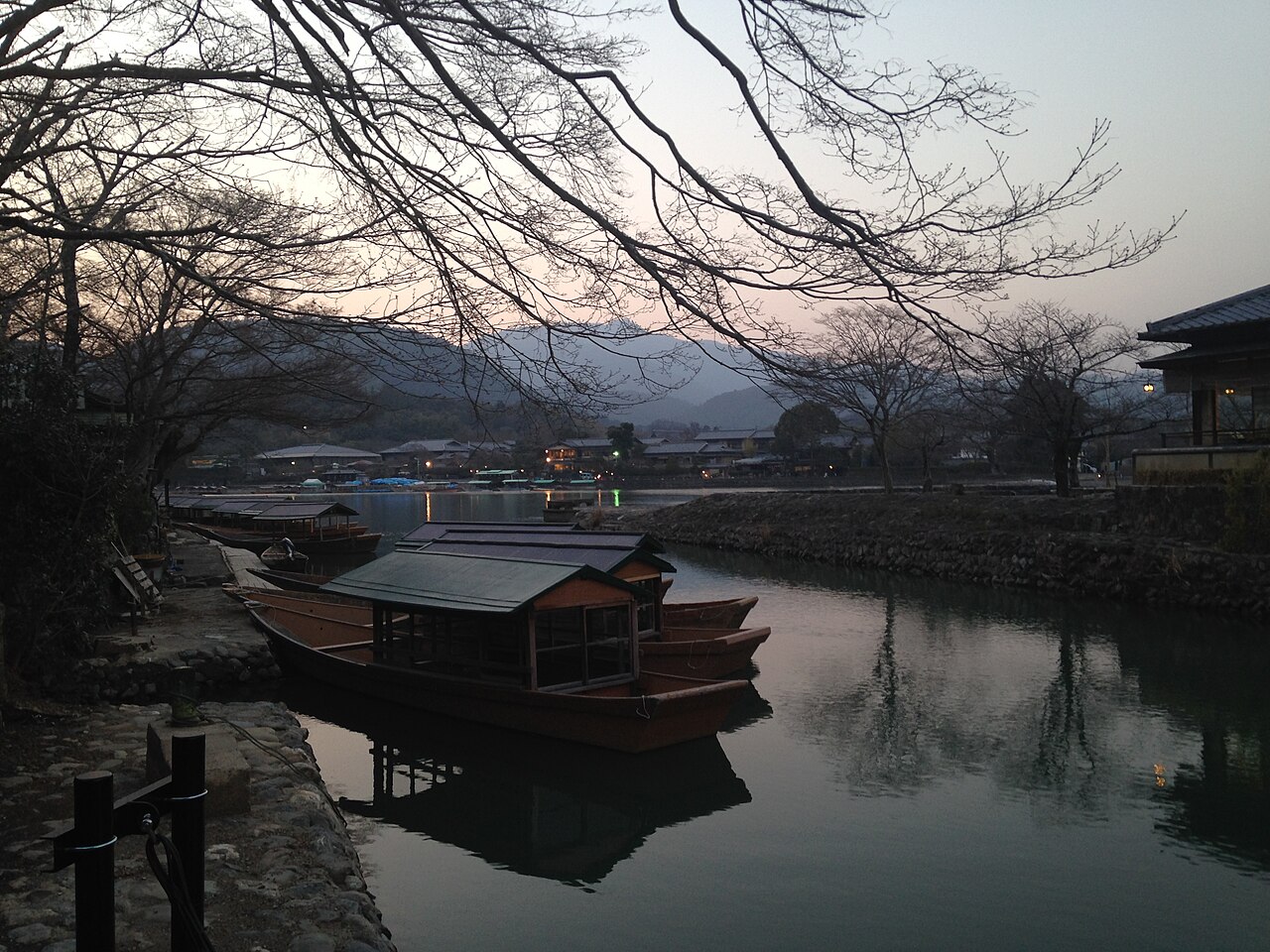
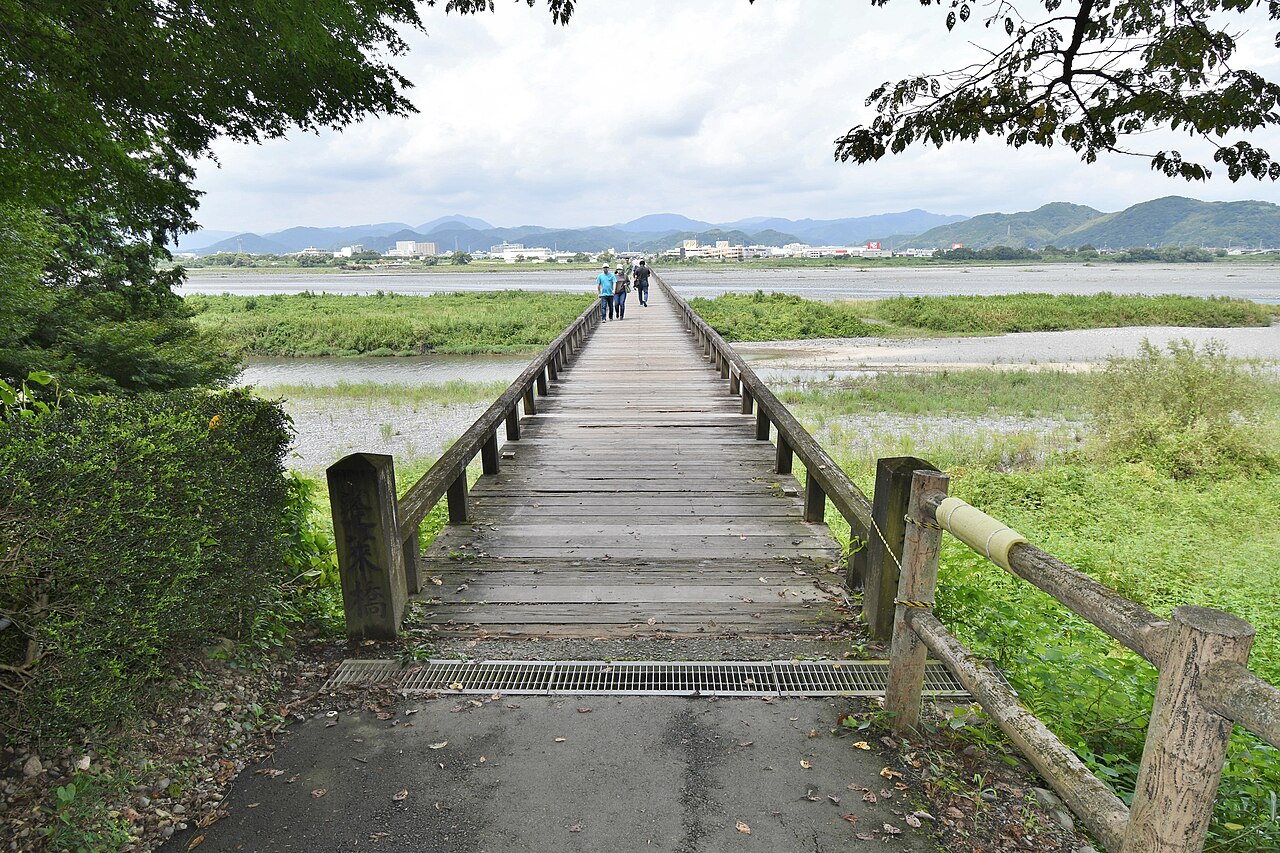
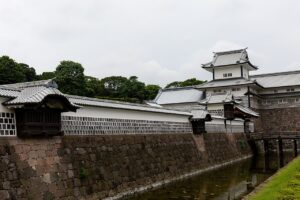
Shimada City sits in central Shizuoka Prefecture, on the banks of the Ōi River (大井川). In the Edo period the Ōi was the most feared river crossing on the entire Tōkaidō — the great highway linking Edo to Kyoto. The shogunate deliberately allowed no bridge and no ferry, so when the river ran high, travelers could be stranded for days. They waited it out at Shimada-juku (島田宿), the post town on the eastern bank.
That forced pause built a town: porters, inns, merchants, and the steady trade in water, charcoal, and iron that a working forge needs. The geography that made the Ōi a barrier to travelers made Shimada a place where craftsmen could settle and supply a constant stream of passing demand.
The craft itself is older than the post town’s heyday. From the Muromachi period (1336–1573), a recognized school of swordsmiths worked in Shimada — the smiths Yoshisuke (義助), Hirosuke (広助), and Sukemune (助宗) among them — forging swords and spears. Their patrons changed with the politics of Suruga: first the Imagawa clan, then the Takeda as they pushed into the province, and finally the Tokugawa.
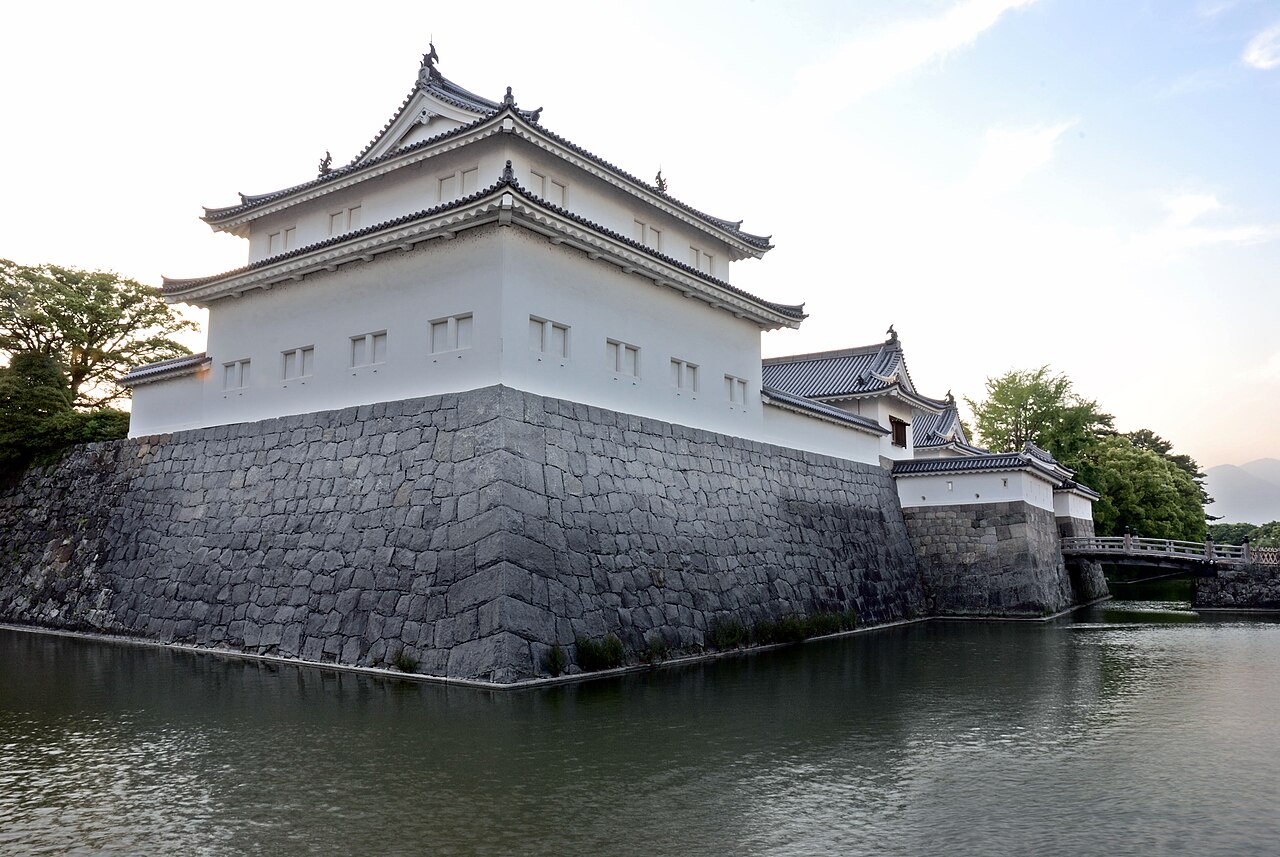
That last patron mattered most. Sunpu (駿府, modern Shizuoka City) was where Tokugawa Ieyasu chose to spend his retirement as Ōgosho (retired shogun) from 1607, governing the country from behind the scenes until his death in 1616. A great lord’s seat a short distance from Shimada meant a durable, well-funded market for arms — and the smiths kept their forges hot.
-
1336–1573 — Muromachi period; the Shimada school of swordsmiths (Yoshisuke, Hirosuke, Sukemune) forges blades in Suruga. -
Early–mid 1500s — Swords and spears forged under Imagawa patronage. -
1560s–1570s — Control of Suruga shifts to the Takeda; patronage shifts with it. -
1607 — Tokugawa Ieyasu retires to Sunpu as Ōgosho, anchoring strong samurai-arms demand nearby. -
Edo period — Shimada-juku thrives as a Tōkaidō post town at the unbridged Ōi River crossing. -
1876 — The Haitōrei edict bans the wearing of swords, ending the warrior market. -
Late 1800s onward — Smiths redirect forge-welded high-carbon construction into agricultural blades and kitchen knives. -
Today — The output is sold as Shimada uchihamono: hand-forged kitchen knives, the petty among them.
The turning point came in 1876, when the Meiji government’s Haitōrei edict banned the wearing of swords. Overnight, the swordsmiths’ core market vanished. Rather than abandon the craft, Shimada’s workshops did what many Japanese blade towns did — they turned forge-welded, high-carbon construction toward tools people still needed: sickles, hoes, and kitchen knives.
“The petty knife in your hand is the quiet descendant of a sword — same town, same fire, same forge-welded steel, redirected from the battlefield to the cutting board.”
That is the case for Shimada in one line: continuity of technique, not heritage marketing. The construction logic that produced a Suruga spear and the logic that produces a modern petty knife are the same — a hard, high-carbon cutting layer forge-welded into a tougher body, hammer-shaped and ground by hand. What changed is the use, not the method.
Related guides on jpmono.com — other Shizuoka crafts and other Japanese knife towns worth weighing against Shimada.
📦 Shipping & where to buy from outside Japan
The shipping and customs treatment of kitchen knives varies by carrier and country; some destinations restrict bladed items. Confirm that delivery is available to your address and allow for possible import duties before ordering.
If you would rather shop in USD with domestic delivery, compare a broad range of Japanese hand-forged kitchen knives from other makers by geometry, steel type, and price tier. Proxy services such as Buyee or Tenso are a fallback if a maker does not ship to your country directly.
Buying options across stores
| Store | Item / Variant | Price | Notes |
|---|---|---|---|
| 🇺🇸 Amazon US (search) | Browse Japanese petty & utility knives | varies (USD) | Best if you’re shopping from the US — Prime shipping, USD pricing, no international customs. Amazon US carries hand-forged Japanese petty knives from several makers for comparison; the exact Shimada piece is sourced from Japan (next row). |
| 🇯🇵 Amazon JP Global Store | Shimada uchihamono petty | — | Ships internationally from Japan to most major destinations. |
| Maker direct | Shimada uchihamono workshops | Varies — Japanese-language sites | Some Shimada smiths sell direct, often Japan-only checkout. May require a proxy for overseas delivery. |
| Proxy services (Buyee / Tenso) | Forwarding from JP-only sellers | Item price + service fee + forwarding | Useful when a purchase will not ship to your country directly. Adds handling fees and consolidates shipping. |
Prices for Japanese hand-forged petty knives vary with steel, forging, handle, finish, and maker. Any USD figures are approximate estimates at a ¥150/USD baseline as of mid-2026.
What it does well
Weaknesses and things to verify before buying
- Product details may vary. Steel grade and bevel information should be confirmed before buying.
- Carbon-steel maintenance. High-carbon steel rusts and discolors if left wet. It needs wiping dry after use, occasional light oiling, and is not a “leave it in the sink” knife.
- Not dishwasher-safe. Treat any hand-forged carbon blade with a wood wa-handle as hand-wash-only; dishwashers damage both edge and handle.
- Lesser-known town. Shimada has far less English-language brand recognition than Seki or Sakai, so resale value, English support, and spare-parts paths are limited.
- International shipping & duties. Buying from Japan adds shipping cost, longer delivery, and possible customs duties; some destinations restrict bladed items.
- Edge geometry unknown. If you need a specific single-bevel or double-bevel grind (e.g., for left-handed use), confirm with the seller — it is not documented in the available data.
Conclusion — which buyer type are you?
Other ways to approach this purchase
❓ Frequently Asked Questions
What is a petty knife actually used for?
How is Shimada different from Seki or Sakai knives?
Does the high-carbon steel rust?
Can it be put in the dishwasher?
Does Amazon JP Global Store ship this internationally?
What does “wa-handle” mean, and how is it different?
jpmono.com is curated by a Japan-based editorial team (working out of Toyama in the Hokuriku region and Nara in Kansai) and is independent. We don’t take payment from the makers we feature; income comes from affiliate links. We don’t physically test every product — we read maker specifications and regional craft sources.
This article was researched and drafted with AI assistance and reviewed against maker specifications and documented regional craft sources. Specifications and prices can vary between knives and may change over time.
Affiliate disclosure: jpmono.com may earn a commission on qualifying purchases made through links on this page, at no additional cost to you.