![Senshu Towel: Osaka’s Post-Bleach Cotton Towel — Where to Buy [2026]](https://jpmono.com/wp-content/uploads/2026/05/senshu-towel-where-to-buy-2026-featured.jpg)
Senshu (泉州) is the coastal belt of southern Osaka — the Izumi and Sennan districts that run along Osaka Bay — and it is where Japan’s towel industry began. Long before Imabari became the name most international shoppers recognize, looms in Senshu were already turning local cotton into woven cloth, and in 1887 the region added mechanized towel weaving to that base. A Senshu towel is, in the plainest terms, a 100% cotton towel finished by the atozarashi (後晒し, “post-bleach”) method.
That finishing order is the whole point. Senshu mills weave the cloth first and bleach it afterward, scouring away the cotton’s natural oils, waxes, and sizing once the towel already exists. The result is a towel that absorbs water from the very first use rather than after a dozen washes, with a soft, lint-light hand. This is the direct counterpoint to Imabari’s sakizarashi (先晒し, “pre-bleach”) tradition, which makes the two regions a genuinely useful pairing rather than interchangeable options.
This guide is written for international readers deciding whether to buy a Senshu cotton towel set from Japan, and where. It covers what the post-bleach method actually changes, how Senshu compares to Imabari and to other Japanese textiles, the realistic purchase paths from outside Japan, and the caveats worth checking before you commit. Note up front: the fetched listing snapshot for this item arrived without pricing or imagery, so figures below are marked “unavailable at time of writing” rather than guessed.
🔄 Updated
⏱️ ~9 min read
![Senshu Towel: Osaka's Post-Bleach Cotton Towel — Where to Buy [2026]](https://m.media-amazon.com/images/I/41CEqsLrh-L._SL500_.jpg)
- Who this is for — and who should skip it
- Product overview (from published specs)
- 📍 Where this comes from — place, era, and the craft tradition
- 📌 How does it compare?
- Price snapshot across stores
- What it does well
- Weaknesses and things to verify before buying
- Conclusion — which buyer type are you?
- Other ways to approach this purchase
- 🏆 Editor’s Pick
- ❓ Frequently Asked Questions
Who this is for — and who should skip it
- Want a cotton towel that absorbs water from the first use, not after weeks of washing
- Prefer a soft, lint-light hand over a thick, plush, terry-heavy feel
- Are curious about the origin of Japan’s towel industry, not only the better-marketed names
- Like buying directly from a single craft region with a documented history
- Are comfortable ordering from Japan and verifying details on the listing
- Want the thickest, heaviest hotel-style bath sheet you can find
- Need a confirmed price and full specs before ordering (this snapshot lacks both)
- Require fast domestic delivery and do not want to wait for international shipping
- Are shopping purely on lowest price rather than finishing method or origin
- Prefer synthetic-blend microfiber towels for quick-dry gym use

Product overview (from published specs)
The table below reflects only what is confirmed in the fetched data and the spec’s verified notes. Where the listing snapshot did not include a value, the cell reads “Unconfirmed — check listing” rather than an estimate. Specs and pricing on Japanese craft listings move over time, so treat the listing itself as authoritative.
Senshu Towel: Osaka's Post-Bleach Cotton Towel
泉州タオル まっ白 フェイス 12枚セット フェイスタオル 日本製 泉州タオル (約34×85cm) 12枚 ホワイト
在庫あり。 · Sold by 泉州タオル直販店 Terry Labo/テリーラボ · ASIN B07L69PKPK
Price and availability as of 2026-08-31 02:30 JST. The Amazon listing at the time of purchase is authoritative. jpmono.com earns a commission on qualifying purchases at no extra cost to you.
| Attribute | Detail |
|---|---|
| Item | Senshu towel post-bleach (atozarashi) bath / face towel set (ASIN B07L69PKPK) |
| Material | 100% cotton |
| Finishing method | Atozarashi (post-bleach) — woven first, then bleached and washed |
| Origin | Senshu region (Izumi / Sennan), southern Osaka, Japan |
| Set contents | Bath + face towel set — exact count Unconfirmed — check listing |
| Dimensions / weight (GSM) | Unconfirmed — check listing |
| Colorways | Unconfirmed — check listing |
| Sources | Amazon US search (primary, moonill-20) + Amazon JP Global Store (secondary, moonill-22, sourced listing) + maker direct + proxy |
Per the fetched snapshot as of May 30, 2026: only the listing identifier was available; live pricing, dimensions, and product imagery were not present at the time of writing and should be confirmed on the listing.
📖 Glossary — key terms
Atozarashi (後晒し, “post-bleach”) — the cloth is woven first, then bleached and washed. Natural oils and sizing are stripped after weaving, so the finished towel is absorbent immediately. This is Senshu’s signature method.
Sakizarashi (先晒し, “pre-bleach”) — the yarn or thread is bleached before weaving. This is the tradition associated with Imabari towels and is a useful point of contrast.
Izumi-momen (和泉木綿, “Izumi cotton”) — the cotton long cultivated and woven across the Izumi area of southern Osaka through the Edo period, which gave Senshu its textile base.
Senshu (泉州) — the historical name for the coastal southern Osaka region, covering the Izumi and Sennan districts along Osaka Bay.
Tenka no daidokoro (天下の台所, “the nation’s kitchen”) — the Edo-period nickname for Osaka as Japan’s merchant-distribution hub, which helped Senshu towels reach a national market.

📍 Where this comes from — place, era, and the craft tradition

Senshu is not a single town but a coastal strip: the Izumi and Sennan districts that line Osaka Bay on the southern edge of Osaka Prefecture, in the Kansai region. The flat coastal land, a humid climate, and easy access to water suited cotton, and through the Edo period Izumi cotton — Izumi-momen — was widely grown and woven here. That textile base is what later made the leap to towels possible; the looms and the cotton-handling skill were already in place.
The historical anchor is specific and, for once, modern rather than ancient. In 1887 — Meiji 20 — Satoi Enjiro is credited with launching mechanized towel weaving in Senshu. That makes Senshu the oldest towel-producing region in Japan, predating Imabari’s towel industry. The region’s other lasting contribution is the atozarashi finishing method: weaving the cloth first and bleaching it afterward, which became the regional signature and the reason Senshu towels feel and absorb the way they do.
- 1603–1868 — Edo period: Izumi cotton (Izumi-momen) is widely cultivated and woven along the Senshu coast.
- 1887 (Meiji 20) — Satoi Enjiro is credited with launching mechanized towel weaving in Senshu.
- Late 1880s onward — Senshu becomes established as Japan’s oldest towel-producing region, predating Imabari.
- Modernization era — Atozarashi (post-bleach) finishing becomes the region’s defining method.
- Edo–modern — Proximity to Osaka, “tenka no daidokoro,” carries Senshu towels to a national market.
- 2026 — Post-bleach cotton towels are still woven in the Izumi / Sennan belt.
What “still being made here” means for Senshu is partly a story about distribution. The region sat next to Osaka, the merchant city Edo-period Japan called tenka no daidokoro — the nation’s kitchen. That logistics advantage carried Senshu towels into the national market early, and the cluster of mills along the Izumi and Sennan coast continued to specialize in the post-bleach process that distinguishes them.
“Weave first, bleach after: the atozarashi sequence is the reason a Senshu towel drinks water from the very first wash, not the tenth.”
📌 How does it compare?
Related guides on jpmono.com — useful for comparing finishing methods, same-prefecture crafts, and other Japanese textiles.
 Sakai Deba Knife (same prefecture, Osaka)Another Osaka craft tradition, in steel rather than cotton.
 Nara Sarashi Dish ClothA Kansai cotton cloth with its own bleaching tradition.
 Kurashiki Canvas ToteHeavyweight cotton from another textile region.
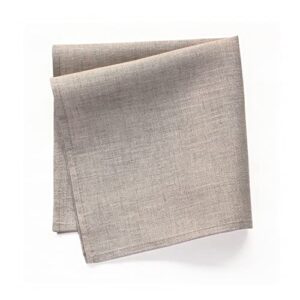 Omi Jofu HandkerchiefA ramie cloth contrast to cotton toweling.
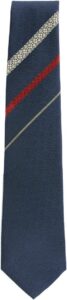 Hakata Ori NecktieA woven-textile craft from Kyushu for comparison.
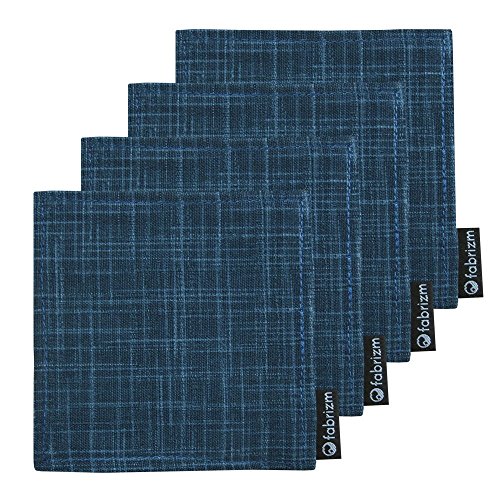 Yumihama Kasuri Coaster SetAn indigo-dyed cotton craft from the San’in coast.
Price snapshot across stores
The fetched listing did not include a live price, so the JPY figure for the specific Senshu set is shown as unavailable. JPY is the authoritative currency for the sourced JP listing; USD figures elsewhere on Amazon US are independent of it.
| Store | Item / variant | Price (JPY + USD est.) | Notes |
|---|---|---|---|
| 🇺🇸 Amazon.com (US) | Browse Japanese cotton towels | varies (USD) | Best if you’re shopping from the US — Prime shipping, USD pricing, no international customs. Amazon US carries Japanese cotton towels from various makers, useful for comparing weight and feel; the exact Senshu set is sourced from Japan (next row). |
| 🇯🇵 Amazon JP Global Store | Senshu post-bleach bath + face set (ASIN B07L69PKPK) | Price unavailable at time of writing — check listing | The sourced listing for this exact set. Ships internationally from Japan to most major destinations. Confirm current price, set contents, and shipping at checkout. |
| Maker direct | Senshu mill / regional brand sites | varies — Unconfirmed | Some Senshu mills sell directly; international shipping support is inconsistent and often Japan-only. Verify before ordering. |
| Proxy services (Buyee / Tenso) | Forwarding from Japan-only sellers | item price + service fee + forwarding | Useful when a mill ships only within Japan. Adds a service fee and a second shipping leg; total cost is higher than a direct Global Store order. |
Prices in USD are approximate and depend on the current exchange rate (¥150/USD baseline as of mid-2026). The JPY price on the sourced JP listing is the authoritative figure; it was not available in the fetched data.
What it does well
Weaknesses and things to verify before buying
- No confirmed price in this snapshot. The fetched listing arrived without a live price; do not order before confirming the current JPY figure on the listing.
- No confirmed dimensions, weight, or set count. Bath/face set contents and GSM are Unconfirmed — check the listing photo and spec block before assuming a size.
- No listing image in the dataset. Verify the actual product photo and color on the listing; the card above is a placeholder, not the real image.
- Not the plushest option. Buyers who want a thick, heavy, hotel-style bath sheet may prefer a different construction; lint-light and soft is not the same as dense and lofty.
- International shipping time and cost. Ordering the JP Global Store listing from outside Japan adds shipping time and possible customs duties over local thresholds.
- Maker-direct paths may be Japan-only. If you buy from a mill’s own site, international shipping is inconsistent and may require a proxy service, raising total cost.
Conclusion — which buyer type are you?
Other ways to approach this purchase
🏆 Editor’s Pick
❓ Frequently Asked Questions
What makes a Senshu towel different from an Imabari towel?
Does Amazon JP Global Store ship Senshu towels internationally?
Why is a Senshu towel absorbent right out of the package?
How should I wash and care for it?
Is the price shown current?
What size or set should I buy first?
Can I buy directly from a Senshu mill instead?
jpmono.com is curated by a Japan-based editorial team (working out of Toyama in the Hokuriku region and Nara in Kansai) and is independent. We don’t take payment from the makers we feature; income comes from affiliate links. Read more about our editorial standards.
This article was prepared with AI assistance and reviewed against the available source data. Specifications and prices were not independently verified by physical testing; where the source data was incomplete, the gap is stated explicitly rather than filled with estimates.
Affiliate disclosure: jpmono.com may earn a commission on qualifying purchases made through links on this page, at no additional cost to you.