![Aomori Hiba Cutting Board: Japan’s Antibacterial Kitchen Wood [2026]](https://jpmono.com/wp-content/uploads/2026/05/aomori-hiba-cutting-board-where-to-buy-2026-featured.jpg)
The Aomori hiba cutting board is a solid-wood board cut from hiba (ヒバ, “hinoki arborvitae”), a slow-growing Japanese cypress native to the cold forests of Aomori Prefecture at the northern tip of Honshu. What sets it apart from an ordinary wooden board is the wood itself: Aomori hiba is unusually rich in hinokitiol, a naturally occurring compound long valued for antibacterial action and water resistance. For centuries that combination of hygiene and durability made hiba the timber of choice for temples, shrines, and bathhouses across the Tsugaru north — and it is the same reputation that now puts the wood under a chef’s knife.
For an international reader, the appeal is practical rather than exotic. A hiba board sits in the same category as the better-known Kiso hinoki board, but with a different emphasis: where Kiso hinoki is prized for its bright aroma, Aomori hiba leans on its naturally antibacterial resin and its resistance to standing water. It is, in short, a hard-working everyday board with a regional pedigree — a piece of Tohoku woodwork that earns its place beside a serious knife rather than on a display shelf.
This guide is written from a Japan-based editor’s perspective for readers buying from outside Japan. A note on sourcing up front: the US data fetch for this item returned no live listings, and no Japan listing snapshot was captured at the time of writing. Where a price or a precise spec was not in the source data, this article says so plainly rather than guessing. What we cover: who the board suits, what the wood actually does, the craft and place it comes from, where to buy it, and how it compares to related pieces in the same tradition.
🔄 Updated:
⏱️ Read time: ~9 min
![Aomori Hiba Cutting Board: Japan's Antibacterial Kitchen Wood [2026]](https://m.media-amazon.com/images/I/21H8TktZVjL._SL500_.jpg)
- Who this is for — and who should skip it
- Product overview (from published specs)
- Where this comes from — place, era, and the craft tradition
- Which finish should you choose?
- Price snapshot across stores
- What it does well
- Weaknesses and things to verify before buying
- Conclusion — which buyer type are you?
- Other ways to approach this purchase
- 🏆 Editor’s Pick
- ❓ Frequently Asked Questions
Who this is for — and who should skip it
- Want a daily-use wooden board that is gentler on knife edges than glass or hard plastic
- Value the traditional antibacterial-and-water-resistant reputation of hiba over a strong aromatic profile
- Already own or plan to own a quality Japanese knife and want a board to match
- Are willing to hand-wash and air-dry a board rather than run it through a dishwasher
- Like buying objects with a verifiable regional provenance (here, the protected forests of Aomori)
- Want a dishwasher-safe board you never have to think about
- Expect a “sterilizing” board — antibacterial reputation is not the same as sterilization
- Dislike the resinous cypress scent that solid hiba carries when new
- Need confirmed dimensions and weight before buying (those were not in this data fetch)
- Are unwilling to pay international shipping or possible customs on an order from Japan

Product overview (from published specs)
The data available for this guide is thin. The Amazon US search fetch returned no listings, and no Amazon JP Global Store listing snapshot was captured at the time of writing. The values below are drawn from the product identifier and category description; anything not verifiable in the source data is marked Unconfirmed and should be checked on the live listing before you buy.
Aomori Hiba Cutting Board
hibano 青森ひばまな板 十分な厚みの木製まな板 (39×24×3cm)
在庫あり。 · Sold by 梅沢木材工芸社 · ASIN B00BBPWFUG
Price and availability as of 2026-08-31 02:30 JST. The Amazon listing at the time of purchase is authoritative. jpmono.com earns a commission on qualifying purchases at no extra cost to you.
| Attribute | Value | Source / note |
|---|---|---|
| Material | Aomori hiba (Thujopsis dolabrata var. hondae), solid wood | Per product category description |
| Approx. length | ~36–40 cm (≈ 14–16 in) | Approximate — confirm on listing |
| Thickness / weight | Unconfirmed — check listing | Not in source data |
| Origin | Aomori Prefecture, Tohoku region, Japan | Per product description |
| Item ID (ASIN) | B00BBPWFUG | From spec |
| Price | Unconfirmed — not captured in this fetch | Check live listing |
Store paths covered below, in order: Amazon US (search) (primary, moonill-20) → Amazon JP Global Store (secondary, moonill-22, where the specific item is sourced) → Maker direct where applicable → Proxy services (Buyee / Tenso) where relevant.
📖 Glossary — key Japanese terms
- hiba (ヒバ) — the common name for the Japanese cypress Thujopsis dolabrata; in Aomori it is the dominant prized timber tree.
- asunaro (翌檜 / あすなろ) — another name for the same tree; the standard-Japanese term, of which “hiba” is the regional/forestry usage.
- hinokitiol — a naturally occurring compound found in hiba (and related cypresses), traditionally valued for antibacterial action and water resistance. Folk-traditionally believed to protect the wood; not a medical claim.
- Tsugaru (津軽) — the western part of Aomori Prefecture, historically governed by the Tsugaru domain; the cultural heartland for hiba forestry and local crafts.
- Tohoku (東北, “northeast”) — the northern region of Honshu, Japan’s main island, known for cold winters and dense forests.

Where this comes from — place, era, and the craft tradition

Aomori sits at the far northern end of Honshu, where the island narrows toward the Tsugaru Strait and the cold sea separating it from Hokkaido. It is one of Japan’s snowiest and most heavily forested prefectures, and that climate is the whole point: hiba grows slowly in the cold, producing dense, resin-rich timber. The same conditions that make Aomori a hard place to farm made it an excellent place to grow one of Japan’s most valued woods.
Aomori hiba is counted among Japan’s three most beautiful natural forests, alongside Akita cedar and Kiso hinoki. That is not a tourism slogan but a forestry distinction — these are the three great softwood stands of the Japanese archipelago, each tied to a regional craft economy. Hiba’s particular signature is its chemistry: the wood is unusually rich in hinokitiol, the compound behind its antibacterial-and-water-resistant reputation. For the cold, damp Tsugaru north, that made hiba the natural timber for buildings that had to resist rot and mildew — temples, shrines, and bathhouses.
- Pre-modern — Hiba’s rot resistance makes it the preferred timber for temples, shrines, and bathhouses across the Tsugaru north.
- Edo period (1603–1868) — The Tsugaru domain places hiba stands under strict logging control, managing the slow-growing forest as a protected clan asset.
- Meiji era onward (after 1868) — With the domain system dissolved, hiba timber opens to broader commercial and craft use beyond the clan.
- 20th century — Aomori hiba is recognized among Japan’s three most beautiful natural forests, with Akita cedar and Kiso hinoki.
- Today — Hiba’s hygiene-and-durability reputation is carried into cutting boards and kitchenware, sold internationally via Amazon JP Global Store.
During the Edo period (1603–1868), the Tsugaru domain treated its hiba forest the way other domains treated rice or silver: as a managed asset. Logging was placed under strict control to preserve the slow-growing timber, so that a tree felled in one generation could be replaced over the next. This is the continuity case for hiba — not a single workshop or family line, but a forest deliberately husbanded for centuries, which is why an Aomori hiba board today is cut from a tradition of restraint rather than extraction.
“The wood that once kept a bathhouse from rotting in the Tsugaru snow is the same wood now asked to keep a kitchen board clean — the job changed, the chemistry did not.”
Which finish should you choose?
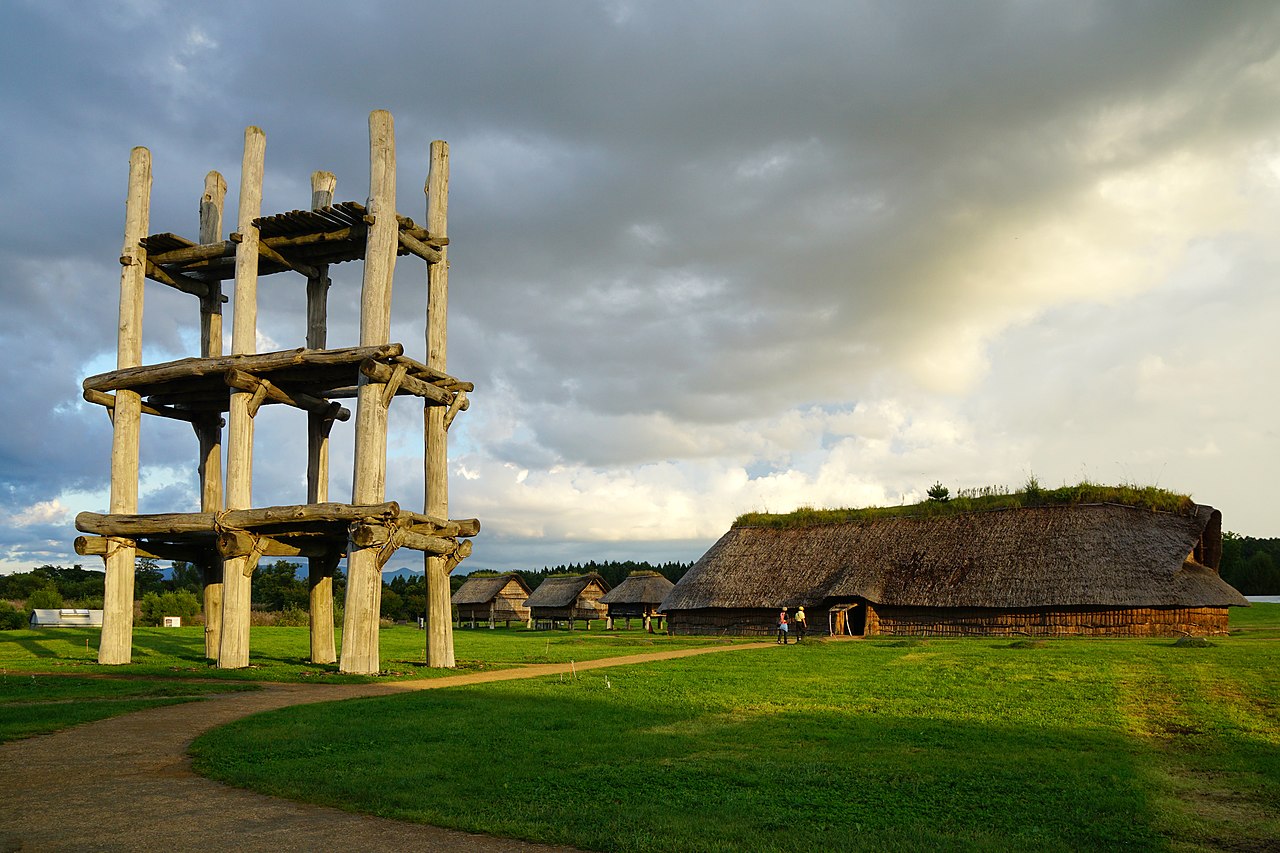
This piece is listed in 4 options. The photos below are the actual サイズ options on the listing right now — pick the one you want and confirm it on the product page before ordering, since hand-finished wares vary slightly piece to piece.
Price snapshot across stores
Note: the US data fetch returned no listings and no JP listing snapshot was captured, so live prices below are shown as “check listing” rather than guessed. JPY (¥) is the authoritative currency for the specific item; any USD figure is an approximate estimate at a ¥150/USD baseline (mid-2026).
| Store | Item / variant | Price | Notes |
|---|---|---|---|
| 🇺🇸 Amazon.com (US) | Browse Japanese cutting boards | varies (USD) | Best if you are shopping from the US — Prime shipping, USD pricing, no international customs. Amazon US carries Japanese hinoki and hiba boards from various makers, useful for comparing sizes and price tiers. The specific board in this guide is sourced from Japan (next row). |
| Amazon JP Global Store | Solid hiba board (ASIN B00BBPWFUG) | ¥ — check listing (USD est. unavailable) | The exact item in this guide, sourced from Japan. Ships internationally to most major destinations. Price was not in this data fetch — verify on the page. |
| Maker direct | — | Unconfirmed | No maker-direct page was identified in the source data. Aomori hiba workshops sometimes sell direct, but no link is confirmed here. |
| Proxy services (Buyee / Tenso) | Forwarding from Japan | Item price + forwarding fee | Useful if the item ships only within Japan. Adds a service fee and a second shipping leg; expect roughly $15–$40 in shipping to the US/EU plus possible customs. |
What it does well
Weaknesses and things to verify before buying
- It needs hand care. Solid wood is not dishwasher-safe and should not be left soaking. Wash by hand, then stand it on edge to air-dry fully, or it can warp, crack, or mildew.
- Antibacterial is not sterilization. Hiba’s reputation is traditional and material, not a clinical claim. For raw meat and poultry, normal hygiene — including a separate board if you prefer — still applies.
- The scent may not be for everyone. New hiba carries a resinous cypress smell. Some find it pleasant; others dislike it on a food surface. It usually mellows with use but does not vanish.
- Specs are unconfirmed in this data. Thickness, weight, exact dimensions, and whether the board is oiled or raw were not in the fetch. If size matters for your space, confirm on the listing first.
- Price was not captured. Neither a US nor a JP price came through in this fetch. Do not assume a price tier — check the live listing before deciding.
- International cost and customs. Buying from Amazon JP Global Store or via a proxy adds shipping (roughly $15–$40 to the US/EU) and possibly customs duties above your local threshold.
- Maintenance over time. Wooden boards benefit from occasional food-safe oiling and resurfacing; if you want a zero-maintenance board, this is not it.
Conclusion — which buyer type are you?
Other ways to approach this purchase
🏆 Editor’s Pick
❓ Frequently Asked Questions
Is an Aomori hiba board actually antibacterial?
Hiba is naturally rich in hinokitiol, a compound traditionally valued for antibacterial action and water resistance. This is a long-standing, material-based reputation rather than a clinical sterilization claim, so normal food-hygiene practices still apply.
Does Amazon JP Global Store ship this internationally?
Amazon JP Global Store ships many household items to most major destinations, and the specific board in this guide is sourced from there. Confirm shipping to your country on the listing page; expect roughly $15–$40 in shipping to the US or EU, plus possible customs duties above your local threshold.
How is hiba different from Kiso hinoki?
Both are Japanese cypress woods, but Aomori hiba leans on its hinokitiol content for antibacterial action and water resistance, while Kiso hinoki is prized above all for its bright aroma. See our Kiso Hinoki Cutting Board guide, linked in the comparison box above, for a direct contrast.
How do I care for it?
Wash by hand with mild soap, rinse, and stand the board on edge to air-dry fully. Do not put it in a dishwasher or leave it soaking, as solid wood can warp, crack, or mildew. Occasional food-safe oiling helps it last.
What size is the board?
The category description points to roughly 36–40 cm in length, a common all-purpose household size. Exact dimensions, thickness, and weight were not in our source data, so confirm them on the live listing before buying.
Why does this article not show a price?
The data fetch for this guide returned no live listings and no captured price, so rather than guess we direct you to check the current price on the listing. JPY is the authoritative currency for the specific item; any USD figure elsewhere on the site is an approximate estimate.
Can I put it in the dishwasher?
No. Like other solid-wood boards, it should be hand-washed and air-dried. Dishwasher heat and prolonged water exposure can split or warp the wood and shorten its life considerably.
jpmono.com is curated by a Japan-based editorial team (working out of Toyama in the Hokuriku region and Nara in Kansai) and is independent. We do not take payment from the makers we feature; income comes from affiliate links. We do not physically test every product — we read maker specs and source listings, and we say so when data is thin.
This article was prepared with AI assistance and reviewed against the source product data. Where the source data did not contain a fact (notably current price and exact dimensions), the article marks it as unconfirmed rather than estimating.
Affiliate disclosure: jpmono.com may earn a commission on qualifying purchases made through links on this page, at no additional cost to you.