![Shinshu Uchihamono Nata: Hand-Forged Japanese Hatchet Guide [2026]](https://jpmono.com/wp-content/uploads/2026/05/japan-map-regions-and-prefectures-800x1050.png)
A nata (鉈) is the heavy-bladed hatchet that has lived in Japanese tool sheds, forestry packs, and farmhouse kitchens for centuries — the tool you reach for when an axe is too clumsy and a knife is too light. The version forged in Nagano’s Shinshu Uchihamono (信州打刃物, “Shinshu hand-forged blades”) district is a single-bevel, laminated carbon-steel chopper built for splitting kindling, clearing brush, dressing bamboo, and the rough, repetitive cutting of mountain life. It is a working tool first and a collector’s object second.
What makes the Shinshu version notable to an international reader is the lineage behind it. The blade district near Nagano City traces its forging knowledge to the swordsmiths who followed Takeda Shingen and Uesugi Kenshin during the Battles of Kawanakajima in the mid-1500s, then redirected that skill to farm and forestry blades once the wars ended. The signature warikomi (割込, “insert-forging”) lamination — a hard high-carbon steel core sandwiched in softer iron — is the same structural idea that makes a Japanese kitchen knife take a razor edge while resisting shock. On a nata, that matters even more, because the tool is meant to be swung.
This guide is written for the buyer outside Japan who wants an authentic, hand-forged nata rather than a stamped hardware-store hatchet — and who needs to know where to buy one, how to choose between a single- and double-bevel grind, and what carbon steel demands in return. We cover what the craft is, how to read the specs, the realistic purchase paths from abroad, and who should pass on it entirely.
🗓️ Published:
🔄 Updated:
⏱️ Read time: ~9 min
- Who this is for — and who should skip it
- Product overview (from published specs)
- 📍 Where this comes from — place, era, and the craft tradition
- Purchase options
- What it does well
- Weaknesses and things to verify before buying
- Conclusion — which buyer type are you?
- Other ways to approach this purchase
- ❓ Frequently Asked Questions
Who this is for — and who should skip it
- Split kindling, process firewood, or do bushcraft and want a tool that bites deep on each swing
- Do garden, bamboo, or forestry work and need controlled, heavy chopping
- Appreciate hand-forged, laminated carbon steel and are willing to maintain it
- Want a tool tied to a documented regional craft tradition, not a generic import
- Already own and oil carbon-steel knives, so rust care is routine for you
- Want a zero-maintenance, rust-proof stainless hatchet you can leave wet
- Are felling large trees — a nata is for splitting and limbing, not heavy felling
- Need a left-handed grind, while this option has a right-hand single bevel
- Expect a non-negotiable budget price; hand-forged blades sit above mass-market hatchets
- Cannot accept that a carbon edge will patina, stain, and rust if neglected
Product overview (from published specs)
Shinshu Uchihamono nata are traditionally made for working wood, with blade geometry and steel differing by maker and model. A single-bevel grind and dimensions should be treated as category features, not fixed specifications.
| Attribute | Detail | Source |
|---|---|---|
| Craft tradition | Shinshu Uchihamono (信州打刃物), nationally designated craft | Craft spec |
| Item type | Nata (鉈) — single-bevel hatchet | Craft spec |
| Blade construction | Warikomi (割込) lamination — high-carbon steel core (hagane) clad in softer iron | Craft spec |
| Steel | Carbon steel (specific grade unconfirmed) | Category-typical |
| Handle | Magnolia (hō / 朴) wood | Craft spec |
| Sheath | Leather | Craft spec |
| Origin | Shinshu-Shinmachi / Nagano blade district, Nagano Prefecture | Craft spec |
| Designation | Densan national traditional craft (designated 1982) | Craft spec |
| Price | — | — |
📖 Glossary — key terms
- Nata (鉈) — a heavy single- or double-bevel hatchet used for splitting wood, limbing, and clearing brush; common in Japanese forestry and farming.
- Shinshu Uchihamono (信州打刃物) — “Shinshu hand-forged blades,” the blade craft of the Nagano region; “Shinshu” is the old name for Nagano Province.
- Warikomi (割込) — “insert-forging,” a lamination method that sandwiches a hard high-carbon core between softer iron so the edge stays keen while the body absorbs shock.
- Hagane (鋼) — the hard high-carbon steel that forms the cutting edge.
- Tsukezuri (付鋼) — a related forge-welding technique laying steel onto an iron body, used across the Shinshu blade district.
- Densan (伝産) — shorthand for a craft designated under Japan’s Traditional Craft Industries law (METI).
- Single bevel — a blade ground on one face only; it bites and splits aggressively but is handed (right or left).
📍 Where this comes from — place, era, and the craft tradition

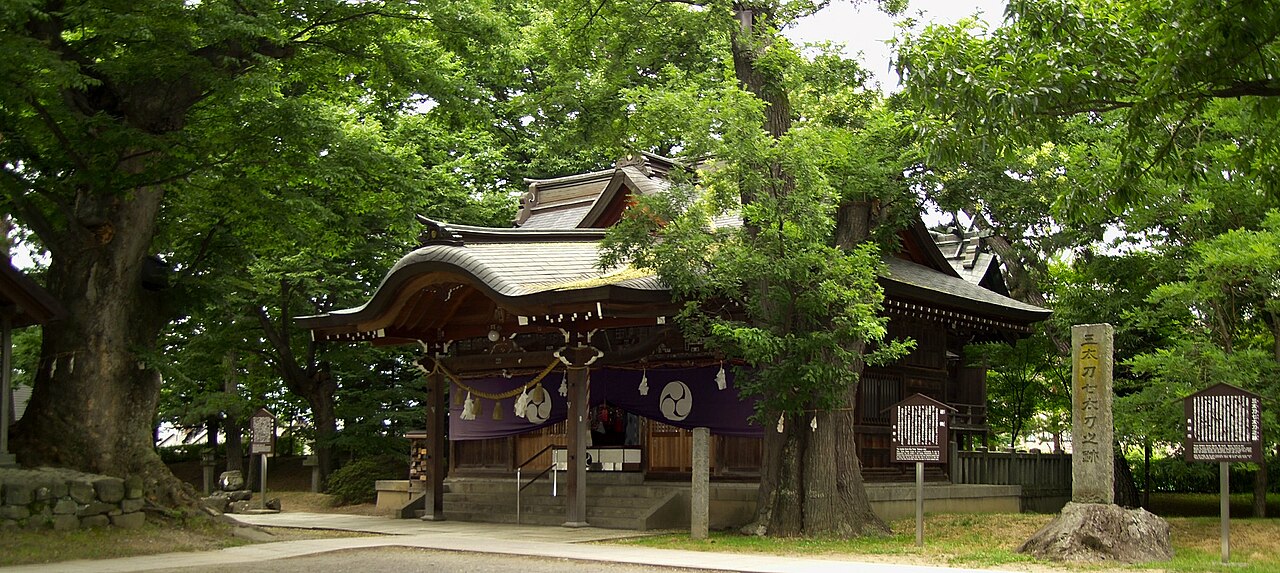
Nagano — “Shinshu” in its older provincial name — is a landlocked basin in the center of Honshu, fenced on nearly every side by the high ranges of the Japanese Alps. Nagano City grew up around the great temple of Zenko-ji and along the Sai River, where the blade-making villages of the district, including the area later organized as Shinshu-Shinmachi, took root. Mountains, heavy snow, and abundant timber gave the local economy a forestry-and-farming character — and a constant need for tough cutting tools.

The historical anchor of the craft is martial. Between 1553 and 1564, the plain of Kawanakajima — just south of present-day Nagano City — was the contested ground of five battles between Takeda Shingen of Kai and Uesugi Kenshin of Echigo. Armies of that scale traveled with smiths to repair swords, spears, and armor. When the campaigns ended and peace settled over the Edo period, those forging skills did not vanish; they were turned toward the blades a mountain economy actually needed every day.
- 1553 — First Battle of Kawanakajima begins between Takeda Shingen and Uesugi Kenshin.
- 1564 — The fifth and final Kawanakajima battle; itinerant swordsmiths remain in the region.
- Late 1500s — Smiths settle along the Sai River near present-day Shinshu-Shinmachi.
- Edo period (1603–1868) — In peacetime, forging skill is redirected to sickles (kama), nata hatchets, and knives.
- 1982 — Shinshu Uchihamono is designated a national traditional craft (Densan / METI).
- 2026 — District smiths still forge nata, kama, and knives for foresters, gardeners, and outdoors users.
The metallurgy connecting sword to tool is direct. A nata is forged by warikomi lamination — a hard high-carbon core forge-welded inside softer iron — the same logic that lets a Japanese blade hold a fine edge without shattering under impact. On a swung chopping tool, the soft iron jacket absorbs shock while the steel core keeps a working edge. It is the warring-states metallurgy of Shinshu carried, almost unchanged in principle, into peacetime forestry.
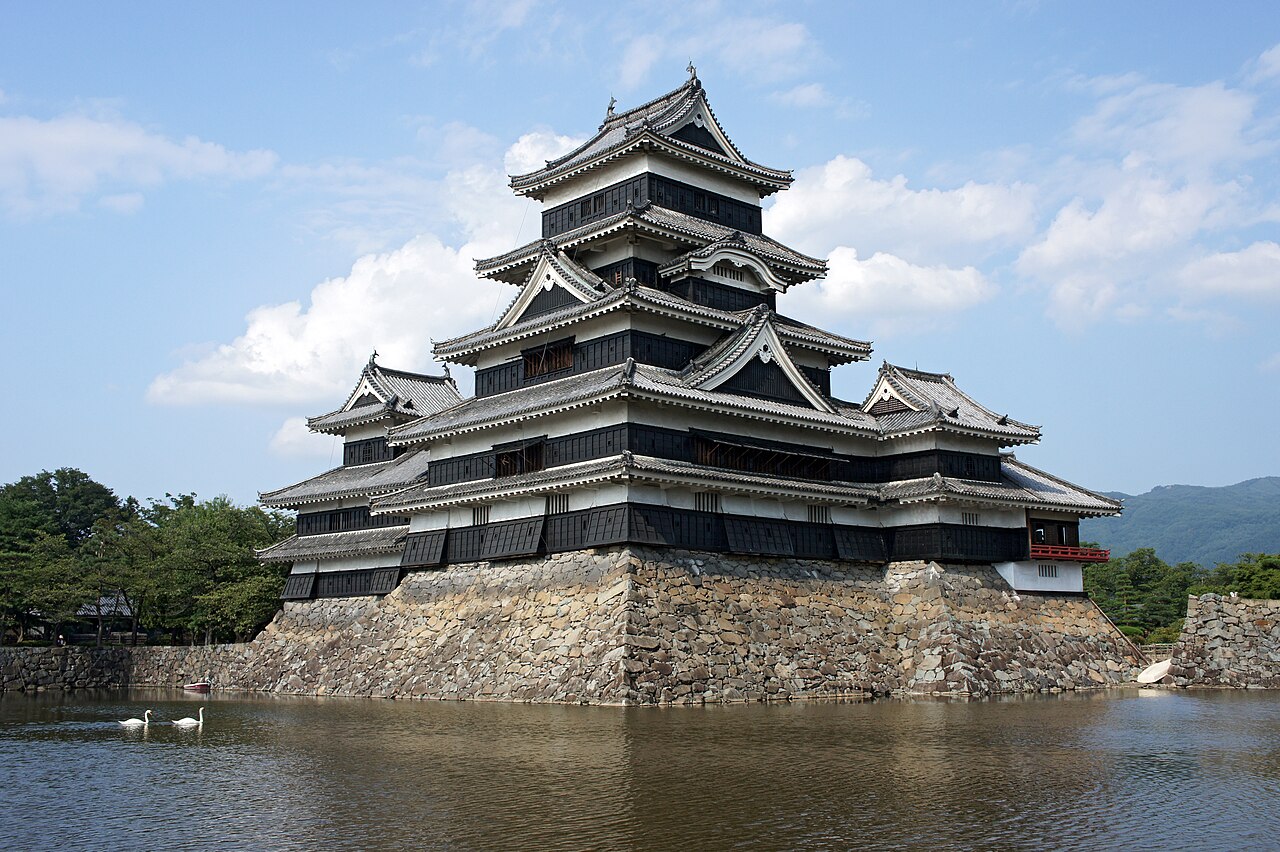
“The same forge fire that once shaped swords for the armies at Kawanakajima now sharpens the nata that splits a forester’s kindling — the war ended, but the steel kept working.”
Designation as a national traditional craft in 1982 formalized what the district had been doing for centuries: hand-forging blades for people who use them outdoors. The continuity case is plain — the makers who supply foresters, farmers, and gardeners today are the inheritors of that Kawanakajima-era forge knowledge, and the nata remains a household and field tool across Japan’s snow-country mountains, not a museum piece.
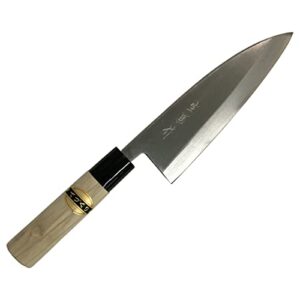
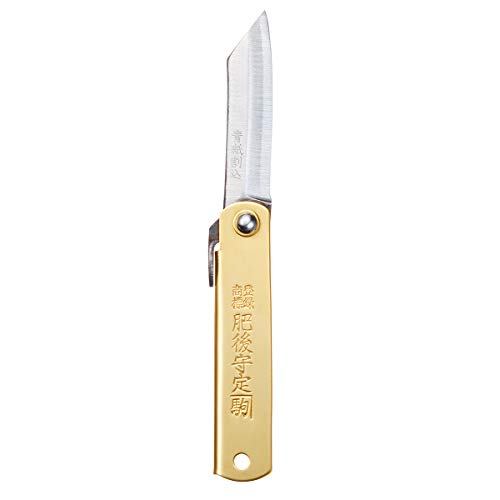
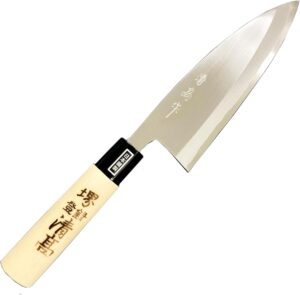
Other hand-forged Japanese blades and Nagano crafts we have covered — useful for placing the nata in the wider landscape of regional steel and woodcraft.
Purchase options
Prices for Shinshu Uchihamono nata vary by maker, steel, and finish. JPY is the reference currency and USD conversions are approximate.
| Store | Item / variant | Price (JPY + USD est.) | Notes |
|---|---|---|---|
| 🇺🇸 Amazon US (search) | Browse Japanese nata hatchets & bushcraft blades | varies (USD) | Best if you are shopping from the US — Prime shipping, USD pricing, no international customs. Amazon US carries Japanese hatchets and outdoor knives from various makers for comparing geometry and steel; the exact Shinshu piece is sourced from Japan (next row). |
| 🇯🇵 Amazon JP Global Store | Shinshu Uchihamono single-bevel nata | — | Ships internationally from Japan to most major destinations; blade items may face destination-specific import rules. |
| Maker direct | Shinshu blade-district smiths / cooperative | Varies — often JP-only | District makers may sell direct, but many ship domestically only; a proxy is usually needed from abroad. |
| Proxy services (Buyee / Tenso) | Forwarding of a JP-only option | Item price + forwarding fee | Useful when a smith or shop ships only within Japan. Adds a service fee and may add customs handling at your destination. |
What it does well

Weaknesses and things to verify before buying
- Carbon steel rusts. The blade will stain, patina, and corrode if stored wet or left unoiled. This is the defining trade-off versus a stainless hatchet, and it is not optional maintenance.
- Single bevel is handed. A single-bevel grind is made for one hand; a left-handed user may want a double bevel instead.
- Not a felling tool. A nata splits, limbs, and clears — it is not designed for felling large trees, where a full axe is the correct tool.
- Specs vary by piece. Confirm the blade and steel specifications before purchase.
- Confirm current availability and purchase details before committing.
- Shipping and import rules vary. Bladed tools can face destination-specific carriage and customs rules. Confirm that your country and courier accept the item before ordering from Japan.
- Edge care has a learning curve. Maintaining a single-bevel laminated edge on a whetstone differs from sharpening a Western convex hatchet; budget time to learn it.
Conclusion — which buyer type are you?
Other ways to approach this purchase
❓ Frequently Asked Questions
What is a Shinshu Uchihamono nata?
It is a hand-forged Japanese hatchet (nata) made in the Shinshu Uchihamono blade district of Nagano Prefecture. The craft is a nationally designated traditional craft (designated in 1982) with roots in the swordsmiths of the Kawanakajima era, who turned to farm and forestry blades in peacetime.
What is warikomi (laminated) construction, and why does it matter?
Warikomi is “insert-forging,” where a hard high-carbon steel core is forge-welded inside softer iron. On a swung tool like a nata, the steel core holds a keen edge while the iron body absorbs impact, so the blade resists chipping during heavy chopping.
Is a single-bevel nata right- or left-handed?
A single-bevel grind is ground for one hand and is typically right-handed. Left-handed users may prefer a double-bevel nata, which is symmetrical.
Does Amazon JP Global Store ship a nata internationally?
Amazon JP Global Store ships many items internationally from Japan to most major destinations. Bladed tools can be subject to destination-specific carrier and customs rules, so verify that your country and courier accept the item, and budget for possible import handling.
How do I care for a carbon-steel nata?
Keep it dry, wipe it clean after use, and apply a light film of oil (camellia or a food-safe mineral oil) before storage. Re-sharpen on a whetstone as needed. Carbon steel will patina and can rust if left wet or unoiled, so treat maintenance as part of ownership.
How is a nata different from a Western hatchet or axe?
A nata has a straight, heavy chopping edge and (in single-bevel form) a wedge-like grind built for splitting and limbing rather than felling. A Western axe is shaped for felling with a convex bit; a nata is closer to a heavy machete-hatchet for processing wood and clearing brush.
jpmono.com is curated by a Japan-based editorial team (working out of Toyama in the Hokuriku region and Nara in Kansai) and is independent. We do not take payment from the makers we feature; income comes from affiliate links. Read more about our editorial standards.
Affiliate disclosure: jpmono.com may earn a commission on qualifying purchases made through links on this page, at no additional cost to you.