![Hasami Ware Porcelain Rice Bowl: Everyday Kyushu Tableware [2026]](https://jpmono.com/wp-content/uploads/2026/06/hasami-yaki-porcelain-rice-bowl-where-to-buy-2026-featured.jpg)
A gohan chawan (ご飯茶碗, “rice bowl”) is the most-used object on a Japanese table — picked up, cradled in one hand, and refilled at almost every meal. The bowl covered here is a porcelain rice bowl in the Hasami ware (波佐見焼, Hasami-yaki) tradition from the town of Hasami in Nagasaki Prefecture, Kyushu. Hasami has been firing porcelain since 1599, and for most of the Edo period it supplied the everyday bowls that ordinary households across Japan actually ate from.
What makes Hasami ware interesting to an international reader is not rarity but the opposite: it is mass-craft. The town built its reputation on thick, cheap, durable blue-and-white bowls sold from boats on the Yodo River, and on export bottles that reached Europe through Nagasaki. That heritage of practical, repeatable, daily-use porcelain is exactly why a modern Hasami rice bowl is light, microwave-and-dishwasher friendly on most current listings, and priced for genuine use rather than for a display cabinet.
This guide is for readers choosing a daily Japanese rice bowl who want verifiable craft heritage and a clear international purchase path. Based on the available listing data, we cover style and size choices, where this sits geographically, honest weaknesses, and how to buy it from outside Japan. We do not claim to have physically tested the bowl; the assessment draws on listing and source data noted throughout.
🔄 Updated: May 31, 2026
⏱️ Read time: ~9 min
![Hasami Ware Porcelain Rice Bowl: Everyday Kyushu Tableware [2026]](https://m.media-amazon.com/images/I/31XiOxLGKzL._SL500_.jpg)
- Who this is for — and who should skip it
- Product overview (from published specs)
- Where this comes from — place, era, and the craft tradition
- 📌 How does it compare?
- Price snapshot across stores
- What it does well
- Weaknesses and things to verify before buying
- Conclusion — which buyer type are you?
- Other ways to approach this purchase
- 🏆 Editor’s Pick
- ❓ Frequently Asked Questions
Who this is for — and who should skip it
- Want a daily-use Japanese rice bowl, not a display piece
- Value microwave- and dishwasher-friendly porcelain for real meals
- Like blue-and-white (sometsuke) or clean solid-glaze tableware
- Appreciate documented craft heritage at an everyday price point
- Are building a coordinated set of Hizen porcelain over time
- Want a one-off, signed, gallery-grade studio piece
- Expect hand-painted, individually unique brushwork on every bowl
- Need a large Western-style cereal or noodle bowl (this is rice-sized)
- Require a confirmed weight/diameter before buying (data here is thin)
- Prefer rustic, heavily textured stoneware over smooth porcelain

Product overview (from published specs)
Source data for this specific listing was thin at the time of writing. Per the available snapshot, the table below states only what can be reasonably attributed; unconfirmed fields are marked rather than guessed. The bowl is identified by Amazon item ID B078JDV3CL.
Hasami Ware Porcelain Rice Bowl
白山陶器 飯碗 白 よしず彫 (約)φ12×6.2cm 波佐見焼 日本製
残り17点(入荷予定あり) · Sold by Amazon.co.jp · ASIN B00AK7NMOE
Price and availability as of 2026-09-01 05:22 JST. The Amazon listing at the time of purchase is authoritative. jpmono.com earns a commission on qualifying purchases at no extra cost to you.
| Attribute | Detail |
|---|---|
| Type | Gohan chawan (rice bowl) |
| Tradition | Hasami ware (波佐見焼) — Hizen porcelain |
| Material | Porcelain (磁器, jiki) |
| Origin | Hasami, Higashisonogi District, Nagasaki, Kyushu |
| Maker | Heritage Hasami maker — confirm the maker on the live listing |
| Decoration | Sometsuke (blue-and-white) or solid glaze — varies by listing |
| Microwave / dishwasher | Typically yes for modern Hasami mass production — confirm on the specific listing |
| Diameter / weight | Unconfirmed — check the listing |
| Price | Listing snapshot only; live price was not captured at time of writing — verify on the listing |
Sources: Amazon US search (primary, moonill-20) · Amazon JP Global Store (secondary, moonill-22, sourced listing) · maker direct where available. Specs not present in the fetched data are marked “Unconfirmed” rather than filled from memory.
📖 Glossary — key terms
- Hasami ware (波佐見焼, Hasami-yaki) — porcelain made in the town of Hasami, Nagasaki; historically sold under the Arita name.
- Gohan chawan (ご飯茶碗) — the everyday Japanese rice bowl, sized to be held in one hand.
- Jiki (磁器) — porcelain; fired from porcelain stone, vitreous, white, and non-porous (distinct from tōki, earthenware/stoneware).
- Sometsuke (染付) — underglaze blue-and-white decoration, painted in cobalt before the final glaze firing.
- Kurawanka-wan (くらわんか碗) — the thick, inexpensive Edo-period everyday bowl that spread porcelain to commoners.
- Compra bottle (コンプラ瓶) — Edo-era glazed bottles made for exporting soy sauce and sake, shipped abroad via Nagasaki.
- Hizen (肥前) — the old province covering today’s Saga and Nagasaki, Japan’s first porcelain-producing region.
- Noborigama (登り窯) — a multi-chamber climbing kiln built up a slope, used for high-volume firing.
Where this comes from — place, era, and the craft tradition

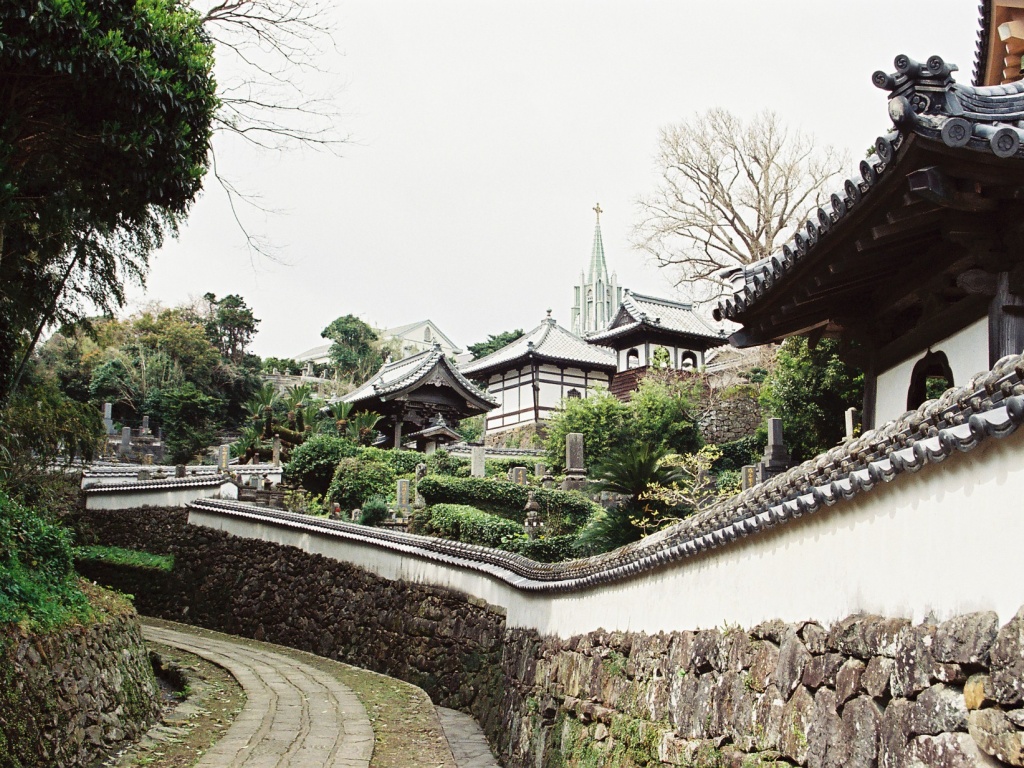
Hasami is a small, hill-ringed inland town in the far west of Japan, in northern Nagasaki Prefecture, pressed up against the border with Saga. It belongs to the Hizen porcelain heartland — the same belt of hills and porcelain-stone deposits that produced Arita ware just over the prefectural line. Porcelain took root here because the raw material, the wooded slopes for climbing kilns, and the river-and-port routes toward Nagasaki were all close at hand.
The story begins in 1599, when Ōmura Yoshiaki, lord of the Ōmura domain, brought Korean potters back to the area after the Japanese campaigns in Korea and lit the first kilns. Early production was stoneware, but the discovery of porcelain stone pushed the kilns toward white porcelain, and Hasami developed in parallel with neighboring Arita as one of the two great Hizen porcelain centers.
Through the Edo period (1603–1868), Hasami’s specialty was volume. Its potters built some of the largest climbing kilns in the country and turned out the kurawanka-wan — thick, sturdy, inexpensive blue-and-white bowls hawked to travelers from small boats on the Yodo River near Osaka. These were the bowls that put porcelain, once a luxury, onto ordinary tables across Japan. Hasami’s compra bottles, made to hold soy sauce and sake, traveled even further, reaching Europe through the port of Nagasaki.
- 1599 — Lord Ōmura Yoshiaki brings Korean potters to the area; the first kilns are lit.
- Early 1600s — Porcelain stone is found; kilns shift from stoneware to white porcelain, developing alongside Arita as Hizen ware.
- Edo period — Mass-produced kurawanka blue-and-white bowls spread everyday porcelain tableware nationwide.
- Edo period — Compra bottles for soy sauce and sake reach Europe through the port of Nagasaki.
- 19th–20th c. — Hasami output is long distributed under the better-known “Arita ware” name.
- 2000s — The “Hasami ware” brand is established in its own right.
- 2026 — Hasami ranks among Japan’s leading producers of everyday tableware.
For most of the twentieth century, bowls made in Hasami were sold under the Arita name, because Arita was the brand buyers recognized. Only in the 2000s did “Hasami ware” establish itself as a distinct label — and the timing was good, because the modern market rewarded exactly what Hasami had always done: clean, affordable, daily tableware. Today the town holds one of the largest domestic shares of everyday porcelain dishware in Japan.
“Hasami did not make porcelain precious — it made it ordinary, and that was the harder, more useful thing.”
A rice bowl is the right object to carry that lineage. The gohan chawan is the most-handled vessel in a Japanese home, refilled daily, washed daily, and replaced when it chips. A Hasami bowl is built for precisely that rhythm: light enough to hold comfortably, smooth porcelain that washes clean, and — on most modern listings — microwave and dishwasher tolerance that matches how people actually live. That continuity, from the kurawanka boats to a dishwasher-safe bowl shipped worldwide, is the quiet point of the craft.

📌 How does it compare?
Related Japanese tableware and pottery from jpmono — useful for comparing the same Hasami town, neighboring Hizen porcelain, and other Kyushu ceramics.
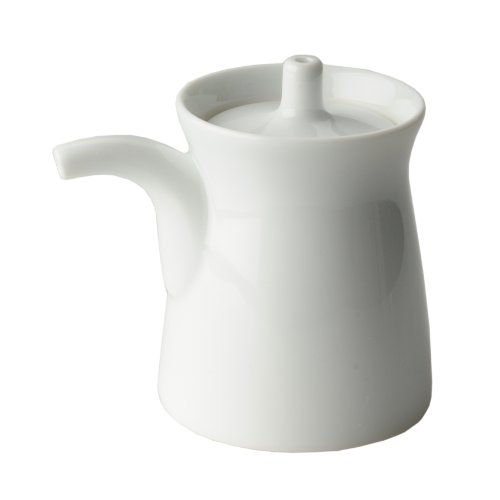 🥢 Same Hasami town: Hakusan G-type
 🍶 Nagasaki porcelain: Mikawachi Hirado
☕ Neighbor porcelain: Arita mug
 🪵 Kyushu mingei: Onta mug
🍵 Kyushu stoneware: Karatsu
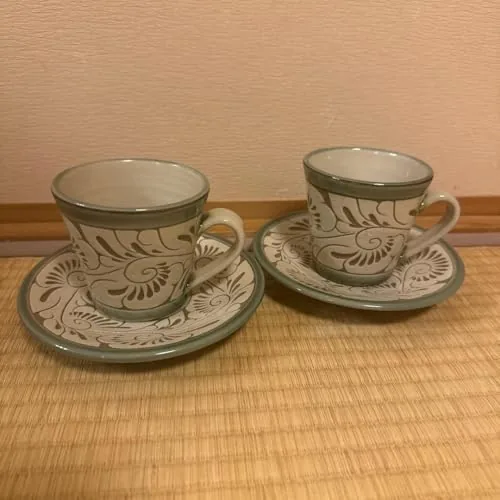 🏺 Southern Kyushu pottery: Yachimun
 🍵 Everyday tableware: Mino yunomi
Price snapshot across stores
Only a listing snapshot was available for this item, and the live price was not captured at the time of writing. Treat the figures below as direction, not quotes, and confirm the current price on the listing.
| Store | Item / Variant | Price (JPY + USD est.) | Notes |
|---|---|---|---|
| 🇺🇸 Amazon.com (US) | Browse Japanese porcelain rice bowls | varies (USD) | Best if you’re shopping from the US — Prime shipping, USD pricing, no international customs. Amazon US carries Japanese porcelain rice bowls from various makers, useful for comparing size and pattern. This exact Hasami bowl is sourced from Japan (next row). |
| 🇯🇵 Amazon JP Global Store | Hasami ware rice bowl (B078JDV3CL) | Price not captured — verify on listing | The sourced listing for this guide; ships internationally from Japan to most major destinations. |
| Maker direct | Heritage Hasami maker | — | Some Hasami makers sell directly; international shipping is not guaranteed. Confirm the maker on the listing first. |
| Proxy services (Buyee / Tenso) | Any JP listing | item + forwarding fee | Useful when a domestic-only JP listing won’t ship to you directly; adds a forwarding fee and a second shipping leg. |
JPY is the authoritative price. USD figures, where shown, are approximate at a ¥150/USD baseline as of May 2026 and depend on the current exchange rate. Prices and stock fluctuate — use the affiliate link for current data.
What it does well
Weaknesses and things to verify before buying
- Thin source data. Diameter, weight, exact maker, and live price were not in the captured snapshot. Verify each on the listing before ordering.
- Microwave/dishwasher claims need confirming. It is typical for modern Hasami, but a specific bowl with gold trim or a hand-painted finish may be the exception — read the listing’s care notes.
- Not a unique studio piece. This is mass-craft porcelain. If you want one-of-a-kind brushwork or a signed artist bowl, this is the wrong category.
- Rice-bowl sizing. Japanese chawan are smaller than Western cereal or noodle bowls. Check the diameter if you expect a large bowl.
- Pattern/color may vary by batch. Sometsuke shades and glaze tones can differ slightly between production runs; the listing photo is a guide, not a guarantee.
- International shipping cost and customs. Cross-border shipping adds cost and possible duties; confirm the total at checkout, not just the item price.
Conclusion — which buyer type are you?
Other ways to approach this purchase
🏆 Editor’s Pick
❓ Frequently Asked Questions
Is a Hasami ware rice bowl microwave and dishwasher safe?
Most modern Hasami mass-production porcelain is microwave- and dishwasher-tolerant, and this is the norm for everyday gohan chawan. Bowls with gold or silver trim, or special hand-painted finishes, can be exceptions, so always confirm the care notes on the specific listing before use.
What is the difference between Hasami ware and Arita ware?
Both are Hizen porcelain from neighboring towns across the Nagasaki–Saga border, and Hasami output was long sold under the Arita name. Historically, Hasami specialized in high-volume, affordable everyday tableware such as the kurawanka bowls, while “Hasami ware” became a distinct brand only in the 2000s.
What is a gohan chawan, and how is it different from a regular bowl?
A gohan chawan is the Japanese rice bowl, sized to be held in one hand and refilled at meals. It is smaller and deeper than a Western cereal or noodle bowl, so check the listed diameter if you expect a large bowl.
Does Amazon JP Global Store ship internationally?
Yes. The Amazon JP Global Store ships many household items, including porcelain tableware, to most major international destinations. Cross-border shipping adds cost and possible customs duties, so confirm the full total at checkout rather than relying on the item price alone.
How do I care for a porcelain rice bowl?
Porcelain is vitreous and non-porous, so it does not need seasoning and washes clean easily. Avoid sudden temperature shocks and stacking that causes chips. If the listing confirms dishwasher safety, daily machine washing is fine.
Why is the price not shown here?
Only a listing snapshot was available when this article was written, and the live price was not captured. Hasami ware generally sits at the affordable end of Japanese porcelain, but you should confirm the current price directly on the JP Global Store listing before ordering.
jpmono.com is curated by a Japan-based editorial team (working out of Toyama in the Hokuriku region and Nara in Kansai) and is independent. We do not take payment from the makers we feature; income comes from affiliate links. We do not physically test every product — we read maker specs and source listings.
This article was prepared with AI assistance and reviewed against the available source listing data. Specifications, prices, and availability should be confirmed on the retailer’s listing before purchase.
Affiliate disclosure: jpmono.com may earn a commission on qualifying purchases made through links on this page, at no additional cost to you.