![Kyo Sashimono Paulownia Wood Box: Where to Buy Kyoto Joinery [2026]](https://jpmono.com/wp-content/uploads/2026/06/kyo-sashimono-paulownia-wood-box-where-to-buy-2026-featured.jpg)
Kyo Sashimono (京指物, “Kyoto joinery”) is the Kyoto tradition of building wood with wood. Instead of nails or screws, the joiner cuts interlocking mortise-and-tenon joints so that the pieces hold one another under tension. The box covered in this guide is a keepsake box made of kiri (桐, paulownia), the pale, feather-light wood that Kyoto cabinetmakers have favored for centuries for its insulation and moisture-regulating behavior.
What makes this craft notable to an international reader is not novelty but continuity. The discipline traces to the Heian imperial court, where dedicated sashimono-shi (指物師, “joiners”) made cabinetry and ritual furnishings for the aristocracy. From the Muromachi period it was reshaped by the tea ceremony — Sen no Rikyū and the Kyoto tea schools commissioned restrained, elegant utensils and boxes — which is why Kyo Sashimono carries a courtly, sukiya-style refinement quite different from the sturdier, merchant-class Edo Sashimono of old Tokyo. It is a nationally designated Traditional Craft.
This article is written from the perspective of a Japan-based editor (working out of Toyama in the Hokuriku region and Nara in Kansai). It covers what the box is, the place and history behind it, the practical realities of buying one from outside Japan, and an honest list of who should pass on it. Pricing data for the specific listing was thin at the time of writing, so we flag that plainly rather than guess.
🔄 Updated: June 3, 2026
⏱️ Read time: ~12 min

- Who this is for — and who should skip it
- Product overview (from published specs)
- Where this comes from — place, era, and the craft tradition
- 📦 Shipping & where to buy from outside Japan
- Price snapshot across stores
- What it does well
- Weaknesses and things to verify before buying
- Conclusion — which buyer type are you?
- Other ways to approach this purchase
- 🏆 Editor’s Pick
- ❓ Frequently Asked Questions
Who this is for — and who should skip it
- Want a storage box where the joinery itself is the point — visible, nail-free corners
- Plan to store hygroscopic-sensitive items (documents, tea utensils, jewelry, textiles) that benefit from paulownia’s moisture buffering
- Appreciate the spare, sukiya-style Kyoto aesthetic over ornate decoration
- Are buying a long-horizon keepsake or gift rather than a disposable organizer
- Are comfortable sourcing from Japan and verifying details on the live listing
- Need a rugged, knock-around box — paulownia is soft and dents easily
- Want a cheap commodity organizer; this is a craft object at a craft price
- Expect a waterproof or airtight container — it is neither
- Require exact dimensions before buying and will not check the live listing
- Want fast, in-country delivery and dislike international shipping waits or customs steps
Product overview (from published specs)
Published spec data for this specific listing was limited at the time of writing. The table below records what is established about the craft category and the listing identifiers; fields that were not confirmed in the fetched data are marked rather than guessed.
| Attribute | Detail | Source |
|---|---|---|
| Craft | Kyo Sashimono (京指物) — Kyoto nail-free joinery | Maker tradition |
| Primary material | Kiri (桐, paulownia) — light, insulating, moisture-regulating | Craft tradition |
| Construction | Interlocking mortise-and-tenon joinery; no nails | Craft tradition |
| Origin | Kyoto, Kansai region, Japan | Maker |
| Designation | Nationally designated Traditional Craft | METI tradition |
| Listing ID (ASIN) | B0DM1VJ2BG (Amazon JP Global Store) | Amazon JP |
| Dimensions / weight | Unconfirmed — check the live listing before buying | — |
| Price | Live pricing was unavailable at time of writing — verify on the listing | — |
Sources for the buying tables further down: Amazon US search (primary, tag moonill-20) + Amazon JP Global Store (secondary, tag moonill-22, the sourced listing) + maker-direct + proxy services where relevant. Only the listing identifier was confirmed from fetched data; live pricing and exact dimensions had shifted or were unavailable.
📖 Glossary — key terms in this article
Kyo Sashimono (京指物) — Kyoto’s tradition of nail-free wood joinery, refined under the imperial court and the tea schools.
Sashimono-shi (指物師) — the specialist joiner who cuts and fits the interlocking joints.
Mortise-and-tenon (hozo, 仕口/ほぞ) — a projecting tongue on one piece fitted into a matching cavity on another, locking the wood together without fasteners.
Kiri (桐, paulownia) — a very light, soft hardwood prized for thermal insulation and for buffering humidity; traditional for storing textiles, documents, and tea utensils.
Hinoki (檜) / sugi (杉) — Japanese cypress and Japanese cedar, the other woods Kyoto joiners commonly use.
Sukiya (数寄屋) — the spare, tea-house architectural style; as an aesthetic, it values restraint, natural materials, and quiet proportion over ornament.
Chanoyu / sadō (茶の湯 / 茶道) — the Japanese tea ceremony, whose utensils and storage boxes shaped Kyo Sashimono.
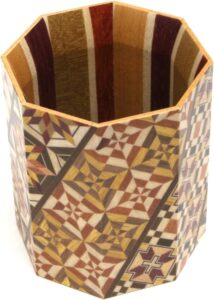
Related Japanese-craft guides on jpmono.com — other Kyoto traditions and woodwork pieces worth weighing against a paulownia box.
Where this comes from — place, era, and the craft tradition

Kyoto lies in a river basin in west-central Honshū, ringed by mountains on three sides, in the Kansai region that has been the cultural core of Japan for more than a millennium. The city was laid out as Heian-kyō in 794 and remained the seat of the imperial court until 1869. That single fact explains most of what follows: where the court lived, the court’s craftsmen lived too, and a concentration of specialist trades — joiners, lacquerers, weavers, potters — gathered in the streets around the palace and the great temples.
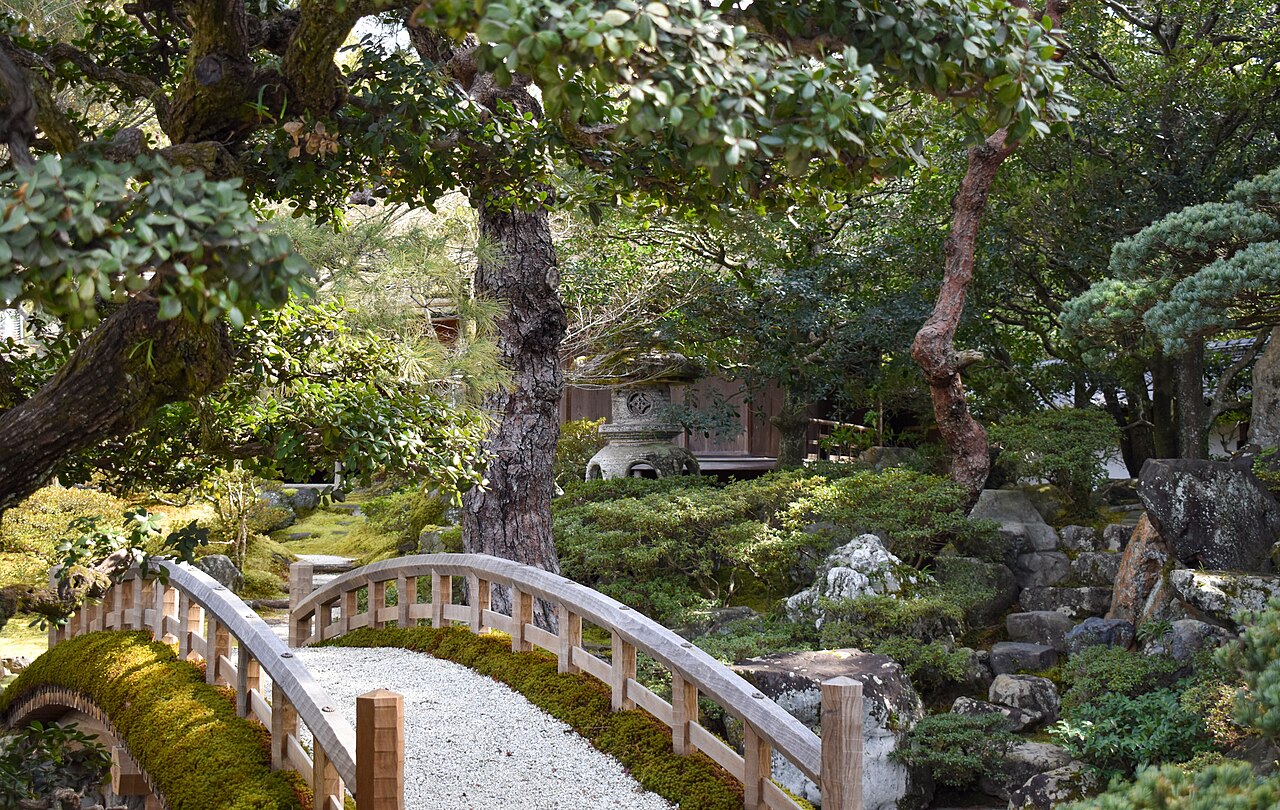
The historical anchor is the imperial court itself. In the Heian period, dedicated sashimono-shi made cabinetry, document boxes, and ritual furnishings for the aristocracy — work that demanded precision joinery rather than decoration, because the furnishings of court ceremony were meant to read as quiet and correct. The craft’s second formative force arrived later, with the tea ceremony.
- 794 — Kyoto (Heian-kyō) becomes Japan’s imperial capital; the court concentrates specialist artisans, including sashimono-shi joiners.
- Heian period — Dedicated joiners craft cabinetry and ritual furnishings for the aristocracy.
- 1336–1573 (Muromachi) — The tea ceremony reshapes Kyoto woodwork toward restraint and proportion.
- 1522–1591 — Tea master Sen no Rikyū and the Kyoto tea schools commission understated utensils and storage boxes.
- Edo period — Kyo Sashimono’s courtly style diverges from the sturdier, merchant-class Edo Sashimono.
- 1869 — Kyoto’s run as imperial capital ends; the craft district endures around the temples and tea schools.
- Modern era — Kyo Sashimono is designated a nationally recognized Traditional Craft.
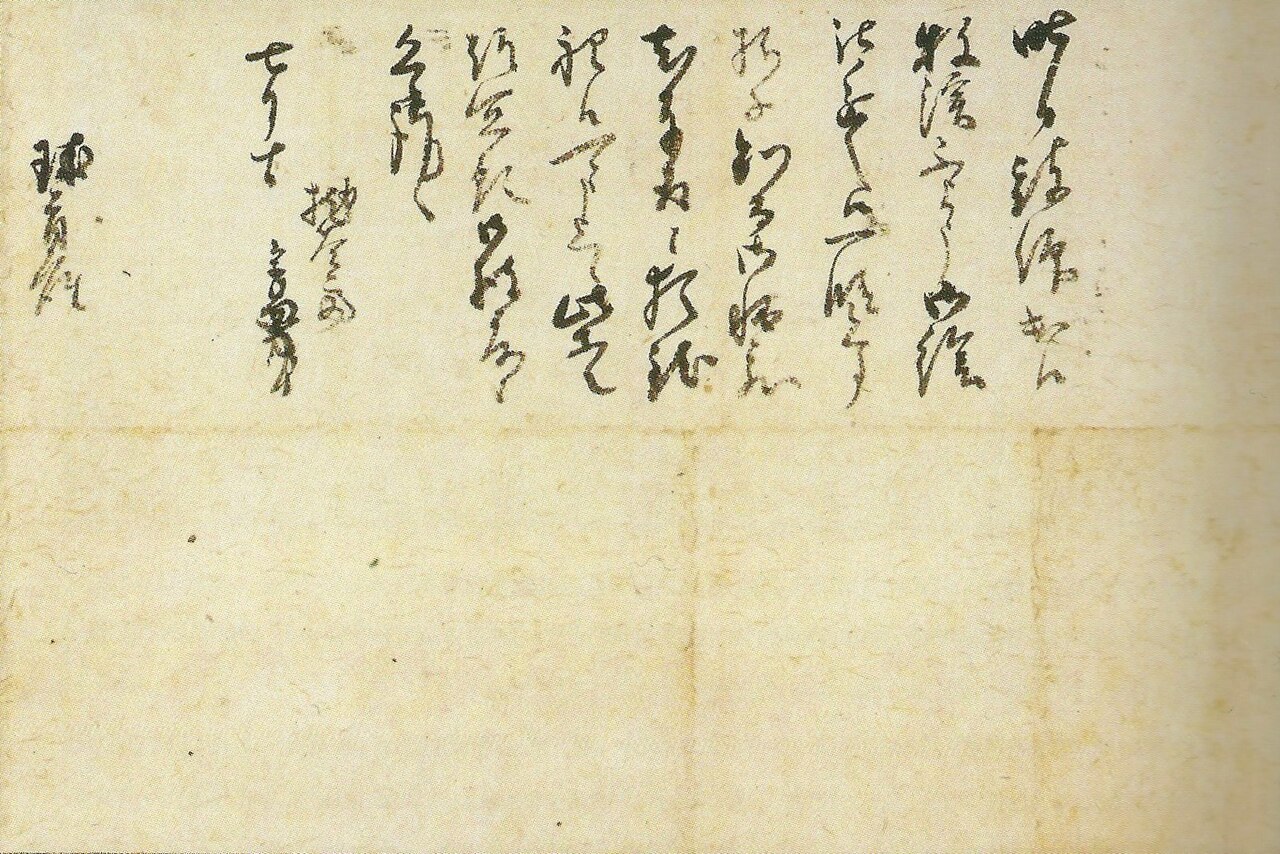
From the Muromachi period onward, Sen no Rikyū and the Kyoto tea schools commissioned restrained, elegant utensils and the boxes that held them. The tea aesthetic — wabi-sabi, the value placed on quiet and the unforced — pulled Kyoto joinery toward the spare, joint-led look that still defines the tradition. This is the lineage that separates Kyo Sashimono from the heavier, more robust Edo Sashimono that developed among the merchant class of old Tokyo. The same divergence is visible in the architecture the tea world produced.

“Kyo Sashimono is wood held by wood — joinery refined over a thousand years not to show off, but to disappear into the quiet of a tearoom.”
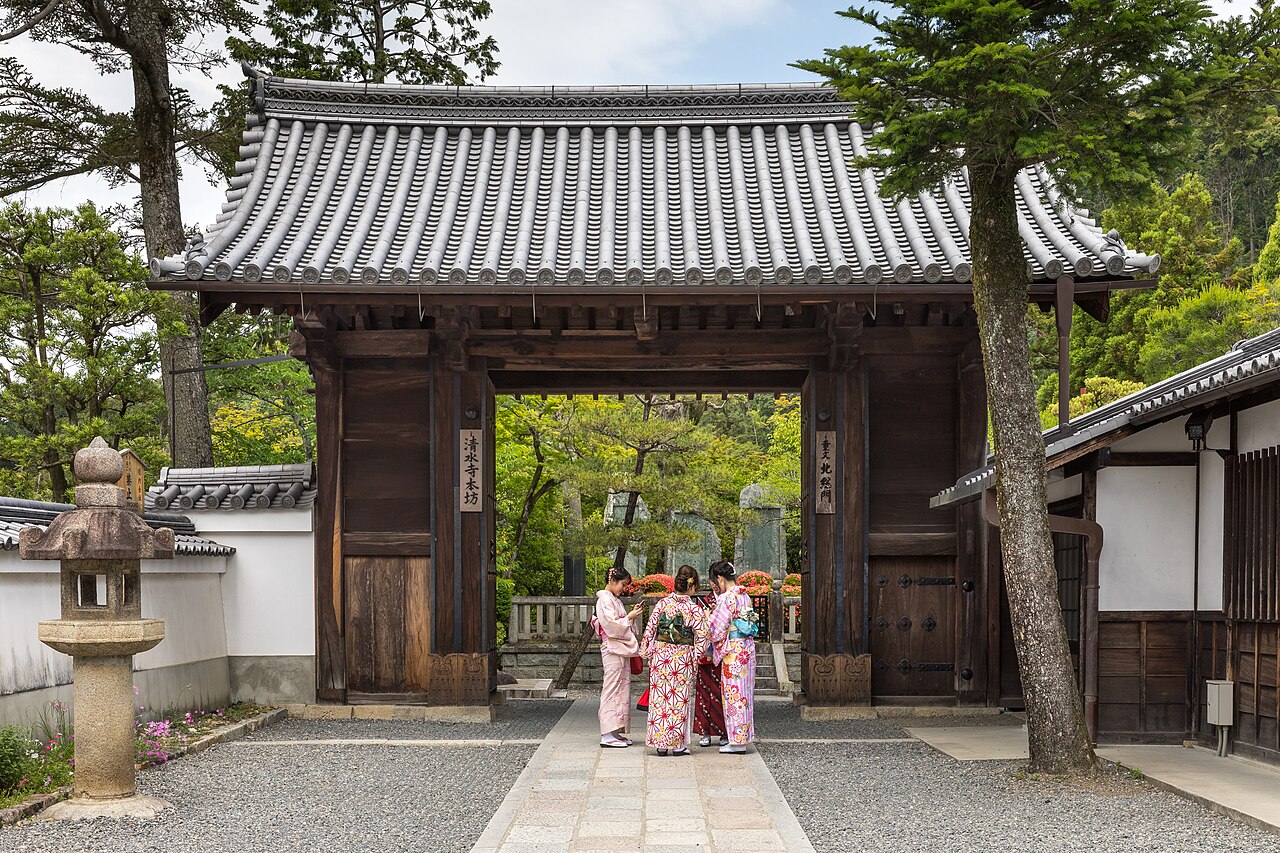
What “still being made here” means, in practical terms, is that Kyoto remains a working craft city, not a museum. The woodworkers and lacquerers cluster in the old districts below the eastern hills — the Higashiyama area presided over by Kiyomizu-dera — alongside the potters of Kiyomizu-yaki and the weavers of Nishijin. A paulownia box from this tradition is the descendant of court cabinetry and tea-utensil storage, made by joiners working the same logic of interlocking joints. As a material, kiri earns its place: it is among the lightest of woods, insulates well, and is traditionally believed to buffer humidity, which is why Japanese households have long used paulownia chests and boxes to store kimono, documents, and tea things.
📦 Shipping & where to buy from outside Japan
The specific box covered here is sourced from the Amazon JP Global Store, which ships many household items internationally to most major destinations. For readers in the US, EU, AU, and similar markets, expect international shipping in the rough range of $15–$40 depending on weight and destination, plus the possibility of customs duties or import tax once an order crosses your local de-minimis threshold. A small paulownia box is light, which helps keep shipping modest.
If a Kyoto maker’s listing is JP-domestic only and will not ship to your country directly, proxy-forwarding services such as Buyee or Tenso can receive the item in Japan and re-ship it to you, for an added handling fee. This is not electrical goods, so there are no voltage or certification concerns; the only physical caveat is that paulownia is soft and should be packed to avoid dents.
Price snapshot across stores
Live pricing for the specific listing was unavailable at the time of writing, so the price cells below point you to the source rather than quoting a figure that may have moved. JPY is the authoritative currency for the sourced item; any USD figures elsewhere are approximate estimates at a ¥150/USD baseline.
| Store | Item / variant | Price (JPY + USD est.) | Notes |
|---|---|---|---|
| 🇺🇸 Amazon US (search) | Browse Japanese paulownia & woodwork boxes | varies (USD) | Best if you shop from the US — Prime shipping, USD pricing, no international customs. Amazon US carries comparable Japanese kiri boxes and woodwork from various makers; this exact Kyoto piece ships from Japan (next row). |
| 🇯🇵 Amazon JP Global Store | Kyo Sashimono kiri keepsake box (ASIN B0DM1VJ2BG) | Check listing (JPY authoritative) | Ships internationally from Japan. The sourced listing for this guide; live price was unavailable at writing — verify before buying. |
| Maker direct | Kyoto sashimono workshops & craft galleries | varies | Some Kyoto joiners and craft galleries sell direct; selection and English support vary. Often the best path for custom sizes. |
| Proxy services (Buyee / Tenso) | For JP-domestic-only listings | item + fee | Receives the item in Japan and re-ships abroad for a handling fee; useful when a listing will not ship to your country directly. |
What it does well
Interlocking mortise-and-tenon corners hold the box together without fasteners — the structural signature of the Kyoto tradition.
Kiri is very light, insulates well, and is traditionally believed to buffer humidity — long-standing reasons it stores textiles, documents, and tea utensils.
The spare, tea-influenced aesthetic reads as quiet and considered rather than ornate — a different look from heavier decorative boxes.
A nationally designated Traditional Craft with a documented lineage from the Heian court through the Kyoto tea schools.
Weaknesses and things to verify before buying
- Soft wood dents. Paulownia is prized for being light, but that softness means it scratches and dents more easily than hardwood — not a knock-around box.
- Not airtight or waterproof. A joinery box buffers humidity; it does not seal. Do not treat it as a moisture-proof or watertight container.
- Dimensions were unconfirmed. Exact size and capacity were not established in the fetched data. If the contents must fit precisely, confirm the measurements on the live listing first.
- Pricing was unavailable. Live price had shifted or was not retrievable at the time of writing. Verify the current figure before purchase, and note that JPY is the authoritative currency.
- International logistics. Buying from Japan means longer transit, possible customs duties above your local threshold, and — for JP-only listings — a proxy fee. Factor these in beyond the sticker price.
- Finish and variant details vary. Wood grain and finish differ piece to piece; rely on the listing’s own photos and attributes rather than expecting an exact match to images here.
Conclusion — which buyer type are you?
You want a documented Kyoto craft piece as a keepsake or gift and value joinery over price. This box fits; consider a maker-direct or custom size.
You want a beautiful, functional storage box for tea things or small valuables and are happy to buy from Japan. The Amazon JP Global Store listing is the straightforward path.
You like the look but the craft premium is steep. Compare comparable paulownia boxes on Amazon US first; a factory-made kiri box may suit if heritage is not the goal.
You need a rugged, airtight, or precisely-sized box right away. A soft-wood, non-sealing craft object bought from overseas is the wrong tool.
Other ways to approach this purchase
Craft items rarely discount deeply, but international shipping promotions and Amazon sale events can offset the cross-border cost. Watch the listing.
Older paulownia boxes circulate on Japanese resale and auction platforms; a proxy service can fetch them. Inspect photos for dents and warping.
If you already hold Amazon balance or card rewards, applying them softens the craft premium without changing what you receive.
If dimensions or price cannot be confirmed and you need certainty, it is reasonable to wait until the listing data firms up before committing.
🏆 Editor’s Pick
❓ Frequently Asked Questions
What is Kyo Sashimono, exactly?
Why is paulownia (kiri) used for these boxes?
Can I have it shipped outside Japan?
How much does it cost?
How do I care for a paulownia box?
How is Kyo Sashimono different from Edo Sashimono?
Is it a good gift?
jpmono.com is curated by a Japan-based editorial team (working out of Toyama in the Hokuriku region and Nara in Kansai) and is independent. We do not take payment from the makers we feature; income comes from affiliate links. We do not physically test every product — we read maker specs and source listings — and we flag where data is thin rather than guess.
Note: This article was prepared with AI assistance and reviewed against the source listing data. Where listing data was incomplete (pricing, exact dimensions), this is stated explicitly rather than filled in by guesswork.
Affiliate disclosure: jpmono.com may earn a commission on qualifying purchases made through links on this page, at no additional cost to you.