![Bizen Osafune Hand-Forged Knife: Sword-Smith Steel from Okayama [2026]](https://jpmono.com/wp-content/uploads/2026/05/japan-map-regions-and-prefectures-800x1050.png)
For roughly four centuries, the small district of Osafune on the Yoshii River was the busiest sword-forging town in Japan. It sat at the heart of the old province of Bizen — today the southeastern half of Okayama Prefecture — and its smiths defined the Bizen-den, one of the five great traditions of Japanese sword-making. The blades they produced are still studied in museums for the lively, flame-like temper line that running water and tatara iron made possible.
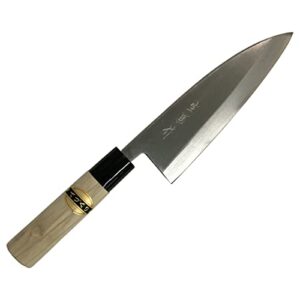
The knife covered in this guide descends directly from that lineage. It is a hand-forged carbon-steel petty (utility) knife made in the Osafune sword village, built with a laminated blade — a hard cutting core of paper steel forge-welded between softer jackets — and a simple wood handle. It is a kitchen tool, not a weapon, but the forge-welding and water-quenching craft are the same ones that produced the tachi of the Kamakura and Muromachi periods.
This article explains what Bizen Osafune hand-forged carbon steel means for daily kitchen use, who the knife suits, and how to choose Japanese craft knives from outside Japan.
🔄 Updated:
⏱️ Read time: about 12 min
- Who this is for — and who should skip it
- Product overview (from published specs)
- 📍 Where this comes from — place, era, and the craft tradition
- How does it compare?
- Purchase options
- What it does well
- Weaknesses and things to verify before buying
- Conclusion — which buyer type are you?
- Other ways to approach this purchase
- ❓ Frequently Asked Questions
Who this is for — and who should skip it
- Want a hand-forged carbon-steel blade with a real regional lineage, not a factory stamping
- Already maintain carbon-steel knives and are comfortable drying them after each use
- Value edge sharpness and easy re-sharpening over zero maintenance
- Like a light, nimble petty/utility size for produce, fruit, and small protein work
- Appreciate the connection between Bizen sword craft and a modern kitchen tool
- Want a dishwasher-safe, no-care knife you can leave wet in the sink
- Need a single large chef’s knife to do everything — a petty is a companion blade
- Expect stainless-steel rust resistance; carbon steel will patina and can spot-rust
- Want current purchase details before deciding — product information here is limited
- Prefer a recognized export brand with English-language warranty support
Product overview (from published specs)
Bizen Osafune hand-forged knives use traditional forging and carbon-steel construction; handle materials and steel grade vary by maker. The table focuses on these craft attributes rather than fixed product specifications.
| Attribute | Detail |
|---|---|
| Item type | Hand-forged petty / utility kitchen knife |
| Origin | Osafune, Setouchi City, Okayama (old Bizen province), Chūgoku region |
| Maker | Osafune sword-village smithy |
| Blade steel | Carbon steel — laminated aogami (blue paper steel) / shirogami (white paper steel) core |
| Construction | Forge-welded lamination (hard core between softer jacket steel), water-quenched |
| Handle | Wood (Japanese wa-style); exact species unconfirmed |
| Blade length / weight | — |
| Price | — |
📖 Glossary — key terms in this article
- Bizen (備前) — an old province occupying the southeastern part of present-day Okayama Prefecture.
- Osafune (長船) — a district on the Yoshii River, now part of Setouchi City; the medieval center of Bizen sword-making.
- Bizen-den (備前伝) — the Bizen “tradition” or school of sword-making, one of the Gokaden.
- Gokaden (五箇伝) — the five great traditions of Japanese sword-making: Bizen, Yamashiro, Yamato, Sōshū, and Mino.
- Tamahagane (玉鋼) — high-purity steel produced in a traditional tatara clay furnace from iron sand.
- Tatara (たたら) — the traditional Japanese smelting furnace, historically common in the Chūgoku region.
- Chōji-midare (丁子乱れ) — the clove-shaped, irregular temper line for which Bizen blades are famous.
- Aogami / Shirogami (青紙 / 白紙) — “blue paper” and “white paper” high-carbon tool steels; aogami adds chromium and tungsten for edge retention, shirogami is pure and easy to sharpen.
- Warikomi / san-mai — laminated construction that forge-welds a hard cutting core between softer outer layers.
- Petty knife — a small Western-influenced utility knife for produce, fruit, and detail work; a companion to a larger chef’s knife.
- Bizen-yaki (備前焼) — Bizen pottery from nearby Imbe village; same province, a completely different craft from the blades.
📍 Where this comes from — place, era, and the craft tradition

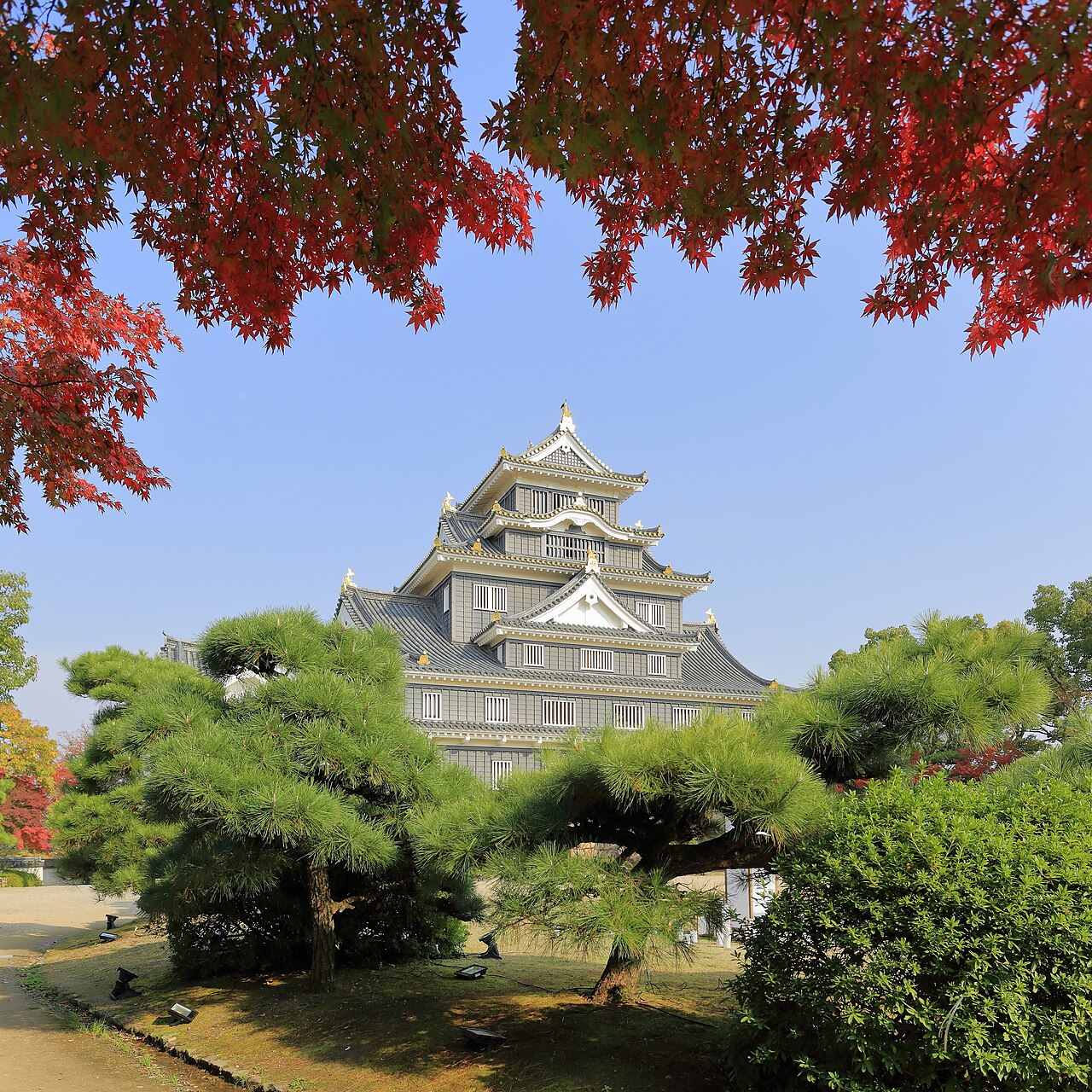
Okayama Prefecture occupies the south-central stretch of the Chūgoku region, the western tail of Honshu, facing the sheltered Seto Inland Sea rather than the open Pacific. Its southeastern half was the old province of Bizen. The province’s wealth came from two things the craft needed: access to the iron-sand smelting tradition of the Chūgoku mountains, and the Yoshii River, which carried both raw material and finished goods down toward the sea.
That combination is why a single riverside district became, for centuries, the forging capital of an entire country.
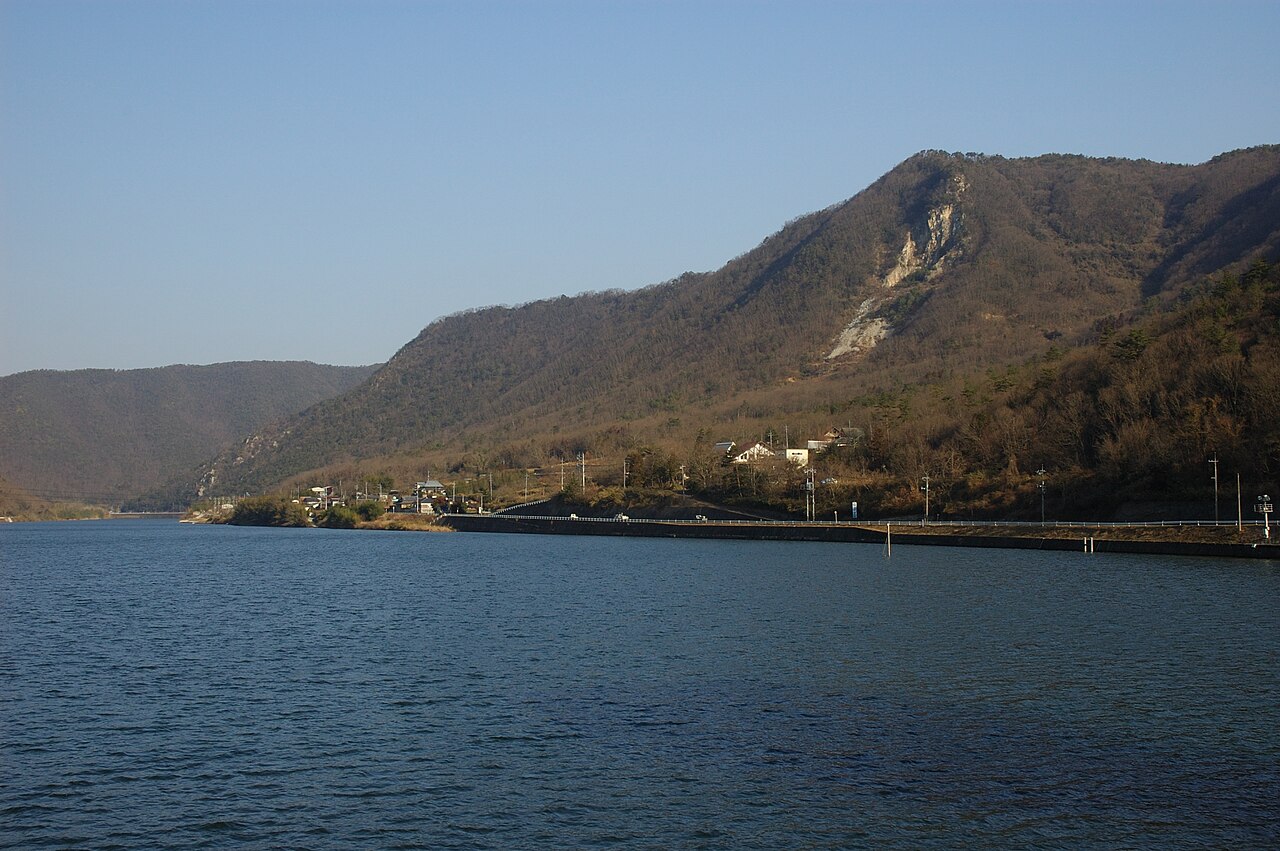
From the Kamakura period through the Muromachi period, Osafune grew into the largest sword-production town in Japan. Its school, the Bizen-den, became one of the Gokaden — the five great traditions of sword-making, alongside Yamashiro, Yamato, Sōshū, and Mino. Bizen smiths exploited the region’s tatara iron — the high-purity tamahagane smelted from iron sand — and the river’s logistics to produce blades celebrated for their chōji-midare: a vivid, clove-shaped temper line that reads like flame frozen in steel.
- 1185 — The Kamakura period begins; Bizen smiths along the Yoshii River rise to prominence.
- 1309 — The Osafune master Kagemitsu signs a dated tachi, a benchmark of Bizen-den work.
- 1336–1573 — In the Muromachi period, Osafune is the largest sword-production town in Japan; Bizen-den is one of the Gokaden.
- Late 1500s — Yoshii River floods devastate the Osafune smithies.
- Meiji era — The decline of the warrior class and the abolition of sword-wearing thin demand for blades.
- 20th c. — The Bizen Osafune Japanese Sword Museum and a working sword village take root in Setouchi City.
- 2026 — Licensed Osafune smiths remain active; several forge carbon-steel kitchen and utility knives.
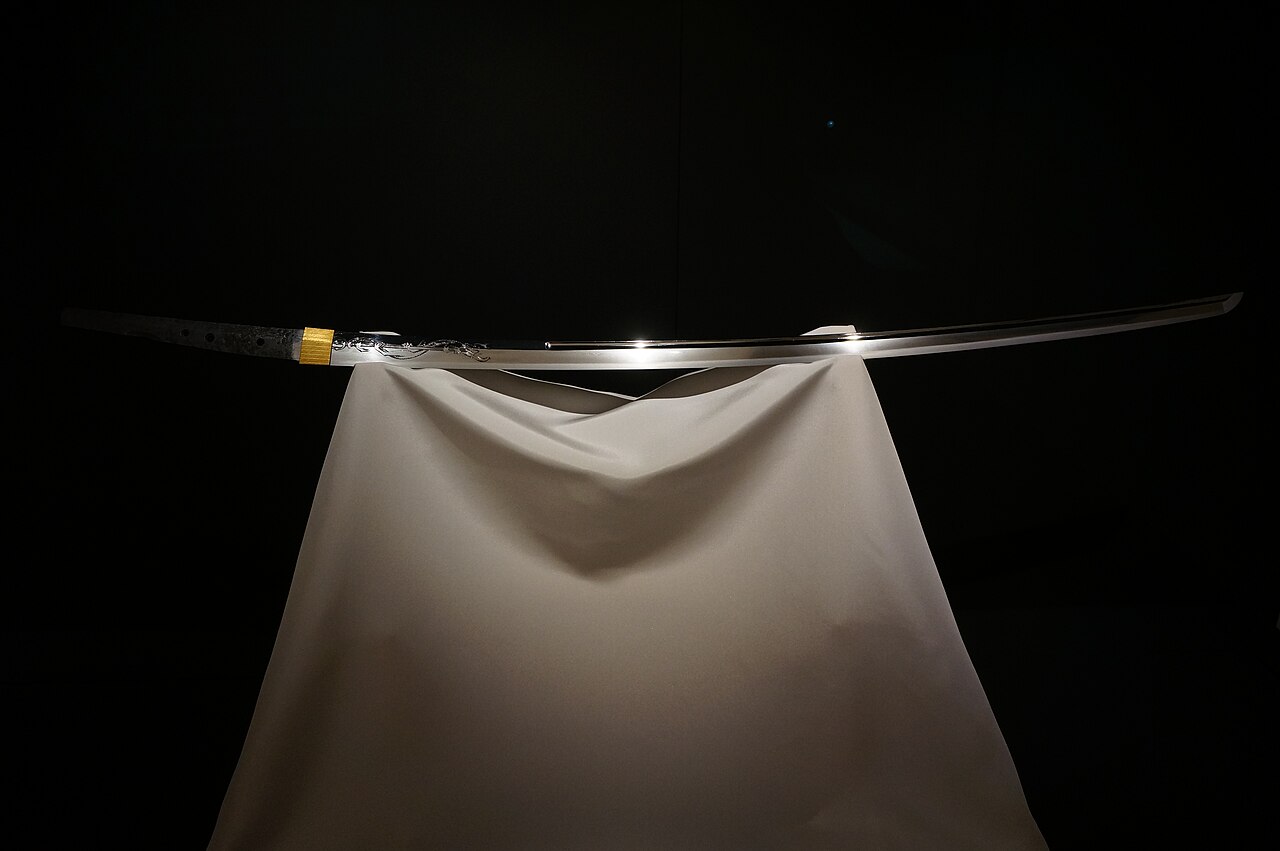
The trade never fully died. Late-16th-century floods and, later, the end of the samurai era thinned the ranks of smiths, but the lineage survived. Today the Bizen Osafune Japanese Sword Museum and a working sword village in Setouchi City keep licensed smiths active. Several of them apply the same forge-welding and water-quenching craft to carbon-steel kitchen and utility knives — which is exactly what the knife in this guide is.
“The hands that once hammered tachi for the Kamakura court now forge a petty knife for a kitchen drawer — the technique survived the disappearance of its original purpose.”
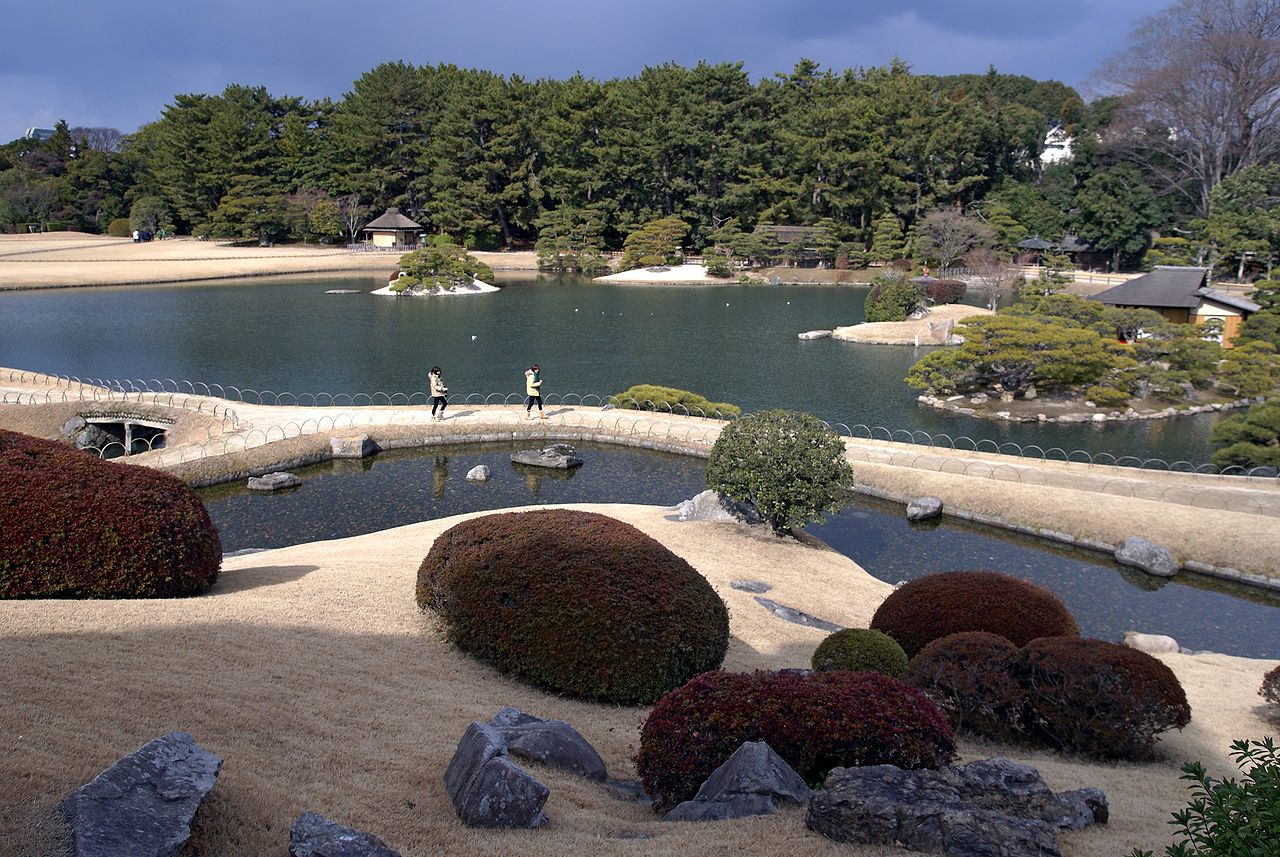
One point of confusion worth clearing up: the Bizen name also belongs to a famous pottery. Bizen-yaki comes from Imbe village nearby — the same old province, but an entirely separate craft tradition. The blades and the unglazed stoneware share a place name, not a workshop.
How does it compare?
 🔪 Echizen hand-forged santoku
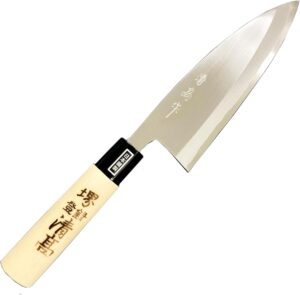 🐟 Sakai deba knife
🥩 Sakai Takayuki gyuto
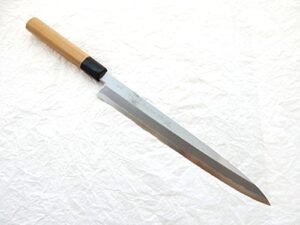 🍣 Tsukiji yanagiba
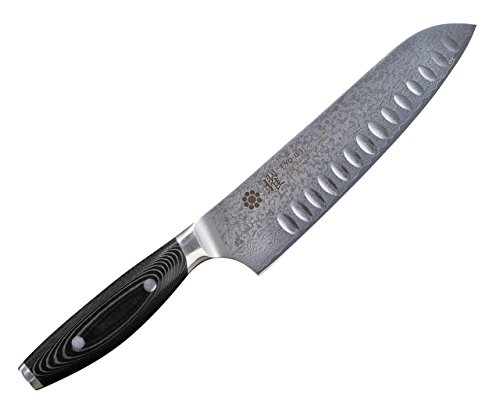 🌊 Seki damascus santoku
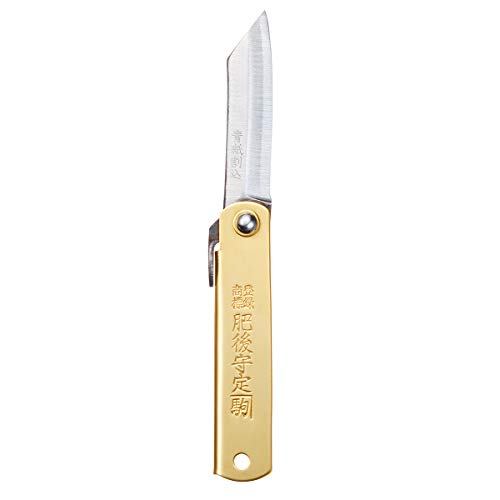 🗡️ Higonokami folding knife
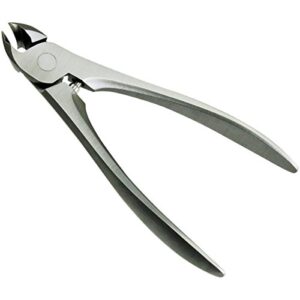 ✂️ Suwada forged nipper
Purchase options
Prices for Bizen Osafune knives vary by steel, blade length, handle, and finish. USD conversions are approximate and depend on the exchange rate.
| Store | Item / variant | Price (JPY + USD est.) | Notes |
|---|---|---|---|
| 🇺🇸 Amazon US (search) | Browse Japanese hand-forged kitchen knives | varies (USD) | Best if you are shopping from the US — Prime shipping, USD pricing, no international customs. Amazon US carries hand-forged Japanese kitchen knives from several makers, useful for comparing geometry and steel types. This Osafune piece is sourced from Japan (next row). |
| 🇯🇵 Amazon JP Global Store | Bizen Osafune hand-forged petty knife | — | Ships internationally from Japan to most major destinations. |
| Maker direct | Osafune sword-village smithy | Varies; often Japanese-language only | Some Osafune workshops sell through their own or museum-shop channels; international shipping is not guaranteed. |
| Proxy services (Buyee / Tenso) | Forwarding for JP-only options | Item price + service fee + forwarding shipping | Useful when a smith lists only on a Japan-domestic store; adds handling cost and a customs step. |
What it does well
Weaknesses and things to verify before buying
- Carbon steel rusts. The blade will patina and can spot-rust if left wet. It must be hand-washed and dried immediately — not left in a sink or dishwasher.
- Confirm the knife’s purchase details and specifications before buying.
- It is a companion knife, not a do-everything blade. A petty/utility size complements a chef’s knife; it will not replace one for large vegetables or heavy protein work.
- Single-smith production means variability. Hand-forged pieces vary slightly unit to unit, and stock can be limited or intermittent.
- Support is Japan-based. Warranty and after-care are likely Japanese-language; English support and easy returns are not guaranteed for an international buyer.
- Edge geometry may be unfamiliar. Confirm whether the grind is single-bevel or double-bevel, as it changes sharpening technique and right/left-hand suitability.
Conclusion — which buyer type are you?
Other ways to approach this purchase
❓ Frequently Asked Questions
Is this knife made from the same steel as a samurai sword?
Not literally the same blade, but the same craft lineage. The Osafune smiths forge carbon steel using the forge-welding and water-quenching techniques that defined the Bizen-den sword tradition. The kitchen knife typically uses modern laminated paper steels (aogami/shirogami) rather than smelted tamahagane.
What is the difference between aogami and shirogami steel?
Shirogami (“white paper”) is very pure and sharpens easily. Aogami (“blue paper”) adds chromium and tungsten for better edge retention, with a slightly harder sharpening trade-off. The choice depends on the knife’s intended use.
Does this carbon-steel knife rust?
Yes, carbon steel can rust and will develop a patina with use. Hand-wash it and dry it immediately after each use, and do not leave it wet or put it in a dishwasher. A thin coat of food-safe oil helps during long storage.
Can it be shipped outside Japan?
Japanese knife retailers may ship internationally; a proxy or forwarding service can help when a smith sells only domestically. Customs and duties depend on the destination.
Is Bizen Osafune the same as Bizen pottery (Bizen-yaki)?
No. They share the old province name “Bizen,” but Bizen-yaki is unglazed stoneware made in nearby Imbe village, while Osafune is the sword-and-blade forging district on the Yoshii River. Same province, different craft.
How do I sharpen and care for it?
Use a Japanese whetstone; carbon-steel cores respond quickly and reach a fine edge. Confirm whether the grind is single- or double-bevel before sharpening, as the technique differs. Keep the blade dry between uses and the wood handle away from prolonged soaking.
Is it dishwasher safe?
No. A carbon-steel blade with a friction-fit wood handle should be hand-washed and dried immediately. A dishwasher would promote rust and can loosen or crack the handle.
jpmono.com is curated by a Japan-based editorial team working out of Toyama (Hokuriku region) and Nara (Kansai region), and is independent. We do not take payment from the makers we feature; income comes from affiliate links. We do not physically test every product — we read maker specifications and describe the craft context.
Affiliate disclosure: jpmono.com may earn a commission on qualifying purchases made through links on this page, at no additional cost to you.