![Kiso Shikki Lacquer Soup Bowl: Kiso-Hirasawa Owan, Where to Buy [2026]](https://jpmono.com/wp-content/uploads/2026/05/japan-map-regions-and-prefectures-800x1050.png)
A miso soup bowl is the most-handled object on a Japanese table. It is picked up at almost every meal, held in the palm, brought to the lips, and set back down — three times a day, for years. The Kiso Shikki (木曽漆器, “Kiso lacquerware”) owan covered here comes from Kiso-Hirasawa, a lacquer town in the Kiso valley of southwestern Nagano, and it is built for exactly that kind of daily, unceremonious use: a turned base of native cypress, finished by hand in layers of urushi (漆, natural lacquer).
What makes Kiso Shikki notable internationally is not painterly decoration but durability and restraint. The craft grew up along the Nakasendo, the old inland highway between Edo (Tokyo) and Kyoto, serving travelers and ordinary households rather than the aristocracy. The result is a tradition tuned toward sturdy everyday ware — the plain owan, more than any showpiece, is the region’s most lived-with object.
This guide is written for readers outside Japan who want to understand what they are actually buying: where Kiso-Hirasawa sits, what “real urushi over wood” means for care and longevity, how a Kiso lacquer bowl compares with other Japanese lacquer pieces, and the practical paths to buy one from abroad. Specifications and prices for Kiso shikki vary by maker and form, so where a number is not confirmed for a specific piece, this article says so plainly rather than guessing.
🔄 Updated:
⏱️ Read time: ~12 min
- Who this is for — and who should skip it
- Product overview (from published specs)
- Where this comes from — place, era, and the craft tradition
- 📦 Shipping & where to buy from outside Japan
- Where to buy across stores
- What it does well
- Weaknesses and things to verify before buying
- Conclusion — which buyer type are you?
- Other ways to approach this purchase
- ❓ Frequently Asked Questions
Who this is for — and who should skip it
- Want a daily-use miso soup bowl made of real wood and real urushi, not plastic or urethane
- Value a warm rim that does not scald the lips the way ceramic can
- Prefer quiet, undecorated craft over painted or gilded pieces
- Are willing to hand-wash and air-dry a lacquer bowl
- Like buying objects with a verifiable regional tradition behind them
- Want something dishwasher- and microwave-safe with no thought required
- Want a guaranteed, locked-in price before ordering — no figure is quoted here
- Expect bright printed patterns or a glossy painted picture
- Want certainty about the bowl’s fit before buying — product details are not confirmed here
- Are buying for a household that routinely puts bowls through a heated dry cycle
Product overview (from published specs)
Kiso shikki bowls vary in size, finish, and joinery from maker to maker, so no universal spec sheet covers the category. The table below is built from the general characteristics of Kiso-Hirasawa urushi bowls and the maker-craft description rather than a single structured data record. Where a value could not be confirmed for a specific piece, it is marked as such — no measurement here is invented.
| Attribute | Detail | Source |
|---|---|---|
| Item | Kiso Shikki lacquer miso soup bowl (owan, お椀) | Product details |
| Craft origin | Kiso-Hirasawa, Shiojiri, Nagano Prefecture | Maker direct (craft region) |
| Base material | Turned natural wood (regional hinoki / cypress tradition) | Product details |
| Finish | Hand-applied urushi (natural lacquer) | Product details |
| Diameter | — | Product details (approx.) |
| Weight | Not specified | — |
| Designation | Kiso Shikki — METI-designated traditional craft (1975) | Craft record |
| Price | Not specified — confirm before buying | — |
Product details can change over time, so live pricing may have shifted since the writing date. Treat dimensions as approximate and confirm current details with the seller before buying.
📖 Glossary — Japanese craft terms used in this article
- owan (お椀) — a lidless or lidded bowl for soup and rice, traditionally lacquered wood; the everyday miso-soup bowl.
- urushi (漆) — natural lacquer refined from the sap of the lacquer tree; cured (not dried) in humidity, it forms a hard, water-resistant, food-safe film.
- shikki (漆器) — “lacquerware”; an object built up in urushi over a wood (or other) base.
- hinoki (檜) — Japanese cypress, prized for straight grain, light weight, and resistance to moisture.
- Kiso goboku (木曽五木) — the “five sacred trees of Kiso” (hinoki, sawara, asunaro, kōyamaki, nezuko), protected from felling under the Owari domain.
- kijiro-nuri (木地呂塗) — a translucent lacquer finish that lets the wood grain show through; one of Kiso’s signature styles.
- suri-urushi (摺り漆) — “wiped lacquer,” where thin urushi is rubbed in and wiped back repeatedly, building a matte, grain-revealing surface.
- Kiso-shunkei (木曽春慶) — a transparent amber lacquer style showcasing the wood beneath.
- Nakasendo (中山道) — the inland highway connecting Edo and Kyoto, one of the Tokugawa shogunate’s Five Routes, running through the Kiso valley.
- sabi-tsuchi (錆土) — iron-rich local earth used as a lacquer undercoat, a Kiso-Hirasawa advantage.
Related jpmono guides — other Japanese lacquer bowls, Kiso-valley crafts, and tableware worth weighing against this owan.
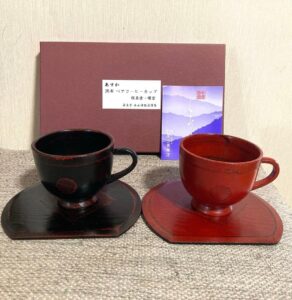 Kiso lacquer coffee cups →
The painterly side of Kiso lacquer
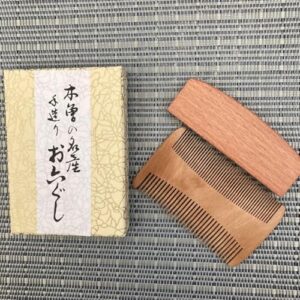 Kiso Oroku-gushi comb →
Another Kiso-valley woodcraft
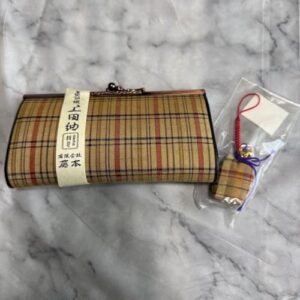 Ueda Tsumugi purse →
Nagano textile craft
Kawatsura soup bowl →
An Akita lacquer owan to compare
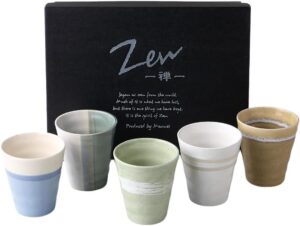 Yamanaka free cup →
Turned-wood lacquer from Ishikawa
Wajima sakazuki →
Premium Noto lacquer, for contrast
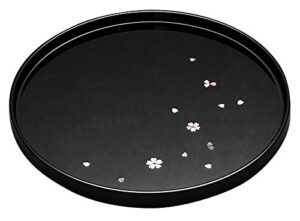 Nara raden tray →
Shell-inlay lacquer from Nara
Where this comes from — place, era, and the craft tradition

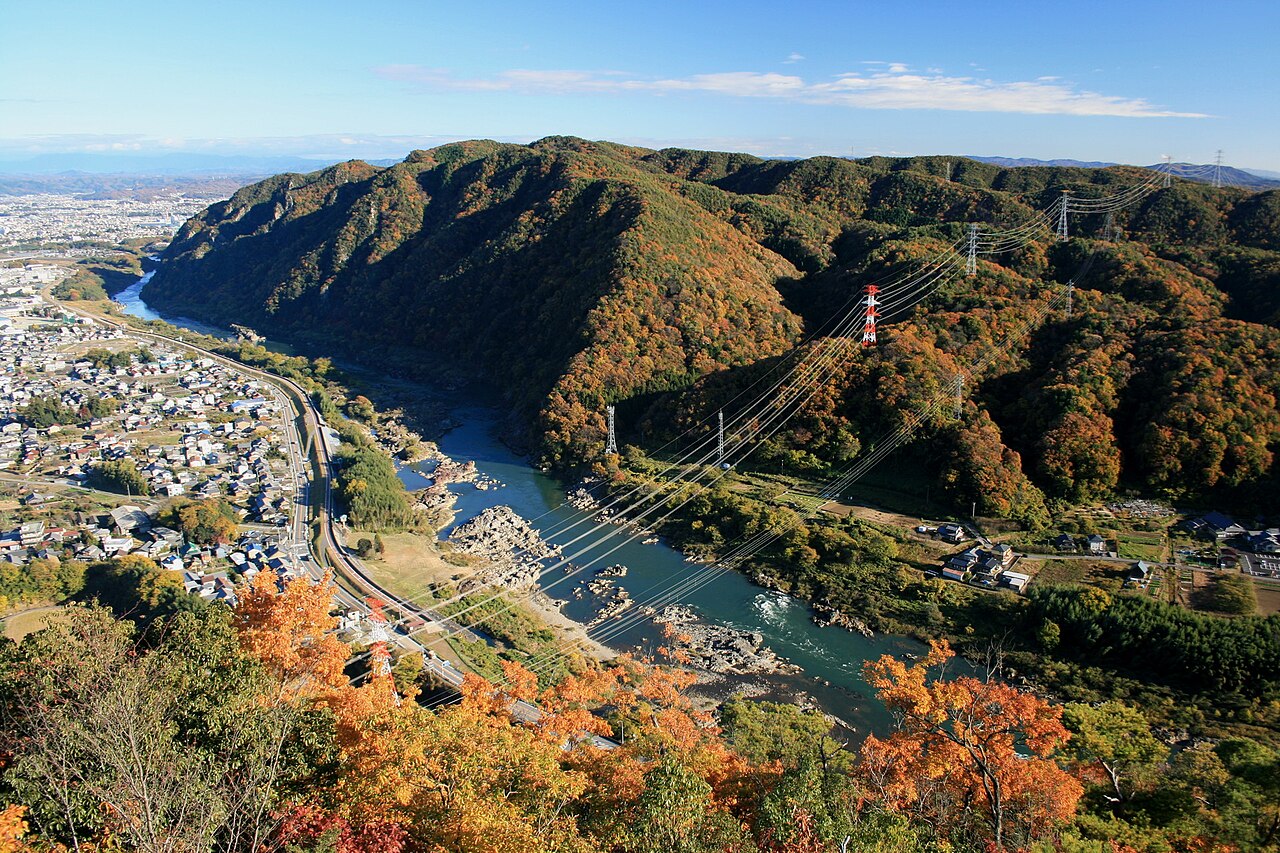
Kiso-Hirasawa is a narrow lacquer town strung along the Kiso valley in southwestern Nagano, deep in the mountainous interior of the Chūbu region. It is inland — far from both the Sea of Japan and Pacific coasts — and that isolation is the point. The valley is steep, forested, and cool, with the Kiso River running through it and dense stands of cypress on the slopes above. Wood and water were here in abundance; what the craft needed besides those was a road, and the road came.
That road was the Nakasendo, the inland highway the Tokugawa shogunate formalized in the early 1600s as one of its Five Routes linking Edo (modern Tokyo) and Kyoto. Where the great coastal Tōkaidō hugged the sea, the Nakasendo climbed through the mountains, and its post towns in the Kiso valley — Narai, Tsumago, Magome — became trading hubs. Travelers, goods, and money passed through constantly, and the lacquer workshops of Kiso-Hirasawa had a built-in market of buyers carrying their ware onward to Edo and Kyoto.
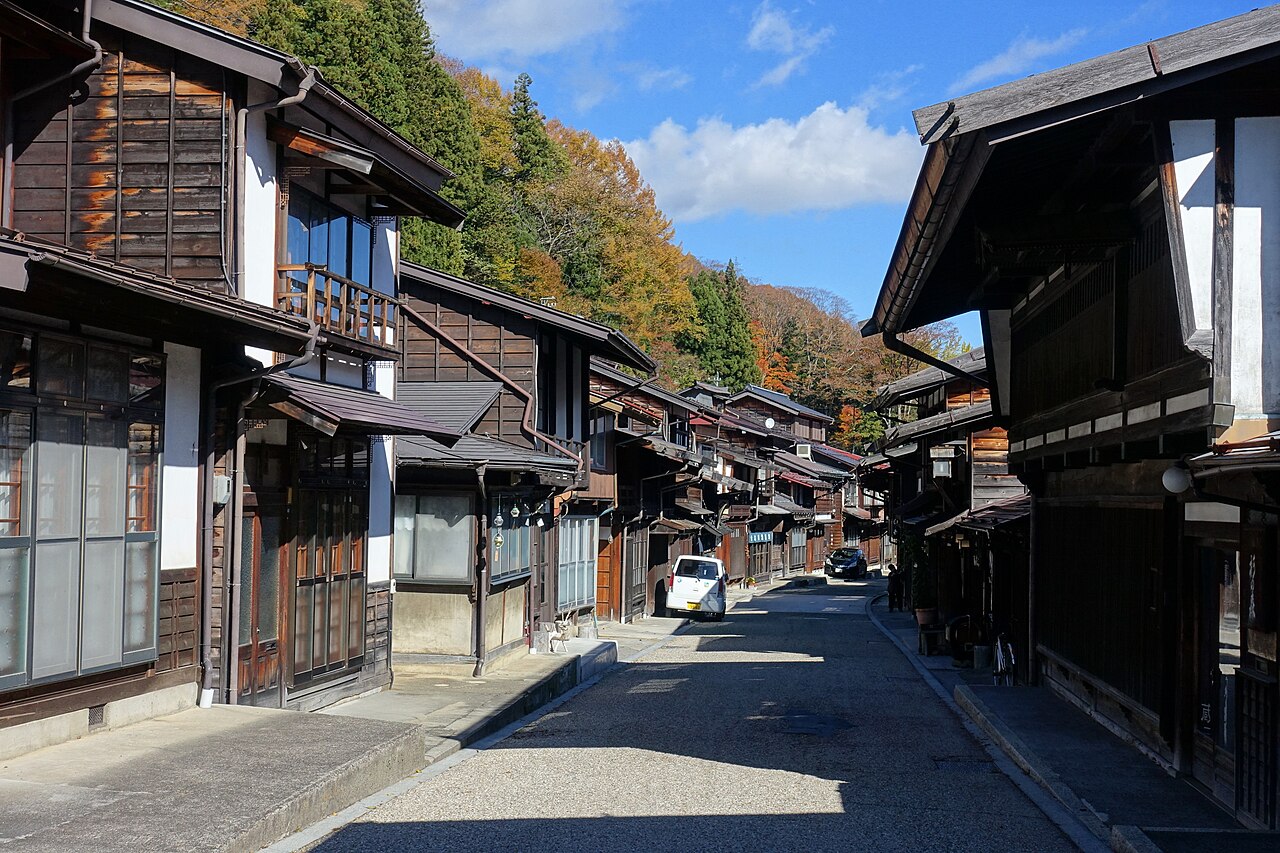
- Early 1600s — The Tokugawa shogunate formalizes the Nakasendo as one of its Five Routes, threading post towns through the Kiso valley.
- Edo period — The Owari Tokugawa branch domain protects the “kiso goboku” (five sacred trees), restricting the felling of cypress and related species.
- 17th–18th c. — Lacquer workshops cluster at Kiso-Hirasawa, serving Nakasendo travelers with durable everyday ware.
- 1975 — Kiso Shikki is designated a nationally recognized traditional craft (dentōteki kōgeihin) by Japan’s trade ministry.
- 2005 — Kiso-Hirasawa becomes part of the city of Shiojiri through a municipal merger.
- 2026 — The district remains one of Japan’s largest lacquerware production centers, still turning out everyday owan.
The valley’s cypress was not freely cut. Under the Owari domain — the Tokugawa branch house that administered the Kiso forests — felling was tightly controlled, and the “kiso goboku” rule placed five tree species, cypress chief among them, under protection. Timber was a strategic resource, floated downriver and accounted for closely. That scarcity discipline pushed local makers toward skilled, value-adding work rather than wasteful volume: turned and lacquered objects that made the most of every protected log.
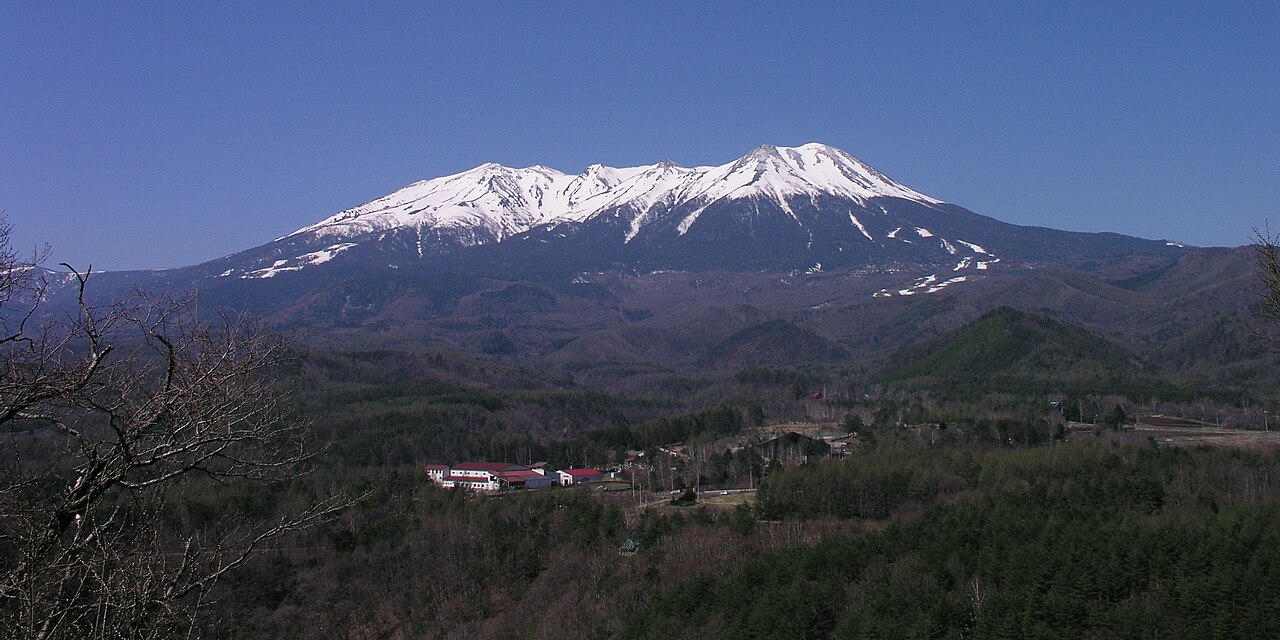
Kiso-Hirasawa had one more natural advantage: its soil. The area’s iron-rich earth, known as sabi-tsuchi (錆土, “rust earth”), made an excellent base layer for lacquering, helping the urushi grip and harden over the wood. Cypress for the body, lacquer sap from the trade network, iron-bearing earth for the undercoat, and a highway full of customers — the ingredients of a lacquer town were all in one valley.
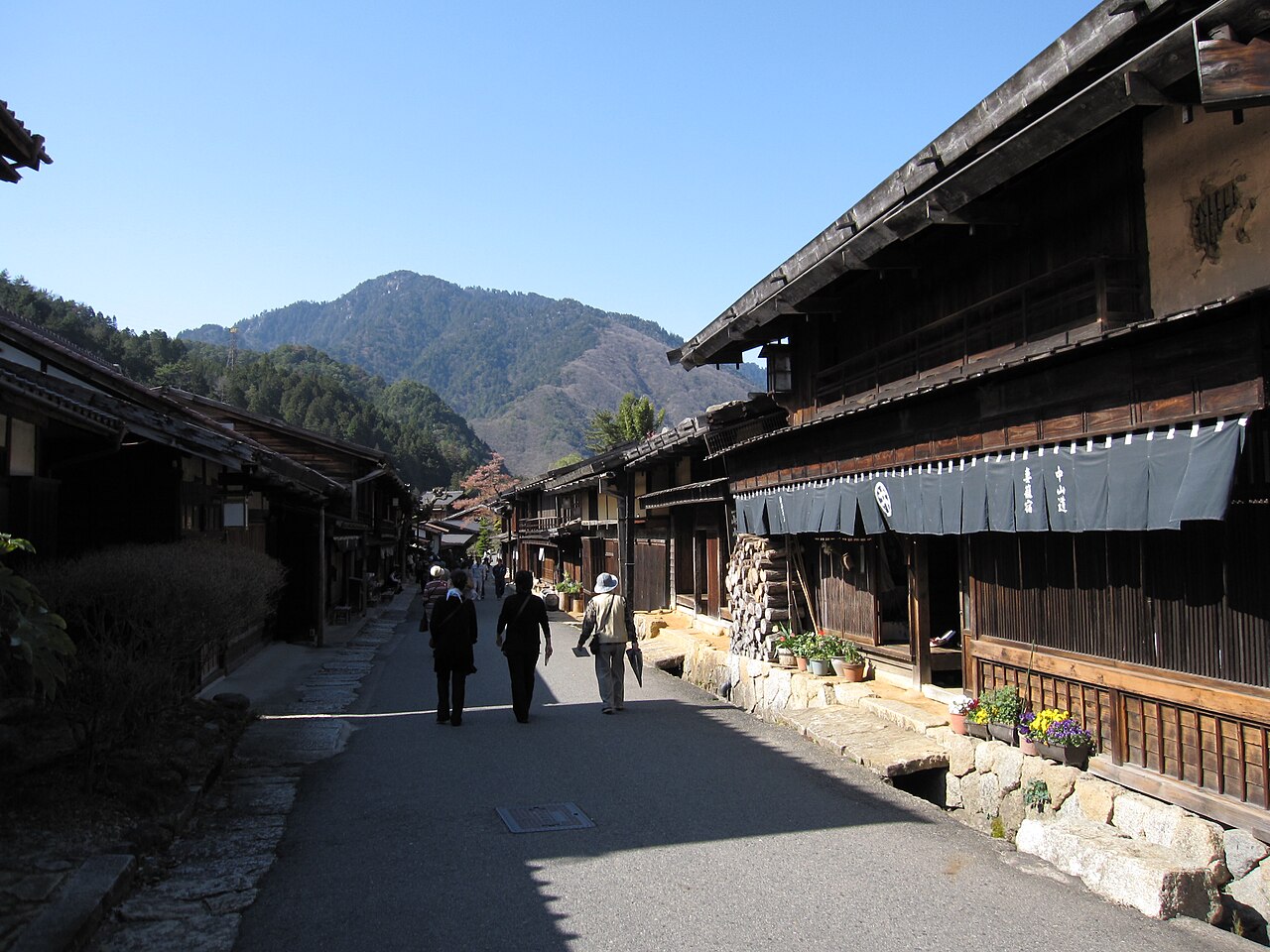
Because the customer base was ordinary travelers and households, Kiso makers specialized in sturdy, repairable everyday ware rather than aristocratic luxury. The region’s signature styles — kijiro-nuri and Kiso-shunkei, which leave the wood grain visible through translucent lacquer, and suri-urushi, wiped lacquer rubbed into the grain — all prize the wood as much as the shine. Kiso Shikki was formally recognized as a national traditional craft in 1975, and Kiso-Hirasawa remains one of the largest lacquerware production districts in Japan.
“A showpiece is admired once a year; an owan is held three times a day. In Kiso, the plain soup bowl — not the gilded box — is the most lived-with object the tradition makes.”
📦 Shipping & where to buy from outside Japan
Kiso shikki bowls are commonly sourced through specialty lacquerware retailers in Nagano and through Japan-based export platforms. The most reliable international path for many readers is the Amazon JP Global Store, which lists many household items for export and ships to most major destinations; international shipping on small, light tableware typically runs about $15–$40 to the US and EU, higher to other regions. For US and EU shoppers who would rather pay in local currency with domestic delivery, Amazon.com (US) carries comparable Japanese lacquer bowls from various makers — useful for browsing even when a specific Kiso-Hirasawa piece is not listed locally.
If the item is not currently exporting through the Global Store, proxy services (Buyee / Tenso) can forward it from a Japanese address. Note that orders above your country’s de minimis threshold may incur customs duty and import tax on arrival — a small lacquer bowl is usually well under those limits, but a multi-bowl order may not be. This is tableware, not an electrical product, so there are no voltage or certification concerns; standard hand-wash care applies in any country.
Where to buy across stores
| Store | Item / variant | Price (JPY + USD est.) | Notes |
|---|---|---|---|
| 🇺🇸 Amazon.com (US) | Browse Japanese lacquer soup bowls | varies (USD) | Best if you are shopping from the US — Prime shipping, USD pricing, no international customs. Amazon US carries Japanese lacquer and wooden bowls from various makers for comparison; this exact Kiso-Hirasawa piece is sourced from Japan (next row). |
| 🇯🇵 Amazon JP Global Store | Kiso Shikki owan | Not stated — confirm before buying | Ships internationally from Japan. This is the Japan-based store option for the bowl; confirm the current price before ordering. |
| Maker direct | Kiso-Hirasawa workshop owan | Varies by workshop | Some Kiso-Hirasawa workshops sell direct; selection and finishes vary, and most ship within Japan only. |
| Proxy services (Buyee / Tenso) | Forwards any Japan-only purchase | Item price + forwarding fee | Use if the Global Store does not export to your country; adds a service fee and a second shipping leg. |
Prices and availability fluctuate; verify at the retailer before purchasing. USD figures are approximate at a ¥150/USD baseline as of mid-2026; the JPY price is authoritative for the specific listed item.
What it does well
A turned cypress base finished in hand-applied urushi, not a molded plastic or urethane-coated shell — the genuine material tradition.
Lacquered wood stays cool enough at the rim to lift by hand and bring to the lips, the way miso soup is meant to be drunk — unlike scalding ceramic.
Kiso Shikki grew up as everyday ware for travelers and households, so the tradition favors durability and repairability over fragile decoration.
A METI-designated traditional craft (1975) from one of Japan’s largest lacquerware districts — not generic “Japanese-style” import goods.
Weaknesses and things to verify before buying
- No confirmed price is quoted here. Check the seller’s current information before committing.
- Product details are approximate. Confirm the bowl’s fit on the seller’s product page if it matters for your table.
- Not dishwasher- or microwave-safe. Urushi over wood should be hand-washed in lukewarm water and air-dried; heat cycles, prolonged soaking, and abrasive scrubbers will damage the finish over time.
- Lacquer surfaces can scratch. Metal spoons, stacking without padding, and grit can mar the urushi. It is durable for its purpose but not indestructible.
- Finish and exact maker may vary. Kiso Shikki owan covers many workshops and styles (kijiro, suri-urushi, Kiso-shunkei); the precise finish you receive should be confirmed from the seller’s own photos, not assumed.
- Real urushi vs. synthetic. Some inexpensive lacquer bowls use synthetic coatings. If genuine natural urushi matters to you, verify the material statement with the seller rather than relying on the category name.
- Sunlight and dryness. Urushi prefers humidity and dislikes prolonged direct sun and very dry air, which can dull or craze the surface; storage location matters in some climates.
Conclusion — which buyer type are you?
If you want the finest finish and named-maker pedigree, weigh this against premium Noto lacquer such as a Wajima sakazuki. Kiso is the everyday-ware specialist, not the luxury tier.
If you want one genuine wood-and-urushi miso bowl for daily meals, this Kiso Shikki owan is squarely aimed at you — sturdy, comfortable, and from a recognized district.
If price is the deciding factor, compare against other regional owan such as the Kawatsura soup bowl, and ask whether a piece uses natural urushi or a synthetic coat.
If you need dishwasher- and microwave-safe convenience or refuse hand-washing, a lacquer bowl is the wrong tool — choose glazed ceramic or melamine instead.
Other ways to approach this purchase
Global Store pricing shifts with the yen and seasonal promotions. If you are not in a hurry, watch market prices across a few weeks before buying.
Buying from a Kiso-Hirasawa workshop (often domestic-shipping only, via proxy for export) can mean wider finish choices and direct support for the craftspeople.
If you already use Amazon regularly, applying accumulated points or a rewards card to either the US or JP path can offset the cost on a small-ticket item like this.
If your kitchen routine is built around the dishwasher, accept that no real-urushi bowl fits it, and put your budget toward sturdier glazed tableware instead.
❓ Frequently Asked Questions
Does Amazon JP Global Store ship this Kiso Shikki bowl internationally?
Many small household items on the Amazon JP Global Store ship to most major destinations, with international shipping on light tableware typically around $15–$40 to the US and EU. Availability varies by country and over time, so confirm export eligibility with the retailer at checkout. If it does not ship to you, a proxy service such as Buyee or Tenso can forward it.
Is the urushi finish safe for hot miso soup?
Cured natural urushi forms a hard, water-resistant, food-safe film and has been used for soup and rice bowls for centuries. Lacquered wood also insulates better than ceramic, so the rim stays cool enough to lift by hand. Ask the seller whether a given bowl uses genuine urushi or a synthetic coating if that distinction matters to you.
Can I put it in the dishwasher or microwave?
No. Urushi over wood should be hand-washed in lukewarm water with a soft sponge and air-dried. Dishwashers, microwaves, prolonged soaking, and abrasive scrubbers can damage the finish and the wooden base over time. If you need dishwasher convenience, glazed ceramic or melamine is a better fit.
How is Kiso Shikki different from Wajima or Kawatsura lacquerware?
Kiso Shikki, from Kiso-Hirasawa in Nagano, grew up as durable everyday ware along the Nakasendo highway, often showcasing the wood grain through translucent finishes such as kijiro and Kiso-shunkei. Wajima-nuri from Noto is known for a more elaborate, premium multi-layer process, while Kawatsura from Akita is another sturdy everyday tradition. For comparison, see our Kawatsura and Wajima guides linked in this article.
Why is no price shown in this article?
Structured specifications for Kiso shikki bowls vary by piece, and this site does not fabricate figures. Prices depend on the seller and current market; JPY is the reference currency for Japanese-market pieces, while any USD figure is an estimate at roughly ¥150/USD as of mid-2026.
How do I care for a lacquer soup bowl day to day?
Wash by hand soon after use, dry with a soft cloth or air-dry, and avoid leaving it soaking or sitting in direct sunlight for long periods. Urushi prefers some humidity and dislikes very dry air and heat. Treated this way, a wood-and-urushi bowl can last for many years and can often be re-lacquered if the surface wears.
jpmono.com is curated by a Japan-based editorial team (working out of Toyama in the Hokuriku region and Nara in Kansai) and is independent. We don’t take payment from the makers we feature; income comes from affiliate links. Read more about our editorial standards.
Note on production: this article was drafted with AI assistance and reviewed against maker and craft information before publication. Specifications, pricing, and availability can change after the writing date, so confirm current details with a retailer.
Affiliate disclosure: jpmono.com may earn a commission on qualifying purchases made through links on this page, at no additional cost to you.