![Kawaguchi Imono Cast Iron Sukiyaki Nabe: Saitama Iron Casting, Where to Buy [2026]](https://jpmono.com/wp-content/uploads/2026/05/japan-map-regions-and-prefectures-800x1050.png)
A cast iron sukiyaki nabe is a deceptively simple object: a heavy, thick-walled pot meant to sit in the middle of the table, hold a steady simmer, and outlast the people who bought it. This one comes from Kawaguchi (川口), the iron-casting town on the south bank of the Arakawa River in Saitama Prefecture, just north of Tokyo. Kawaguchi imono (川口鋳物, “Kawaguchi casting”) is one of the Kantō region’s oldest metal trades, and it is recognized today as a Saitama traditional craft.
What makes cast iron worth the weight is thermal behavior. Thick iron walls heat slowly and then hold that heat evenly across the base and sides, which is exactly what a tabletop hot pot needs — a gentle, stable simmer for sukiyaki, oden, or shabu-shabu, and enough stored heat to sear thin-sliced beef the moment it touches the metal. The trade-off is heft and care: this is not a pot you toss in a dishwasher.
This guide is written for international readers deciding whether a Kawaguchi-made cast iron nabe is worth sourcing from Japan. We cover who it suits and who should pass, the published specifications (and where the available data is genuinely thin), the place and history behind the craft, an honest list of weaknesses, and the two purchase paths — Amazon US search and the Amazon JP Global Store — with current shipping caveats.
🔄 Updated:
⏱ ≈ 13 min read
- Who this is for — and who should skip it
- Product overview (from published specs)
- How does it compare?
- Where this comes from — place, era, and the craft tradition
- Where to buy across stores
- What it does well
- Weaknesses and things to verify before buying
- Conclusion — which buyer type are you?
- Other ways to approach this purchase
- ❓ Frequently Asked Questions
Who this is for — and who should skip it
- Host tabletop sukiyaki, oden, or shabu-shabu and want a pot that holds an even simmer
- Value slow, stable heat and strong retention over fast response
- Cook on gas or IH (induction) — cast iron suits both
- Want a maker’s-mark piece with verifiable regional heritage, not a generic import
- Are willing to dry and lightly oil the pot after each wash to prevent rust
- Want something light to lift, store, and hand-wash quickly
- Expect dishwasher-safe, zero-maintenance cookware
- Need fast temperature changes (cast iron is deliberately slow)
- Are buying for a single-portion cook — a tabletop nabe is sized to share
- Need confirmed dimensions and weight before purchase (the available data is thin — see below)
Product overview (from published specs)
Kawaguchi imono nabe vary in size, wall thickness, and finish from maker to maker, and live pricing was not standardized at the time of writing. The table below states only what is supported by the general characteristics of Saitama iron-casting sukiyaki pots and the maker category; fields that are not confirmed for a specific piece are marked rather than guessed.
| Attribute | Detail |
|---|---|
| Item | Cast iron sukiyaki / tabletop nabe (鍋, “pot”) |
| Material | Cast iron (imono, sand-mold casting) |
| Origin | Kawaguchi, Saitama Prefecture (Kantō) — Saitama traditional craft |
| Heat sources | Gas and IH (induction) compatible |
| Best use | Tabletop sukiyaki, oden, shabu-shabu; searing on stored heat |
| Dimensions / capacity | Not stated — confirm before buying |
| Weight | Not stated — confirm before buying |
Sources: Amazon US search (primary, tag moonill-20) + Amazon JP Global Store (secondary) + maker category. Prices and stock fluctuate; verify current details with the seller before buying.
📖 Glossary — Japanese craft terms used here
- imono (鋳物) — “cast metal,” objects made by pouring molten iron into a mold. Kawaguchi imono is the casting tradition of Kawaguchi, Saitama.
- sunagata / sand mold (砂型) — a one-use mold packed from casting sand and clay, the method historically used in Kawaguchi.
- kyupora (キューポラ, cupola furnace) — the vertical melting furnace whose chimneys once defined Kawaguchi’s skyline.
- nabe (鍋) — a pot; also the name for one-pot dishes cooked at the table.
- sukiyaki (すき焼き) — thin-sliced beef and vegetables simmered tableside in a sweet-savory sauce.
- shokunin (職人) — a skilled trade artisan; here, the foundry casters who pour and finish the iron.
How does it compare?
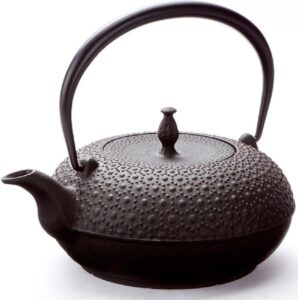
Related Japanese metalwork and craft pieces we have covered — for comparing material, region, and price tier.
Where this comes from — place, era, and the craft tradition

Kawaguchi sits on the south bank of the Arakawa River in southern Saitama, directly across the water from the area that became Edo — modern Tokyo. That position is the whole story. The Arakawa supplied molding sand and clay for sand molds, and it gave foundries a direct water route to carry finished goods downstream into the capital.
When the Tokugawa shogunate established Edo as the seat of government in 1603, the new city’s appetite for ironware was enormous. Kawaguchi’s foundries answered it. Through the Edo period they cast kettles, pots, agricultural tools, temple bells, and Buddhist statuary, and Kawaguchi-area cast iron items moved into households across the capital.
- 1603 — The Tokugawa shogunate makes Edo the seat of government; the new capital’s demand for ironware reaches nearby foundry towns.
- Edo period — Kawaguchi, on the Arakawa’s south bank, casts kettles, pots, farm tools, temple bells, and Buddhist statuary, shipping goods downriver into Edo.
- Meiji era (1868–1912) — Cupola (kyupora) furnaces rise over the town, marking its shift toward large-scale industrial casting.
- 1962 — The film Kyupora no aru machi (“Foundry Town”), starring Sayuri Yoshinaga and based on a postwar novel, fixes Kawaguchi’s foundry skyline in the national imagination.
- Late 20th c. — Kawaguchi imono is recognized as a Saitama traditional craft; workshops continue sand-mold casting of cookware and ironware.
- 2026 — Sand-mold casting of cookware and ironware continues in Kawaguchi-area workshops.
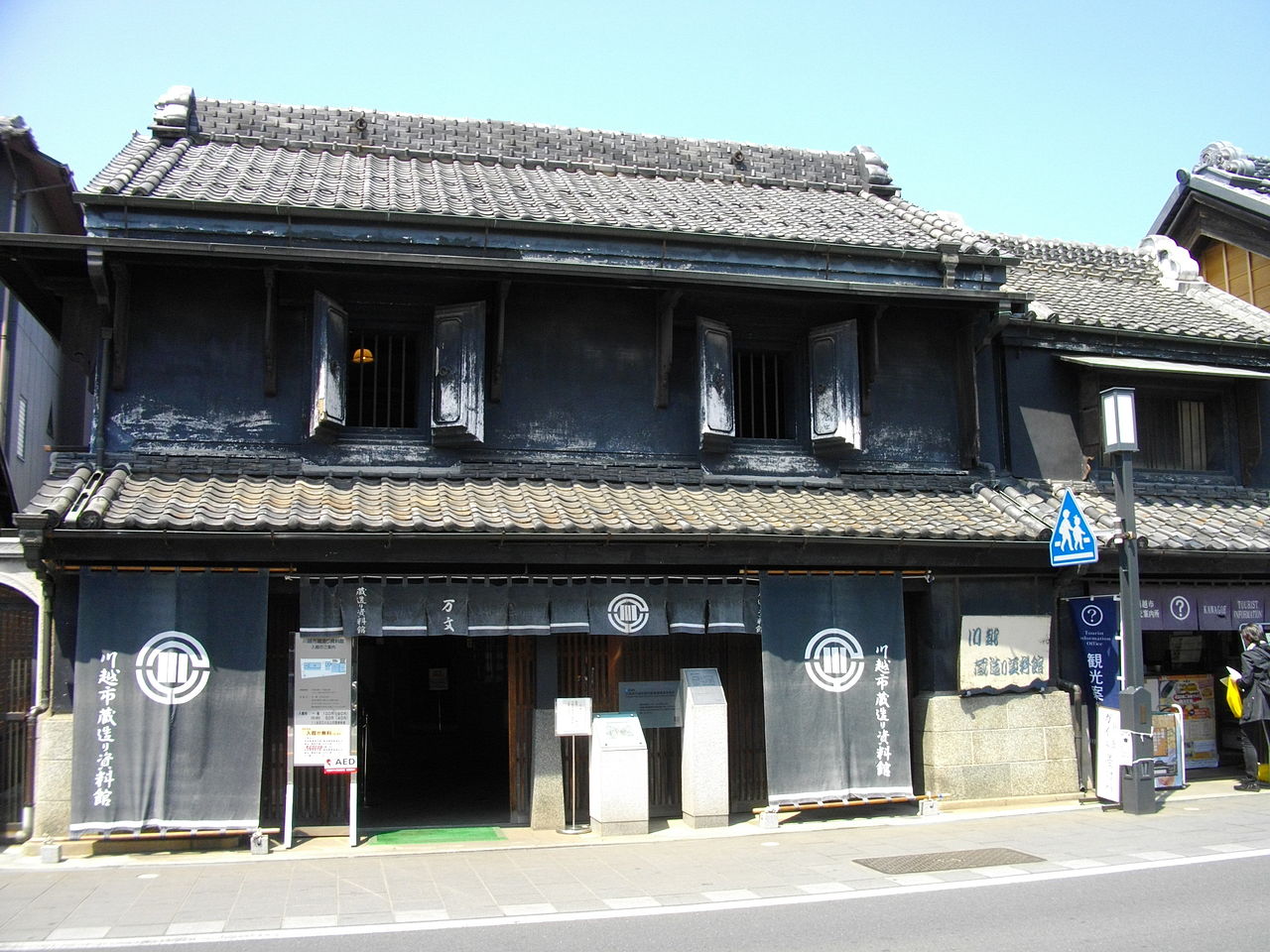
The casting trade became part of Saitama’s identity, not just its economy. Kawaguchi’s foundry character entered national culture through the 1962 film Kyupora no aru machi (“Foundry Town”), named for the cupola furnaces — kyupora — whose chimneys once defined the town’s skyline. For a generation of viewers, “Kawaguchi” simply meant iron.
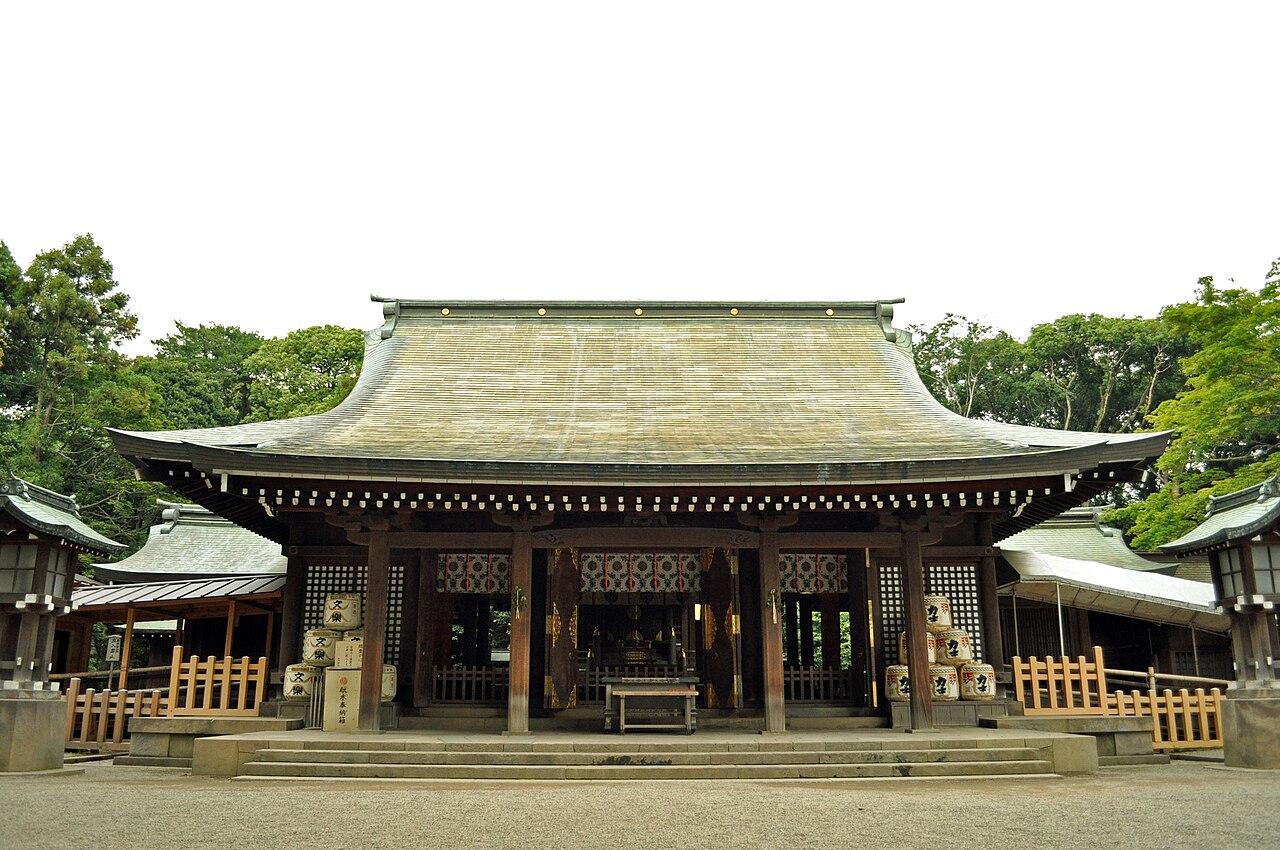
Saitama was the heart of the old Musashi province, and the region’s temples and households were a natural early market for Kawaguchi’s cast bells, kettles, and tools. The craft endured the shift from hand foundries to industry and back toward heritage production, and today Kawaguchi imono remains a recognized Saitama traditional craft, with workshops still pouring iron into sand molds.
“The Arakawa gave Kawaguchi two things at once — the sand to make the molds and the current to carry the iron into Edo. The town’s whole craft grew out of a river.”
For a tabletop nabe, this lineage matters in a practical way. A pot from this tradition is built to the same logic as a temple bell or an Edo-household kettle: thick walls, even heat, and a working life measured in decades rather than seasons.
Where to buy across stores
JPY is generally the reference currency for Japanese-market pieces; USD figures are approximate estimates at a ¥150/USD baseline as of mid-2026. Live pricing can change, so confirm the current amount with a seller before purchasing.
| Store | Item / Variant | Price | Notes |
|---|---|---|---|
| 🇺🇸 Amazon US (search) | Browse Japanese cast iron nabe & hot pots | varies (USD) | Best if you’re shopping from the US — Prime shipping, USD pricing, no international customs. Amazon US carries cast iron nabe and Japanese cookware from various makers; the exact Kawaguchi piece ships from Japan (next row). |
| 🇯🇵 Amazon JP Global Store | This exact Kawaguchi cast iron nabe | Check the current price in JPY | Ships internationally from Japan to most major destinations. This is where the specific item is sourced. |
| Maker direct | Kawaguchi foundry / workshop lines | Varies | Some Kawaguchi workshops sell domestically; international shipping is often limited. Verify before ordering. |
| Proxy services (Buyee / Tenso) | Forwarding from JP-only sellers | Item + fees | Useful when a Japan-based seller will not ship abroad directly; adds a forwarding fee and a second shipping leg. |
Prices in USD are approximate and depend on the current exchange rate. Always verify the live price at the retailer before purchasing.
What it does well
Weaknesses and things to verify before buying
- Product details are not stated here. Cast-iron nabe vary widely in form; confirm that it fits your table and burner before buying.
- It is heavy. Cast iron’s strengths come from mass. Lifting a full tabletop pot, and storing it, takes more effort than aluminum or stainless.
- Rust care is required. Cast iron must be dried thoroughly and lightly oiled after washing. It is generally not dishwasher-safe; treat it as a maintained tool, not a disposable pan.
- Slow to change temperature. The same mass that gives even heat makes the pot slow to heat up and slow to cool — fine for nabe, less so for quick high-heat tasks.
- Enamel vs. bare iron is unconfirmed. Care differs significantly between the two, so check the seller’s material description.
- Live price was unavailable at the time of writing. Only the Amazon JP Global Store path is confirmed as the source; verify the current JPY price and international shipping cost before ordering.
Conclusion — which buyer type are you?
Other ways to approach this purchase
❓ Frequently Asked Questions
Does Amazon JP ship this cast iron nabe internationally?
The Amazon JP Global Store ships many household items worldwide to most major destinations. Cast iron is heavy, so shipping cost is meaningful — confirm the rate to your country before ordering, and check your local customs threshold.
Can I use it on an induction (IH) cooktop?
Yes. This nabe is gas and IH (induction) compatible, which is typical for solid cast iron.
How do I care for a cast iron nabe?
Wash it, dry it thoroughly, and apply a thin film of oil to prevent rust. It is generally not dishwasher-safe. Cast-iron nabe come in both bare-iron and enamel-coated finishes, so check each maker’s description — care differs between the two.
What is Kawaguchi imono?
Kawaguchi imono (川口鋳物) is the cast iron tradition of Kawaguchi, Saitama, on the Arakawa River north of Tokyo. From the Edo period its foundries supplied the capital with kettles, pots, tools, temple bells, and statuary. It is recognized today as a Saitama traditional craft.
What size and weight is it?
The exact dimensions, capacity, and weight are not stated here. Cast iron nabe vary widely, so check these figures in the maker’s current product information to be sure the pot fits your table and burner.
How does it compare to a Nanbu tetsubin or a ceramic donabe?
A Nanbu tetsubin (Iwate) is a cast iron kettle for boiling water, not a cooking pot; a ceramic donabe is lighter and gentler but more fragile. A cast iron nabe sits between them: heavier and more heat-retentive than ceramic, and built for tabletop cooking rather than the stove-top kettle role.
jpmono.com is curated by a Japan-based editorial team (working out of Toyama in the Hokuriku region and Nara in Kansai) and is independent. We don’t take payment from the makers we feature; income comes from affiliate links. We don’t physically test every product — we read maker specifications and supporting sources.
This article was prepared with AI assistance and reviewed against available product information. Specifications, prices, and availability should be confirmed with the retailer before purchase.
Affiliate disclosure: jpmono.com may earn a commission on qualifying purchases made through links on this page, at no additional cost to you.