![Miyajima-yaki Osunayaki Guinomi: Itsukushima Sacred-Sand Sake Cup, Where to Buy [2026]](https://jpmono.com/wp-content/uploads/2026/06/miyajima-yaki-osunayaki-guinomi-where-to-buy-2026-featured.jpg)
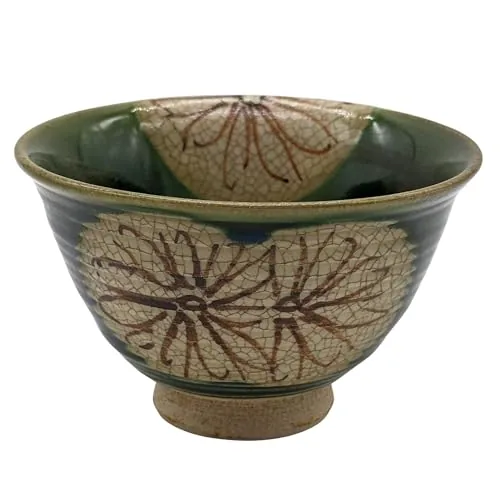
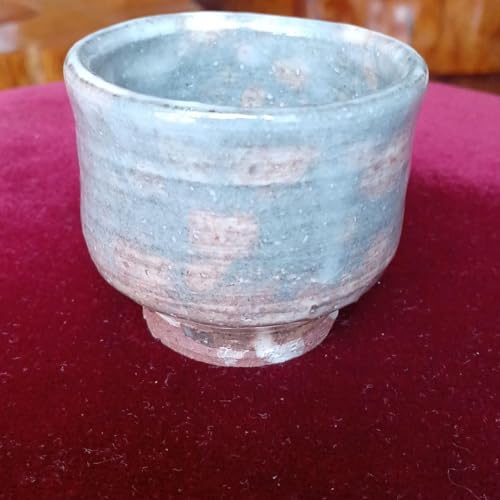
A guinomi (ぐい呑み, a small, deep sake cup) is one of the most personal objects in a Japanese household — the vessel you reach for on a quiet evening. The cup in this guide belongs to a tradition with an unusual claim: its clay literally contains the precincts of one of Japan’s most famous shrines. Miyajima-yaki (宮島焼, “Miyajima ware”), also known as Itsukushima-yaki or Osunayaki (お砂焼き, “sacred-sand ware”), is the island pottery of Hiroshima, made on and around Miyajima, the island that holds Itsukushima Shrine and its great floating torii gate.
What makes it notable internationally is the origin story embedded in the material itself. During the Edo period, pilgrims to Miyajima practiced osuna / osuna-gaeshi — receiving a small amount of sacred sand from beneath the shrine to carry home for safe travel, then returning it on a later visit. Late-Edo potters formalized this devotion by kneading that shrine sand into their clay, so that each finished piece carries a trace of Itsukushima itself. Many pieces are then marked with momiji (紅葉, the maple leaf), the island’s emblem.
This guide covers one specific listing — a momiji-marked osunayaki guinomi sourced from Amazon Japan’s Global Store — and the comparison axes that matter for an international buyer: what the craft actually is, who it suits, how to buy it from outside Japan, and how it sits against other Japanese sake cups we have covered. Written from a Japan-based editor’s perspective, working out of Toyama and Nara.
🔄 Updated:
⏱️ Read time: ~12 min
- Who this is for — and who should skip it
- Product overview (from published specs)
- 📍 Where this comes from — place, era, and the craft tradition
- Price snapshot across stores
- What it does well
- Weaknesses and things to verify before buying
- Conclusion — which buyer type are you?
- Other ways to approach this purchase
- 🏆 Editor’s Pick
- ❓ Frequently Asked Questions
Who this is for — and who should skip it
- Want a sake cup with a genuine, verifiable cultural backstory rather than generic “Japanese style” goods
- Are drawn to Itsukushima Shrine, the floating torii, or Hiroshima travel memories
- Appreciate small, handmade pottery where each piece differs slightly
- Are buying a gift that carries meaning — a wedding, retirement, or housewarming
- Enjoy nihonshu (Japanese sake) cold or at room temperature and like a small, focused cup
- Need an exact color, size, or finish — handmade pieces are not uniform
- Want a large cup or a full tumbler; a guinomi holds only a few sips
- Expect dishwasher- and microwave-proof durability with no care required
- Are price-shopping for the cheapest “sake cup set” — this is a single artisanal piece
- Cannot accept that international shipping, customs, and lead time apply
Product overview (from published specs)
Available data for this specific listing is thin: only the Amazon JP Global Store listing snapshot is available, and live pricing may have shifted since the writing date. The Amazon US search returned no individual listing for this exact item, which is normal for handmade Japanese craft. The table below states what is confirmed and marks the rest for verification on the listing.
Miyajima-yaki Osunayaki Guinomi
宮島 御砂焼 川原陶斎 ぐい飲み
通常9~10日以内に発送します。 · Sold by 島山オンラインショップ · ASIN B0F1LTWGD2
Price and availability as of 2026-08-31 02:30 JST. The Amazon listing at the time of purchase is authoritative. jpmono.com earns a commission on qualifying purchases at no extra cost to you.
| Attribute | Detail (per listing / data_notes) |
|---|---|
| Craft | Miyajima-yaki / Osunayaki (Itsukushima-yaki), Hiroshima island pottery |
| Form | Guinomi — small, deep sake cup |
| Material | Fired clay blended with sacred sand from beneath Itsukushima Shrine |
| Decoration | Momiji (maple) motif, the island’s emblem |
| Capacity / dimensions | Unconfirmed — check the listing (guinomi are typically a few sips) |
| Origin | Miyajima area, Hatsukaichi City, Hiroshima Prefecture |
| ASIN | B0F1LTWGD2 (Amazon JP Global Store) |
| Sources | Amazon US search (primary, moonill-20) · Amazon JP Global Store (secondary, moonill-22, sourced listing) · maker direct where available |
📖 Glossary — key terms
Osunayaki (お砂焼き, “sacred-sand ware”) — pottery whose clay is mixed with sand taken from beneath a shrine; at Miyajima, the sand comes from the Itsukushima Shrine precincts.
Osuna / osuna-gaeshi (お砂・お砂返し) — the Edo-period custom of receiving sacred sand from the shrine for safe travel and later returning it (“osuna-gaeshi”) as an act of thanks.
Guinomi (ぐい呑み) — a small, deep sake cup, larger than an ochoko but smaller than a tumbler; named for drinking sake in a single confident sip.
Momiji (紅葉) — the Japanese maple leaf, the emblem of Miyajima, echoing the island’s Momijidani (“maple valley”).
Nihon Sankei (日本三景, “Three Views of Japan”) — the classical trio of celebrated scenic sites: Matsushima, Amanohashidate, and Miyajima.
Aki / Asano clan — Aki was the old province covering western Hiroshima; the Asano clan governed the Hiroshima domain through the Edo period, the era in which osunayaki took shape.
Related guides on jpmono.com — other Hiroshima crafts, other Chūgoku-region pottery, and comparable Japanese sake cups.
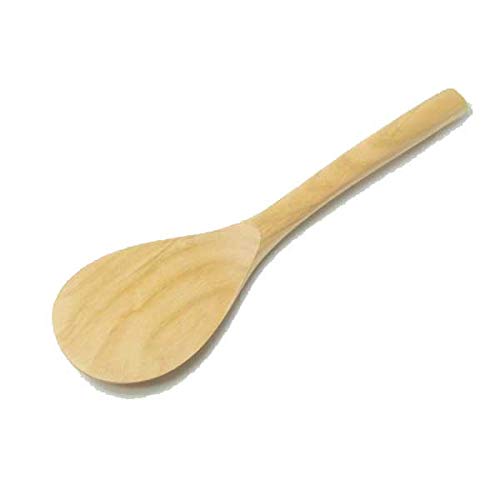 Miyajima Shamoji rice scoopSame island, the other famous Miyajima craft
 Kumano Fude brushes (Hiroshima)Hiroshima’s other world-class craft
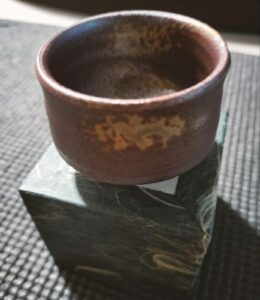 Tamba Tachikui-yaki guinomiAnother guinomi, a different kiln tradition
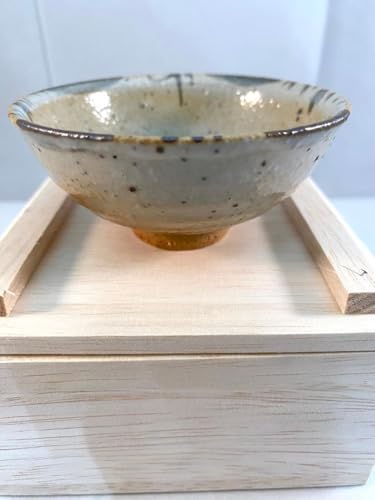 Karatsu E-Garatsu guinomiPainted Kyushu sake cup for comparison
Bizen Ware beer mug (Chūgoku)Neighboring Chūgoku pottery tradition
 Shiro-Satsuma sake cupA refined Kyushu sake cup alternative
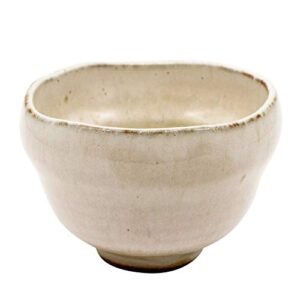 Shodai-yaki yunomiGlaze-flow folk pottery cup
📍 Where this comes from — place, era, and the craft tradition

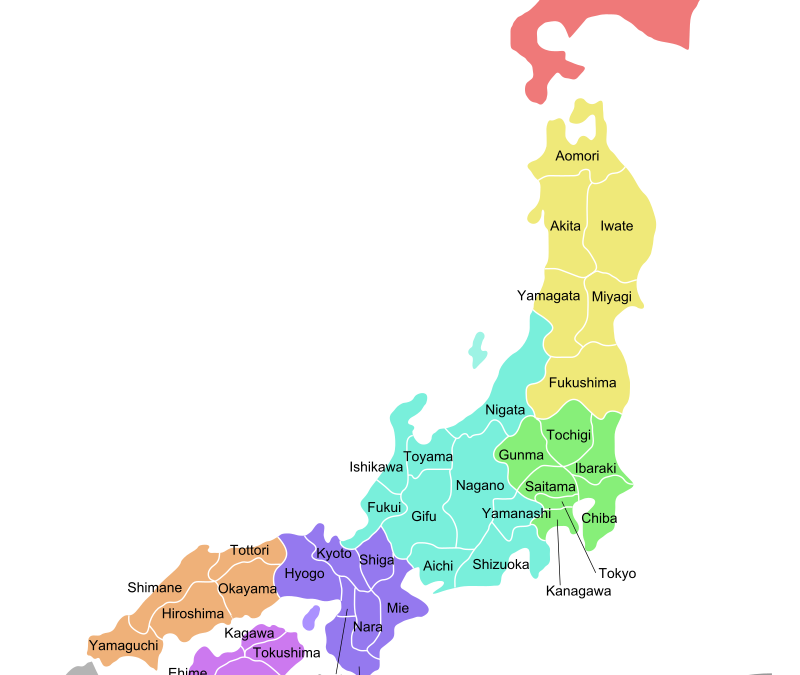
Miyajima — formally Itsukushima — is a small, mountainous island in Hiroshima Bay, part of the Seto Inland Sea that separates Honshu from Shikoku. It belongs to Hatsukaichi City in Hiroshima Prefecture, in the Chūgoku region at the western end of Honshu. The island is dominated by Mount Misen, a sacred peak long held to be the dwelling of the island’s deity, and its lower slopes hold Momijidani, the “maple valley” that gives the island its autumn fame.
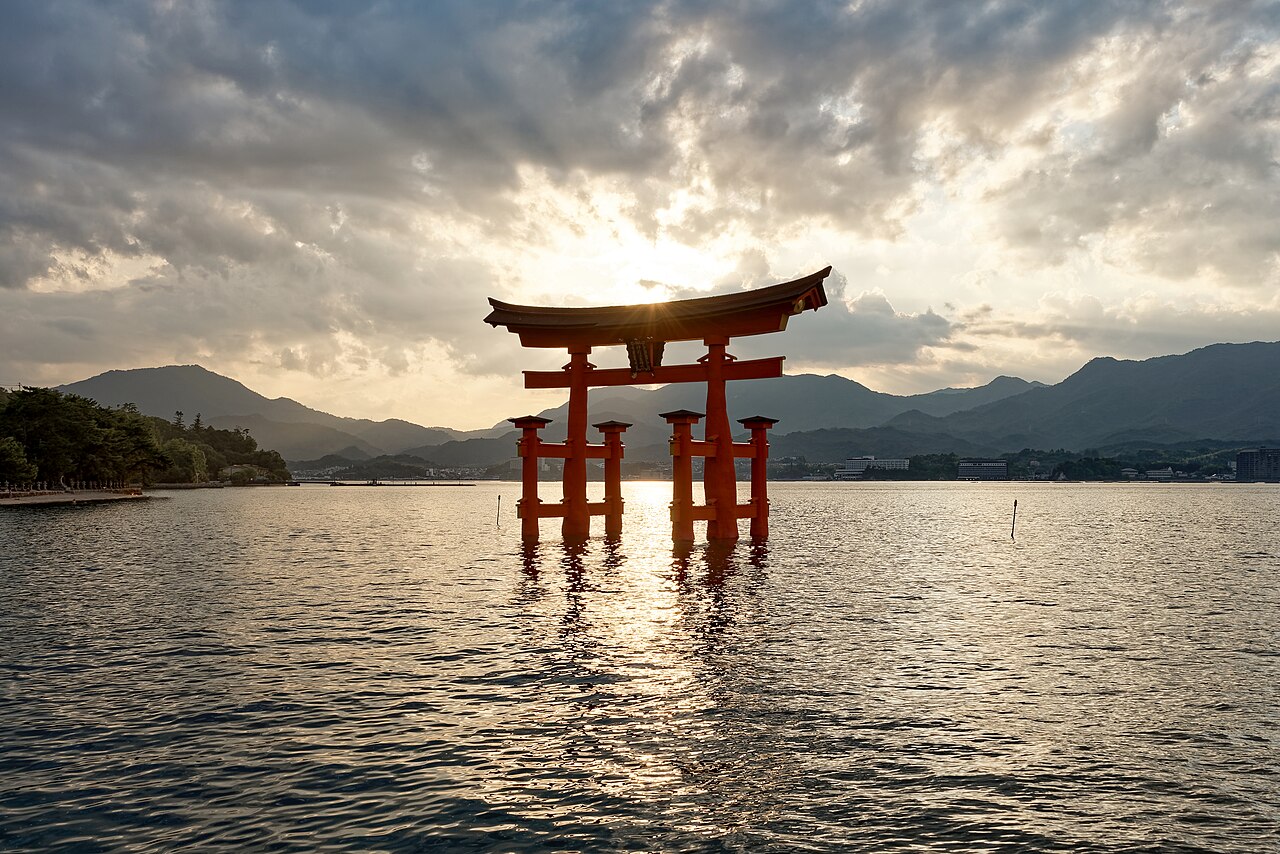
The island has been treated as sacred ground for centuries. Itsukushima Shrine, traditionally said to have been founded in 593 and rebuilt into its grand over-water form under Taira no Kiyomori in the twelfth century, stands on stilts over a tidal flat so that at high tide both the shrine and its vermilion torii appear to float. The shrine and its forested backdrop were inscribed as a UNESCO World Heritage site in 1996, and Miyajima is counted among the Nihon Sankei — the classical Three Views of Japan.
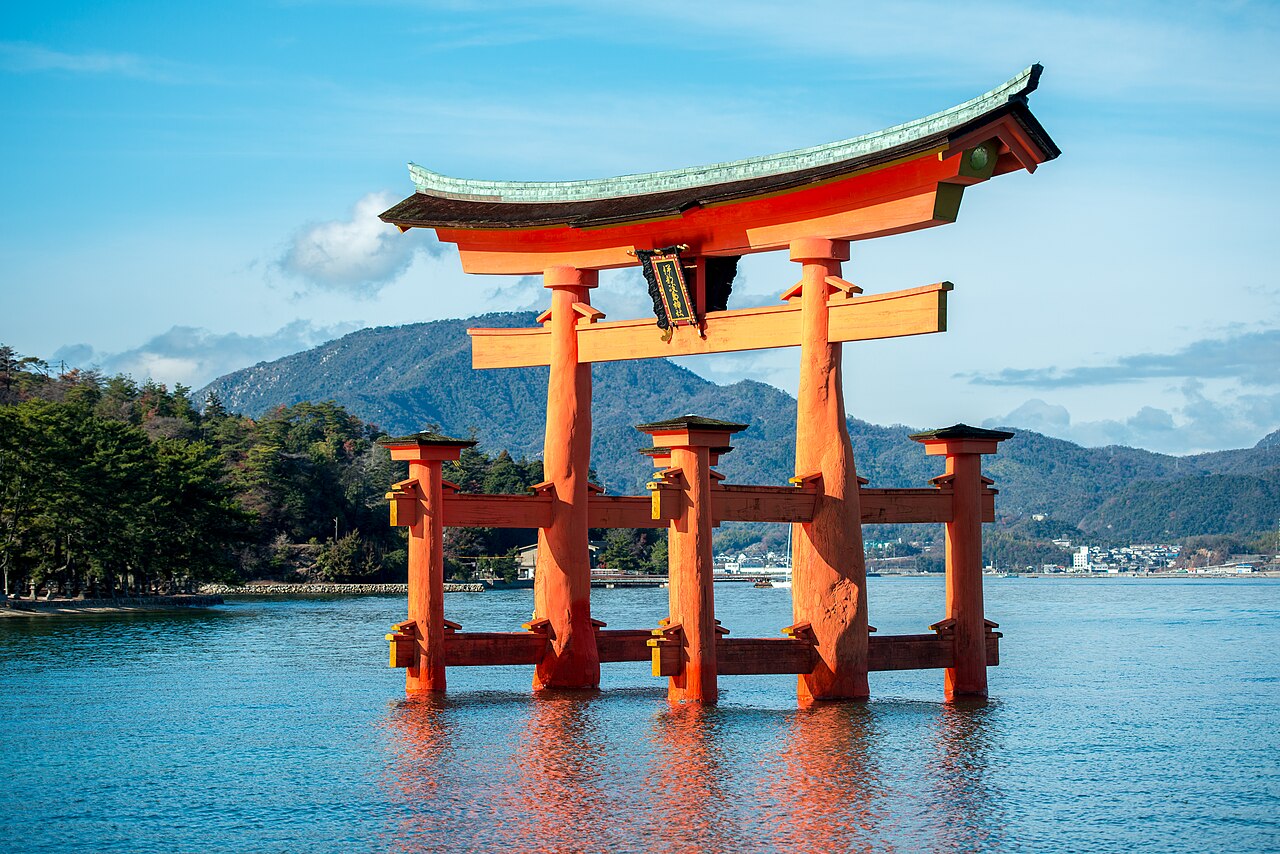
The pottery grew directly out of pilgrimage. During the Edo period, visitors practiced osuna and osuna-gaeshi: they received a small amount of sacred sand from beneath the shrine to carry home as a protective charm for travel, then returned it on a subsequent pilgrimage. In the early-to-mid 1800s, potters of the Kawahara / Tōsai lineage formalized this devotion into a craft, kneading the shrine’s sand into their working clay. The result was a ware that, quite literally, holds a trace of Itsukushima in every piece. The area was governed through the Edo period by the Asano clan of the Hiroshima domain, in what was then Aki province.
- 593 — Itsukushima Shrine traditionally founded on Miyajima.
- 1168 — Taira no Kiyomori rebuilds the shrine in its grand over-water form.
- Edo period — Pilgrims practice osuna / osuna-gaeshi, carrying sacred sand home and returning it.
- early–mid 1800s — Kawahara / Tōsai-lineage potters knead shrine sand into clay; Osunayaki takes shape.
- 1996 — Itsukushima Shrine inscribed as a UNESCO World Heritage site.
- 2026 — Kilns on and near Miyajima still produce momiji-marked osunayaki.
“A pilgrim once carried the shrine’s sand home in a paper packet. The potter carried it into the clay — so the cup itself became the keepsake.”
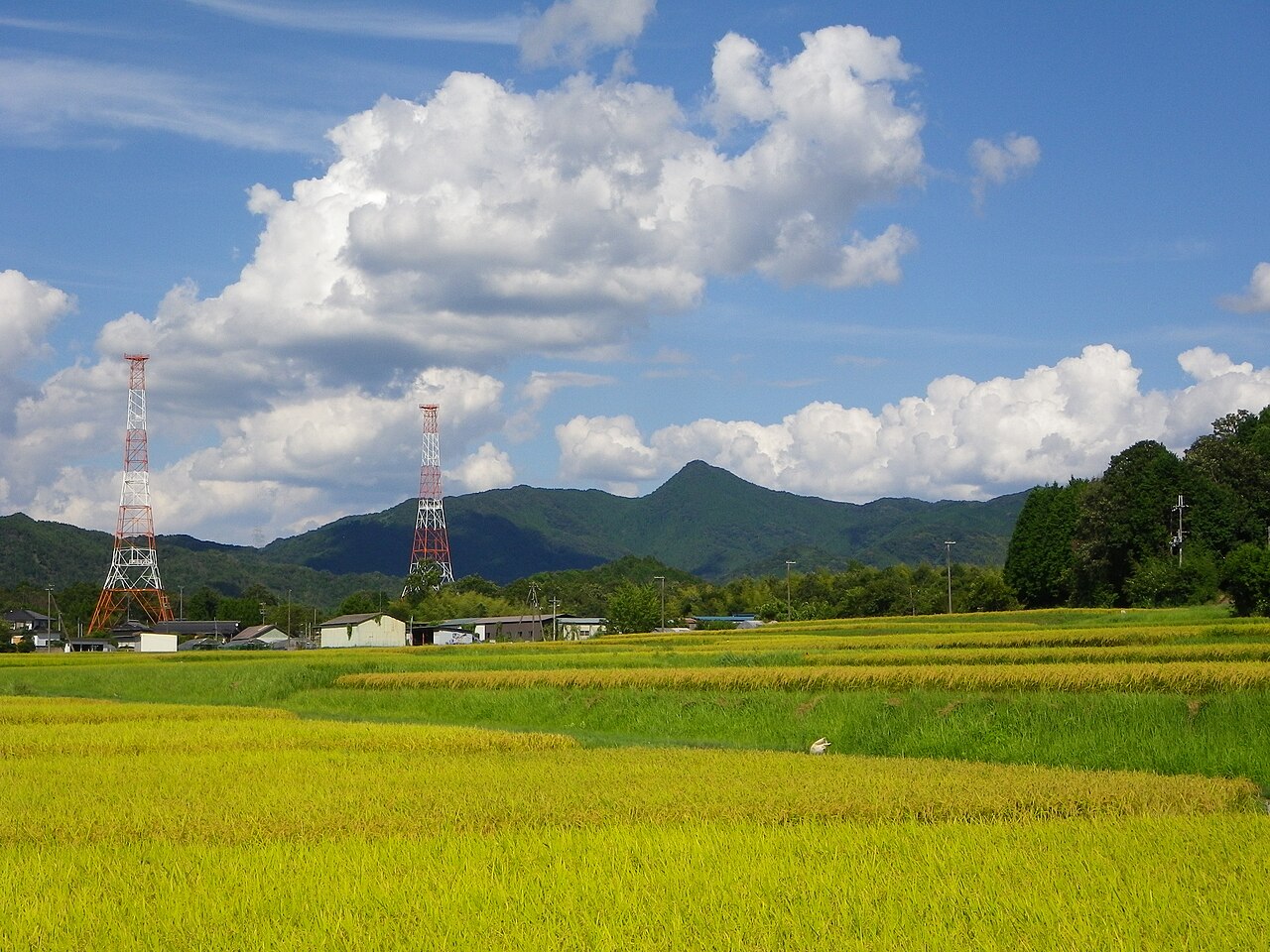
What “still being made here” means is modest but real. Miyajima-yaki was never a mass industry on the scale of Arita or Seto; it has always been a small, locally rooted ware, and only a handful of kilns continue the osunayaki tradition today, alongside the island’s better-known crafts — the Miyajima shamoji (rice scoop) and, on the Hiroshima mainland, Kumano fude brushes. The momiji marking that appears on many pieces is not a tourist flourish but the island’s own emblem, tying the cup to Momijidani and the maples that turn the slopes of Misen scarlet each autumn.
For a sake drinker, the cup also fits a season and a setting. A small guinomi suits cold or room-temperature nihonshu sipped slowly, and Hiroshima itself is a sake region — the Saijō district east of the city is one of Japan’s noted brewing centers. A cup that carries the island’s sand and its maple leaf is, in a quiet way, a piece of Hiroshima you can hold while you drink.
Price snapshot across stores
Pricing data for this specific listing is limited. Only the Amazon JP Global Store listing was available at the time of writing, and live pricing may have shifted since. JPY is the authoritative price; any USD figures are approximate estimates at a ¥150/USD baseline as of mid-2026.
| Store | Item / variant | Price (JPY → USD est.) | Notes |
|---|---|---|---|
| 🇺🇸 Amazon.com (US) | Browse Japanese sake cups & guinomi | varies (USD) | Best if you are shopping from the US — Prime shipping, USD pricing, no international customs. Amazon US carries many Japanese sake cups and guinomi for comparing shape and price tiers; this exact Miyajima-yaki piece is sourced from Japan (next row). |
| Amazon JP Global Store | This exact osunayaki guinomi (ASIN B0F1LTWGD2) | Check listing — price unconfirmed | The sourced listing for this guide. Ships internationally from Japan to most major destinations. Verify current price and stock on the listing. |
| Maker direct | Kiln / island shop pieces | varies | Some Miyajima kilns and island shops sell directly; most do not ship internationally. Best for in-person buyers visiting Hiroshima. |
| Proxy services (Buyee / Tenso) | Japan-only listings forwarded abroad | item + fee + forwarding | Useful when a piece is only listed on Japan-domestic shops. Adds a service fee and a second shipping leg; expect longer lead time and possible customs duties. |
Prices and stock fluctuate; always confirm current figures at the affiliate link before purchasing. Prices in USD are approximate and depend on the current exchange rate.
What it does well
Weaknesses and things to verify before buying
- Specs are unconfirmed. Capacity, exact dimensions, weight, and glaze details were not available in the data; check the live listing before assuming size. A guinomi is small — confirm it is not smaller than you expect.
- Pricing was unavailable at the time of writing. Only the Amazon JP Global Store listing snapshot existed; verify the current price yourself.
- Handmade variation. Color, momiji placement, and surface texture differ piece to piece. If you need an exact match to a photo, this is a poor fit.
- Care requirements. Handmade Japanese pottery is often best hand-washed; do not assume it is dishwasher- or microwave-safe. Confirm care guidance on the listing.
- International shipping, customs, and lead time. Buying from Amazon JP Global Store means cross-border shipping and possible import duties depending on your country’s threshold. Factor in delivery time and total landed cost.
- Fragility. As fired pottery, it can chip or crack if dropped; consider whether you need everyday-rugged tableware instead.
Conclusion — which buyer type are you?
Other ways to approach this purchase
🏆 Editor’s Pick
❓ Frequently Asked Questions
What is Miyajima-yaki (Osunayaki)?
Does the cup really contain sand from Itsukushima Shrine?
What does the momiji (maple) marking mean?
Can I buy it from outside Japan, and does it ship internationally?
How do I care for and clean the cup?
How is Miyajima-yaki different from other Japanese sake cups?
jpmono.com is curated by a Japan-based editorial team (working out of Toyama in the Hokuriku region and Nara in Kansai) and is independent. We do not take payment from the makers we feature; income comes from affiliate links. We do not physically test every product — we read maker specs and source listings. Read more about our editorial standards.
This article was prepared with AI assistance and reviewed against the source listing and verified craft references before publication. Facts about the place and tradition are drawn from the provided data notes; specifications not confirmed there are marked for reader verification.
Affiliate disclosure: jpmono.com may earn a commission on qualifying purchases made through links on this page, at no additional cost to you.