![Tosa Kurouchi Bunka Knife: Hand-Forged Kochi Free-Forging Blade [2026]](https://jpmono.com/wp-content/uploads/2026/05/japan-map-regions-and-prefectures-800x1050.png)
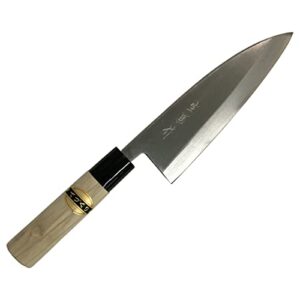
A Tosa kurouchi bunka knife is one of the most honest objects to come out of a Japanese forge. It is a square-tipped, all-purpose kitchen blade made in Kochi Prefecture — old Tosa — where smiths have hammered carbon steel by hand for roughly four centuries. The dark, mottled finish on the blade’s flats is not a coating or a fashion choice. It is kurouchi (黒打ち, “black-forged”): the oxide scale left on the steel straight from the fire, deliberately kept rather than polished away.
What sets Tosa apart from Japan’s better-known knife towns is its working method. Tosa smiths forge by jiyu-tanzo (自由鍛造, “free forging”) — without fixed patterns or standardized dies — so the craft grew up shaping axes, sickles, nata hatchets, and saws to order for foresters and farmers. That heritage of rugged, made-to-order tools is exactly why a Tosa kitchen knife reads as practical rather than precious. Tosa Uchihamono (土佐打刃物) was designated a National Traditional Craft by Japan’s METI in 1998.
This guide is written for international cooks deciding whether a hand-forged Kochi carbon-steel bunka belongs in their kitchen. It explains how a bunka differs from santoku, gyuto, and nakiri, the care that carbon steel demands, and practical considerations when obtaining a Japanese forged blade abroad.
🔄 Updated: June 8, 2026
⏱️ Read time: ~11 min
Who this is for — and who should skip it
- Want a single square-tipped, all-purpose knife for vegetables, meat, and fish prep
- Value a keen carbon-steel edge and are willing to maintain it
- Like the rustic, dark kurouchi look over a mirror-polished finish
- Appreciate hand-forged, made-to-order tools with a documented regional tradition
- Already hand-wash and dry your knives and are comfortable stropping or whetstone work
- Want a zero-maintenance, dishwasher-safe stainless knife
- Dislike patina — carbon steel discolors with use and will rust if neglected
- Expect a uniform, factory-perfect cosmetic finish on every blade
- Need a guaranteed exact length or handle material (hand-forged stock varies)
- Are buying for someone who will leave it wet in the sink
Product overview (from published specs)
Specifications for Tosa bunka knives vary by maker. The table separates regional craft characteristics from details that require confirmation, leaving gaps open rather than filling them with guesses.
| Attribute | Detail | Source |
|---|---|---|
| Craft | Tosa Uchihamono (土佐打刃物), hand-forged blade craft of Kochi | Maker tradition |
| Knife type | Bunka (文化包丁) — square / reverse-tanto tipped all-purpose knife | Maker tradition |
| Steel | Carbon steel (commonly Aogami “blue paper” / Shirogami “white paper”) | Maker tradition |
| Finish | Kurouchi (black forge-scale on the blade flats) | Maker tradition |
| Forging | Jiyu-tanzo (free forging, no fixed pattern) | Maker tradition |
| Origin | Kochi Prefecture (old Tosa), Shikoku, Japan | Maker tradition |
| Designation | National Traditional Craft (METI), 1998 | METI |
| Blade length / weight | Varies by hand-forged piece | — |
| Price | — | — |
International availability, prices, and blade dimensions can change over time. Compare current information from Japanese craft sellers before buying.
📖 Glossary — key terms (tap to open)
- Tosa Uchihamono (土佐打刃物) — the hand-forged blade craft of Kochi (old Tosa), a National Traditional Craft since 1998.
- Bunka (文化包丁) — a “culture knife”; a square or reverse-tanto-tipped all-purpose kitchen knife, distinct from santoku, gyuto, nakiri, and petty.
- Kurouchi (黒打ち) — “black-forged”; the dark oxide scale left on the blade flats from the forge, kept as a rustic, practical finish.
- Jiyu-tanzo (自由鍛造) — “free forging”; shaping each blade to order without fixed dies or patterns, the defining Tosa method.
- Aogami / Shirogami (青紙 / 白紙) — “blue paper” and “white paper” carbon steels from Hitachi, named for the wrapper color; prized for sharp, easily honed edges.
- Nata (鉈) — a heavy forest hatchet; one of the tool types that built Tosa’s forging reputation.
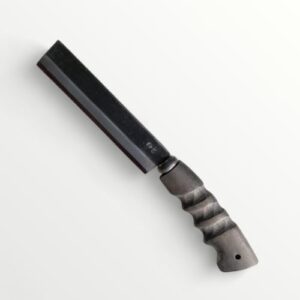
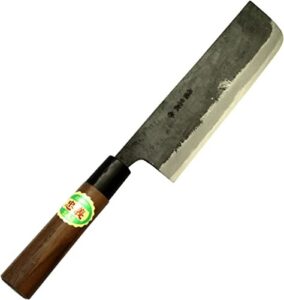
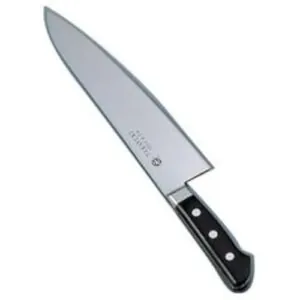
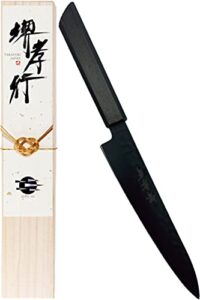
Related hand-forged knives and Kochi crafts already covered on jpmono — useful for comparing region, steel, and blade shape.
Buying considerations
JPY is the usual reference currency for Japanese craft knives; USD figures are approximate estimates at a ¥150/USD baseline as of mid-2026. Exchange rates can change, so conversions are only a rough guide.
| Store | Item / Variant | Price (JPY + USD est.) | Notes |
|---|---|---|---|
| 🇺🇸 Amazon.com (US) | Browse Japanese kitchen knives | varies (USD) | Best if you’re shopping from the US — Prime shipping, USD pricing, no international customs. Amazon US carries hand-forged Japanese knives from makers such as Tojiro, Shun, and Yoshihiro — useful for comparing geometry and steel tiers. The exact Tosa kurouchi bunka is sourced from Japan (next row). |
| 🇯🇵 Amazon JP Global Store | Tosa kurouchi bunka | — | Ships internationally from Japan via the Global Store to most major destinations. This is where the specific item is sourced. |
| Maker direct | Tosa Uchihamono smiths / Kochi cooperative | — | Some Tosa smiths sell through their own shops; international shipping and English support vary by maker. |
| Proxy services (Buyee / Tenso) | Forwarding from JP-only sellers | + service & forwarding fees | Useful when a Japan-only shop ships abroad through a forwarding service; expect added fees and customs duties above local thresholds. |
Prices in USD are approximate and depend on the current exchange rate. Always verify the live price and stock at the retailer before purchasing.
What it does well
Aogami / Shirogami carbon steels take a very sharp edge and are easy to re-hone on a whetstone — the trade-off being maintenance.
The square bunka tip handles precise tip-work and push-cuts; the flat-ish edge suits vegetables, meat, and general prep with one knife.
The black forge-scale flats hide patina, reduce polishing fuss, and give each blade an individual, unmistakably hand-made look.
Free-forged in Kochi within a craft formally recognized by METI in 1998 — verifiable heritage rather than marketing language.
Weaknesses and things to verify before buying
- Rust risk. Carbon steel will spot or rust if left wet. It must be hand-washed and dried immediately, and lightly oiled for long storage. This is not a dishwasher knife.
- Patina is permanent. The exposed steel near the edge darkens with use. This is normal and protective, but buyers who want a bright blade will be disappointed.
- Dimensions vary. Hand-forged stock differs piece to piece, so choose a blade and handle that suit your cooking style.
- Single-bevel vs double-bevel. Bunka knives are sold in both grinds; a single-bevel edge needs handed sharpening technique. Choose the grind that suits the cook.
- International shipping and customs. Global Store availability and duties vary by country; a blade may face import rules in some destinations. Confirm before checkout.
“Tosa never standardized its blades — it standardized the freedom to shape each one. That is why a Tosa knife looks forged, not manufactured.”
Where this comes from

Kochi Prefecture occupies the entire southern face of Shikoku, the smallest of Japan’s four main islands. It is one of the most isolated and most heavily forested regions in the country: mountains rise immediately behind a narrow coastal plain, and the prefecture’s forest cover is the highest in Japan at around 84 percent. The Pacific is rough here, the rivers are fast and clean, and for centuries the land economy meant timber, charcoal, and the steel tools needed to work them.
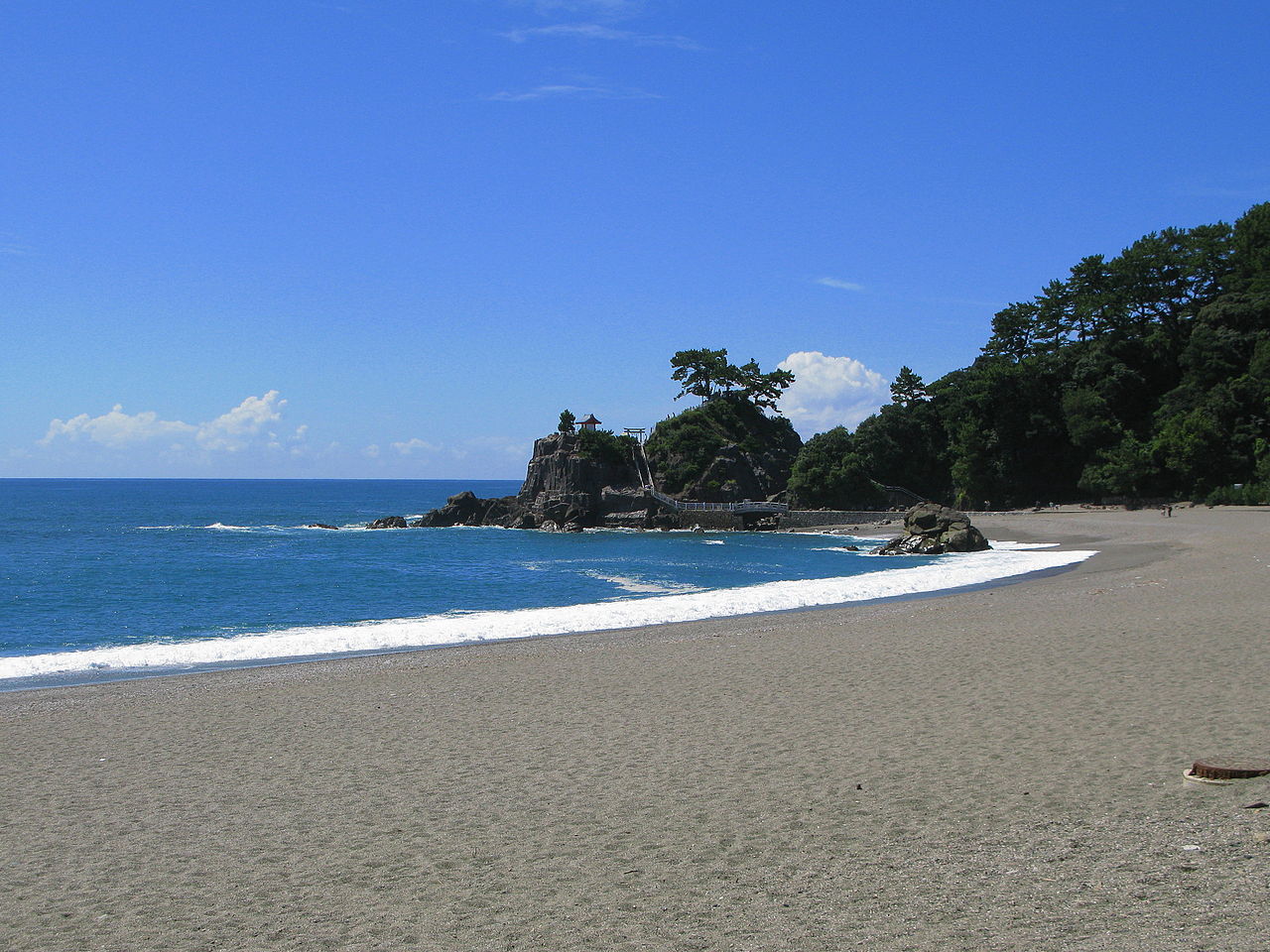
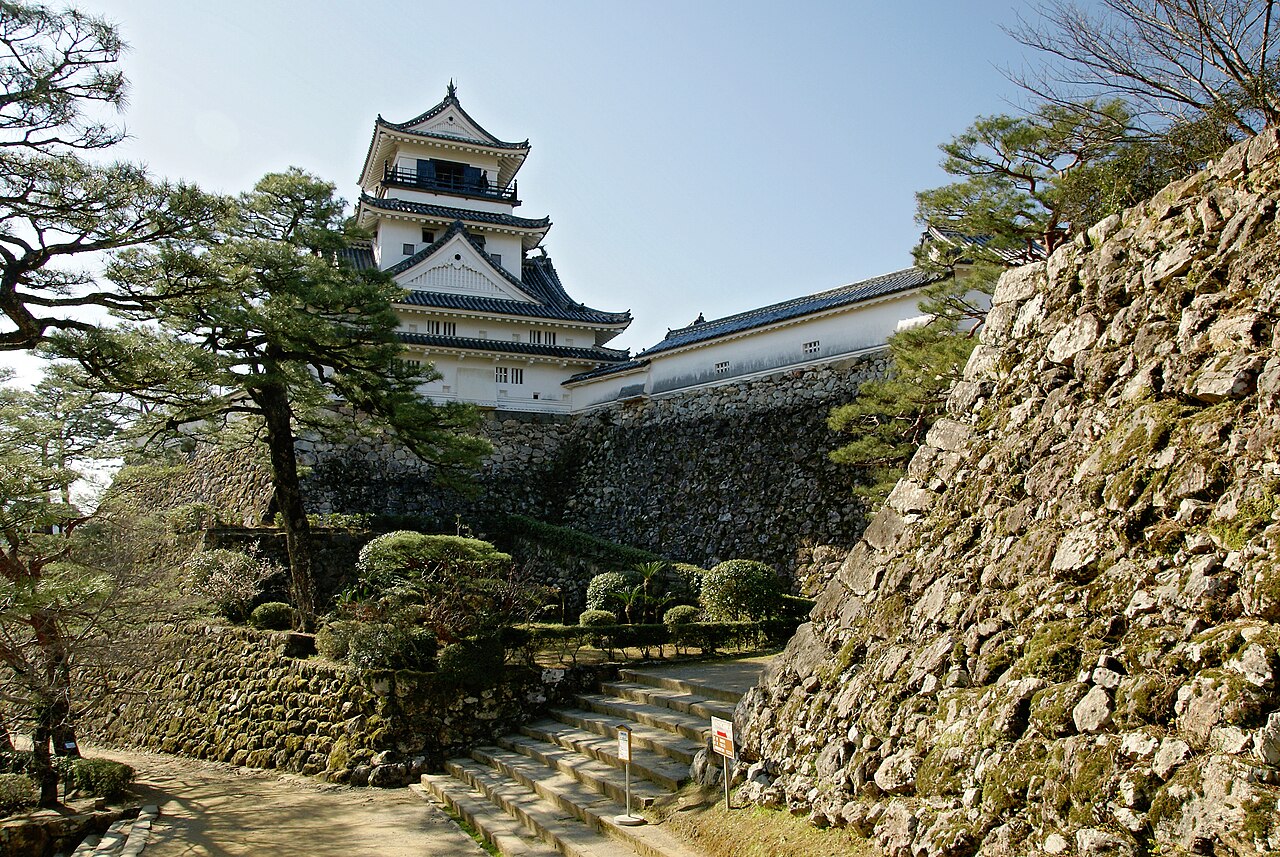
The blade tradition took shape in the late 16th century, when Chosokabe Motochika unified Tosa and, briefly, the whole of Shikoku. Demand for weapons and farm-and-forest tools concentrated smithing skill in the province. When the Yamauchi family was installed as lords of Tosa in 1601 and built Kochi Castle, the new domain leaned hard on its forests — and a forested domain needs an endless supply of axes, nata hatchets, sickles, and saws. The smiths who supplied them forged by jiyu-tanzo, free forging to order, which is why Tosa became known for variety and toughness rather than uniform, pattern-made blades.
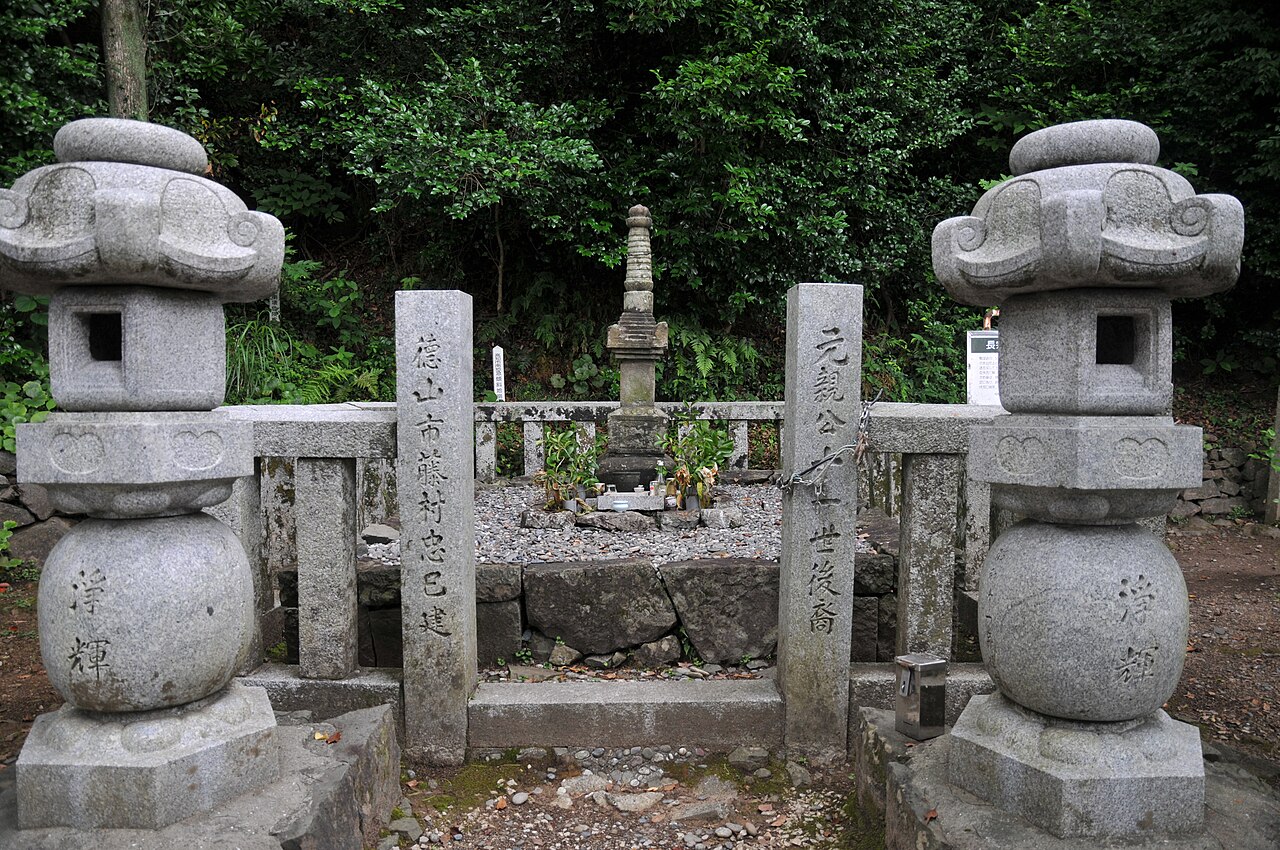
- 1585 — Chosokabe Motochika completes the unification of Tosa, concentrating smithing skill in the province.
- 1601 — The Yamauchi family is installed as lords of Tosa and begins building Kochi Castle.
- 1611 — Kochi Castle is completed; the domain organizes its forestry-based economy and tool supply.
- Edo period — Heavy demand for axes, nata, sickles, and saws drives jiyu-tanzo free forging across Tosa.
- Meiji onward — Tosa smiths broaden into kitchen knives, carrying the kurouchi finish into the home.
- 1998 — Tosa Uchihamono is designated a National Traditional Craft by Japan’s METI.
- 2026 — Kochi smiths still forge blades by hand, edge by edge.
The forests are not a backdrop; they are the reason the craft exists. With roughly 84 percent of its land under tree cover, Kochi’s pre-modern wealth came from timber floated down fast rivers like the Shimanto and the Niyodo, and every stage of that work — felling, splitting, clearing brush — ran on hand-forged steel. A province that consumed axes and sickles by the thousand kept a dense population of working smiths busy, and that depth of practice is what a Tosa kitchen knife inherits.
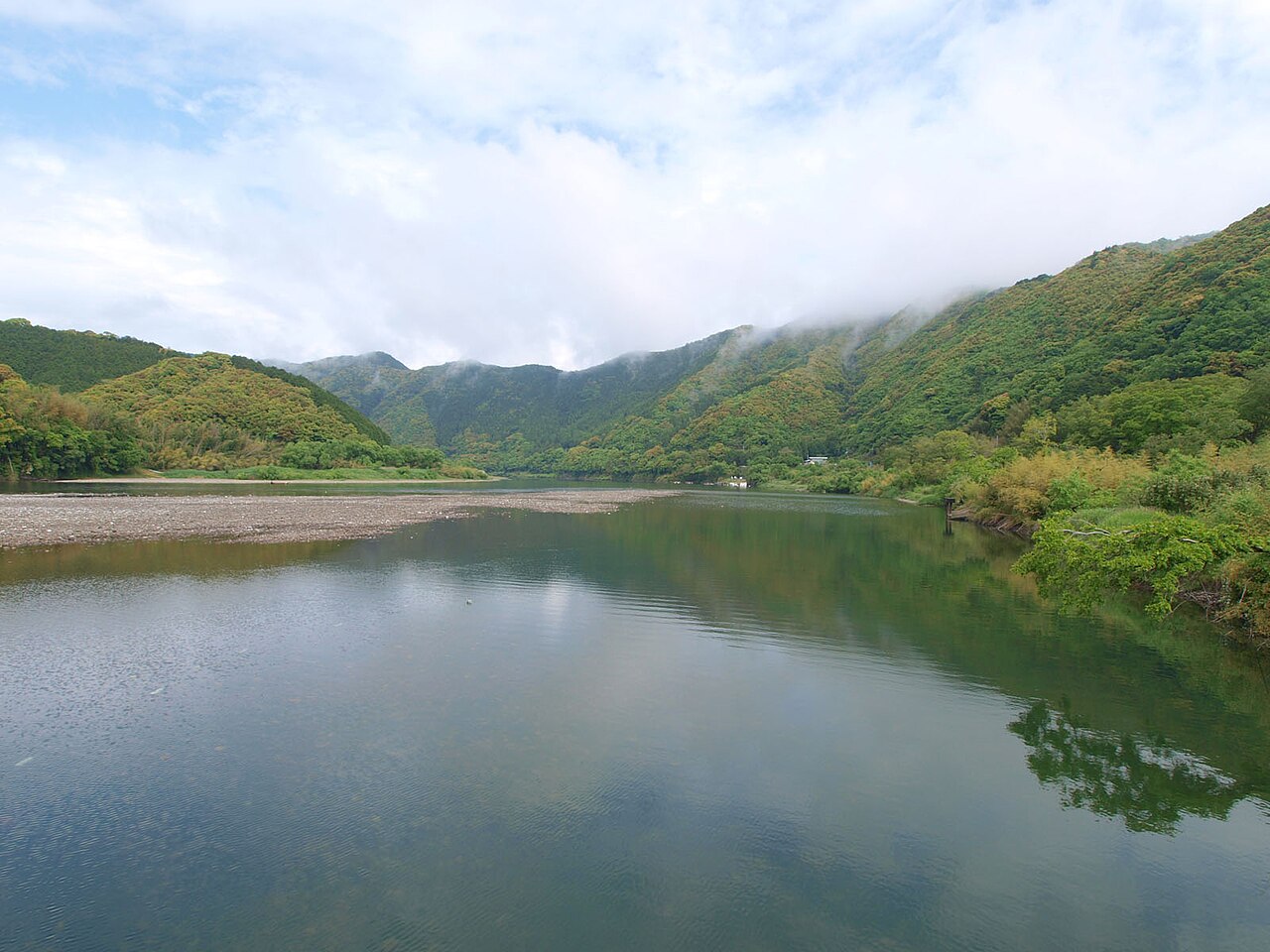
What “still made here” means in Kochi is continuity of method rather than a single famous workshop. Tosa Uchihamono remains a cluster craft — many independent smiths, each free-forging to order — and the 1998 METI designation recognizes that living practice, not a museum. A bunka bought today is shaped by the same fire-and-hammer logic that armed Tosa’s foresters, adapted to the cutting board.
Conclusion — which buyer type are you?
You want a named-smith, top-steel hand-forged blade and will maintain it religiously. Look at single-bevel Aogami Tosa pieces or a maker-direct commission.
You want one honest all-purpose knife and accept basic carbon-steel care. This kurouchi bunka (B00DLYH9WY) is the natural pick.
You want hand-forged feel without the maintenance worry. Consider a stainless-clad santoku from another forging town and revisit kurouchi later.
You want dishwasher-safe, zero-maintenance, always-shiny. Carbon-steel kurouchi is the wrong tool — buy stainless.
Other ways to approach this purchase
Global Store prices move with the yen. If you are flexible, a weaker yen makes JP-sourced blades cheaper in USD terms.
Some Tosa smiths sell from their own shops and will discuss grind and length. Expect variable English and shipping support.
If you already shop Amazon US, the search-link path keeps purchases in USD with Prime and earns your usual rewards.
For knives sold only in Japan, Buyee or Tenso can forward the parcel abroad, at extra fees and subject to customs rules and local thresholds.
❓ Frequently Asked Questions
What is a bunka knife, and how is it different from a santoku?
A bunka is a square-tipped, all-purpose kitchen knife. It overlaps with the santoku in role but has a flatter profile and a reverse-tanto (angular) tip that gives more precise point-work, where a santoku has a rounded tip. Both differ from the gyuto (chef’s knife), nakiri (vegetable knife), and petty.
Does the kurouchi finish wear off, and is that a problem?
The black forge scale sits on the blade flats and can gradually wear or be polished thinner over years of use, while the cutting edge takes its own patina. This is cosmetic and normal; it does not affect cutting performance. Buyers who want a permanently bright blade should choose a polished or stainless knife instead.
How do I care for a carbon-steel Tosa knife?
Hand-wash and dry it immediately after use, never leave it wet, and apply a thin film of food-safe oil for long storage. Do not put it in a dishwasher. A patina will develop and actually helps protect the steel; active orange rust should be removed promptly with a mild abrasive.
Can it be shipped outside Japan?
International buyers can compare Japanese knife retailers, while shipping and import rules vary by country. Customs duties may apply above local thresholds, and US shoppers may find overseas options quoted in dollars.
Is it single-bevel or double-bevel?
Tosa bunka knives are made in both grinds. A double-bevel edge is easier for most home cooks and works for left or right hands; a single-bevel edge requires handed sharpening technique. The grind varies by maker, so choose a blade that matches the cook’s preferred technique.
How much does it cost?
Prices vary by maker and market. JPY is the usual reference currency for Japanese knives, while any USD figure is an estimate at roughly ¥150/USD.
How does Tosa compare to other Japanese forging towns?
Tosa is known for free-forged, rugged, made-to-order blades rooted in forestry tools, whereas towns like Echizen, Sakai, and Kaga are associated with their own specialties and finishes. Our cross-links above compare an Echizen santoku, a Sakai Takayuki gyuto, a Kaga nakiri, and other hand-forged knives if you want to weigh shape and region.
jpmono.com is curated by a Japan-based editorial team (working out of Toyama in the Hokuriku region and Nara in Kansai) and is independent. We do not take payment from the makers we feature; income comes from editorial work. We read maker specifications and craft sources rather than physically testing every product.
This article was prepared with AI assistance and reviewed against craft references. Where information is incomplete, the text states that plainly rather than filling the gap with an estimate.
Affiliate disclosure: jpmono.com may earn a commission on qualifying purchases made through links on this page, at no additional cost to you.