![Tosa Uchihamono Hori-Hori Garden Knife: Hand-Forged Kochi Steel [2026]](https://jpmono.com/wp-content/uploads/2026/05/japan-map-regions-and-prefectures-800x1050.png)
A hori-hori (掘り掘り, literally “dig-dig”) is the single tool many serious gardeners reach for first: a heavy, slightly concave blade that doubles as trowel, weeder, root-saw, and transplanting knife. This one comes from Kochi Prefecture on the island of Shikoku, forged in the Tosa Uchihamono (土佐打刃物) tradition — a free-forging craft that has supplied axes, sickles, and soil knives to one of Japan’s most heavily forested provinces since the Kamakura period. The blade is high-carbon steel set into a wood handle, made the same way Tosa smiths have made working tools for centuries: hammered to the job rather than stamped from a mold.
For an international audience, Tosa Uchihamono matters because it is a working craft, not a decorative one. These are the tools Japanese woodcutters and farmers actually used, and the hori-hori in particular has become one of Japan’s most exported garden tools — prized by gardeners in the US, UK, and Australia for dividing perennials, cutting through compacted soil, and slicing out taproot weeds in a single motion. High-carbon steel buys edge retention and re-sharpenability; the trade-off is that it needs a little care to keep rust at bay.
This guide is for readers deciding whether a hand-forged Kochi hori-hori is worth importing and how to obtain one from outside Japan. It explains the tool’s gardening uses, the carbon-steel care reality, and how it compares with other Japanese forged garden and kitchen blades.
🔄 Updated:
⏱️ Read time: ~12 min
- Who this is for — and who should skip it
- Product overview (from published specs)
- 📍 Where this comes from — place, era, and the craft tradition
- 📌 How does it compare?
- Buying considerations
- What it does well
- Weaknesses and things to verify before buying
- Conclusion — which buyer type are you?
- Other ways to approach this purchase
- ❓ Frequently Asked Questions
Who this is for — and who should skip it
- Garden seriously — transplanting, dividing perennials, deep weeding, bulb planting
- Want one tool that replaces a trowel, weeder, and root knife
- Value a high-carbon edge you can re-sharpen for decades
- Appreciate hand-forged, made-to-work Japanese tools over decorative ones
- Are comfortable wiping and oiling a blade after use
- Want a zero-maintenance, rust-proof stainless tool
- Only do light container or balcony gardening a few times a year
- Need a dishwasher-safe or “leave it in the rain” tool
- Prefer a molded plastic-handle trowel under $10
- Cannot wait for international shipping from Japan
Product overview (from published specs)
Specification data for Tosa uchihamono hori-hori garden knives varies by maker and by retailer. Where a value is not confirmed by the source material, it is marked rather than guessed. Spec sheets for the regional craft indicate the following.
| Attribute | Value | Source |
|---|---|---|
| Item type | Hori-hori soil / garden knife | Product information |
| Craft tradition | Tosa Uchihamono (free-forged), Kochi | Maker tradition |
| Blade material | High-carbon steel | Product information |
| Handle | Wood | Product information |
| Blade profile | Concave (channeled) digging blade | Hori-hori type |
| Origin | Kochi Prefecture, Shikoku, Japan | Product information |
| Length / weight | — | — |
International availability and pricing can change. Buyers should compare shipping options and import requirements for hand-forged blades before ordering.
📖 Glossary — Japanese craft terms used in this article
hori-hori (掘り掘り) — a Japanese soil knife; the name imitates the sound of digging. A single concave blade used for digging, transplanting, weeding, and dividing roots.
Tosa Uchihamono (土佐打刃物) — “Tosa forged blades,” the bladesmithing tradition of Kochi (the old Tosa province), designated a national traditional craft by Japan’s METI in 1998.
jiyu-tanzo (自由鍛造) — “free-forging.” Forging tools to order without fixed molds or patterns, which lets a smith tailor each blade to the buyer’s job.
nata (鉈) — a heavy Japanese chopping knife / hatchet for wood and brush, one of the staple Tosa-forged tools alongside sickles and axes.
high-carbon steel — steel with high carbon content that takes and holds a very sharp edge and re-sharpens easily, but can rust if left wet (unlike stainless).
METI — Japan’s Ministry of Economy, Trade and Industry, which certifies “Traditional Crafts” (dentō kōgeihin) by region and technique.
📍 Where this comes from — place, era, and the craft tradition

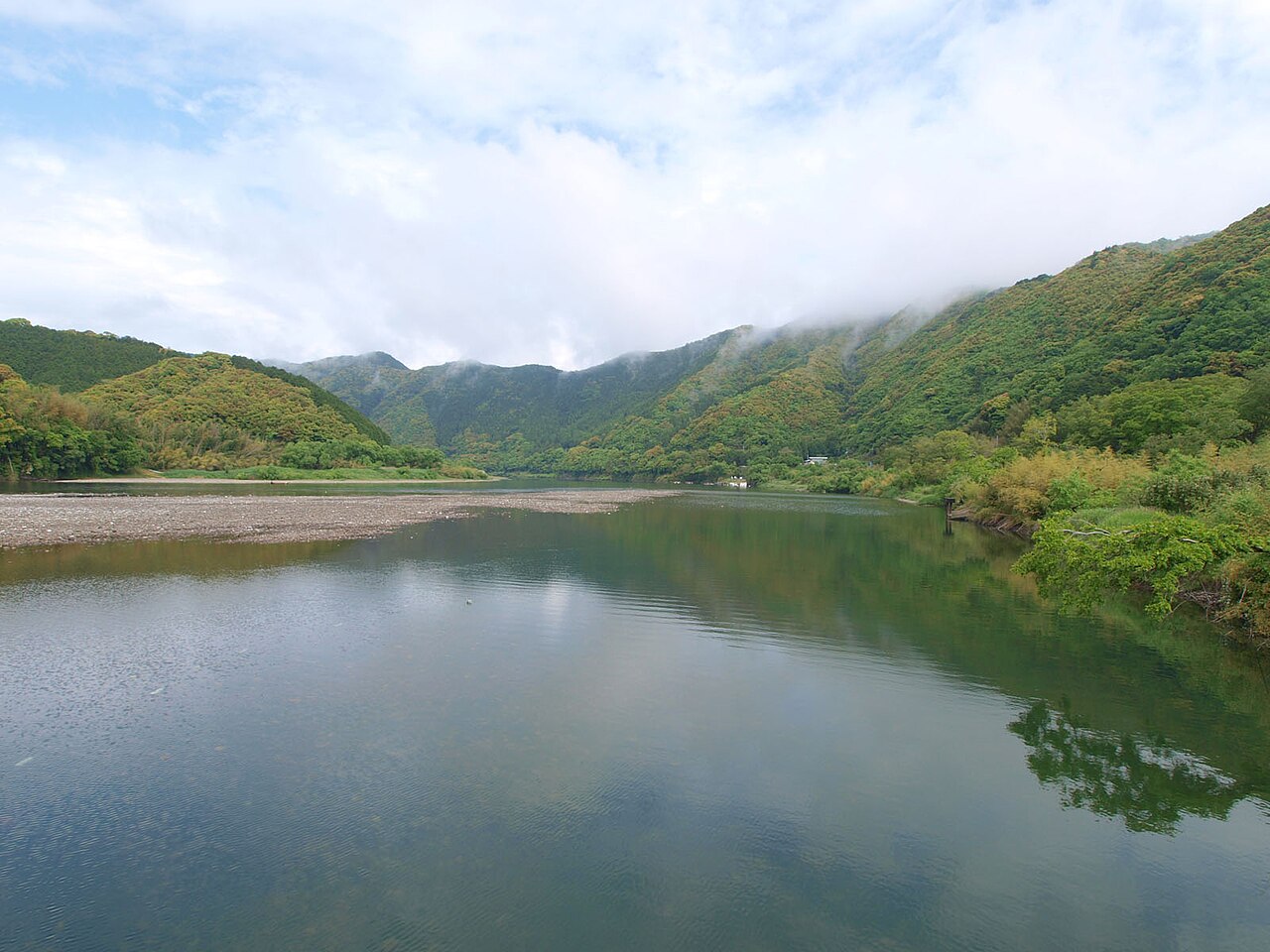
Kochi occupies the whole southern face of Shikoku, the smallest of Japan’s four main islands. It is a province of mountains meeting the Pacific: steep, wet, and densely wooded, hemmed between the Shikoku Mountains to the north and the open ocean to the south. That geography is the whole story of Tosa Uchihamono. With about 84% of its area under forest — the highest forest ratio in Japan — the old province of Tosa was a land of woodcutters, charcoal-makers, and upland farmers, and those people needed blades: axes to fell cedar and cypress, nata to split it, sickles to clear brush, and soil knives to work thin mountain plots.
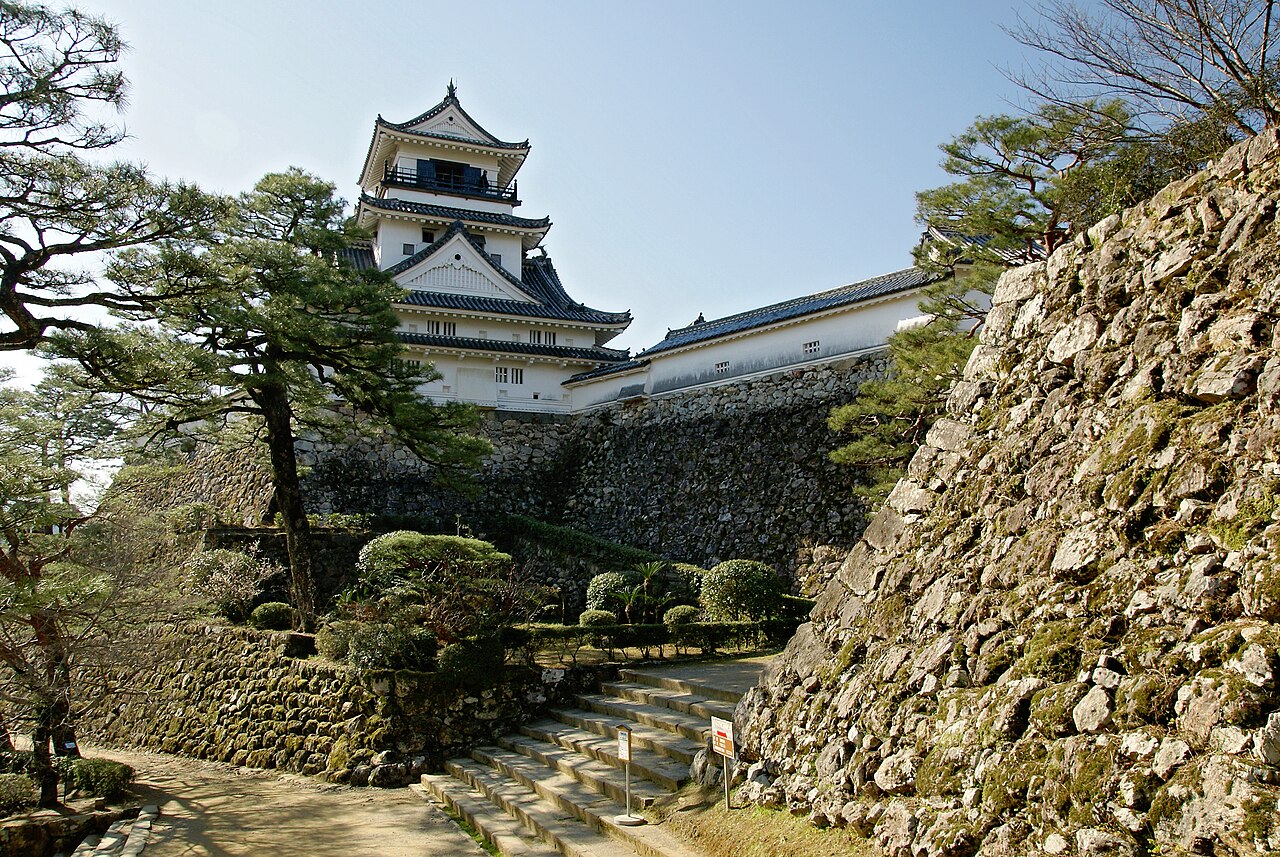
The roots of the craft reach back to the Kamakura period (1185–1333), when traveling swordsmiths are recorded working in the region. But it was the Edo era that turned Tosa into a tool-forging province. In the early 1600s the Yamauchi clan took control of Tosa and built Kochi Castle as the seat of the domain. To fund itself, the domain leaned hard on its one abundant resource — timber — and actively encouraged cultivation of its vast cedar and cypress mountains. Forestry on that scale demands an enormous, constant supply of edged tools, and Tosa smiths met it through jiyu-tanzo (自由鍛造), free-forging without fixed patterns. Rather than stamp out identical products, a Tosa smith forged each axe, sickle, nata, or hori-hori to the specific job and buyer in front of him.
-
1185–1333 — Kamakura period: traveling swordsmiths are recorded working in Tosa, the earliest roots of the local forging tradition. -
1601 — The Yamauchi clan takes Tosa; Kochi Castle is established as the seat of the domain. -
1603–1868 — Edo period: the domain’s forestry policy drives huge demand for axes, sickles, nata, and soil knives, and free-forging flourishes. -
Today — Kochi remains roughly 84% forest, the highest forest ratio of any Japanese prefecture. -
1998 — Tosa Uchihamono is designated a national traditional craft by Japan’s METI. -
2026 — Tosa workshops still free-forge garden and farm tools to order, and the hori-hori is among Japan’s most exported garden tools.
“Free-forging means no two Tosa blades are stamped from a mold — each is hammered to the job it was ordered for. The decoration is the edge.”
That priority — edge over ornament — is why Tosa Uchihamono was recognized as a national traditional craft by METI in 1998, and why the tradition translated so naturally into an export product. A hori-hori is, structurally, a peasant-and-woodcutter tool: a concave high-carbon blade strong enough to lever soil and roots, sharp enough to cut them. International gardeners discovered exactly what Tosa farmers already knew — that one well-forged soil knife does the work of a trowel, a weeder, a transplanter, and a small saw. It is now one of Japan’s most-exported garden tools, reaching for transplanting, weeding, and dividing perennials in gardens far from Shikoku.

📌 How does it compare?
If you are weighing this hori-hori against other Japanese forged blades or Kochi / Shikoku crafts on jpmono, these related guides are useful for comparing geometry, steel, region, and use case:
 🍵 Kochi: Odo-yaki Tosa yunomi
 🔪 Echizen hand-forged santoku
 🪓 Miyakonojo nata hatchet
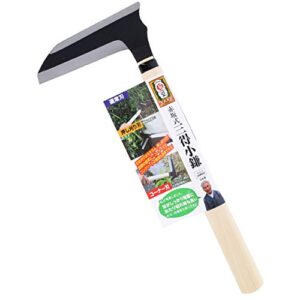 🌾 Chiba hand-forged kama sickle
🌾 Shinshu forged sickle
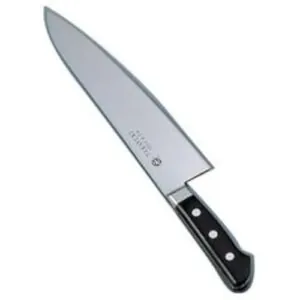 🔪 Sakai Takayuki gyuto
🎍 Shikoku: Iyo sudare
🟦 Shikoku: Awa aizome tenugui
Buying considerations
Prices for hand-forged hori-hori tools vary by maker, materials, and finishing work. JPY is the usual reference currency for Japanese craft goods, while USD conversions are approximate at a ¥150/USD baseline.
| Store | Item / Variant | Price (JPY + USD est.) | Notes |
|---|---|---|---|
| 🇺🇸 Amazon US (search) | Browse Japanese hori-hori & garden knives | varies (USD) | Best if you’re shopping from the US — Prime shipping, USD pricing, no international customs. Amazon US carries Japanese hori-hori and garden knives from several makers, useful for comparing blade length and steel. The exact Tosa-forged piece is sourced from Japan (next row). |
| 🇯🇵 Amazon JP Global Store | This exact Tosa Uchihamono hori-hori | — | International shipping option for a Japan-based garden tool; confirm destination coverage and fees before ordering. |
| Maker direct | Tosa Uchihamono workshops / Kochi craft shops | Varies; often JP-only checkout | Widest model range, but many workshop sites ship within Japan only — pair with a proxy service if needed. |
| Proxy services (Buyee / Tenso) | Forwarding for Japan-only shops | Item price + service fee + forwarding | Use when a model is only on a JP-domestic shop. Adds a fee and a second shipping leg; factor in customs duties over your local threshold. |
What it does well
The concave blade digs, transplants, weeds, divides perennials, and slices roots — replacing a trowel, weeder, and small saw in the kit.
Free-forged high-carbon steel takes a keen edge and re-sharpens easily, so a single knife can serve for decades with basic upkeep.
Forged for a province that is 84% forest, the type is made to lever compacted soil and roots rather than flex or snap like a thin trowel.
Tosa Uchihamono is a METI-designated national traditional craft (1998), with roots reaching the Kamakura period — not heritage marketing.
Weaknesses and things to verify before buying
- Carbon steel rusts. Unlike stainless, a high-carbon blade must be wiped dry and lightly oiled after use, especially after cutting damp soil or sappy roots. If you want a leave-it-in-the-shed-wet tool, this is the wrong choice.
- Length, weight, and edge type vary. Choose a blade suited to your work and hand preference.
- Free-forged means slight variation. Because each blade is forged to the job rather than molded, finish, balance, and exact dimensions can differ slightly between pieces — a feature of the craft, not a defect, but worth expecting.
- International shipping and customs add cost and time. Buying from Japan means shipping fees, a wait, and possible import duty above your local threshold. Compare against domestic Amazon US options first.
- Not a precision kitchen knife. This is a garden / soil tool. Do not expect kitchen-knife geometry or food-contact finishing.
Conclusion — which buyer type are you?
You want a genuine hand-forged Tosa blade with verifiable craft lineage. Buy the sourced Kochi piece and maintain it; it can outlast a stack of stainless trowels.
You garden regularly and want one capable all-rounder. A hori-hori is an excellent single upgrade; compare Japanese hori-hori options through international retailers for convenience.
If cost and zero maintenance matter most, a stainless hori-hori or a basic trowel will serve. You give up the forged edge and re-sharpenability.
Occasional balcony / container gardener who won’t oil a blade and won’t wait for import shipping. Buy locally instead.
Other ways to approach this purchase
Amazon US runs seasonal garden-tool promotions; comparable Japanese hori-hori knives are often discounted in spring. Set a price watch before buying at full price.
A used carbon-steel blade can be restored — light rust grinds off and a fresh edge resets it. Worth considering for a quality forged tool at lower cost.
If you bank Amazon points or card rewards, a forged garden knife is a sensible, long-lived redemption — it will not be obsolete next season.
If you are not yet sure you’ll maintain a carbon blade, start with an inexpensive stainless soil knife and upgrade to a forged Tosa piece once the habit sticks.
❓ Frequently Asked Questions
Does Amazon JP Global Store ship this hori-hori internationally?
Is the blade carbon or stainless steel, and will it rust?
How do I care for a high-carbon hori-hori?
What is the difference between a hori-hori and a regular garden trowel?
Why does this article link to an Amazon US search first if the item is from Japan?
What can I actually use it for in the garden?
jpmono.com is curated by a Japan-based editorial team (working out of Toyama in the Hokuriku region and Nara in Kansai) and is independent. We do not take payment from the makers we feature; income comes from editorial work. We do not physically test every product — we read maker specifications and craft sources.
This article was drafted with AI assistance and reviewed against craft references before publication. Specifications and pricing can vary by maker and over time.
Affiliate disclosure: jpmono.com may earn a commission on qualifying purchases made through links on this page, at no additional cost to you.