![Jishoji-yaki Katakuchi Sake Pourer: Gunma Folk Kiln Stoneware [2026]](https://jpmono.com/wp-content/uploads/2026/05/japan-map-regions-and-prefectures-800x1050.png)
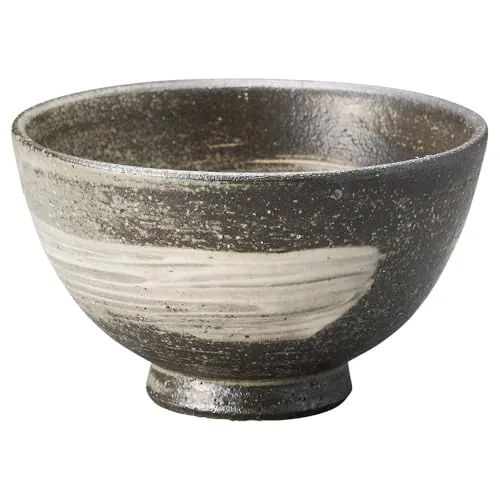
Gunma is a silk prefecture. Its craft identity runs through thread, not clay — the UNESCO-listed Tomioka Silk Mill, the Kiryu and Isesaki weaving towns, and generations of Edo-to-Meiji sericulture. So a stoneware pourer from the Gunma highlands is, by definition, the exception rather than the rule. Jishoji-yaki (自性寺焼, “Jishoji ware”) is a small folk kiln from the Agatsuma uplands around Nakanojo, in the hot-spring valley that climbs toward Shima Onsen, and the piece in front of us is one of its plainest, most useful forms: a katakuchi (片口) — a spouted pourer.
This is honest mountain-village stoneware. The folk kiln (民窯, minyō) arose in the late Edo period to throw everyday ash- and iron-glazed vessels for local households, it declined as factory ceramics spread, and it survives today as a small revival kiln rather than a national name. We are not going to pretend otherwise. What it offers instead is authenticity: a regional folk ware made where almost nobody thinks to look for pottery, the kind of overlooked object this site exists to surface.
This guide covers what the katakuchi is, where it comes from, how to buy it from outside Japan, and — just as importantly — who should pass on it. Because the available information is genuinely thin, we flag clearly what is confirmed and what should be verified with the seller before spending money.
🔄 Updated:
⏱️ Read time: ~9 min
- Who this is for — and who should skip it
- Product overview (from published specs)
- 📍 Where this comes from — place, era, and the craft tradition
- 📌 How does it compare?
- Buying options
- What it does well
- Weaknesses and things to verify before buying
- Conclusion — which buyer type are you?
- Other ways to approach this purchase
- ❓ Frequently Asked Questions
Who this is for — and who should skip it
- Like folk pottery (mingei) with visible kiln character over factory-perfect symmetry
- Want a versatile katakuchi for pouring sake, dressings, sauces, or as a small serving bowl
- Value an under-the-radar regional kiln over a famous brand name
- Are comfortable buying with limited specification information and confirming details before purchase
- Appreciate ash- and iron-glaze tones that read quiet and earthy on the table
- Need a nationally recognized name (Bizen, Shigaraki, Hagi) for gifting prestige
- Require exact dimensions, capacity, and weight before buying
- Expect dishwasher- and microwave-safe certification in writing
- Want guaranteed identical units — folk-kiln pieces vary individually
- Are shopping for the lowest possible price; small-kiln ware is rarely a bargain
Product overview (from published specs)
This is a single-spout katakuchi in stoneware finished with ash and iron glaze, attributed to the Jishoji-yaki folk kiln in Nakanojo, Gunma. Measurements such as capacity and weight can vary and are left unconfirmed rather than guessed.
| Attribute | Detail | Source |
|---|---|---|
| Item | Katakuchi (片口) spouted pourer | International retailer |
| Material | Stoneware (炻器), ash- and iron-glazed | Craft tradition |
| Kiln / origin | Jishoji-yaki folk kiln, Nakanojo, Agatsuma, Gunma | Maker direct |
| Capacity | — | — |
| Dimensions / weight | — | — |
| Price | — | — |
“In a prefecture famous for thread, a clay pourer is the quiet outlier — and that is exactly why it is worth a look.”
⚠️ Details note: Measurements and current prices can vary by piece. Confirm the dimensions and purchase terms with the seller before buying.
📖 Glossary — key terms in this article
Katakuchi (片口) — literally “one mouth,” a bowl with a single pouring spout. Used to decant sake, hold sauces and dressings, or serve as a small open bowl.
Minyō (民窯, “folk kiln”) — a kiln that historically made everyday utilitarian ware for ordinary households, as opposed to an official or art kiln. The mingei (folk-craft) movement later prized this plainness.
Stoneware (炻器, sekki) — clay fired hot enough to vitrify and become non-porous, sitting between earthenware and porcelain. Durable and dense.
Ash glaze (灰釉, hai-yū) — glaze made from plant or wood ash, producing soft, earthy greens and browns. One of the oldest Japanese glaze families.
Iron glaze (鉄釉, tetsu-yū) — glaze colored by iron oxide, yielding warm browns through near-black depending on firing.
Agatsuma (吾妻) — the mountainous district of northwestern Gunma that contains Nakanojo and the Shima Onsen hot-spring valley.
📍 Where this comes from — place, era, and the craft tradition

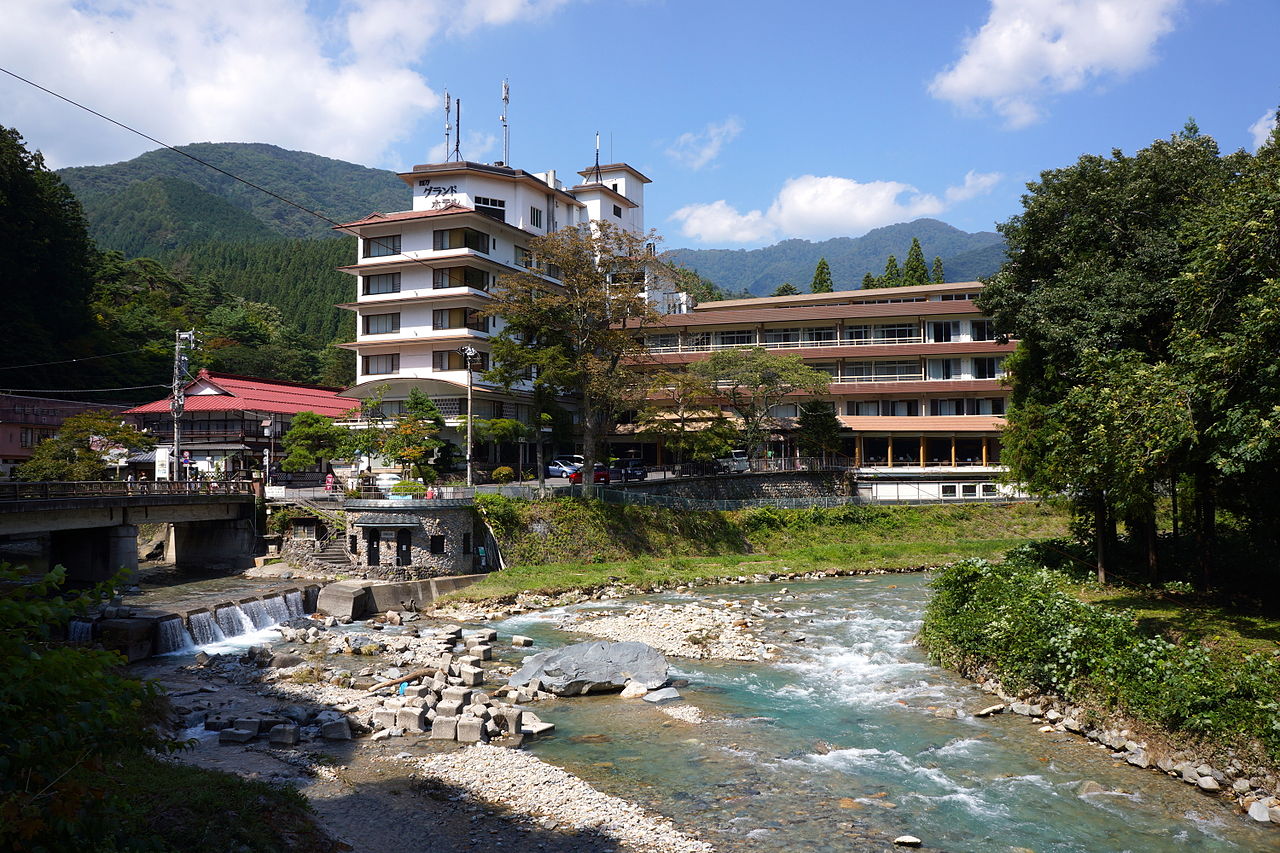
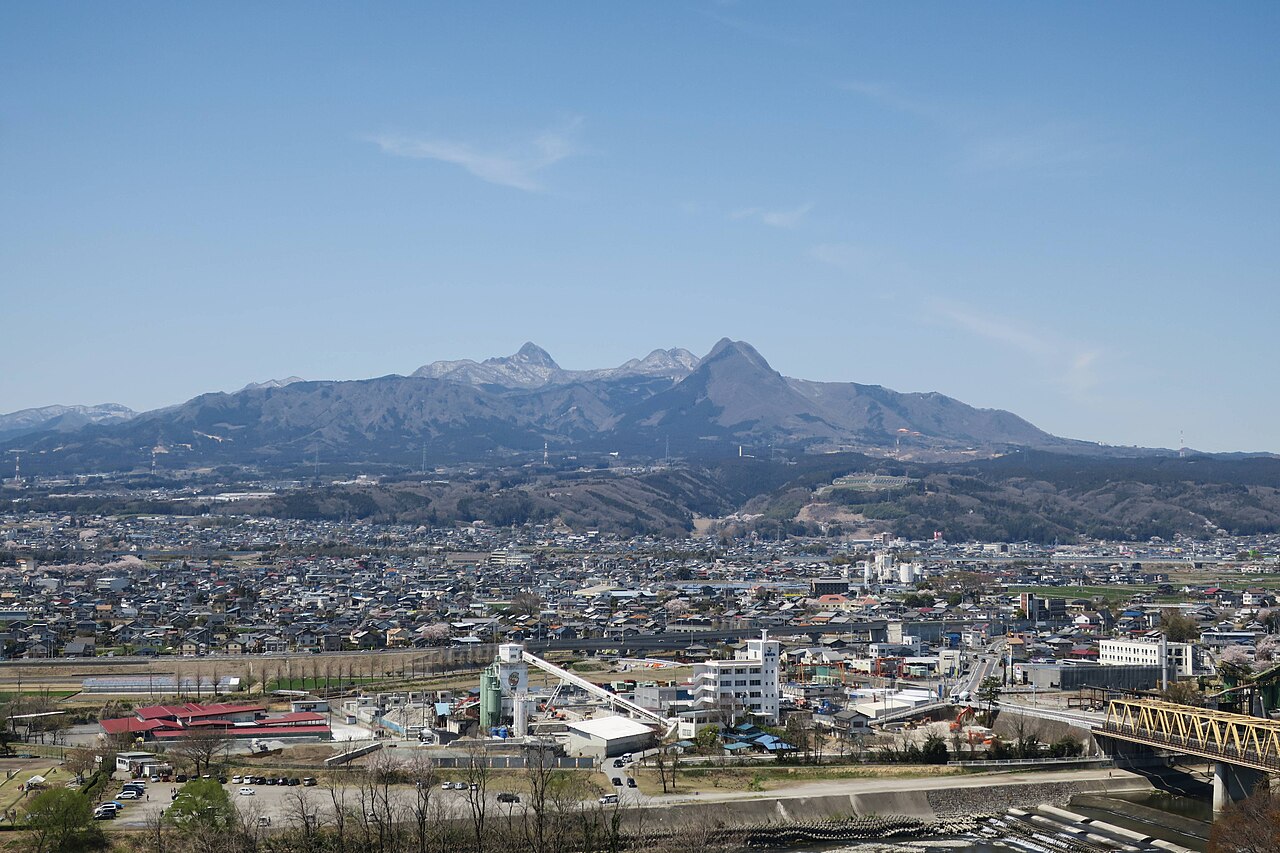
Gunma is a landlocked prefecture in the northern Kantō region, framed by highland volcanoes and fed by mountain rivers. The Jishoji-yaki kiln sits in its northwestern uplands, in the Agatsuma district around Nakanojo, where the road climbs toward Shima Onsen — one of the old hot-spring valleys that drew travelers and served scattered mountain households. This is not a coastal pottery town built on shipping clay to distant markets; it is an inland kiln that made what the surrounding villages needed.
To understand why pottery is a side note here, you have to understand what Gunma actually built its name on: silk. In 1872, the Meiji government opened the Tomioka Silk Mill in southern Gunma as the country’s first modern, mechanized filature, and the prefecture’s weaving towns — Kiryu, Isesaki — turned sericulture into a regional identity that ran from the Edo period straight through the twentieth century. When people in Japan think “Gunma craft,” they think thread. They rarely think clay.
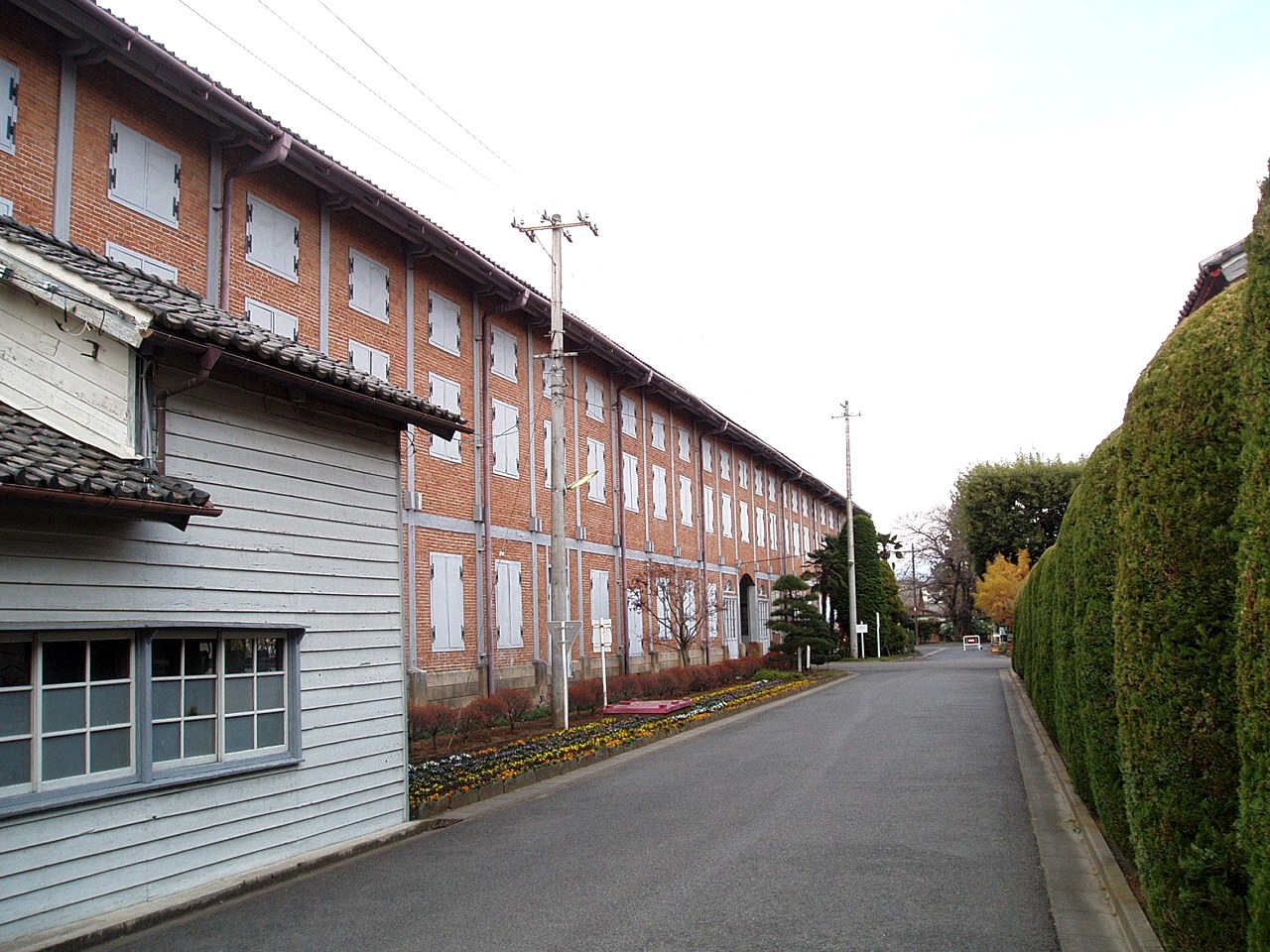
Against that backdrop, the Jishoji-yaki kiln is the exception. It arose in the late Edo period as a folk kiln (民窯) — making ash- and iron-glazed everyday stoneware for the mountain villages of the Agatsuma highlands, not art ware for collectors. As factory ceramics and cheap imports spread through the Meiji and modern eras, the kiln declined, the way most small rural kilns did. It survives now as a small revival kiln. That arc — village utility, decline, modest revival — is the honest story of the katakuchi, and it is the reason the piece reads as quiet rather than grand.
- 1603 — Edo period begins; rural folk kilns serve local needs across Japan.
- Late Edo (early–mid 1800s) — Jishoji-yaki folk kiln established in the Agatsuma highlands, throwing ash- and iron-glazed everyday ware.
- 1868 — Meiji Restoration ends the Edo period; modernization accelerates.
- 1872 — Tomioka Silk Mill opens, cementing Gunma’s identity as silk country.
- 20th century — Factory ceramics spread; the small Jishoji folk kiln declines.
- 2014 — Tomioka Silk Mill inscribed as a UNESCO World Heritage site, reaffirming the silk narrative.
- Present — Jishoji-yaki survives as a small revival kiln; the katakuchi is one of its plain, useful forms.
The materials follow the place. Gunma’s highland terrain — shaped by signature volcanoes such as Mount Haruna — carries the clay and ash that rural kilns drew on, and ash glaze in particular is a direct product of a landscape where wood fuel and plant ash were abundant. The result is the muted, earth-toned surface you see on the pourer: nothing bright or decorative, just the warm browns and quiet greens that ash and iron produce in the fire.
📌 How does it compare?
If you are weighing this Gunma folk pourer against other Japanese craft, these jpmono guides cover neighboring traditions — other Kantō textiles from the same prefecture and region, and the famous stoneware kilns the Jishoji ware quietly echoes.
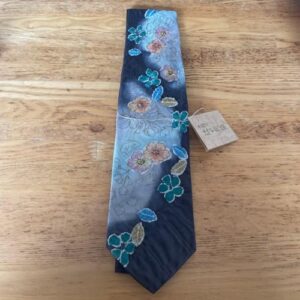 Gunma’s Kiryu-ori silkThe thread craft Gunma is actually famous for
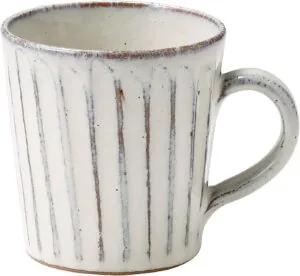 Shigaraki folk mugA nationally known folk-pottery name for contrast
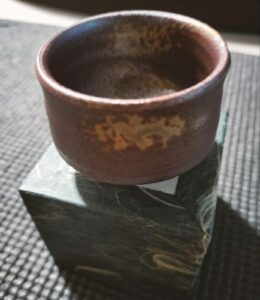 Tamba sake cupA guinomi to pair with the katakuchi
Bizen unglazed wareThe unglazed stoneware benchmark
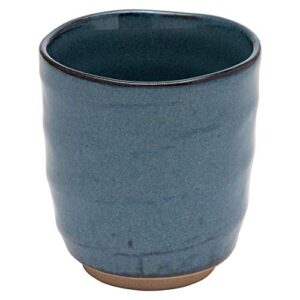 Shitoro folk yunomiAnother regional folk kiln in everyday tableware
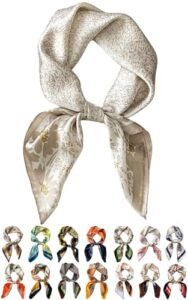 Kanto Chichibu silkNeighboring Kantō textile heritage
Kanto Yuki tsumugiUNESCO-listed Kantō hand-spun silk
Buying options
Prices for Jishoji-yaki katakuchi vary with size, glaze, and finish. Any USD figure is an approximate conversion at a ¥150/USD baseline.
| Store | Item / variant | Price (JPY + USD est.) | Notes |
|---|---|---|---|
| 🇺🇸 Amazon US (search) | Browse Japanese katakuchi & folk pottery | varies (USD) | Best if you are shopping from the US — Prime shipping, USD pricing, no international customs. Amazon US carries Japanese stoneware and sake-ware from various makers; this exact Jishoji-yaki piece ships from Japan (next row). |
| 🇯🇵 Amazon JP Global Store | Jishoji-yaki katakuchi | — | International shipping from Japan may be available; terms vary by destination. |
| Maker direct | Jishoji-yaki kiln pieces | Unconfirmed | Small revival kiln; direct availability and English support are not confirmed. Treat as an in-person / Japanese-language path. |
| Proxy services (Buyee / Tenso) | Japan-based forwarding option | Item price + forwarding fee | Fallback when direct shipping is unavailable; adds handling and shipping. |
Prices in USD are approximate and depend on the current exchange rate. The JPY price for the specific listed item is authoritative; verify it at the retailer before purchasing.
What it does well
Weaknesses and things to verify before buying
- Fit and capacity are unconfirmed. Choose a form that suits your intended use and review seller photos before buying.
- Budget guidance is limited. Set your budget independently before buying.
- Not a prestige name. Jishoji-yaki is a small revival kiln, not a nationally recognized brand like Bizen or Shigaraki — a poor fit if you need name recognition for a formal gift.
- Individual variation. Folk-kiln pieces differ in glaze pooling and tone; the unit you receive will not match the photo exactly.
- Care and appliance compatibility are unconfirmed. Microwave, dishwasher, and oven safety are not stated; treat it as hand-wash unless maker guidance says otherwise.
- International shipping terms vary. Confirm that the Global Store ships to your country and check estimated duties and delivery time at checkout.
Conclusion — which buyer type are you?
Other ways to approach this purchase
❓ Frequently Asked Questions
Does Amazon JP Global Store ship this internationally?
What is a katakuchi actually used for?
Is Jishoji-yaki a famous pottery brand?
How should I care for ash- and iron-glazed stoneware?
Why does this article not show a price?
Why is there stoneware in a silk prefecture?
jpmono.com is curated by a Japan-based editorial team (working out of Toyama in the Hokuriku region and Nara in Kansai) and is independent. We do not take payment from the makers we feature; income comes from affiliate links. We do not physically test every product — we read maker specifications and craft references — and we flag thin information plainly when it occurs.
🤖 This article was prepared with AI assistance and editorial review. Craft specifications and prices can change; verify current details with the seller before purchasing.
Affiliate disclosure: jpmono.com may earn a commission on qualifying purchases made through links on this page, at no additional cost to you.