![Hizen Shu-Urushi Vermilion Lacquer Tray: Saga’s Shrine-Red Obon [2026]](https://jpmono.com/wp-content/uploads/2026/05/japan-map-regions-and-prefectures-800x1050.png)
A vermilion lacquer tray reads instantly, even from across a room. The color is not decoration so much as a signal — the same deep shrine-red (shu, 朱) that finishes the gates and halls of Japan’s great Inari shrines, carried onto a round wooden tray (maru-bon, 丸盆) you can set on a table. The piece covered here is a hand-lacquered vermilion round tray in the lacquer idiom of old Hizen province — today’s Saga Prefecture, on the island of Kyūshū.
Saga is famous worldwide for porcelain rather than lacquer. Arita, Imari, and Karatsu are the names that travel. So it is worth being precise from the start: there is no METI-designated “Saga lacquerware” brand, and the lacquer tradition treated here is an editorial anchor — a real but secondary craft thread within a region whose shrine economy and Edo-period export trade both ran on urushi. The credible hook is the shrine-red itself, maintained for centuries on the lacquered architecture of Yutoku Inari in Kashima, and the documented fact that Hizen shipped gold maki-e lacquerwares to Europe alongside its porcelain.
This guide is for readers weighing a vermilion lacquer tray for serving, display, or gifting, and who want the regional context before the price. We cover what the object is, where the tradition sits in Saga’s history, how it compares to the prefecture’s flagship porcelain and to lacquer from other regions, where to buy it from outside Japan, and which buyer it actually suits. The available retail data for vermilion Hizen lacquer trays is thin — see the caveats throughout — so verification at the point of purchase matters more than usual.
🔄 Updated:
⏱️ Read time: ~11 min
- Who this is for — and who should skip it
- Product overview (from published specs)
- 📍 Where this comes from — place, era, and the craft tradition
- 📌 How does it compare?
- Price information
- 📦 Shipping & where to buy from outside Japan
- What it does well
- Weaknesses and things to verify before buying
- Conclusion — which buyer type are you?
- Other ways to approach this purchase
- ❓ Frequently Asked Questions
Who this is for — and who should skip it
- Want a single, high-impact color object for serving tea, sake, or sweets
- Like the idea of shrine-red urushi but want it on a usable household piece, not architecture
- Value hand-applied lacquer over printed or sprayed “urushi-look” finishes
- Are comfortable buying from Amazon JP Global Store and verifying details before checkout
- Want a gift with a clear regional story (Hizen, Saga, Kyūshū)
- Expect a METI-registered “Saga lacquerware” certification — none exists for this thread
- Want gold maki-e or raden (mother-of-pearl) ornament rather than solid color
- Need dishwasher- and microwave-safe everyday ware (hand-lacquer is neither)
- Require a confirmed maker name before committing.
- Prefer Saga’s flagship porcelain (Arita, Imari, Karatsu) — those are better-documented buys
Product overview (from published specs)
Hizen vermilion lacquer trays vary in size, finish, and workmanship. The table distinguishes established features of the craft from details that depend on the workshop.
| Attribute | Detail | Source |
|---|---|---|
| Object | Round tray (maru-bon, 丸盆) | Amazon JP Global Store |
| Finish | Solid vermilion shu-urushi (朱漆) over wood, hand-applied | Product type / maker convention |
| Diameter | — | Unconfirmed — check manufacturer site |
| Region | Saga (old Hizen province), Kyūshū | Editorial anchor (see “Where this comes from”) |
| Price | — | Not confirmed |
International buyers can compare Japanese lacquer trays through US-facing searches, Japanese retail channels, maker-direct shops, or proxy services. Dimensions, prices, and workshop details can change between makers.
📖 Glossary — key Japanese craft terms
- urushi (漆) — natural lacquer, the refined sap of the lacquer tree, brushed in thin layers and hardened by humidity rather than heat.
- shu-urushi (朱漆) — vermilion lacquer, urushi pigmented with cinnabar/iron-oxide reds to produce the classic shrine-red.
- maru-bon (丸盆) — a round serving tray; the round form is the most common lacquer-tray shape.
- nuri-shi (塗師) — a lacquer-coating master, the craftsperson who applies and polishes the urushi layers.
- maki-e (蒔絵) — “sprinkled picture,” gold- or silver-powder lacquer decoration; Hizen exported maki-e wares to Europe in the Edo period.
- Hizen (肥前) — the old province covering today’s Saga and part of Nagasaki; the historical name for the region’s porcelain and lacquer.
- gongen-zukuri (権現造) — an elaborate shrine architecture style joining main hall and worship hall under one roof, often vermilion-lacquered.
📍 Where this comes from — place, era, and the craft tradition

Saga is a small prefecture in the northwest corner of Kyūshū, the southwestern main island of Japan. It is bracketed by Fukuoka to the northeast and Nagasaki to the southwest, faces the Genkai Sea toward Korea on its north coast, and opens onto the broad tidal flats of the Ariake Sea to the south. This is the old province of Hizen (肥前) — a name worth keeping in mind, because almost every craft thread here is “Hizen something” before it is “Saga something.”
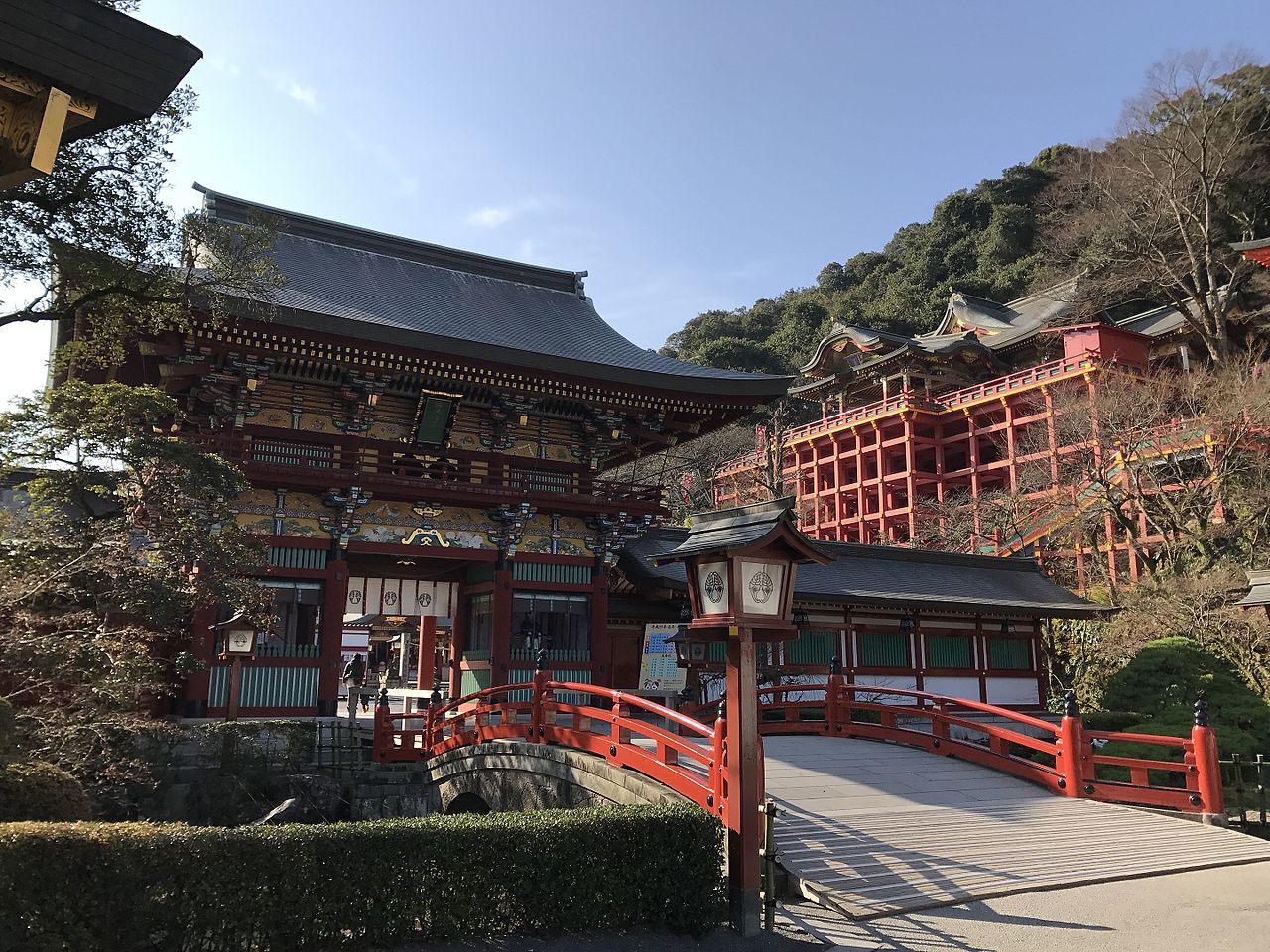
The vermilion in this tray has a real local referent. In Kashima, on Saga’s Ariake coast, stands Yutoku Inari — counted among Japan’s three great Inari shrines and built in the elaborate gongen-zukuri style, its tiered halls finished in brilliant vermilion lacquer. The shrine was maintained by the Nabeshima-Kashima sub-domain, and keeping that much lacquered architecture standing in a humid coastal climate required a sustained local supply of urushi and a corps of nuri-shi (塗師, lacquer-coating masters). The shrine-red palette, in other words, was a working economy here, not only an aesthetic.
“Saga’s vermilion is a maintained color — centuries of repainting shrine halls in shu-urushi kept the lacquer trade alive, even in a province the world remembers for porcelain.”
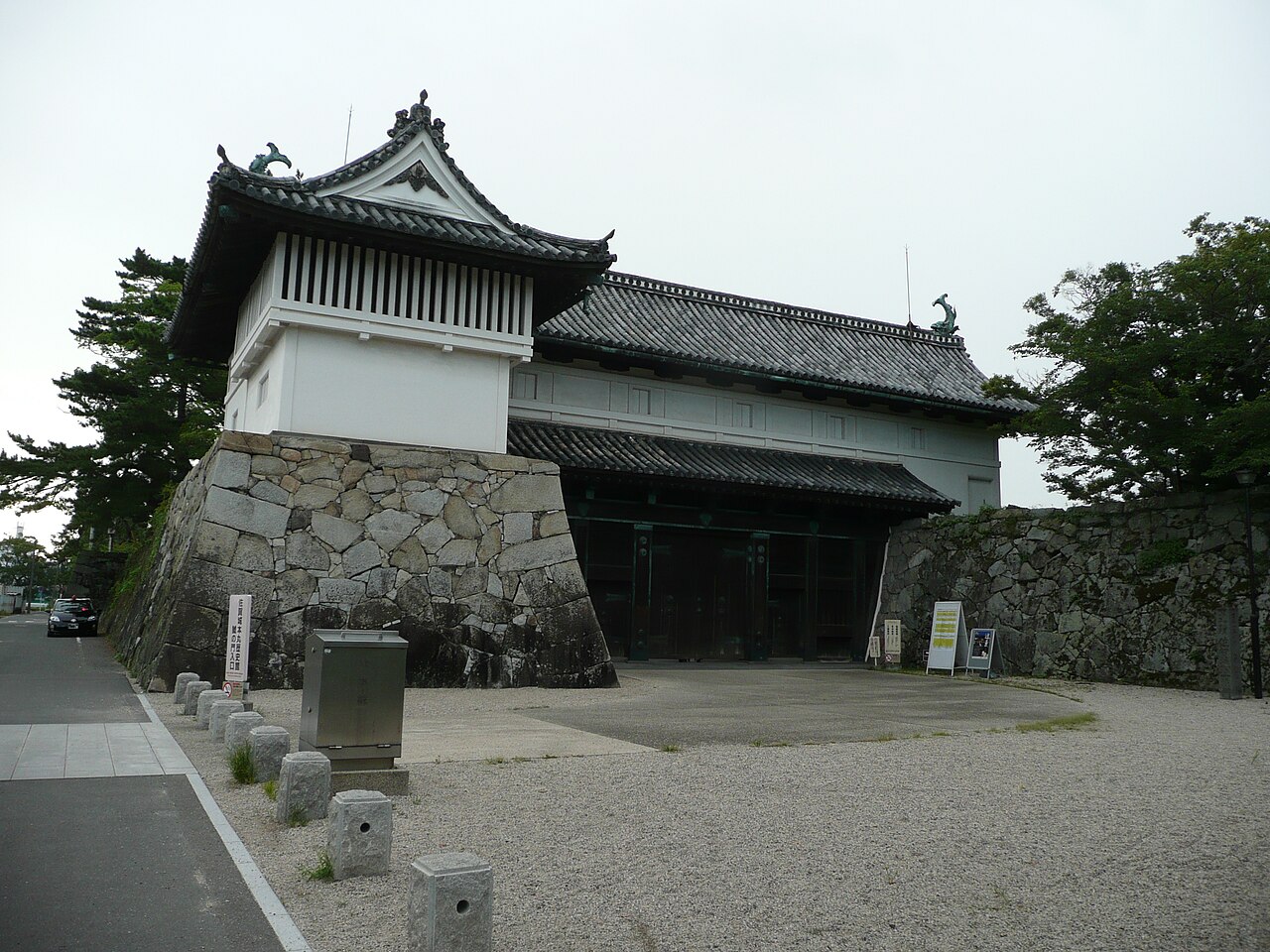
The patron behind all of this was the Nabeshima domain, which ruled Hizen from Saga Castle through the Edo period. The Nabeshima are best known for porcelain: after Korean potters were resettled in Hizen in the wake of the late-16th-century campaigns on the Korean peninsula, kaolin was found at Izumiyama near Arita in the 1610s, and Japan’s first domestic porcelain industry took root. The domain ran an official kiln, and to guard its finest techniques it moved that kiln up a narrow valley to Okawachiyama — the “secret kiln valley” above Imari.
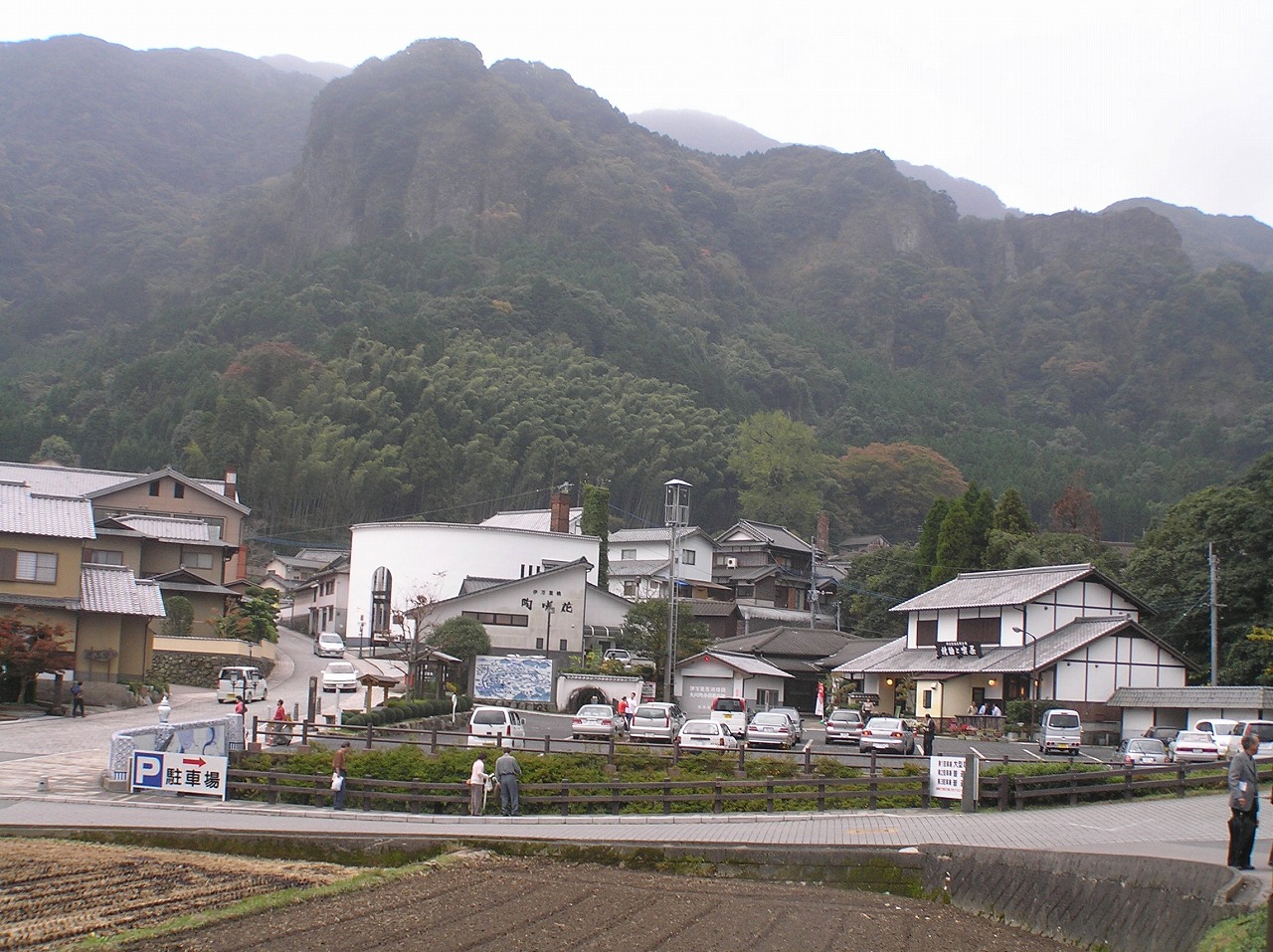
Imari port is the second reason a lacquer tray belongs in this story. From the mid-17th century, Hizen wares were shipped out through Imari, and the Dutch East India Company (VOC) carried them to Europe. The cargo was not only porcelain: gold maki-e lacquerwares left Hizen on the same trade, feeding European demand for “Japan-work.” So a lacquer-export sensibility is documented for the broader Hizen region — which is why a modern hand-lacquered vermilion tray sits believably within the Hizen story, even though lacquer never became the prefecture’s registered flagship the way porcelain did.
- 1590s — Korean potters resettled in Hizen after the peninsula campaigns, seeding the region’s ceramic skills.
- 1610s — Kaolin found at Izumiyama near Arita; Japan’s first domestic porcelain industry begins.
- 1647 — Hizen porcelain begins moving out through Imari port for wider trade.
- 1660s–1670s — The VOC carries Imari porcelain and gold maki-e lacquerwares from Hizen to Europe.
- 1675 — The Nabeshima official kiln is moved up to Okawachiyama, the secret kiln valley above Imari.
- 1687 — Yutoku Inari Shrine founded at Kashima by the Nabeshima-Kashima sub-domain, its halls in vermilion lacquer.
- 1871 — Abolition of the domains ends Nabeshima patronage; the crafts pass into private hands.
- 2026 — Hand-lacquered vermilion trays in the Hizen shrine-red palette are still made and sold from the region.
What continuity means here is more modest than for a METI-registered tradition, and it is fair to say so. There is no certified “Saga lacquerware” guild with a generational headcount to cite. What endures instead is the palette and the skill base: a shrine economy that kept vermilion urushi and nuri-shi work alive in the prefecture, and a porcelain-and-lacquer export history that makes a hand-finished tray a coherent local object rather than an invented one. Readers who want a registered lacquer pedigree should treat this as an editorial framing — a true regional thread, honestly labeled as secondary to Saga’s porcelain.
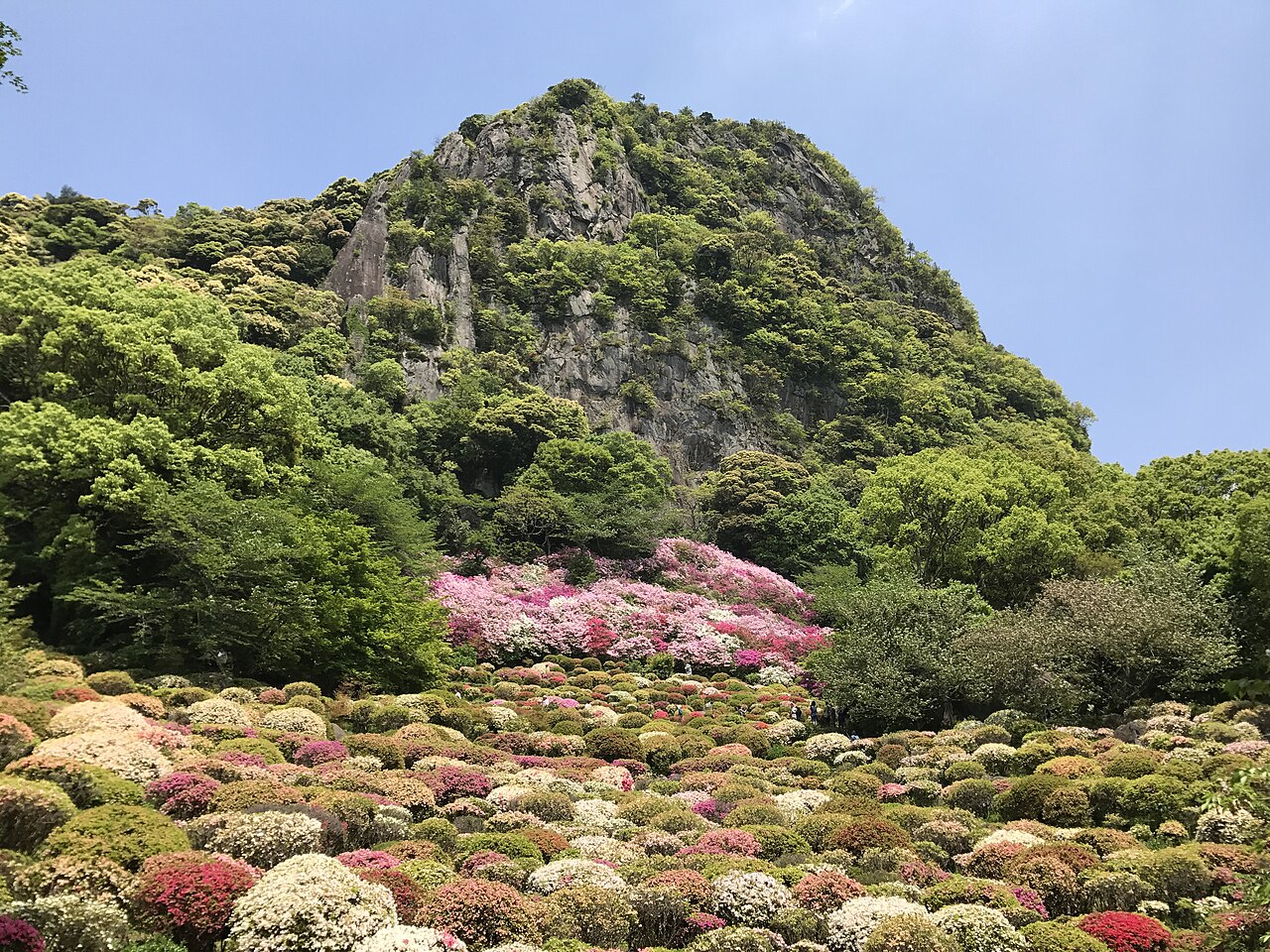
The fudo — the climate-and-landscape character of Saga — completes the picture. This is a warm, humid, green prefecture: tea hills around Ureshino, hot springs and the azalea-filled garden of Mifuneyama at Takeo, the Ariake tidal flats feeding a distinctive cuisine. Humidity that is hard on lacquered shrine halls is, paradoxically, exactly what urushi needs to cure, and the same wet warmth that ripened Hizen’s clays kept its lacquer workable. A vermilion tray from this region is, in that sense, a small piece of a coastal, shrine-flecked landscape.
📌 How does it compare?
Related jpmono guides — Saga’s flagship crafts, and vermilion lacquer from other regions, for cross-shopping:
 🔪 Saga Hizen ajikiri knife
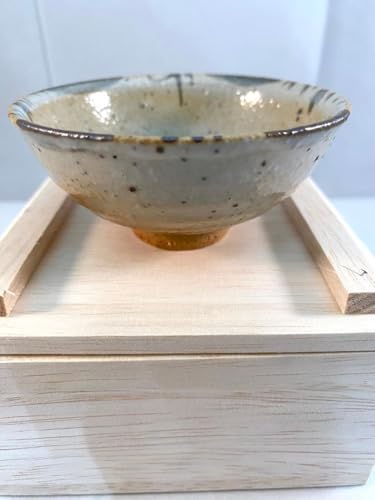 🍶 Karatsu E-Garatsu guinomi
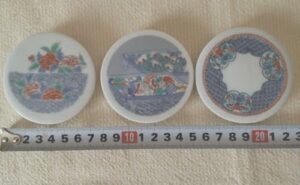 🍽️ Imari Nabeshima plate
☕ Arita sometsuke mug
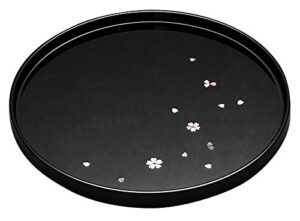 🌿 Nara raden lacquer tray
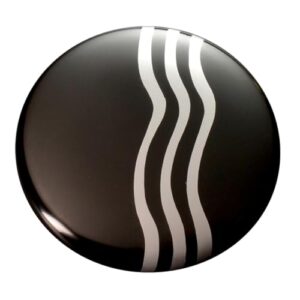 🪞 Nagasaki maki-e mirror
🍷 Wajima vermilion sakazuki
Price information
Pricing for Hizen vermilion lacquer trays varies between workshops, so the figures below are described qualitatively. Verify the current price with the seller before buying.
| Store | Item / Variant | Price (JPY + USD est.) | Notes |
|---|---|---|---|
| 🇺🇸 Amazon.com (US) | Browse Japanese vermilion lacquer trays | varies (USD) | Best if you are shopping from the US — Prime shipping, USD pricing, no international customs. Amazon US carries vermilion and black lacquer trays from various Japanese makers, useful for comparing size and finish. This exact Hizen-style tray is sourced from Japan (next row). |
| 🇯🇵 Amazon JP Global Store | This tray (item B005M0ILAY) | — | International shipping from Japan may involve customs or duties. |
| Maker direct | Workshop site (if identified) | — | Specific workshop name unconfirmed; a direct site may exist if the maker is identified. |
| Proxy services (Buyee / Tenso) | Forwarding from JP shops | item price + forwarding fee | Useful if the item appears only on a JP-domestic shop that will not ship abroad. Adds a handling fee and a consolidation step. |
USD figures alongside JPY are approximate (¥150/USD baseline as of mid-2026) and depend on the current exchange rate; the JPY price is authoritative.
📦 Shipping & where to buy from outside Japan
Japanese lacquer trays are rarely stocked individually on Amazon US, so the practical path for international buyers runs through Amazon JP Global Store, which delivers many household goods worldwide. Hizen vermilion lacquer trays are typically sourced through the JP Global Store; confirm on the retailer’s page that it serves your country before checkout, since lacquerware itself is generally unrestricted but individual seller policies vary.
Shipping for a single tray typically runs in the rough range of $15–$40 to the US or EU and higher to other regions, depending on weight and method. Orders above your country’s de minimis threshold may attract customs duties and import VAT/GST — budget for that on top of the item price. If the piece ever appears only on a JP-domestic shop that does not ship abroad, a proxy service (Buyee, Tenso) can forward it for a handling fee.
What it does well
Weaknesses and things to verify before buying
- No registered “Saga lacquerware” designation. This is an editorial anchor based on Hizen’s shrine economy and export history, not a METI-certified tradition. If certification matters to you, this is not it.
- Workshop not confirmed. Exact specifications should be checked before purchase.
- Not dishwasher- or microwave-safe. Hand-lacquered urushi requires hand-washing, gentle drying, and no soaking; heat and abrasion damage the surface.
- Sunlight sensitivity. Vermilion urushi can shift tone under prolonged direct UV; display away from strong, constant sunlight.
- Solid color, no ornament. Buyers expecting maki-e gold or raden inlay will find a plain (if deep) red field. That is the point of the piece, but set expectations.
- Color and grain vary. Hand-applied lacquer over wood means each tray differs slightly.
- International shipping and duties. Confirm the Global Store ships to your country and budget for possible customs charges above your local threshold.
Conclusion — which buyer type are you?
Other ways to approach this purchase
❓ Frequently Asked Questions
Is this an officially designated Saga lacquerware tradition?
No. Saga is world-famous for porcelain, not lacquer, and there is no METI-designated “Saga lacquerware” brand. The Hizen lacquer framing here is an editorial anchor built on real history — the vermilion shrine economy around Yutoku Inari and the region’s Edo-period maki-e lacquer exports — rather than a registered tradition.
Why is the tray vermilion (shrine-red) specifically?
The shu-urushi palette echoes the vermilion-lacquered architecture of Yutoku Inari Shrine in Kashima, one of Japan’s three great Inari shrines, whose gongen-style halls were maintained by the Nabeshima-Kashima sub-domain. Keeping that lacquer renewed sustained local urushi and nuri-shi craftsmen, so shrine-red is the region’s natural lacquer color.
Can I buy it from outside Japan?
Yes. Hizen vermilion lacquer trays are typically sourced through Amazon JP Global Store, which delivers many household goods internationally. Confirm on the retailer’s page that it serves your country, and budget roughly $15–$40 shipping to the US or EU plus any customs duties above your local threshold.
How do I care for hand-lacquered urushi?
Hand-wash gently, dry promptly with a soft cloth, and avoid soaking, dishwashers, microwaves, and prolonged direct sunlight. Treated this way, genuine urushi can last for decades and can be professionally re-coated if the surface eventually wears.
How does it compare to Saga’s porcelain?
Saga’s porcelain — Arita, Imari/Nabeshima, and Karatsu — is the prefecture’s registered, flagship craft and is far better documented. The lacquer tray is a secondary, complementary object: choose porcelain for certified pedigree, the vermilion tray for a single bold color piece with a shrine-red story.
Is the price shown reliable?
No fixed price could be confirmed for Hizen vermilion lacquer trays in general, so we have not quoted one. Check the live Amazon JP Global Store or another retailer for the current JPY price, which is the authoritative figure; any USD equivalent is an estimate at a ¥150/USD baseline.
Is a vermilion lacquer tray a good gift?
Yes — the color reads as celebratory in Japan, and the Hizen/Saga provenance gives it a clear story. For gifting, verify the diameter so it suits the recipient’s use (tea service versus a few dishes), and note that hand-lacquer needs gentle care rather than dishwasher convenience.
jpmono.com is curated by a Japan-based editorial team (working out of Toyama in the Hokuriku region and Nara in Kansai) and is independent. We do not take payment from the makers we feature; income comes from affiliate links. We do not physically test every product — we read maker specifications and published craft information.
This article was prepared with AI assistance. Where craft details vary, the text keeps general context separate from maker-specific claims.
Affiliate disclosure: jpmono.com may earn a commission on qualifying purchases made through links on this page, at no additional cost to you.