![Tosa Lacquer Katakuchi Sake Pourer: Kochi Urushi Vessel Guide [2026]](https://jpmono.com/wp-content/uploads/2026/05/japan-map-regions-and-prefectures-800x1050.png)
A katakuchi (片口, “single spout”) is one of the quieter objects in the Japanese drinking cabinet: a lipped bowl-with-a-pour, used to decant sake from a bottle or warming flask before it reaches the cup. The version covered here is a Tosa shikki (土佐漆器, “Tosa lacquerware”) katakuchi from Kochi Prefecture on the island of Shikoku — hand-lacquered in vermilion or black urushi over a turned wooden core of local hinoki or keyaki, with a watertight rim shaped so the stream breaks cleanly and does not dribble down the side.
What makes a Kochi piece worth a second look is the place behind it. Tosa was a heavily forested domain — roughly 84% woodland of sugi and hinoki along the Shimanto and Yusuhara rivers — and the Yamauchi clan who ruled it from 1601 built both a castle (one of only twelve original keeps still standing in Japan) and a forestry economy that fed the woodturning and lacquer trades. The katakuchi also sits squarely inside Tosa’s loud, generous drinking culture: the okyaku banquet, the bekuhai cups you physically cannot set down, and the rhythm games that go with local sake.
This guide is for the international reader weighing a single, useful lacquer vessel rather than a museum object. We cover what the katakuchi form is and is not, how to think about limited specifications, where Tosa lacquerware sits relative to better-known Wajima and Aizu urushi, who may enjoy one, and who should pass. Tosa lacquerware is a regional tradition, so the workshop and availability can vary.
🔄 Last updated: June 13, 2026
⏱️ Read time: ~10 min
- Who this is for — and who should skip it
- Product overview (from published specs)
- Where this comes from — place, era, and the craft tradition
- Where to buy
- What it does well
- Weaknesses and things to verify before buying
- Conclusion — which buyer type are you?
- Other ways to approach this purchase
- ❓ Frequently Asked Questions
Who this is for — and who should skip it
- Want a real, usable urushi vessel for serving sake at home rather than a display piece.
- Prefer a lesser-known regional craft with a genuine place story over a famous flagged brand.
- Appreciate hand-finished lacquer over wood and accept the care it asks for.
- Like a pourer that doubles as a small serving bowl — cold sake, dressings, even a one-flower vessel.
- Are comfortable buying from Japan and verifying the specific workshop before checkout.
- Need a dishwasher- and microwave-safe vessel — lacquer over wood is hand-wash only.
- Are buying for the resale value of a marquee name (Wajima, Aizu); Tosa is not that brand.
- Want a guaranteed, standardized SKU — Tosa lacquerware is workshop-variable.
- Expect a precise specification sheet today — the available details are limited and unconfirmed.
- Plan to pour boiling liquid or use it as a kettle — this is a pourer, not heatware.
Product overview (from published specs)
| Attribute | Detail | Source |
|---|---|---|
| Object | Katakuchi (片口) single-spout pouring vessel for sake | Spec / form |
| Tradition | Tosa shikki (Tosa lacquerware), Kochi Prefecture, Shikoku | Spec |
| Finish | Hand-applied urushi (lacquer), vermilion or black | Spec / tradition |
| Core material | Turned wood — hinoki (cypress) or keyaki (zelkova) | Spec / tradition |
| Capacity / size | Unconfirmed | — |
| Weight | Unconfirmed | — |
| Price | Unconfirmed at time of writing — verify on Amazon JP Global Store | — |
| Care | Hand-wash only; no dishwasher, microwave, or prolonged soaking | Lacquer-care norm |
📖 Glossary — key terms
- Katakuchi (片口) — literally “single spout”; a lipped bowl used to pour sake, sauces, or dressings.
- Tosa (土佐) — the old domain name for present-day Kochi Prefecture on Shikoku island.
- Shikki (漆器) — lacquerware; objects finished in urushi.
- Urushi (漆) — natural lacquer, the refined sap of the lacquer tree, cured by humidity rather than heat.
- Hinoki (檜) — Japanese cypress, prized for its fine, even grain and aroma.
- Keyaki (欅) — Japanese zelkova, a hard hardwood with bold figure, common for turned vessels.
- Okyaku (おきゃく) — a Tosa-style banquet of food, sake, and games; the social engine of the region’s drinking culture.
- Bekuhai (べく杯) — trick sake cups that cannot be set down until emptied, used in okyaku games.
- Kijishi (木地師) — woodturners who shape the bare wooden cores that lacquerers later finish.
Where this comes from — place, era, and the craft tradition

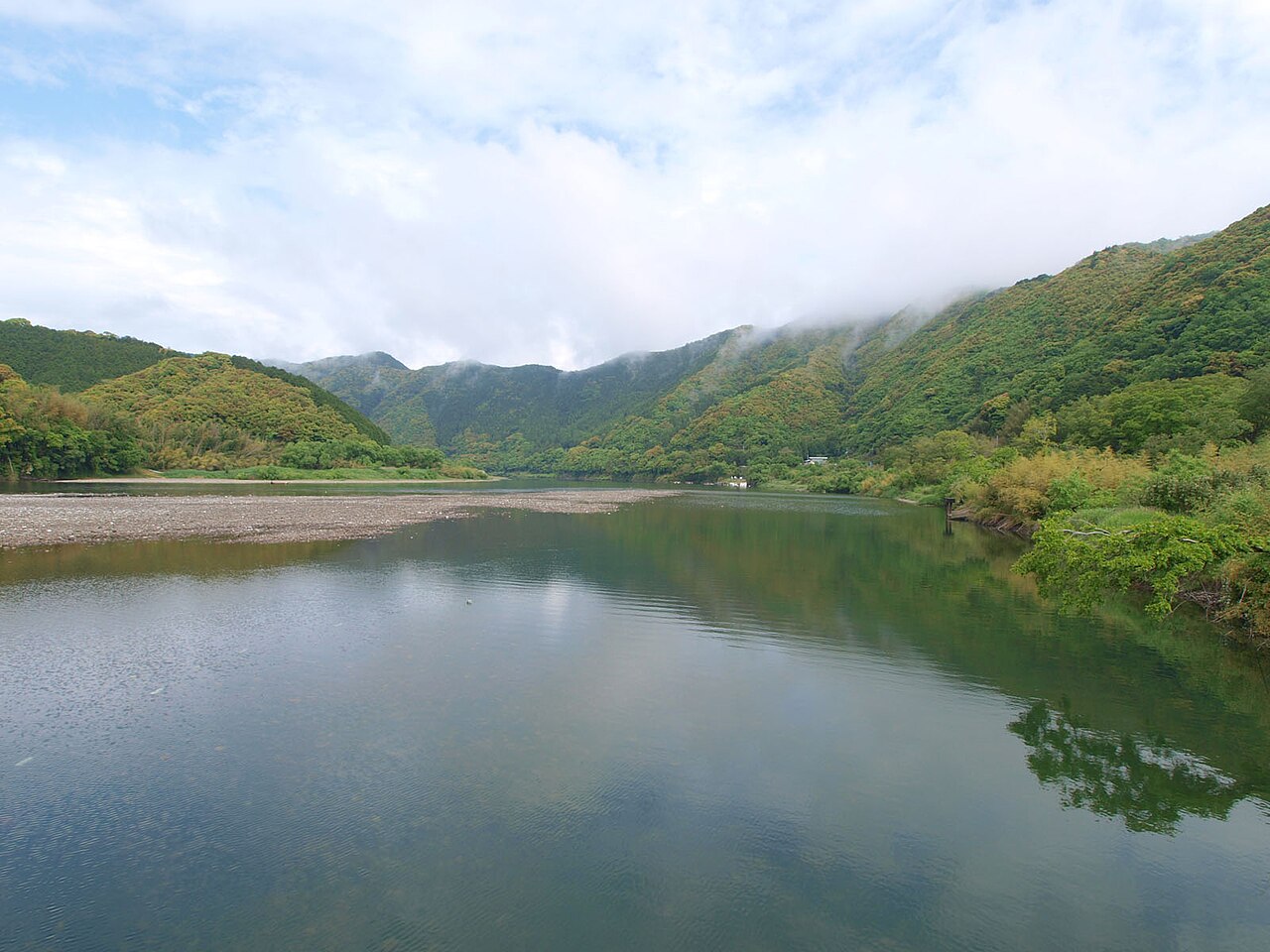
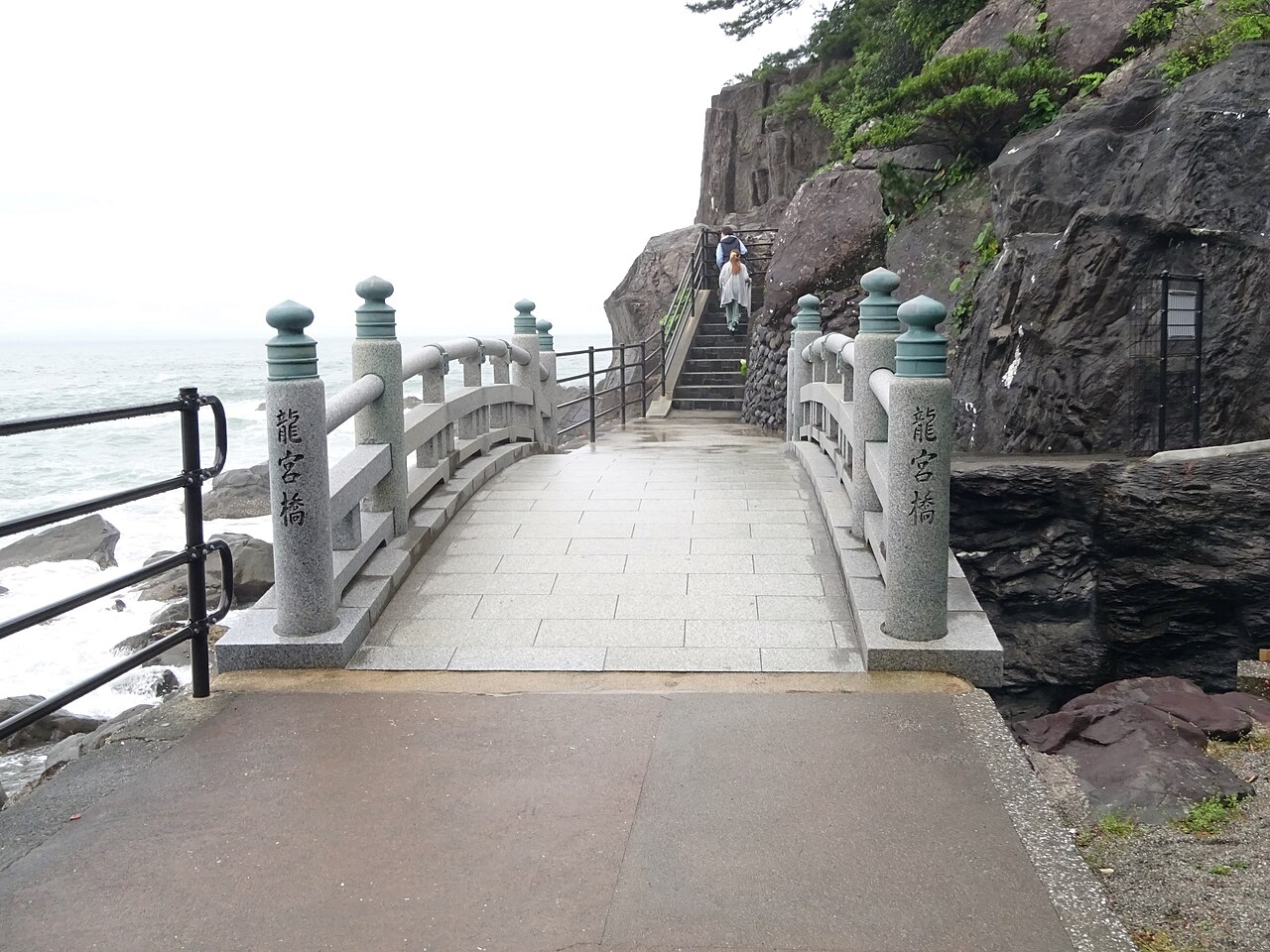
Kochi occupies the whole southern face of Shikoku, the smallest of Japan’s four main islands. It is the Pacific side — open water, long coastline, warm and wet, with the mountains pressing close behind the towns. Historically the province was called Tosa, and its defining feature is forest: roughly 84% of the land is woodland, much of it sugi (cedar) and hinoki (cypress) along the Shimanto and Yusuhara river valleys. That timber, and the woodturners who worked it, is the raw material behind every Tosa lacquer vessel.
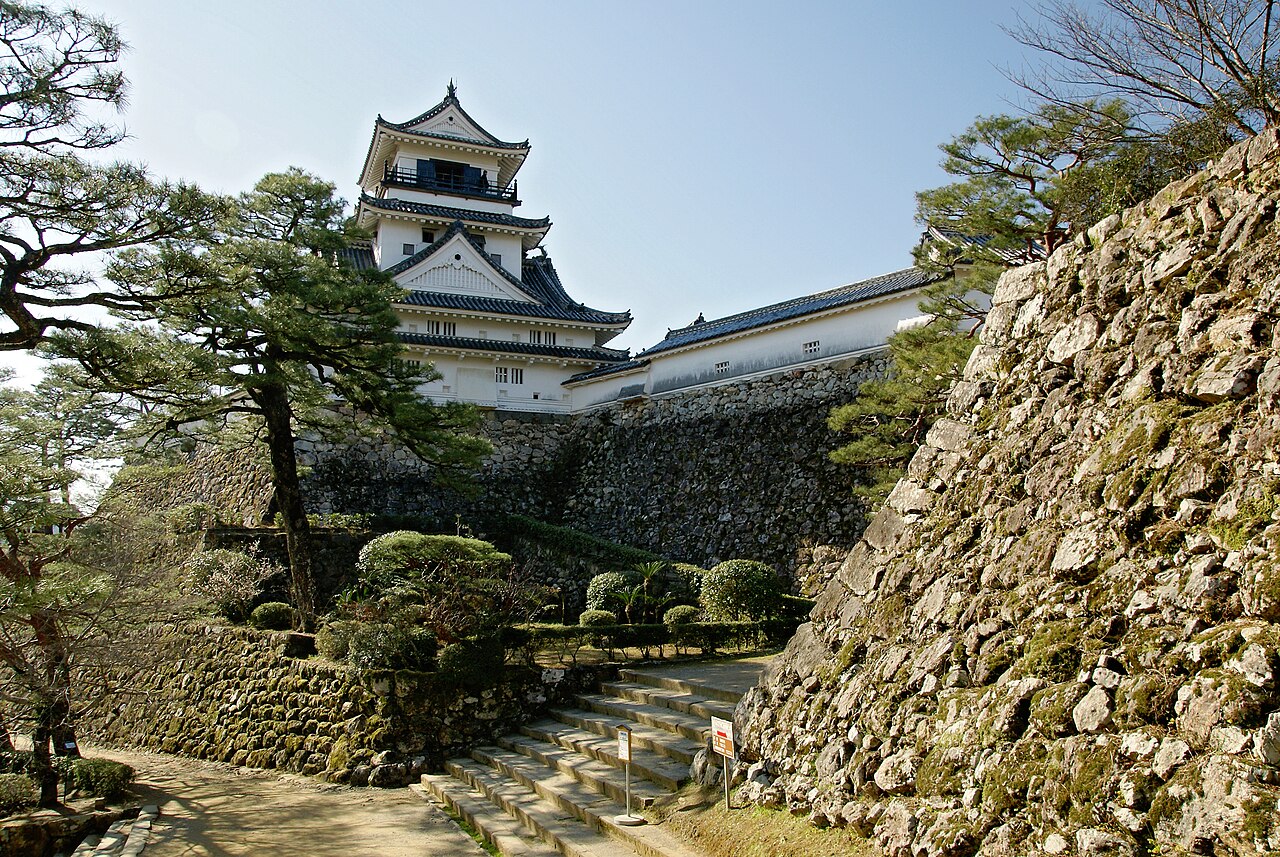
The political anchor arrives in 1601, when the Yamauchi clan took over Tosa after the battle of Sekigahara and began building Kochi Castle. The castle was largely complete in the years that followed and survives today as one of only twelve original keeps left in Japan — most of the country’s famous castles are postwar concrete reconstructions, which makes Kochi’s wooden keep genuinely rare. The Yamauchi rulers treated the province’s forests as a strategic asset, promoting forestry and the woodturning (kijishi) trades whose output the lacquerers depend on.
- 1601 — The Yamauchi clan enters Tosa and begins building Kochi Castle.
- Early 1600s — Castle keep completed; survives today as one of twelve original keeps in Japan.
- Edo period — Domain forestry policy manages ~84% woodland of sugi and hinoki; kijishi woodturning trades grow.
- Edo period — Okyaku banquet and bekuhai drinking culture flourish around Tosa sake.
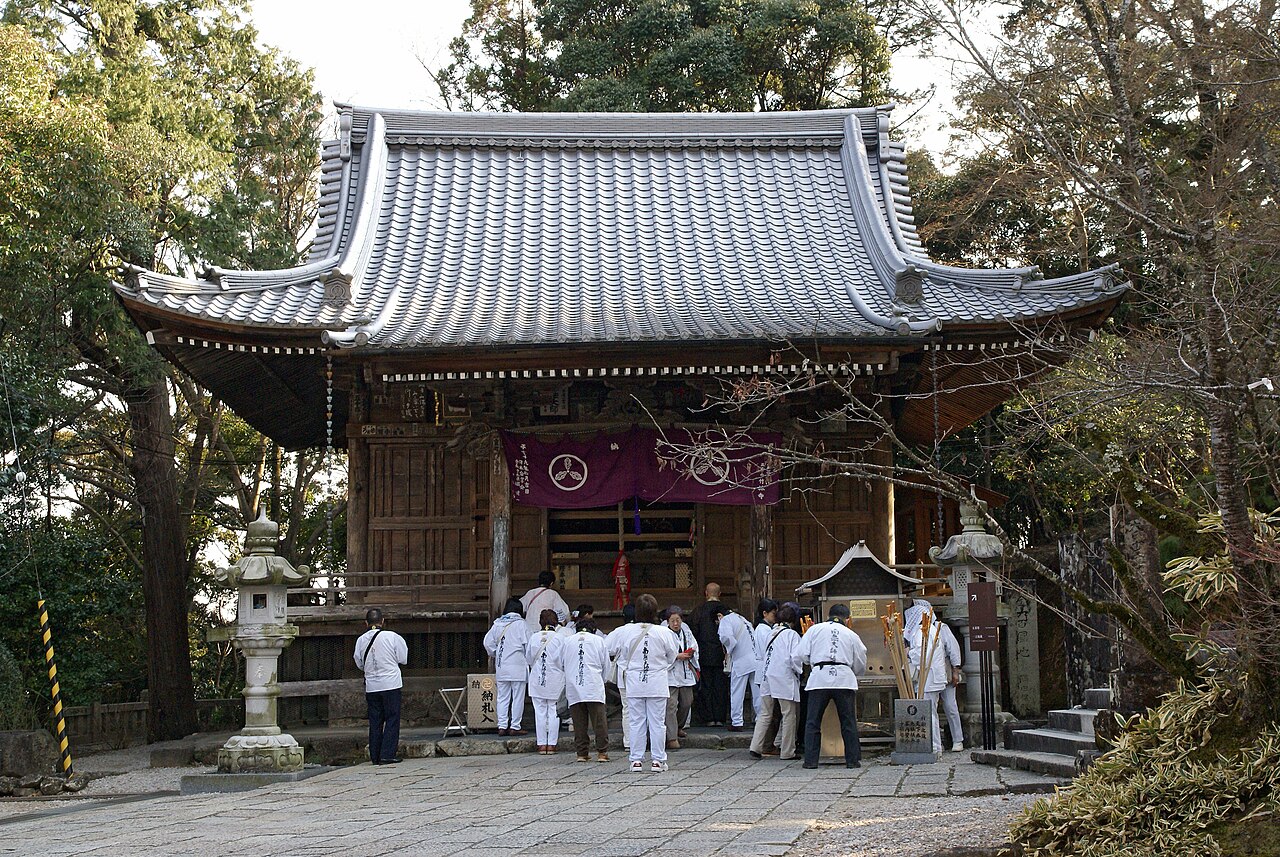
- Edo to modern — Sixteen of the Shikoku 88 pilgrimage temples in Kochi (Chikurinji No. 31) sustain demand for everyday urushi ware.
- 2026 — Tosa lacquerware continues as a secondary, lightly branded regional tradition, made in small workshops.
Religion mattered to the craft as much as the castle did. Kochi is known as the “Dōjō of Ascetic Training” on the 88-temple Shikoku pilgrimage, and sixteen of those temples lie within the prefecture. Temple-and-pilgrim economies around sites like Chikurinji — temple No. 31, on Mt. Godai, with its five-story pagoda — created a steady, ordinary demand for ritual and tableware lacquer: bowls, stacked boxes, trays, and pouring vessels. This is the unglamorous engine of regional lacquer: not court patronage but the daily needs of temples, inns, and households.
Then there is the drinking. Tosa’s reputation for sake is not a marketing line — it is woven into the social fabric through the okyaku, a banquet built around generous pouring, communal eating, and games. The bekuhai are trick cups with rounded or pierced bottoms that cannot be set down until drained, and games like hashiken keep the cups moving. A katakuchi belongs to exactly this world: it is the vessel that carries sake from bottle or flask to cup, the object that makes the pouring itself a small ceremony. Folk tradition, more than documentary record, ties the form to this banquet culture — but the connection is real and still living.
“A katakuchi is the one vessel at the Tosa table whose whole job is the pour — the moment between bottle and cup that the okyaku turns into a ritual.”
One honest caveat closes this section. Tosa lacquerware does not carry the national name recognition of Wajima-nuri or Aizu-nuri, and it is not a METI-designated flagship craft in the way those are. It is a secondary, lightly branded regional tradition kept alive by a small number of workshops. That is part of its appeal — a genuine place behind an honest object — but it also means the specific maker, the exact piece, and current Japan stock all deserve verification before you buy.
Related lacquer, sake, and Shikoku craft guides on jpmono.com — useful for triangulating tradition, price tier, and material before you commit.
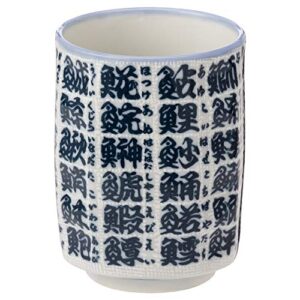 Tosa Odo-yaki Yunomi (same Kochi roots)
Wajima Nuri Sake Cup Pair
Obi-Sugi Fuki-Urushi Sake Cup
 Sanuki Kinma Lacquerware (Shikoku)
Gohara Kijiro Lacquer Bowl
 Otani-yaki Tumbler (Shikoku)
 Marugame Uchiwa (Shikoku)
 Tamba Tachikui Guinomi
Where to buy
| Store | Item / variant | Price (JPY + USD est.) | Notes |
|---|---|---|---|
| 🇺🇸 Amazon.com (US) — search | Browse Japanese urushi sake vessels | varies (USD) | Best if you are shopping from the US — Prime shipping, USD pricing, no international customs. Amazon US carries comparable Japanese lacquer and sake serving ware; this exact Tosa piece ships from Japan (next row). |
| 🇯🇵 Amazon JP Global Store | Tosa shikki katakuchi | — | Amazon JP Global Store; international shipping may be available. |
| Maker direct | Workshop-dependent | Unconfirmed — check workshop site | Tosa lacquerware is made by small workshops; identify the specific maker before assuming direct sales or international shipping. |
| Proxy services (Buyee / Tenso) | Any JP option forwarded abroad | Item price + forwarding fee | Useful if the Global Store does not ship to your country; adds a forwarding/consolidation fee on top of the item price. |
Prices for handmade lacquer vessels vary by workshop, wood body, coating, and decoration. Any USD conversion depends on the current exchange rate; compare the maker’s price with shipping and duties.
What it does well
Weaknesses and things to verify before buying
- Limited product details. Capacity, exact wood, and overall fit were unconfirmed. Read the product details carefully before you commit.
- Workshop is unverified. Tosa lacquerware is a small-workshop tradition; confirm who made the piece and whether it is solid urushi over wood or a coated substitute.
- Not a flagship brand. If you want name recognition or resale value, Wajima-nuri or Aizu-nuri carry the reputation Tosa does not. This is a use-and-enjoy object, not an investment.
- Care is real work. Lacquer over wood is hand-wash only — no dishwasher, no microwave, no long soaking, and keep it out of prolonged direct sun to avoid fading and cracking.
- Stock and shipping vary. Confirm the Amazon JP Global Store ships the item to your country; if not, a proxy service (Buyee/Tenso) adds cost. Customs duties may apply above your local threshold.
- Vermilion vs black is finish-dependent. The exact shade and availability may vary; do not assume a specific color is in stock.
Conclusion — which buyer type are you?
Other ways to approach this purchase
❓ Frequently Asked Questions
What exactly is a katakuchi used for?
A katakuchi is a lipped pouring bowl. Its classic use is decanting sake from a bottle or warming flask before it reaches the cup, but it also works as a small serving bowl for dressings, dipping sauces, or soba broth, and even as a single-stem flower vessel.
Is Tosa lacquerware a famous, designated craft?
No. Tosa shikki is a secondary, lightly branded regional tradition from Kochi, not a METI flagship like Wajima-nuri or Aizu-nuri. That is part of its appeal — a genuine place behind an honest object — but it also means you should verify the specific workshop and piece before buying.
How do I care for an urushi-over-wood vessel?
Hand-wash only with mild soap and a soft cloth, dry promptly, and avoid the dishwasher, microwave, prolonged soaking, and extended direct sunlight. Treated this way, lacquer over wood lasts for many years and develops a soft sheen.
Can it be shipped outside Japan?
Often yes, through the Amazon JP Global Store, which ships many household items to most major destinations. If a particular maker or seller does not ship to your country, a proxy forwarder such as Buyee or Tenso can receive and re-ship it for an added fee. Customs duties may apply above your local threshold.
Why does the Editor’s Pick link to a US search instead of the exact item?
Regional Japanese lacquer pieces are often obtained through maker-direct channels, specialist craft retailers, or a proxy service when a workshop does not ship abroad. Choose the route that provides clear information about the maker, materials, and care.
Vermilion or black — which finish should I choose?
Both vermilion and black are traditional finishes. Vermilion reads festive and suits celebratory sake, while black reads quiet and formal. Colour options vary by workshop, so ask the maker which finish is currently available.
Is the price in this article accurate?
The price of a Tosa lacquer katakuchi varies with the wood, finish, and workshop. Compare the current yen price and the full delivered cost, since shipping and customs can differ by destination.
jpmono.com is curated by a Japan-based editorial team working out of Toyama (Hokuriku region) and Nara (Kansai region), and is independent. We do not take payment from the makers we feature; income comes from affiliate links. We do not physically test every product, and we review maker specifications and public craft references.
This article was prepared with AI assistance and reviewed against public craft references available at the time of writing. Specifications, prices, and availability vary by workshop and should be confirmed with the maker or specialist seller.
Affiliate disclosure: jpmono.com may earn a commission on qualifying purchases made through links on this page, at no additional cost to you.