![Kawagoe Edo-Style Lacquer Jubako Box: Koedo Two-Tier Urushi Stacking Box Buying Guide [2026]](https://jpmono.com/wp-content/uploads/2026/05/japan-map-regions-and-prefectures-800x1050.png)
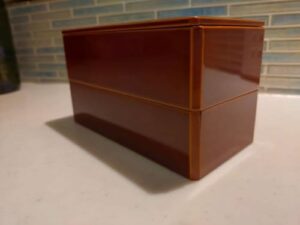
A jubako (重箱, “stacked box”) is the lacquered serving vessel a Japanese household reaches for when the meal is meant to mark something — New Year’s osechi, a flower-viewing lunch, the first guests of the season. The piece covered in this guide is a two-tier (ni-dan) jubako in the Edo serving style: a deep black urushi exterior, a vermilion-red interior, and a restrained gold maki-e accent rather than an all-over pattern. It comes out of Kawagoe, the Saitama castle town that Edo-period merchants and later visitors nicknamed Koedo — “Little Edo.”
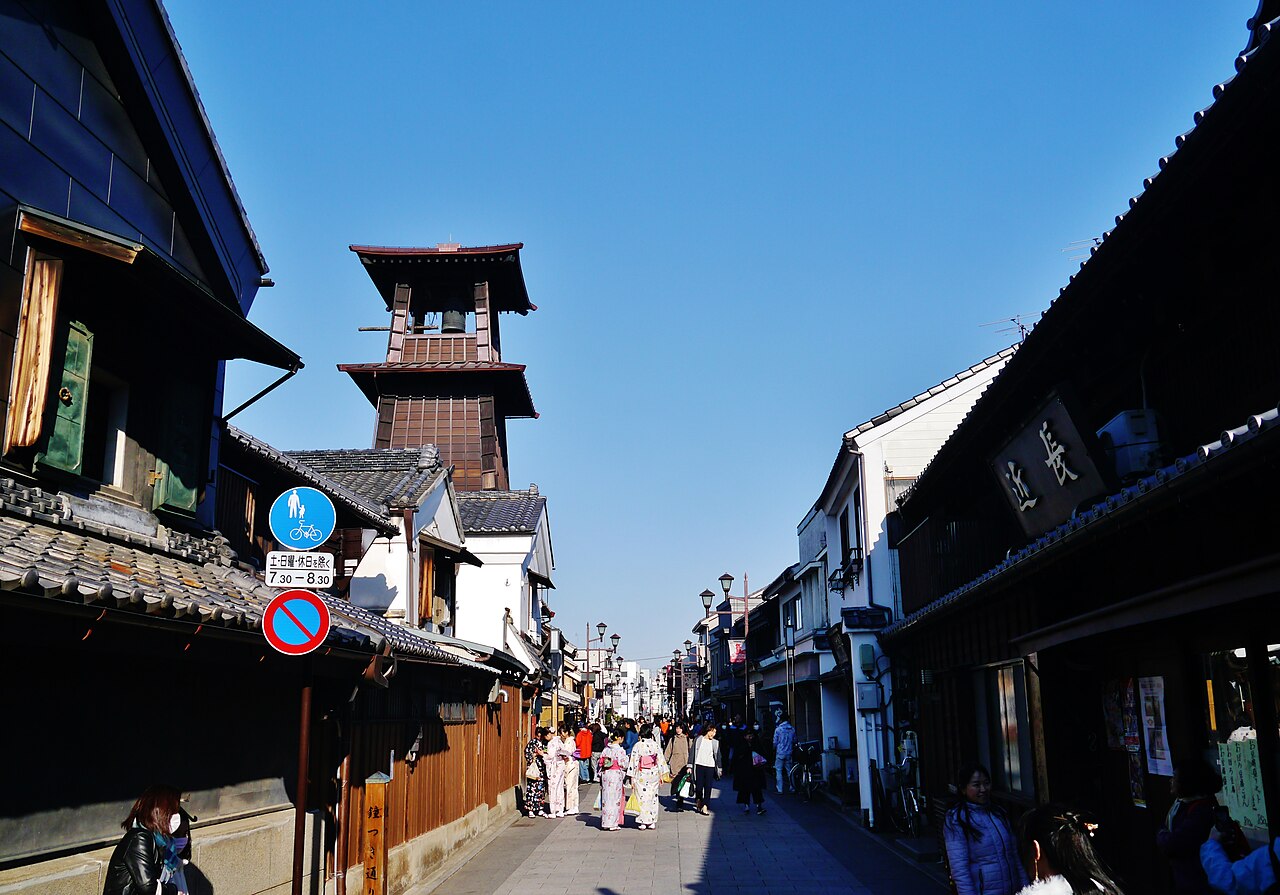
Saitama is not a place with a METI-designated lacquerware appellation the way Wajima or Aizu are, so it is honest to call this an Edo-cultural-sphere craft rather than a named urushi tradition. What Kawagoe does have is a continuous Edo-period merchant economy — preserved today in its Kurazukuri clay-walled streets, the Toki-no-Kane bell tower, and the lacquered, gold-leafed festival floats of the Kawagoe Hikawa Festival — that kept lacquerers (nushi) and gold-leaf artisans in steady work. The black-and-vermilion jubako sits squarely in that lineage of formal Edo serving lacquerware.
This article is written for the international reader deciding whether a two-tier Edo-style jubako belongs in their home. We cover the box’s form, how it differs from a translucent Ise shunkei bento box, how to care for urushi, where these lacquer pieces are typically sold from Japan, and which type of buyer it suits. Where details vary, we say so plainly rather than guess.
🔄 Updated: June 13, 2026
⏱️ Read time: ~11 min
- Who this is for — and who should skip it
- Product overview (from published specs)
- Where this comes from — Kawagoe, the Little Edo
- Where to buy
- What it does well
- Weaknesses and things to verify before buying
- Conclusion — which buyer type are you?
- Other ways to approach this purchase
- ❓ Frequently Asked Questions
Who this is for — and who should skip it
- Host osechi, hanami, or other special-occasion meals and want a proper serving vessel
- Prefer the formal black-and-vermilion Edo aesthetic over translucent or rustic finishes
- Value a restrained gold maki-e accent rather than an all-over decorative pattern
- Are comfortable hand-washing and storing lacquerware with a little care
- Want a piece tied to a documented Edo-period merchant town rather than mass-market tableware
- Want a dishwasher- and microwave-safe everyday food container
- Expect a METI-certified, named lacquer appellation (Saitama has none for lacquer)
- Are looking for the warm amber translucency of Ise shunkei rather than opaque black
- Need confirmed material before committing; the available details are limited
- Will leave it soaking, sun-exposed, or stacked wet — urushi does not forgive that
Product overview (from published specs)
Individual Edo-style serving jubako vary by workshop. The attributes below combine the general characteristics of the style with the form’s typical use; exact dimensions, decoration, and price should be confirmed with the maker or a specialist lacquerware seller.
| Attribute | Detail |
|---|---|
| Form | Two-tier (ni-dan) stacking jubako with lid |
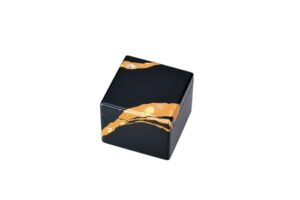
| Finish | Black urushi exterior, vermilion interior, restrained gold maki-e accent |
| Style | Edo-style formal serving lacquerware (Koedo / Kawagoe cultural sphere) |
| Substrate | Unconfirmed — wood or wood-composite core is typical for this category |
| Dimensions / capacity | Unconfirmed |
| Origin | Kawagoe, Saitama Prefecture, Kantō (Edo cultural sphere; no METI lacquer appellation) |
| Price | — |
| Primary source | Amazon US search · Amazon JP Global Store |
Prices, dimensions, and decoration methods vary among Edo-style jubako. Treat unconfirmed details as questions for the maker or specialist seller, not as fixed specifications.
📖 Glossary — key terms
- Jubako (重箱) — stacked, lidded serving boxes used for festive meals such as osechi (New Year’s food).
- Urushi (漆) — natural lacquer tapped from the lacquer tree, cured in humidity into a hard, water-resistant film.
- Maki-e (蒔絵) — decorative technique of sprinkling gold or silver powder onto wet lacquer; here used as a restrained accent.
- Nushi (塗師) — a lacquer coater; the artisan who applies and polishes the urushi layers.
- Koedo (小江戸) — “Little Edo,” the nickname for Kawagoe, reflecting its preserved Edo-period merchant streetscape.
- Kurazukuri (蔵造り) — thick clay-walled, fire-resistant merchant-house construction characteristic of central Kawagoe.
- Shunkei (春慶) — a translucent amber lacquer finish (e.g., Ise shunkei) that shows the wood grain — the visual opposite of opaque black.
Where this comes from — Kawagoe, the Little Edo

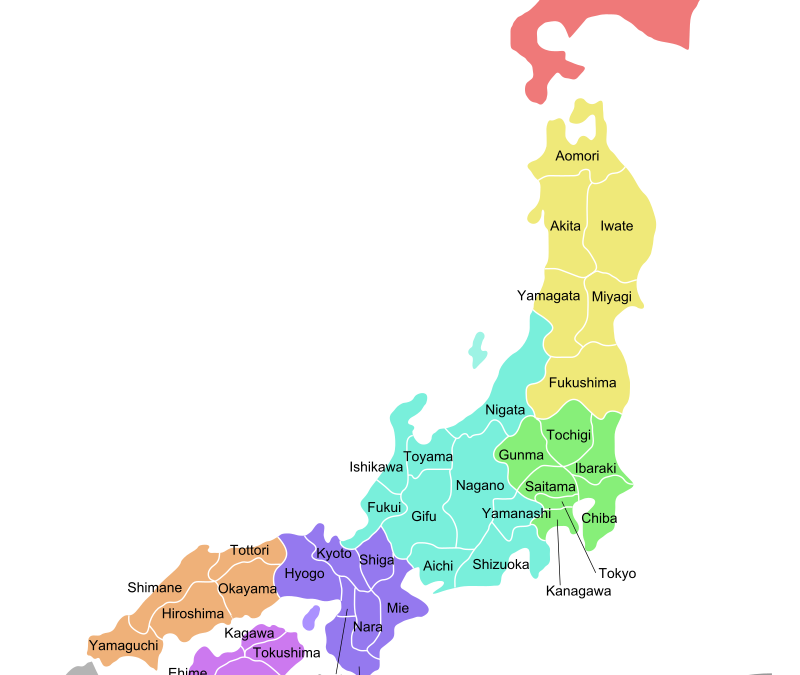
Kawagoe sits on the Kantō plain in the south-central part of Saitama Prefecture, a short ride northwest of Tokyo. In the Edo period that proximity was the whole story: the town stood on the Kawagoe-kaido road and the Shingashi River, the artery down which rice, lumber, and lacquer goods floated to feed the enormous consumer market of Edo. A river town that supplies a capital becomes wealthy, and wealthy merchant towns keep skilled finishing trades — lacquerers and gold-leaf artisans among them — in steady employment.
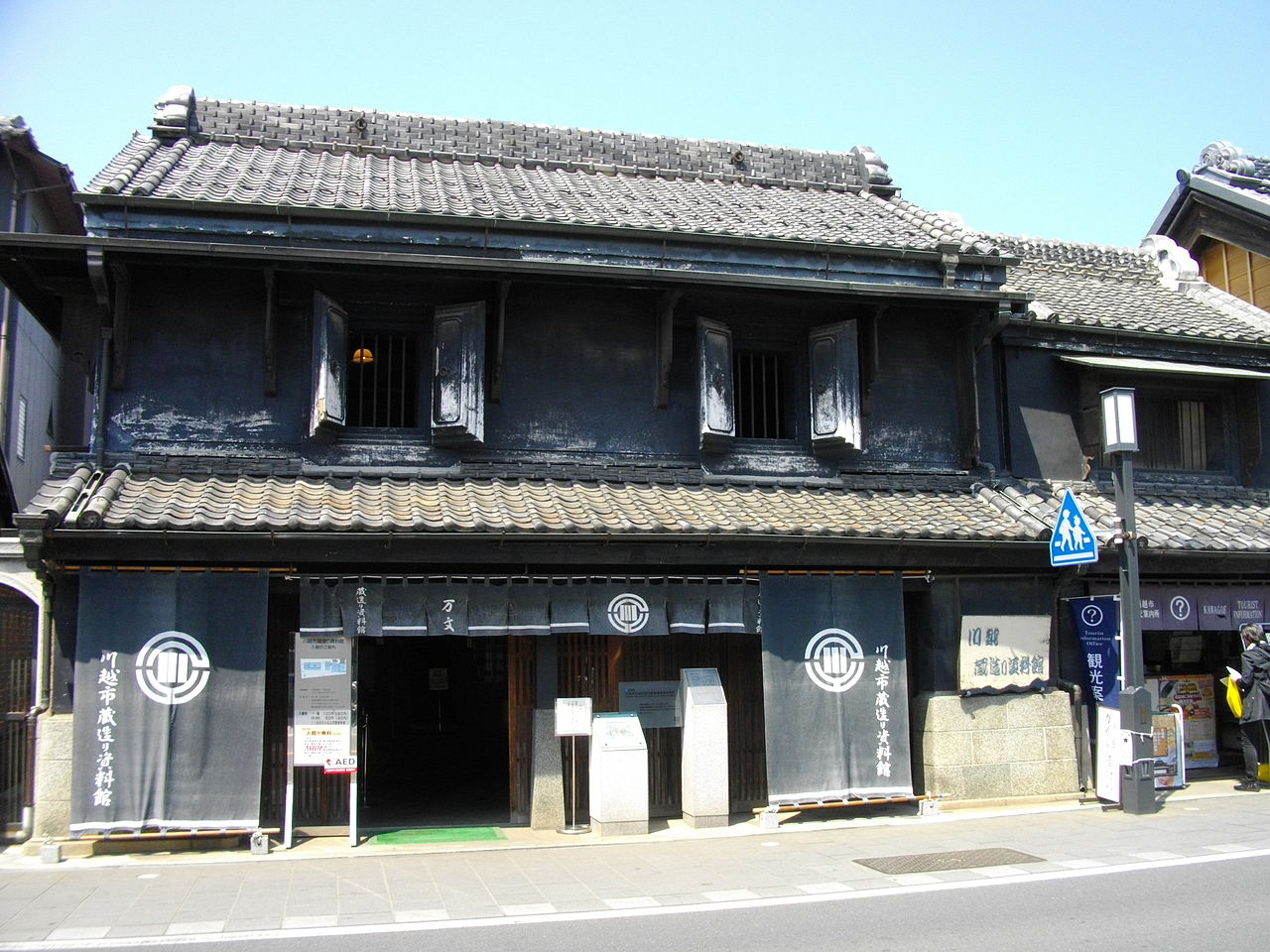
The nickname Koedo — “Little Edo” — is not modern tourism copy alone. Kawagoe Castle was established here in 1457 by Ōta Dōkan, and the town grew as a strategic and commercial node guarding the approach to Edo. Its central avenue is still lined with Kurazukuri: thick, fire-resistant clay-walled merchant houses. Many of the surviving buildings date to the rebuilding that followed the great fire of 1893, when merchants chose the most durable construction they could afford — a direct expression of how much commercial wealth the town held.
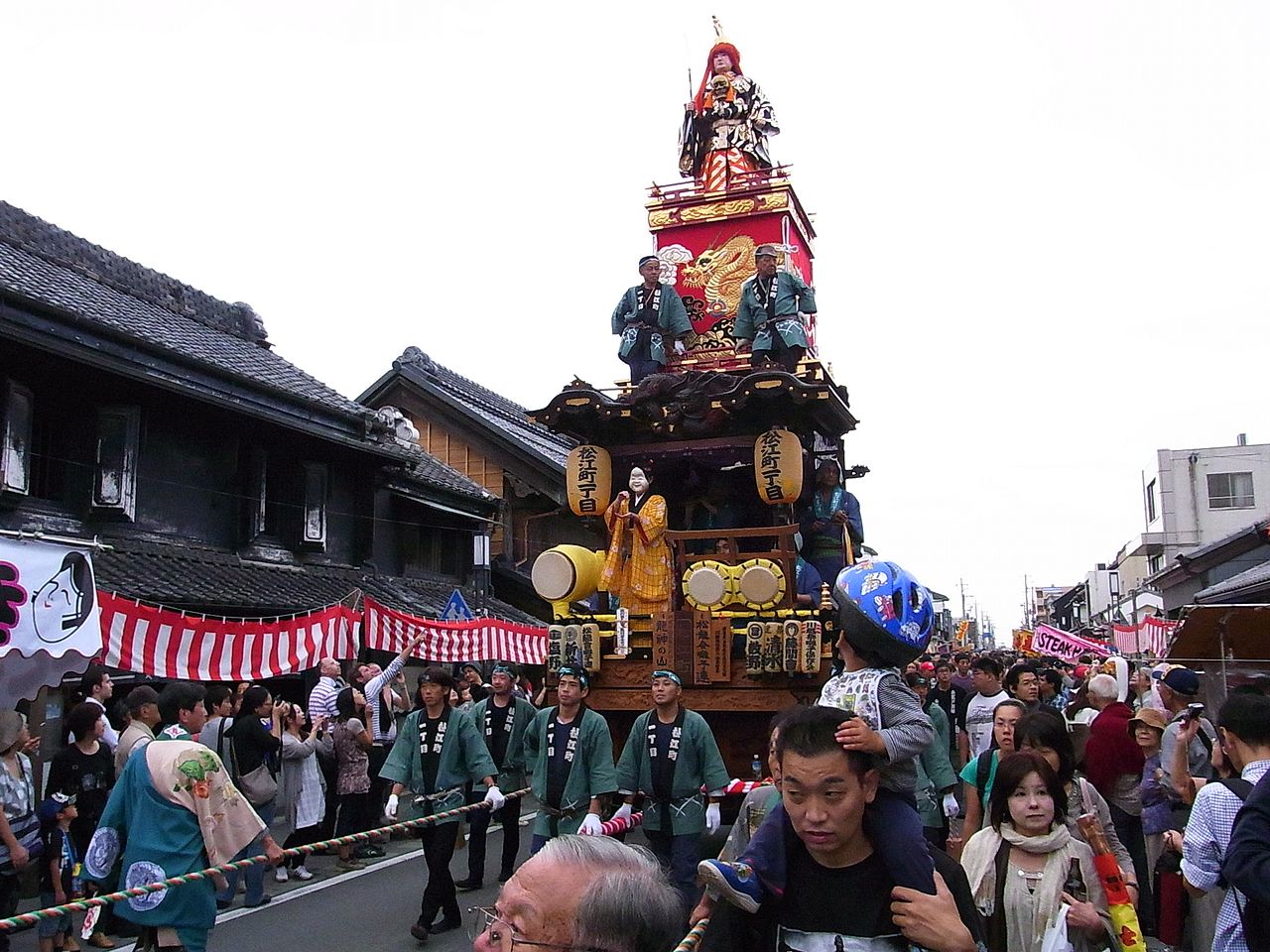
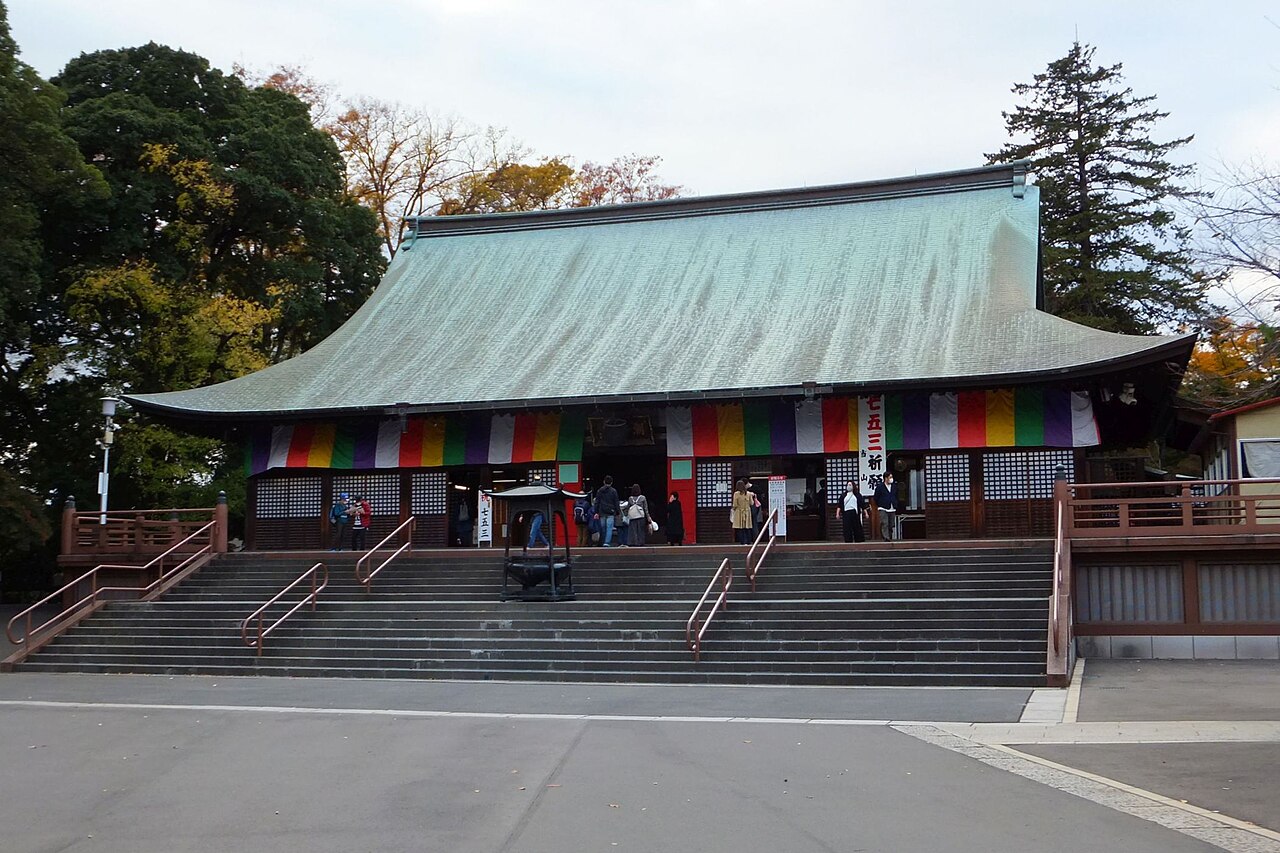
Two anchors fix Kawagoe firmly inside the Edo cultural sphere. The first is Kitain, the temple rebuilt under the patronage of the third shogun, Tokugawa Iemitsu; structures associated with Edo Castle were relocated to its grounds, marking Kawagoe as a privileged satellite of the capital rather than a provincial backwater. The second is the Kawagoe Hikawa Festival, whose towering wheeled floats (dashi) are lacquered and gilded — finishing work that historically sustained the town’s nushi lacquerers and gold-leaf artisans. The float event is inscribed on UNESCO’s list of Intangible Cultural Heritage as part of Japan’s Yama-Hoko-Yatai float festivals.
-
1457 — Ōta Dōkan establishes Kawagoe Castle, seeding the castle town. -
1603 — The Edo period begins; Kawagoe becomes a key supply town for the new capital. -
1638 — After a great fire, Kitain is rebuilt under Tokugawa Iemitsu; Edo Castle structures are relocated there. -
Edo period — The Shingashi River and Kawagoe-kaido carry goods to Edo, enriching the merchant class. -
1893 — A major fire prompts rebuilding in durable Kurazukuri clay-walled style, the streetscape seen today. -
2016 — The Kawagoe Hikawa Festival float event is inscribed on UNESCO’s Intangible Cultural Heritage list. -
2026 — Edo-style serving lacquerware, including black-and-vermilion jubako, still circulates from the Koedo sphere.
“A river town that feeds a capital grows rich, and rich towns keep their lacquerers busy — the gold on a festival float and the gold on a jubako come from the same hands.”
It is worth being precise about provenance. Saitama has no METI-designated lacquerware appellation, so this jubako is best understood as an Edo-cultural-sphere serving piece — a product of the aesthetic and craft economy that Kawagoe preserved — rather than a certified regional brand like Wajima-nuri or Aizu-nuri. That distinction does not make the object less attractive; it simply means the value lies in the Edo style and the finishing work, not in a registered name. We flag it so the reader weighs the piece on the right terms.
Related jpmono guides — other Kantō crafts, other lacquer boxes and trays, and the translucent Ise shunkei bento box this jubako is most often contrasted with.
Where to buy
| Store | Item / variant | Price (JPY + USD est.) | Notes |
|---|---|---|---|
| 🇺🇸 Amazon.com (US) | Browse Japanese lacquer jubako boxes | varies (USD) | Best if you are shopping from the US — Prime shipping, USD pricing, no international customs. Amazon US carries Japanese lacquer jubako and bento boxes from several makers, useful for comparing tiers and finishes. This specific Kawagoe Edo-style piece is sourced from Japan (next row). |
| 🇯🇵 Amazon JP Global Store | Two-tier Edo-style jubako | — | Amazon JP Global Store; international shipping may be available. Confirm availability and shipping before buying. |
| Maker direct | — | Unconfirmed | No verified maker storefront is available here; because this is an Edo-cultural-sphere piece rather than a named appellation, a single official maker page may not exist. |
| Proxy services (Buyee / Tenso) | Forward from JP retailers | JP price + forwarding fee | Useful if a domestic-only Japanese seller lists the same or similar jubako; expect a service fee plus international forwarding and possible customs duty. |
Prices in USD are approximate and depend on the current exchange rate. Always verify the live JPY price and international-shipping quote at the retailer before purchasing.
What it does well
Weaknesses and things to verify before buying
- Product details are limited. Confirm that the piece fits your table or storage before buying.
- Purchase details are not quoted here. Budget for international shipping as needed.
- Not a METI-certified appellation. Saitama has no designated lacquerware brand; this is an Edo-cultural-sphere piece. If you specifically want a named tradition (Wajima, Aizu, Yamanaka), this is not that.
- Urushi care is not casual. Genuine lacquer is not dishwasher-, microwave-, or oven-safe, dislikes prolonged soaking, and can dull or craze under direct sunlight or very dry heat. Verify whether the product description refers to genuine urushi or a urushi-style synthetic coating.
- Decoration method unconfirmed. “Gold maki-e accent” can mean hand-applied powder or a printed/applied motif on lower-priced pieces. If hand maki-e matters to you, confirm it in the product description.
- International shipping and customs. Amazon JP Global Store ships many household items abroad, but availability varies by destination, and orders above local thresholds may incur duties. Confirm the shipping quote at checkout.
Conclusion — which buyer type are you?
Other ways to approach this purchase
❓ Frequently Asked Questions
Is this an officially designated Kawagoe lacquer brand?
No. Saitama has no METI-designated lacquerware appellation. This style is best described as Edo-cultural-sphere serving lacquerware tied to Kawagoe’s Koedo craft economy; the value is in the Edo style and finishing, not in a registered regional name.
How is it different from an Ise shunkei bento box?
An Ise shunkei box uses a translucent amber lacquer that deliberately shows the wood grain, giving a light, rustic look. This jubako is the opposite register: opaque black urushi with a vermilion interior and a gold accent — the formal Edo serving style for osechi and special occasions.
Can I put it in the dishwasher or microwave?
Genuine urushi lacquerware should not go in the dishwasher, microwave, or oven, and should not be left soaking. Wash by hand with mild soap, rinse, and dry promptly. If the coating is synthetic urushi-style material, follow the maker’s care guidance.
Does Amazon JP ship this internationally?
Amazon JP Global Store ships many household items to major international destinations, but availability varies by item and country. Confirm the shipping option and quote at checkout, and note that orders above local thresholds may incur customs duties.
What do I use a jubako for besides osechi?
Beyond New Year’s osechi, a two-tier jubako suits hanami (flower-viewing) lunches, seasonal gatherings, and serving assorted foods or sweets when guests visit. The tiers also nest for compact storage between uses.
Is the gold maki-e a real applied accent?
A gold maki-e accent may use hand-applied gold powder or, on lower-priced pieces, a printed or applied motif. If hand maki-e matters to you, ask the workshop or specialist seller how the decoration was made.
What is the current price?
Prices for Edo-style jubako vary with the wood body, urushi finish, decoration, and maker. Budget separately for international shipping and any customs duty.
jpmono.com is curated by a Japan-based editorial team working out of Toyama in the Hokuriku region and Nara in Kansai, and is independent. We do not take payment from the makers we feature; income comes from affiliate links. We review maker specifications and public craft references rather than physically testing every product.
This article was prepared with AI assistance and reviewed against public craft references. Where specifications vary by workshop, they are marked as variable rather than guessed.
Affiliate disclosure: jpmono.com may earn a commission on qualifying purchases made through links on this page, at no additional cost to you.