![Banshu Miki Oire Nomi: Hand-Forged Japanese Bench Chisel, Where to Buy [2026]](https://jpmono.com/wp-content/uploads/2026/06/banshu-miki-oire-nomi-bench-chisel-where-to-buy-2026-featured.jpg)
A oire-nomi (追入鑿, “bench chisel”) is the workhorse of Japanese joinery — the tool a cabinetmaker reaches for to pare a tenon, clean a mortise, or trim a dovetail flush. The piece covered in this guide is forged in Miki, an inland city in western Hyogo Prefecture that has been Japan’s hardware capital for roughly four centuries. Its blade is built the traditional way: a thin layer of hard hagane (鋼, “white steel”) forge-welded to a soft-iron body, so the cutting edge stays keen and re-sharpens cleanly while the body absorbs shock without cracking.
What makes Miki notable internationally is not marketing — it is concentration. Miki (三木) grew into Japan’s premier kanamono (金物, “hardware / metal goods”) town, producing chisels, hand planes, saws, sickles, and knives from clustered family forges. The trade was recognized as Banshu Miki Uchihamono (播州三木打刃物, “Banshu Miki forged blades”), a METI Traditional Craft, in 1996. A bench chisel from this tradition is the same class of tool that built sashimono cabinetry and temple carpentry.
This article is written for woodworkers — hobbyist and professional — who are deciding whether a Japanese laminated bench chisel is worth importing, and for gift-buyers who want a real working tool rather than a souvenir. It covers what the lamination actually does, who should pass on it, how to buy it from outside Japan, and how it compares to other hand-forged Japanese tools we have reviewed. Source data is thin for this listing, and where that is the case we say so plainly rather than invent specifics.
🔄 Updated:
⏱️ Read time: ~11 min

- Who this is for — and who should skip it
- Product overview (from published specs)
- Which finish should you choose?
- 📍 Where this comes from — place, era, and the craft tradition
- 📦 Shipping & where to buy from outside Japan
- Price snapshot across stores
- What it does well
- Weaknesses and things to verify before buying
- Conclusion — which buyer type are you?
- Other ways to approach this purchase
- 🏆 Editor’s Pick
- ❓ Frequently Asked Questions
Who this is for — and who should skip it
- Do hand-cut joinery — mortises, tenons, dovetails — and want a chisel that takes a very keen edge
- Already know how to sharpen on waterstones and maintain a flat back
- Value a laminated hard-steel edge that re-sharpens cleanly over a one-piece alloy blade
- Want a tool from a documented regional tradition rather than an anonymous import
- Are comfortable buying from Amazon JP Global Store and waiting for international shipping
- Want a no-maintenance chisel — laminated carbon steel rusts if left wet and needs honing
- Expect to pry, lever, or chop into nails; hard white steel chips under abuse
- Need a guaranteed in-stock item today — this listing’s live price and stock were unconfirmed at writing
- Are a complete beginner with no sharpening setup; a Western bevel-edge chisel is more forgiving to learn on
- Require a specific blade width or matched set right now and cannot verify the variant before ordering
Product overview (from published specs)
Available structured data for this exact listing is limited. The table below combines the Amazon US search path (primary, tag moonill-20), the Amazon JP Global Store sourced listing (secondary, tag moonill-22), and the maker tradition’s documented characteristics. Where a value could not be confirmed from the fetched data, it is marked rather than guessed.
Banshu Miki Oire Nomi
藤正(ふじまさ) 追入のみ 赤樫柄 [手作り品 兵庫・三木産] 24mm
残り2点 ご注文はお早めに · Sold by TOOL-LAB.【マキタ正規販売店】(株)柴商 · ASIN B00D41359A
Price and availability as of 2026-08-31 02:30 JST. The Amazon listing at the time of purchase is authoritative. jpmono.com earns a commission on qualifying purchases at no extra cost to you.
| Attribute | Detail | Source |
|---|---|---|
| Item type | Oire-nomi (bench chisel) for joinery | Maker tradition |
| Origin | Miki, Hyogo Prefecture (old Harima / Banshu province) | Maker tradition |
| Craft designation | Banshu Miki Uchihamono — METI Traditional Craft (1996) | Maker tradition |
| Blade construction | Hard hagane (white steel) forge-welded to a soft-iron body (lamination) | Maker tradition |
| Handle | Oak handle (per listing description) | Amazon JP listing |
| Blade width | Unconfirmed — verify the chosen variant on the listing | — |
| Weight | Unconfirmed — check manufacturer / listing | — |
| ASIN (JP Global Store) | B00D41359A | Spec |
Note: Only the Amazon JP Global Store listing reference was available for this item; the fetched data returned no live price or variant table. Live pricing and stock may have shifted since the writing date — verify at the retailer before purchasing.
📖 Glossary — key terms
- oire-nomi (追入鑿) — the general-purpose Japanese bench chisel, used by hand for paring and light mortising in joinery.
- hagane (鋼) — hard high-carbon “white steel” that forms the cutting edge. It hardens well and takes a very keen edge, but is brittle if abused.
- jigane (地金) — the soft-iron body welded behind the hagane. It absorbs shock and makes the blade easier to sharpen.
- lamination (forge-welding) — joining hard steel to soft iron by hammer and heat, so a single blade is both hard-edged and tough-bodied.
- uchihamono (打刃物) — “struck blades,” i.e., hand-forged edged tools, as opposed to stamped or cast blades.
- kanamono (金物) — hardware / metal goods; Miki is Japan’s kanamono capital.
- sashimono (指物) — Japanese cabinetry joined without nails, the discipline these chisels were made to serve.
- Banshu (播州) — the old name for Harima province, today western Hyogo.
Which finish should you choose?
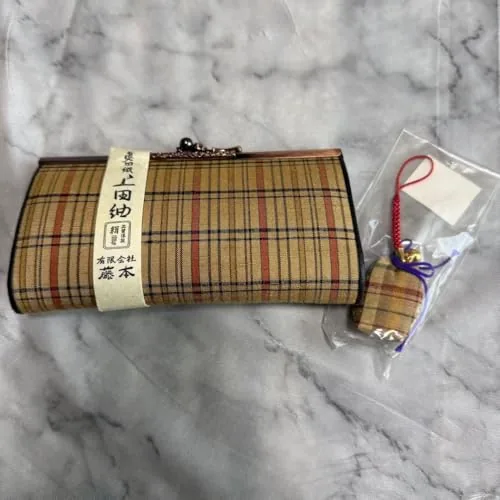
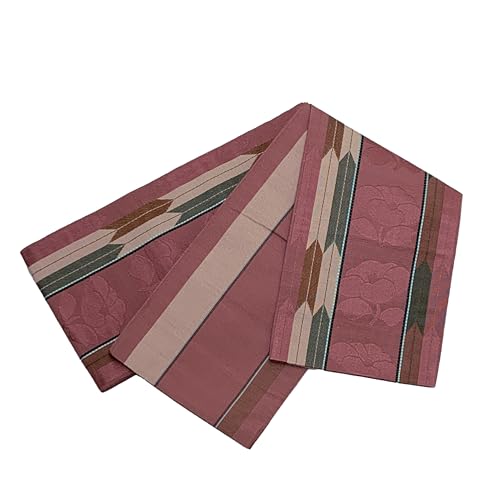
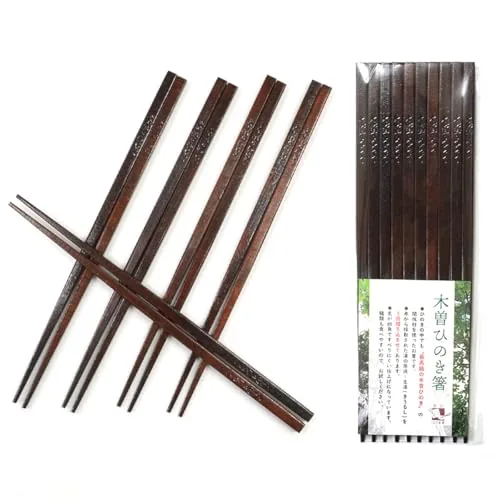
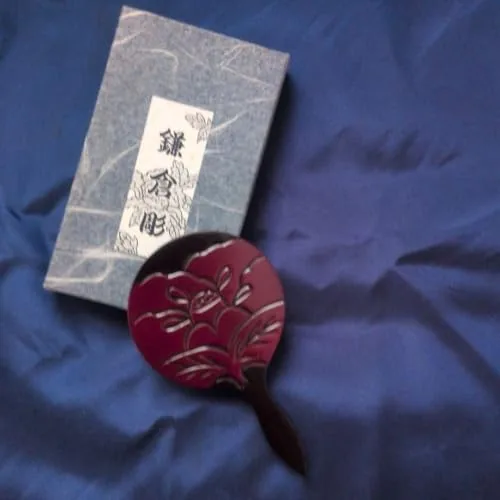
This piece is listed in 9 options. The photos below are the actual サイズ options on the listing right now — pick the one you want and confirm it on the product page before ordering, since hand-finished wares vary slightly piece to piece.
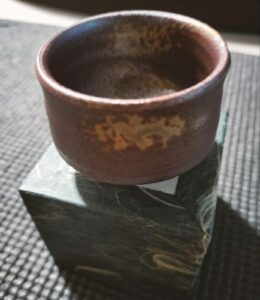
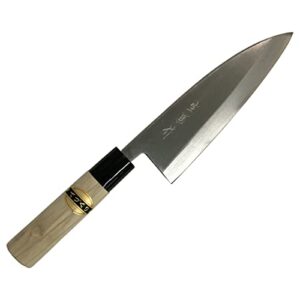
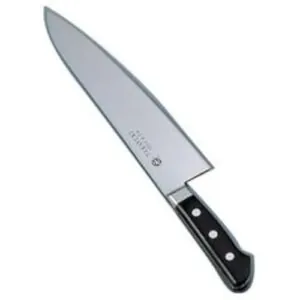
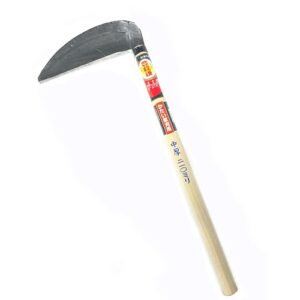
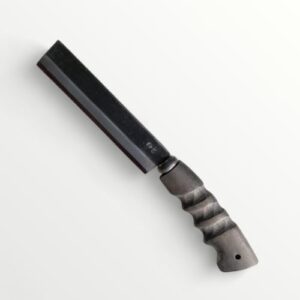
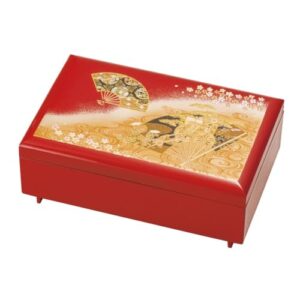
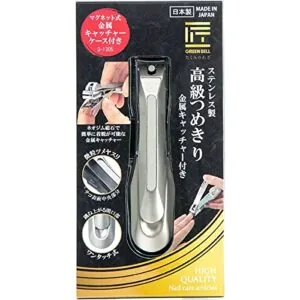
Other Japanese hand-forged tools and craft objects we have reviewed — useful for placing this bench chisel in context.
📍 Where this comes from — place, era, and the craft tradition

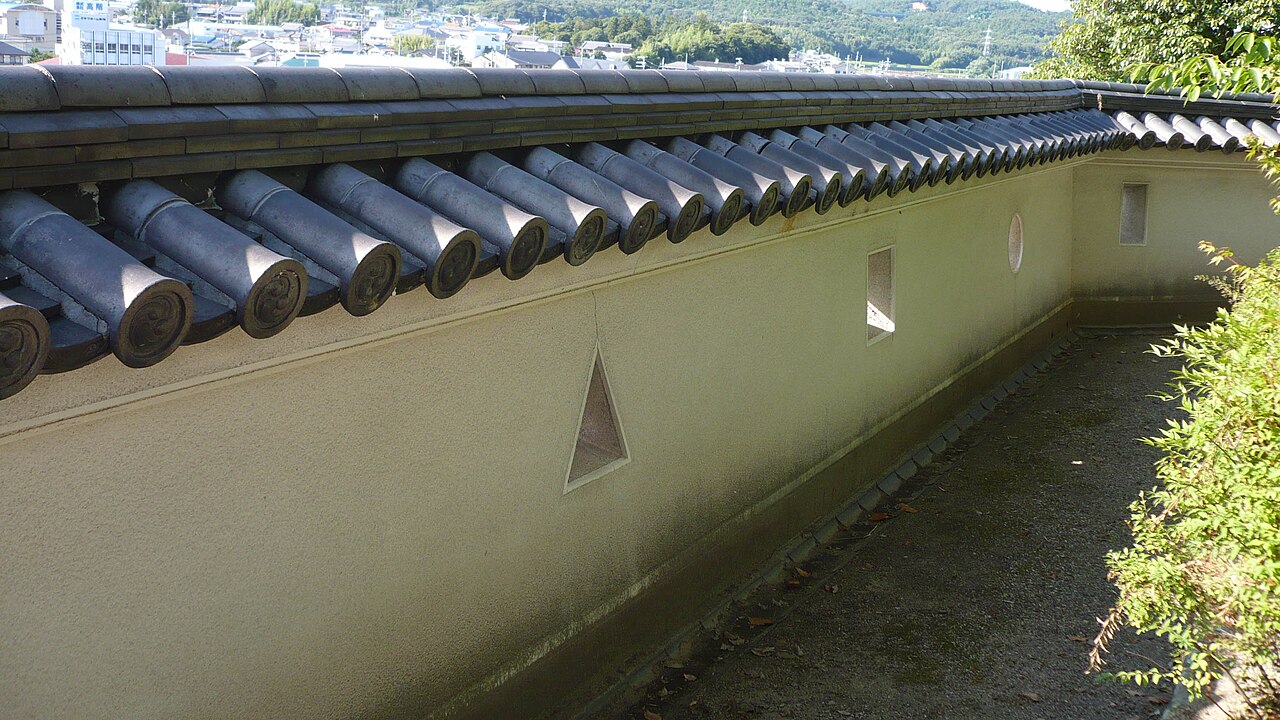
Miki sits inland in western Hyogo Prefecture, in the old province of Harima — known by its literary name, Banshu (播州). It lies on the plain west of Kobe and Osaka, with the Rokko mountains rising to the southeast and the Inland Sea coast a short distance south. Southern Hyogo is anchored geographically by the Akashi Kaikyo Bridge, which crosses to Awaji Island; Miki is the workshop town a little inland from that coastal corridor, close enough to the Inland Sea’s old shipping routes to move finished blades to market, and close enough to mountain timber and water to support a forging trade.

The town’s tool trade has a precise and unsentimental origin. In 1578–1580, the warlord Hashiba Hideyoshi laid siege to Miki Castle in a campaign remembered as the Miki no hoshigoroshi — the “Miki starvation” — that razed the surrounding town. When the fighting ended, craftsmen and blacksmiths gathered to rebuild. Many of them settled, and the carpentry and smithing skills brought in to reconstruct Miki did not leave when the work was done. They became an industry.
- 1578–1580 — Hashiba Hideyoshi’s siege of Miki Castle (the hoshigoroshi “starvation” campaign) razes the town.
- Late 1580s — Craftsmen and blacksmiths gather to rebuild Miki; many settle permanently.
- Edo period — Miki grows into Japan’s kanamono (hardware) capital: chisels, planes, saws, sickles, and knives.
- 1996 — Banshu Miki Uchihamono is designated a METI Traditional Craft.
- 2026 — Family forges in Miki continue to hammer-forge chisels, planes, and saws.
Through the Edo period and beyond, Miki specialized. It became the country’s kanamono capital — a town where hardware was not one craft among many but the dominant trade, organized around clustered family forges that supplied carpenters across Japan. Chisels, hand planes, saws, sickles, and knives all came out of these shops. The breadth matters: a town that forges saws and planes as well as chisels is a town whose smiths understand the whole carpentry kit, not a single product.

That regional demand was not abstract. Banshu — Harima province — was a working landscape of castle towns, temples, and farmhouses, the kind of place whose carpentry and repair needs kept forges busy for centuries. Himeji Castle, the white keep that is the region’s enduring symbol, stands at the heart of it. Temple carpentry and sashimono cabinetry both depend on chisels that can pare end-grain cleanly and hold an edge through a day’s work, and Miki’s smiths built their reputation supplying exactly that.
“Miki was rebuilt by the hands that came to repair it — and four centuries later, those same trades are still struck out by hand in the same town.”
The Banshu Miki Uchihamono designation as a METI Traditional Craft in 1996 is the formal acknowledgment of that continuity. It certifies that the forging methods — laminating hard steel to soft iron, shaping the blade by hammer — are the documented traditional ones, not a modern reconstruction. For a buyer outside Japan, the designation is a useful signal: it marks a living trade with a verifiable lineage rather than a heritage label applied after the fact.

📦 Shipping & where to buy from outside Japan
The specific chisel in this guide is sourced from the Amazon JP Global Store, which ships many household and tool items internationally to most major destinations. For readers in the US, the practical first stop is an Amazon.com search, which returns comparable Japanese hand tools with domestic Prime shipping and USD pricing; the exact Miki listing then ships from Japan as the secondary path.
- Estimated international shipping from the JP Global Store typically runs about $15–$40 to the US and EU, higher to other regions; the checkout screen shows the exact figure before you commit.
- Orders above your local duty threshold may incur customs charges on arrival — budget for this separately.
- Carbon-steel blades are not electrical goods, so there is no voltage concern, but they may ship coated in protective oil that should be wiped off before first use.
- If the JP Global Store does not ship the exact variant to your country, a proxy service (Buyee / Tenso) can forward a domestic Amazon JP or maker-direct order.
Price snapshot across stores
Prices in USD are approximate and depend on the current exchange rate (¥150/USD baseline as of mid-2026). The JPY price for the specific listed item is the authoritative one. Live pricing for this listing was unavailable at the time of writing.
| Store | Item / Variant | Price (JPY + USD est.) | Notes |
|---|---|---|---|
| 🇺🇸 Amazon.com (US) | Browse Japanese bench chisels & joinery tools | varies (USD) | Best if you’re shopping from the US — Prime shipping, USD pricing, no international customs. Amazon US carries hand-forged Japanese chisels and joinery tools from several makers; the exact Banshu Miki piece ships from Japan (next row). |
| 🇯🇵 Amazon JP Global Store | Banshu Miki oire-nomi bench chisel (ASIN B00D41359A) | Price unconfirmed at writing — check listing | The sourced listing for this exact item. Ships internationally from Japan to most major destinations. |
| Maker direct | Banshu Miki forge / hardware co-op listings | Varies — usually JPY only | Widest selection of widths and makers, but most pages are Japanese-language and may not ship abroad directly. |
| Proxy services (Buyee / Tenso) | Forwarded domestic JP order | Item price + forwarding fee | Useful when a specific variant ships only within Japan; adds a service fee and a consolidation step. |
What it does well
Weaknesses and things to verify before buying
- Carbon steel rusts. White steel is not stainless. Left wet or stored in a humid space, the blade will spot with rust; it needs wiping dry and an occasional light oiling.
- Requires sharpening skill. The keen edge is only an advantage if you can maintain it. A flat-back-and-bevel waterstone routine is assumed; without it, the chisel will dull and disappoint.
- Not for prying or chopping into hardware. Hard hagane chips if you lever with it or strike a hidden nail. It is a paring and controlled-mortising tool, not a demolition bar.
- Variant details are unconfirmed. Blade width, exact weight, and set composition were not in the fetched data. Confirm the specific width and whether it is sold singly or as a set on the live listing before ordering.
- Live price and stock unverified. The fetched data returned no price. Treat any figure you see as current-at-checkout only, and verify availability before committing to international shipping.
- Handle may need seating. Japanese chisels often ship with the hoop (katsura) needing to be set down and the handle end mushroomed before heavy use — a normal step, but extra setup for a first-time buyer.
Conclusion — which buyer type are you?
Other ways to approach this purchase
🏆 Editor’s Pick
❓ Frequently Asked Questions
Does Amazon JP ship this chisel internationally?
Many tool and household items on the Amazon JP Global Store ship to most major destinations. The checkout screen confirms whether your country is eligible and shows the exact shipping cost before you commit. If the exact variant is not eligible, a proxy service such as Buyee or Tenso can forward a domestic order.
What does “laminated” mean for this blade?
It means a thin layer of hard high-carbon steel (hagane) is forge-welded to a softer iron body (jigane). The hard steel forms the cutting edge and takes a very keen bevel; the soft iron behind it absorbs mallet shock and makes the blade easier to sharpen. This is the traditional Japanese chisel construction.
Will the blade rust?
Yes — white steel is carbon steel, not stainless, so it can spot with rust if left wet or stored in a humid place. Wipe it dry after use and apply a light film of camellia or tool oil for storage. This is normal maintenance for traditional Japanese edge tools.
Do I need special sharpening equipment?
A waterstone setup (a medium and a fine stone, plus a way to flatten the stones) is the standard approach for Japanese laminated chisels. The keen edge is the main benefit of this steel, and it only pays off if you can hone it back. Beginners without a sharpening setup may prefer a Western bevel-edge chisel to start.
What is the difference between this and a Sakai or Echizen blade?
They are different regional traditions for different tools. Miki (Banshu) is Japan’s hardware capital, known for carpentry tools like chisels, planes, and saws. Sakai and Echizen are best known for kitchen knives. The shared thread is hand-forging hard steel laminated to soft iron — see our linked Echizen santoku and Sakai gyuto guides for the kitchen-knife side.
Is this a good gift for a woodworker?
For someone who already does hand joinery and sharpens their own tools, yes — it is a genuine working tool with a documented tradition. For a complete beginner with no sharpening setup, consider pairing it with a starter waterstone, or choose a more forgiving Western chisel first.
jpmono.com is curated by a Japan-based editorial team (working out of Toyama in the Hokuriku region and Nara in Kansai) and is independent. We don’t take payment from the makers we feature; income comes from affiliate links. We don’t physically test every product — we read maker’s specs and source listings. Read more about our editorial standards.
This article was prepared with AI assistance and reviewed against the source listing data. Specifications, pricing, and availability should be confirmed at the retailer before purchase.
Affiliate disclosure: jpmono.com may earn a commission on qualifying purchases made through links on this page, at no additional cost to you.