![Awa Shijira-ori Cotton Jinbei: Where to Buy Indigo Summerwear [2026]](https://jpmono.com/wp-content/uploads/2026/06/awa-shijira-ori-cotton-jinbei-where-to-buy-2026-featured.jpg)
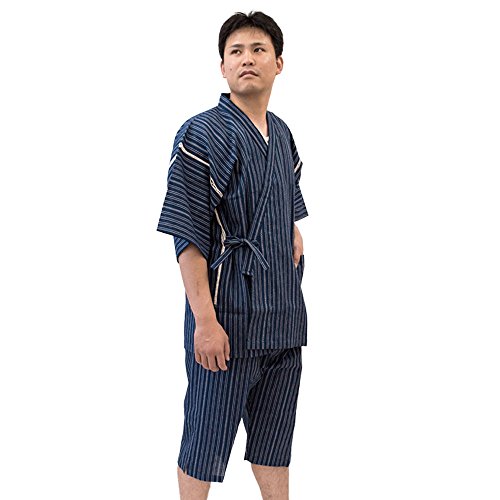
Awa Shijira-ori (阿波しじら織, “Awa puckered weave”) is Tokushima’s flagship cotton cloth, and a jinbei (甚平, an unlined two-piece summer loungewear set) made from it is one of the lightest things you can put on in a Japanese August. The piece this guide centers on is a Nagao Orifu Awa Shijira-ori jinbei in indigo-dyed crinkled cotton, sized S through LL. It is loungewear built around a single physical idea: a fabric that barely touches the skin.
That idea comes from the weave itself. Shijira cloth is shrunk in hot water after weaving so that warp threads of uneven tension pull the surface into fine ridges called shibo (しぼ). Those ridges hold most of the cloth a millimeter or two off your body, so air moves underneath it and sweat dries fast. Tokushima’s old province, Awa, supplied both halves of the equation — the cotton and the deep Awa indigo (Awa-ai, 阿波藍) that colors it — under the Hachisuka domain that governed the region for nearly three centuries.
This is a buyer’s guide for international readers, written from a Japan-based editorial desk. It covers where to actually order a shijira jinbei from outside Japan, how the S/M/L/LL sizing tends to run, how indigo cotton behaves in the wash, and how this traditional Tokushima weave differs from the modern Awa aizome work (such as Buaisou’s) that readers often encounter first. Based on the available listing data, pricing was not captured at the time of writing, so the focus here is on fit, fabric, and purchase paths rather than a specific price.
🔄 Last updated: June 15, 2026
⏱️ Read time: about 11 min
- Who this is for — and who should skip it
- Product overview (from published specs)
- 📌 How does it compare?
- Price snapshot across stores
- What it does well
- Weaknesses and things to verify before buying
- Where this comes from
- Conclusion — which buyer type are you?
- Other ways to approach this purchase
- 🏆 Editor’s Pick
- ❓ Frequently Asked Questions
Who this is for — and who should skip it
✅ A good fit if you
- 🌬️ Want genuinely breathable loungewear for hot, humid summers
- 🟦 Like deep indigo cotton and the matte, textured look of shibo crinkle
- 🏯 Value a piece woven in its named region with a documented craft tradition
- 🛋️ Wear loose two-piece sets at home, on the porch, or to summer festivals
- 🧺 Are comfortable with cotton that needs gentle washing and air drying
⚠️ Probably skip it if you
- 🧥 Want a structured, tailored garment rather than loose loungewear
- 📏 Cannot check the maker’s size chart and need precise Western sizing
- 🌀 Dislike visible surface texture and prefer perfectly smooth cotton
- 💧 Are unwilling to wash indigo separately for the first several washes
- ❄️ Need a warm or all-season layer — this is unlined summer cloth only
Product overview (from published specs)
👉 The table scrolls sideways on mobile. Spec values are drawn from the maker listing; confirm exact figures on the current listing before ordering.
Awa Shijira-ori Cotton Jinbei
[こだわり安眠館] 【阿波特産 藍しじら織】 甚平 メンズ 藍 阿波 しじら織 「うきかすり」 Mサイズ 綿100% 日本製 父の日ギフト 紳士 夏 徳島 おしゃれ 名産 藍染 紺 ネイビー 部屋着 寝間着 パジャマ ルームウェア父の日 敬老の日 誕生日
残り1点 ご注文はお早めに · Sold by こだわり安眠館[★日本国内から出荷★] · ASIN B0C6DDTRK7
Price and availability as of 2026-09-01 05:22 JST. The Amazon listing at the time of purchase is authoritative. jpmono.com earns a commission on qualifying purchases at no extra cost to you.
| Spec | Nagao Orifu Awa Shijira-ori jinbei ★ this guide | Source |
|---|---|---|
| Item type | Unlined two-piece jinbei (top + shorts) | Amazon JP Global Store listing |
| Fabric | Awa Shijira-ori cotton (crinkled shibo weave) | Maker direct (Nagao Orifu) |
| Color | Indigo-dyed (ai-zome) blue | Listing snapshot |
| Lining | Unlined (hitoe) — single layer | Listing snapshot |
| Sizes | S / M / L / LL | Listing snapshot |
| Origin | Tokushima, Shikoku (Awa province) | Maker direct |
| ASIN | B0C6DDTRK7 | Amazon JP Global Store |
| Price | Not captured at time of writing — check listing | — |
Only the Amazon JP Global Store listing snapshot was available for this item, and a live price was not captured at the time of writing; pricing and stock may have shifted since. Always verify the current figure on the listing before ordering. Exact body measurements per size vary by production run — read the maker’s size chart on the listing, not generic Western S/M/L equivalents.
📚 Glossary — key terms for Awa Shijira-ori
Shijira-ori (しじら織, “puckered weave”): a cotton cloth woven so that the finished fabric is shrunk in hot water, raising a fine, rippled surface texture. The technique is achieved by mixing warp threads of uneven tension during weaving.
Shibo (しぼ): the raised crinkle or pucker on the surface of the cloth. Because the ridges hold most of the fabric away from the skin, air circulates beneath it, which is why shijira feels cool and dries quickly.
Jinbei (甚平): a traditional Japanese two-piece summer set — a short open-front top tied at the side and matching shorts — worn as loungewear, sleepwear, or relaxed festival dress in hot weather.
Aizome / Awa-ai (藍染 / 阿波藍): indigo dyeing, and specifically the indigo grown in Awa (old Tokushima). Awa indigo was Japan’s dominant source of the dye for much of the Edo period.
Tama-ori (玉織): a slubbed cotton weave; rain-puckered tama-ori cloth is said to have inspired the deliberate shijira pucker around 1862.
Hitoe (単衣): an unlined, single-layer garment — the standard construction for summer cloth, with nothing between you and the single breathable layer.
📌 How does it compare?
If you are weighing Tokushima textiles and other Japanese indigo or cotton crafts, these related guides cover neighboring objects from Awa and beyond.
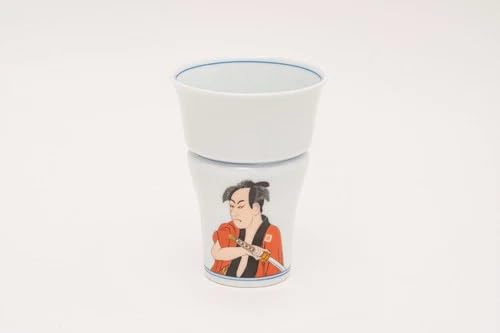 🏺Otani-yaki Naruto tumblerTokushima’s giant-jar pottery from Naruto — another flagship Awa craft.
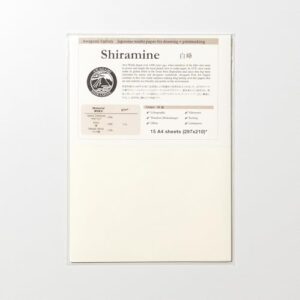 📄Awa Washi (Awagami)Tokushima’s handmade paper, fed by the same Yoshino River economy.
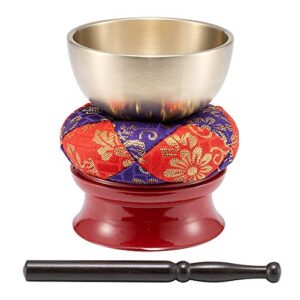 🔔Awa bronze orin bellA Tokushima cast-bronze altar bell — the metal craft of the same province.
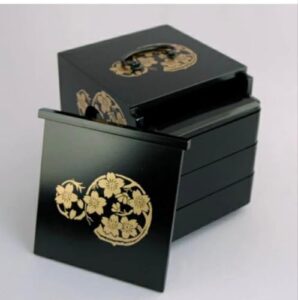 🍱Awa Yusan-bako picnic boxTokushima’s tiered lacquered outing box — festival culture in a different medium.
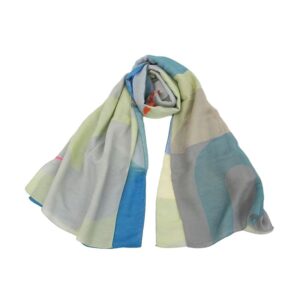 🧣Banshu-ori cotton stoleYarn-dyed cotton weaving from nearby Hyogo — compare cotton craft regions.
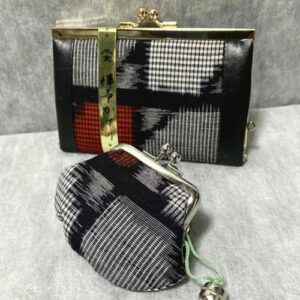 👛Iyo-gasuri indigo cotton purseIndigo cotton ikat from Ehime — another Shikoku indigo-cotton craft.
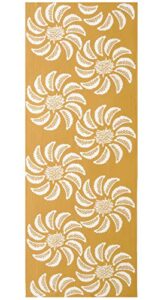 🧵Hamamatsu chusen tenuguiPour-dyed Enshu cotton from Shizuoka — a different cotton-dye method to compare.
Price snapshot across stores
👉 The table scrolls sideways on mobile. Prices and stock change constantly; confirm the current figure at the retailer before buying.
📌 Note: USD figures, where shown elsewhere in this guide, are approximate estimates at a ¥150/USD baseline as of mid-2026; the JPY price on the listing is the authoritative one. Because a live price was not captured for this item, no USD estimate is given here — verify at the retailer.
What it does well
🌬️ Cloth that barely touches the skin
The shibo ridges hold most of the fabric off the body, so air moves underneath and sweat evaporates quickly. This is the core reason shijira became the classic material for jinbei and summer kimono.
🟦 Deep, regionally rooted indigo
The blue traces back to Awa-ai, the indigo that the Hachisuka domain made a monopoly crop. Indigo cotton ages handsomely, softening and shifting tone with use rather than simply wearing out.
🪶 Light, unlined, quick-drying
As single-layer (hitoe) cotton, the set packs small, dries fast after washing, and suits both loungewear and warm-weather travel. There is no lining to trap heat.
🏯 A documented Tokushima craft
Awa Shijira-ori is a designated traditional craft still woven in Tokushima by makers such as Nagao Orifu — not a generic summer set, but a regional weave with a traceable origin.
Weaknesses and things to verify before buying
- Sizing is Japanese, not Western. S/M/L/LL on a Japanese loungewear listing tend to run smaller than the same letters in the US or EU. Read the maker’s measurement chart on the listing — chest, length, and shorts inseam — and compare to a garment you already own rather than trusting the letter alone.
- Indigo can bleed in early washes. Natural and reactive indigo dyes commonly release color for the first several washes. Wash the set separately in cold water at first, and keep it away from light-colored fabrics until the water runs clear.
- Surface texture is intentional and visible. The shibo crinkle is a feature, not a defect; the cloth is not smooth, and the ridges remain visible after washing. Buyers expecting flat, ironed-looking cotton may be surprised.
- Unlined cloth is summer-only. This is single-layer hitoe construction with no insulation. It is comfortable in heat and humidity but offers no warmth in cooler months.
- Pricing and stock were not captured. Only the listing snapshot was available, without a live price, and sizes can sell out seasonally. Confirm the current price, the available sizes, and the international-shipping status on the listing before ordering.
- Care is hand-and-line, not high-heat. Cotton indigo wares are generally best washed gently and air-dried in shade; hot tumble drying and harsh bleach risk both shrinkage and color loss. Check the listing’s care label.
Where this comes from

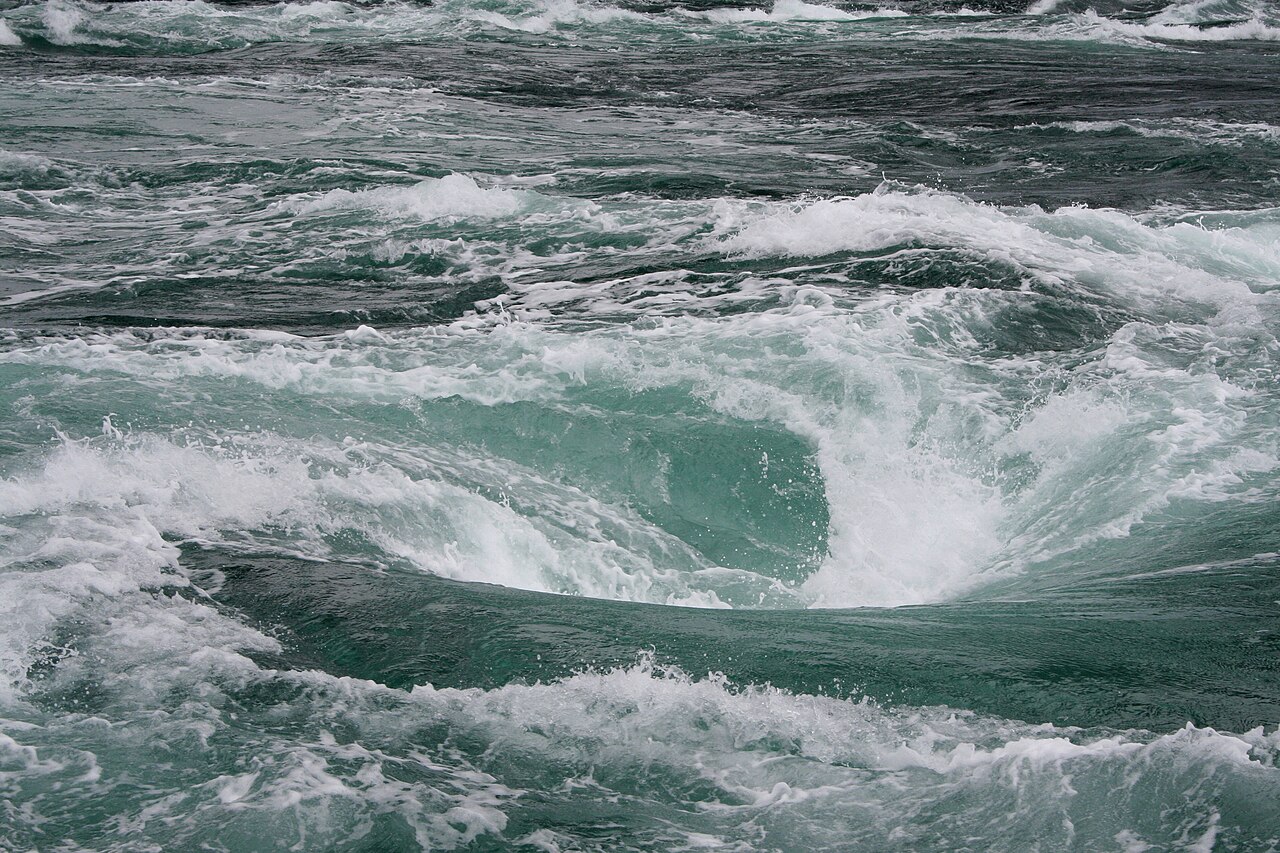
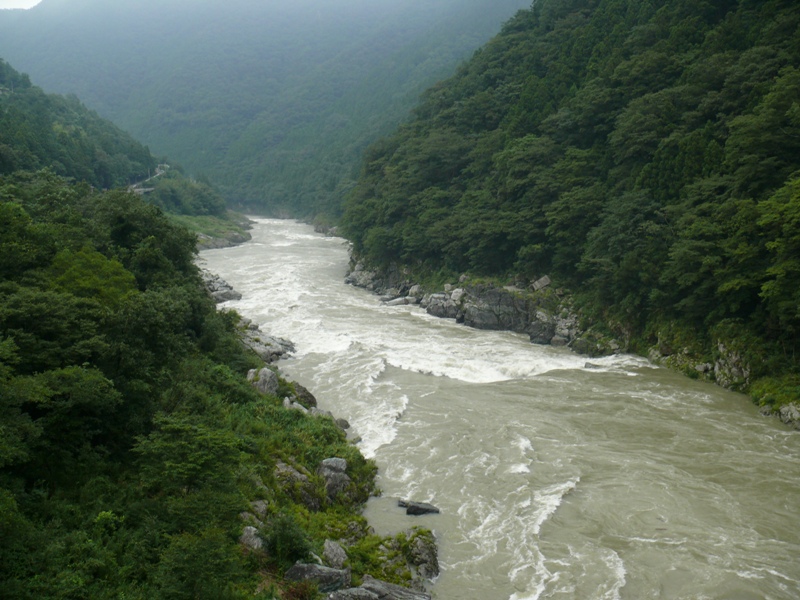
Tokushima sits in the northeast corner of Shikoku, the smallest of Japan’s four main islands, separated from the city of Kobe and the main island of Honshu by the Naruto Strait. The old name for the area is Awa province, and almost everything about the local textile economy follows from one piece of geography: the Yoshino River. Its broad floodplain floods and drains in a way that suited a particular crop — the indigo plant — better than almost anywhere else in Japan.
The historical anchor is the Hachisuka domain. From the late sixteenth century, the Hachisuka family governed Awa, and over the Edo period they turned Awa-ai — Awa indigo — into a monopoly cash crop. Indigo and cotton became the province’s twin economic engines: cotton grown and woven locally, indigo grown on the Yoshino floodplain and traded across Japan as the standard blue dye. For a long stretch, when fabric in Japan was blue, the dye behind it was very often from Awa.
The shijira weave itself is younger than the indigo trade, and its origin is unusually specific. It is credited to a weaver named Kaifu Hana around 1862, in the Bunkyū era. The account is that she noticed how rain-soaked tama-ori cotton puckered as it dried, and then set out to reproduce that pucker on purpose — mixing warp threads of uneven tension on the loom, then shrinking the finished cloth in hot water so the surface drew up into the fine shibo ridges. Those ridges are the entire point: they keep most of the cloth off the skin, making it cool, light, and quick to dry, which is exactly what an unlined summer garment needs.
- Late 1500s — The Hachisuka family is established as the ruling domain of Awa province, with Tokushima as its seat.
- Edo period — The domain makes Awa-ai indigo a monopoly cash crop; the Yoshino floodplain becomes Japan’s dominant indigo-growing region.
- c. 1862 (Bunkyū era) — Kaifu Hana develops the shijira pucker after observing rain-crinkled tama-ori cotton.
- Meiji period onward — Shijira spreads widely as a cool summer cloth for jinbei and unlined kimono.
- 20th century — Awa Shijira-ori is recognized as a designated traditional craft of Tokushima.
- 2026 — Still woven in Tokushima by makers such as Nagao Orifu.
What “still being made here” means in practice is continuity of both materials and method. Shijira remains a Tokushima cloth, woven by working mills such as Nagao Orifu, and the defining step — shrinking the woven cotton in hot water to raise the shibo — is the same idea Kaifu Hana arrived at in the 1860s. The indigo and the cotton are no longer the whole regional economy they once were, but the weave that grew out of that economy is intact.
“Shijira is a fabric engineered to hold itself away from your body — the comfort is not in the cotton, but in the air between the cloth and the skin.”
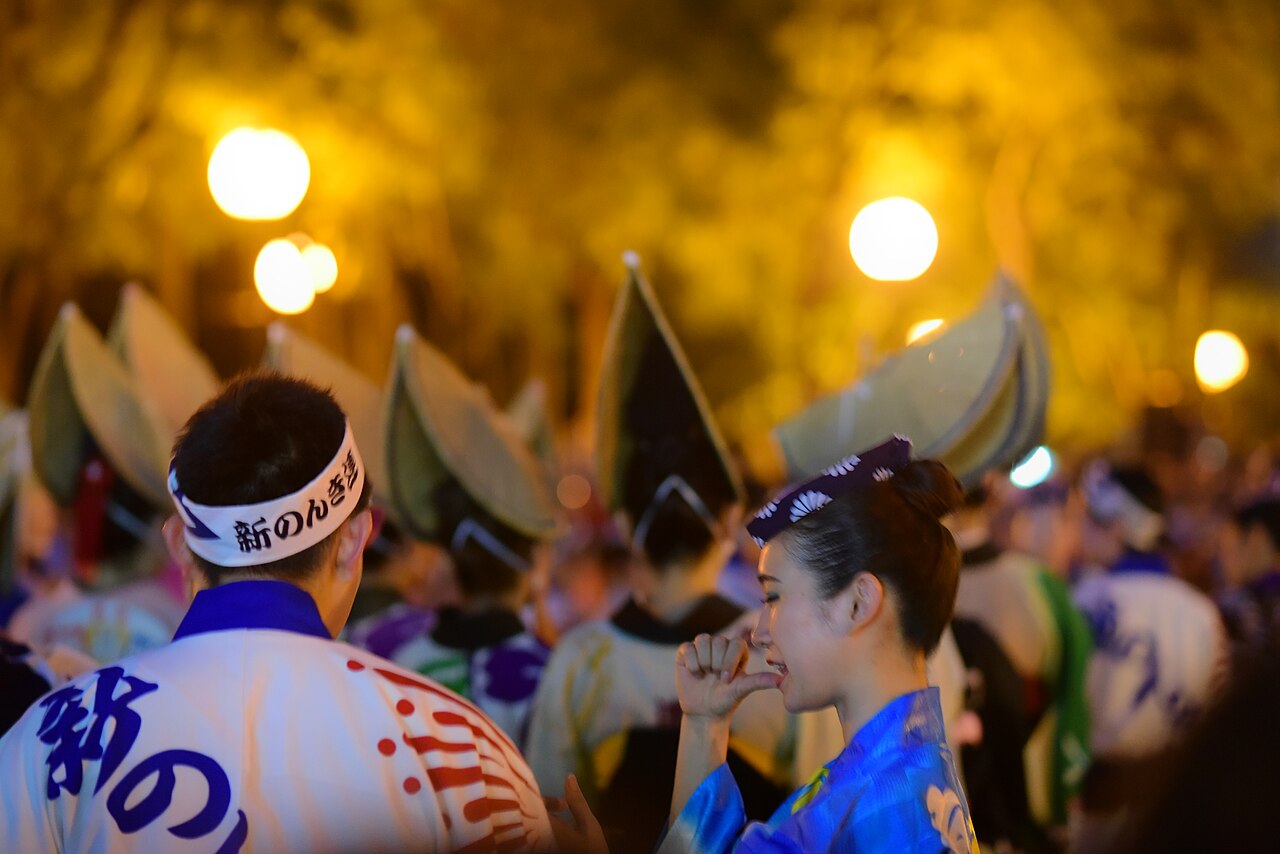
There is a seasonal logic to all of this that international readers may recognize from the city’s most famous event. Every August, Tokushima hosts Awa Odori, one of Japan’s largest dance festivals, and lightweight indigo cotton — shijira among it — is exactly the kind of cloth worn in that heat. The weave and the season fit each other: a hot, humid August on the Yoshino plain is precisely the climate the fabric was designed to survive comfortably.
Conclusion — which buyer type are you?
Heritage / premium
You want a documented regional weave with real indigo and are willing to read the size chart and care label carefully. → The Nagao Orifu Awa Shijira-ori jinbei is the natural pick.
Mainstream ★ most readers
You mainly want breathable, good-looking summer loungewear and like the indigo texture. → This shijira jinbei delivers exactly that; confirm size before ordering.
Budget
You want a cheap generic jinbei and do not need the specific Tokushima weave. → Browse mass-market cotton jinbei on Amazon US instead — but you lose the shijira texture and regional indigo.
Skip it
You want structured, tailored, or all-season clothing, or cannot wash indigo separately. → This unlined summer cloth is not the right purchase for you.
※ The Editor’s Pick is presented at the end of the article.
Other ways to approach this purchase
Wait for a seasonal sale
Summerwear listings often move on price as the season turns. If you do not need it immediately, watch the listing through early summer and end-of-season periods, when sizes and prices can shift.
Buy maker-direct
Nagao Orifu and other Tokushima mills may offer a wider range of sizes, patterns, and shijira products than a single marketplace listing. International shipping terms vary, so confirm before ordering.
Points & rewards
If you already use an Amazon points or rewards program in your region, ordering through your usual account applies the same earnings here. Stack it with a sale window rather than buying at full price out of season.
Skip it for now
If you cannot confirm sizing, or you want all-season clothing, it is reasonable to pass. A proxy service (Buyee / Tenso) is an alternative path if the cleanest listing turns out to be a JP-only shop.
🏆 Editor’s Pick
❓ Frequently Asked Questions
Does Amazon JP Global Store ship a shijira jinbei internationally?
How is Awa Shijira-ori different from Buaisou’s Awa aizome indigo?
How do I choose between S, M, L, and LL?
How should I wash an indigo shijira jinbei?
Is shijira cotton really cooler than ordinary cotton?
What is a jinbei actually worn for?
jpmono.com is curated by a Japan-based editorial team (working out of Toyama in the Hokuriku region and Nara in Kansai) and is independent. We do not take payment from the makers we feature; income comes from affiliate links. We do not physically test every product — we read maker specifications and source listings.
🤖 This article was prepared with AI assistance and reviewed against the source listing data. Facts are drawn from the maker listing and documented craft history; specifications and pricing should be confirmed on the retailer’s current listing before purchase.
Affiliate disclosure: jpmono.com may earn a commission on qualifying purchases made through links on this page, at no additional cost to you.