![Kaga Yuzen Silk Furoshiki: Kanazawa’s Hand-Painted Wrapping Cloth [2026]](https://jpmono.com/wp-content/uploads/2026/06/kaga-yuzen-silk-furoshiki-where-to-buy-2026-featured.jpg)
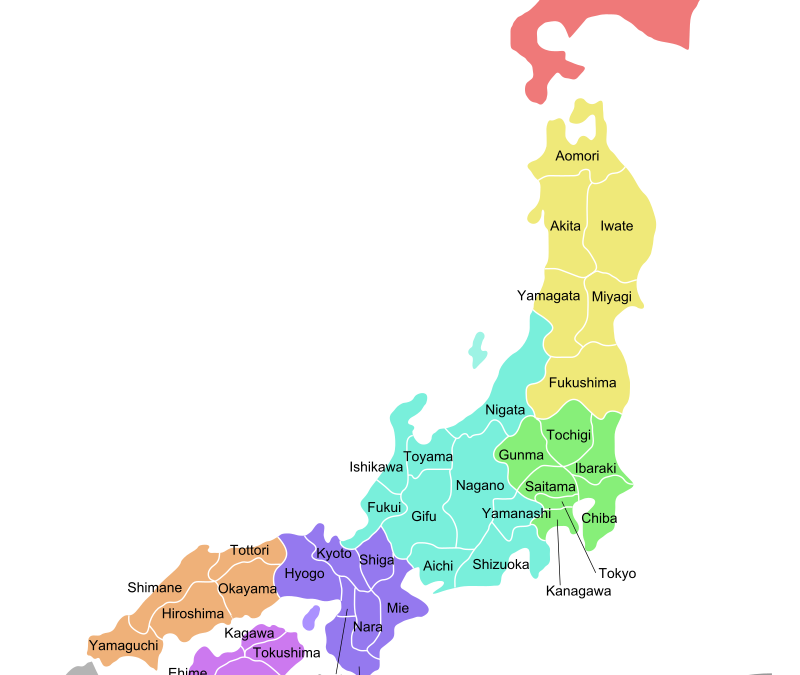
A furoshiki (風呂敷, “bath spread”) is a square of cloth used to wrap, carry, and present objects — a gift, a bento box, a bottle of sake, or simply a bundle of belongings. A Kaga Yuzen furoshiki takes that everyday object and treats it as a painting surface. The cloth covered here is hand-dyed silk worked in the Kaga Yuzen (加賀友禅, “Kaga-style yuzen dyeing”) tradition of Kanazawa, the old castle town of Ishikawa Prefecture on the Sea of Japan coast.
What sets Kaga Yuzen apart from its better-known Kyoto cousin is not technique alone but temperament. Where Kyo-yuzen leans stylized, courtly, and fond of gold leaf and embroidery, Kaga Yuzen is realistic and botanical — flowers and leaves rendered the way they actually grow, shaded from the outer edge inward, and finished with the signature mushikui: a leaf drawn as if a real insect had nibbled it. The palette is the five Kaga-gosai colors. Finished bolts were historically rinsed of their resist paste in the Asano River, the scene Kanazawa still calls yuzen-nagashi.
This guide is written for an international reader deciding whether a hand-painted silk furoshiki is the right object to buy, gift, or collect — and where to buy it from outside Japan. We cover what the listing actually shows, how Kaga Yuzen differs from Kyo-yuzen and the other Ishikawa crafts, the realistic price and shipping picture, the weaknesses worth knowing before you spend, and which kind of buyer this suits. Data on this specific listing is thin (see the snapshot notes below); we flag where that is the case rather than guess.
🔄 Last updated:
⏱️ Read time: about 11 minutes

- Who this is for — and who should skip it
- Product overview (from published specs)
- Price snapshot across stores
- 📍 Where this comes from — place, era, and the craft tradition
- What it does well
- Weaknesses and things to verify before buying
- Conclusion — which buyer type are you?
- Other ways to approach this purchase
- 🏆 Editor’s Pick
- ❓ Frequently Asked Questions
Who this is for — and who should skip it
- Want a gift wrapper that is itself the gift — reusable, and meaningful long after the contents are gone.
- Prefer realistic, botanical pattern over stylized or abstract design.
- Collect or appreciate Japanese textiles and want a named regional tradition, not generic “Japanese print” cloth.
- Like the idea of a single object that doubles as wrapping, a wall hanging, a table square, or a scarf.
- Are buying for a wedding, retirement, or milestone where presentation carries weight.
- Need a hard-wearing, machine-washable everyday carry cloth — silk needs care.
- Want a specific guaranteed motif or colorway; hand-dyed pieces vary, and the listing data here is limited.
- Are shopping purely on price and would not notice the difference from a printed imitation.
- Need it delivered tomorrow — international shipping from Japan takes time.
- Prefer the gold-leaf-and-embroidery look of Kyoto yuzen; Kaga’s restraint may read as plain to you.
Product overview (from published specs)
Per the Amazon listing as of June 17, 2026, this is a hand-painted silk furoshiki in the Kaga Yuzen tradition. The fetched dataset for this item is limited — the Amazon US search returned no individually matching listing, and a JPY price was not captured in the snapshot — so the table below marks unconfirmed fields plainly rather than inventing values. Always verify the live listing before purchasing.
| Field | Detail (per listing / data_notes) |
|---|---|
| Craft | Kaga Yuzen (加賀友禅) hand-painted resist dyeing |
| Object | Furoshiki (wrapping cloth), square format |
| Material | Silk |
| Motif | Naturalistic botanical (Kaga-gosai palette; outer-to-inner shading; mushikui detail) |
| Origin | Kanazawa, Ishikawa Prefecture, Japan |
| Dimensions | Unconfirmed — check manufacturer / listing page |
| Weight | Unconfirmed — check manufacturer / listing page |
| ASIN (JP Global Store) | B08D8W4BDH |
| Price | Not captured in the fetched data — verify at the listing |
Sources: Amazon US search (primary, moonill-20) returned no individually matching listing; Amazon JP Global Store (secondary, moonill-22, sourced listing, ASIN B08D8W4BDH); maker-direct ateliers in Kanazawa. Fields not present in the data are marked “Unconfirmed.”
📖 Glossary — key terms
- Yuzen (友禅) — a resist-dyeing technique in which a paste outline (itome) keeps dye colors from bleeding, allowing painterly, multi-color designs on silk.
- Kaga Yuzen (加賀友禅) — the Kanazawa branch of yuzen: realistic, botanical, restrained, defined by the five Kaga-gosai colors and the mushikui leaf.
- Kaga-gosai (加賀五彩, “five Kaga colors”) — the characteristic palette: indigo, crimson, ochre, grass green, and ancient (dull) purple.
- Mushikui (虫喰い, “insect-eaten”) — a leaf deliberately drawn with spots or nibbled edges as though eaten by insects, a hallmark of Kaga realism.
- Gaisei bokashi / sakimboshi — shading worked from the outer edge of a petal or leaf inward, the reverse of Kyoto’s inner-to-outer gradation.
- Yuzen-nagashi (友禅流し) — rinsing finished, dyed silk in flowing river water to wash out the resist paste; historically done in Kanazawa’s Asano River.
- Furoshiki (風呂敷) — a square cloth for wrapping and carrying, sized from small (handkerchief) to large (luggage bundle).
- Koku (石) — an old measure of rice; the Kaga domain’s “hundred-man-koku” (一〇〇万石) status marked it as Japan’s wealthiest feudal domain.
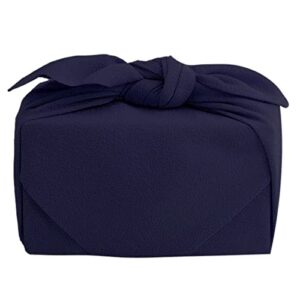
Kyoto’s yuzen furoshikiThe stylized, courtly counterpart — direct comparison.
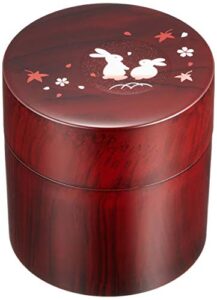
Wajima lacquer (Ishikawa)Same Kaga-clan craft cluster, different medium.
Yamanaka woodturning (Ishikawa)The lathe-turned end of the Ishikawa tradition.
Johana silk (Hokuriku)A neighboring Hokuriku silk, woven rather than painted.
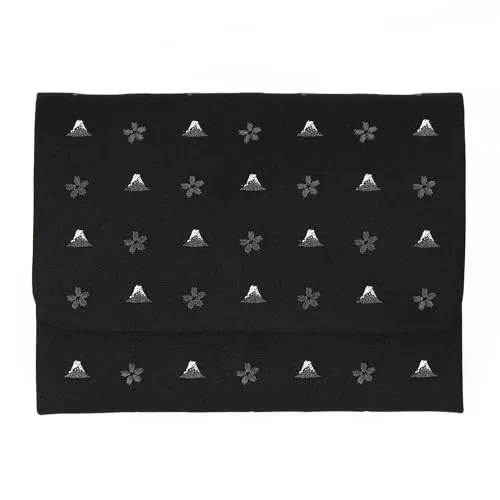
Nishijin silk (Kyoto)Woven-pattern silk — the contrast to dyed pattern.
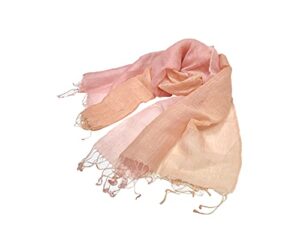
Yonezawa dyed silkAnother natural-dye silk tradition for comparison.
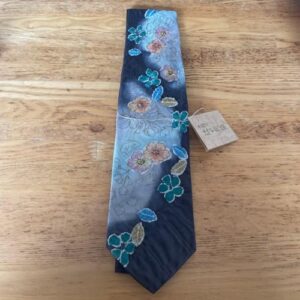
Kiryu silk weavingA glossy jacquard silk — woven texture vs painted dye.
Price snapshot across stores
JPY (¥) is the authoritative price for the specific listed item; USD figures are approximate estimates at a ¥150/USD baseline as of mid-2026. The JPY price for this ASIN was not captured in the fetched data, so the JP Global Store row is marked accordingly — verify at the listing before buying.
| Store | Item / Variant | Price (JPY + USD est.) | Notes |
|---|---|---|---|
| 🇺🇸 Amazon US (search) | Browse Japanese furoshiki & silk wrapping cloths | varies (USD) | Best if you are shopping from the US — Prime shipping, USD pricing, no customs paperwork. Amazon US carries furoshiki and Japanese silk goods from various makers; this exact Kaga Yuzen piece is sourced from Japan (next row). |
| 🇯🇵 Amazon JP Global Store | This Kaga Yuzen silk furoshiki (ASIN B08D8W4BDH) | Price not captured — verify at listing | The sourced listing for the exact item. Ships internationally from Japan to most major destinations. |
| Maker direct (Kanazawa ateliers) | Hand-painted Kaga Yuzen, made to order or studio stock | Varies widely (workshop pricing) | Highest assurance of authenticity and artist attribution; most studios do not ship internationally directly. |
| Proxy services (Buyee / Tenso) | Forwarding for JP-only listings | Item price + forwarding fee | Useful when a studio or domestic shop will not ship abroad; adds a service fee and a consolidation step. |
Prices and stock fluctuate; USD figures are approximate and depend on the current exchange rate. Verify at the affiliate link for current data.
📍 Where this comes from — place, era, and the craft tradition

Kanazawa sits on the Sea of Japan side of central Honshu, in Ishikawa Prefecture, between the Sai and Asano rivers. It is the historical seat of the Kaga domain, and that single fact explains nearly everything about why a dyeing tradition this refined took root in a provincial castle town rather than in a great commercial city. Clean, abundant river water — essential for rinsing dyed silk — runs through the city; the two rivers gave the dyers what they needed.
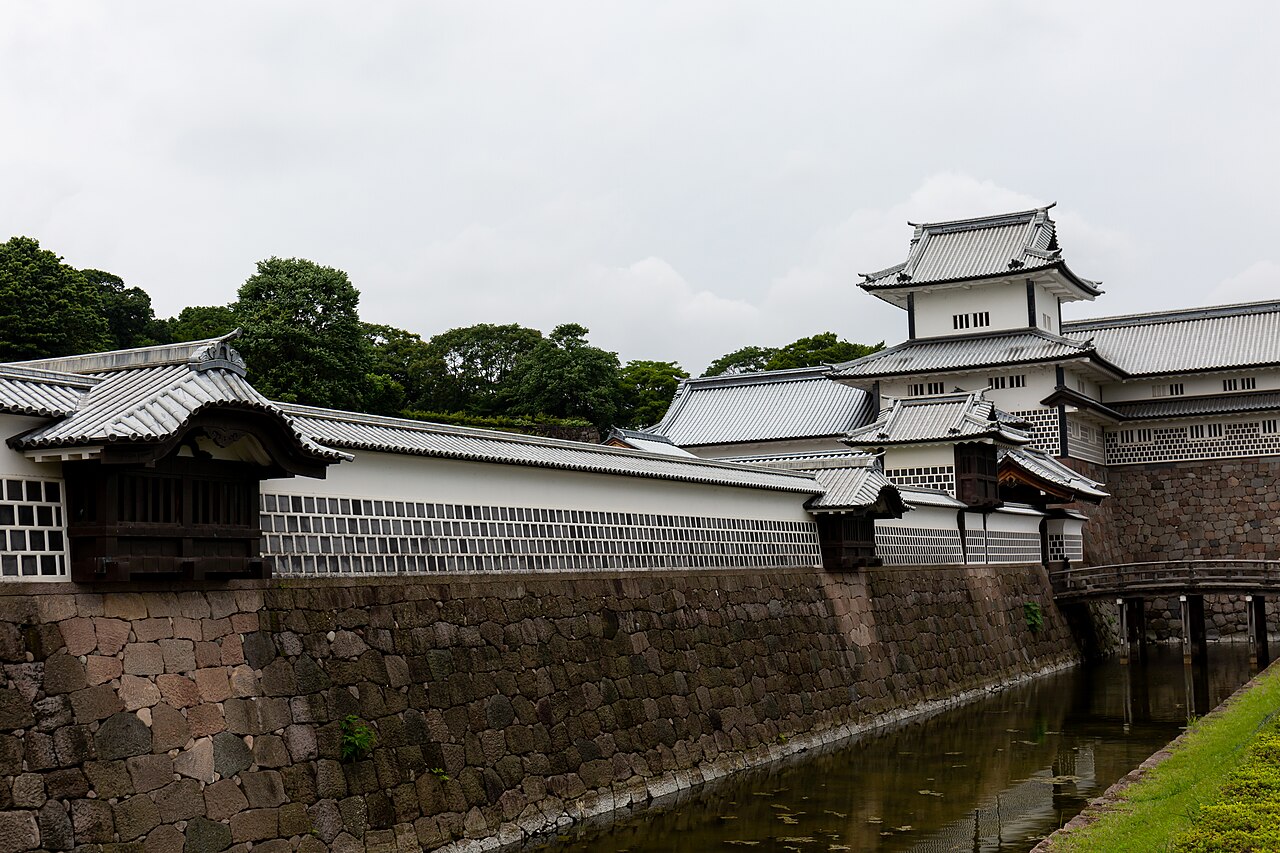
The Kaga domain was the wealthiest feudal domain in Japan — the “hundred-man-koku” domain, named for an annual rice yield of roughly one million koku. Under the Maeda lords, that wealth was not spent on warfare but channeled into culture and craft. The result was a concentrated, sustained patronage of dyeing, gold leaf, lacquer, and porcelain that few other places could match. Kaga Yuzen is one branch of that investment.
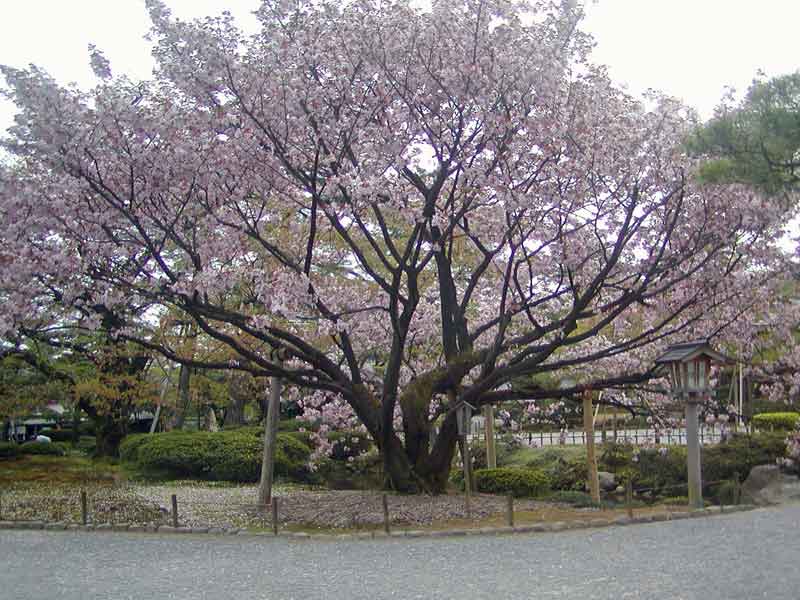
The style is traditionally said to have been refined by Miyazaki Yuzensai, a fan-painter from Kyoto whose name is attached to yuzen dyeing itself, after he relocated to Kanazawa late in his life. Whatever the exact biography, the Kanazawa school developed a distinct character: instead of the stylized, gold-accented motifs of Kyo-yuzen, Kaga dyers painted plants realistically — the way a botanist or a careful gardener sees them, including their imperfections.
- 1583 — Maeda Toshiie enters Kanazawa Castle; the seat of the Kaga domain is established.
- 17th century — The “hundred-man-koku” Maeda lords channel domain wealth into crafts: dyeing, gold leaf, lacquer, and porcelain.
- early 18th century — Miyazaki Yuzensai is traditionally said to have settled in Kanazawa and refined the local yuzen style.
- 18th–19th century — The five Kaga-gosai colors, realistic botanical motifs, and the mushikui leaf become the recognized Kaga signature.
- Edo period — Finished bolts are rinsed of resist paste in the Asano River — the yuzen-nagashi scene.
- 1975 — Kaga Yuzen is recognized among Japan’s nationally designated traditional crafts (METI framework).
- 2009 — Kanazawa is named a UNESCO Creative City of Crafts and Folk Art.
- 2026 — Kaga Yuzen is still hand-painted by working dyers in Kanazawa ateliers.
The dyeing itself is painstaking. A design is drawn, outlined in a resist paste so that adjacent colors will not bleed, then painted in by brush, the dyes fixed, and finally the paste washed out in running water. That last step is the one Kanazawa is famous for: lengths of dyed silk rinsed in the cold, flowing Asano River, the colors clarifying as the paste lets go. The scene has a name — yuzen-nagashi — and it is as much a part of the city’s identity as the gardens and the castle.
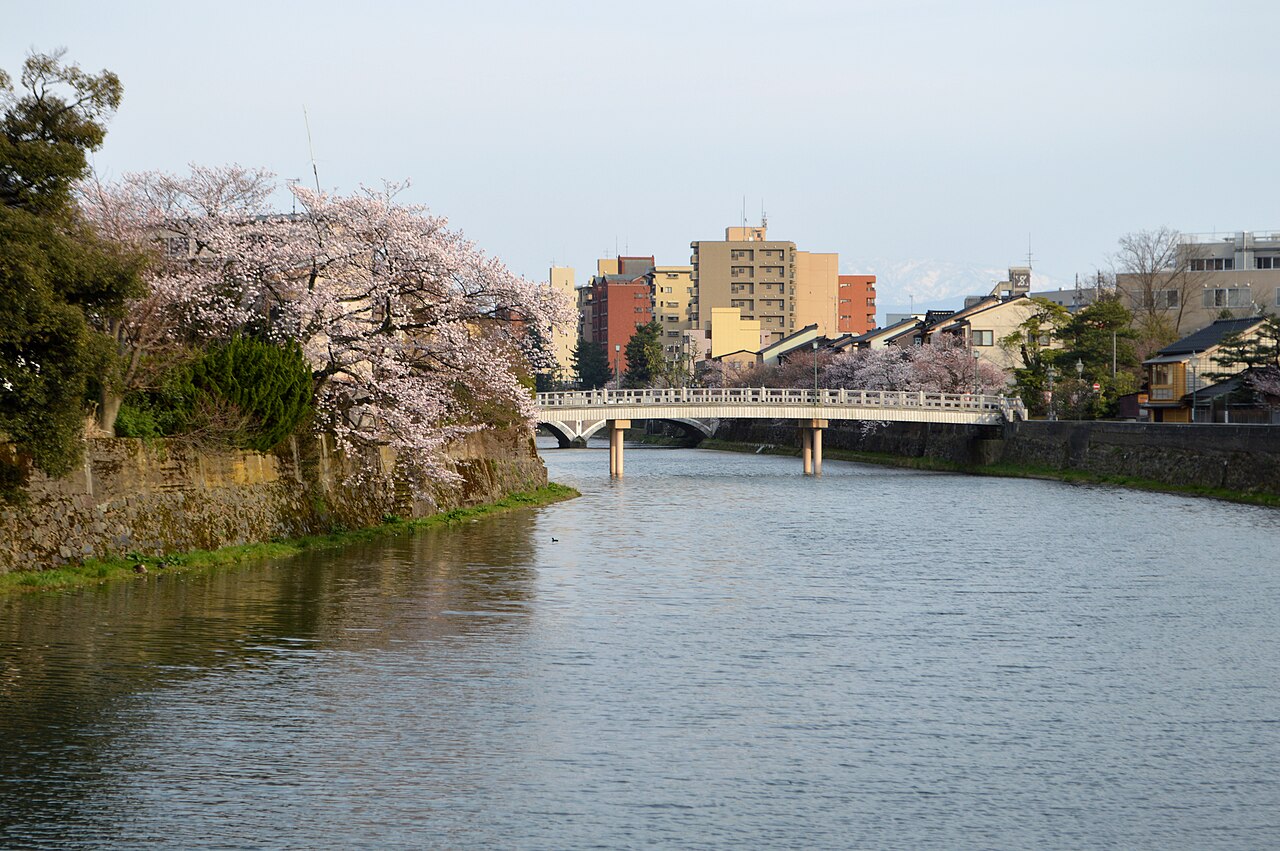
“Kyoto’s yuzen idealizes the flower; Kanazawa’s draws the leaf the insect has already found.”
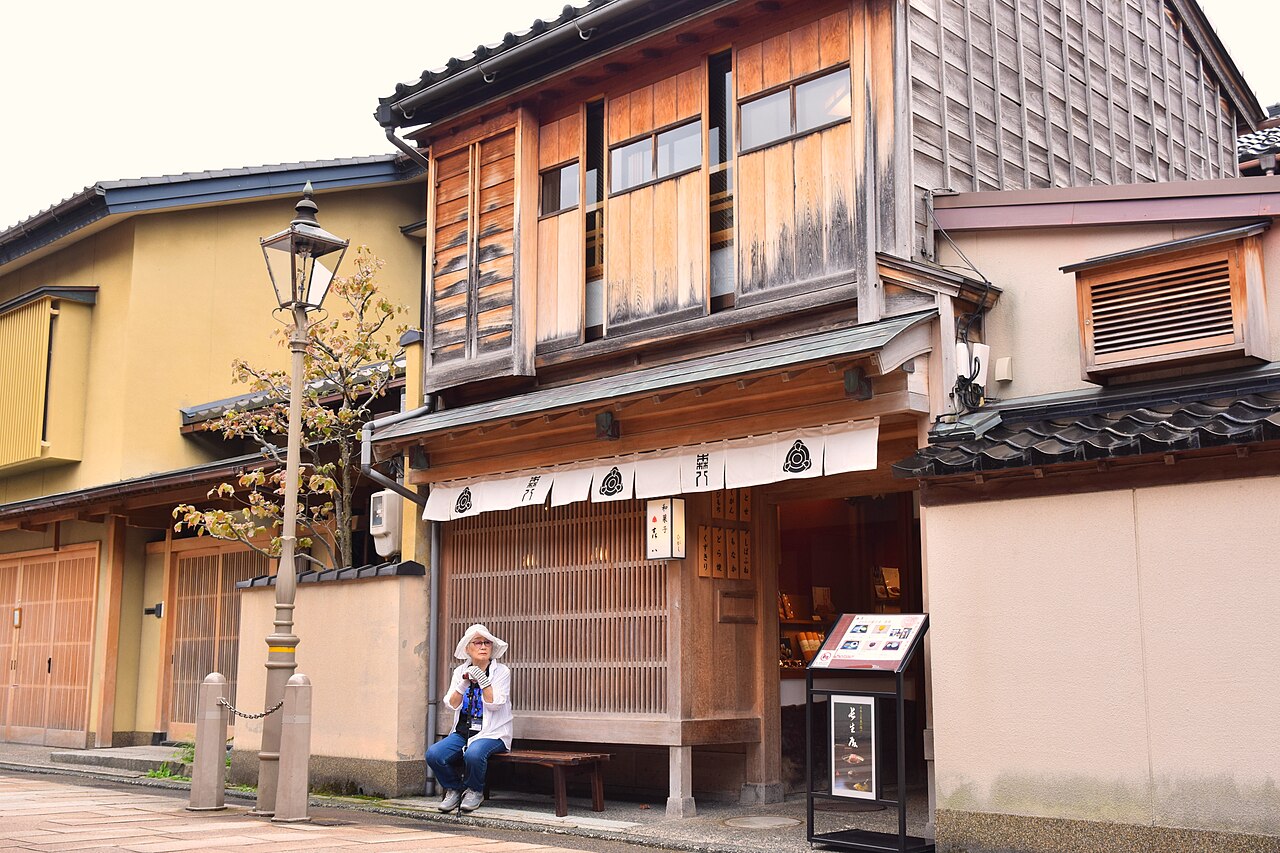
Kaga Yuzen does not stand alone. It belongs to a dense cluster of Kaga-clan crafts that the Maeda patronage seeded across the region — Kanazawa gold leaf (which still accounts for nearly all of Japan’s production), Wajima lacquer on the Noto peninsula, Kutani porcelain, and Yamanaka woodturning. A visitor walking the Higashi Chaya teahouse district today is walking through the living remainder of that cluster, where refined textiles and gold-leaf work are still made and sold.
What it does well
Weaknesses and things to verify before buying
- Thin listing data. For this specific ASIN, dimensions, weight, and a current price were not captured in the fetched data. Confirm size and price on the live listing before you buy — a furoshiki’s usefulness depends heavily on its dimensions.
- Silk needs care. Hand-dyed silk is not a throw-it-in-the-wash item. Expect hand-washing or dry cleaning, and keep it out of prolonged direct sunlight to protect the dyes.
- Hand-dyed means variation. Color and motif can differ from the listing photo. If you need an exact match to a photographed piece, this category will frustrate you.
- Authenticity is hard to verify remotely. “Kaga Yuzen style” and certified, artisan-signed Kaga Yuzen are not the same thing. Genuine pieces often carry a registration seal; a marketplace listing may not document this. When attribution matters, buy maker-direct or from a specialist.
- International shipping adds time and possibly duty. Orders shipped from Japan can take one to a few weeks and may incur customs charges above your local threshold.
- Price-to-function gap for casual use. If you only need something to wrap a bottle once, a printed cotton furoshiki costs a fraction. Silk Kaga Yuzen earns its price as an heirloom or a statement gift, not as disposable wrapping.
Conclusion — which buyer type are you?
Other ways to approach this purchase
🏆 Editor’s Pick
❓ Frequently Asked Questions
What is the difference between Kaga Yuzen and Kyoto (Kyo) yuzen?
Both are yuzen resist-dyeing, but Kaga Yuzen from Kanazawa is realistic and botanical, built on the five Kaga-gosai colors, outer-to-inner shading, and the signature mushikui (insect-eaten) leaf. Kyo-yuzen tends to be more stylized and aristocratic, and often adds gold leaf and embroidery. Kaga is the more restrained of the two.
Does Amazon JP Global Store ship a Kaga Yuzen furoshiki internationally?
Yes — the Amazon JP Global Store ships many household and textile items to most major international destinations. Shipping times from Japan typically run from about one to a few weeks, and customs duties may apply depending on your country’s import thresholds.
How do I care for a silk furoshiki?
Treat it as fine silk: hand-wash gently or dry clean, avoid wringing, dry flat away from direct sunlight, and store it folded loosely. Hand-dyed colors can fade with prolonged sun exposure, so keep display pieces out of strong light.
Is a furoshiki only for wrapping gifts?
No. A furoshiki wraps and carries bottles, bento, and bundles, but it also works as a table square, a display or wall cloth, a scarf, or a decorative cover. A silk Kaga Yuzen piece is often kept for display rather than hard daily use.
How can I tell genuine Kaga Yuzen from an imitation print?
Hand-dyed Kaga Yuzen shows painterly shading, slight irregularities, and the mushikui leaf detail; certified pieces often carry a registration seal. A flat, perfectly uniform pattern usually indicates a printed imitation. When attribution matters, buy maker-direct from a Kanazawa atelier or a specialist that documents the artist.
Why is the price not shown for this listing?
Our fetched dataset for this specific ASIN did not include a captured price, and the Amazon US search returned no individually matching listing. Rather than guess, we direct you to the live Amazon JP Global Store listing for the current price; the JPY figure there is the authoritative one.
What if the seller will not ship to my country?
Use a proxy forwarding service such as Buyee or Tenso. You buy through the service, which receives the item in Japan and forwards it to your address for a fee. This is the usual workaround for Kanazawa studio or domestic-shop purchases that do not ship abroad directly.
jpmono.com is curated by a Japan-based editorial team (working out of Toyama in the Hokuriku region and Nara in Kansai) and is independent. We do not take payment from the makers we feature; income comes from affiliate links. We don’t physically test every product — we read maker’s specs and source listings. Read more about our editorial standards.
This article was prepared with AI assistance and reviewed against the source listing data available at the time of writing. Facts on regional history are drawn from the editorial brief; folk-traditional claims are marked as such.
Affiliate disclosure: jpmono.com may earn a commission on qualifying purchases made through links on this page, at no additional cost to you.