![Osaka Karaki Sashimono Rosewood Tea Tray: Joined Hardwood Obon Buying Guide [2026]](https://jpmono.com/wp-content/uploads/2026/05/japan-map-regions-and-prefectures-800x1050.png)
Osaka Karaki Sashimono (大阪唐木指物, “Osaka joined-cabinetry in imported hardwood”) is a quiet corner of Japanese woodwork that most international buyers have never heard of, and that is precisely what makes the serving tray covered here interesting. The piece in this guide is a solid shitan (紫檀, rosewood) obon (お盆, “tray”) — joined, not carved, and finished to let the dense, dark grain of a tropical hardwood do all the talking. No lacquer pattern, no inlay, no maker’s flourish. Just precise corners and a wood so heavy it sits on a table like a small stone.
What sets it apart is the regional story. Osaka was Edo-period Japan’s commercial capital — the tenka no daidokoro (天下の台所, “the nation’s kitchen”) — and its port received karaki, the imported tropical hardwoods such as rosewood, ebony, and ironwood that came up from the Nagasaki trade. Wealthy merchants and a steady demand for Buddhist altar fittings concentrated a class of joiners who learned to work these difficult woods without nails. The tray is a small, usable survivor of that trade.
This guide is written for readers weighing an heirloom-grade hardwood tray for tea or sake service: who it suits, who should pass, how it compares to paulownia and turned-wood pieces elsewhere in Japan, and what to verify before buying. Pricing varies widely by wood, joiner, and size, so we lead with the craft and the comparison rather than a single figure.
📅 Published: June 21, 2026
🔄 Updated: June 21, 2026
⏱️ Read time: ~10 min
- Who this is for — and who should skip it
- Product overview (from published specs)
- 📍 Where this comes from — place, era, and the craft tradition
- Buying options compared
- What it does well
- Weaknesses and things to verify before buying
- Conclusion — which buyer type are you?
- Other ways to approach this purchase
- ❓ Frequently Asked Questions
Who this is for — and who should skip it
- Want a serving tray that reads as an heirloom object, not a disposable one
- Prefer the natural grain of dense hardwood over painted, lacquered, or printed decoration
- Serve tea, sake, or coffee and want a stable, weighty surface that does not slide
- Appreciate joinery — the quiet engineering of corners held without nails
- Are building a collection of regional Japanese crafts and want an Osaka piece distinct from Kyoto paulownia work
- Want a lightweight tray to carry one-handed around the house — this is heavy by design
- Need something fully dishwasher- and water-safe; oiled hardwood needs hand care
- Are shopping on a tight budget — karaki hardwood pieces sit at the premium end
- Expect bright color or ornate pattern; the aesthetic is deliberately restrained
Product overview (from published specs)
The data available for this category is uneven. The table below draws on documented characteristics of Osaka Karaki Sashimono as a METI-recognized craft, and on the kinds of specs a buyer should expect. Where a value is not confirmed by the maker or atelier, it is marked rather than guessed.
| Attribute | Detail (per available data) |
|---|---|
| Craft | Osaka Karaki Sashimono (大阪唐木指物) — nail-free joined hardwood cabinetry, METI-recognized traditional craft |
| Object | Serving tray (obon, お盆) for tea / sake / coffee service |
| Primary material | Shitan (紫檀, rosewood), a dense imported tropical hardwood |
| Construction | Joinery (sashimono) — joined without nails; restrained straight lines, no carving or lacquer decoration |
| Origin | Osaka, Kansai region, Japan |
| Dimensions | Confirm with the maker or seller |
| Weight | Unconfirmed — rosewood is notably dense; expect a heavy tray for its size |
The craft background is based on maker and METI craft references. Details not established in this guide are marked “Unconfirmed.”
📖 Glossary — key terms
Karaki (唐木) — literally “Tang wood,” a collective term for imported tropical hardwoods such as shitan (rosewood), kokutan (ebony), and tagayasan (ironwood), historically brought into Japan through overseas trade.
Sashimono (指物) — joined woodwork assembled with interlocking joints rather than nails or screws. The name comes from “fitting” pieces of wood together.
Shitan (紫檀) — rosewood; a dense, dark, fine-grained tropical hardwood prized for furniture, butsugu, and fine objects.
Obon (お盆) — a serving tray. (The same characters name the summer Bon festival, but here it is simply “tray.”)
Butsugu (仏具) — Buddhist altar fittings and ritual implements; historically a major source of demand for fine karaki joinery.
Tenka no daidokoro (天下の台所) — “the nation’s kitchen,” the Edo-period nickname for Osaka as Japan’s commercial and distribution hub.
METI — Japan’s Ministry of Economy, Trade and Industry, which designates and protects officially recognized traditional crafts (dentōteki kōgeihin).
📍 Where this comes from — place, era, and the craft tradition

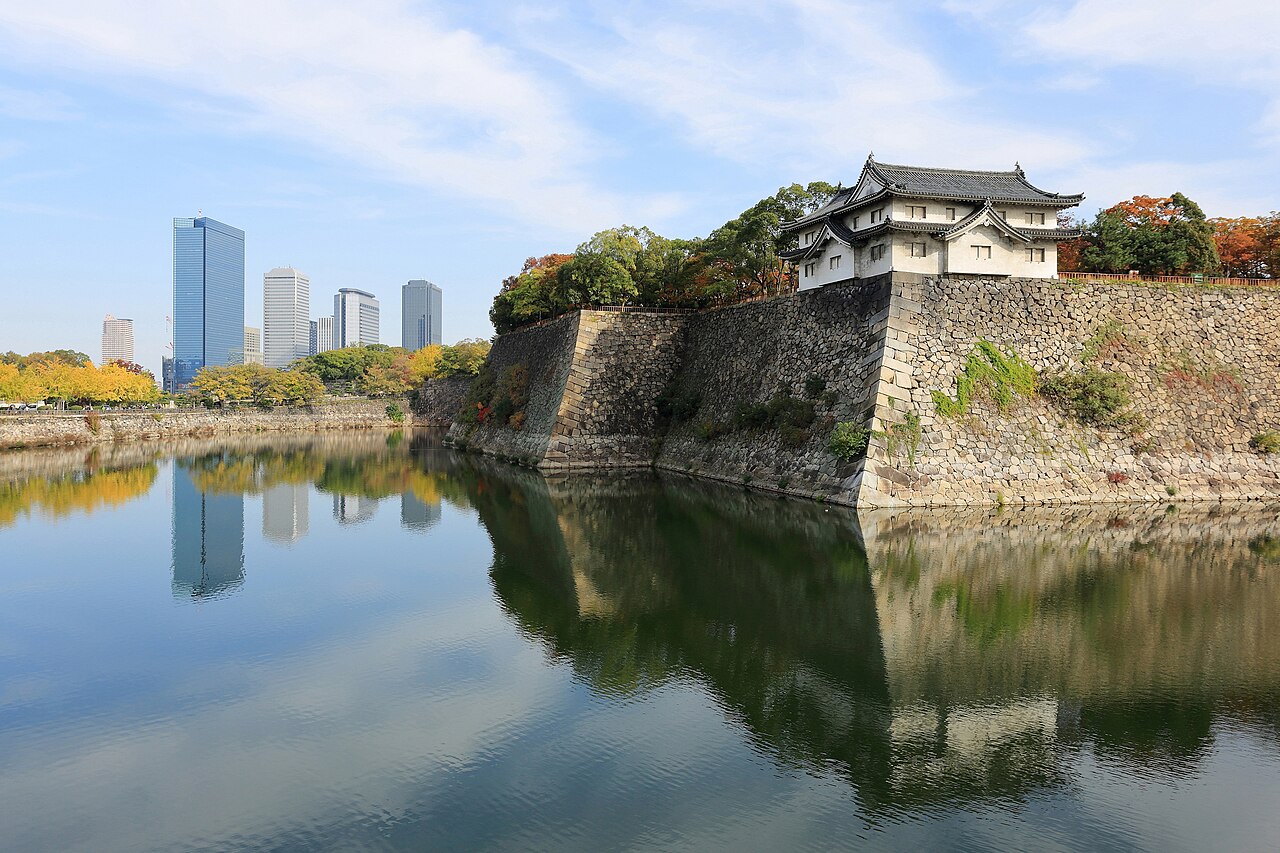
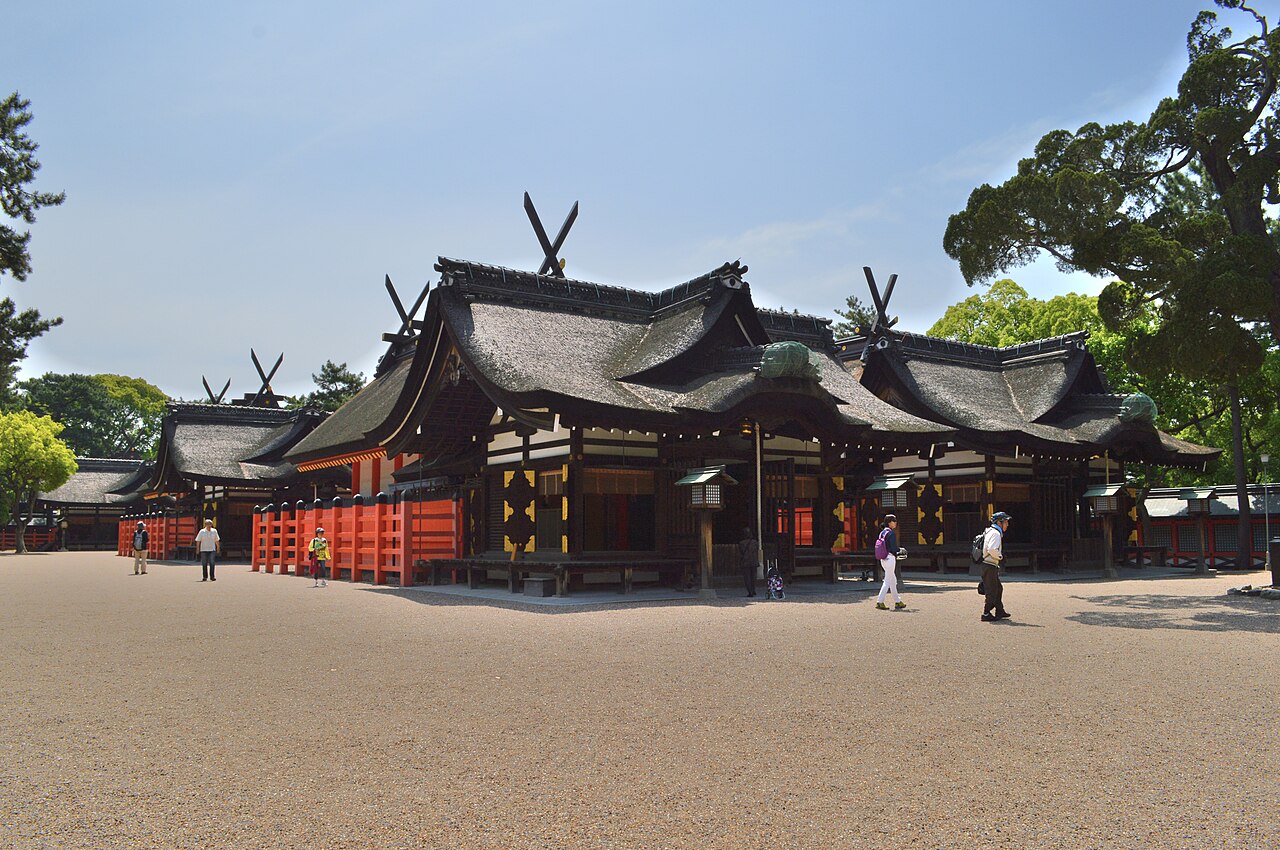
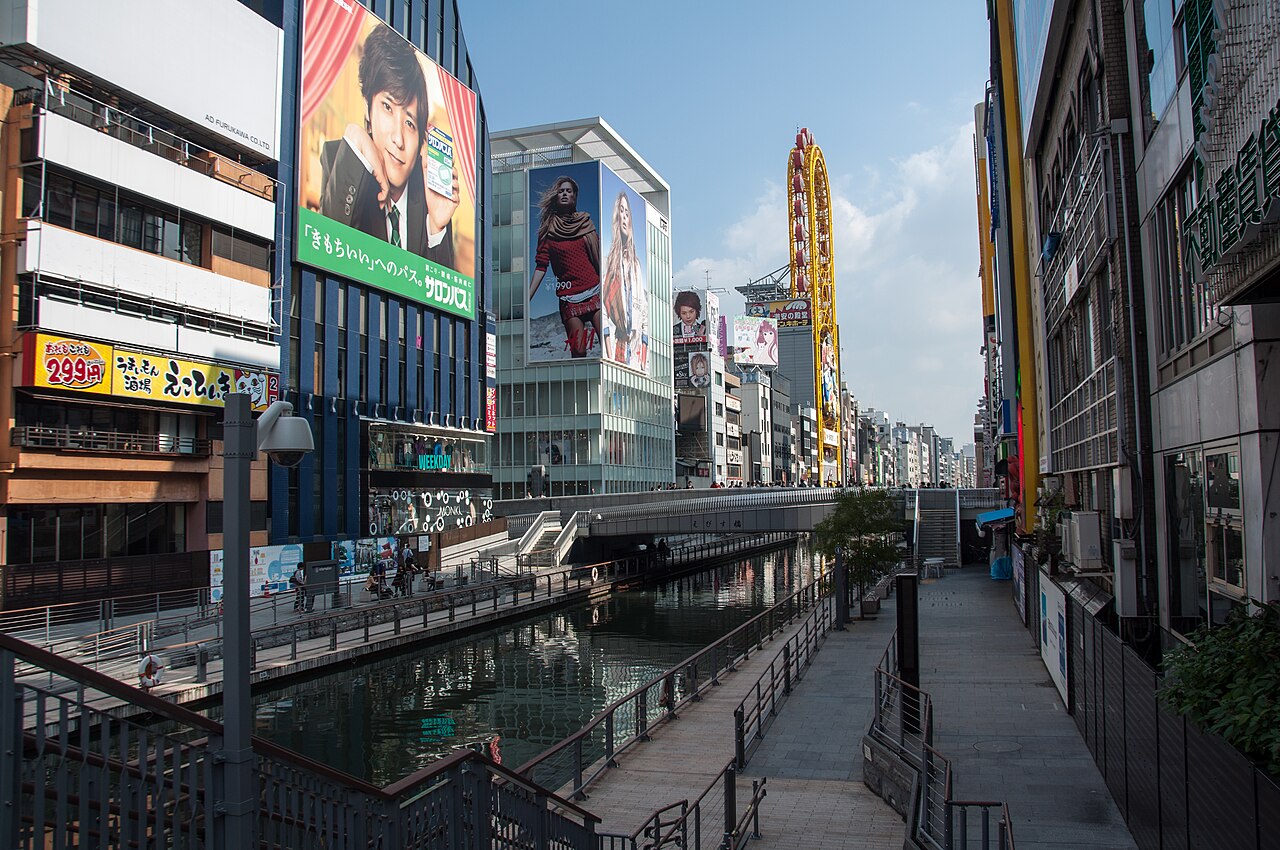
Osaka sits at the mouth of the Yodo River on Osaka Bay, at the center of the Kansai region. It is one of Japan’s oldest urban centers, and for centuries it was the country’s commercial heart rather than its political one. Where Kyoto, about 40 km to the northeast, held the imperial court and a courtly aesthetic, Osaka held the warehouses, the rice exchange, and the merchant houses — the machinery of distribution.
In the Edo period (roughly the 17th to 19th centuries) this role earned Osaka its enduring nickname: the tenka no daidokoro — “the nation’s kitchen.” Goods from across the archipelago and from overseas funneled through its port and out again. Among those goods were karaki: tropical hardwoods such as rosewood, ebony, and ironwood, brought into Japan through the tightly controlled Nagasaki trade and moved up to Osaka’s wealthy buyers.
The historical anchors here run deep. Shitenno-ji, regarded as Japan’s oldest state-sponsored temple, was established in what is now central Osaka in 593 — a reminder that the city’s role as a religious and trade gateway predates the Edo boom by a thousand years. The demand for Buddhist altar fittings (butsugu) that temples like this generated was, over the centuries, one of the engines that drew fine woodworkers to the city: altar pieces were often made from exactly the dense, dark karaki hardwoods that arrived through trade.
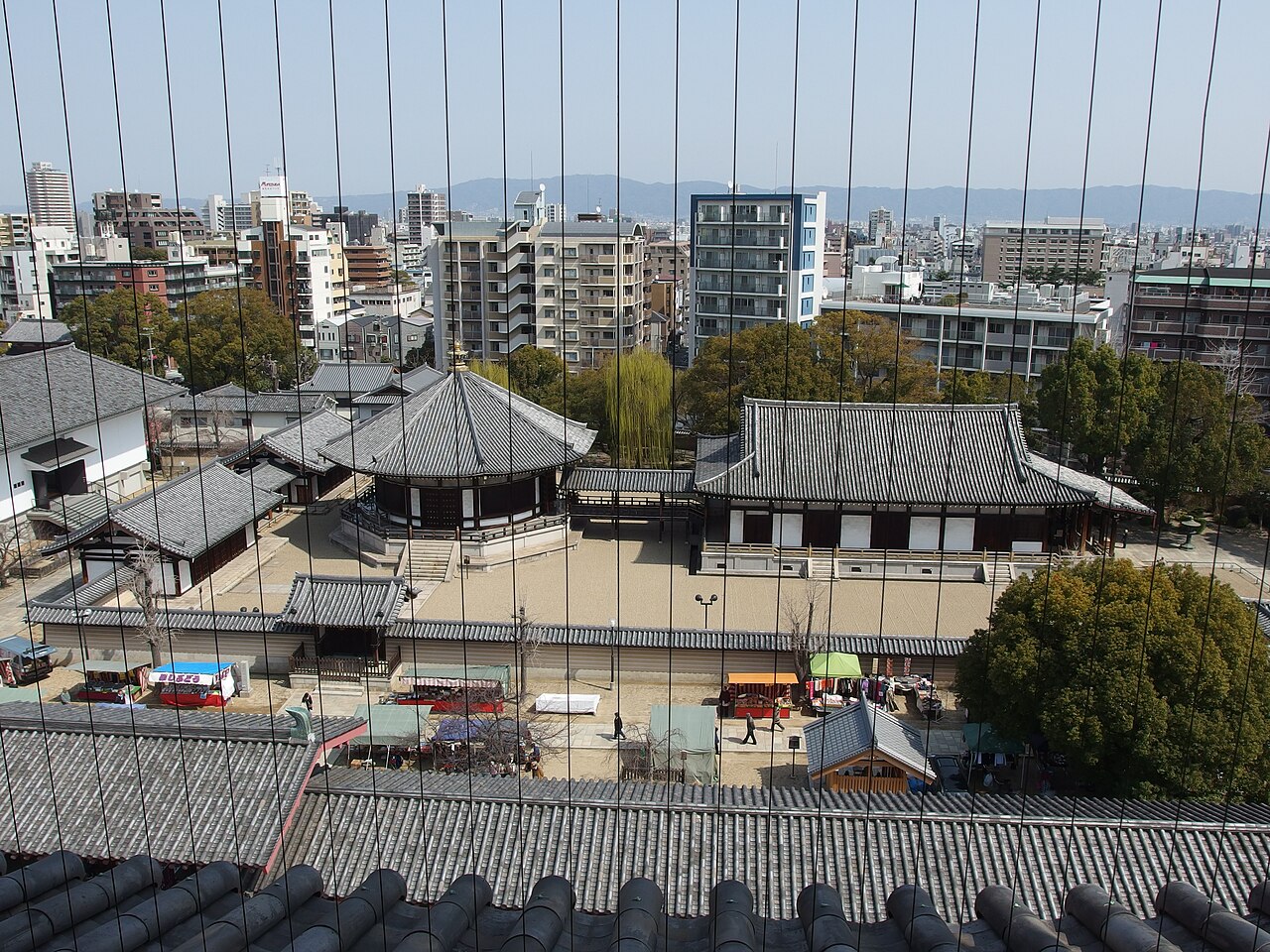
- 593 — Shitenno-ji established in present-day Osaka, traditionally regarded as Japan’s oldest state temple.
- 1583 — Toyotomi Hideyoshi begins building Osaka Castle, anchoring the city’s rise.
- 1641 — The Dutch trading post is confined to Dejima in Nagasaki; overseas hardwoods (karaki) flow into Japan through this controlled trade.
- 17th–18th c. — Osaka becomes the tenka no daidokoro; merchant wealth and butsugu demand concentrate fine joiners working imported hardwoods.
- Edo–Meiji — Karaki sashimono matures as an Osaka specialty: precise joinery, straight lines, and natural grain over carving or lacquer.
- Shōwa era — Osaka Karaki Sashimono is recognized by METI as a traditional craft (dentōteki kōgeihin).
- 2026 — A small number of Osaka workshops continue to join rosewood and ebony into trays, boxes, and stands by hand.
What does “still being made here” mean for a craft this specialized? Karaki sashimono is not a mass industry. The supply of high-grade rosewood and ebony is constrained, the joinery is slow, and the market is narrow. A modest number of Osaka workshops carry the tradition forward, joining hardwoods into trays, incense stands, and small cabinets much as their predecessors did. The continuity is in the method as much as the lineage: a nail-free corner in rosewood is cut and fitted today by essentially the same logic that governed it in the Edo period.
“Where Kyoto joined pale paulownia for the court, Osaka joined dark rosewood for the merchant — the same craft of fitting wood without nails, pointed at two different worlds.”
That contrast is the heart of the object. Kyoto’s sashimono tradition favors light, fragrant paulownia and a courtly restraint. Osaka’s, shaped by merchant taste and the hardwoods its port received, favors dense, dark grain and a plain, functional line. The tray is unmistakably the latter: an Osaka piece, made of a wood that came by sea.
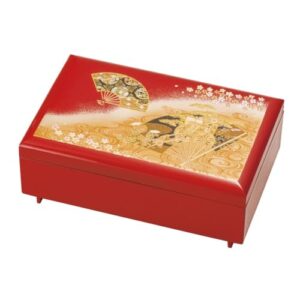
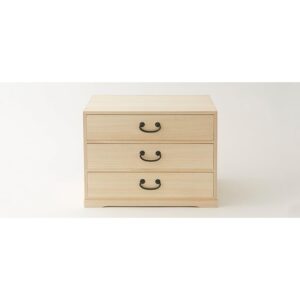
Other Japanese wood, tea, and craft pieces we have covered — useful for placing this rosewood tray in context.
Buying options compared
Osaka Karaki Sashimono prices vary widely by wood (rosewood vs. padauk vs. teak substitutes), by joiner, and by tray size. Live retail pricing for the trays currently in production shifts often, so this guide does not quote a single figure; verify the current price with the workshop or retailer before ordering. JPY is the authoritative currency; any USD figures are approximate estimates at a ¥150/USD baseline as of mid-2026.
| Store | Item / Variant | Price (JPY + USD est.) | Notes |
|---|---|---|---|
| 🇺🇸 Amazon.com (US) | Browse Japanese hardwood serving trays | varies (USD) | Best if you are shopping from the US — Prime shipping, USD pricing, no international customs. Amazon US carries Japanese wood and lacquer serving trays from various makers, useful for comparing size and price tiers. This exact Osaka rosewood piece is sourced from Japan (next row). |
| 🇯🇵 Amazon JP Global Store | Solid shitan (rosewood) tray — | Check current availability | Ships internationally from Japan to most major destinations. |
| Maker direct | Osaka karaki sashimono workshops | — | Some workshops sell direct or through craft galleries; selection and international shipping vary. Often Japanese-language only. |
| Proxy services (Buyee / Tenso) | Any Japan-based seller that does not ship to your country | + service & forwarding fees | Useful fallback if the Global Store does not ship to your region; adds a forwarding fee and a customs step. |
Prices in USD are approximate and depend on the current exchange rate. Prices and stock fluctuate — direct readers to the affiliate link for current data. Amazon JP ships many household items globally via the Global Store, though some items are restricted by destination.
What it does well
Weaknesses and things to verify before buying
- Natural variation. Karaki hardwood pieces vary in character; compare the craft and finish before committing.
- Dimensions and weight are not stated in the data. Confirm the exact size and depth against your cups, teapot, or sake set before buying; “tray” covers a wide range.
- Hardwood needs hand care. Oiled or waxed rosewood is not dishwasher-safe and dislikes prolonged water contact and direct heat. Wipe dry; re-oil occasionally. Treat it as furniture, not tableware.
- It is heavy by design. Density is a feature for stability but a drawback if you wanted a tray to carry one-handed around the house all day.
- Rosewood and customs. Many rosewood species fall under CITES trade controls. Reputable sellers handle documentation, but international buyers should be aware that some hardwood items can face import scrutiny depending on species and destination — check before ordering.
- Natural variation. Grain, color, and figure differ piece to piece.
Conclusion — which buyer type are you?
Other ways to approach this purchase
❓ Frequently Asked Questions
What is Osaka Karaki Sashimono?
What is shitan (rosewood), and why is it used?
How is nail-free joinery different from a glued or carved tray?
Does Amazon JP Global Store ship this internationally?
How do I care for a rosewood tray?
How is this different from Kyoto paulownia sashimono?
Is the price shown in USD or JPY authoritative?
jpmono.com is curated by a Japan-based editorial team (working out of Toyama in the Hokuriku region and Nara in Kansai) and is independent. We don’t take payment from the makers we feature; income comes from affiliate links. We don’t physically test every product — we read maker specifications and craft references — and we focus on items with verifiable craft heritage and clear international shipping paths.
Affiliate disclosure: jpmono.com may earn a commission on qualifying purchases made through links on this page, at no additional cost to you.