![Chiba Cast Brass Altar Candlestick (Shokudai): Buyer’s Guide [2026]](https://jpmono.com/wp-content/uploads/2026/05/japan-map-regions-and-prefectures-800x1050.png)
Across the Tone-River lowlands of northern Chiba — the old provinces of Shimōsa and Kazusa — a dense weave of temples and shrines kept ritual metalworkers busy for centuries. The piece covered here belongs to that world: a cast brass altar candlestick, called a shokudai (燭台), in the auspicious tsuru-kame (鶴亀, “crane-and-turtle”) form, finished in gold or antique brass and offered as a single piece or a matched pair. It is a classic item of butsugu (仏具) — the metal fittings of a Buddhist altar.
What makes this object worth a foreign reader’s attention is context rather than a famous brand name. Chiba is not a flagship casting province like Takaoka; its claim is a ritual economy. Narita-san Shinshōji, a major Shingon pilgrimage temple since 940, and Katori Jingū, one of only three ancient shrines permitted the title Jingū, anchored steady demand for candlesticks, incense burners, and flower vessels. Sawara — the canal town in Katori City nicknamed “Little Edo” — grew wealthy on Edo-period sake and rice shipping and dressed its festival floats in ornate metal fittings.
This article is written for international buyers furnishing a Buddhist altar, collectors of auspicious Japanese metalware, and gift-givers who want a piece with a real regional story. We cover the tsuru-kame symbolism, the casting tradition, how to buy a piece from outside Japan, and how this object sits beside other Japanese metal and craft objects. Where details vary, we say so plainly rather than guess.
🔄 Updated:
⏱ Read time: ~9 min
- Who this is for — and who should skip it
- Product overview (from published specs)
- 📍 Where this comes from — place, era, and the craft tradition
- 📌 How does it compare?
- Where to buy
- What it does well
- Weaknesses and things to verify before buying
- Conclusion — which buyer type are you?
- Other ways to approach this purchase
- ❓ Frequently Asked Questions
Who this is for — and who should skip it
- Are furnishing or completing a Buddhist altar (butsudan) and want a proper cast candlestick
- Appreciate the auspicious tsuru-kame crane-and-turtle motif and its longevity symbolism
- Prefer warm cast brass over plated or stamped sheet-metal altar fittings
- Want a memorial or housewarming gift with a clear regional and ritual story
- Are comfortable hand-polishing brass to keep its shine, or like the antique patina
- Want a single named centuries-old foundry brand — this is an editorially anchored regional craft, not a flagship marque
- Need a guaranteed delivered total before ordering
- Expect a zero-maintenance finish — brass tarnishes and wants occasional polishing
- Are buying a decorative candle holder for dinner-table tapers rather than an altar piece
- Need an exact height or a confirmed single-versus-pair configuration before you can decide
Product overview (from published specs)
The table below summarizes the craft and use of a Chiba cast-brass shokudai. Exact dimensions, finish options, and single-versus-pair configuration vary by workshop. Finished casting is often carried out by specialist foundries; Chiba’s claim is the ritual-economy heritage, not a named centuries-old brass brand.
| Attribute | Detail (per spec / data notes) |
|---|---|
| Item | Cast brass Buddhist altar candlestick (shokudai) |
| Form / motif | Tsuru-kame (crane-and-turtle) — a classic auspicious butsugu design |
| Material | Cast brass (shinchū, 真鍮) |
| Finish | Gold / antique brass (per recommendation hint) |
| Configuration | Single piece or matched pair — confirm before buying |
| Origin / heritage | Ritual brassware tradition of Shimōsa, Chiba Prefecture, Kantō region — Sawara / Katori temple-and-shrine economy |
| Designation | Not a named METI/UNESCO craft brand; editorially anchored secondary craft (see “Where this comes from”) |
| Height / weight | — |
| Price | — |
Chiba cast-brass altar goods vary in price, dimensions, finish, and configuration. Confirm the specific maker and current specifications with a specialist altar-goods or metalware seller before purchasing.
📖 Glossary — Japanese terms used in this article
- shokudai (燭台) — a candlestick; on a Buddhist altar, the stand that holds the offering candle.
- butsugu (仏具) — the ritual implements of a Buddhist altar: candlesticks, incense burners, flower vessels, bells, and related fittings.
- butsudan (仏壇) — the household Buddhist altar cabinet that butsugu furnish.
- tsuru-kame (鶴亀) — the crane and the turtle, paired emblems of long life and good fortune; “the crane lives a thousand years, the turtle ten thousand.”
- shinchū (真鍮) — brass, the copper-zinc alloy traditionally used for altar metalware for its warm color and workability.
- Shingon (真言宗) — the esoteric Buddhist school of Narita-san Shinshōji, one of Chiba’s great pilgrimage temples.
- Jingū (神宮) — a high shrine rank; only a few shrines, Katori among them, carry the title.
- Shimōsa (下総) — the old province covering much of northern Chiba, the historical setting for this craft.
📍 Where this comes from — place, era, and the craft tradition

Chiba is the broad peninsula that forms the eastern wall of Tokyo Bay, directly across the water from the capital. The brass candlestick covered here belongs to the northern, inland edge of the prefecture — the Tone-River lowlands of the old Shimōsa province, where the towns of Sawara and Katori sit. This is flat, water-laced country: rivers, canals, and rice land, well placed for shipping goods down to Edo (now Tokyo) by boat.
That position is the reason a ritual-metal trade could thrive here without local ore or a famous foundry. Northern Chiba was thick with temples and shrines, and a temple economy is a standing market for altar metalware — candlesticks, incense burners, and flower vessels that wear out, get replaced, and get given. Where the altars are, the metalworkers’ customers are.
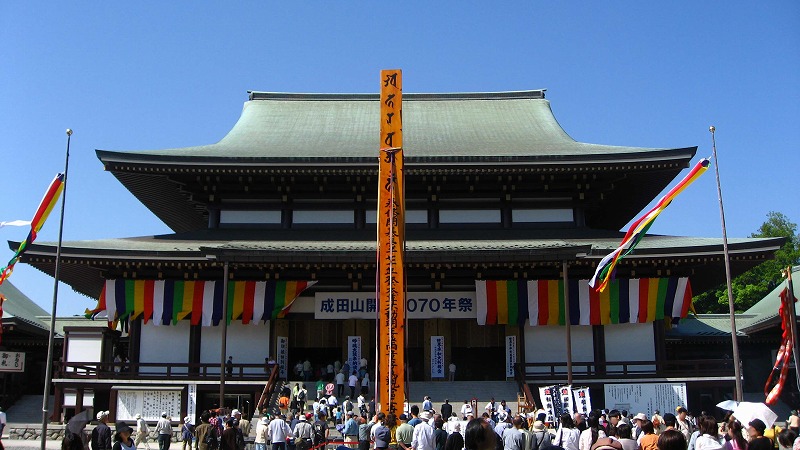
The anchor temple is Narita-san Shinshōji, founded as a Shingon pilgrimage temple in 940 and one of the most visited temples in all of Japan today. A pilgrimage destination on that scale generates a constant ritual demand — for the temple itself and for the home altars of the faithful who visit it. Add Katori Jingū, an ancient shrine ranked among only three permitted the title Jingū, and northern Chiba holds two of the Kantō region’s deepest religious sites within a short distance of each other.
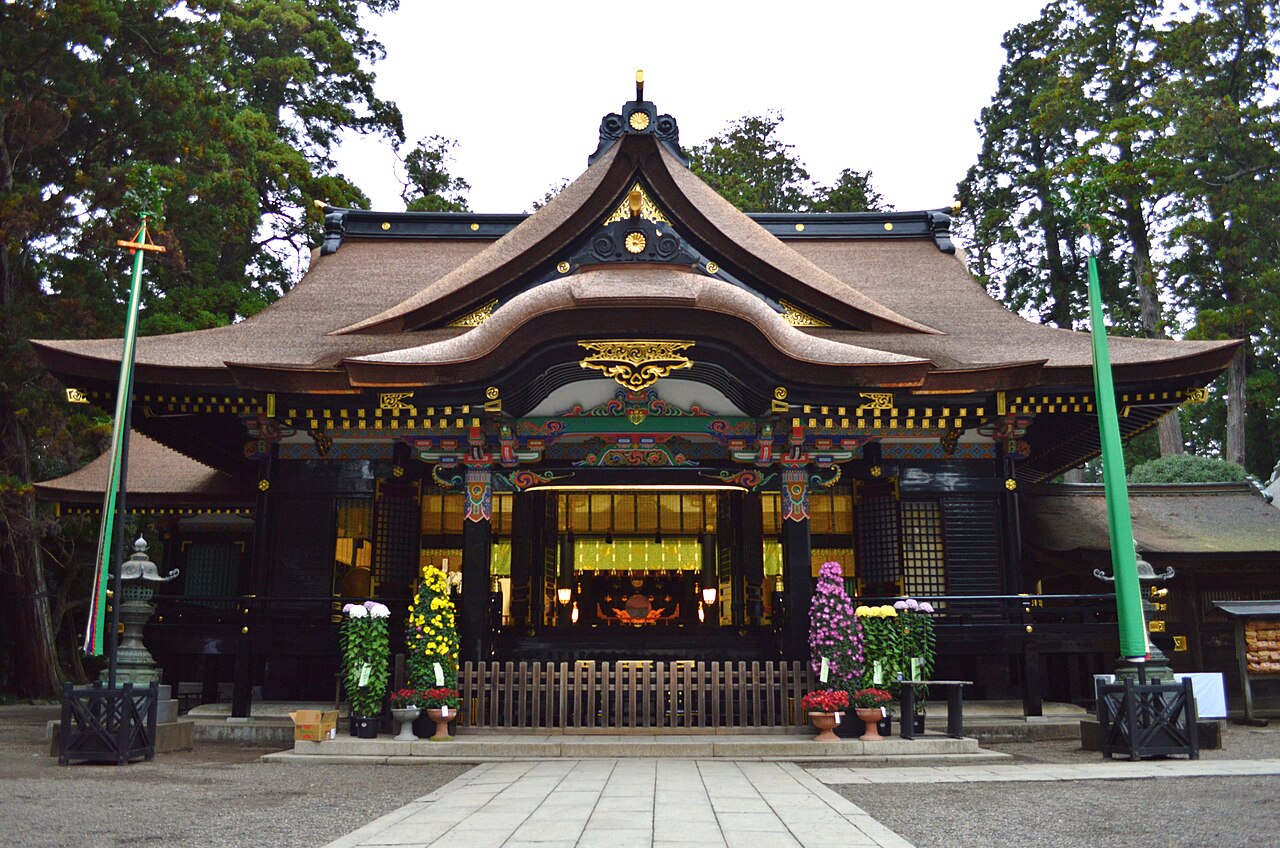
- 940 — Narita-san Shinshōji is founded as a Shingon pilgrimage temple, seeding centuries of ritual demand in Shimōsa.
- Edo period (1603–1868) — Sawara grows into a prosperous Tone-River canal port, enriched by sake and rice shipping to Edo.
- 1745 — Inō Tadataka, the cartographer who first surveyed all of Japan, is born; he made Sawara his home and trade base.
- 18th–19th c. — Sawara’s festival floats acquire ornate metal fittings; the temple-and-shrine economy sustains butsugu metalwork.
- 2016 — UNESCO inscribes the Yama, Hoko and Yatai float festivals of Japan, which include the Sawara Grand Festival.
- 2026 — Cast brass tsuru-kame candlesticks are still sold for home and temple altars.
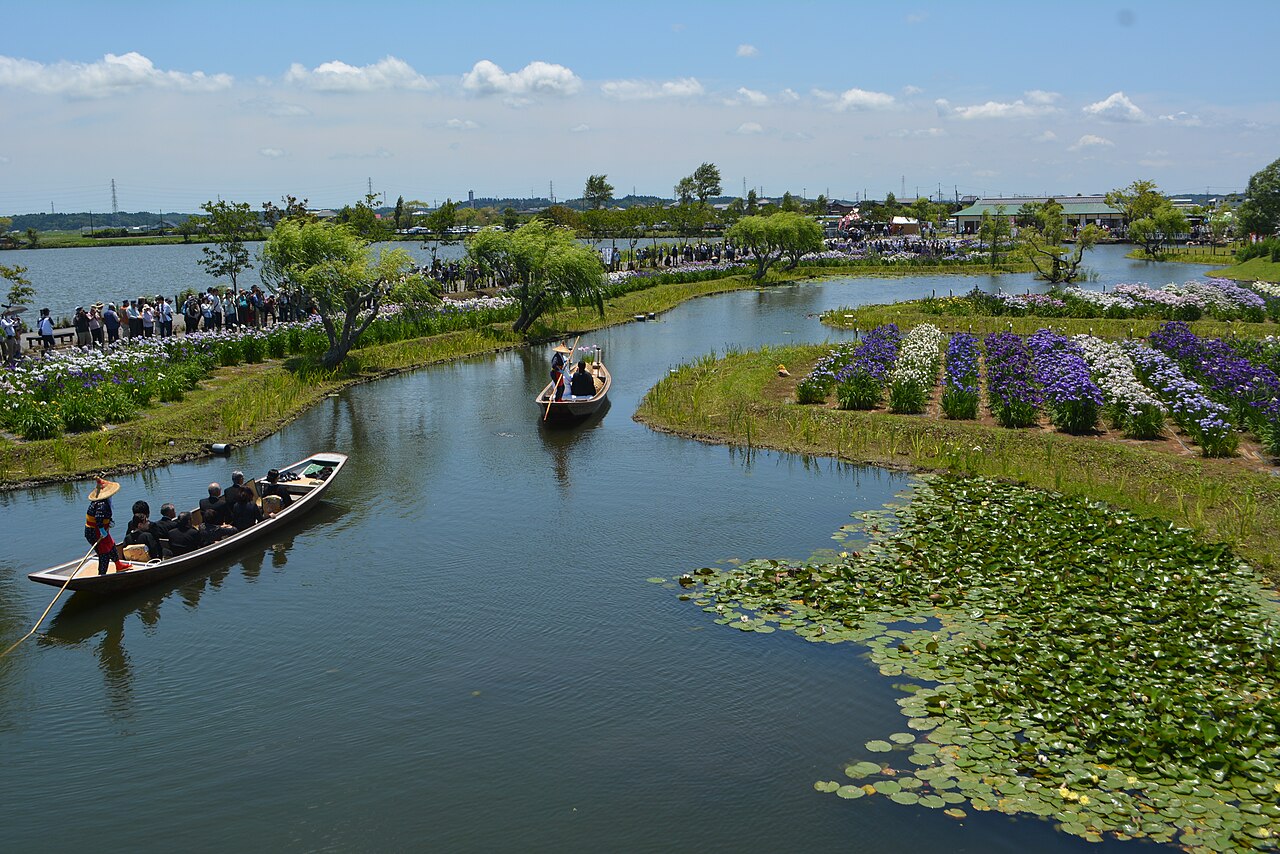
Sawara’s own prosperity is the second half of the story. In the Edo period it became a wealthy canal town, moving sake and rice down the Tone River to feed the capital, and it kept its grid of merchant warehouses and stone-faced canals so intact that it is nicknamed “Little Edo.” It is also the home base of Inō Tadataka, the merchant-turned-cartographer who produced the first accurate survey map of the entire country. Wealth on that scale paid not only for the warehouses but for ritual and decorative metalwork.
“An altar candlestick is the most ordinary object in a temple country — which is exactly why a town of merchants, pilgrims, and festival floats kept casting them for a thousand years.”
That festival metalwork survives publicly each year in the Sawara Grand Festival (Sawara no Taisai), whose towering floats are dressed in ornate fittings and whose tradition is inscribed on the UNESCO list. The same patronage that paid for float metal paid for altar metal. The tsuru-kame candlestick — a crane standing on a turtle, pairing the bird said to live a thousand years with the reptile said to live ten thousand — is one of the most enduring auspicious forms that economy produced.
One honest caveat closes the section. Chiba is not Takaoka: there is no single, named, centuries-old brass house here the way there is for Hokuriku metalcasting, and finished casting of an item like this is frequently done by specialist foundries that serve the altar-goods trade nationally. What Chiba genuinely owns is the ritual-economy heritage that made altar brass a natural product of this place: the temples, shrine, merchant wealth, and festival metal. Treat the maker as a detail to confirm with the seller rather than as a marquee brand.
📌 How does it compare?
Related Japanese metalware and Chiba craft guides on jpmono.com:
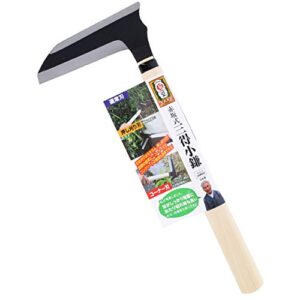 Chiba Koshogu hand-forged sickleChiba’s METI-designated forged tools
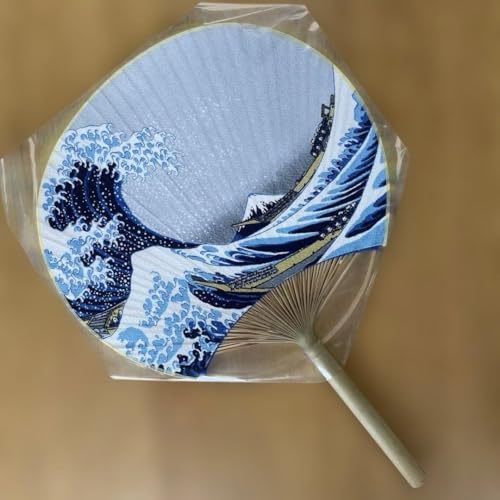 Boshu uchiwa bamboo fanChiba’s other national craft
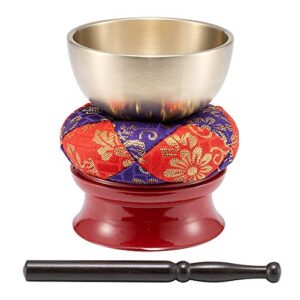 Awa cast bronze orin bellAnother altar metalware piece
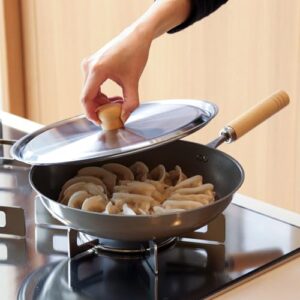 Kuwana cast iron skilletJapanese cast metal, kitchen side
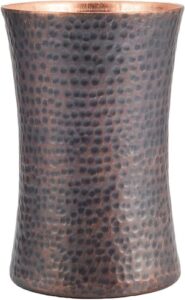 Tsubame tsuiki copper tumblerHammered copper drinkware
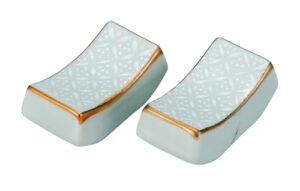 Owari shippo cloisonné restsEnameled metal tableware
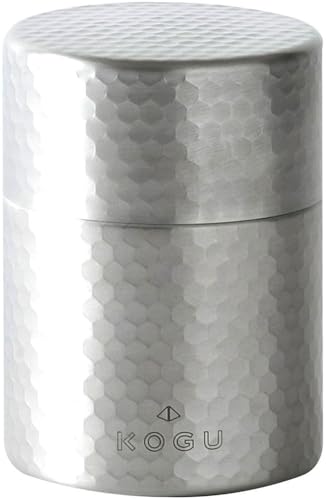 Kaikado tin tea caddyHand-finished metal vessel
Where to buy
Prices for cast-brass altar goods vary by maker, casting, finish, and whether the piece is sold singly or as a pair. Any USD conversion is approximate and changes with the exchange rate; compare the current yen price with shipping and customs.
| Store | Item / variant | Price | Notes |
|---|---|---|---|
| 🇺🇸 Amazon.com (US) | Browse Japanese brass altar candlesticks & butsugu | varies (USD) | Best if you are shopping from the US — Prime shipping, USD pricing, no international customs. Amazon US carries Japanese brass altar fittings and candlesticks from various makers, useful for comparing forms and finishes. The exact tsuru-kame piece ships from Japan (next row). |
| 🇯🇵 Amazon JP Global Store | Cast brass tsuru-kame altar candlestick | — | Amazon JP Global Store; international shipping may be available. |
| Maker direct | Butsugu / altar-goods makers | — | No direct-to-overseas storefront is stated in the spec, and finishing is often done by specialist foundries. Not a confirmed international path here. |
| Proxy services (Buyee / Tenso) | Re-ship from a Japanese address | item + proxy fee | Fallback if direct international shipping is unavailable. Adds handling and forwarding fees. |
Prices in USD are approximate and depend on the current exchange rate. Always verify the live price at the retailer before purchasing. Amazon JP Global Store typically ships household items like this internationally for roughly $15–$40 to the US and EU, shown at checkout; customs duty may apply above your country’s threshold.
What it does well
Weaknesses and things to verify before buying
- No named flagship maker. Chiba is not a marquee casting province. This is an editorially anchored regional craft, and finishing is often done by specialist foundries — verify the actual maker before treating it as a heritage brand.
- Product details are limited. Confirm the configuration before ordering.
- Single versus pair is unconfirmed. The recommendation hint allows either a single piece or a matched pair; check exactly what you will receive before buying.
- Brass tarnishes. A polished brass finish dulls over time and wants occasional metal polish; an antique finish is meant to look aged. Decide which finish you want.
- Open flame near an altar. Like any candlestick, it is used with fire. Confirm the candle-cup size fits your candles, and follow normal altar fire-safety practice. Some buyers substitute LED altar candles.
- It is an altar object, not table decor. Buyers wanting a Western-style dinner-candle holder may find the proportions and symbolism a poor match for that use.
Conclusion — which buyer type are you?
Other ways to approach this purchase
❓ Frequently Asked Questions
Does Amazon ship this brass candlestick internationally?
What does the tsuru-kame (crane-and-turtle) form mean?
Is this a single candlestick or a pair?
How do I care for the brass finish?
Is there a single named foundry behind it?
Why is no price shown in this guide?
Does it make a good gift?
jpmono.com is curated by a Japan-based editorial team (working out of Toyama in the Hokuriku region and Nara in Kansai) and is independent. We don’t take payment from the makers we feature; income comes from affiliate links. We don’t physically test every product, and we review maker specifications and public craft references. Read more about our editorial standards.
🤖 This article was prepared with AI assistance from public craft references and editorial source notes, then reviewed by an editor. Specifications that vary by foundry or workshop are described as variable rather than estimated.
Affiliate disclosure: jpmono.com may earn a commission on qualifying purchases made through links on this page, at no additional cost to you.