![Fukui Habutae Shioze Silk Fukusa: Tea Ceremony Wrapping Cloth [2026]](https://jpmono.com/wp-content/uploads/2026/05/japan-map-regions-and-prefectures-800x1050.png)
In the late nineteenth century, a single Japanese prefecture quietly became the largest silk-weaving district in the world. That prefecture was Fukui, on the Sea of Japan coast, and the cloth that made it famous was habutae (羽二重) — a smooth, lustrous, even plain-weave silk that the Meiji-era government’s industrial-promotion drive sent by the bale to Lyon and to the United States. Fukui earned a nickname that still circulates among textile historians: the “Habutae Kingdom.”
A fukusa (袱紗) is the small silk square a tea host uses to ritually wipe, lift, and handle the utensils during chadō (茶道, the way of tea). The heavier grade of habutae used for it is called shioze (塩瀬) — woven with a thicker weft so the cloth has body, drape, and a quiet matte dignity rather than a glossy sheen. A Fukui-woven shioze fukusa therefore ties two things together: an industrial-export silk heritage on one hand, and the slow, disciplined grammar of the tea room on the other.
This guide is written for international readers who want to understand what they are actually buying — what shioze is, why Fukui, how a plain dyed fukusa differs from the printed or embroidered kind, and the practical question of how to get one shipped outside Japan. We cover the place and its history, the material, the comparison against related Japanese silk goods, and the buying paths (Amazon US search, Amazon JP Global Store, and proxy services), with honest notes on where the data is thin.
🔄 Updated:
⏱️ Read time: ~10 min
Who this is for — and who should skip it
- Practice or are starting chadō and need a proper handling cloth
- Want a plain, dignified pure-silk square rather than a printed novelty
- Value a documented regional silk heritage (Fukui habutae)
- Appreciate shioze specifically — body and matte drape over glossy sheen
- Are buying a tea gift where understatement reads as respect
- Want a decorative furoshiki for wrapping bottles or boxes (different cloth)
- Expect bright prints or embroidery — this is a plain dyed silk
- Need a machine-washable everyday item; silk requires care
- Are looking for the cheapest possible option (polyester fukusa exist)
Product overview (from published specs)
The description below follows the general characteristics of shioze habutae fukusa. Current prices and exact product details can change, so no item-specific figure is asserted.
| Attribute | Detail |
|---|---|
| Item | Shioze (塩瀬) habutae pure-silk fukusa — plain dyed tea-ceremony handling cloth |
| Material | 100% silk (habutae plain weave, shioze weight) |
| Weave | Habutae — even, balanced plain weave; shioze uses a thicker weft for body |
| Finish | Plain dyed (solid color), matte rather than glossy |
| Origin | Fukui, Fukui Prefecture (Chūbu / Hokuriku, Sea of Japan coast) |
| Use | Chadō — wiping and handling tea utensils; folded and tucked at the obi |
| Source — primary (Amazon US search) | Comparable Japanese silk goods via search |
| Source — secondary (Amazon JP Global Store) | amazon.co.jp (moonill-22), ships internationally |
📖 Glossary — key terms
- Habutae (羽二重) — a smooth, lustrous, even plain-weave silk. Historically used as kimono lining and as a base canvas for dyeing.
- Shioze (塩瀬) — a heavier grade of habutae woven with a thicker weft, giving the cloth body and a matte drape. The traditional cloth for fukusa and for obi.
- Fukusa (袱紗) — the small silk square a tea host uses to ritually wipe and handle utensils; also a formal gift-wrapping cloth.
- Chadō / sadō (茶道) — the “way of tea,” the Japanese tea ceremony and its etiquette.
- Shokusan kōgyō (殖産興業) — the Meiji government’s “promote industry” policy that industrialized Japanese silk production.
- Oryōki (応量器) — the disciplined Zen meal rite using nested bowls and wrapping cloths, echoing the handling care of fukusa.
Related Japanese craft pieces on jpmono — other Fukui makers, silk textiles, wrapping cloths, and the tea-utensil world this fukusa belongs to.
Where this comes from

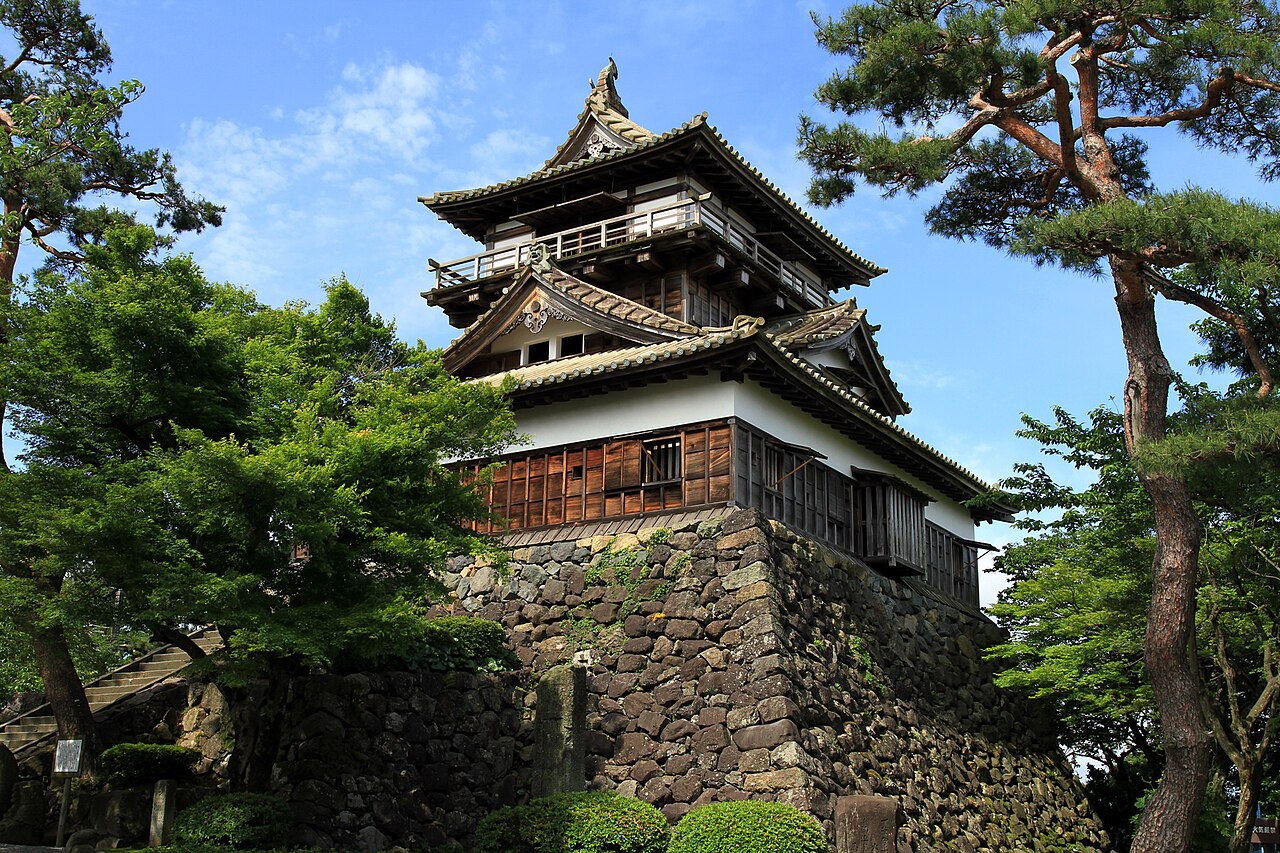
Fukui sits on the Sea of Japan coast, in the part of Honshū the old province name Echizen still labels. It is a prefecture of cold, snowy winters, soft water, and a long shoreline of basalt and pine. That climate matters: humidity and water quality shaped where silk reeling and dyeing could thrive, and the Hokuriku coast gave the region both river logistics and a port outlet for export. Inland, the Fukui plain spreads out beneath the mountains, anchored by one of Japan’s oldest surviving castle keeps.
Fukui’s silk story, unlike much of Japanese craft, is a modern-industrial one rather than a feudal one. In the Meiji era, the government’s shokusan kōgyō (殖産興業) industrial-promotion policy, combined with weaving techniques brought in from neighboring Ishikawa, turned Fukui into the largest producer of habutae in the world. This smooth, lustrous, white plain-weave silk was exported in enormous volume to Lyon — the silk capital of France — and to the United States. Fukui became known, without exaggeration, as the “Habutae Kingdom.”
Habutae played two roles at once. It served as kimono lining, valued for its softness and even surface, and it served as the base canvas onto which dyers worked their patterns. Shioze (塩瀬) is the heavier branch of that family: a habutae woven with a thicker weft so the finished cloth has weight, body, and a quiet matte face. Shioze became the traditional cloth for two formal uses — the obi, and the tea-ceremony fukusa.
- 1244 — Dōgen founds Eihei-ji, the great Sōtō Zen training monastery, in the Echizen mountains.
- 1576 — The Maruoka Castle keep is built on the Fukui plain — among the oldest surviving in Japan.
- 1868 onward — The Meiji government launches its shokusan kōgyō industrial-promotion drive.
- Meiji era — Weaving techniques arrive from Ishikawa; Fukui becomes the world’s largest habutae producer, the “Habutae Kingdom.”
- Meiji–Taishō — Fukui habutae ships in volume to Lyon and the United States.
- Through the modern era — Shioze, the heavier habutae, becomes the standard cloth for tea-ceremony fukusa and for obi.
- 2026 — Fukui-woven shioze silk is still produced for fukusa and formal textiles.

The fukusa is the point where an export industry meets a quiet domestic ritual. In chadō, the host folds the fukusa, purifies it with a prescribed series of folds, and uses it to wipe the tea caddy and scoop and to steady the hot kettle lid. Nothing about the gesture is decorative; it is functional reverence. The plain dyed shioze square is deliberately understated, because in the tea room understatement is the higher form of respect.

“The same plain silk that once filled cargo holds bound for Lyon is folded, today, into a square small enough to wipe a tea scoop.”
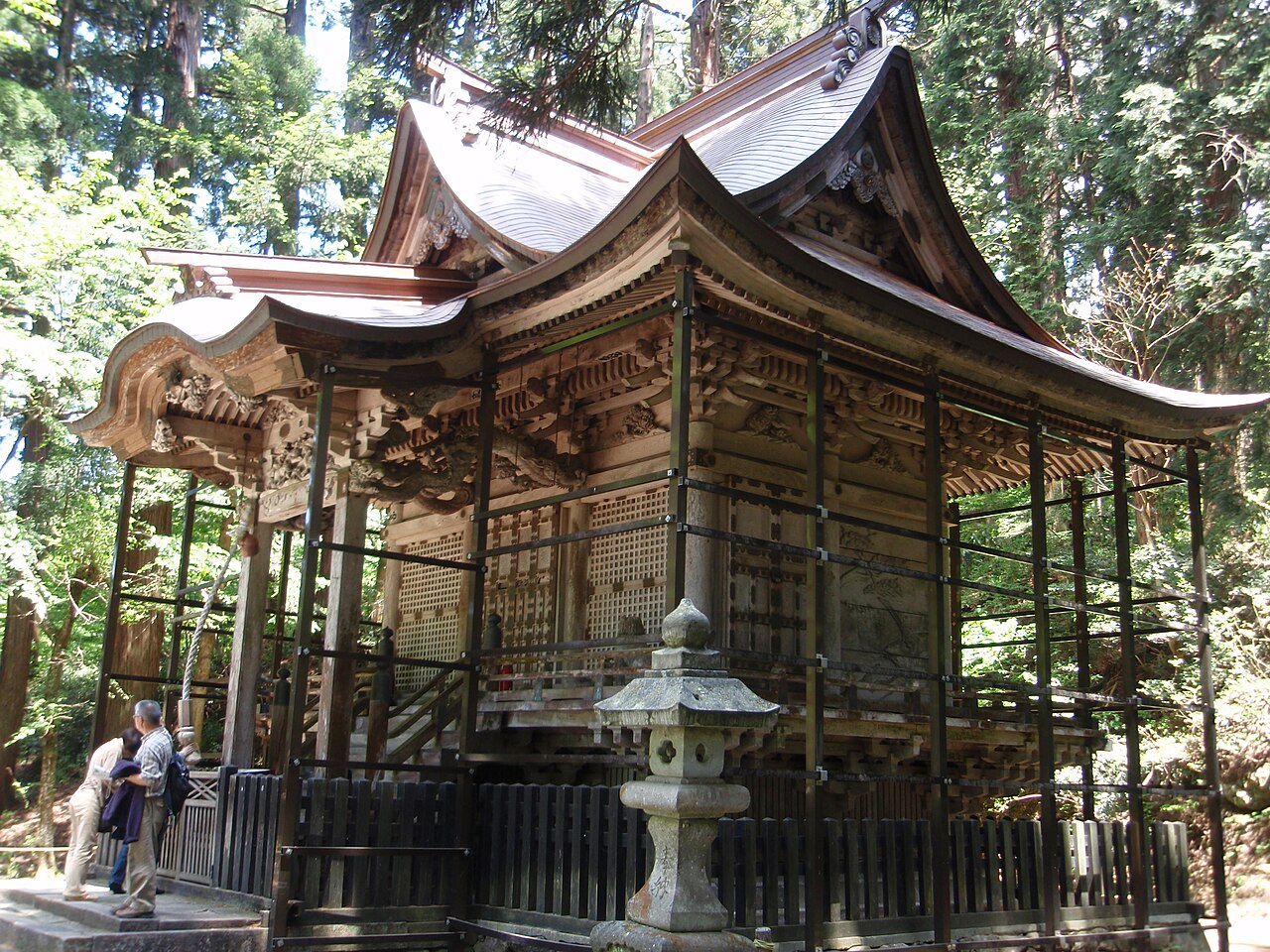
That continuity is the real reason to care about provenance here. A shioze fukusa is not a souvenir of the tea ceremony; it is a working tool of it, woven in the prefecture that taught much of the world what Japanese silk could be. The aesthetic that suits it best is the one you find on the moss-carpeted approach to Heisenji — quiet, even, unhurried.
Buying options compared
Prices and stock fluctuate; USD figures are approximate (¥150/USD baseline, mid-2026) and depend on the current exchange rate. This guide does not state a price for a particular piece.
| Store | Item / Variant | Price | Notes |
|---|---|---|---|
| 🇺🇸 Amazon.com (US) | Browse Japanese silk fukusa & tea cloths | varies (USD) | Best if you’re shopping from the US — Prime shipping, USD pricing, no international customs. Amazon US carries Japanese silk fukusa, furoshiki, and tea cloths from various makers; the specific Fukui shioze piece is sourced from Japan (next row). |
| 🇯🇵 Amazon JP Global Store | Shioze habutae pure-silk fukusa | Check current availability | Ships internationally from Japan. This guide focuses on Fukui Habutae shioze silk fukusa. |
| Maker direct | Fukui shioze fukusa | Unconfirmed — check manufacturer site | Many Fukui silk weavers sell through tea-supply retailers rather than a single direct storefront; availability varies. |
| Proxy services (Buyee / Tenso) | Japan-only stores with forwarding | Item price + proxy fee + forwarding | Useful when a tea-supply store does not ship abroad directly; adds a forwarding cost and customs handling. |
What it does well
Weaknesses and things to verify before buying
- Color varies among plain-dyed pieces. Choose the specific color that suits your use.
- Silk requires care. This is not a machine-washable everyday cloth; it needs gentle handling, dry storage, and protection from moisture and direct sun.
- School and use conventions differ. Tea schools (Urasenke, Omotesenke, and others) have conventions on fukusa color and use; confirm what your practice expects before buying as a working tool.
- Provenance labeling. “Fukui-woven shioze” is the heritage claim; exact weaver or workshop attribution may vary.
- International shipping and customs. Amazon JP Global Store ships many textiles abroad, but duties may apply over local thresholds; budget for them.
Conclusion — which buyer type are you?
Other ways to approach this purchase
❓ Frequently Asked Questions
What is the difference between shioze and ordinary habutae?
Both are plain-weave silk from the habutae family. Shioze is woven with a thicker weft, so the cloth is heavier and has more body and a matte drape, which is why it is the traditional choice for fukusa and obi. Ordinary habutae is lighter and more lustrous, historically used as kimono lining and as a base for dyeing.
What is a fukusa actually used for?
In chadō, the host folds the fukusa and uses it to ritually wipe the tea caddy and scoop and to handle hot utensils such as the kettle lid. It is a working tool of the tea ceremony, not a decorative cloth, though fukusa are also used as formal gift-wrapping squares.
Why does Fukui matter for silk?
In the Meiji era, government industrial policy and weaving techniques from neighboring Ishikawa made Fukui the world’s largest producer of habutae silk, exported in volume to Lyon and the United States. The region was known as the “Habutae Kingdom,” so a Fukui-woven shioze fukusa carries a documented silk heritage.
Does Amazon JP ship a fukusa internationally?
Amazon JP Global Store ships many textile items to most major destinations. Shipping typically runs about $15–$40 to the US and EU and more to other regions, and customs duties may apply over local thresholds. If a Japanese textile shop does not ship abroad directly, a proxy service such as Buyee or Tenso can forward it.
How do I care for a silk fukusa?
Treat it as a fine silk: keep it dry, store it away from direct sunlight, and avoid machine washing. Handle it with clean hands and refold it along its existing creases. With gentle care a silk fukusa lasts for years of regular tea practice.
Is the price shown current?
Is this the same as a furoshiki?
No. A furoshiki is a larger wrapping cloth for carrying boxes, bottles, and bento, often printed or patterned. A fukusa is a smaller silk square specific to the tea ceremony and formal gift handling. For decorative wrapping, a Kyo Yuzen furoshiki (linked in the comparison box above) is the better fit.
jpmono.com is curated by a Japan-based editorial team (working out of Toyama in the Hokuriku region and Nara in Kansai) and is independent. We do not take payment from the makers we feature; income comes from affiliate links. We do not physically test every product — we read maker specifications and craft references.
Affiliate disclosure: jpmono.com may earn a commission on qualifying purchases made through links on this page, at no additional cost to you.