![Ojiya-chijimi Ramie Summer Stole: Snow-Bleached Echigo Crepe [2026]](https://jpmono.com/wp-content/uploads/2026/06/ojiya-chijimi-ramie-summer-stole-where-to-buy-2026-featured.jpg)
Ojiya-chijimi (小千谷縮, “Ojiya crepe”) is a ramie cloth woven in Ojiya, a small snow-country city in Niigata Prefecture on the Sea of Japan side of central Japan. It belongs to a fine-ramie weaving tradition that the surrounding Echigo region has carried for centuries, and the cloth turned into a summer stole is one of the most accessible ways for an international buyer to own a piece of it. The signature is texture: a hard-twisted weft pulls the woven surface into a fine pucker the Japanese call shibo, lifting the fabric off the skin so air moves underneath.
What makes the cloth notable beyond Japan is the combination of fiber and finish. Ramie (苧麻, choma) is cooler, crisper, and more sweat-wicking than cotton, and the traditional finishing step — yukizarashi, bleaching the woven cloth on snow fields — ties the textile to one of the snowiest inhabited regions on earth. Both Echigo-jofu and Ojiya-chijimi were designated an Important Intangible Cultural Property in 1955 and inscribed on UNESCO’s Intangible Cultural Heritage list in 2009.
This guide is written from a Japan-based editor’s perspective for readers shopping from outside Japan. We cover what the cloth is, where it comes from, how a ramie stole behaves in real heat, who it suits and who should pass, how to buy it from abroad, and how it compares to silk and wool stoles already covered on this site. Where data is thin, we say so plainly rather than invent specifications.
🔄 Last updated: June 22, 2026
⏱️ Read time: about 11 min

- Who this is for — and who should skip it
- Product overview (from published specs)
- Where this comes from — place, era, and the craft tradition
- Which finish should you choose?
- 📌 How does it compare?
- Price snapshot across stores
- What it does well
- Weaknesses and things to verify before buying
- Conclusion — which buyer type are you?
- Other ways to approach this purchase
- 🏆 Editor’s Pick
- ❓ Frequently Asked Questions
Who this is for — and who should skip it
✅ A good fit if you
- 🌞 Want a genuinely cool, breathable summer wrap for humid heat, not a decorative scarf
- 🌾 Prefer natural plant fiber (ramie / linen family) over silk or synthetic
- 🪡 Appreciate visible craft texture — the crinkled shibo surface is the point, not a defect
- 🎁 Are buying a meaningful, UNESCO-listed Japanese craft gift that still works as daily wear
- 🧺 Are comfortable hand-washing or gentle-cycle care for a textile that lasts years
⚠️ Probably skip it if you
- 🧣 Want a warm winter scarf — ramie is a cooling fiber, the opposite use case (→ wool)
- ✨ Expect the soft, fluid drape of silk — ramie is crisp and holds body
- 🌀 Dislike a textured or slightly crinkled surface and want a flat, smooth weave
- 🏷️ Need a confirmed price before buying — the snapshot did not include live pricing
- ⏱️ Will not hand-wash or air-dry; aggressive machine drying can flatten the shibo
Product overview (from published specs)
Data note: only the Amazon JP Global Store listing reference (ASIN B0CKBM3JMV) was available for this item, and the fetched snapshot did not include live pricing or a full measured spec sheet. The table below therefore describes the Ojiya-chijimi ramie stole category and its maker tradition rather than one verified unit. Confirm exact dimensions, weight, color, and price on the listing before purchasing.
| Attribute | Detail | Source |
|---|---|---|
| Item | Ojiya-chijimi ramie summer stole / wrap | Amazon JP Global Store (sourced listing, ASIN B0CKBM3JMV) |
| Fiber | Ramie (苧麻, choma) — bast fiber in the linen family; cool, crisp, sweat-wicking | Maker direct (craft tradition) |
| Weave | Chijimi crepe — hard-twisted weft produces the signature shibo crinkle | Maker direct (craft tradition) |
| Finish | Yukizarashi snow-bleaching for the highest grades; coloring traditionally natural or indigo | Maker direct (craft tradition) |
| Origin | Ojiya, Niigata Prefecture (Echigo snow country), Japan | Maker direct |
| Designation | Important Intangible Cultural Property (1955); UNESCO Intangible Cultural Heritage (2009) | Public record |
| Dimensions / weight | — Unconfirmed; not in fetched data — verify on listing | — |
| Price | — Unconfirmed; live pricing was unavailable at time of writing — verify on listing | — |
All values reflect the data available at the time of writing (June 22, 2026). Specifications and price fluctuate; the Amazon JP Global Store listing is the authoritative source for the exact unit.
📚 Glossary — key terms for Ojiya-chijimi
Ojiya-chijimi (小千谷縮, “Ojiya crepe”): a ramie crepe cloth woven in Ojiya, Niigata. The “chijimi” (crepe) refers to the puckered surface created by hard-twisting the weft yarn.
Ramie / choma (苧麻): a bast fiber in the same plant-fiber family as linen, made from the stalk of the ramie plant (also called karamushi). It is cool to the touch, crisp, strong when wet, and wicks sweat — which is why it became the classic Japanese summer fiber.
Shibo (シボ): the fine, irregular crinkle on the cloth surface. Because the puckered cloth touches the skin at only scattered points, it does not cling when you sweat — the practical reason chijimi was prized for summer wear.
Yukizarashi (雪晒し, “snow-bleaching”): laying the woven cloth out on snow fields in late winter. Sunlight acting on the moisture and ozone released by melting snow gently brightens and evens the fibers — a finish unique to heavy-snow regions.
Echigo-jofu (越後上布): the older, finer plain-woven ramie cloth of the same Echigo region from which Ojiya-chijimi developed. “Jofu” means a fine-quality ramie cloth; “chijimi” added the crepe twist.
Echigo (越後): the historical province corresponding to most of present-day Niigata Prefecture. The name still appears in regional craft and place names (Echigo-Yuzawa, Echigo-jofu).
Where this comes from — place, era, and the craft tradition

Ojiya sits in the south-central part of Niigata Prefecture, in the Chūetsu district of the old province of Echigo. The Shinano River, the longest in Japan, runs through it on its way to the Sea of Japan. This is deep snow country: cold, wet winters bury the valleys for months, and that climate — not despite it but because of it — is the reason a fine textile industry took root here.
Two natural advantages mattered. First, water: clean, cold snowmelt running off the mountains is exactly what ramie processing needs for the long soaking and rinsing the bast fiber demands. Second, the snow itself, which gave farming households a long indoor winter season and, in the form of broad snow fields, the surface used for yukizarashi bleaching. Spinning and weaving fine ramie became the off-season work of snowbound farm families.
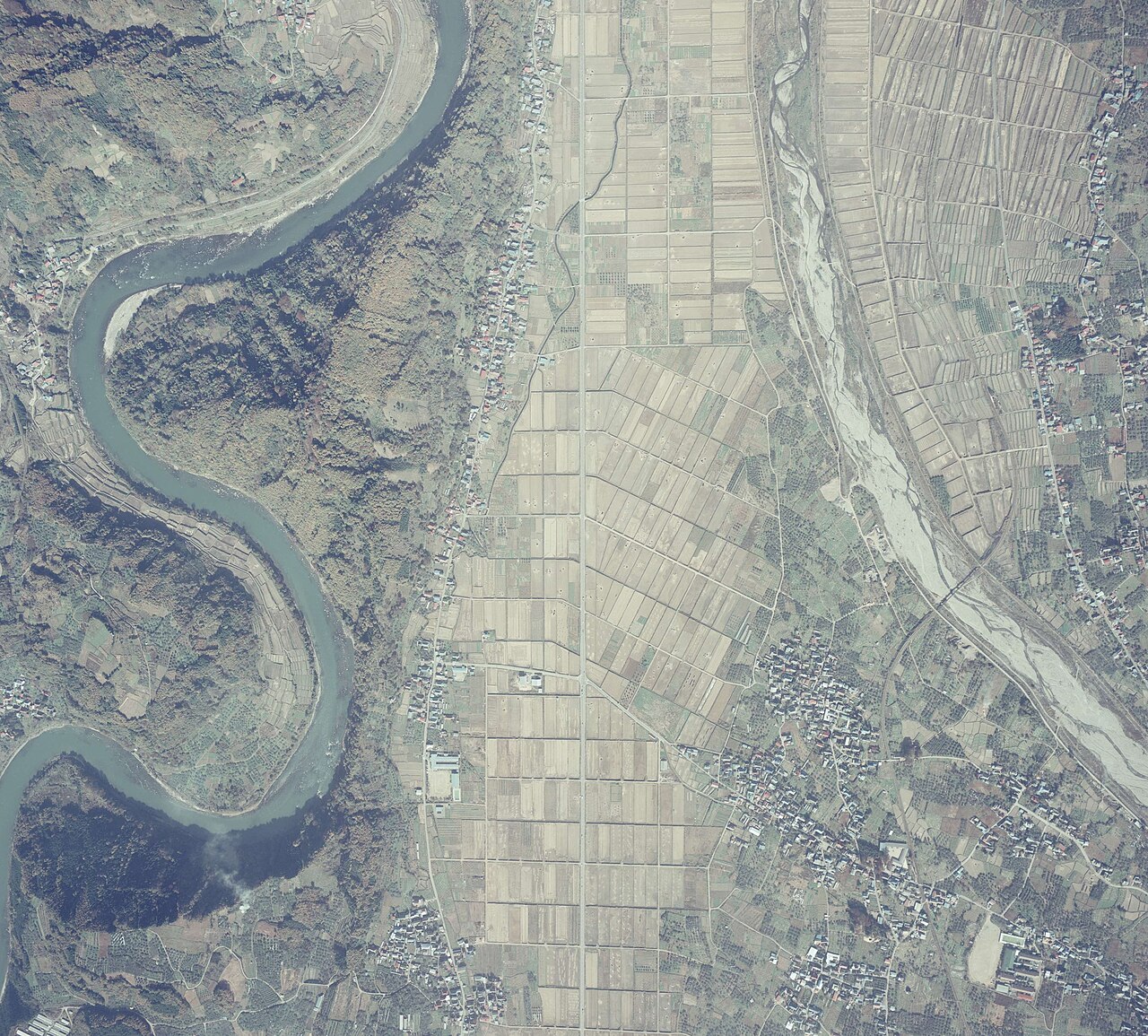
The fine-ramie weaving of Echigo is old — fine ramie cloth from this region was recorded as tribute as far back as the Nara period (710–794). The decisive turn toward the crepe we know today came around 1670, when Hori Jiro Masatoshi is credited with refining the older Echigo-jofu by adding a hard twist to the weft yarn. That twist made the surface contract into the fine shibo pucker, and the new cloth — Ojiya-chijimi — quickly became a sought-after summer cloth, used for the light unlined katabira robes of the warm months.
- 710–794 — Nara period: fine ramie cloth from Echigo is recorded among regional tribute textiles.
- c. 1670 — Hori Jiro Masatoshi adds hard-twist weft to Echigo-jofu, creating the shibo crepe of Ojiya-chijimi.
- Edo period — The crepe becomes a prized summer cloth, woven as the winter off-season work of Echigo farm households.
- 1955 — Echigo-jofu and Ojiya-chijimi are designated an Important Intangible Cultural Property.
- 2009 — The tradition is inscribed on UNESCO’s Intangible Cultural Heritage list.
- 2026 — Ramie chijimi is still woven in Ojiya, now reaching international buyers as stoles and summer wear.
The same heavy-snow Uonuma–Ojiya country carries other identities that locate the cloth in its place. Ojiya is the birthplace of nishikigoi, the colored koi bred in the region’s cold, clear ponds, and the broader snow country is the setting of Yasunari Kawabata’s novel Snow Country. The textile is not a curiosity floated free of its origin; it grew out of the same water and the same winters.

The finish that defines the highest grades is yukizarashi. In late winter, the woven cloth is spread on snow fields; as the snow’s surface melts under the sun it releases moisture and ozone, and the combination gently bleaches and evens the ramie. It is a finishing step you can only perform where the snow lies deep and clean — the Echigo–Yuzawa–Uonuma country supplies exactly that.
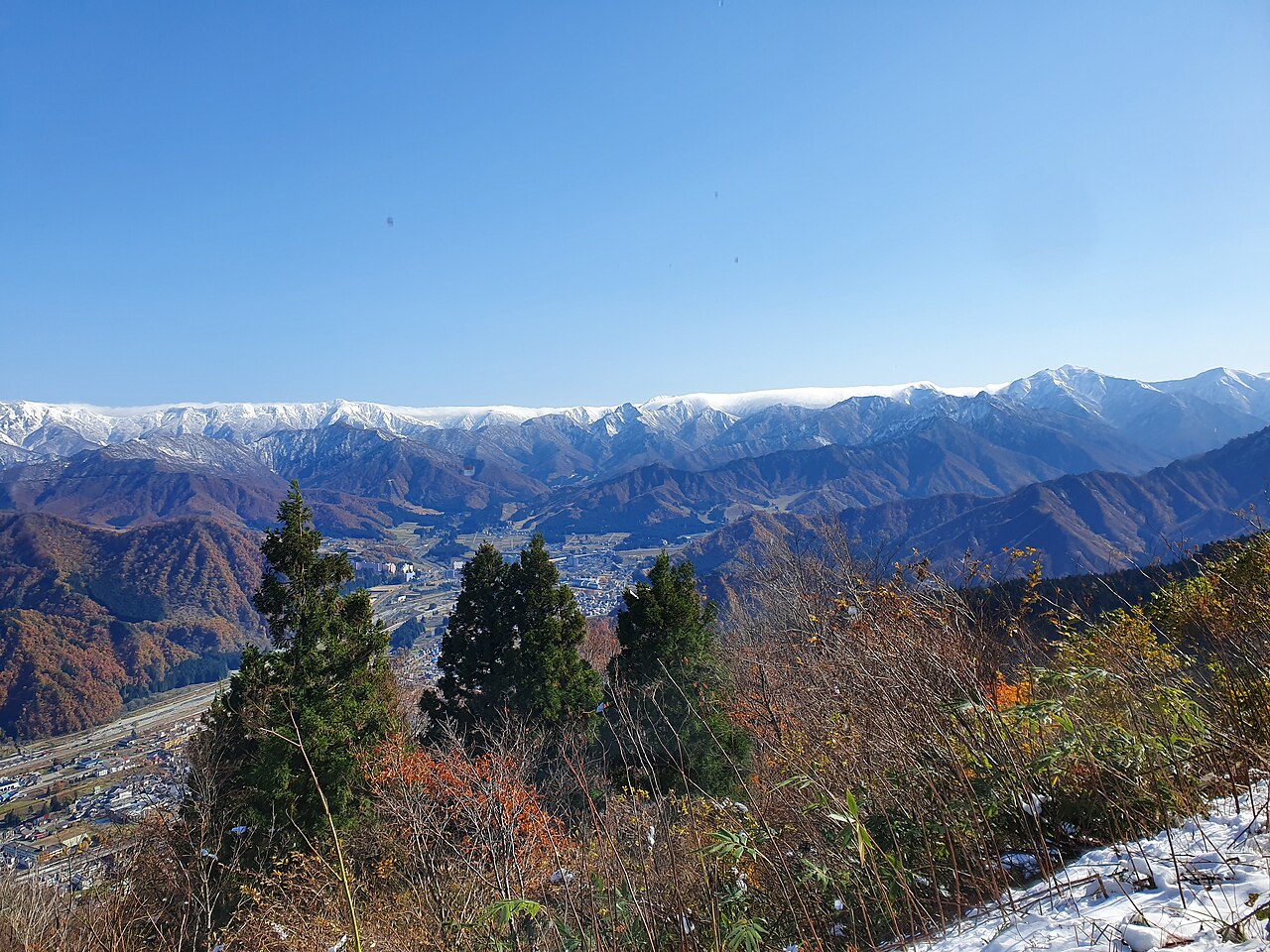
“Where other cloth clings, Ojiya-chijimi stands away from the skin — its crinkled shibo surface touches the body at only a few points, letting summer air move underneath.”
For this site’s textile cluster, the cloth is also a first. The other stoles and scarves we cover are silk or wool; Ojiya-chijimi is the first ramie (asa) item in the collection. That difference is the whole point in summer: where silk warms and wool insulates, ramie pulls heat and moisture away from the skin.
Which finish should you choose?
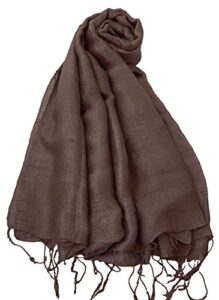
This piece is listed in 6 finishes. The photos below are the actual 色 options on the listing right now — pick the one you want and confirm it on the product page before ordering, since hand-finished wares vary slightly piece to piece.
![Ojiya-chijimi Ramie Summer Stole: Snow-Bleached Echigo Crepe [2026] — アッシュピンク finish](https://m.media-amazon.com/images/I/419n1XnqCoL._SL500_.jpg)
![Ojiya-chijimi Ramie Summer Stole: Snow-Bleached Echigo Crepe [2026] — ミント finish](https://m.media-amazon.com/images/I/31kvZqbVs1L._SL500_.jpg)
![Ojiya-chijimi Ramie Summer Stole: Snow-Bleached Echigo Crepe [2026] — グレージュ finish](https://m.media-amazon.com/images/I/41qqgsvftdL._SL500_.jpg)
![Ojiya-chijimi Ramie Summer Stole: Snow-Bleached Echigo Crepe [2026] — トープ finish](https://m.media-amazon.com/images/I/415ARvKU6YL._SL500_.jpg)
![Ojiya-chijimi Ramie Summer Stole: Snow-Bleached Echigo Crepe [2026] — サーモンピンク finish](https://m.media-amazon.com/images/I/41l-ap9PQQL._SL500_.jpg)
📌 How does it compare?
Deciding between a cooling ramie wrap, a silk stole, a wool scarf, or another Niigata craft? These related guides on jpmono.com put Ojiya-chijimi in context.
🟥Murakami Tsuishu Coasters (Niigata)Niigata’s carved-lacquer tradition — a contrasting craft from the same prefecture.
 🧣Yonezawa-ori Silk StoleA silk stole for comparison — softer drape and warmth versus ramie’s cooling crispness.
 🎴Chichibu Meisen Silk StoleBold patterned silk — another woven-stole option in a different fiber and finish.
🟦Yumihama-gasuri Indigo CottonIndigo plant-fiber weaving — close in spirit if you like natural-fiber, dyed textiles.
🪡Johana Shike-ginu Silk ScarfA textured raw-silk scarf — comparable craft texture in a warmer fiber.
 🐑Iwate Homespun Wool ScarfThe winter counterpart — wool for warmth where ramie is for cooling.
🌿Buaisou Indigo TenuguiNatural indigo on plant fiber — relevant if you want the indigo-dyed version of this cloth.
Price snapshot across stores
👉 The table scrolls horizontally. Prices and availability change in real time — verify at the retailer before buying. USD figures shown elsewhere are approximate (¥150/USD baseline as of mid-2026); the JPY price for the specific listed item is authoritative.
📌 Note: Amazon JP Global Store ships many household and apparel items internationally; estimated international shipping runs roughly $15–$40 to the US and EU and more to other regions. Customs duties may apply on orders above your country’s threshold. Because live pricing was unavailable for this listing at the time of writing, treat any figure you see on the listing as the current authoritative price.
What it does well
🌬️ Genuinely cool in humid heat
Ramie wicks moisture and the shibo crinkle holds the cloth off the skin, so it does not stick when you sweat. This is the practical reason chijimi became the classic Japanese summer cloth rather than cotton or silk.
🪡 Texture you can see and feel
The crepe surface gives the stole quiet visual interest and a crisp hand that drapes with body rather than collapsing. It reads as a craft object, not a plain accessory.
🏔️ Verifiable heritage
Designated an Important Intangible Cultural Property in 1955 and inscribed on UNESCO’s Intangible Cultural Heritage list in 2009 — a documented tradition, not heritage marketing.
♻️ Durable natural fiber
Ramie is one of the strongest plant fibers and is actually stronger when wet, so a well-made stole holds up to repeated gentle washing and years of summer use.
Weaknesses and things to verify before buying
- Price was not in the fetched data. Live pricing was unavailable at the time of writing, so confirm the current figure on the Amazon JP Global Store listing before committing. Hand-woven, snow-bleached grades cost considerably more than machine-loom ramie.
- Dimensions and weight are unconfirmed. The snapshot did not include a measured spec sheet. If you need a specific length or width for how you wrap a stole, verify it on the listing rather than assuming.
- This is a cooling cloth, not a warm one. Ramie pulls heat away from the skin — excellent in summer, but the wrong choice if you want a scarf for cold weather. For warmth, see the wool option in the comparison box.
- Crispness is not silk softness. Ramie has a firmer, drier hand and can feel slightly stiff when new. If you specifically want fluid, soft drape, a silk stole will suit you better.
- Care matters for the crinkle. Hand-wash or use a gentle cycle in cool water and air-dry; aggressive machine washing and hot tumble-drying can flatten the shibo texture and shrink the cloth.
- “Ojiya-chijimi” spans a wide quality range. The name covers everything from fully hand-woven, snow-bleached pieces to power-loom ramie. Check the listing wording (hand-woven? snow-bleached? ramie content?) to know which grade you are buying.
- International shipping and duties add cost. Buying from Japan means international shipping (roughly $15–$40 to the US/EU) and possible customs duty over local thresholds — budget for it.
Conclusion — which buyer type are you?
Premium / collector
You want a hand-woven, snow-bleached piece and value the UNESCO-listed craft. → Seek a maker-direct or higher-grade listing and confirm “hand-woven / yukizarashi” wording.
Mainstream ★ most buyers
You want a cool, breathable, beautiful summer wrap for daily wear. → The Amazon JP Global Store ramie stole (ASIN B0CKBM3JMV) is the straightforward pick.
Budget
You like the look and cooling fiber but the price is steep. → Browse comparable Japanese ramie/linen summer stoles on Amazon US for a lower entry point.
Skip it
You want warmth, soft silk drape, or a flat smooth weave. → A wool scarf or silk stole (see the comparison box) fits you better.
※ Our specific Editor’s Pick is shown at the end of the article.
Other ways to approach this purchase
Wait for a sale
Ramie stoles are seasonal; listings often soften in price after peak summer. If you are not in a hurry, check the listing across the season before buying.
Buy maker-direct
For a specific grade — fully hand-woven or snow-bleached — ordering through an Ojiya weaving house or Niigata craft shop gives you provenance the marketplace listing may not spell out.
Points & rewards
If you already use Amazon points or a card with travel/import rewards, applying them softens the international-shipping premium on a Japan-sourced order.
Skip it
If you mostly need warmth or want soft silk drape, the cooling ramie fiber is the wrong tool. The wool scarf or silk stole in the comparison box is the better spend.
🏆 Editor’s Pick
❓ Frequently Asked Questions
What exactly is Ojiya-chijimi?
Is ramie actually cooler than cotton for summer?
Should I choose natural or indigo?
How do I care for and wash it?
Can I buy it from outside Japan, and will there be customs?
What is the difference between Ojiya-chijimi and Echigo-jofu?
Will the crinkle texture survive normal use?
jpmono.com is curated by a Japan-based editorial team (working out of Toyama in the Hokuriku region and Nara in Kansai) and is independent. We do not take payment from the makers we feature; income comes from affiliate links. We do not physically test every product — we read maker specifications and source listings.
🤖 This article was prepared with AI assistance and reviewed against the source listing data available at the time of writing. Where live pricing or measured specifications were unavailable, that gap is stated rather than filled with estimates. Please verify current details at the retailer before purchasing.
Affiliate disclosure: jpmono.com may earn a commission on qualifying purchases made through links on this page, at no additional cost to you.