![Kumano Fude Calligraphy Brush: Hiroshima Hand-Bound Shodo [2026]](https://jpmono.com/wp-content/uploads/2026/07/kumano-fude-calligraphy-brush-where-to-buy-2026-featured.jpg)
- What it is: A hand-bound Kumano-fude (熊野筆) writing brush with mixed goat-and-weasel hair on a bamboo handle, sized for everyday kanji practice.
- Made in: Kumano, Hiroshima — a national Traditional Craft (Dento-teki Kogeihin) designated in 1975.
- Price band: Entry-to-mid range for a designated-craft shodo brush — see the live listing; we do not quote an invented figure.
- Best for: Shodo learners and hobbyists who want a real hand-bound brush rather than a mass-molded school brush.
- Skip if: You need a giant ceremonial brush, a vegan (synthetic-only) brush, or a Western pointed watercolor round.
- Shipping: ships internationally from Amazon Japan — jump to our pick ↓
Roughly four out of every five writing brushes made in Japan come out of one mountain town in Hiroshima. Kumano has almost no flat farmland, so for two centuries its livelihood has hung on something small enough to carry down the valley: a bundle of animal hair bound to a slip of bamboo.
The brush covered here is a Kumano-fude (熊野筆) shodo brush — mixed goat-and-weasel hair, a medium tip sized for kanji practice, and a plain bamboo handle. It is the working middle of the range: not a beginner’s molded school brush, not a collector’s presentation piece, but the kind of brush a Japanese calligraphy student actually keeps on the desk. The same hand-binding skill that shapes this tip is the skill that later made Kumano’s makeup brushes world-famous.
This guide is written for international readers deciding whether a hand-bound Japanese brush is worth importing over a local art-store round. We cover what the listing confirms, what it does not, how Kumano brushes differ from Western brushes, how to care for one, and where to buy it from outside Japan — with the honest caveats up front rather than buried.
🔄 Updated:
⏱️ Read time: ~10 min

- Who this is for — and who should skip it
- Product overview (from published specs)
- 📍 Where this comes from — place, era, and the craft tradition
- Which finish should you choose?
- Price snapshot across stores
- What it does well
- Weaknesses and things to verify before buying
- Conclusion — which buyer type are you?
- Other ways to approach this purchase
- 🏆 Editor’s Pick
- ❓ Frequently Asked Questions
Who this is for — and who should skip it
- Practice shodo (書道, Japanese calligraphy) or are learning kanji brush strokes.
- Want a genuinely hand-bound brush from a designated craft region, not a molded school brush.
- Prefer a medium tip that handles both semi-cursive characters and steadier kaisho practice.
- Value a natural-hair brush with the spring and ink-holding of a goat-and-weasel blend.
- Are building the “four treasures of the study” set alongside sumi ink and washi paper.
- Need a synthetic, vegan brush — this is natural animal hair.
- Want a Western pointed watercolor round or a lettering brush pen.
- Are after a large ceremonial or signboard brush for big-character work.
- Expect a wash-and-forget tool — natural-hair brushes need reshaping and drying care.
- Require a certified exact size/weight before buying; the snapshot does not confirm every measurement.
Product overview (from published specs)
ℹ️ Live pricing and some exact specs (gram weight, tip length in mm) weren’t in our snapshot — the linked listing is authoritative; unconfirmed attributes are marked below.
Kumano Fude Calligraphy Brush
一休園 熊野筆 書道筆 純鼬毛半紙用 欧法筆 6号
通常4~5日以内に発送します。 · Sold by HSJM【8/8(土)~8/16(日)お盆休業。8/17より順次発送いたします】 · ASIN B07F67MDZ3
Price and availability as of 2026-08-31 02:30 JST. The Amazon listing at the time of purchase is authoritative. jpmono.com earns a commission on qualifying purchases at no extra cost to you.
| Attribute | Detail (from listing / craft data) | Source |
|---|---|---|
| Craft | Kumano-fude (熊野筆) hand-bound writing brush | Maker / craft designation |
| Use | Shodo (書道) calligraphy; kanji practice | Amazon JP Global Store listing |
| Hair | Mixed goat and weasel (natural animal hair) | Amazon JP Global Store listing |
| Handle | Bamboo (take, 竹) | Amazon JP Global Store listing |
| Size | Medium, for kanji practice | Amazon JP Global Store listing |
| Origin | Kumano, Aki district, Hiroshima Prefecture, Japan | Craft data |
| Recognition | National Traditional Craft (Dento-teki Kogeihin), 1975 | Craft data |
| Exact weight / tip length | Unconfirmed — check listing | — |
| Item ID (ASIN) | B07F67MDZ3 | Amazon JP Global Store |
📖 Glossary — key terms in this article
- fude (筆) — a brush; specifically a writing or painting brush of bound animal hair.
- Kumano-fude (熊野筆) — brushes made in Kumano, Hiroshima; the region behind roughly 80% of Japan’s brush output.
- shodo (書道) — “the way of writing,” Japanese brush calligraphy.
- kaisho / gyosho — the standard (block) and semi-cursive script styles a practice brush is used for.
- hosaki (穂先) — the tip of the brush; the point that does the fine work and must be reshaped after washing.
- Dento-teki Kogeihin (伝統的工芸品) — a craft formally designated “Traditional Craft” by the Japanese government (METI).
- bunbo shiho (文房四宝) — the “four treasures of the study”: brush, ink (sumi), inkstone (suzuri), and paper (washi).
📍 Where this comes from — place, era, and the craft tradition

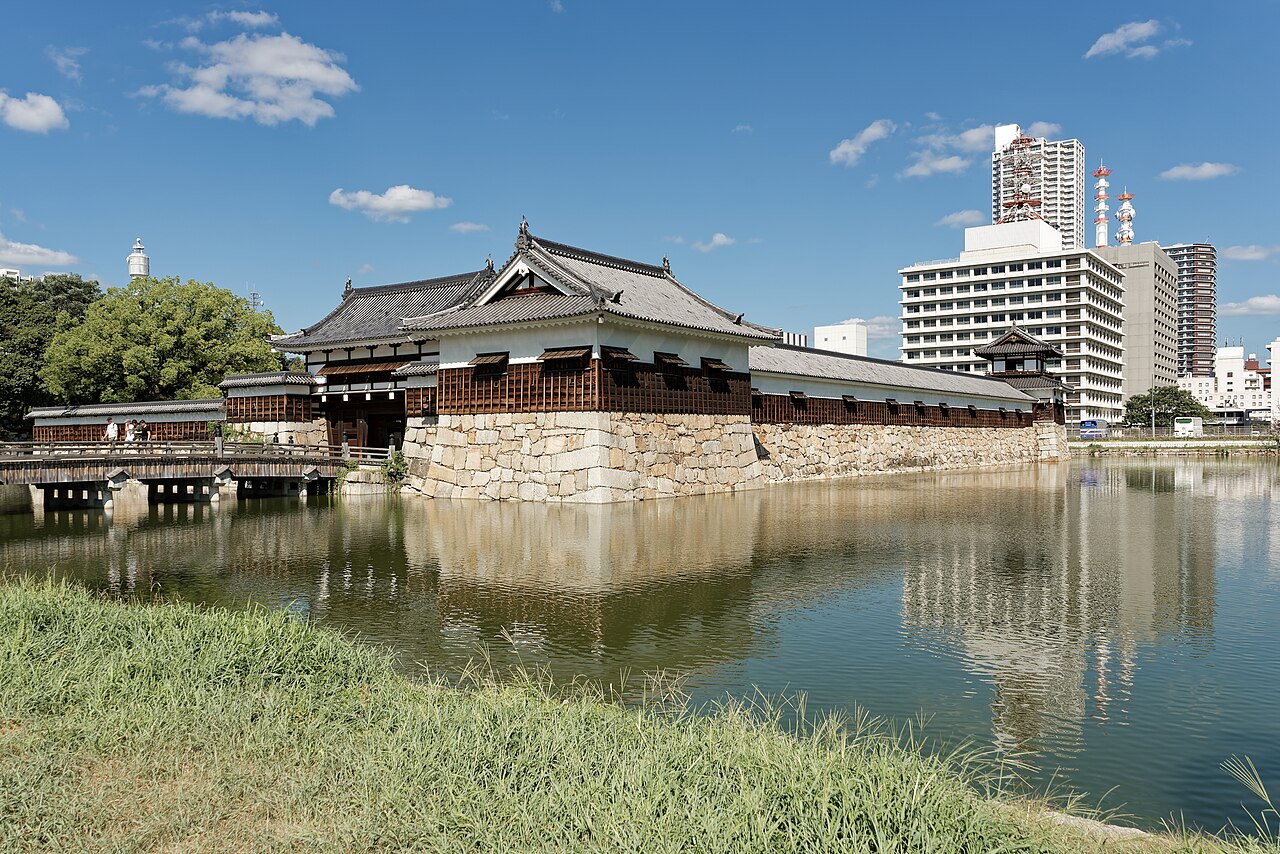
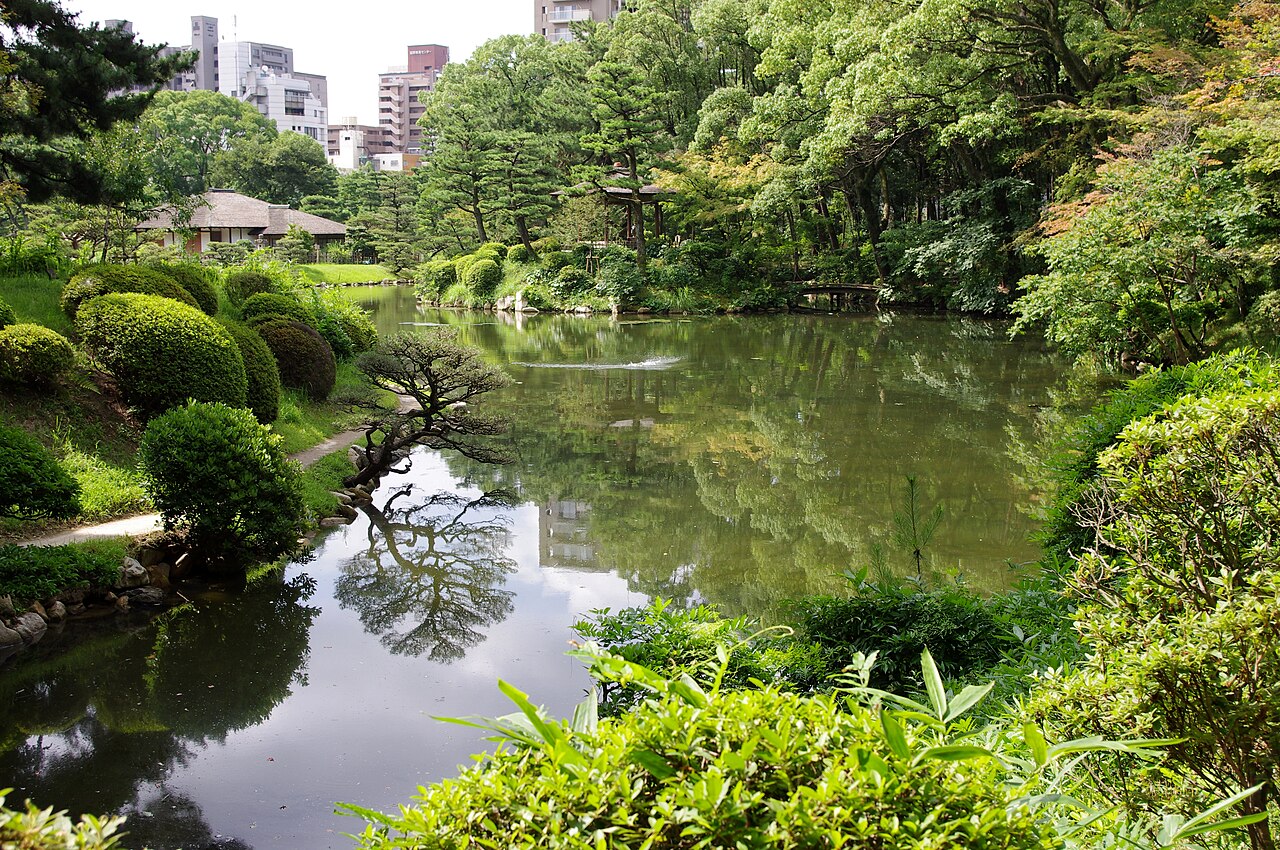
Kumano sits in the hills of Aki district, in Hiroshima Prefecture on the Chūgoku region’s Seto Inland Sea side of western Honshu. The wider prefecture is craft coast: this is the province of Miyajima’s floating torii and its woodturned shamoji rice scoops, of Kawajiri’s forged kitchen knives, and — inland and upstream — of Kumano’s brushes.

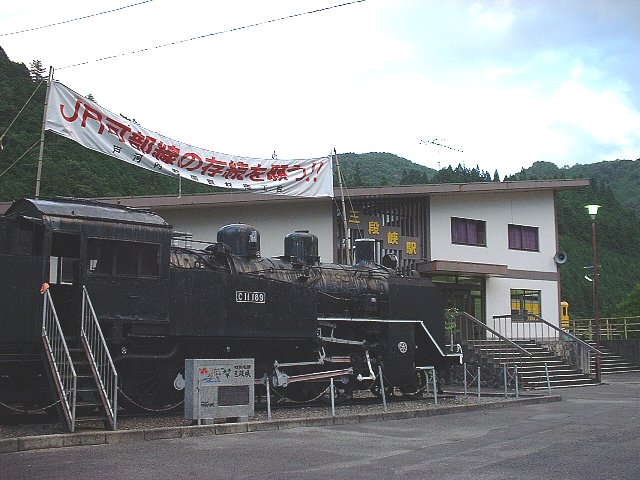
The town’s geography is the whole reason the craft exists. Kumano is boxed in by steep inland terrain that leaves farmers very little arable land — the kind of narrow, forested valley country you see across the upper Ōta river basin, where the Sandankyō gorge cuts through the same highlands. Households that could not live on rice alone needed a portable off-season trade.
They found it by traveling. In the late Edo period, Kumano farmers went seasonally to Nara and the Kii and Wakasa region for off-season work, and returned carrying brushes and ink, which they resold at home. Handling the goods taught them the product; the Asano-clan Hiroshima domain, seeing a way to relieve rural poverty, then actively promoted brush-making as a local cottage industry. What began as reselling became making.
The industry’s great leap came with the modern school. Meiji-era compulsory education made calligraphy a core subject for every child in the country, and demand for practice brushes soared. A town that had scraped by on a seasonal side-trade suddenly had a national market of schoolchildren.
“A town with almost no farmland became the place four out of five Japanese brushes are made — because the one thing it could grow was skill in the hand.”
-
1600s — Kumano’s steep terrain leaves little arable land; households seek portable off-season trades. -
Late Edo period — Farmers travel seasonally to Nara and the Kii / Wakasa region and return carrying brushes and ink to resell. -
Mid-1800s — The Asano-clan Hiroshima domain promotes brush-making as a cottage industry to relieve rural poverty. -
1872 onward — Meiji compulsory education makes calligraphy a core school subject; brush demand soars. -
1975 — Kumano-fude is designated a national Traditional Craft (Dento-teki Kogeihin). -
Late 20th century — The same hand-binding skill builds Kumano’s world-famous makeup-brush industry. -
2026 — Kumano still produces roughly 80% of all brushes made in Japan.
What “still made here” means is unusually visible in Kumano, because the skill quietly changed products. The hand-binding technique — sorting, tipping, and bundling animal hair so the finished point comes to a true tip — is the same one behind Kumano’s globally recognized makeup brushes. The writing brush and the cosmetics brush are branches of one craft, which is a large part of why the town’s brush industry survived the collapse of any single market.
Finally, the cultural fit. A Kumano writing brush completes the bunbo shiho (文房四宝), the “four treasures of the study” — brush, ink, inkstone, and paper — alongside Japan’s sumi ink and washi paper traditions. Buy the brush and you are buying one corner of a set that has framed reading, writing, and letters in this country for centuries.
General practice for natural-hair calligraphy brushes (not product-specific claims — confirm any maker instructions on the listing):
- 🍽️ Dishwasher: no — rinse the tip gently in lukewarm water by hand until the ink runs clear.
- 💧 Soaking: do not stand the brush in water; soaking the root loosens the binding over time.
- 🧴 Daily care: reshape the hosaki (tip) to a point after washing, then hang it bristles-down to dry.
- 🗄️ Storage: dry fully before capping or rolling in a brush mat; a damp brush in a closed cap can mildew.
Which finish should you choose?
This piece is listed in 3 colours. The photos below are the actual colour options on the listing right now — pick the one you want and confirm it on the product page before ordering, since hand-finished wares vary slightly piece to piece.
![Kumano Fude Calligraphy Brush: Hiroshima Hand-Bound Shodo [2026] — 大 見真 finish](https://m.media-amazon.com/images/I/31TP--Ng4gL._SL500_.jpg)
![Kumano Fude Calligraphy Brush: Hiroshima Hand-Bound Shodo [2026] — ナチュラル finish](https://m.media-amazon.com/images/I/31uhKuLGYXL._SL500_.jpg)
Other Japanese craft objects we have covered — Hiroshima neighbors and the paper-and-ink companions that round out the “four treasures of the study.”
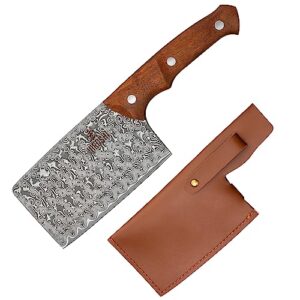 🔪 Kawajiri Gyuto Knife (Hiroshima)
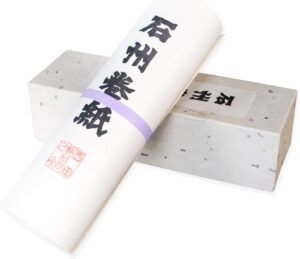 📜 Sekishu Washi Scroll Paper
 📄 Ogawa Hosokawa-shi Washi
 🎨 Najio Gampi Art Paper
📃 Nishinosu Kozo Washi
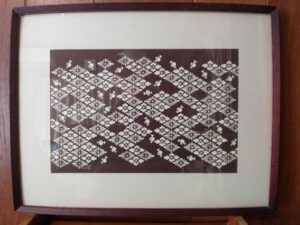 ✂️ Ise Katagami Stencil Art
Price snapshot across stores
Prices and stock fluctuate; the linked listing is authoritative. USD figures are approximate at a ¥150/USD baseline as of mid-2026 and depend on the current exchange rate.
| Store | Item / variant | Price | Notes |
|---|---|---|---|
| 🇺🇸 Amazon.com (US) | Browse Japanese calligraphy brushes & shodo supplies | varies (USD) | Best if you’re shopping from the US — Prime shipping, USD pricing, no international customs. Amazon US carries Kumano and other Japanese calligraphy brushes, sumi ink, and practice paper for comparing hair blends and price tiers; this exact hand-bound piece is sourced from Japan (next row). |
| 🇯🇵 Amazon JP Global Store | This Kumano-fude shodo brush (goat/weasel, medium) | See listing (JPY) | The sourced listing for the specific item. Ships internationally from Japan to 65+ countries — including Canada, the UK and Australia — with import fees estimated at checkout. |
| Maker direct | Kumano brush workshops / cooperative | Unconfirmed | Some Kumano makers sell direct or through the town’s brush cooperative; international shipping and English support vary by workshop. |
| Proxy services (Buyee / Tenso) | Any Japan-domestic brush listing | Item + proxy fee | Useful for Japan-only listings that don’t ship abroad; adds a forwarding fee and a second shipping leg. |
What it does well
Built with the Kumano hand-binding technique behind a designated Traditional Craft, not a molded plastic-core school brush.
Softer goat hair holds ink; springier weasel hair gives snap and recovery — a middle character suited to practice.
A medium tip handles standard and semi-cursive practice characters without the unruliness of a large brush.
From the town that makes ~80% of Japan’s brushes, with a 1975 national craft designation behind the name.
Weaknesses and things to verify before buying
- Exact dimensions unconfirmed. Our snapshot does not state the gram weight or tip length in millimeters; “medium” spans a range between makers, so check the listing’s measurements if size matters to you.
- Natural animal hair. This is goat-and-weasel hair — not a fit for buyers who need a synthetic or vegan brush.
- Requires real care. Natural-hair brushes must be rinsed, reshaped to a point, and hung to dry; treated like a disposable marker they lose their tip.
- Live price not captured. No price was in our snapshot; treat the linked listing as authoritative and expect it to move with stock and exchange rate.
- Not for large-character work. A medium practice brush is wrong for signboard, ceremonial, or big-format calligraphy — those need a much larger brush.
- Learning curve. A responsive hand-bound brush rewards technique but is less forgiving than a stiff beginner brush; first-time users may want to expect a break-in period.
Conclusion — which buyer type are you?
You want a named-maker or higher grade. Use this medium brush as your baseline, then step up to a graded workshop brush from the same town.
You practice shodo and want one dependable hand-bound brush. This is squarely aimed at you — buy it and pair it with sumi ink and washi.
You are new and unsure you’ll stick with it. A cheaper molded student brush is fine to start; upgrade to a Kumano-fude once the habit sticks.
You need synthetic/vegan hair, a Western watercolor round, or a giant ceremonial brush. This is not the tool — look elsewhere.
Other ways to approach this purchase
Brushes are not steeply discounted, but bundle sets (brush + ink + paper) sometimes lower the per-item cost during seasonal Amazon events.
Not advisable for brushes — a used natural-hair tip is worn and hygienically questionable. Buy new; this is a consumable-hair tool.
Amazon points or gift-card balance offset the modest price; a Kumano brush also makes a compact, giftable craft object.
If you only need to sample brush calligraphy, a brush pen costs less and needs no ink or care — try that before importing a hand-bound brush.
🏆 Editor’s Pick
❓ Frequently Asked Questions
What is a Kumano-fude, exactly?
It is a brush made in Kumano, a mountain town in Hiroshima’s Aki district that produces roughly 80% of Japan’s brushes. Kumano-fude was designated a national Traditional Craft (Dento-teki Kogeihin) in 1975, and the same hand-binding skill underlies the town’s famous makeup brushes.
Does it ship outside Japan?
Yes. The Amazon Japan Global Store ships internationally to 65+ countries, including Canada, the UK and Australia, with import fees estimated at checkout. US readers can also browse comparable brushes on Amazon.com with domestic shipping.
How do I care for a natural-hair calligraphy brush?
Rinse the tip gently in lukewarm water until the ink runs clear, do not stand it soaking in water, reshape the tip to a point, and hang it bristles-down to dry before storing. These are general practices for natural-hair brushes; confirm any maker-specific instructions on the listing.
Why goat-and-weasel hair rather than one hair type?
Softer goat hair holds a lot of ink, while springier weasel hair gives snap and tip recovery. A blend lands in the middle — controllable enough for practice, expressive enough for varied strokes.
Is this a good gift for someone starting shodo?
It works well as a gift because it completes the “four treasures of the study” (brush, ink, inkstone, paper). For a complete beginner unsure they will continue, a cheaper student brush or a brush pen is a lower-commitment starting point.
How is it different from a Western watercolor brush?
A shodo brush is built for vertical brush-and-ink writing on absorbent paper, with a long, ink-holding tip on a bamboo handle. A Western round is shaped for paint on watercolor paper. They are not interchangeable; if you want calligraphy, choose the fude.
jpmono.com is curated by a Japan-based editorial team (working out of Toyama in the Hokuriku region and Nara in Kansai) and is independent. We don’t take payment from the makers we feature; income comes from affiliate links. Read more about our editorial standards.
🤖 This article was researched and drafted with AI assistance and reviewed against the source listing and craft data before publication. Facts about pricing and specifications should be verified at the retailer, which is authoritative.
Affiliate disclosure: jpmono.com may earn a commission on qualifying purchases made through links on this page, at no additional cost to you.