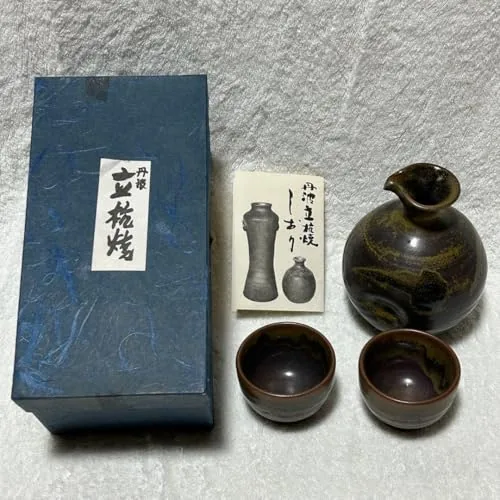
![Takaoka Doki Tin Sake Cup (Nousaku): Where to Buy a Cast Toyama Guinomi [2026]](https://jpmono.com/wp-content/uploads/2026/06/takaoka-doki-tin-sake-cup-where-to-buy-2026-featured.jpg)
A Takaoka Doki tin sake cup — a guinomi cast from 100% pure tin by Nousaku (能作) in Takaoka, Toyama Prefecture — is one of those objects that looks simple and turns out to carry four centuries of context in its weight. Takaoka is the Hokuriku casting town that, since 1609, has supplied the great majority of Japan’s bronze ware: temple bells, Buddhist altar fittings, and the large public statues you find across the country. Nousaku, founded there in 1916, took that foundry lineage and pointed it at the dinner table.
What makes the cup notable internationally is the material. Pure tin (suzu, 錫) is soft, antibacterial, and does not tarnish the way silver does — and it is traditionally believed to mellow the flavor of sake and round off the taste of water. The result is a weighty, untreated-metal guinomi that reads as contemporary design on a shelf yet sits squarely inside Takaoka’s metalcasting tradition. It is the kind of piece that works equally as a sake cup, a small whisky vessel, or a desk object.
This guide is written from a Japan-based editor’s desk in Toyama — Takaoka is in our own prefecture. We cover what the cup is, who it suits and who should skip it, how the published specs read, where the craft comes from, and the realistic paths to buying it from outside Japan. Pricing data on this specific listing is thin (see the price snapshot), so we flag that openly rather than guessing.
🔄 Updated:
⏱️ Read time: ~11 min

- Who this is for — and who should skip it
- Product overview (from published specs)
- Where this comes from — place, era, and the craft tradition
- Price snapshot across stores
- 📦 Shipping & where to buy from outside Japan
- What it does well
- Weaknesses and things to verify before buying
- Conclusion — which buyer type are you?
- Other ways to approach this purchase
- 🏆 Editor’s Pick
- ❓ Frequently Asked Questions
Who this is for — and who should skip it
- Drink sake (or chilled spirits) and want a cup said to soften the taste
- Like heavy, untreated-metal objects with a hand-finished surface
- Want a small, giftable piece with verifiable craft heritage
- Appreciate contemporary design that descends from a real foundry tradition
- Are comfortable with care quirks in exchange for character
- Want a dishwasher-safe, throw-it-in-the-drawer everyday cup
- Need it to handle hot liquids (tin has a low melting point)
- Expect a lightweight vessel — pure tin is dense and heavy
- Want a guaranteed price now — listing data here is thin
- Dislike metal that shows fingerprints and a softening patina over time
Product overview (from published specs)
The table below reflects what is verifiable from the listing snapshot and maker context. Where a value is not confirmed in the fetched data or the maker’s published specs, it is marked rather than guessed. Only the Amazon JP listing reference is available for this item; live pricing may have shifted since the writing date.
Takaoka Doki Tin Sake Cup (Nousaku)
NOUSAKU 能作 ぐい呑み – 大 日本製 H4.7cm φ7.1cm 約80cc ケース入 錫100% 501271/酒器 盃 お猪口
残り1点 ご注文はお早めに · Sold by Designers&Labo · ASIN B076HNHBT9
Price and availability as of 2026-09-01 05:22 JST. The Amazon listing at the time of purchase is authoritative. jpmono.com earns a commission on qualifying purchases at no extra cost to you.
| Attribute | Value (per published specs) |
|---|---|
| Item | Cast tin guinomi / sake cup |
| Maker | Nousaku (能作), founded 1916 |
| Material | 100% tin (suzu, 錫) — no plating, no lacquer |
| Craft tradition | Takaoka Doki (高岡銅器) casting — METI Traditional Craft (designated 1975) |
| Origin | Takaoka, Toyama Prefecture, Hokuriku |
| Capacity / dimensions | Unconfirmed — check listing (guinomi-scale, typically 50–80 ml) |
| Weight | Unconfirmed — check listing (tin is dense; cups feel heavy for their size) |
| ASIN (JP listing) | B075S77413 |
Sources: Amazon US search (primary, moonill-20) + Amazon JP Global Store (secondary, moonill-22, sourced listing) + maker context. Dimensions and weight were not present in the fetched data and are left unconfirmed rather than fabricated.
📖 Glossary — key terms
- Guinomi (ぐい呑み) — a sake cup slightly larger than an ochoko, meant to be gripped and sipped from in one or two go.
- Suzu (錫, tin) — a soft, untarnishing metal; pure tin is malleable enough that some Nousaku pieces bend by hand.
- Takaoka Doki (高岡銅器) — the metalcasting tradition of Takaoka, historically centered on bronze and copper ware.
- Ikomono / casting — forming metal by pouring molten alloy into a mold, the core technique of the Takaoka foundries.
- METI Traditional Craft — a designation by Japan’s Ministry of Economy, Trade and Industry recognizing a regional craft’s heritage and methods.
- Kanaya (金屋町) — the historic founders’ district of Takaoka where the original casters were settled.
Where this comes from — place, era, and the craft tradition

Takaoka sits on the Hokuriku coast of Toyama Prefecture, facing Toyama Bay with the snow-capped Tateyama range rising behind it to the south. It is a city built on water and metal: rivers for power and transport, a bay for shipping, and — crucially — domain patronage that planted a foundry industry deliberately rather than by accident.
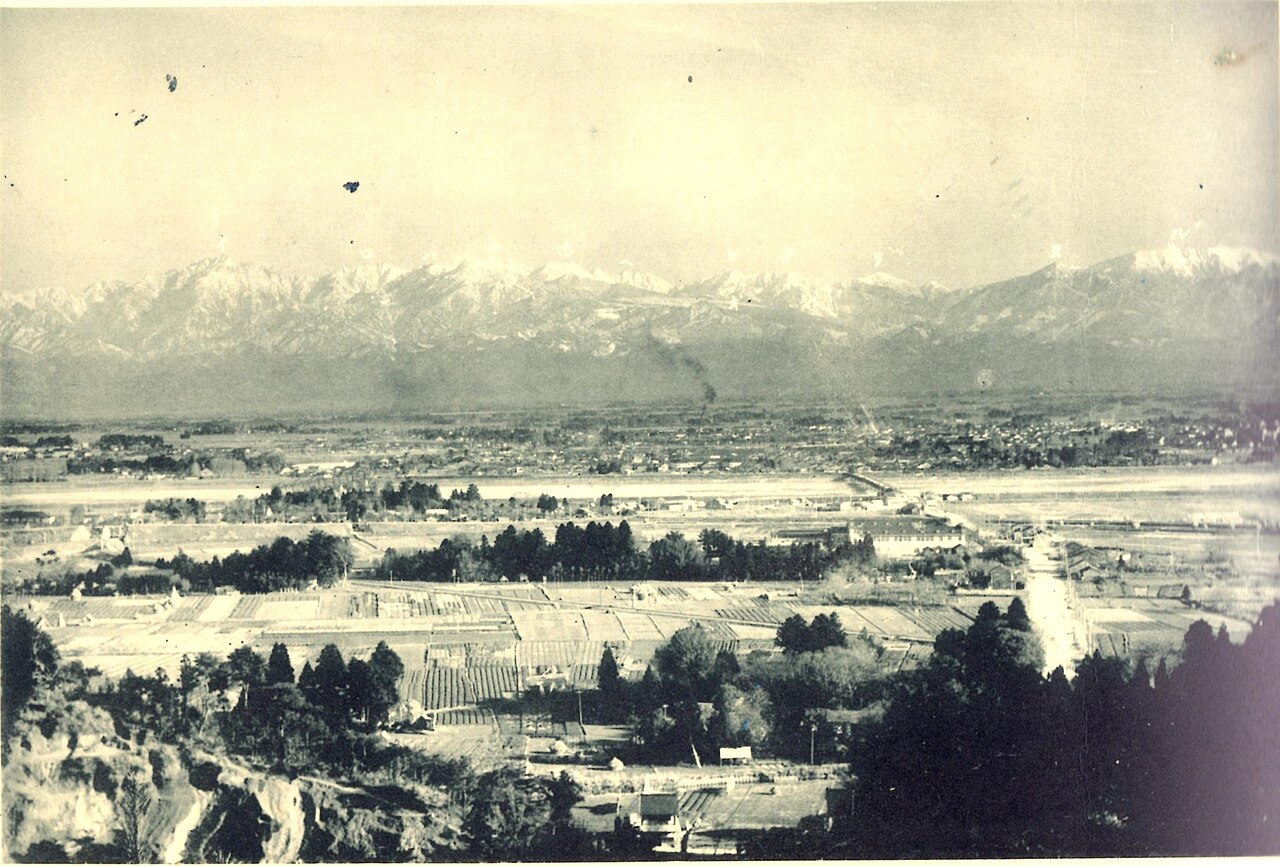
The founding date matters. In 1609, Maeda Toshinaga of the Kaga domain built Takaoka Castle and, to seed a local economy, settled seven master casters in the Kanaya district. That single decision is the origin of everything that followed.
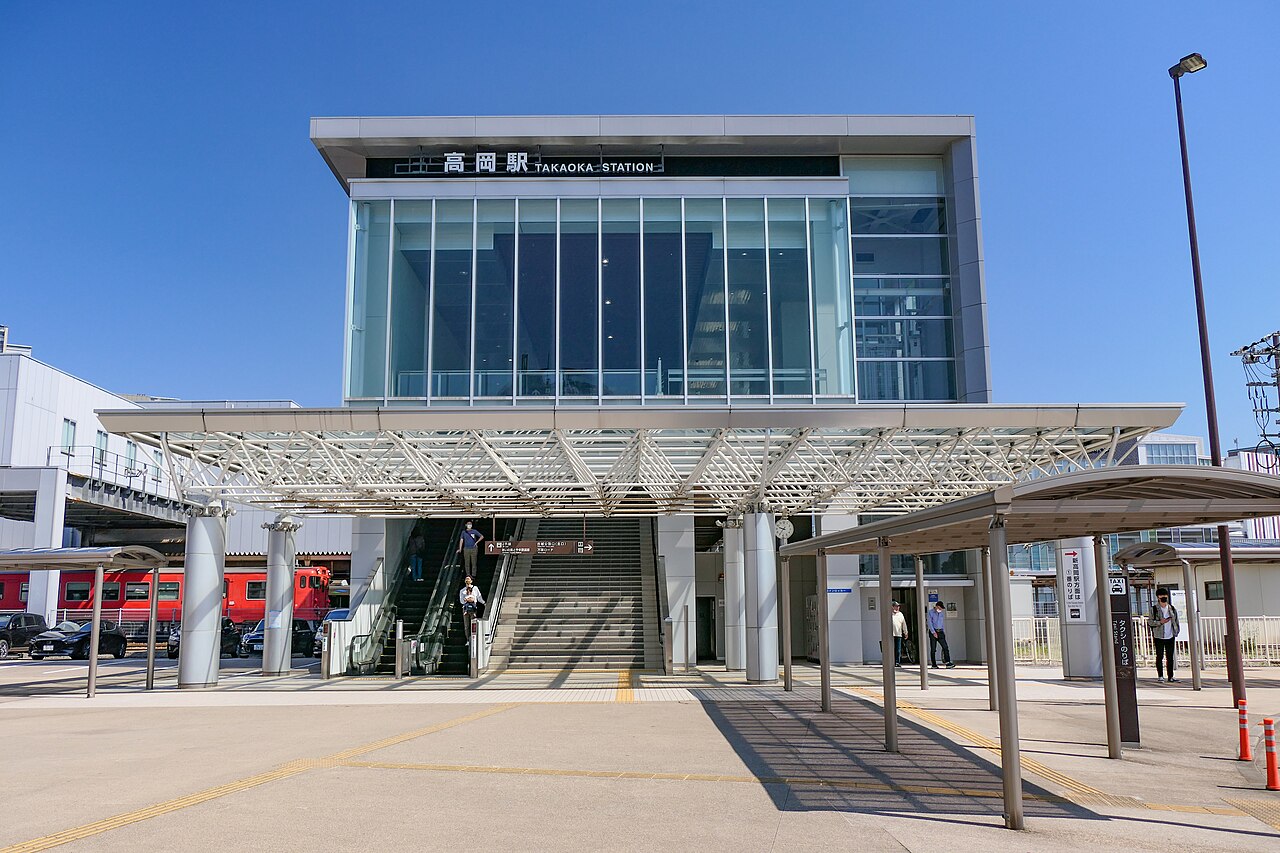
When the castle was abolished under the one-castle-per-province edict, Takaoka could have faded the way many castle towns did. Instead it pivoted wholesale to copper and bronze casting. Over the following centuries it came to produce the great majority of Japan’s bronze ware — temple bells, Buddhist altar fittings, and the large public statues you still see in front of stations and shrines nationwide. The tradition was formally recognized as a METI Traditional Craft in 1975.
- 1609 — Maeda Toshinaga builds Takaoka Castle and settles seven master casters in the Kanaya district.
- 17th c. — After the castle is abolished, the town pivots wholesale to copper and bronze casting.
- Edo–Meiji — Takaoka grows into the source of most of Japan’s bronze ware: bells, altar fittings, public statues.
- 1916 — Nousaku is founded in Takaoka as a brass/bronze altar-fitting foundry.
- 1975 — Takaoka Doki is designated a Traditional Craft by METI.
- 2000s — Nousaku develops tableware in 100% pure tin, some pieces soft enough to bend by hand.
- 2026 — The Takaoka foundries are still casting; tin guinomi ship internationally via Amazon JP Global Store.
The maker at the center of this guide, Nousaku, started in 1916 as a brass and bronze altar-fitting foundry — exactly the kind of business Takaoka was built around. Its move into tableware came later, when it began working in 100% pure tin (suzu). Pure tin is unusual: it is soft, antibacterial, and does not tarnish, and it is malleable enough that some Nousaku pieces are designed to bend by hand. A cast tin guinomi is the most compact expression of that idea.
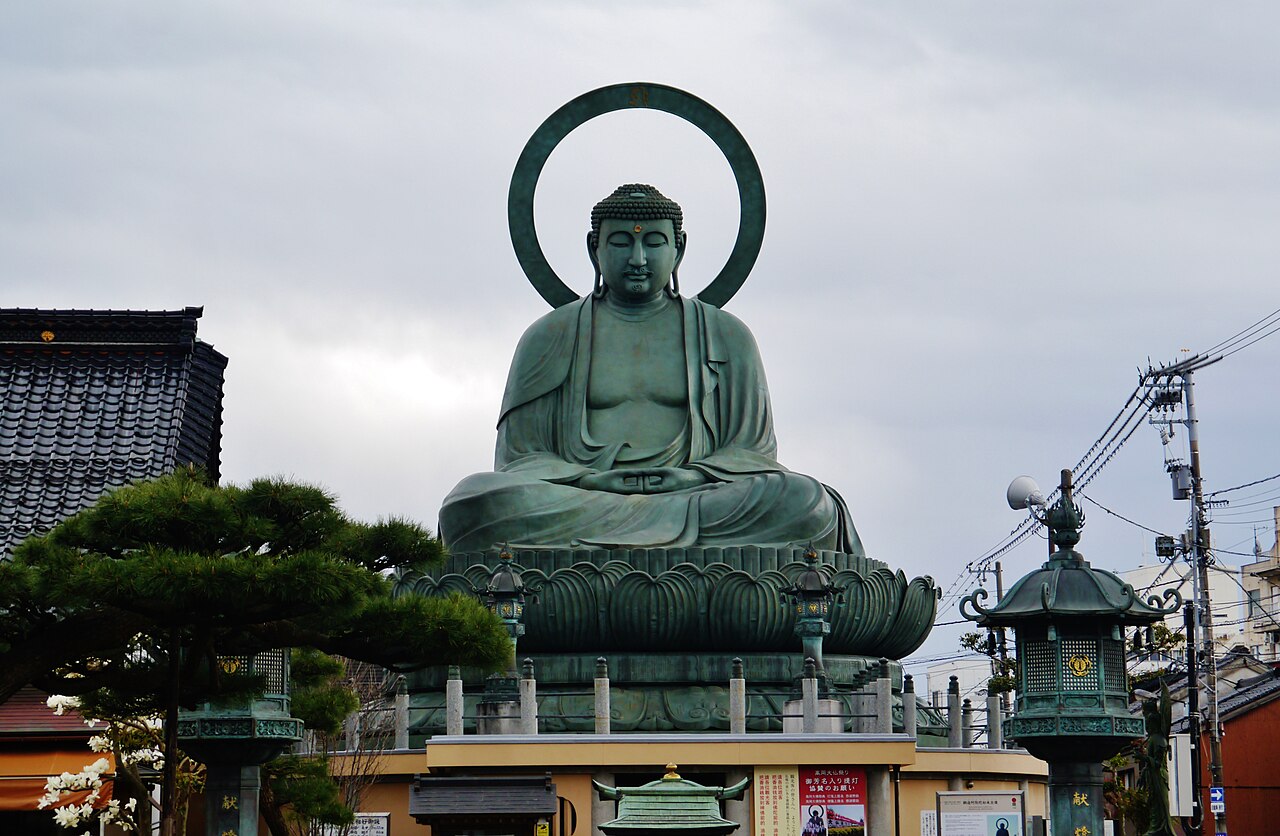
“Takaoka has cast metal continuously since 1609 — the same town that pours temple bells now pours a sake cup small enough to hold in two fingers.”
There is a folk belief, common to tin vessels across East Asia, that tin mellows the flavor of sake and rounds off the taste of water. We note this as a traditional belief rather than a proven claim. What is not in dispute is the material’s behavior: it does not tarnish, it is antibacterial, and its softness gives the cup a particular dense, slightly yielding hand-feel that distinguishes it from stainless or silver. In Toyama, where the local sake is well regarded, a tin guinomi is a natural seasonal object — cool metal against chilled sake in summer.
Related jpmono guides — other Toyama crafts, other Japanese metalwork, and other sake vessels worth weighing against this tin cup.
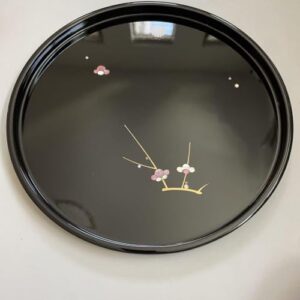 Takaoka raden lacquer box (same city)
Johana silk scarf (Toyama)
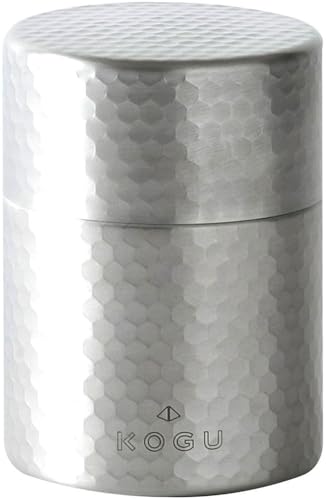 Kaikado tin tea caddy
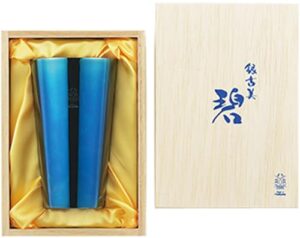 Tokyo silver tumbler
Tsubame metal flatware
 Nambu cast-iron kettle
 Owari cloisonné metalwork
 Bizen guinomi (sake cup)
Price snapshot across stores
Pricing data on this specific listing is thin — only the Amazon JP listing reference is available, and no confirmed price was present in the fetched data. Treat the figures below as paths to check, not quoted prices. JPY is the authoritative currency; USD figures are approximate (¥150/USD baseline as of mid-2026).
| Store | Item / Variant | Price (JPY + USD est.) | Notes |
|---|---|---|---|
| 🇺🇸 Amazon.com (US) | Browse Japanese tin sake cups & guinomi | varies (USD) | Best if you’re shopping from the US — Prime shipping, USD pricing, no international customs. Amazon US carries Japanese tin and metal drinkware from Nousaku and other makers; the exact sourced piece ships from Japan (next row). |
| 🇯🇵 Amazon JP Global Store | Nousaku cast tin guinomi (ASIN B076HNHBT9) | Check listing — price unconfirmed in data | Where the specific item is sourced. Ships internationally from Japan to most major destinations. |
| Maker direct (Nousaku) | Tin guinomi / sake line | See maker site | Full tin tableware range; international shipping policy varies by region. |
| Proxy services (Buyee / Tenso) | Forwarding from JP retailers | Item price + forwarding fee | Useful if a listing is not directly exportable; adds a handling/forwarding fee. |
📦 Shipping & where to buy from outside Japan
Amazon JP Global Store ships many household items like this internationally to most major destinations. For a small, non-electrical metal object, shipping is usually in the $15–$40 range to the US and EU, with higher rates to other regions. Orders above your country’s de minimis threshold may attract customs duties, so factor that into the landed cost.
Because this is a non-electrical item, there are no voltage or certification concerns. The main practical caveats are care-related (see weaknesses below) rather than shipping-related. If a particular listing is not directly exportable, proxy services such as Buyee or Tenso can forward it for an added fee.
What it does well
Weaknesses and things to verify before buying
- Low melting point. Pure tin melts at a low temperature; do not use it for hot liquids or place it near direct heat. This is a cold/room-temperature vessel.
- Softness. Tin is malleable — the cup can dent or deform under pressure, and some Nousaku tin pieces are even designed to bend. Handle accordingly.
- Not dishwasher-friendly. Hand washing is the safe assumption for soft pure tin; verify care instructions on the listing before buying.
- Weight expectations. Dense tin feels heavy for its size — fine for a desk or table cup, but not what a buyer expecting a featherlight vessel may imagine.
- Patina and fingerprints. The bare metal surface shows handling marks and develops a softening patina over time. This is character to some buyers and a downside to others.
- Thin pricing data. No confirmed price was present in the fetched data for this listing; verify the current JPY price and shipping at the retailer before committing.
Conclusion — which buyer type are you?
Other ways to approach this purchase
🏆 Editor’s Pick
❓ Frequently Asked Questions
Does a tin sake cup really make sake taste better?
Tin is traditionally believed to mellow the flavor of sake and round off the taste of water. We present this as a long-standing folk belief rather than a scientifically proven effect. What is verifiable is that pure tin does not tarnish and is antibacterial.
Can I put hot sake or hot water in it?
Pure tin has a low melting point, so it is best treated as a cold or room-temperature vessel. Avoid hot liquids and direct heat, and check the listing’s care instructions before use.
Is it dishwasher safe?
Hand washing is the safe assumption for soft pure tin. Confirm the maker’s care guidance on the listing, as soft metal can be affected by dishwasher heat and detergents.
Will it ship outside Japan?
Amazon JP Global Store ships many household items like this internationally to most major destinations, typically in the $15–$40 shipping range to the US and EU. Orders above your country’s customs threshold may incur duties. Proxy services such as Buyee or Tenso are a fallback if a listing is not directly exportable.
What is Takaoka Doki, and why does it matter here?
Takaoka Doki is the metalcasting tradition of Takaoka, Toyama, dating to 1609 and designated a METI Traditional Craft in 1975. The town has long supplied most of Japan’s bronze ware. Nousaku, the maker of this cup, is a Takaoka foundry founded in 1916, which gives the piece its documented heritage.
How much does it cost?
No confirmed price was present in the data available at the time of writing, so we do not quote one. JPY is the authoritative currency; please verify the current price directly on the Amazon JP Global Store listing before buying.
jpmono.com is curated by a Japan-based editorial team (working out of Toyama in the Hokuriku region and Nara in Kansai) and is independent. We don’t take payment from the makers we feature; income comes from affiliate links. Takaoka is in our own prefecture, and we focus on items with verifiable craft heritage and clear international shipping paths.
Note: This article was prepared with AI assistance and reviewed against the available listing data. Specs and prices were not fabricated; where data was thin, it is marked as unconfirmed.
Affiliate disclosure: jpmono.com may earn a commission on qualifying purchases made through links on this page, at no additional cost to you.