![Wajima Nuri Lacquer Soup Bowl: Where to Buy Noto’s Finest Owan [2026]](https://jpmono.com/wp-content/uploads/2026/07/wajima-nuri-lacquer-soup-bowl-where-to-buy-2026-featured.jpg)
- What it is: A miso-soup bowl (owan) built on a turned wood core, hardened with a jinoko undercoat and finished in 20-plus hand-rubbed layers of urushi lacquer.
- Made in: Wajima, Ishikawa — on the Noto Peninsula; designated an Important Intangible Cultural Property in 1977.
- Price band: Upper tier for everyday lacquer bowls — authentic Wajima-nuri carries a real premium over machine-coated ware (see the live listing for the current figure).
- Best for: A buyer who wants one daily bowl that can be re-lacquered and used for decades, not replaced.
- Skip if: You want a dishwasher-safe, disposable-price bowl for rough kitchen duty.
- Shipping: ships internationally from Amazon Japan — jump to our pick ↓
Mix a handful of diatomaceous earth into raw tree sap, brush it onto turned wood, and let it cure — and you have the first of roughly 124 separate steps that stand between a blank of wood and a finished Wajima bowl. That powder, mined locally and called jinoko (地の粉), is the single fact that separates Wajima-nuri from every other lacquerware in Japan. It armors the undercoat so thoroughly that the bowl resists chipping in a way ordinary lacquer never does.
Wajima-nuri (輪島塗, “Wajima lacquerware”) comes from the far northern tip of the Noto Peninsula in Ishikawa Prefecture, a hard, sea-facing corner of the country where lacquering has been documented for at least five centuries. The soup bowl — owan (お椀) — is its most everyday object: a warm, light, hand-rubbed vessel meant to be held in the palm, refilled every day, and, when it eventually wears, sent back to a workshop to be re-coated rather than thrown away.
This guide is written for the international reader deciding whether to buy one now. It covers what the bowl actually is, how to read the specs, where the craft comes from, how to buy it from outside Japan, and — honestly — who should pass. The 2024 Noto earthquake damaged much of Wajima, so the buying context matters, and we cover that too.
🔄 Updated: July 15, 2026
⏱️ Read time: about 12 min
ℹ️ Live pricing and some listing specs were not in our data snapshot — the linked Amazon Japan listing is authoritative for the exact bowl, and unconfirmed attributes are marked below. Everything about the craft, material, and origin is verified from documented sources.

- Who this is for — and who should skip it
- Product overview (from published specs)
- 📍 Where this comes from — place, era, and the craft tradition
- 📦 Shipping & where to buy from outside Japan
- Price snapshot across stores
- What it does well
- Weaknesses and things to verify before buying
- Conclusion — which buyer type are you?
- Other ways to approach this purchase
- 🏆 Editor’s Pick
- ❓ Frequently Asked Questions
Who this is for — and who should skip it
- Want one bowl that lasts decades and can be professionally re-coated when it wears
- Appreciate hand-work and are comfortable hand-washing after every use
- Serve miso soup, rice, or small hot dishes and value a light bowl warm to the touch
- Care about verifiable craft heritage backed by a cultural-property designation
- Are buying a keepsake or a milestone gift meant to be kept
- Need dishwasher- and microwave-safe bowls for a busy household
- Want the lowest possible price — machine-coated bowls cost a fraction
- Will leave the bowl soaking or scrub it with abrasive pads
- Store dishes in long direct sunlight, which can dull urushi over time
- Want a large serving bowl — owan are individual, palm-sized vessels
Product overview (from published specs)
The table below combines the material facts documented for Wajima-nuri with the listing snapshot. Dimensions, weight, and the exact decoration vary by piece, so any attribute the snapshot did not confirm is marked rather than guessed. The linked listing is authoritative.
Wajima Nuri Lacquer Soup Bowl
大藤漆器店 輪島塗 夫婦汁椀 黒内朱・朱 飛花沈金 WA10-3
残り2点(入荷予定あり) · Sold by Amazon.co.jp · ASIN B01KWI9DPC
Price and availability as of 2026-08-31 02:30 JST. The Amazon listing at the time of purchase is authoritative. jpmono.com earns a commission on qualifying purchases at no extra cost to you.
| Attribute | Value | Source |
|---|---|---|
| Object | Miso soup bowl / owan (individual size) | Listing + craft record |
| Craft | Wajima-nuri (Wajima lacquerware) | Listing |
| Core material | Natural turned wood | Craft record |
| Undercoat | Jinoko (地の粉) diatomaceous-earth powder blended into urushi | Craft record |
| Coating | Urushi (Japanese lacquer), 20-plus hand-rubbed layers; roughly 124 divided processes | Craft record |
| Decoration | Varies by piece; may include chinkin (incised gold) or maki-e | Craft record |
| Origin | Wajima, Ishikawa (Noto Peninsula) | Maker direct |
| Designation | Important Intangible Cultural Property (1977) | Craft record |
| Diameter / weight / capacity | Unconfirmed — check listing | — |
| Price | Unconfirmed — check live listing (see Price snapshot) | — |
- 🍽️ Dishwasher: no — hand-wash only. Heat and detergent jets are hard on a wood-cored urushi surface.
- ♨️ Microwave: no — a lacquered wood bowl is not designed for microwave heating.
- 🧴 Daily care: wipe dry after washing; avoid long soaking, abrasive scrubbers, and prolonged direct sunlight, which can dull the shine.
- 🔧 Repairs: authentic urushi ware can traditionally be re-coated (nuri-naoshi) by a lacquer workshop — a genuine Wajima bowl is built to be repaired rather than discarded.
📖 Glossary — key Japanese craft terms
- urushi (漆) — natural lacquer, the refined sap of the lacquer tree, brushed on in thin layers and cured to a hard, water-resistant finish.
- jinoko (地の粉) — a locally mined diatomaceous-earth powder blended into Wajima’s undercoat; the reason Wajima bowls resist chipping.
- owan (お椀) — an individual lidless or lidded bowl for soup or rice, meant to be held in the hand.
- chinkin (沈金) — decoration made by incising fine lines into the lacquer and rubbing gold into them.
- maki-e (蒔絵) — pictures “sprinkled” in gold or silver powder onto still-wet lacquer.
- Noto (能登) — the peninsula in northern Ishikawa that juts into the Sea of Japan; Wajima sits near its tip.
📍 Where this comes from — place, era, and the craft tradition

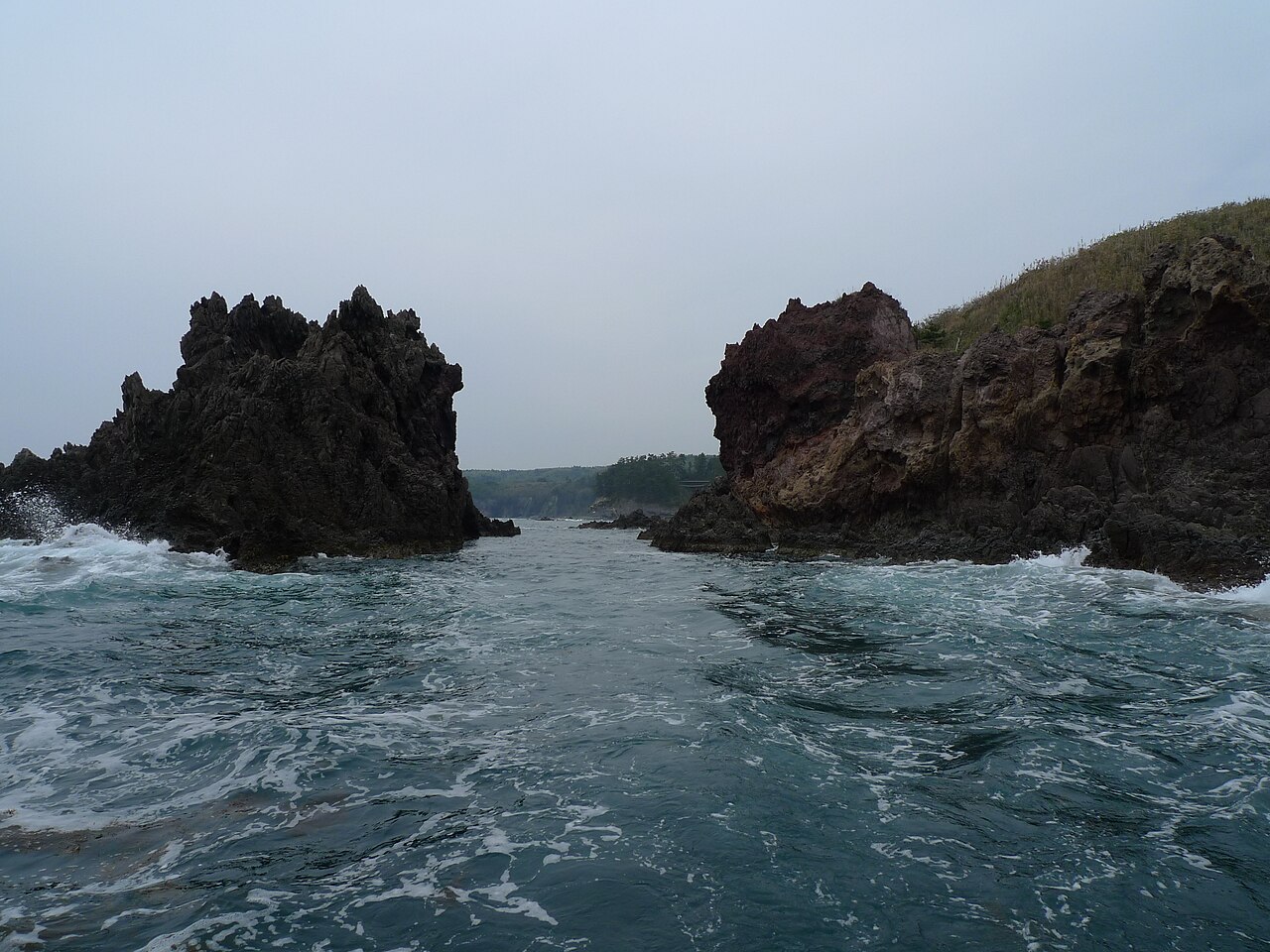
Wajima occupies the exposed northern end of the Noto Peninsula, which reaches out from Ishikawa Prefecture into the Sea of Japan. This is not a soft landscape. The Noto Kongo coast is cut into cliffs and sea caves, and the sea-facing hillsides above it are terraced into narrow rice fields where flat ground is scarce. The isolation is the point: for centuries Wajima was hard to reach overland, and that separation let the town develop and guard a lacquer method that stayed distinct from anywhere else in Japan.
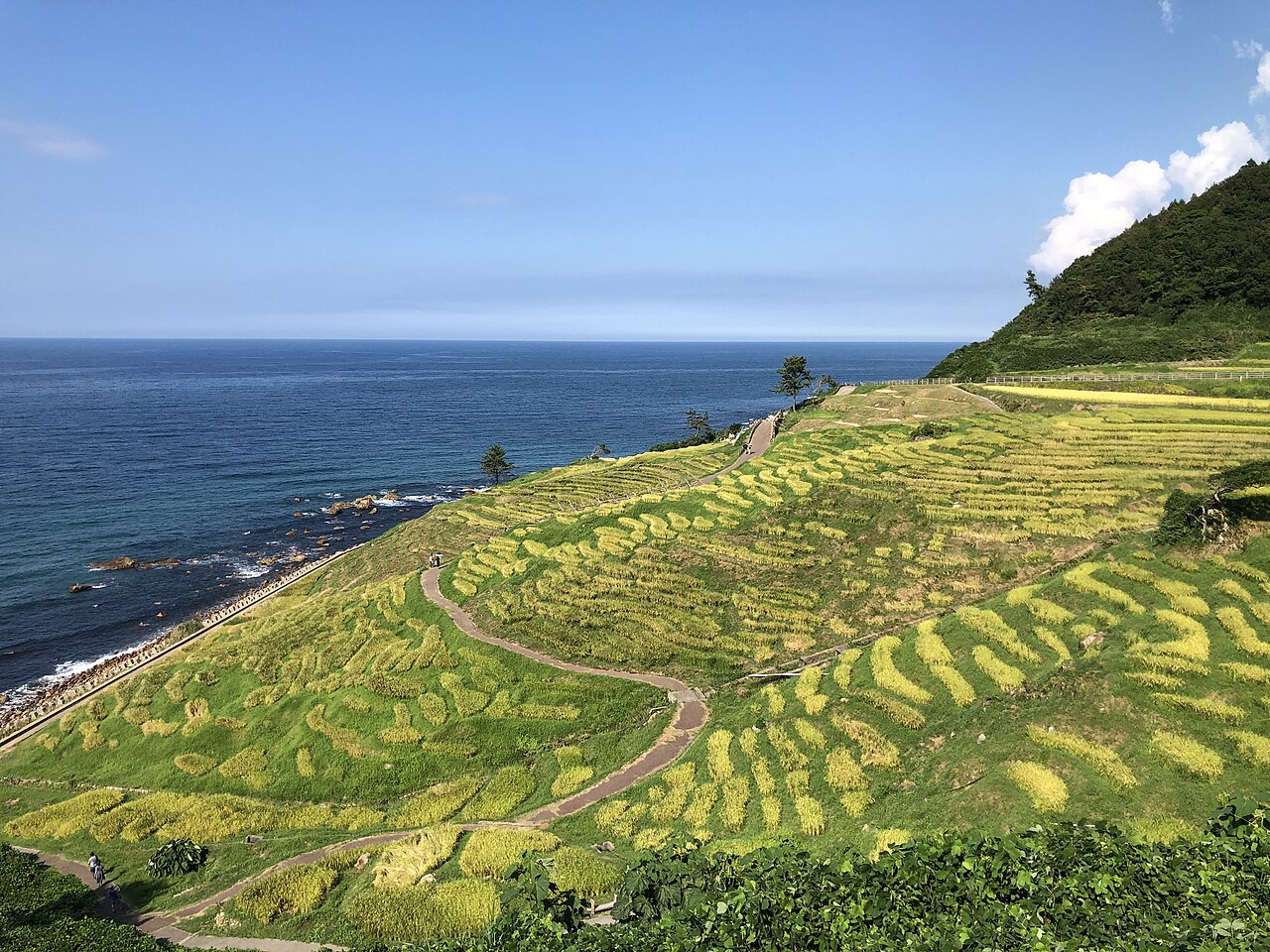
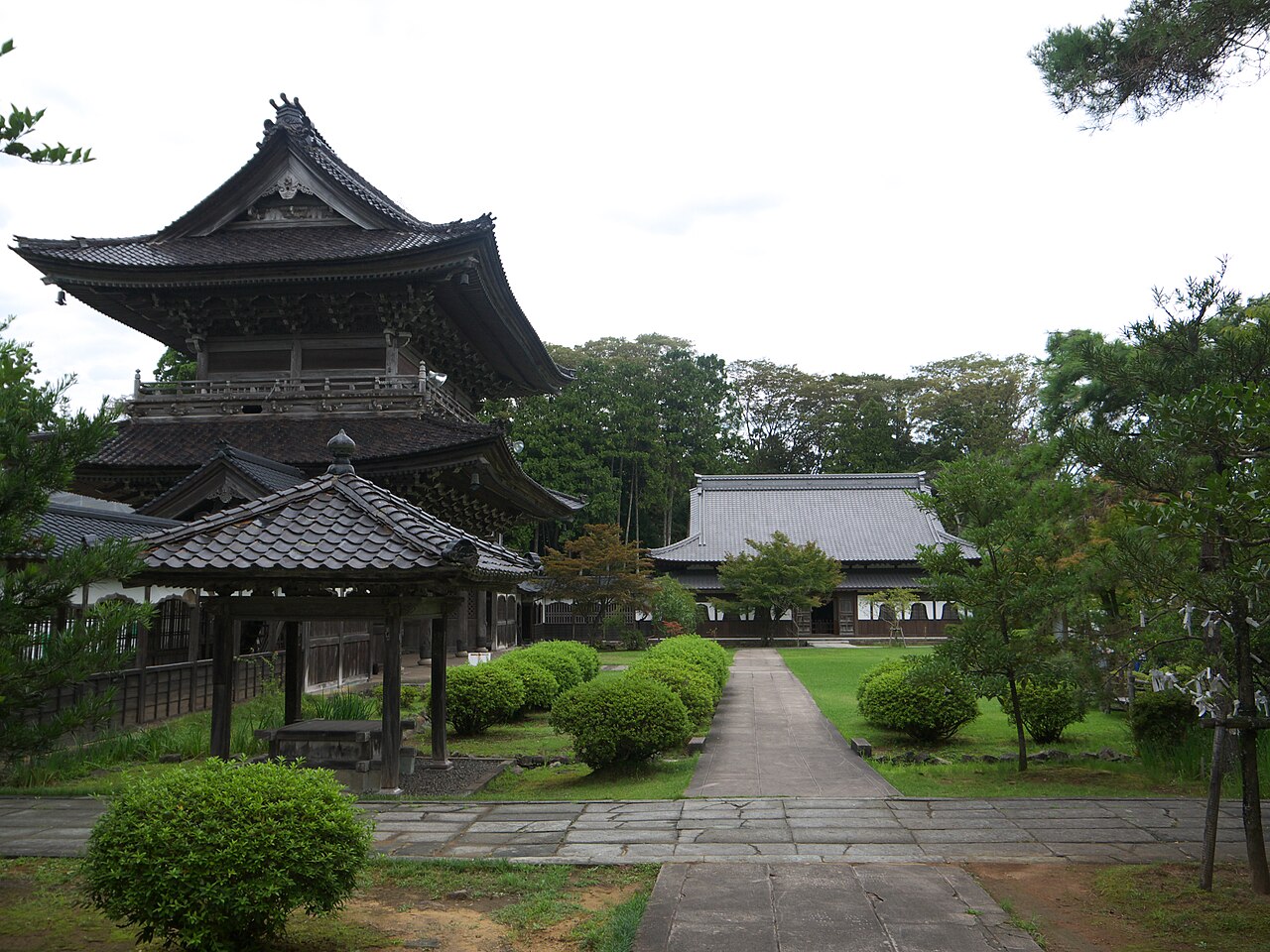
The oldest documented Wajima lacquerwork is a temple door at Juzo Shrine dated to the Muromachi period — evidence that lacquering here is at least five centuries old. Demand in those early centuries leaned heavily on religious patronage. Sojiji Soin, a major Soto Zen temple founded near Wajima, anchored a steady need for lacquered ritual objects, and that patronage helped a working lacquer economy take root long before the bowls became household exports.
-
14th–16th c. (Muromachi) — Oldest documented Wajima lacquerwork: a temple door at Juzo Shrine. -
Edo period (17th–19th c.) — The jinoko-hardened undercoat and the roughly 124-step process reach mature form; chinkin and maki-e decoration develop. -
1977 — Wajima-nuri is designated an Important Intangible Cultural Property. -
January 1, 2024 — The Noto earthquake heavily damages Wajima’s workshops and the town’s morning market. -
2024–2026 — Recovery is ongoing; workshops rebuild and resume production — context worth noting for buyers today.
What holds this together as a living craft is the process itself. A single Wajima bowl passes through roughly 124 divided steps, split across specialists — wood-turners, undercoaters, lacquer-rubbers, and decorators. The jinoko undercoat is applied and consolidated in stages before the 20-plus finishing layers of urushi go on, each one thin, each one cured and rubbed. That division of labor is why the town, not a single workshop, is the unit of the craft.
“Twenty-plus coats of urushi over a diatomaceous-earth undercoat — roughly 124 divided processes stand between the raw wood and the finished bowl.”
The craft also sits inside daily local life, and nowhere more visibly than at the Wajima morning market. For roughly a thousand years, lacquerware has been sold there alongside the day’s seafood — a working market, not a museum. That market and the workshops around it were among the hardest-hit places in the 2024 Noto earthquake. Anyone buying a Wajima bowl now is buying into a craft in the middle of its recovery, and that is a fair reason to buy from a verified maker path.
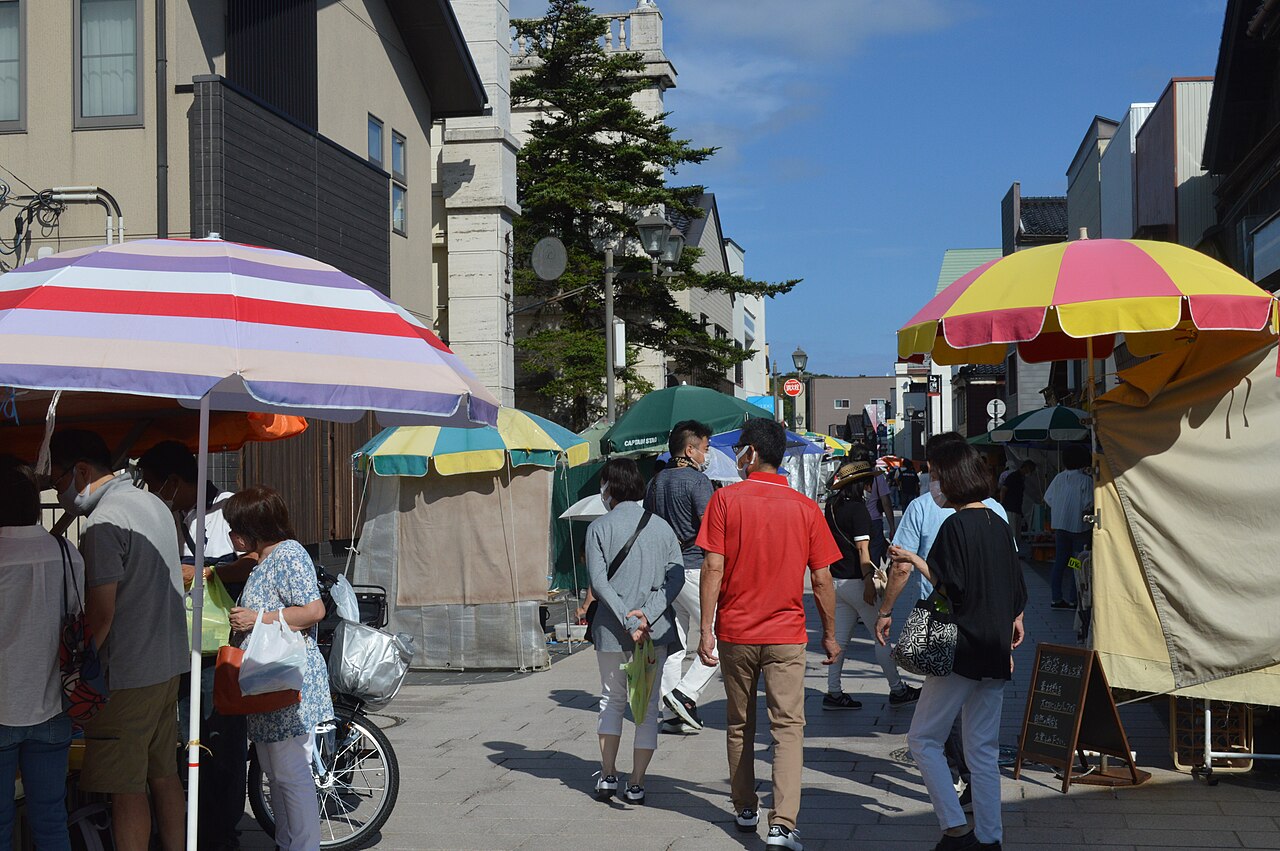
To hold a Wajima owan is to hold that whole landscape: the terraced fields scraped out of steep coast, the Zen temples that first paid for lacquer, the sea caves that kept the town apart, and a market that has run for a thousand years. The bowl is light and warm in the hand for a plain reason — it is wood under lacquer — but the reason it lasts is the jinoko-hardened body underneath.
Other Japanese craft objects we have covered — useful for comparing regions, materials, and price tiers before you commit.
📦 Shipping & where to buy from outside Japan
The specific bowl in this guide is sourced from an Amazon Japan Global Store listing, which ships internationally to 65+ countries — including Canada, the UK and Australia — with import fees estimated and often collected at checkout. Our readership is not only American, so it is worth saying plainly: this bowl reaches most major destinations directly from Japan.
If you are buying from outside the United States, our country guides walk through customs thresholds, typical fees, and delivery times for Canada, the UK, and Australia. Expect international shipping in the rough range of $15–$40 to the US, EU, Canada, the UK, and Australia, depending on speed and destination; Amazon typically estimates any applicable import fees before you pay.
Alternative paths exist if the Global Store listing is out of stock: Wajima’s makers and lacquer union sell directly within Japan, and proxy services such as Buyee or Tenso can forward a domestic-only listing to your address. Because Wajima is still recovering from the 2024 earthquake, stock can be irregular — buying from a verified maker path matters more than usual here.
Price snapshot across stores
| Store | Item / variant | Price (JPY / USD est.) | Notes |
|---|---|---|---|
| 🇺🇸 Amazon.com (US) | Browse Japanese lacquer soup bowls | varies (USD) | Best if you are shopping from the US — Prime shipping, USD pricing, no international customs. Amazon US carries Japanese lacquer and wood bowls from various makers, useful for comparing tiers; the exact Wajima-nuri piece is sourced from Japan (next row). |
| Amazon JP Global Store | Authentic Wajima-nuri owan (this guide’s item) | Check live listing | Ships internationally from Japan to 65+ countries — including Canada, the UK and Australia — with import fees estimated at checkout. This is the sourced listing for the specific bowl. |
| Maker direct | Wajima workshops / lacquer union | Varies | Best assurance of authenticity and re-coating service; often domestic-only. Stock can be irregular during earthquake recovery. |
| Proxy services (Buyee / Tenso) | Forwarding of domestic-only listings | Item price + forwarding fee | Use when a listing does not ship abroad directly; adds a handling fee and a consolidation step. |
Prices in USD are approximate and depend on the current exchange rate (¥150/USD baseline as of mid-2026). The JPY price on the listing is the authoritative one. Prices and stock fluctuate; the linked listing carries current data.
What it does well
Weaknesses and things to verify before buying
- Not dishwasher- or microwave-safe. This is a hand-wash object; a busy household that wants machine-safe bowls should look elsewhere.
- Price premium. Authentic Wajima-nuri costs well above machine-coated lacquer bowls. Confirm the current listing price before buying — our snapshot did not include a live figure.
- Authenticity risk. “Wajima-style” look-alikes exist. Verify the listing states Wajima-nuri specifically, and prefer maker-direct or clearly sourced listings.
- Dimensions unconfirmed. Owan sizes vary; the diameter, capacity, and weight were not in our snapshot. Check the listing so the size suits your table.
- Decoration varies by piece. Chinkin or maki-e may or may not be present. Confirm the finish shown matches what ships.
- Recovery-era stock. The 2024 Noto earthquake disrupted production; availability and lead times can be irregular, and some listings may sell out.
Conclusion — which buyer type are you?
Other ways to approach this purchase
🏆 Editor’s Pick
❓ Frequently Asked Questions
Is Wajima-nuri lacquerware safe for everyday use?
Yes. The owan is the craft’s most everyday form, designed to be held and refilled daily. The jinoko undercoat gives it real chip resistance for lacquerware, though it still needs hand-washing rather than machine cleaning.
Can I put a Wajima bowl in the dishwasher or microwave?
No. A lacquered wood bowl is not designed for dishwashers or microwaves. Hand-wash it, avoid long soaking and abrasive scrubbers, and wipe it dry.
Does Amazon Japan ship a Wajima soup bowl to my country?
In most cases yes. The Amazon Japan Global Store ships to 65+ countries, including Canada, the UK and Australia, and estimates any import fees at checkout. If a specific listing is domestic-only, a proxy service such as Buyee or Tenso can forward it.
Why is authentic Wajima-nuri more expensive than ordinary lacquer bowls?
A single bowl passes through roughly 124 divided steps, including the jinoko undercoat and 20-plus hand-rubbed urushi layers, spread across specialist workers. That labor, not branding, is what sets the price above machine-coated bowls.
Was Wajima-nuri affected by the 2024 Noto earthquake?
Yes. The earthquake of January 1, 2024 heavily damaged Wajima’s workshops and the town’s morning market. Recovery is ongoing, so stock and lead times can be irregular — buying from a verified maker path is worth the extra care right now.
How do I know a bowl is genuine Wajima-nuri and not a look-alike?
Check that the listing states “Wajima-nuri” specifically rather than “Wajima-style” or generic lacquer, and prefer maker-direct or clearly sourced Global Store listings. Genuine Wajima ware uses the jinoko undercoat and is designed to be re-coated.
Can a damaged Wajima bowl be repaired?
Traditionally, yes. Authentic urushi ware can be re-coated (nuri-naoshi) by a lacquer workshop, which is one reason a single bowl can last decades. Restoration is usually handled in Japan, so factor in return shipping for repairs.
jpmono.com is curated by a Japan-based editorial team (working out of Toyama in the Hokuriku region and Nara in Kansai) and is independent. We do not take payment from the makers we feature; income comes from affiliate links. Read more about our editorial standards.
🤖 This article was drafted with AI assistance and edited against documented sources by the jpmono editorial team. Specifications and prices reflect listing data at the time of writing and should be verified at the retailer before purchase.
Affiliate disclosure: jpmono.com may earn a commission on qualifying purchases made through links on this page, at no additional cost to you.