![Iwachu Nambu Tekki Cast Iron Skillet: Morioka Ironware Frying Pan, Where to Buy [2026]](https://jpmono.com/wp-content/uploads/2026/06/iwachu-nambu-tekki-cast-iron-skillet-where-to-buy-2026-featured.jpg)
Iwachu’s Nambu Tekki (南部鉄器, “Nambu ironware”) cast iron skillet is sand-cast in Morioka, the old castle town of the Nambu clan in Iwate Prefecture, in Japan’s northern Tōhoku region. It belongs to a metalcasting tradition that the Morioka lords deliberately seeded in the 1600s by inviting kettle casters into their domain, and that Iwachu — founded in Morioka in 1902 — carries forward today as one of the largest exporters of Japanese cast iron cookware.
What reaches an international kitchen is not a tetsubin kettle, the product that made the Nambu name famous abroad, but a frying pan made by the same sand-mold method: thick-walled, heavy, slow to heat and slow to give that heat back. The data suggests it is built for high-heat searing, for oven-to-table service, and for the long arc of seasoning that turns raw cast iron into a near-nonstick black patina over years of use. It is induction-compatible, which matters for readers outside Japan whose cooktops differ from the gas Iwachu’s domestic buyers often use.
This guide is written from a Japan-based editor’s chair for readers shopping from outside Japan. It covers what the listing actually states, where Morioka sits and why iron took root there, how this skillet differs from the kettles and the lighter pans it is often compared to, and the realistic paths — Amazon US, Amazon JP Global Store, the maker, and proxy services — for getting one to your door.
🔄 Updated:
⏱ Read time: ~9 min

- Who this is for — and who should skip it
- Product overview (from published specs)
- 📍 Where this comes from — place, era, and the craft tradition
- Which finish should you choose?
- 📌 How does it compare?
- Price snapshot across stores
- What it does well
- Weaknesses and things to verify before buying
- Conclusion — which buyer type are you?
- Other ways to approach this purchase
- 🏆 Editor’s Pick
- ❓ Frequently Asked Questions
Who this is for — and who should skip it
- Want a sear-and-roast pan that holds heat through a thick steak or a batch of vegetables without dropping temperature
- Are willing to season, dry, and oil cast iron rather than put it in a dishwasher
- Cook on induction and want a pan that is explicitly induction-compatible
- Value a single tool that can go stovetop-to-oven-to-table
- Are buying an object with documented regional craft heritage, not a commodity pan
- Want a light pan you can flip one-handed — cast iron is heavy by design
- Expect nonstick performance out of the box without building a seasoning layer
- Need dishwasher-safe, leave-wet-in-the-sink convenience
- Cook mostly acidic tomato or wine reductions, which fight a young seasoning
- Want the Nambu tetsubin kettle for tea — that is a different product (see the comparison links below)
Product overview (from published specs)
The fetched dataset for this item returned no live Amazon listing snapshot at the time of writing — no current price, dimensions, or weight were available from the feed. The table below therefore reports only what is reliably established from the maker’s product type and Nambu Tekki tradition; fields that the data does not confirm are marked rather than guessed. Always verify the exact figures on the live listing before buying.
Iwachu Nambu Tekki Cast Iron Skillet
岩鋳 Iwachu オムレット22 黒焼付 内径20.5cm IH対応 フライパン 南部鉄器 24600
在庫あり。 · Sold by Amazon.co.jp · ASIN B008QTIQSA
Price and availability as of 2026-08-31 02:30 JST. The Amazon listing at the time of purchase is authoritative. jpmono.com earns a commission on qualifying purchases at no extra cost to you.
| Attribute | Value | Source |
|---|---|---|
| Item type | Cast iron skillet / frying pan | Maker product type |
| Maker | Iwachu (岩鋳), founded 1902, Morioka | Maker direct |
| Material | Cast iron | Craft type (Nambu Tekki) |
| Construction | Sand-mold cast (sunagata), heavy-gauge wall | Nambu Tekki method |
| Surface | Pre-seasoned / oxidized cast iron, no synthetic coating | Craft type |
| Heat sources | Gas, electric, and induction (IH) compatible | Maker product type |
| Origin | Morioka, Iwate, Japan | Maker direct |
| Diameter / weight | Unconfirmed — check listing | Not in fetched data |
| ASIN (JP listing) | B008QTIQSA | Article spec |
📖 Glossary — key terms
Nambu Tekki (南部鉄器, “Nambu ironware”) — cast ironware produced in Iwate Prefecture, named for the Nambu clan that ruled the Morioka domain. Centered on two hubs, Morioka and Mizusawa (Ōshū).
Tetsubin (鉄瓶) — a cast iron kettle for heating water, the best-known Nambu Tekki product abroad. Distinct from this skillet.
Kama-shi (釜師) — kettle casters. The Morioka lords invited these specialists from Kyoto and Yamagata in the 1600s to establish the local industry.
Sand-mold casting (砂型, sunagata) — molten iron poured into a mold formed from fine casting sand, then broken away to release the piece. The Kitakami River supplied Morioka’s casting sand.
Seasoning — the polymerized oil layer that builds on cast iron with use and care, giving it a low-stick, rust-resistant surface over time.
IH (induction heating) — Japan’s term for induction cooktops. Cast iron is naturally induction-compatible.
📍 Where this comes from — place, era, and the craft tradition

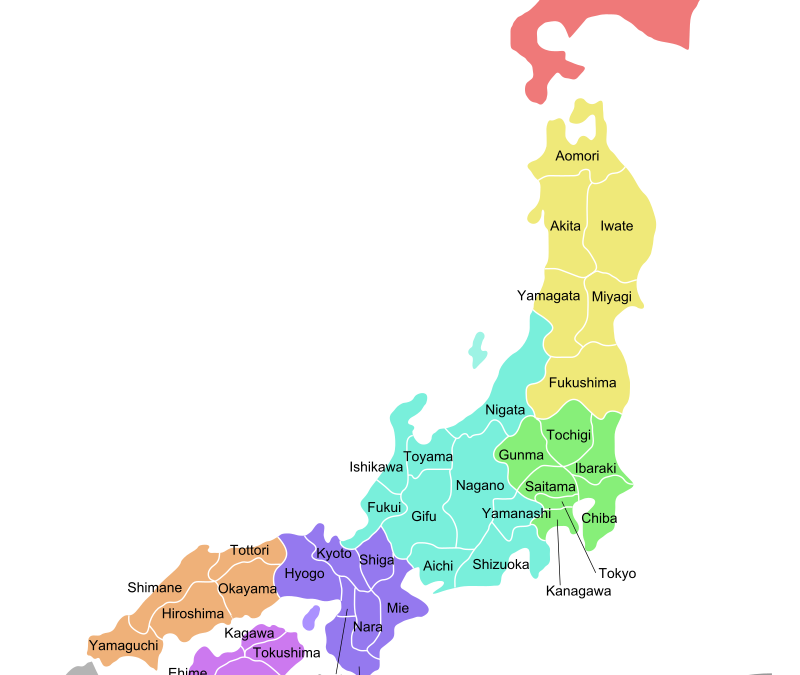
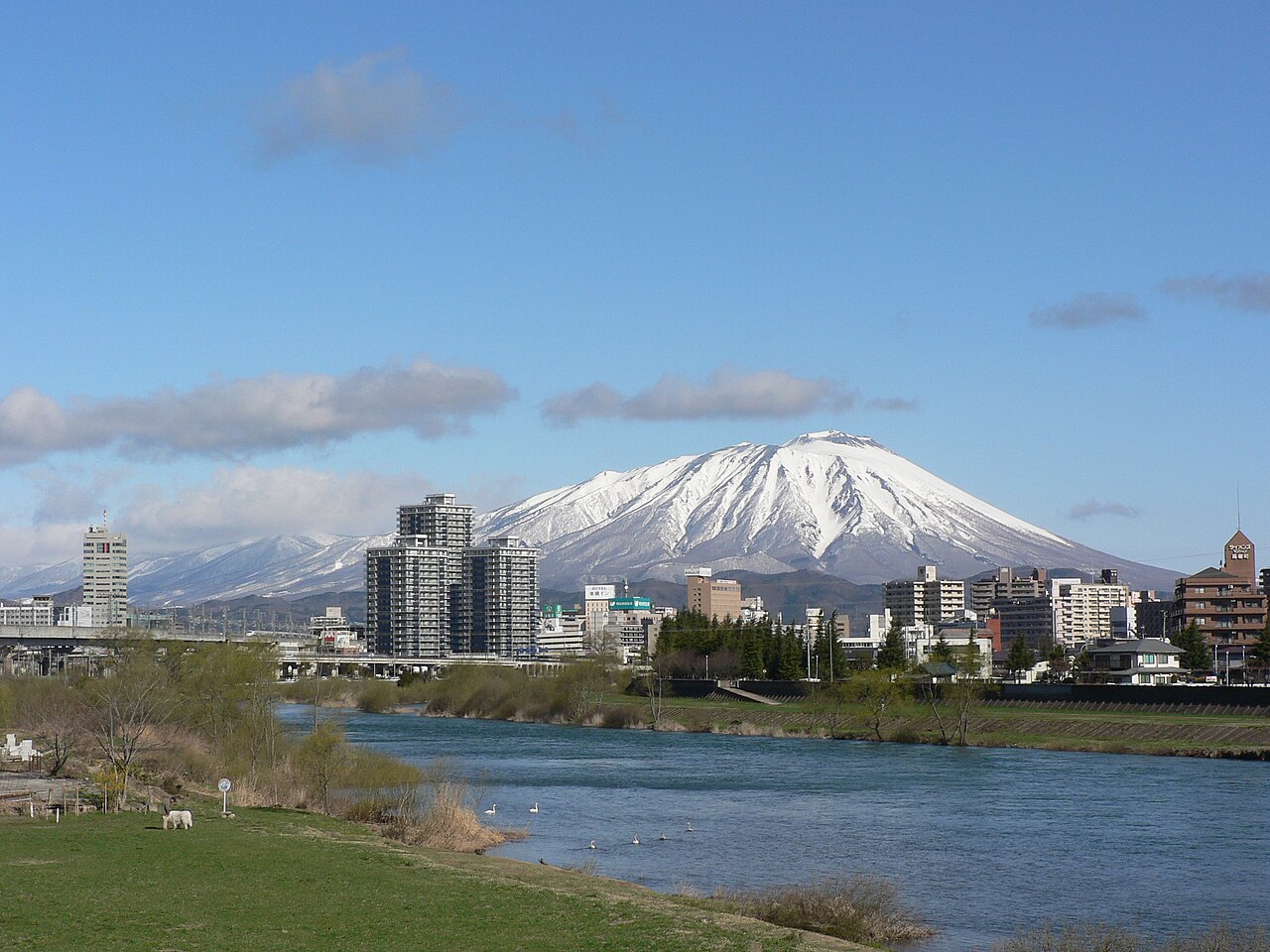
Morioka is the prefectural seat of Iwate, set where the Nakatsu River meets the Kitakami in a broad basin on Honshu’s Pacific side. Mount Iwate, the region’s dormant volcano, stands over the city to the northwest. The basin gave the town two of the three things an ironcasting industry needs — fine casting sand from the Kitakami River and abundant charcoal from the surrounding forests — alongside the local iron sand and lacquer that finished the work.
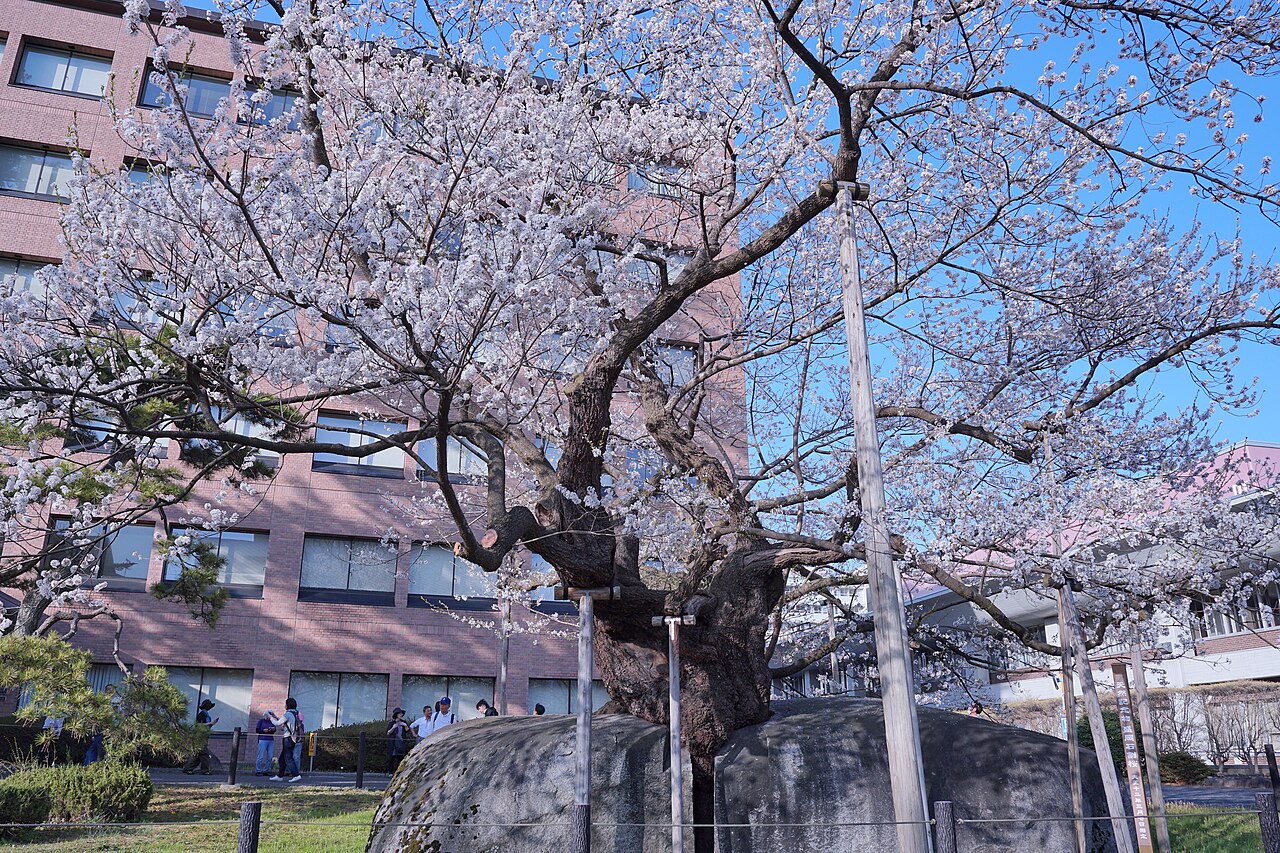
The third thing — patronage — arrived with the domain. Morioka was the castle town of the Nambu clan, who governed the Morioka domain from the 17th century. To build a court culture and a useful local economy, the lords invited kettle casters (kama-shi) from Kyoto and Yamagata around the 1600s. Those specialists, working with local iron sand, casting sand, lacquer, and charcoal, are the root of what we now call Nambu Tekki.
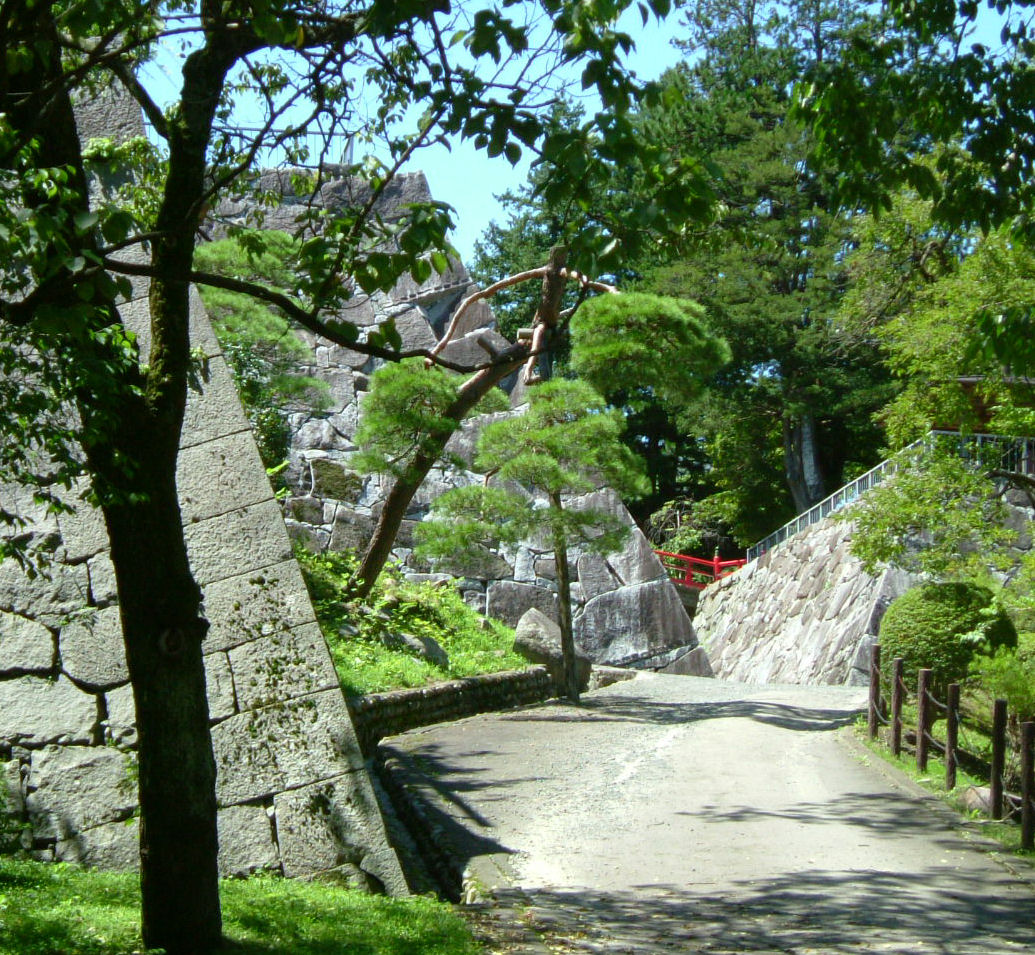
Two production hubs emerged and still define the craft: Morioka, the Nambu castle town, and Mizusawa in Ōshū to the south. Tetsubin kettles made the name famous overseas, but the same sand-mold casting has always produced skillets, pots, and trivets. Iwachu, founded in Morioka in 1902, is the largest modern maker, and it is the part of the tradition most visible to international buyers — its heavy, pre-seasoned cast iron cookware ships worldwide.
“The lords did not discover the iron; they invited the hands. Four centuries later, the same sand-mold method that cast the domain’s kettles casts the pan on your burner.”
- 1124 — The gilded Konjikidō is completed at Chūson-ji in Hiraizumi, marking the height of Iwate’s gold and metal craft.
- 17th century — The Nambu clan rules the Morioka domain and invites kettle casters from Kyoto and Yamagata.
- 17th–18th c. — Morioka and Mizusawa (Ōshū) take shape as the two Nambu ironware hubs.
- 1902 — Iwachu is founded in Morioka.
- 1975 — Nambu Tekki is designated a traditional craft (Dentōteki Kōgeihin) by Japan’s trade ministry.
- Late 20th c. — Induction-compatible cast cookware enters production for domestic and export markets.
- 2026 — Iwachu continues sand-mold casting in Morioka and exports cast iron cookware worldwide.
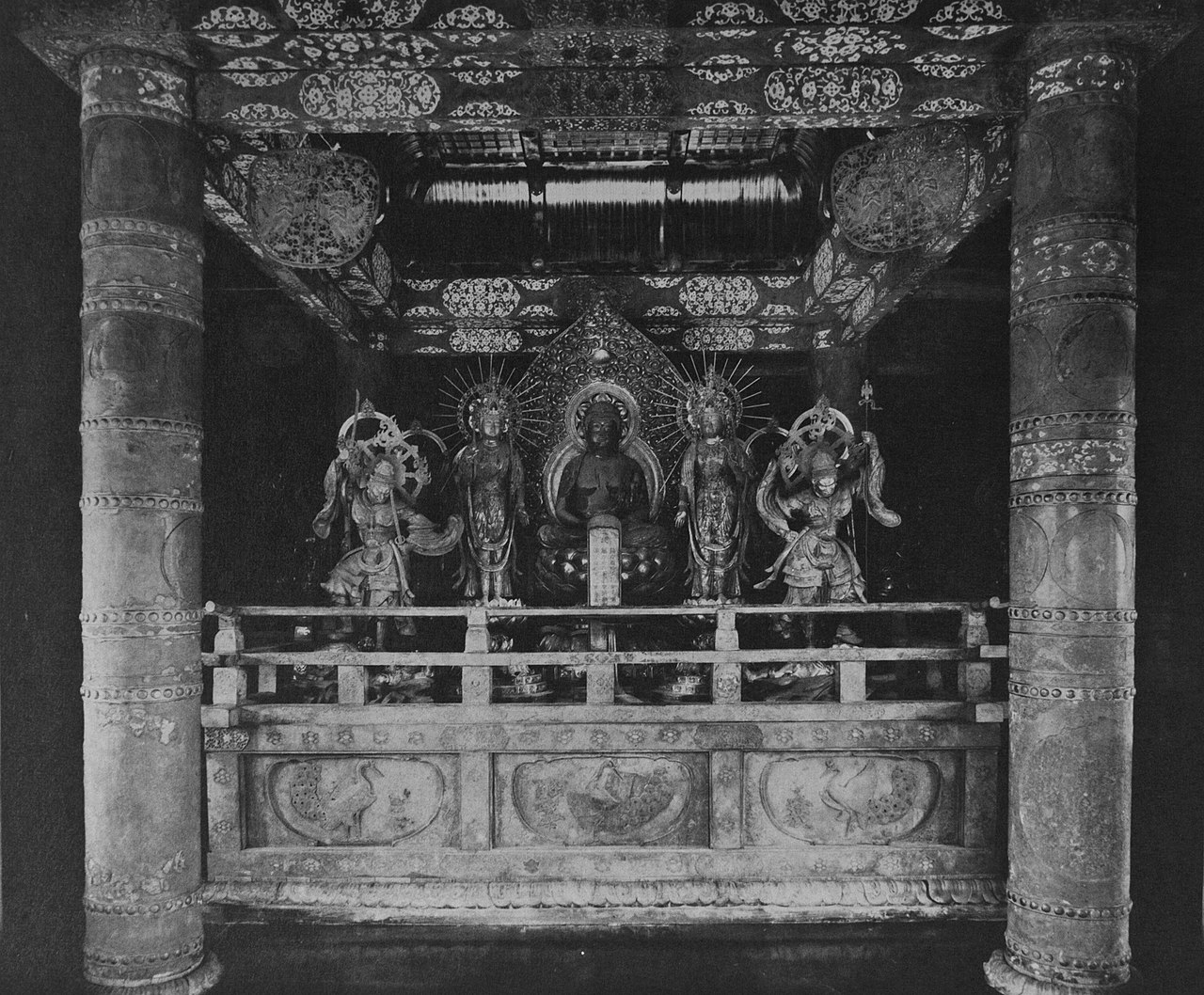
The metal heritage runs deeper than the kettles. About 90 km south of Morioka, the gilded Konjikidō at Chūson-ji in Hiraizumi — completed in 1124 under the Northern Fujiwara — survives as evidence of how much gold-working and metal craft this part of Tōhoku concentrated long before the Nambu lords arrived. Iron casting did not begin from nothing here; it joined a region that already knew how to work metal.
That continuity is the practical point for a buyer. A Nambu skillet is not a reproduction of an old form; it is a current product of an unbroken industry, cast in the same town, by the same method, that the Morioka domain set in motion four hundred years ago. The seasoning you build on it is the newest layer on a very old surface.
Which finish should you choose?
This piece is listed in 2 options. The photos below are the actual サイズ options on the listing right now — pick the one you want and confirm it on the product page before ordering, since hand-finished wares vary slightly piece to piece.
![Iwachu Nambu Tekki Cast Iron Skillet: Morioka Ironware Frying Pan, Where to Buy [2026] — 24cm finish](https://m.media-amazon.com/images/I/31f93eqek8L._SL500_.jpg)
📌 How does it compare?
If you are weighing this skillet against other Tōhoku and craft-metal pieces we have covered, these guides give useful points of comparison — by region, by material, and by use.
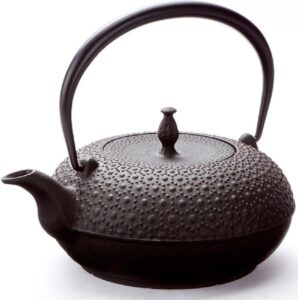 🫖 Oigen Nambu Tetsubin kettle — the kettle side of the same craft
 ✨ Akita Ginsen-zaiku silver filigree — neighboring Tōhoku metalwork
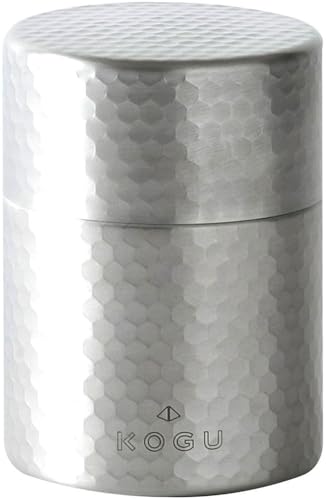 🥫 Kaikado tin tea caddy — soft-metal craft, Kyoto
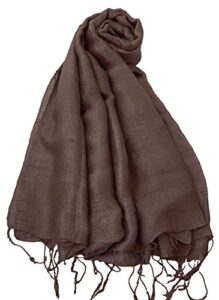 🧣 Iwate Homespun wool scarf — same prefecture, different craft
🥣 Kawatsura Akita lacquer bowl — Tōhoku table pairing
 🌸 Kabazaiku cherry bark caddy — Tōhoku natural-material craft
 ✂️ Suwada nail nipper — precision Japanese steelwork
 🪵 Aomori Hiba cutting board — a kitchen companion from the north
Price snapshot across stores
No live price was returned in the fetched data for this listing, so the JPY figure below is shown as unavailable rather than estimated. USD figures elsewhere on the site are approximate (¥150/USD baseline, mid-2026); the JPY price on the listing is always the authoritative one. Verify at the retailer before buying.
| Store | Item / Variant | Price | Notes |
|---|---|---|---|
| 🇺🇸 Amazon US (search) | Browse Japanese cast iron skillets & cookware | varies (USD) | Best if you are shopping from the US — Prime shipping, USD pricing, no international customs. Amazon US carries Japanese cast iron cookware from several makers; Iwachu’s exact piece is sourced from Japan (next row). |
| 🇯🇵 Amazon JP Global Store | Iwachu Nambu Tekki cast iron skillet (ASIN B008QTIQSA) | Price unavailable at time of writing — check listing | The sourced listing for the specific item. Ships internationally from Japan to most major destinations. |
| Maker direct (Iwachu) | Full Nambu Tekki cookware range | Varies — domestic JP catalog | The maker’s catalog is JP-facing; international orders typically route through a retailer or proxy. |
| Proxy services (Buyee / Tenso) | Relays JP listings to countries Global Store does not reach | Item price + service fee + forwarding | Useful only if Amazon JP Global Store will not ship to your country directly. Adds handling cost and time. |
What it does well
Weaknesses and things to verify before buying
- 1Weight. Cast iron is heavy by design. One-handed flipping is not realistic; confirm you are comfortable lifting a full pan.
- 2Seasoning required. Even pre-seasoned cast iron needs maintenance oiling and gentle use early on; it is not nonstick from day one.
- 3Rust risk. Cast iron must be dried promptly and not left wet or soaking. Humid climates demand extra care.
- 4Acidic foods. Long-simmered tomato or wine sauces can strip a young seasoning and pick up a metallic note. Build the patina first.
- 5Unconfirmed dimensions and price. The fetched data did not include diameter, weight, or current price for this listing. Confirm the size and the JPY price on the live page before you commit.
- 6Shipping weight cost. A heavy iron pan is expensive to ship internationally; factor freight and possible customs duties into the real landed price.
Conclusion — which buyer type are you?
Other ways to approach this purchase
🏆 Editor’s Pick
❓ Frequently Asked Questions
Does Amazon JP Global Store ship this skillet internationally?
Is this the same as a Nambu tetsubin kettle?
Does it work on an induction cooktop?
How do I care for it so it doesn’t rust?
What is the price, and why isn’t it shown here?
Can I buy it through a proxy service if Global Store won’t ship to me?
jpmono.com is curated by a Japan-based editorial team (working out of Toyama in the Hokuriku region and Nara in Kansai) and is independent. We do not take payment from the makers we feature; income comes from affiliate links. We do not physically test every product — we read maker specs and source listings.
Note: This article was drafted with AI assistance and reviewed against the source listing data available at the time of writing. Specifications, pricing, and availability should be confirmed on the retailer’s page before purchase.
Affiliate disclosure: jpmono.com may earn a commission on qualifying purchases made through links on this page, at no additional cost to you.