![Karakudo Morokoshi (唐土庵 もろこし, Pressed Adzuki-Flour Higashi Gift Box) — Kakunodate’s Samurai-Town Dry Confection from Akita [2026 Guide for International Readers]](https://jpmono.com/wp-content/uploads/2026/07/karakudo-morokoshi-akita-where-to-buy-2026-featured.jpg)
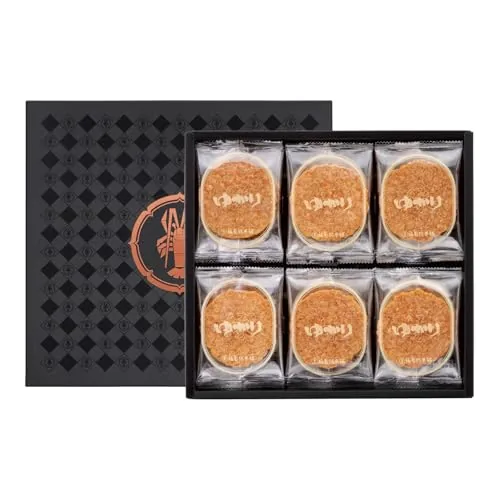
- What it is: Morokoshi (もろこし) — a pressed, gently baked adzuki-bean-flour dry confection (higashi), boxed as an individually wrapped gift assortment.
- Made in: Semboku (Kakunodate), Akita, Tōhoku — by Karakudo (唐土庵), a maker long tied to the sweet in this old samurai castle town.
- Price band: everyday gift-box range for boxed regional wagashi (see the live listing — no fixed figure quoted here).
- Best for: readers who want a shelf-stable, tea-friendly Japanese sweet that actually survives international shipping.
- Skip if: you want a soft, fresh, moist wagashi — this baked style is dry and crisp by design (the soft “nama” version does not travel).
- Shipping: shelf-stable; ships internationally from Amazon Japan — jump to our pick ↓
Press fine adzuki-bean flour and sugar into a carved wooden mold, bake it just enough to set, and you get a sweet with a sandy, biscuit-dry snap that dissolves the moment it meets the tongue. That is morokoshi (もろこし) — one of the oldest dry confections of northern Japan, and a regional specialty of Akita that predates almost everything on a modern sweets shelf.
Karakudo (唐土庵) makes it in Semboku, in the district still known by its old name Kakunodate — a Tōhoku castle town whose Edo-period samurai residences are so well preserved that the whole quarter reads like a stage set. The confection’s restrained, tea-friendly character is not an accident of marketing. It is the taste of a formal, tea-drinking samurai culture that flourished here under the Satake-North branch of the Akita domain, and it has changed remarkably little.
This guide is written for international readers who cannot simply walk into an Akita department-store food hall. It explains what morokoshi actually is, how Karakudo makes it, why the baked style (not the soft “nama” version) is the one you want if it has to cross a border, and how to find the genuine listing — with an Amazon US search path first and the Amazon Japan Global Store listing as the sourced secondary path.
🔄 Last updated:
⏱️ Read time: ~9 min

ℹ️ Live pricing and some listing details were not in our data snapshot — the linked Amazon listing is authoritative. Unconfirmed attributes are marked “—” or “check listing” below, and no price is quoted in this article.
- Who this is for — and who should skip it
- Product overview (from published specs)
- Where this comes from — Kakunodate, Akita
- 📌 How does it compare?
- Price snapshot across stores
- What it does well
- Weaknesses and things to verify before buying
- Conclusion — which buyer type are you?
- Other ways to approach this purchase
- 📦 Shipping & where to buy from outside Japan
- 🏆 Editor’s Pick
- ❓ Frequently Asked Questions
Who this is for — and who should skip it
- Want a Japanese sweet that is genuinely shelf-stable and shippable abroad.
- Like restrained, tea-ceremony-style flavors over rich, sugary desserts.
- Are shopping for a gift with a clear regional identity (an Akita meibutsu).
- Need a plant-based confection — no dairy, no eggs, no meat.
- Enjoy the dry, crisp “higashi” texture that pairs with matcha or roasted tea.
- Want a soft, moist, fresh-made wagashi (that is the perishable “nama” version).
- Expect a chocolate-level or dessert-level sweetness — this is deliberately austere.
- Need certified allergen-free food; adzuki and sugar handling should be checked on the label.
- Want it delivered same-week — international shipping from Japan takes time.
- Dislike dry, crumbly textures that dissolve rather than chew.
Product overview (from published specs)
The data below is compiled from the Amazon US search path (primary, moonill-20), the Amazon Japan Global Store listing where the specific item is sourced (secondary, moonill-22), and the maker’s product description. Where a value was not in our snapshot, it is marked rather than guessed.
Karakudo Morokoshi (唐土庵 もろこし, Pressed Adzuki-Flour Higashi Gift Box)
【唐土庵いさみや】生もろこし・もろこしあん・茶菓仙 3種詰合せセット 箱タイプ[2個×10包入]
通常4~5日以内に発送します。 · Sold by 秋田のグルメ・逸品 銘店 おばこ · ASIN B0F82SQ91Y
Price and availability as of 2026-08-31 02:30 JST. The Amazon listing at the time of purchase is authoritative. jpmono.com earns a commission on qualifying purchases at no extra cost to you.
| Attribute | Detail |
|---|---|
| Product | Karakudo (唐土庵) morokoshi — baked/dry adzuki-flour higashi, boxed assortment |
| Type | Higashi (干菓子) — dry confection, same family as rakugan but adzuki-based |
| Core ingredients | Roasted adzuki-bean flour (azuki-ko), sugar, starch — plant-based; check the label for specifics |
| Format | Individually wrapped pieces in a boxed assortment (piece count — check listing) |
| Storage | Room temperature; no refrigeration required; printed best-by date |
| Origin | Semboku (Kakunodate), Akita Prefecture, Tōhoku |
| Maker | Karakudo (唐土庵) |
| ASIN (JP Global Store) | B0F82SQ91Y |
| Net weight / dimensions | — (not in snapshot — check listing) |
| Price | Not in snapshot — see live listing (authoritative) |
“The recipe is almost austere: adzuki-bean flour and sugar, pressed into a carved mold and baked until it holds. There is nowhere for a mistake to hide.”
📖 Glossary — key terms
- Morokoshi (もろこし / 諸越) — a pressed, baked dry confection made from adzuki-bean flour and sugar; an Akita specialty.
- Higashi (干菓子) — the “dry confection” class of wagashi (low moisture, long shelf life), served with tea.
- Rakugan (落雁) — a related pressed dry sweet, typically rice- or bean-flour based; morokoshi is its adzuki cousin.
- Azuki-ko (小豆粉) — flour milled from roasted adzuki beans; the defining ingredient here.
- Nama-morokoshi (生もろこし) — a soft, moist variant with a much shorter shelf life; not suited to international shipping.
- Meibutsu (名物) — a regional specialty product strongly identified with a specific place.
- Wagashi (和菓子) — traditional Japanese confections, historically tied to the tea ceremony.
- Kakunodate (角館) — a former Satake-North castle town in Semboku, Akita, famous for preserved samurai residences.
Where this comes from — Kakunodate, Akita

Akita sits on the Sea of Japan side of the Tōhoku region, in the far north of Honshū — a country of heavy winter snow, rice paddies, and adzuki and other beans that have long been a staple of the northern pantry. Kakunodate, now part of the city of Semboku, lies inland in a sheltered river basin. Bean-based sweets took root here for a plain reason: the raw material was local, storable, and abundant, and a dry, sugar-set confection was a practical way to keep that sweetness through a long snowbound winter.
The town’s character was set in the Edo period. Kakunodate was laid out as a castle town under the Satake-North (Satake-Kita) branch that governed this part of the Akita domain, with a formal samurai quarter that survives today as one of Japan’s best-preserved streetscapes of Edo-era warrior residences. That formal, tea-drinking samurai culture is the context morokoshi grew out of — a sweet made to sit beside a bowl of matcha, not to shout.
- 1603 — The Edo period begins; a long peace lets castle towns cultivate distinctive local confections for the tea table.
- 1620 — Kakunodate is laid out as a Satake-North castle town in the Akita domain; its planned samurai quarter still stands.
- Edo period — Morokoshi, a pressed adzuki-flour higashi, takes hold as an Akita meibutsu tied to samurai tea culture.
- 1868 — The Edo order ends with the Meiji Restoration; the samurai economy fades, but the town’s confection tradition continues.
- 20th century — Kakunodate’s preserved samurai residences earn national recognition as a heritage streetscape and draw visitors year-round.
- Today — Karakudo (唐土庵) continues to make morokoshi in Semboku, offering both the shelf-stable baked style and a soft “nama” version.
What “still made here” means in practice is that the sweet remains an identifiable regional product, not a generic supermarket item. Karakudo is one of the makers most closely associated with morokoshi in Kakunodate, and the method is essentially the historical one: mill roasted adzuki into a fine flour, blend it with sugar, press it into carved wooden molds, and bake gently so each piece keeps a crisp, sandy structure rather than turning into a moist cake.
The seasonal fit is worth naming. A dry higashi keeps for weeks without refrigeration, which mattered enormously in a snow-country town where fresh sweets could not be relied on through winter — and which, conveniently, is exactly why it is one of the few Akita sweets a reader abroad can realistically order and receive intact.
📌 How does it compare?
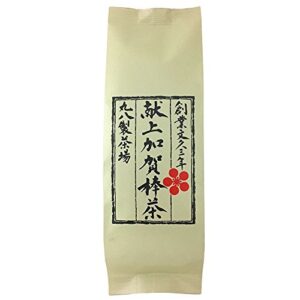

Maruhachi Seichajo Kenjo Kaga Bocha (献上加賀棒茶, sealed bag/tin)
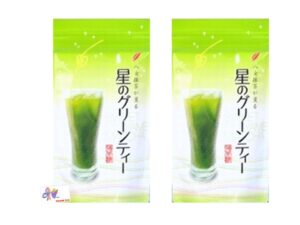

Hoshino Seichaen Yame Matcha (星野製茶園 八女抹茶, sealed 30–40g tin)
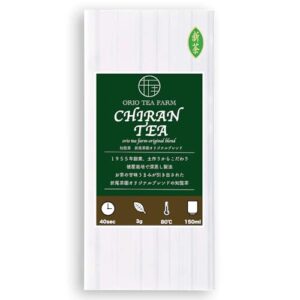

Chiran-cha Deep-Steamed Sencha (知覧茶 深蒸し煎茶, sealed 100g bag)
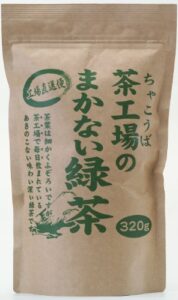

Ooigawa Chaen Fukamushi Sencha (大井川茶園 深蒸し煎茶, sealed foil bag)
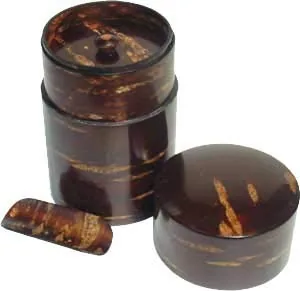

Kabazaiku Cherry Bark Tea Caddy: Kakunodate’s Akita Woodwork
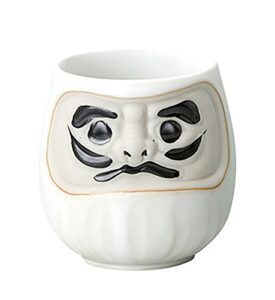

Shiraiwa-yaki Namako Blue Glaze Yunomi: Akita’s Oldest Pottery
Kabazaiku and Shiraiwa-yaki are Kakunodate/Akita neighbors of this sweet; the four teas are what you would actually serve alongside a dry higashi.
Price snapshot across stores
No fixed price was in our snapshot, so figures are not invented below. The Amazon US row is the primary consumer path; the Amazon Japan Global Store row is where this specific item is sourced.
| Store | Item / Variant | Price | Notes |
|---|---|---|---|
| 🇺🇸 Amazon US (search) | Browse Japanese wagashi & dry confections | varies (USD) | Best if you’re shopping from the US — Prime shipping, USD pricing, no international customs. Amazon US carries various Japanese sweets and tea; this exact Karakudo box ships from Japan (next row). |
| 🇯🇵 Amazon JP Global Store | Karakudo morokoshi baked/dry boxed assortment (ASIN B0F82SQ91Y) | See live listing | Ships internationally from Japan to 65+ countries — including Canada, the UK and Australia — with import fees estimated at checkout. This is the sourced listing for the specific item. |
| Maker direct | Karakudo (唐土庵) official store | — | May offer more gift-box sizes and the fresh “nama” line, but typically ships within Japan only — check current terms. |
| Proxy services (Buyee / Tenso) | Forwarding from JP-only shops | + fees | Useful only if you want a variant the Global Store does not list; adds handling fees and food-import checks. Confirm perishable-food acceptance first. |
Prices in USD are approximate and depend on the current exchange rate (¥150/USD baseline, mid-2026). Where JPY is available on the live listing, that JPY figure is the authoritative one. Prices and stock fluctuate — confirm at the retailer before buying.
What it does well
Dry, sturdy, and room-temperature stable with a printed best-by date — one of the few Akita sweets that survives international shipping intact.
A quiet, non-cloying sweetness built for matcha or roasted tea, reflecting the samurai tea culture it comes from.
Individually wrapped pieces in a proper box, with a legible regional identity — reads clearly as an Akita meibutsu.
Built on adzuki flour, sugar, and starch — no dairy, eggs, or meat — which suits a wide range of dietary preferences (verify on the label).
- 🌡️ Storage: keep at room temperature, away from humidity and direct sun — no refrigeration required.
- 📅 Shelf life: sold with a printed best-by date; the baked/dry style keeps for weeks, not days.
- 🍵 Serving: pairs naturally with matcha, sencha, or roasted twig tea; let a piece dissolve rather than chewing it.
- 🌱 Allergens: plant-based (adzuki, sugar, starch) — always confirm the on-pack allergen statement before gifting.
Weaknesses and things to verify before buying
- Two very different products share the name. The soft “nama-morokoshi” is perishable and not suited to cross-border shipping. Confirm the listing is the baked/dry assortment (ASIN B0F82SQ91Y) before ordering abroad.
- Texture is dry and crumbly by design. If you expect a soft, moist wagashi, this will disappoint — it is meant to dissolve on the tongue.
- No price or exact piece count in our snapshot. Both vary by box size; the live listing is the only authoritative source.
- Food-import eligibility varies by country. Amazon estimates import fees at checkout, but some destinations restrict food imports — check AmazonGlobal eligibility for your address.
- Best-by window still applies. “Shelf-stable” is not “indefinite”; account for shipping transit time against the printed date, especially for gifts.
- Allergen handling should be checked. Adzuki and shared-line processing information appears on the Japanese label; verify if you have sensitivities.
Conclusion — which buyer type are you?
You want a regional sweet with a real story to give abroad. This fits — order the boxed baked assortment and mind the best-by date against transit time.
You like tea-time sweets and want to try an Akita specialty. A good, low-risk introduction to the higashi category.
Watch the shipping cost relative to the box price; if you are only curious about the flavor, a smaller assortment is the sensible entry point.
If you specifically want soft, fresh wagashi, or your country restricts food imports, this baked box is not the right pick — look at a domestic wagashi source instead.
Other ways to approach this purchase
Boxed wagashi assortments cluster around Japanese gift seasons; availability of larger boxes tends to widen then.
Karakudo’s own store may carry more sizes and the fresh line, but usually ships within Japan only — pair with a proxy if needed.
If you shop Amazon regularly, buying through your usual account keeps any points/rewards and simplifies customs handling at checkout.
Want the tea-time ritual without the food import? A sealed Japanese tea from the linked guides above ships just as easily.
📦 Shipping & where to buy from outside Japan
Morokoshi’s biggest practical advantage abroad is that it is a shelf-stable, room-temperature food with a printed best-by date. It ships from the Amazon Japan Global Store, which serves 65+ countries — including Canada, the UK, and Australia. Import fees are estimated and usually collected at checkout, so there is rarely a surprise bill on delivery.
Expect international shipping in a rough $15–$40 band to the US, EU, Canada, the UK, and Australia, depending on weight and speed. As a food item, it should be ordered in small personal quantities; food-import eligibility for your specific country is confirmed at checkout. If your destination restricts food imports, that check is where you will find out — before you are charged.
🍬 Food note: buy the baked/dry boxed assortment for shipping, not the soft “nama-morokoshi.” Keep it at room temperature and check the best-by date against expected transit time, especially for gifts.
🏆 Editor’s Pick
❓ Frequently Asked Questions
What exactly is morokoshi?
Morokoshi is a traditional Akita dry confection (higashi) made from roasted adzuki-bean flour and sugar, pressed into carved wooden molds and gently baked. It is in the same family as rakugan, but its adzuki base gives it a distinct flavor. It is one of northern Japan’s oldest dry sweets.
Does Karakudo morokoshi ship outside Japan?
Yes — the baked/dry boxed version ships through the Amazon Japan Global Store to 65+ countries, including Canada, the UK, and Australia. Because it is a food item, eligibility for your specific destination is confirmed at checkout, where import fees are also estimated.
How long does it keep, and does it need refrigeration?
The baked/dry style is shelf-stable at room temperature with a printed best-by date and does not need refrigeration; it keeps for weeks rather than days. Store it away from humidity and direct sunlight, and check the best-by date against shipping transit time for gifts.
Is it vegan or plant-based? What is in it?
The core ingredients are roasted adzuki-bean flour, sugar, and starch — plant-based, with no dairy, eggs, or meat. Always confirm the on-pack allergen and ingredient statement before gifting, since exact formulations and shared-line handling can vary.
What is the difference between baked morokoshi and nama-morokoshi?
The standard baked (dry) morokoshi is crisp and shelf-stable, which is why it travels. Nama-morokoshi (生もろこし) is a soft, moist variant with a much shorter shelf life; it is not suited to international shipping. For ordering abroad, choose the baked boxed assortment.
What does it taste like, and what do you serve with it?
Expect a restrained, non-cloying sweetness with a clear roasted-adzuki note and a sandy texture that dissolves on the tongue. It is designed for the tea table and pairs naturally with matcha, sencha, or roasted twig tea rather than being eaten as a rich dessert.
jpmono.com is curated by a Japan-based editorial team (working out of Toyama in the Hokuriku region and Nara in Kansai) and is independent. We do not take payment from the makers we feature; income comes from affiliate links. We do not physically test every product — we read maker specs and source listings.
🤖 This article was drafted with AI assistance and edited against maker and marketplace listings by the jpmono.com editorial team. Facts, prices, and availability should be confirmed on the live listing before purchase.
Affiliate disclosure: jpmono.com may earn a commission on qualifying purchases made through links on this page, at no additional cost to you.