Kasugai Kuro Ame Black Sugar Candy (春日井 黒あめ, 110g Bag) — Okinawan Brown Sugar Hard Candy [2026 Guide for International Readers]
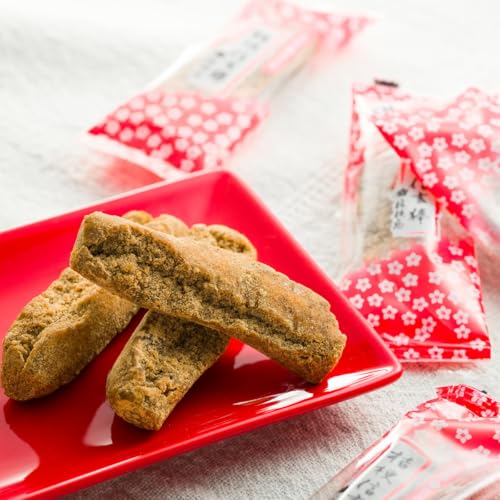
Kasugai Seika, a confectioner founded in Nagoya in 1928, has made Kuro Ame since 1980. The current 110g…
Kasugai Seika, a confectioner founded in Nagoya in 1928, has made Kuro Ame since 1980. The current 110g…
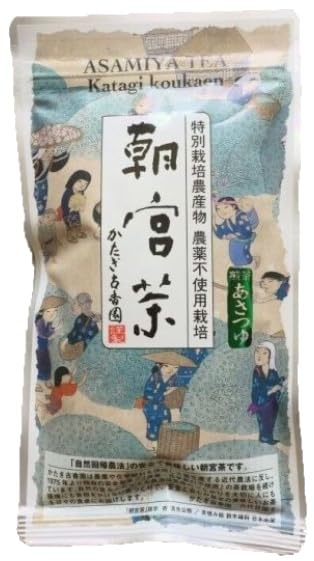
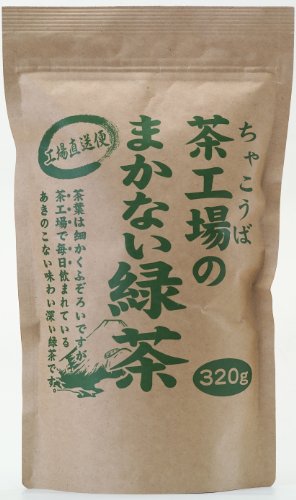
Asamiya is a small tea district in the hills of Shigaraki, in the southern corner of Shiga Prefecture,…
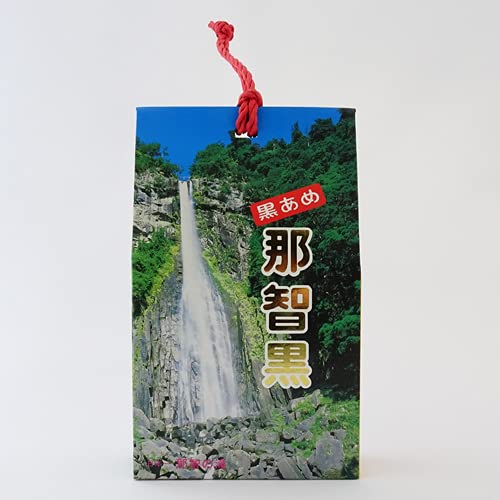
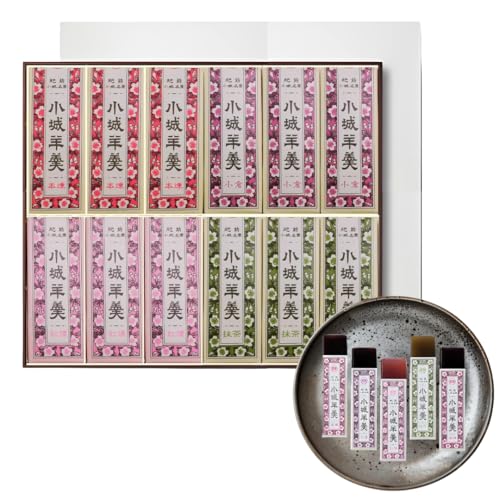
On the Kii Peninsula, where the Kumano Kodo pilgrimage routes converge on Nachi Falls, a small hard candy…
Yamanashi's most recognizable sweet is Kikyo Shingen Mochi — soft rice cakes buried in roasted soybean flour with…
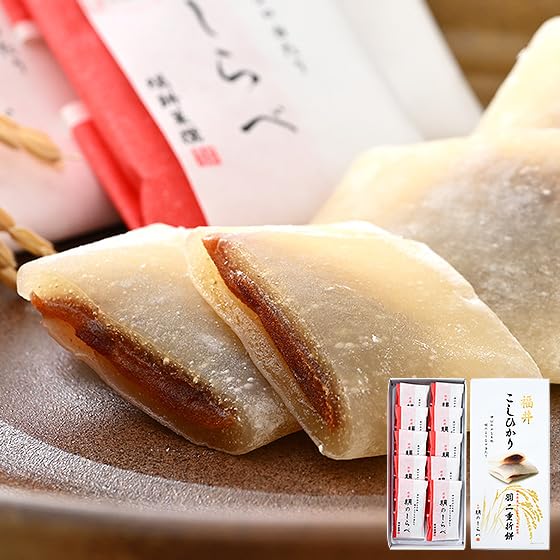
Fukui spent the Meiji era as Japan's silk-weaving capital. Its signature cloth, habutae, was a plain-weave silk so…
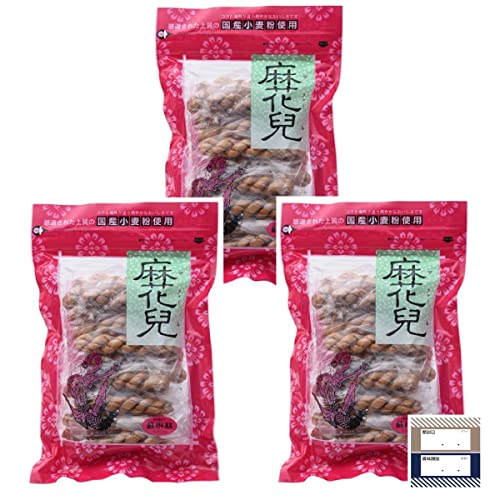
Yoriyori — known formally as mahua (唐人巻) — is Nagasaki's most stubbornly traditional snack: a rope of wheat…
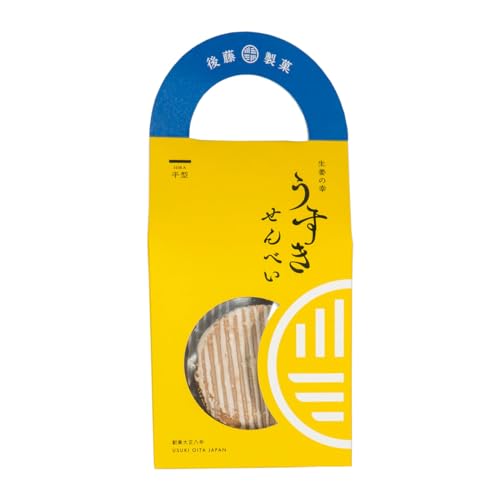
Most Japanese senbei that reach international readers are rice crackers — savory, soy-brushed, snapped from steamed rice dough.…
Esashi faces the Japan Sea on the southwestern tail of Hokkaido, and it is one of the few…
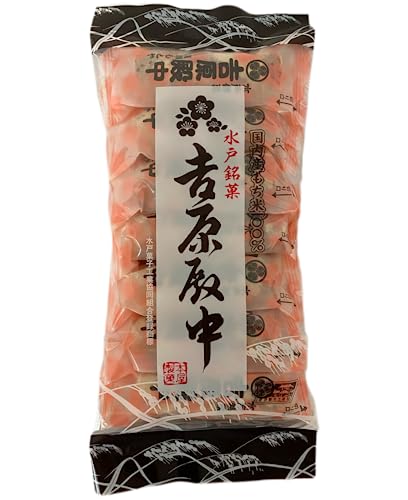
Yoshiwara Denchu is one of the few Japanese confections whose name still points at the room it was…
Takaoka, on the coastal plain of Toyama Prefecture, has been a casting town since 1611, when the Kaga…
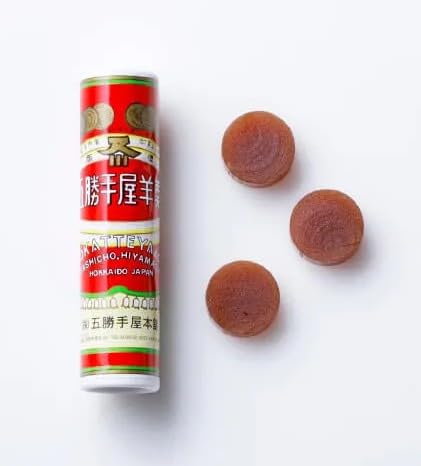
Most yokan arrives as a firm rectangular bar. Tamashimaya, a confectioner in the old castle town of Nihonmatsu…
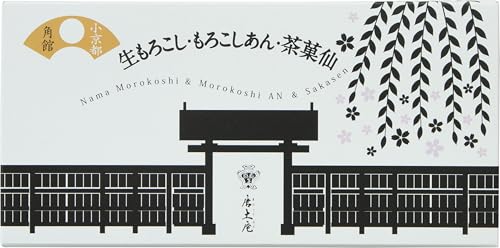
Morokoshi is one of northern Japan's oldest dry confections, and Karakudo (唐土庵) in the old samurai town of…
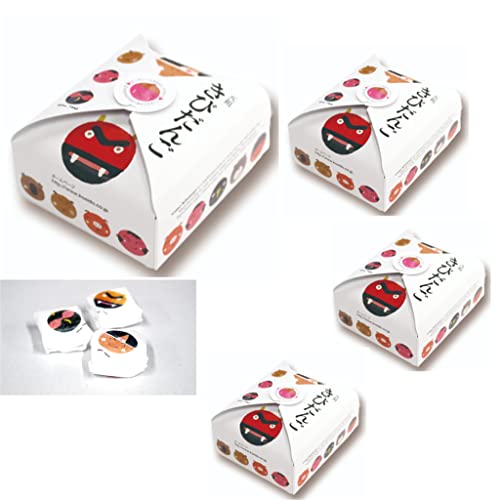
Kibi dango are soft, chewy millet-and-glutinous-rice dumplings pressed into small flat rounds and lightly dusted so they never…
Noshiume is a paper-thin sheet of ume plum pressed with sugar and agar, cut into strips and sandwiched…
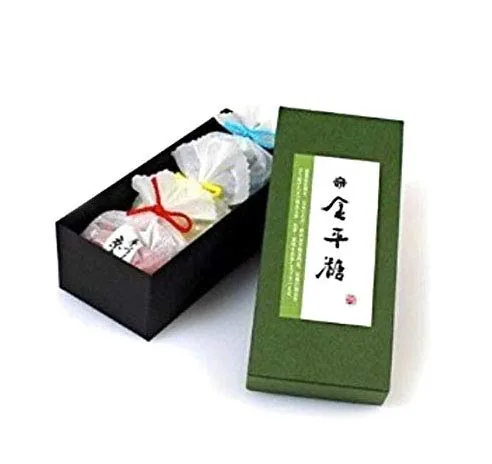
In the former castle town of Kanazawa, the confectioner Morihachi has been making sweets since 1625, when the…
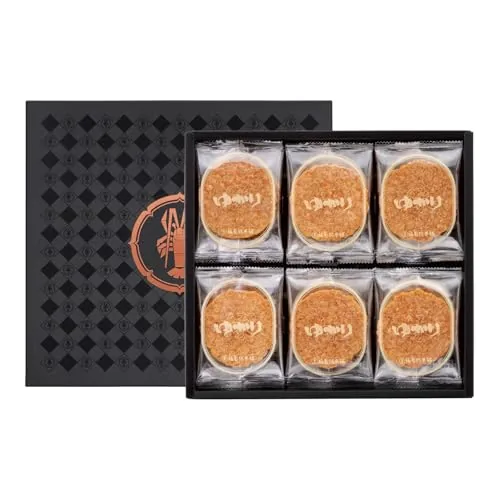
Yukari is the signature prawn cracker of Bankaku Sohonpo, a Nagoya confectioner founded in 1889 whose name is…
Deep in the warm, sun-soaked south of Kyushu, Kagoshima has quietly become one of Japan's largest tea-growing regions,…
Okaki are the thicker, mochi-rice cousins of everyday senbei, and few makers are as widely recognized in Japan…
Ogi, a small former castle town in Saga on the island of Kyushu, is known across Japan as…
Shizuoka has been the beating heart of Japanese green tea for centuries, and no style is more closely…
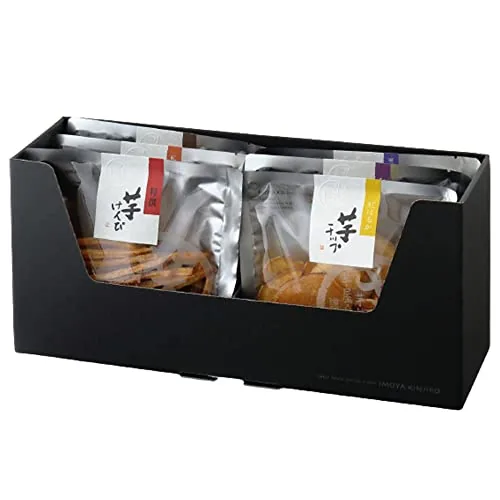
Imo kenpi is one of Kochi Prefecture's most recognizable everyday sweets: batons of local sweet potato deep-fried and…
Nanbu senbei are thin, round wheat-flour wafers pressed between hot iron molds, a food born in the cold…
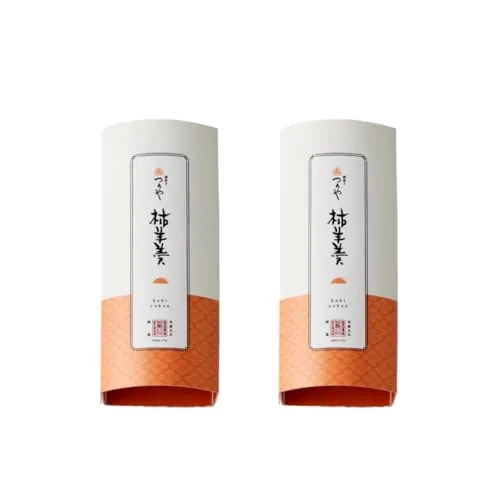
In the castle town of Ogaki in southwestern Gifu, the confectioner Tsuchiya has been making sweets since 1755,…
Konpeito, the tiny star-shaped sugar candy, arrived in Japan with 16th-century Portuguese traders, and few makers have kept…
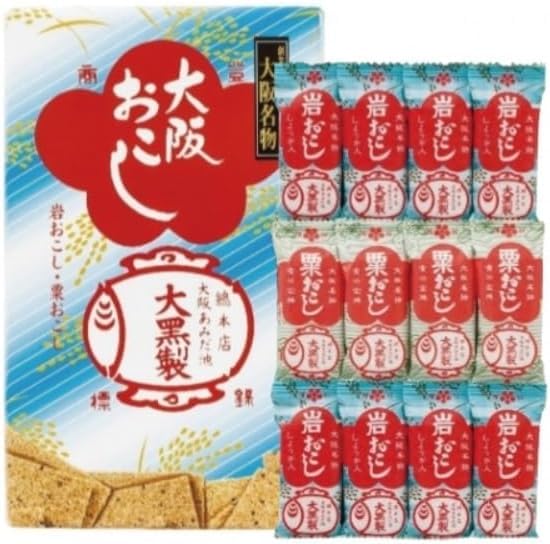
Okoshi is one of Japan's oldest confections — hardened puffed rice bound with sugar and starch syrup —…
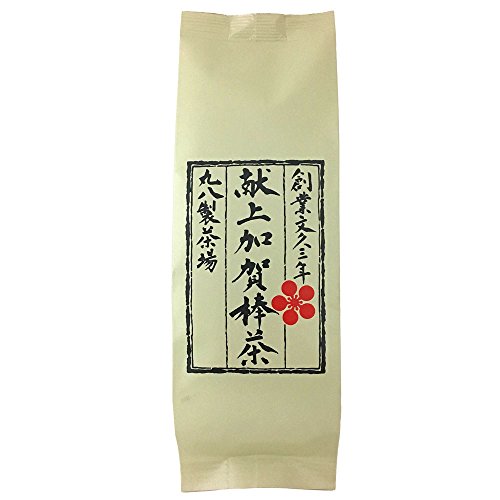
Kaga Bocha is the signature roasted tea of Ishikawa Prefecture on the Sea of Japan coast, and Maruhachi…
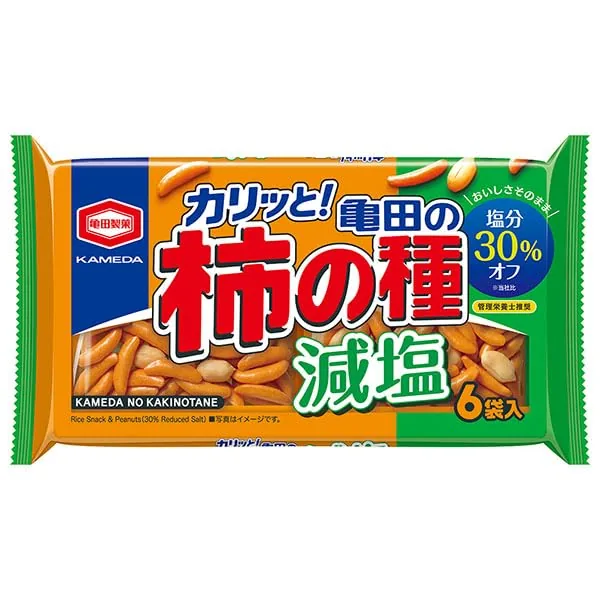
Kaki no Tane are small, curved soy-glazed arare—named for their resemblance to persimmon seeds—mixed with roasted peanuts, and…
Tucked into the misty river valleys of Yame in southern Fukuoka, the village of Hoshino has built a…
Soka Senbei are firm, hand-pressed rice crackers from Soka, a former post town on the old Nikko Kaido…