![Toyohashi Maekake Apron: Japan’s Indigo Sake-Shop Waist Apron [2026]](https://jpmono.com/wp-content/uploads/2026/09/toyohashi-maekake-indigo-cotton-apron-where-to-buy-2026-featured.jpg)
- What it is: a maekake — a thick cotton waist apron with a rope tie, the historic working uniform of Japanese sake, rice, and miso merchants.
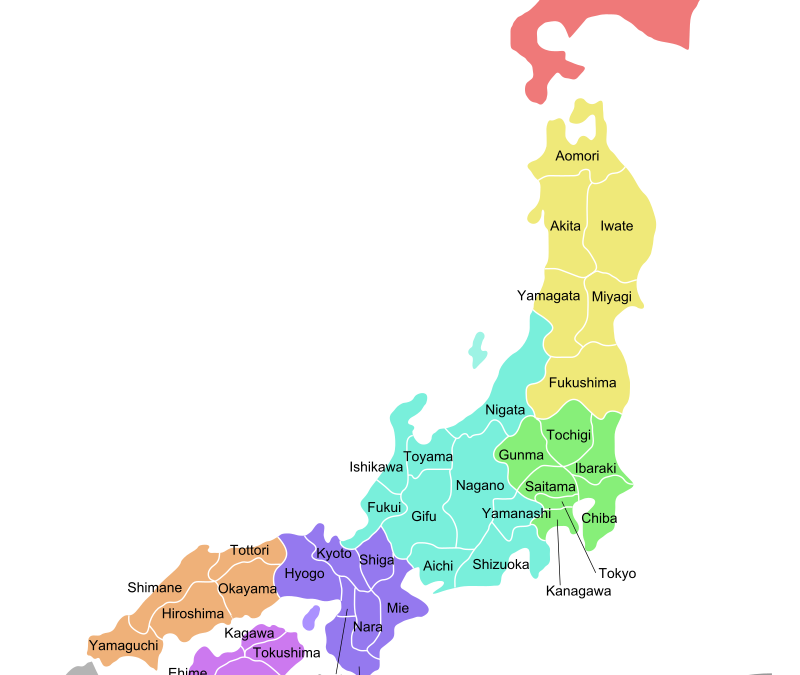
- Made in: Toyohashi, Aichi Prefecture — the Mikawa cotton district, where a handful of workshops still run narrow shuttle looms.
- Price band: the low end of Japanese craft textiles; a work garment rather than a collector’s piece (see the live listing for the current figure).
- Best for: anyone who lifts, carries, or kneels at work — shop staff, gardeners, woodworkers, market sellers.
- Skip if: you want chest and shirt coverage while cooking — a waist apron does not protect the torso.
- Shipping: ships internationally from Amazon Japan, including to Canada, the UK, and Australia — jump to our pick ↓
In 799, according to a record kept for twelve centuries, a foreigner drifted ashore on the coast of Mikawa carrying cotton seed. The place is near present-day Nishio, in eastern Aichi Prefecture, and the story is enshrined at Tenjiku Shrine. Whether or not the date is exact, cotton did take hold on the sandy river plains of the Yahagi and Toyokawa before it spread through the rest of Japan — and it is still being woven roughly forty kilometers east, in Toyohashi.
What Toyohashi weaves is not fashion cloth. It is Mikawa momen (三河木綿, “Mikawa cotton”), and in its heaviest form it became the hobi-maekake — a dense waist apron with a rope tie that merchants wore to carry sake casks, rice sacks, and miso barrels. Shops printed their own names across the front, which made the apron one of Japan’s earliest pieces of mass advertising: a signboard that walked. Western bib aprons almost erased the trade after the war, and today only a small number of Toyohashi workshops still run the narrow shuttle looms that produce the apron’s woven selvedge edge and its dense, slow-fading indigo.
This guide is written for readers outside Japan who want the real thing rather than a costume version, and who need to understand what they are actually buying. We cover the Mikawa cotton history behind the cloth, how a waist apron differs functionally from the bib apron most readers already own, how the sizing and rope tie work, what the current Amazon Japan listing does and does not confirm, and the practical paths for getting one shipped to the United States, Canada, the UK, or Australia.
🔄 Last updated: September 15, 2026
⏱️ Read time: about 13 minutes
🗾 Aichi Prefecture, Chūbu

ℹ️ Live pricing and several dimensional specs were not in our snapshot — the linked listing is authoritative, and unconfirmed attributes are marked as such in the tables below.
- Who this is for — and who should skip it
- Product overview (from published specs)
- 📍 Where this comes from — place, era, and the craft tradition
- 📦 Shipping & where to buy from outside Japan
- Price snapshot across stores
- What it does well
- Weaknesses and things to verify before buying
- Conclusion — which buyer type are you?
- Other ways to approach this purchase
- 🏆 Editor’s Pick
- ❓ Frequently Asked Questions
Who this is for — and who should skip it
- Work standing up and lift things — the apron’s purpose is protecting the thighs and lap during carrying, not the chest during cooking.
- Want heavy cotton from the district where Japanese cotton cultivation is traditionally said to have started.
- Prefer a garment that gains character as the indigo softens rather than one that looks new forever.
- Dislike neck loops — a rope tie at the waist puts no weight on the shoulders.
- Are buying for a shop, market stall, bar, or workshop where staff dress reads as deliberate.
- Need splash protection for your shirt and chest — that is a bib apron’s job, and the two are not substitutes.
- Expect a precise fit. Per the listing, this is size-banded workwear, not tailored clothing.
- Want a guaranteed solid indigo ground; the listed item is described as a wagara (Japanese-pattern) cloth, so the colorway must be confirmed on the listing.
- Want your own shop name printed on it — custom printing is a maker-direct order, not an Amazon purchase.
- Need something that can go in a hot wash with white laundry. Indigo cotton does not.
Product overview (from published specs)
The table below separates what the listing actually states from what it does not. Per the Amazon Japan listing as of September 15, 2026, the item is titled [Nagominosato] 日本製 三河木綿 和柄 カフェエプロン ショート 前掛け 業務用 接客用 (LL-3Lサイズ) — a Japan-made Mikawa cotton short café-style waist apron in a Japanese pattern, sold for commercial and customer-facing use.
Toyohashi Maekake Apron
[Nagominosato] 日本製 三河木綿 和柄 カフェエプロン ショート 前掛け 業務用 接客用 (LL-3Lサイズ)
在庫あり。 · Sold by まいにちなごみ · ASIN B0CQFYZ3MZ
Price and availability as of 2026-09-15 03:13 JST. The Amazon listing at the time of purchase is authoritative. jpmono.com earns a commission on qualifying purchases at no extra cost to you.
| Attribute | Value | Source |
|---|---|---|
| Item type | Short waist apron (maekake), café / service cut | Amazon JP Global Store |
| Cloth | Mikawa momen (三河木綿) cotton | Amazon JP Global Store |
| Pattern | Wagara (Japanese pattern) — confirm the exact colorway on the listing before ordering | Amazon JP Global Store |
| Size | LL–3L band (Japanese sizing) | Amazon JP Global Store |
| Country of manufacture | Japan (日本製) | Amazon JP Global Store |
| Intended use | Commercial / customer-facing (業務用・接客用) | Amazon JP Global Store |
| Closure | Waist tie. Traditional hobi-maekake use a rope cord; confirm the tie type on this specific listing | Craft tradition + listing |
| Loom / edge | Narrow shuttle-loom cloth with a woven selvedge edge is the Toyohashi tradition — not separately confirmed for this SKU | Craft tradition |
| Weight / dimensions | Unconfirmed — check the listing specification sheet | — |
| Price | Not captured in our snapshot — the live listing is authoritative. JPY is the authoritative currency; any USD figure is an estimate at roughly ¥150/USD | — |
| Amazon US listing | Not individually listed on amazon.com at time of writing; Amazon US carries comparable Japanese cotton aprons and workwear | Amazon US (search) |
📖 Glossary — the terms used in this guide
- maekake (前掛け)
- A waist apron. The cloth hangs from the waist over the thighs; there is no chest panel and no neck loop.
- hobi-maekake (帆前掛け)
- The heavy merchant version: thick indigo cotton with a rope tie. The first character, 帆, means “sail” — consistent with the sailcloth-weight cotton duck that Toyohashi mills supplied.
- Mikawa momen (三河木綿)
- Cotton cloth from Mikawa, the eastern half of present-day Aichi Prefecture. Its striped form was a recognized commercial cloth by the Edo period.
- aizome (藍染)
- Indigo dyeing. On dense cotton it gives a deep ground that fades slowly and unevenly, which is why worn indigo workwear reads as worn rather than as damaged.
- selvedge
- The self-finished edge produced when cloth is woven on a narrow shuttle loom. It does not fray and needs no hemming — the same property prized in Japanese selvedge denim.
- Tōkaidō (東海道)
- The Edo-period highway linking Edo (Tokyo) and Kyoto along the Pacific coast. It passed directly through what is now Toyohashi.
- honjin (本陣)
- The official inn at a post station, reserved for daimyō and government travelers. Futagawa-juku’s honjin survives in Toyohashi.
- tezutsu hanabi (手筒花火)
- Hand-held bamboo fireworks carried at Toyohashi’s Gion festival — the local festival context in which heavy indigo cotton is still worn.
📍 Where this comes from — place, era, and the craft tradition


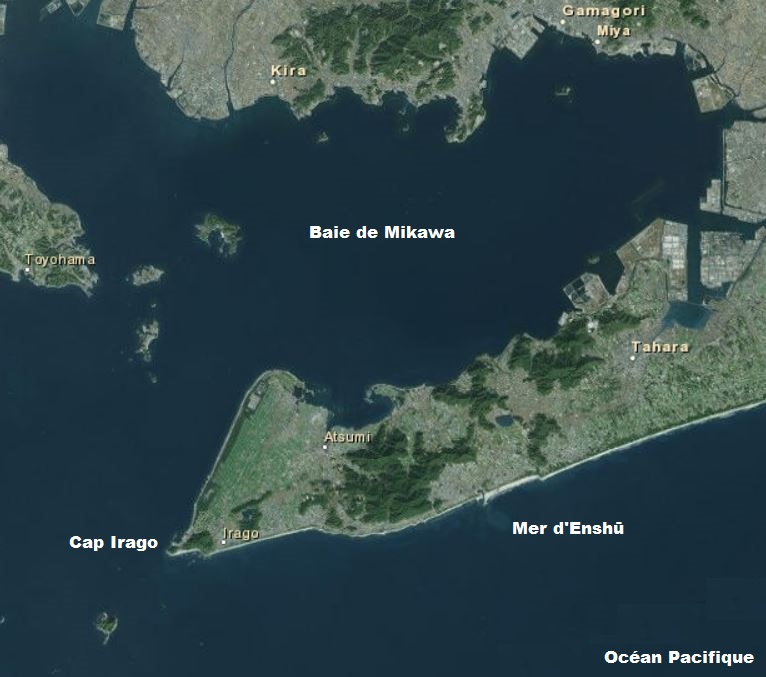
Toyohashi sits at the eastern edge of Aichi Prefecture, on the Pacific side of central Japan, where the Toyokawa river empties into a shallow bay. Historically this was Mikawa province, distinct from Owari province around Nagoya to the west, and the difference matters: Mikawa’s agriculture was built on sandy, well-drained river and coastal plains rather than heavy rice ground.
That soil is the reason the cloth exists at all. Cotton is intolerant of waterlogged ground, and the plains of the Yahagi and Toyokawa rivers — along with the coastal flats running down the Atsumi Peninsula — gave the crop exactly the drainage and warmth it needed. Cotton took root in Mikawa long before it spread across the rest of the country.
The historical anchor
The origin story is precise enough to have a shrine attached to it. In 799, a drifting foreigner is recorded as having come ashore near what is now Nishio, carrying cotton seed; Tenjiku Shrine enshrines the event, and Mikawa has claimed the beginning of Japanese cotton cultivation ever since. This is a traditionally held account rather than an archaeologically settled one, and it is worth reading it as such — but the industry that grew around it is fully documented.
By the Edo period, Mikawa momen striped cotton was a recognized commercial cloth rather than a local homespun. It moved on the Tōkaidō, the highway between Edo and Kyoto, passing through the castle town at Yoshida — today’s central Toyohashi — and through the post station at Futagawa-juku, whose honjin still stands inside the modern city. Post-road traffic carried the cloth out of the region and brought new orders back in.

The apron itself is a later, industrial product. Meiji and Taishō industrialization turned Toyohashi into a weaving and dyeing town supplying heavy cotton duck — sailcloth-weight material — and out of that came the hobi-maekake: a thick indigo waist apron with a rope tie, worn by the men who moved sake, rice, and miso for a living.
Then the shops started printing their names on them.
-
799 — A drifting foreigner is recorded as bringing cotton seed ashore near present-day Nishio; the event is enshrined at Tenjiku Shrine and is traditionally held to be the start of Japanese cotton cultivation. -
Edo period (1603–1868) — Mikawa momen striped cotton becomes a recognized commercial cloth, moving along the Tōkaidō through Yoshida Castle town and Futagawa-juku. -
Meiji era (1868–1912) — Industrialization establishes Toyohashi as a weaving and dyeing town producing heavy cotton duck. -
Taishō era (1912–1926) — The hobi-maekake — thick indigo, rope tie — becomes the standard working uniform of sake, rice, and miso merchants, printed with the shop name as one of Japan’s earliest mass advertising media. -
Post-1945 — Western-style bib aprons displace the maekake in most workplaces and the trade nearly ends. -
2026 — Only a handful of Toyohashi workshops still run the narrow shuttle looms that give maekake its selvedge edge and dense, slow-fading indigo.
“Before neon, before newspapers reached every household, a Japanese shop advertised itself on the thighs of the man carrying its rice — the maekake was a signboard that walked the Tōkaidō.”
What “still being made here” actually means
The honest version of the continuity case is a small one. Post-war Western aprons nearly finished the trade, and what survives in Toyohashi today is a handful of workshops — not an industry. What those workshops still have is the equipment: narrow shuttle looms, which weave a cloth roughly a shoulder-width wide with a finished selvedge on both edges instead of a cut-and-hemmed edge. That is slow, low-yield weaving, and it is the reason the cloth behaves differently from broadloom cotton of the same weight.
The dyeing follows the same logic. A dense indigo ground on heavy cotton releases color gradually, so the apron does not so much wear out as wear in — the fade tracks where the wearer’s hands and load actually go.

This is the context that matters for a buyer abroad: a maekake is not a decorative object that happens to be wearable. It is workwear from a working town, and it was designed around a specific physical task.
If your problem is a wet shirt front, a maekake will not solve it. If your problem is carrying cases and kneeling on concrete, a bib apron will not solve that.
Natural-indigo dyeing from Tokushima, for comparing indigo depth on lighter cotton.
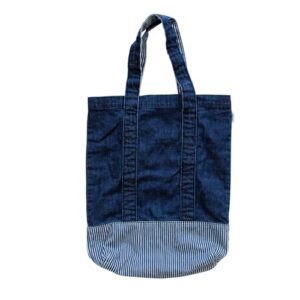 Kojima Selvedge Denim Tote
The same narrow shuttle-loom logic applied to indigo denim in Okayama.
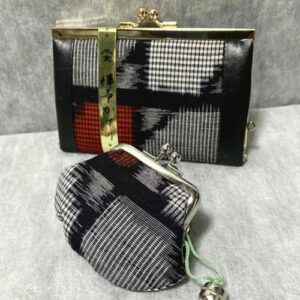 Iyo-Gasuri Indigo Coin Purse
Ehime’s kasuri ikat weaving — a patterned indigo cotton at pocket scale.
Yumihama-gasuri Table Runner
Tottori indigo kasuri, if you want the cloth on the table rather than on the body.
Tateyama Tozan Cotton Book Cover
Another Japanese striped cotton tradition, from our Toyama editorial base.
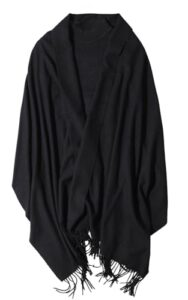 Kishu Nel Cotton Muffler
Wakayama brushed cotton — the soft end of the Japanese cotton spectrum.
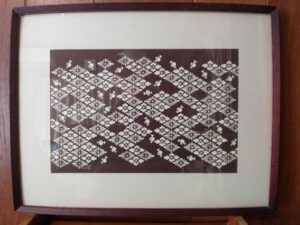 Ise Katagami Stencil Panel
The Mie stencil craft behind printed Japanese textile patterns.
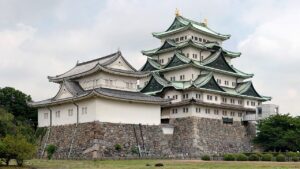 Owari Nagoya Maki-e Lacquer Box
Owari province, Aichi’s other half — the same prefecture, a completely different trade.
📦 Shipping & where to buy from outside Japan
The specific apron in this guide is sourced from an Amazon Japan listing, and Amazon Japan’s Global Store path ships household textiles to 65-plus countries — including Canada, the UK, and Australia, alongside the United States and most of the EU. Textiles are among the least restricted categories for international dispatch, which is one practical advantage of buying cloth rather than, say, a lacquered or bladed object.
One caveat worth stating plainly: because the apron is inexpensive relative to international shipping, the freight can approach or exceed the item price on a single-unit order. Buyers ordering from outside Japan generally do better bundling two or three items into one shipment.
Price snapshot across stores
| Store | Item / variant | Price | Notes |
|---|---|---|---|
| 🇺🇸 Amazon US (search) | Browse Japanese cotton aprons and workwear | varies (USD) | Best if you are shopping from the US — Prime shipping, USD pricing, no international customs. Amazon US carries Japanese cotton aprons, happi coats, and indigo workwear from several makers, useful for comparing cloth weight and cut. The Toyohashi Mikawa-cotton piece in this guide ships from Japan (next row). |
| 🇯🇵 Amazon JP Global Store | Nagominosato Mikawa momen short maekake, LL–3L | See live listing (JPY is authoritative; USD is an estimate at roughly ¥150/USD) | Ships internationally from Japan to 65+ countries — including Canada, the UK, and Australia — with import fees estimated at checkout. This is the sourced listing for the exact item covered here. |
| Maker direct | Custom shop-name printing, custom lengths | Unconfirmed — inquire directly | The traditional route for printed aprons. Toyohashi workshops generally quote per order and may require a minimum quantity; most correspond in Japanese only. |
| Proxy services (Buyee / Tenso) | Japan-only listings and workshop stock | Item price plus service fee and forwarding | Worth using only if you want a specific pattern that is not on the Global Store. Adds a domestic leg, a commission, and a repack step. |
Prices and stock fluctuate. Figures above reflect the data available at the time of writing on September 15, 2026; USD amounts are approximate and depend on the current exchange rate. Always confirm on the retailer’s page before ordering.
What it does well
- 🧺 Washing: wash separately in cold water for the first several cycles. Indigo-dyed cotton releases color, and this cloth is dyed to fade slowly rather than not at all.
- 🫐 Color transfer: expect some rub-off onto light trousers early on. This is normal behavior for dense indigo, not a defect.
- 🌬️ Drying: line-dry in shade. Heavy cotton shrinks with hot machine drying, and direct sun accelerates indigo fade unevenly.
- 👖 Everyday use: the fade pattern follows your actual work — hands, lap, and load-contact points go first. Rotating two aprons spreads that wear out over years.
- 🔧 Repairs: unconfirmed for this seller. Toyohashi workshops that produce printed aprons often re-stitch ties on their own goods; Amazon purchases fall under standard Amazon returns instead.
Weaknesses and things to verify before buying
- It does not protect your chest. This is the single most common mismatch. A maekake ties at the waist and covers the thighs during lifting; a Western bib apron covers the torso during cooking. Buyers looking for a cooking apron will be disappointed, and that is a design fact, not a quality problem.
- Japanese size bands are not international size bands. The listed item is an LL–3L piece, which does not map cleanly onto US, UK, or EU sizing. Verify the stated waist range and apron length on the listing rather than assuming an equivalent.
- The pattern is not confirmed as solid indigo. The listing title specifies a wagara (Japanese-pattern) cloth and a short café cut. If you specifically want the plain deep-indigo merchant look, confirm the colorway images on the listing before ordering — the seller’s variants may differ from the historical description in this article.
- Weight, dimensions, and loom construction are unconfirmed for this SKU. Narrow shuttle-loom weaving with a selvedge edge is the Toyohashi tradition; our snapshot does not verify it for this specific product. Treat the tradition as context, and the listing specification sheet as the authority.
- Pricing was not captured. Only the Amazon JP listing snapshot was available for this article, and no live price was included; live pricing may have shifted since the writing date. The linked listing is the authoritative source.
- Indigo bleeds at first. If you wear light-colored trousers daily and cannot tolerate any transfer, this is a genuine reason to pass.
- Shipping economics are poor on a single unit. International freight can rival the item cost. Ordering alone is inefficient; bundling is better.
- Custom shop-name printing is not available through Amazon. The printed-name tradition — the thing that made maekake historically interesting — requires a maker-direct order, usually in Japanese and often with a minimum quantity.
Conclusion — which buyer type are you?
Other ways to approach this purchase
🏆 Editor’s Pick
❓ Frequently Asked Questions
Does Amazon Japan ship a maekake apron internationally?
Yes. Cotton textiles are among the least restricted categories on the Amazon Japan Global Store, which dispatches to 65-plus countries including Canada, the UK, Australia, the United States, and most of the EU. Import fees are estimated and usually collected at checkout, so customs rarely bills you separately. Confirm your destination on the listing page, since eligibility is set per seller and per item.
What is the difference between a maekake and a Western bib apron?
A maekake ties at the waist with a cord and protects the thighs and lap while you lift and carry. A Western bib apron loops over the neck and protects the chest and shirt while you cook. They solve different problems, so they are not substitutes — if you need a dry shirt front, a waist apron will not deliver it.
What size should I order?
The listed item is in the Japanese LL–3L band, which does not translate directly to US, UK, or EU sizing. Because the garment ties with a cord rather than fastening at a fixed point, the waist range is forgiving; apron length is the measurement that actually varies. Read the stated dimensions on the listing rather than converting from your usual clothing size.
Will the indigo bleed onto my clothes?
Some transfer in the early weeks is normal for dense indigo-dyed cotton. Wash the apron separately in cold water for the first several cycles and line-dry it in shade. The cloth is dyed to fade slowly rather than not at all, which is precisely why worn maekake look the way they do — but if you wear pale trousers every day, treat this as a reason to reconsider.
Is this the same kind of cloth as Japanese selvedge denim?
The production logic is the same: narrow shuttle looms producing cloth with a woven selvedge edge, dyed with indigo. The cloth itself is different — maekake uses heavy cotton duck rather than twill denim. Readers interested in the comparison can look at our Kojima selvedge denim guide, linked in the cross-link box above.
Can I have my own shop name printed on a maekake?
Historically that was the whole point — shops printed their names across the front, making the apron one of Japan’s earliest mass advertising media. Custom printing is still done, but it is a maker-direct order rather than an Amazon purchase, generally handled in Japanese and sometimes subject to a minimum quantity.
How much does a Toyohashi maekake cost?
Only the Amazon Japan listing snapshot was available when this article was written, and it did not include a live price, so we will not quote a figure. As a category, maekake sit at the inexpensive end of Japanese craft textiles because they are workwear. Check the linked listing for the current price; the JPY figure is the authoritative one, and any USD conversion is an estimate at roughly ¥150/USD.
jpmono.com is a Japan-based curation site, with editorial centers in Toyama (Hokuriku region) and Nara (Kansai), introducing Japanese household objects to international readers. We focus on items with verifiable craft heritage and clear international shipping paths. We do not physically test every product — we read maker specifications and source listings, and we say so when the data is thin.
jpmono.com is curated by a Japan-based editorial team (working out of Toyama in the Hokuriku region and Nara in Kansai) and is independent. We do not take payment from the makers we feature; income comes from affiliate links. Read more about our editorial standards.
🤖 This article was produced with AI assistance and reviewed by a human editor before publication. Product facts are drawn from the source listing snapshot and the editorial research notes cited above; attributes we could not verify are marked as unconfirmed rather than filled in.
Affiliate disclosure: jpmono.com may earn a commission on qualifying purchases made through links on this page, at no additional cost to you.