![Kiryu-ori Silk Scarf – Gunma Traditional Weaving Heritage [2026]](https://jpmono.com/wp-content/uploads/2026/10/kiryu-ori-silk-scarf-where-to-buy-2026-featured.jpg)
Kiryu-ori Silk Scarf – Gunma Traditional Weaving Heritage [2026]
- What it is: A silk long stole-type scarf woven in the Kiryu-ori tradition of Kiryu City, Gunma, made by Izumi Orimono.
- Made in: Kiryu City, Gunma Prefecture — a historic silk-weaving district in northern Kanto known for jacquard Kiryu-ori.
- Price band: Mid-range for a district-woven silk scarf — ¥8,490 (≈ $57 USD as of October 2026) as of 2026-10-12; verify on the listing.
- Best for: Readers who want a lightweight, elegant everyday silk scarf with a verifiable weaving-district origin.
- Skip if: A large winter-weight wrap or a fully specified size and color chart is required before purchase.
- Shipping: Ships internationally from Amazon Japan to 65+ countries including Canada, the UK and Australia — jump to our pick ↓
In Kiryu, a river city in eastern Gunma, silk threads have been crossing on looms for so long that the commonly told story traces the weaving tradition back to ancient times. Through the Edo period the district developed into a recognized silk textile center, and after the Meiji era it mechanized, becoming known for jacquard-patterned Kiryu-ori. The scarf covered here belongs to that lineage: a silk long stole-type piece from a Kiryu weaving house.
Per the Amazon JP listing snapshot as of October 12, 2026, the specific item is listed as Kiryu-ori silk, long stole type, from Izumi Orimono, priced at ¥8,490 (≈ $57 USD as of October 2026), sold New with dispatch normally within 6 to 7 days. Based on listings, the appeal is the combination of a lightweight silk texture and a district-woven identity — something a plain imported scarf does not offer. Prices in USD are approximate and depend on the current exchange rate.
This guide is written from a Japan-based editorial perspective, working out of Toyama and Nara, for international readers who cannot simply visit a Japanese shop. It compares purchase paths (Amazon US search, Amazon JP Global Store, maker-direct and proxy routes), explains the Kiryu district background, and sets out who the scarf suits and who should pass. Only the Amazon JP listing snapshot was available as the confirmed source for the specific item; live pricing may have shifted since the writing date.
Published: | Last updated: | Reading time: about 9 minutes

- Who this is for — and who should skip it
- Product overview (from published specs)
- 📍 Where this comes from — place, era, and the craft tradition
- 📌 How does it compare?
- 📦 Shipping & where to buy from outside Japan
- Price snapshot across stores
- What it does well
- Weaknesses and things to verify before buying
- Conclusion — which buyer type are you?
- Other ways to approach this purchase
- 🏆 Editor’s Pick
- ❓ Frequently Asked Questions
Who this is for — and who should skip it
- Want a lightweight silk scarf for daily wear, office use, or travel.
- Value a verifiable weaving-district origin (Kiryu City, Gunma) over an unbranded import.
- Are choosing a gift with a clear Japanese craft identity and a moderate price.
- Prefer a long stole-type format that can be draped, wrapped, or folded.
- Buy through Amazon Japan with international shipping to their country.
- Need a heavy winter-weight wrap or guaranteed thermal insulation figures.
- Require an exact size chart, full color lineup, and care-label details before ordering.
- Want a necktie rather than a scarf — a separate Kiryu-ori necktie guide covers that product type.
- Prefer Meisen-style bold patterning — the Isesaki Meisen haori guide covers that separate tradition.
- Need arrival by a fixed date — the listing notes dispatch normally within 6 to 7 days, so timing should be verified.
Product overview (from published specs)
Spec sheets indicate a simply described item: silk material, long stole type, from the Kiryu-ori weaving district, associated with the weaving house Izumi Orimono. The listing snapshot confirms the condition as New and the seller as a long-established-style marketplace shop. The data suggests a straightforward district-woven silk scarf rather than a complex multi-piece set.
Kiryu-ori Silk Scarf – Gunma Traditional Weaving Heritage
桐生織 絹 ストールロングタイプ 泉織物
通常6~7日以内に発送します。 · Sold by 長手ショップ · ASIN B0HLW9H2C7
Price and availability as of 2026-10-12 10:18 JST. The Amazon listing at the time of purchase is authoritative. jpmono.com earns a commission on qualifying purchases at no extra cost to you.
| Attribute | What the published source shows |
|---|---|
| Craft / origin | Kiryu-ori (Kiryu City, Gunma) — per the listing title and district data |
| Product type | Silk stole, long type (scarf / wrap format) |
| Material | Silk (per the listing title) |
| Weaving house | Izumi Orimono (per the listing title) |
| Condition | New |
| Finished dimensions / colors | Unconfirmed in the snapshot — check the listing before purchase |
| Price (as of 2026-10-12) | ¥8,490 (≈ $57 USD as of October 2026); verify on the listing |
📖 Glossary — Japanese textile terms in this guide
- Kiryu-ori (桐生織)
- The silk weaving tradition of Kiryu City, Gunma, known for jacquard-patterned fabrics.
- Jacquard
- A weaving method using a patterned weave control system to produce complex designs directly in the cloth.
- Meisen
- A separate plain-weave silk tradition with bold ikat-style patterns; Isesaki Meisen in southern Gunma is a different craft from Kiryu-ori.
- Stole (ストール)
- A long, wide scarf format worn draped over the shoulders or wrapped around the neck.
- Orimono (織物)
- Literally “woven textile”; in a maker name it indicates a weaving house, here Izumi Orimono.
📍 Where this comes from — place, era, and the craft tradition

Kiryu City stands in eastern Gunma Prefecture, in the northern Kanto plain inland from the Pacific coast. The Watarase River runs through the district, and historically the combination of water, transport routes, and a concentration of weaving households gave the silk trade a place to root. The climate is inland and seasonal — hot summers, cold winters — which suits a lightweight silk scarf worn across much of the year rather than a single-season heavy wrap.

The historical anchor is long but simply told. The commonly told story traces Kiryu weaving back to ancient times, and the district developed as a silk textile center through the Edo period. After the Meiji era it mechanized, and jacquard weaving became its recognized signature. No founder names or founding years are asserted here beyond that outline, since the confirmed source gives a district-level account rather than a single workshop history.
-
Ancient times — the commonly told story traces Kiryu weaving origins to the ancient period -
1603–1868 (Edo period) — Kiryu develops as a silk textile center -
From 1868 (Meiji era onward) — mechanization reshapes the district’s looms -
Modern era — jacquard Kiryu-ori becomes the district’s recognized signature -
October 12, 2026 — this guide’s listing snapshot records the Izumi Orimono silk stole at ¥8,490
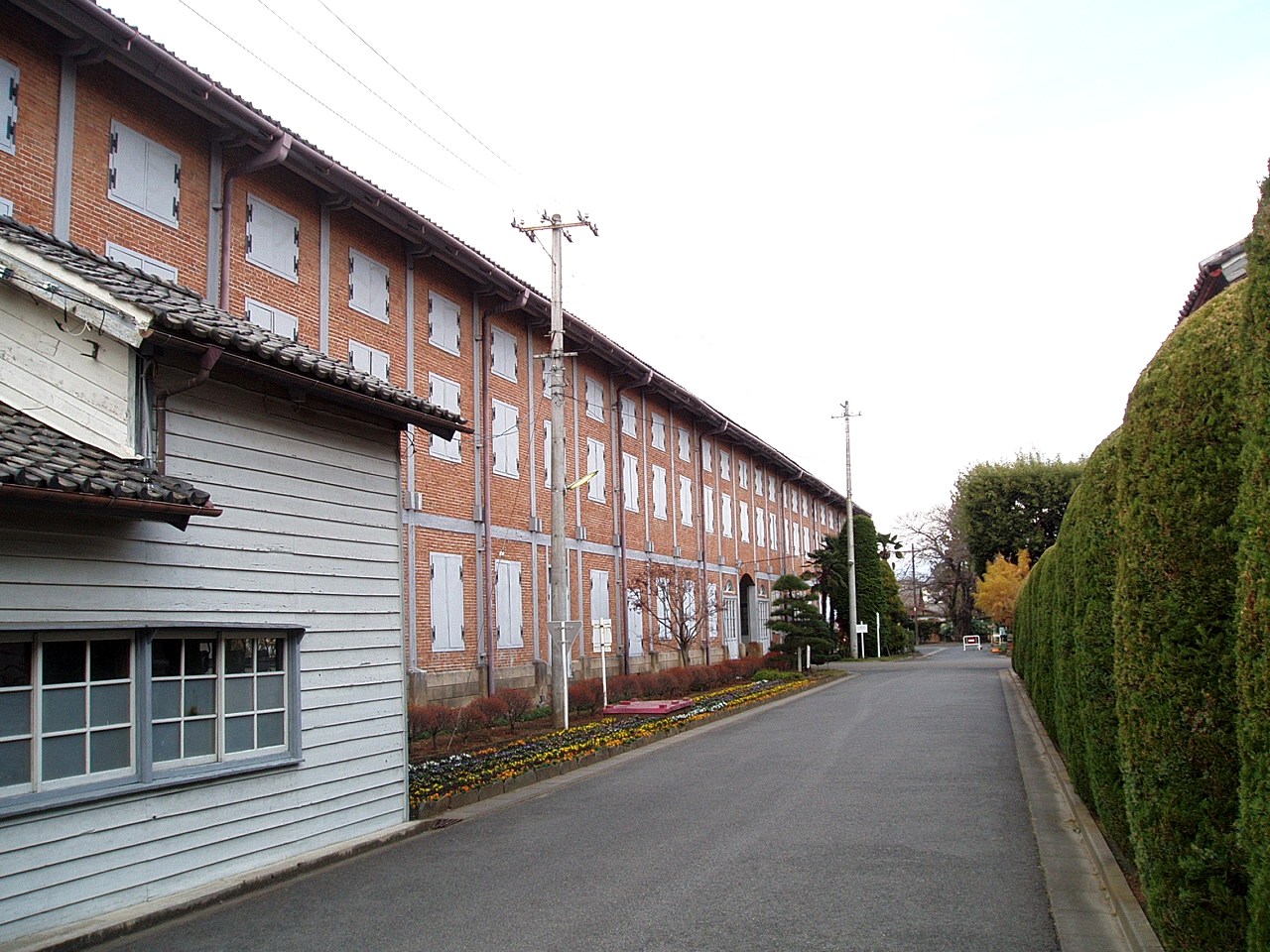
What “still being made here” means in practice is continuity at district scale rather than a single famous workshop. Kiryu remains one of Japan’s representative silk-weaving districts, and weaving houses such as Izumi Orimono continue to put district-woven silk goods on the market. The scarf format shows how the tradition meets daily life: the same jacquard district that once supplied formal fabrics now weaves a piece meant to be worn on an ordinary day.
“Kiryu is a district where the loom never fully stopped — the silk simply changed what it was woven for.”
Gunma’s wider craft culture surrounds the textile story. Shrines, temples, and festival crafts across the prefecture share the same inland merchant-town background, and seasonal gift-giving occasions give a silk scarf a natural place in daily ritual. A lightweight stole suits spring and autumn layering, air-conditioned summer interiors, and the shoulder seasons when a coat is too much.

📌 How does it compare?
📦 Shipping & where to buy from outside Japan
The specific stole is sourced from the Amazon JP Global Store, which ships internationally to 65+ countries including Canada, the UK and Australia. Amazon estimates shipping and import fees at checkout for most destinations, so the landed cost is visible before payment. Typical small-parcel shipping from Japan to the US and EU falls around $15–$40, with similar ranges for Canada, the UK and Australia.
Price snapshot across stores
Per the listing snapshot as of October 12, 2026, the confirmed price for the specific item is ¥8,490 (≈ $57 USD as of October 2026) on the Amazon JP Global Store. The table below compares purchase paths from a consumer perspective.
| Store | Item / variant | Price | Notes |
|---|---|---|---|
| 🇺🇸 Amazon US (search) | Browse Japanese silk scarves | varies (USD) | Best when shopping from the US — Prime shipping, USD pricing, no international customs. Amazon US carries Japanese scarves and stoles from various makers; the exact Izumi Orimono Kiryu stole is sourced from Japan (next row). |
| 🇯🇵 Amazon JP Global Store | Kiryu-ori silk stole, long type, Izumi Orimono (New) | ¥8,490 (≈ $57 USD as of October 2026) | The specific item in this guide, as of 2026-10-12; verify on the listing. Ships internationally from Japan to 65+ countries — including Canada, the UK and Australia — with import fees estimated at checkout. Dispatch normally within 6 to 7 days. |
| Maker direct | Izumi Orimono direct order | Unconfirmed — check manufacturer site | No maker-direct listing was in the snapshot; availability and international shipping are unconfirmed. |
| Proxy services (Buyee / Tenso) | Japan-only shops via forwarding | Item price + service and shipping fees | A fallback when a domestic shop does not ship abroad; fees add to the ¥8,490 baseline. |
What it does well
Weaknesses and things to verify before buying
- Exact dimensions are unconfirmed. “Long type” describes the format, not a measured length and width. Verify the size chart on the listing against how the stole will be worn.
- Color and pattern options are unconfirmed. The snapshot does not enumerate purchasable colorways. Do not assume a pictured shade is the shipped one; confirm the selected option at checkout.
- Dispatch takes time. The listing notes dispatch normally within 6 to 7 days, before international transit. Buyers with a fixed gifting date should order with margin.
- Silk needs gentle handling. As a general textile matter, silk stoles call for careful storage, protection from sharp jewelry, and cleaning per the care label. The snapshot does not state washing or repair terms.
- Only the JP snapshot is confirmed. No Amazon US listing for this exact piece was in the data, so the ¥8,490 (≈ $57 USD as of October 2026) JP price is authoritative and live pricing may have shifted since October 12, 2026.
- Weave detail beyond “Kiryu-ori silk” is unstated. The listing title does not specify weave structure, thread count, or finishing. Readers who need those details should contact the seller before ordering.
Conclusion — which buyer type are you?
Other ways to approach this purchase
🏆 Editor’s Pick
Per the Amazon JP listing as of October 12, 2026, this is the specific piece this guide recommends: the Kiryu-ori silk stole in long type from Izumi Orimono, listed New at ¥8,490 (≈ $57 USD as of October 2026), with dispatch normally within 6 to 7 days. Three reasons anchor the choice: the Kiryu-ori district attribution is stated in the listing title itself, the weaving-house name gives the item an identifiable maker, and the JP Global Store path ships internationally. Verify price and availability on the listing before purchase.
❓ Frequently Asked Questions
What exactly is the Editor’s Pick item?
How much does the Kiryu-ori silk scarf cost?
Does Amazon Japan ship this scarf internationally?
How is Kiryu-ori different from Isesaki Meisen?
Is this scarf the same as the Kiryu-ori necktie?
How should a silk scarf be cared for?
jpmono.com is curated by a Japan-based editorial team (working out of Toyama in the Hokuriku region and Nara in Kansai) and is independent. We do not take payment from the makers we feature; income comes from affiliate links. Read more about our editorial standards.
Assisted by AI for drafting and fact-checking against the listing snapshot; edited by the jpmono editorial team.
Affiliate disclosure: jpmono.com may earn a commission on qualifying purchases made through links on this page, at no additional cost to you.