![Omi Jofu Hemp Fukin: Shiga Linen Dish Cloth, Where to Buy [2026]](https://jpmono.com/wp-content/uploads/2026/05/japan-map-regions-and-prefectures-800x1050.png)
A fukin (布巾, a flat woven kitchen cloth) made from pure Omi hemp is one of those quiet objects that does more than it looks. This one is woven from ramie (asa/choma, 苧麻) in the Echi River valley of eastern Shiga Prefecture — the same district that produces Omi Jofu (近江上布), one of Japan’s four great summer hemp textiles. It is not a towel and not a dish rag. It is an open-weave hemp cloth meant to wipe glassware streak-free, dry fast in humid air, and shed no lint onto whatever it touches.
What makes the cloth notable to an international reader is the lineage behind it. Omi Jofu is a METI-designated traditional craft with a documented hemp-weaving history reaching back to the Kamakura era, and under the Edo-period Hikone Domain it was a protected regional product that the famous Omi merchants (近江商人) carried the length of Japan. The everyday, affordable expression of that tradition is exactly this: a plain pure-hemp fukin, long kept in Kansai kitchens for wiping lacquerware, glass, and knives.
This guide is written for the reader shopping from outside Japan who wants to understand what they are buying, where the cloth comes from, and how to actually get one delivered. We cover what the material does well, what to verify before buying, how it compares to cotton sarashi and towel alternatives, and the two realistic purchase paths — Amazon US for comparable Japanese kitchen textiles, and Amazon JP or a Hemp-Fukin cooperative order for an Omi-hemp cloth.
🔄 Last updated May 29, 2026
⏱️ Read time ~9 min
Who this is for — and who should skip it
- Want a cloth that dries glassware and lacquer without leaving lint or streaks
- Live in a humid climate and need something that dries between uses
- Prefer a natural plant fiber (ramie hemp) over synthetic microfiber
- Appreciate buying into a documented regional craft, not an anonymous import
- Do not mind a fabric that starts crisp and softens over many washes
- Want a thick, plush, absorbent terry towel feel
- Expect a soft cloth out of the package (hemp is firm until broken in)
- Need a single cheap disposable rag and do not care about material
- Are unwilling to air-dry and would tumble-dry on high heat repeatedly
- Want an exact specification sheet before buying — ask the seller for the product details.

Product overview (from published specs)
| Attribute | Detail | Source |
|---|---|---|
| Material | Pure hemp — ramie (asa / choma, 苧麻) | Product category |
| Weave | Open plain weave, fast-drying, lint-free | Product description |
| Tradition | Omi-jofu / Omi-chijimi hemp weaving | Editorial (data notes) |
| Origin | Shiga Prefecture, Japan (Echi River basin) | Editorial (data notes) |
| Dimensions | Unconfirmed — ask the seller | — |
| Weight | Unconfirmed — ask the seller | — |
| Care | Hand or machine wash, air-dry; softens with use | General hemp care |
Based on the craft description, this is a single-cloth, single-material item rather than a kit or a set — a plain hemp fukin in the Omi tradition. Spec sheets for craft textiles of this kind are often sparse, so the information above reflects what the category and description state rather than a full manufacturer datasheet.
📖 Glossary — key terms
fukin (布巾) — a flat, woven Japanese kitchen cloth used for drying dishes, wiping glass, and covering food. Distinct from a thick terry towel.
jofu (上布) — literally “fine cloth”; a high-grade plain-woven hemp/ramie textile, historically a summer fabric. Japan’s celebrated jofu include Echigo-jofu, Miyako-jofu, Noto-jofu, and Omi-jofu.
asa / choma (麻 / 苧麻) — bast fibers; here specifically ramie, a hemp-family plant fiber that is strong, cool, and quick to release water.
kasuri (絣) — ikat patterning, where threads are resist-dyed before weaving so the pattern emerges in the cloth; a signature of Omi Jofu’s decorative pieces.
shibo (しぼ) — a crinkled surface texture that lifts the cloth slightly off the skin, prized in summer hemp for coolness (the “chijimi” crepe finish).
Omi shonin (近江商人) — the historic merchant class of Omi (old name for Shiga) who carried regional products like this hemp cloth across Japan.

Buying options
| Store | Item / variant | Price | Notes |
|---|---|---|---|
| 🇺🇸 Amazon.com (US) | Browse Japanese hemp & cotton kitchen cloths | varies (USD) | Best if you’re shopping from the US — Prime shipping, USD pricing, no international customs. Amazon US carries Japanese hemp, linen, and cotton kitchen cloths from various makers — useful for comparing weave and price tiers. This exact Omi-hemp piece is sourced from Japan (next row). |
| 🇯🇵 Amazon JP Global Store | Pure Omi hemp fukin (this article’s item) | — | Ships internationally from Japan to most major destinations. This is the selected Japanese source; confirm the current purchase terms before ordering. |
| Maker direct | Omi hemp cloth, regional makers | — | Omi-jofu workshops in eastern Shiga sell hemp cloth, but most direct sites ship within Japan only and are Japanese-language. |
| Proxy services (Buyee / Tenso) | Forward from JP-only shops | + service & forwarding fee | Useful when a maker or shop ships only inside Japan. Adds a handling fee plus international forwarding; expect added cost and longer transit. |
Prices in USD are approximate and depend on the current exchange rate (≈ ¥150/USD baseline as of mid-2026). JPY prices vary by maker and retailer; compare current offers when checking price and availability.
What it does well
Weaknesses and things to verify before buying
- Stiff at first. Hemp is firm out of the package and only softens after repeated washing. If you want a soft cloth immediately, this is not it.
- Lower bulk absorbency than terry. An open hemp weave wicks and dries fast but holds less water at once than a thick cotton towel — it is a drying/wiping cloth, not a spill mop.
- Product details are limited. Confirm the size and count with the seller before buying.
- Air-drying preferred. Like most bast-fiber cloths, repeated high-heat tumble drying is not ideal; plan to hang it.
- Color/pattern may vary. Plain Omi hemp can range from natural to lightly dyed; the exact appearance should be confirmed with the seller, not inferred from this article’s illustration.
- International shipping adds cost. Buying the specific item via Amazon JP Global Store means a Japan-origin shipment; factor shipping and any local customs/duty over your threshold.
“A jofu cloth starts stiff and gets better with age — the hemp that once dressed Edo-era summers is the same fiber now wiping your glasses dry.”
Conclusion — which buyer type are you?
Other ways to approach this purchase
Where this comes from

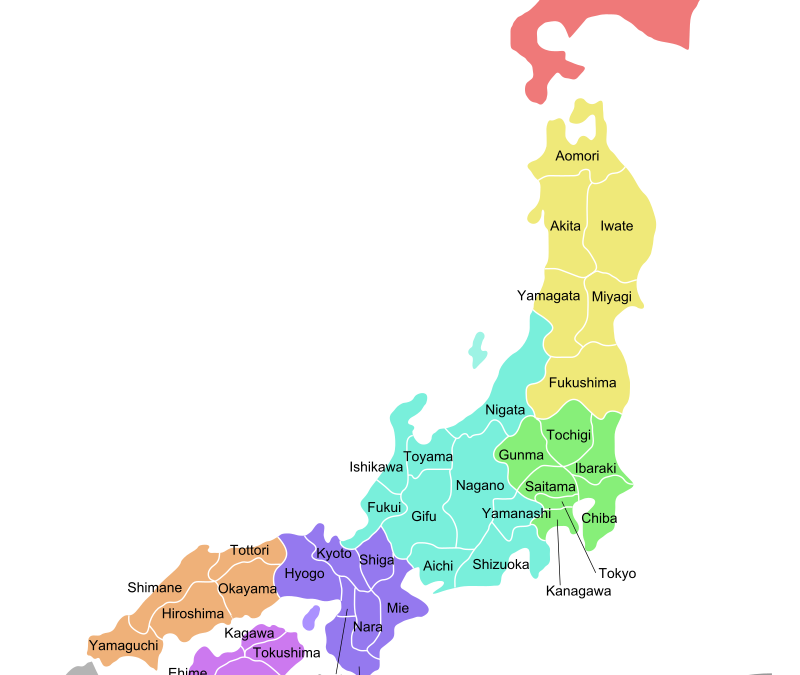
Omi is the old provincial name for what is now Shiga Prefecture, the landlocked heart of Kansai wrapped around Lake Biwa, Japan’s largest lake. The hemp-weaving district sits to the lake’s east, in the Echi (also read Aichi) River basin — Higashiomi, Aisho, and Notogawa — where clean river water and a long agricultural tradition of ramie cultivation gave the craft its raw material and its washing-and-bleaching steps a reliable supply.
Shiga’s position mattered as much as its water. The province straddled the old roads between the capital region and eastern Japan, which is precisely why a local textile could become a national product rather than a village curiosity.
- Kamakura era (1185–1333) — Hemp weaving is recorded in the Echi/Aichi River basin of Omi province.
- Edo period (1603–1868) — Under the Hikone Domain (Ii clan), Omi hemp cloth becomes a protected domain product (藩の特産).
- Edo period — The Omi merchants (近江商人) carry the cloth nationwide along their trade routes.
- Edo–Meiji — Kasuri (ikat) patterning and the crinkled shibo finish establish Omi Jofu among Japan’s great summer hemp cloths.
- Shōwa era (20th c.) — Omi Jofu is designated a Traditional Craft of Japan by METI (経済産業省).
- 2026 — The accessible everyday form, the pure-hemp fukin, remains in use in Kansai kitchens and ships worldwide.
The historical anchor here is the Edo-period Hikone Domain, ruled by the Ii clan from Hikone Castle on the eastern shore of Lake Biwa. Domain patronage turned scattered farmhouse weaving into a managed regional specialty — and the Omi merchants, one of Japan’s most storied trading classes, gave it national distribution. The cloth’s signatures, kasuri ikat patterning and the crinkled shibo surface that lifts the fabric off the skin for summer coolness, date from this maturing period.
“Still being made here” is, for Omi Jofu, both a craft fact and a kitchen one. The decorative jofu remains a METI-recognized textile woven by a limited number of workshops in eastern Shiga, while the plain hemp fukin is the everyday descendant of the same fiber and the same district — affordable, functional, and long kept in Kansai homes for wiping lacquer trays and drying glass. That continuity, from a protected Edo domain product to a cloth you can have shipped to your door, is the reason this modest item carries more story than its price suggests.
❓ Frequently Asked Questions
Does Amazon JP Global Store ship the Omi hemp fukin internationally?
How is an Omi hemp fukin different from a cotton dish cloth?
How do I care for a hemp fukin?
Is this the same thing as Omi-chijimi?
Will it feel rough on dishes or hands?
Why are purchase terms not shown here?
jpmono.com is curated by a Japan-based editorial team (working out of Toyama in the Hokuriku region and Nara in Kansai) and is independent. We do not take payment from the makers we feature; income comes from affiliate links. We focus on items with verifiable craft heritage and clear international shipping paths, and we read maker specifications and textile references rather than physically testing every product.
This article was prepared with AI assistance and reviewed against craft references available at the time of writing. Specifications, pricing, and availability should be confirmed with the maker or retailer before purchase.
Affiliate disclosure: jpmono.com may earn a commission on qualifying purchases made through links on this page, at no additional cost to you.