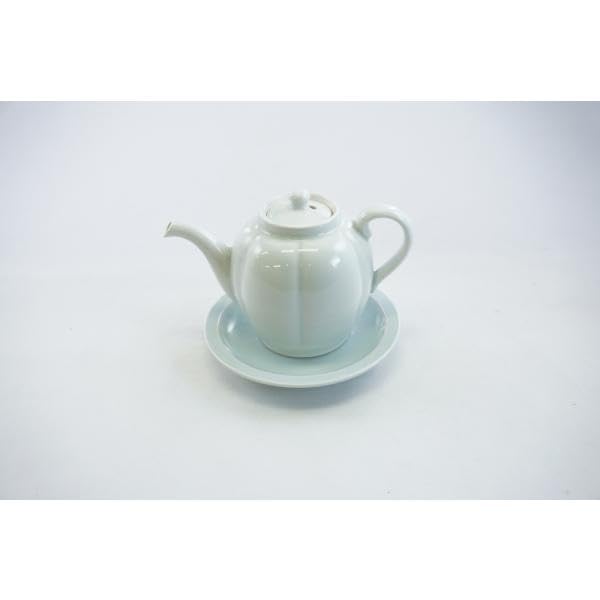
- What it is: A porcelain soy sauce dispenser (shoyu sashi) with a stand and a matching saucer, in a melon-shaped form with a bluish-white glaze.
- Made in: Japan — listed as Arita ware (有田焼) from Arita, Saga Prefecture, on the island of Kyūshū
- Price band: Mid-range for an Arita porcelain dispenser — ¥7,480 as of 2026-11-17 (see live listing)
- Best for: Households that keep soy sauce on the table and want one Arita piece that survives daily use
- Skip if: You want painted blue brushwork (sometsuke) or a stated capacity before you buy
- Shipping: ships internationally from Amazon Japan (65+ countries) — jump to our pick ↓
A soy sauce dispenser is the smallest piece of porcelain most Japanese households own, and it is also the one that gets picked up at every meal. It sits beside the rice bowl, takes the bottle’s place on the table, and is handled by guests who never think about ceramics at all. For that reason it is a fair test of a pottery town: if a kiln district can make a plain, useful dispenser well, it can make anything.
Arita, in western Saga Prefecture, has been answering that test since the early 17th century, when porcelain production began in the area and blue-and-white ware became one of the town’s defining techniques. The piece in this article is a melon-shaped dispenser with a stand and a saucer, listed as Arita ware, made in Japan, and sold on Amazon Japan for ¥7,480 (≈ $50 USD at a ¥150/USD baseline) as of November 17, 2026.
This guide looks at what the listing actually states, what it leaves open, how the piece fits the Arita tradition, and how a reader in the US, Canada, the UK, Australia, or the EU can buy it without a forwarding address in Japan.
🔄 Updated
⏱ About 9 min read

- Who this is for — and who should skip it
- Product overview (from published specs)
- 📍 Where this comes from — place, era, and the craft tradition
- Price snapshot across stores
- 📦 Shipping & where to buy from outside Japan
- What it does well
- Weaknesses and things to verify before buying
- Conclusion — which buyer type are you?
- Other ways to approach this purchase
- 🏆 Editor’s Pick
- ❓ Frequently Asked Questions
Who this is for — and who should skip it
- You keep soy sauce on the table and want it decanted, not poured from a plastic bottle.
- You want one Arita piece that is used daily rather than stored for guests.
- You like quiet glazes — a bluish white rather than painted blue brushwork.
- You want the saucer included, so the table does not collect rings.
- You are buying a modest housewarming or wedding gift with a named regional origin.
- You specifically want sometsuke — blue underglaze painting on white — since this listing describes a glaze, not a painted pattern.
- You need a stated capacity before ordering; the listing does not give one.
- You want a named kiln or a signed piece. The listing names the retailer, not the workshop.
- You are furnishing a large table and need a dispenser that holds a full bottle.
- You want to put it in a dishwasher on the strength of a label. Nothing on the listing says it is dishwasher-safe.
Product overview (from published specs)
ℹ️ Only the Amazon JP listing snapshot is available; live pricing may have shifted since the writing date. Attributes the listing does not state are marked as unconfirmed below.
Arita Ware Soy Sauce Dispenser
青白磁瓜形 台付汁次 有田焼 日本製 醤油さし 受け皿付 和食器 Y-4539400334
残り7点 ご注文はお早めに · Sold by 料理道具のデパート三起堂 · ASIN B0DTY5VD4Y
Price and availability as of 2026-11-17 08:22 JST. The Amazon listing at the time of purchase is authoritative. jpmono.com earns a commission on qualifying purchases at no extra cost to you.
| Attribute | What the listing states | What it means for a buyer |
|---|---|---|
| Item type | 汁次 (shiru-tsugi / shoyu sashi) — a soy sauce dispenser | A pourer for the table, not a storage bottle for the cupboard. |
| Form and glaze | 青白磁 (seihakuji, bluish-white porcelain glaze), 瓜形 (melon form) | A pale, cool glaze with a lobed body — no painted decoration is described. |
| Set contents | 台付 (with a stand) and 受け皿付 (with a receiving saucer) | Dispenser, stand, and saucer arrive together. |
| Craft and origin | 有田焼 (Arita ware), 日本製 (made in Japan) | Arita, Saga Prefecture. The specific kiln or workshop is not named. |
| Material | Porcelain (implied by Arita ware and by 磁 in the title) | Fired, non-porous body with a glassy glaze. |
| Capacity | Not stated on the listing | Unconfirmed — check with the seller if volume matters to you. |
| Dimensions and weight | Not stated on the listing | Unconfirmed — relevant if you are matching it to a tray or a shelf. |
| Condition | New | Not a vintage or secondhand piece. |
| Seller | 料理道具のデパート三起堂 (a cookware and tableware retailer) | The listing is a retail listing, not a maker-direct storefront. |
| Price | ¥7,480 (≈ $50 USD at ¥150/USD) | As of 2026-11-17; verify on the listing. |
| Stock | 7 units remaining | A single-listing quantity, not a sign of scarcity across the market. |
📖 Glossary — the Japanese terms on this page
Arita ware (有田焼, Arita-yaki): porcelain produced in and around the town of Arita in western Saga Prefecture. The name refers to the production area rather than to a single company.
Sometsuke (染付): blue underglaze painting on white porcelain. The pigment is applied to the unfired body, then sealed under a clear glaze in the kiln.
Seihakuji (青白磁): bluish-white porcelain, sometimes translated as celadon-white. The tint is in the glaze, not in a painted pattern.
Shoyu sashi (醤油さし): a table dispenser for soy sauce. Also written 汁次 in tableware listings, after the older use of the vessel for poured seasonings.
Ukezara (受け皿): the small saucer placed under a dispenser, bottle, or cup to catch drips.
Nabeshima domain (鍋島藩): the Edo-period domain that governed the Arita area and acted as patron to its kilns.
Okawachiyama (大川内山): a valley kiln village near Arita, historically associated with production controlled by the domain.
Izumiyama (泉山): the hill in Arita where porcelain stone was found, traditionally credited as the source that made local porcelain possible.
📍 Where this comes from — place, era, and the craft tradition
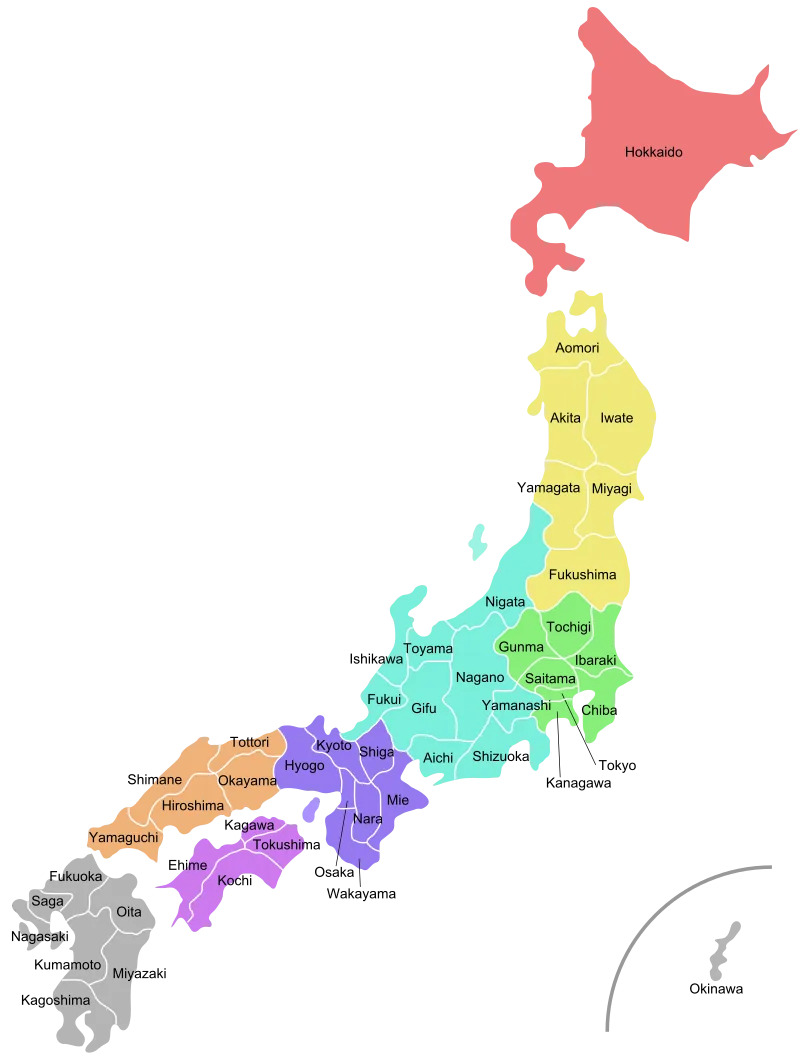
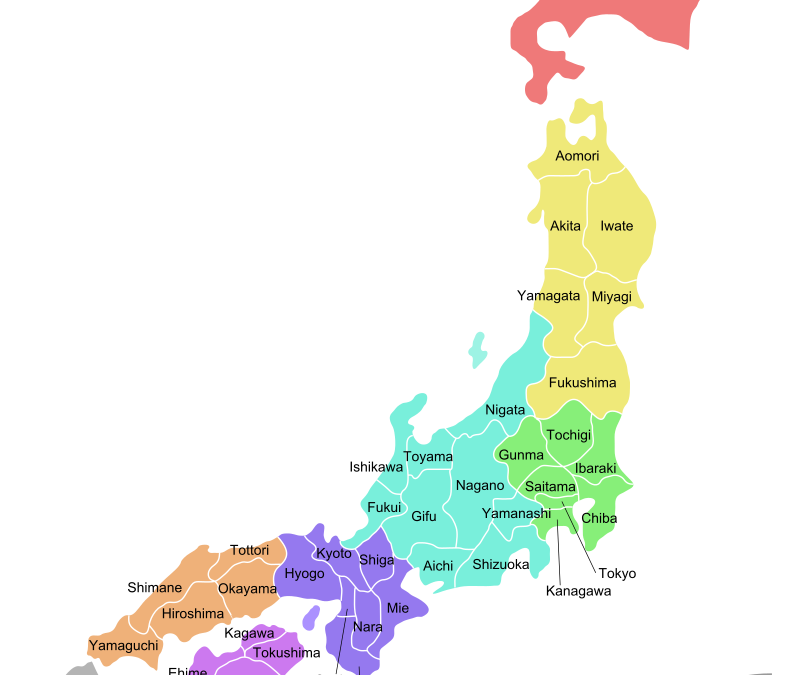
Saga Prefecture occupies the western end of Kyūshū, and Arita sits inland in its western corner, in a hollow of hills near the Nagasaki border. It is not a coastal city and never was a shipping port of its own; the ware that left Arita was carried overland and down rivers to the ports that served the export trade. What the town had instead was stone. The hills around it held the raw material for porcelain, and the valleys gave the kilns room, fuel, and the slopes needed for the climbing kilns that would later line them.
That geology is the reason a town of this size became one of the earliest centers of Japanese porcelain. In the early 17th century, porcelain stone was found at Izumiyama, on the hill above the town, and Korean potters who had settled in the area helped establish the local kilns. The sequence matters: material first, then hands, then a production district that has not stopped working since.

The Nabeshima domain later took the kilns under its patronage, and the relationship shaped what Arita made as much as how much it made. Under domain oversight, production was divided between ware for the market and ware for presentation, and one valley above the town — Okawachiyama — became a protected kiln village where the domain’s own production was concentrated. Sometsuke, blue underglaze painting on white porcelain, became one of Arita’s defining techniques during this long period of patronage, and it remains the style most international buyers picture when they hear the town’s name.
-
Early 17th century — porcelain stone is found at Izumiyama, and the raw material for local porcelain enters the record. -
Early 17th century — Korean potters settled in the area help establish the local kilns. -
17th century onward — blue underglaze painting, sometsuke, takes hold as one of the district’s signature techniques. -
Edo period (1603–1868) — the Nabeshima domain becomes patron to the Arita kilns. -
Late Edo period — domain-controlled production in the Okawachiyama valley forms a separate, protected line beside the market ware. -
Present day — Arita ware runs from plain everyday tableware to highly decorated export porcelain.
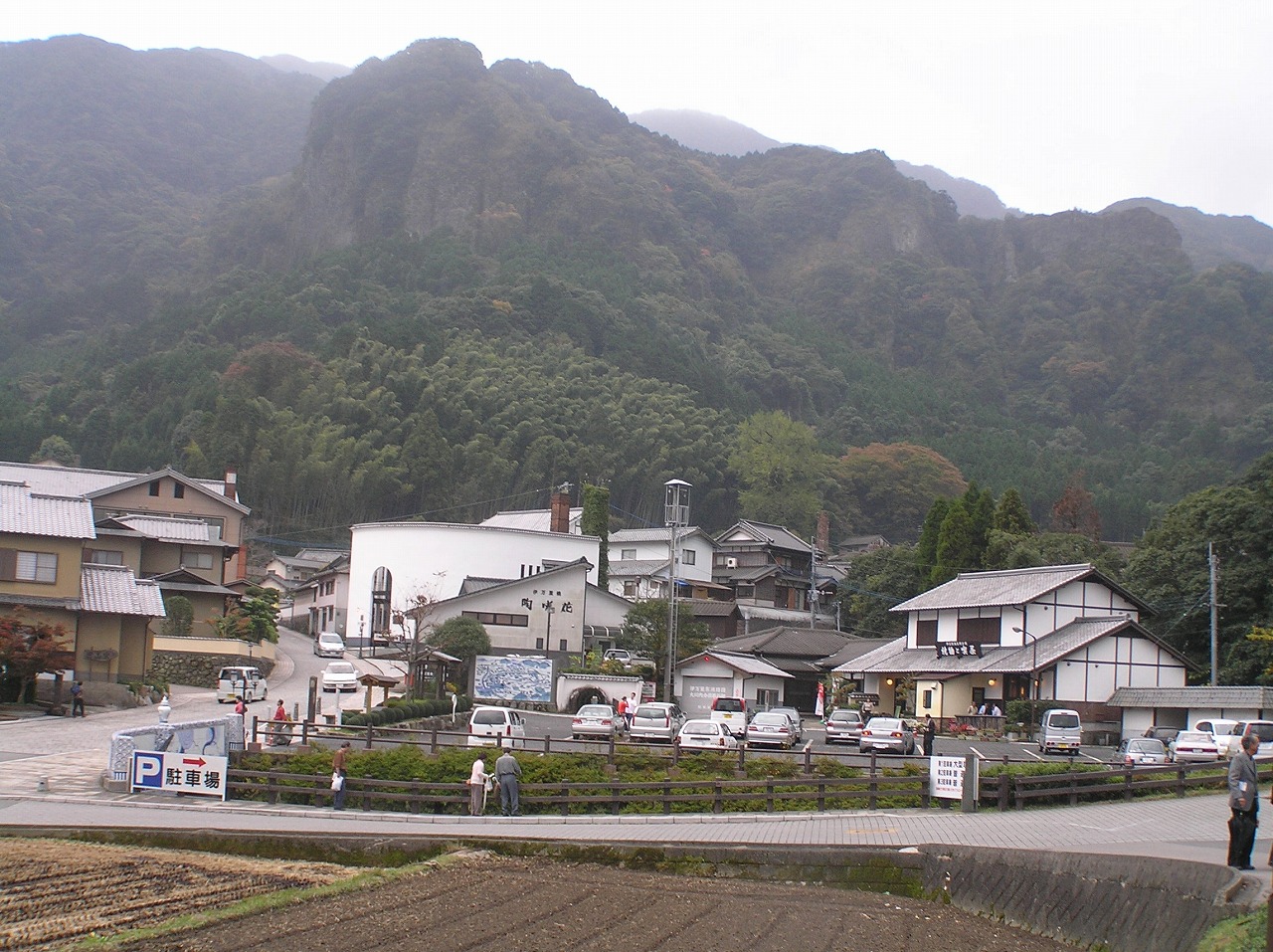
What “still made in Arita” means today is less about a single workshop than about a district that never switched industries. The town’s ceramic institutions, its testing and research bodies, and its kilns sit within a few kilometers of each other, and the supply chain — clay, glaze materials, plaster molds, firing — is local rather than imported. A dispenser listed simply as Arita ware is therefore a plausible product of that district, even when the listing does not name the workshop that made it.
“A glaze is judged by what it does to light. Seihakuji pulls a cool tint out of a white body, and the melon form gives it ridges to catch shadow — decoration without a single brushstroke.”
The technique side is worth a short detour, because it explains why two Arita dispensers at similar prices can look so different. Sometsuke depends on drawing: the painter’s hand, the cobalt pigment, the density of the brush. A seihakuji piece depends on the glaze and the form instead — the thickness of application, the way the glaze pools in the lobes of a melon shape, the temperature curve of the firing. There is no motif to compare, so a buyer is judging proportion, glaze evenness, and the finish of the rim and spout.

On the table, the object’s job is narrow and clear. Soy sauce is poured at the start of a meal and used until the last piece of fish is gone; a dispenser that dribbles, tips, or holds too little becomes an annoyance within a week. That is why the saucer in this listing matters more than it looks: it is the part that keeps the table from developing a dark ring, and it is the part most cheap dispensers omit.
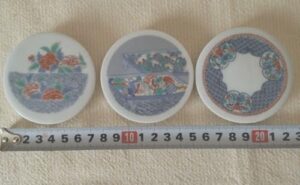 Imari Nabeshima plate
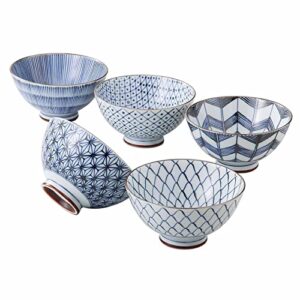 Arita Ware Sometsuke Rice Bowl: Saga Porcelain Buying Guide [2026]
 Authentic Arita Sometsuke Porcelain Vase: Where to Buy US [2026]
 Arita Sometsuke Chopstick Rests: Japan Porcelain Set Guide [2026]
 Hakusan Hasami-yaki G-Type Soy Sauce Dispenser: Where to Buy [2026]
 Karatsu Ware Guinomi Sake Cup: Where to Buy Saga Pottery [2026]
Price snapshot across stores
JPY is the authoritative figure for the listed item. USD figures are approximate at a ¥150/USD baseline; the exchange rate at checkout will differ.
| Store | Item / variant | Price (JPY + USD est.) | Notes |
|---|---|---|---|
| 🇺🇸 Amazon US (search) | Browse Japanese porcelain and soy sauce dispensers | varies (USD) | Best if you are shopping from the US: USD pricing, Prime shipping on eligible items, no international customs. Amazon US carries Japanese porcelain from several makers for comparison; this Arita listing ships from Japan (next row). |
| Amazon JP Global Store | 青白磁瓜形 台付汁次 有田焼 日本製 醤油さし 受け皿付 (ASIN B0DTY5VD4Y) | ¥7,480 (≈ $50 USD) as of 2026-11-17 |
Ships internationally from Japan to 65+ countries — including Canada, the UK and Australia — with import fees estimated at checkout. 7 units in stock at the snapshot. |
| Maker direct | Not identified | — | The listing does not name the kiln or workshop, so no maker-direct storefront can be confirmed for this exact piece. |
| Proxy services (Buyee / Tenso) | Same JP listing, forwarded | ¥7,480 + proxy and forwarding fees | Useful if Amazon Japan will not ship to your address. Fees, consolidation options, and insurance terms vary by provider; the fragile-ceramic case is worth insuring. |
📦 Shipping & where to buy from outside Japan
Amazon Japan’s Global Store ships to more than 65 countries, and the markets this site hears from most — Canada, the UK, and Australia — are among them. Import fees are usually estimated at checkout, which means the figure you see before paying is close to the landed cost rather than a surprise at the door.
Duties and taxes are collected at checkout for most destinations. Our Canada import guide covers the thresholds.
VAT and handling are the usual considerations on entry. See the UK import guide.
Biosecurity rules are stricter than in most markets, though fired porcelain is straightforward. See the Australia import guide.
Shipping on a small, well-packed ceramic parcel typically lands in the $15–$40 range to the US, the EU, Canada, the UK, or Australia, depending on the speed you choose; express options cost more. Where Amazon Japan will not ship, proxy services such as Buyee or Tenso will forward the same listing, though you pay a service fee and usually a second shipping charge, and you should ask for protective packing given the stand and saucer in the box.
What it does well
- 🍽️ Dishwasher: not stated on the listing — hand-wash is the safe default for glazed porcelain with a separate stand and saucer.
- ♨️ Microwave: not stated — do not assume it, since small lidded dispensers vary.
- 🧴 Daily care: rinse with warm water after use, and dry the inside of the spout, which is where soy sauce residue collects.
- 🔧 Repairs: no repair or re-glazing service is mentioned; chips on a spout are difficult to repair invisibly.
Weaknesses and things to verify before buying
- Capacity is unconfirmed. The listing gives no volume. If you decant a full 1-liter bottle at once, this is the first thing to ask the seller about.
- It is not a painted sometsuke piece. Buyers who expect cobalt brushwork under the glaze will be looking at a different object; the listing describes seihakuji, a bluish-white glaze.
- The kiln or workshop is unnamed. Arita ware identifies the production area, not a specific maker, so the piece cannot be attributed to a workshop on the evidence in the listing.
- Stock is thin. Seven units were listed at the time of writing, and single-listing stock can disappear without the price changing anywhere else.
- No dishwasher or microwave claim. Nothing on the listing confirms either, and glazed porcelain with a fitted lid and spout is better hand-washed regardless.
- Glaze variation is inherent. Fired seihakuji glazes pool in the lobes of a melon form, so tone and thickness vary from piece to piece; the listing does not promise an exact match to the photograph.
- Price is mid-range for a dispenser. Comparable Hasami and Karatsu dispensers can be found for less, so the premium here is largely the Arita attribution and the saucer set.
Conclusion — which buyer type are you?

Other ways to approach this purchase
🏆 Editor’s Pick
- Three reasons: a melon-form seihakuji body that suits both Japanese and Western tables, a stand and saucer included, and an Arita ware, made-in-Japan attribution at ¥7,480 (≈ $50 USD) as of 2026-11-17.
- It is a single dispenser with its saucer, not a multi-piece set — the listing describes the stand and the receiving saucer, nothing more.
- Sold by 料理道具のデパート三起堂; new condition, with 7 units listed at the snapshot. Verify price and stock on the listing before ordering.
❓ Frequently Asked Questions
Is this really Arita ware?
Is it a sometsuke piece?
How much is it, and where does it ship?
How much soy sauce does it hold?
Can it go in a dishwasher or microwave?
What comes in the box?
Is it a sensible gift?
jpmono.com is curated by a Japan-based editorial team working out of Toyama in the Hokuriku region and Nara in Kansai, and is independent. We do not take payment from the makers we feature; income comes from affiliate links. We read maker specifications and source listings rather than testing every item ourselves. Read more about our editorial standards.
AI assistance note: this article was drafted with the help of AI tools and edited by our staff. Listing details, prices, and availability were checked against the retailer page at the time of writing.
Affiliate disclosure: jpmono.com may earn a commission on qualifying purchases made through links on this page, at no additional cost to you.