![Arita Sometsuke Chopstick Rests: Japan Porcelain Set Guide [2026]](https://jpmono.com/wp-content/uploads/2026/10/saga-arita-sometsuke-chopstick-rest-set-where-to-buy-2026-featured.jpg)
Arita Sometsuke Chopstick Rests: Japan Porcelain Set Guide [2026]
- What it is: A guide to Arita sometsuke chopstick rests; the listed pick is titled as a navy Arita-ware cutlery rest.
- Made in: Arita, Saga — the listing’s exact production address is unconfirmed.
- Price band: Entry-price on the listed item at ¥880 (as of 2026-10-14; verify on the listing).
- Best for: A buyer seeking a modestly priced ceramic rest and willing to confirm its dimensions and set contents before ordering.
- Skip if: You need a confirmed five-piece set, a documented sometsuke pattern, or a specific size before purchase.
- Shipping: Amazon Japan destination eligibility varies by item — jump to our pick ↓
A pair of chopsticks lifted off the tabletop leaves a little more order around a meal. A chopstick rest does that small job, and the Arita tradition gives the object a place in a long story of Saga porcelain. The listing selected here is titled “yamachu (山忠) 有田焼 Koselig-arita Cutleryrest カトラリーレスト 箸置き (ネイビー )スプーン ナイフ フォーク シンプル モダン おしゃれ かわいい hygge.” It describes a navy cutlery rest for chopsticks, spoons, knives, and forks; the title does not confirm a piece count, dimensions, or a hand-painted sometsuke design.
Sometsuke is the blue-and-white style made by painting with cobalt pigment beneath a transparent glaze. In Saga, it belongs to a porcelain tradition that began in the early 17th century. That regional context matters, but it does not prove that every item labeled Arita ware uses this decoration or comes from a named workshop.
This guide is for readers comparing a simple table accessory with the wider Arita and Saga craft landscape. It separates the verified listing details from information that still needs checking, then weighs the practical questions: what the item is, what ¥880 buys according to the listing, and whether its international delivery terms suit your address.
Updated:
Reading time: about 9 minutes

- Who this is for — and who should skip it
- Product overview (from published specs)
- Where this comes from — Arita, Saga, and a porcelain tradition
- Which finish should you choose?
- 📌 How does it compare?
- 📦 Shipping & where to buy from outside Japan
- Price snapshot across stores
- What it does well
- Weaknesses and things to verify before buying
- Conclusion — which buyer type are you?
- Other ways to approach this purchase
- 🏆 Editor’s Pick
- ❓ Frequently Asked Questions
Who this is for — and who should skip it
A reasonable fit
- You want a small tabletop accessory rather than a large serving piece.
- You value an Arita-ware label and are comfortable checking the seller’s detail page.
- You can use a rest for chopsticks or other cutlery, as the listing title describes.
- You are open to buying a single listed rest or another quantity once the listing confirms it.
- You are comparing a low-cost entry point with other regional ceramic tableware.
Look elsewhere if
- You need five matching rests; the product title does not say that five pieces are included.
- You require a confirmed sometsuke motif or evidence of hand painting.
- You need exact length, width, height, or weight before ordering.
- You require published dishwasher, microwave, or repair guidance.
- Your destination requires guaranteed international delivery or a known shipping total before checkout.
Product overview (from published specs)
The listing snapshot is dated October 14, 2026. Its title, price, seller, condition, and availability are the details that can be stated with confidence here; other product attributes should be checked on the live page before purchase.
Arita Sometsuke Chopstick Rests
yamachu (山忠) 有田焼 Koselig-arita Cutleryrest カトラリーレスト 箸置き (ネイビー )スプーン ナイフ フォーク シンプル モダン おしゃれ かわいい hygge
在庫あり。 · Sold by Japan Hac SHOP · ASIN B0B5QTLXNS
Price and availability as of 2026-10-14 02:14 JST. The Amazon listing at the time of purchase is authoritative. jpmono.com earns a commission on qualifying purchases at no extra cost to you.
| Field | What is confirmed | What to verify |
|---|---|---|
| Listing title | yamachu (山忠) 有田焼 Koselig-arita Cutleryrest カトラリーレスト 箸置き (ネイビー )スプーン ナイフ フォーク シンプル モダン おしゃれ かわいい hygge | The title names a navy cutlery/chopstick rest; it does not specify a pattern technique. |
| Brand name in title | yamachu (山忠) | Maker identity beyond the title is unconfirmed. |
| Material / origin | The title says Arita ware (有田焼). | Specific body composition and workshop location are not stated in the title. |
| Color / decoration | Navy is named in the listing title. | Whether the decoration is sometsuke, hand-painted, or applied by another process is unconfirmed. |
| Contents / measurements | Not stated in the title. | Confirm piece count and dimensions on the live page before ordering. |
| Seller / condition | Japan Hac SHOP; new. | Check the current seller and condition at checkout. |
| Price / stock | ¥880; “in stock” in the October 14, 2026 snapshot. | Price and availability change; verify on the listing. |
The article title describes the Arita sometsuke category, while this particular retail title confirms only Arita ware and a navy color name. Treat that as a useful lead, not proof of a blue-and-white underglaze pattern or a five-piece set.
Glossary: Arita ware, sometsuke, and Imari
- Arita ware (有田焼, Arita-yaki)
- Porcelain associated with Arita in Saga Prefecture. The retail title uses this name for the listed rest.
- Sometsuke (染付, blue-and-white underglaze decoration)
- A style in which cobalt-blue decoration is applied beneath a transparent glaze. The listing title does not confirm that technique for this item.
- Imari ware
- A name historically used for porcelain shipped through Imari port. The town’s official account explains that the production area and shipping port were distinct places.
Where this comes from — Arita, Saga, and a porcelain tradition

Arita is inland in western Saga, on Kyūshū. The town and prefecture histories connect local porcelain production with porcelain stone and kiln development. Arita’s location, the raw material at Izumiyama, and the organization of kilns under Saga-domain support are part of the regional account; this guide does not assign those historical details to the maker of the current listing.

The traditional shorthand often places the first Japanese porcelain and the discovery of Izumiyama together in 1616. Arita Town’s historical museum gives a more qualified chronology: porcelain production is thought to have begun in the mid-1610s, while Izumiyama’s richer stone source was likely found around 1630, followed by a dedicated porcelain kiln in the early 1630s. The exact sequence matters because a product’s regional label cannot establish its workshop, date, or method.
- Mid-1610s — Porcelain production is thought to have begun in Arita, initially alongside pottery.
- Around 1630 — The town history places the discovery of abundant porcelain stone at Izumiyama around this time.
- Early 1630s — The Tengudani kiln was built to use the stone and pursue dedicated porcelain production.
- 1637 — Kiln reorganization helped shift production toward a porcelain-focused system.
- October 1977 — “Imari-Arita ware” was designated a traditional craft under Japan’s traditional craft industry law.
In the Edo period, production grew with Saga-domain support, while porcelain traveled overland to Imari for shipping. That route helps explain why “Imari” became an overseas name for wares made in and around Arita. Arita and Imari are therefore related labels in the history of Hizen porcelain, but they do not name the same town.
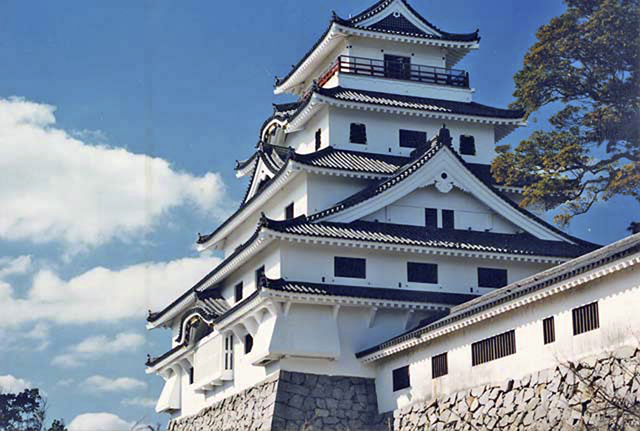

“A craft name can tell you where a tradition grew; the live listing must tell you what this particular piece is.”
Sometsuke’s blue-and-white surface is one recognizable part of Arita’s everyday porcelain vocabulary. The listing’s navy color name may appeal to readers looking for a restrained table setting, but it is not enough to classify the decoration as sometsuke. For that, look for an explicit technique description and clear product photographs on the live page.
The regional tradition is older than the present retail brand name, but no generation count or workshop history is provided for this rest. Arita’s local history should be understood as context for the craft, not as a claim that this item was made by a particular historic kiln or artisan.
Which finish should you choose?
This piece is listed in 4 colours. The photos below are the actual colour options on the listing right now — pick the one you want and confirm it on the product page before ordering, since hand-finished wares vary slightly piece to piece.
![Arita Sometsuke Chopstick Rests: Japan Porcelain Set Guide [2026] — ダークブラウン finish](https://m.media-amazon.com/images/I/21j0fZ80cwL._SL500_.jpg)
![Arita Sometsuke Chopstick Rests: Japan Porcelain Set Guide [2026] — ブラウン finish](https://m.media-amazon.com/images/I/21kMbOdE7BL._SL500_.jpg)
![Arita Sometsuke Chopstick Rests: Japan Porcelain Set Guide [2026] — グレー finish](https://m.media-amazon.com/images/I/215Zbxx67nL._SL500_.jpg)
📌 How does it compare?
A rest is a small table accessory, while the related guides below cover other forms, materials, and regional traditions. Follow each card for the details of that item; specifications and current prices should be checked on the linked page.
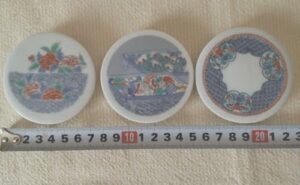 Imari Nabeshima plate
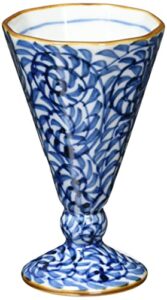 Hasami guinomi
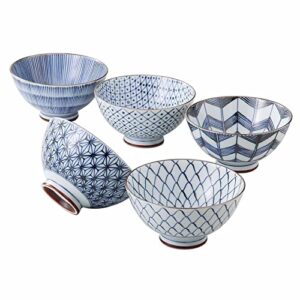 Arita Ware Sometsuke Rice Bowl: Saga Porcelain Buying Guide [2026]
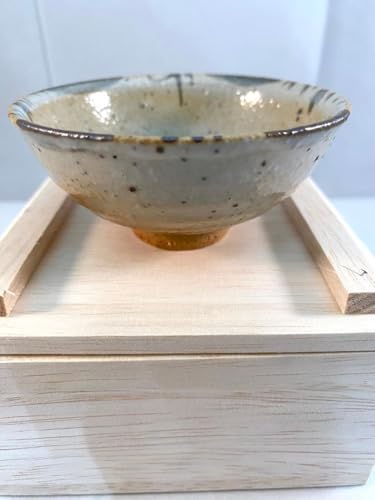 Karatsu Ware Guinomi Sake Cup: Where to Buy Saga Pottery [2026]
 Inami Woodcarving Chopstick Rest Set: Toyama’s Temple-Carver Craft, Where to Buy [2026]
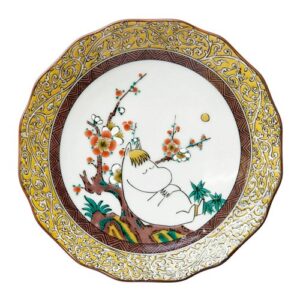 Kutani-yaki Gosai Mamezara: Hand-Painted Kutani Small Plate Set, Where to Buy [2026]
📦 Shipping & where to buy from outside Japan
Amazon Japan Global Store ships many eligible products to more than 65 countries, including Canada, the UK, and Australia. Whether this specific listing can ship to your address is not confirmed here; enter your destination on the listing and check the checkout page for eligibility, delivery charges, and any import-fee estimate.
- Delivery cost: No destination-specific charge is confirmed for this item. The checkout total is the relevant figure.
- Customs: Import duties or taxes may apply depending on your destination and order. Amazon may estimate or collect import fees at checkout for eligible destinations; review the final order summary.
- Other routes: A retailer or proxy service may be able to purchase and forward the item, but no specific direct-maker or proxy listing is confirmed here.
- Returns: Check the current seller’s return terms and the cost of an international return before placing an order.
Shipping permissions, fees, and delivery estimates are destination-specific and can change. The “in stock” status in the October 14, 2026 listing snapshot is not a promise that the item will be deliverable to every country or remain available when you visit the page.
Price snapshot across stores
The Japanese yen is the reference price for the specific listing. The approximate dollar conversion below uses ¥150 per US dollar as a simple mid-2026 baseline; actual card charges depend on your payment provider’s exchange rate.
| Store | Item / route | Price | Notes |
|---|---|---|---|
| 🇺🇸 Amazon US (search) | Browse Japanese tableware | Varies (USD) | Search results vary. The specific navy listing covered here is sourced from Japan in the next row. |
| Amazon JP Global Store | yamachu Koselig-arita navy cutlery rest | ¥880 (≈ $5.87 USD, as of 2026-10-14; verify on the listing) | Ships internationally from Japan to eligible destinations, including Canada, the UK, and Australia; delivery availability and import fees are confirmed at checkout. |
| Maker direct | No direct listing confirmed | Unconfirmed | The retail title names yamachu (山忠); no maker-direct price or purchase page is confirmed here. |
| Proxy services (Buyee / Tenso) | Forwarding route, if the listing is eligible | Item price, service fees, and postage vary | No proxy quote is confirmed. Compare the combined cost and return arrangements before using a forwarding service. |
For the Japan listing, the recorded price is ¥880 (≈ $5.87 USD at the ¥150 baseline) as of October 14, 2026; verify on the listing. The page showed the item as new and in stock at that time. These details may have changed.
What it does well
At the recorded ¥880 listing price, the rest is an inexpensive way to explore an Arita-ware table accessory. Confirm the current price before deciding.
The title names chopsticks, spoons, knives, and forks, which suggests a table setting that mixes cutlery. Exact fit and supported shapes still need checking.
“Navy” gives a simple color reference in the title. It does not establish the specific blue pigment, surface, or decoration method.
The Arita-ware label connects the object to a major Saga porcelain tradition without requiring a large serving piece or a full tableware set.
Weaknesses and things to verify before buying
- The item count is not confirmed. The article title’s “set” describes the guide topic; the retailer title does not confirm that five rests are included. Read the quantity field and inspect the listing photos.
- The sometsuke connection is unconfirmed. The title says Arita ware and navy, but does not name underglaze cobalt painting or a blue-and-white motif.
- Size is not stated in the title. Confirm all dimensions and the cutlery orientation if the footprint matters to your table.
- Care instructions are not supplied here. Do not assume dishwasher or microwave suitability; check the maker or seller’s care guidance.
- Maker details are limited. “yamachu (山忠)” appears in the title, while the listing seller is Japan Hac SHOP. The exact workshop and production address are not confirmed.
- Delivery is not universal. International eligibility, delivery cost, duties, and return options depend on destination and current checkout terms.
- Stock can change. “In stock” and ¥880 reflect the listing on October 14, 2026, not a guaranteed future offer.
Conclusion — which buyer type are you?
Choose a listing that names the workshop, decoration method, and set contents. This retail title alone does not provide that level of documentation.
This listing may suit you if its live photos, size, and quantity match your table and the current ¥880 price remains acceptable.
The recorded price is low, but shipping can outweigh the item cost. Check the delivered total before ordering internationally.
Pass if you need five pieces, a guaranteed sometsuke design, or confirmed care and size details and cannot verify them on the live page.
Other ways to approach this purchase
If the set contents or delivery terms are unclear, save the listing and return when its detail page answers those questions. No sale schedule is confirmed.
Ceramic rests can chip. A used listing should show clear condition photographs and describe damage; no pre-owned offer for this item is confirmed here.
Check whether your marketplace account offers points or card rewards at checkout. No reward rate is stated, and these offers vary by account and date.
If shipping exceeds the value you place on a single rest, use tableware you already own or look for a locally available equivalent.
🏆 Editor’s Pick
yamachu (山忠) 有田焼 Koselig-arita Cutleryrest カトラリーレスト 箸置き (ネイビー )スプーン ナイフ フォーク シンプル モダン おしゃれ かわいい hygge
The title describes a navy Arita-ware cutlery rest for chopsticks, spoons, knives, and forks. It does not specify a five-piece set, measurements, or a sometsuke technique, so those details should be confirmed on the live page before purchase.
- The listing gives a concrete Arita-ware and navy color description.
- The stated uses include both chopsticks and Western cutlery.
- The recorded price is ¥880 (as of 2026-10-14; verify on the listing); the page showed new condition and in-stock status.
Seller in the dated listing: Japan Hac SHOP. Price, stock, and destination eligibility may change.
¥880 as of 2026-10-14; verify on the listing. International shipping availability is destination-specific.
❓ Frequently Asked Questions
Does the picked listing contain five chopstick rests?
The listing title does not confirm a five-piece set or any piece count. Check the current quantity field and product images before ordering.
Is this item confirmed as sometsuke?
No. The title identifies Arita ware and a navy color, but it does not state that the item has a cobalt-blue underglaze sometsuke pattern. Verify the technique with the seller if that matters to you.
How much does the Editor’s Pick cost?
The listed price is ¥880 (approximately $5.87 USD using a ¥150-per-dollar baseline) as of 2026-10-14; verify on the listing. Price and stock may change.
Can Amazon Japan ship it to Canada, the UK, or Australia?
Amazon Japan ships many eligible products to Canada, the UK, Australia, and other destinations, but this item’s eligibility must be checked by entering your address on the live page and reviewing checkout.
Is it safe for a dishwasher or microwave?
The listing details available here do not confirm dishwasher or microwave suitability. Follow care instructions from the current listing or seller rather than assuming compatibility.
Why are Arita ware and Imari ware both mentioned?
Arita is a porcelain-producing town in Saga, while Imari was the nearby port through which porcelain was shipped. The port name became an overseas label for wares from the region; the names refer to related but distinct places.

These regional landmarks offer wider context for Saga, but the buying decision remains specific: confirm the quantity, dimensions, surface description, care guidance, and delivery terms for the listing itself. Arita’s history can make a small rest more legible as part of a place; the live product page determines what arrives in the parcel.
jpmono.com is curated by a Japan-based editorial team working out of Toyama in the Hokuriku region and Nara in Kansai. The site introduces Japanese household objects to international readers and focuses on verifiable craft context and clear purchase paths. Products are assessed from published information and retail listings; the editorial team does not physically test every item. Read more about our editorial standards.
AI assistance was used to organize and edit this article. Product details and purchase terms should be verified with the retailer before ordering.
Affiliate disclosure: jpmono.com may earn a commission on qualifying purchases made through links on this page, at no additional cost to you.