![Aizu-Nuri Maki-e Jubako Lacquer Stacking Box: Where to Buy [2026]](https://jpmono.com/wp-content/uploads/2026/06/aizu-nuri-makie-jubako-stacking-box-where-to-buy-2026-featured.jpg)
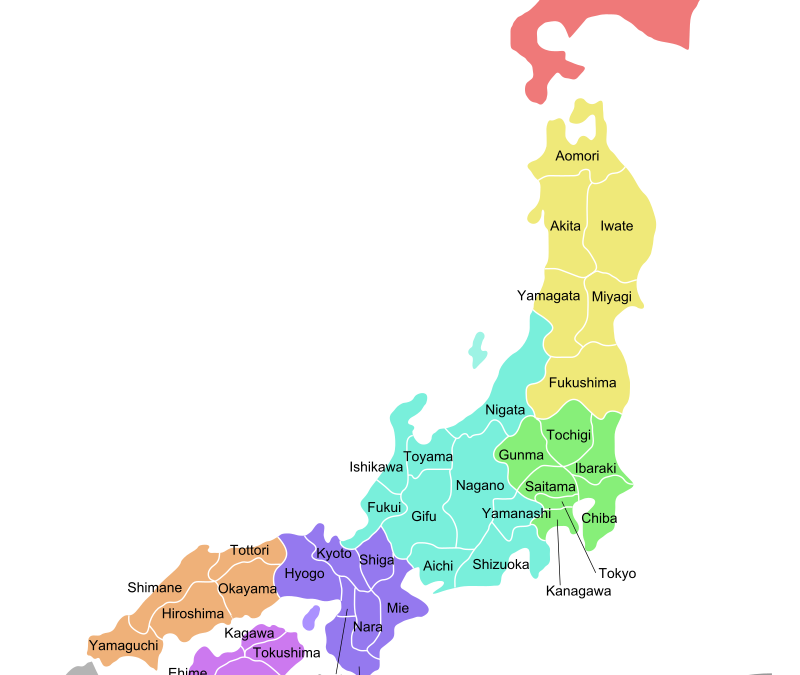
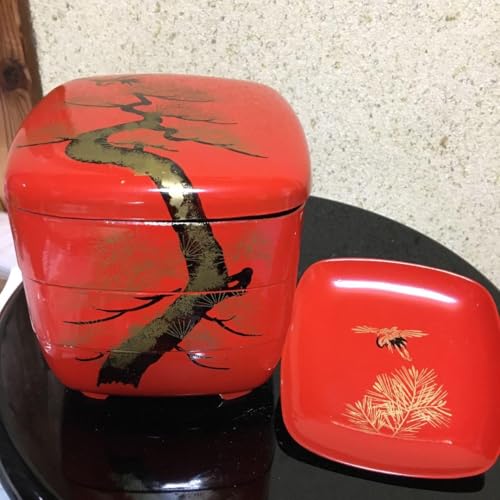
An Aizu-nuri (会津塗, “Aizu lacquerware”) jubako is one of the quiet workhorses of the Japanese New Year. This particular piece is a two-tier stacking box finished in genuine urushi lacquer over a wooden core, decorated with shōchikubai (松竹梅, “pine, bamboo, and plum”) maki-e — the auspicious motif that signals longevity and prosperity. It is made in Aizu-Wakamatsu, a snow-country basin in western Fukushima, where lacquer has been a major industry since 1590.
What makes Aizu-nuri notable to an international reader is not novelty but continuity. The craft did not grow up organically from a local guild; it arrived almost overnight when one daimyo relocated north and carried his lacquer artisans with him. Four centuries later, the decorative grammar he imported — pine, bamboo, plum, and noshi ribbons painted in maki-e and colored urushi — is still the visual signature of the region, and the jubako is still one of its signature forms.
This guide is written for readers shopping from outside Japan who want a real lacquer osechi box rather than a printed-resin lookalike. We cover what the listing actually claims, who the piece suits and who should pass, where Aizu sits on the map and why lacquer took root there, how to buy it internationally, and which buyer type each purchase path fits. Prices and stock fluctuate; always confirm on the live listing before ordering.
♻️ Updated:
⏱️ Read time: ~11 min
- Who this is for — and who should skip it
- Product overview (from published specs)
- 📍 Where this comes from — place, era, and the craft tradition
- 📌 How does it compare?
- Price snapshot across stores
- What it does well
- Weaknesses and things to verify before buying
- Conclusion — which buyer type are you?
- Other ways to approach this purchase
- 🏆 Editor’s Pick
- ❓ Frequently Asked Questions
Who this is for — and who should skip it
- Want a genuine urushi lacquer osechi box, not a printed plastic or resin imitation
- Set a Japanese-style New Year table and need stackable tiers for prepared food
- Appreciate the shōchikubai (pine-bamboo-plum) maki-e tradition and its meaning
- Are buying a milestone gift — wedding, new home, or a formal seasonal present
- Are willing to hand-wash and store lacquerware properly to preserve it for years
- Want something dishwasher- and microwave-safe for daily, careless use
- Need it delivered fast and cheap — international shipping from Japan adds cost and time
- Expect a low budget price; genuine hon-urushi lacquer is not the cheapest option
- Dislike hand-washing or storing items away from heat and direct sunlight
- Cannot confirm the exact specs you need (size, tiers) from the live listing first
Product overview (from published specs)
Based on the listing category and the recommendation data, this is a two-tier Aizu-nuri jubako decorated with shōchikubai maki-e over a wooden core. Because the fetched dataset returned no live snapshot, the table marks any value not verifiable from the listing as “Unconfirmed.”
Aizu-Nuri Maki-e Jubako Lacquer Stacking Box
会津塗 松鶴蒔絵重箱揃 重箱 お皿セット
通常7~8日以内に発送します。 · Sold by こゆてゅこハウス · ASIN B0FZLYNYF3
Price and availability as of 2026-08-31 02:30 JST. The Amazon listing at the time of purchase is authoritative. jpmono.com earns a commission on qualifying purchases at no extra cost to you.
| Attribute | Value | Source |
|---|---|---|
| Craft | Aizu-nuri (Aizu lacquerware) | Listing / category |
| Form | Two-tier jubako (stacking food box) | Listing / recommendation data |
| Decoration | Maki-e — shōchikubai (pine, bamboo, plum) | Listing / recommendation data |
| Finish | Hon-urushi (genuine urushi lacquer) over wooden core | Aizu-nuri norms / listing |
| Origin | Aizu-Wakamatsu, Fukushima, Japan | Craft tradition |
| Dimensions | Unconfirmed — check listing | — |
| Weight | Unconfirmed — check listing | — |
| ASIN | B0FZLYNYF3 | Amazon JP Global Store |
| Sourced listing | Amazon JP Global Store (moonill-22) | Affiliate data |
Source paths for this guide: Amazon US (search) as the primary consumer path (moonill-20), Amazon JP Global Store as the secondary, sourced-listing path for this specific item (moonill-22), with maker direct and Proxy services (Buyee / Tenso) as fallbacks where relevant.
📖 Glossary — key terms
- Aizu-nuri (会津塗) — lacquerware made in the Aizu region of Fukushima Prefecture, an industry founded in 1590.
- urushi (漆) — natural lacquer tapped from the urushi tree; cured in layers to form a hard, water-resistant finish.
- hon-urushi (本漆) — “genuine lacquer,” distinguishing true urushi coats from synthetic or printed finishes.
- maki-e (蒔絵) — decoration made by drawing in wet lacquer and sprinkling metal powder (often gold or silver) onto it before it cures.
- jubako (重箱) — a stacking, tiered box used to serve celebratory food, most famously New Year osechi.
- osechi (御節) — the assortment of traditional New Year dishes served in a jubako, each dish carrying a symbolic wish.
- shōchikubai (松竹梅) — the “pine, bamboo, and plum” motif; together they symbolize endurance, resilience, and renewal.
- noshi (熨斗) — a stylized ceremonial ribbon, used in maki-e and on gift wrapping to mark an auspicious occasion.
📍 Where this comes from — place, era, and the craft tradition

Aizu is the western, mountain-locked third of Fukushima Prefecture, in the southern Tōhoku region of Honshū. It is not a coastal port city; it sits inland in a basin where winters are long and snowfall is heavy. That geography matters for the craft. The surrounding forests supplied the beech and zelkova used for woodturning, and the cold, humid climate suited the slow curing that urushi lacquer requires.
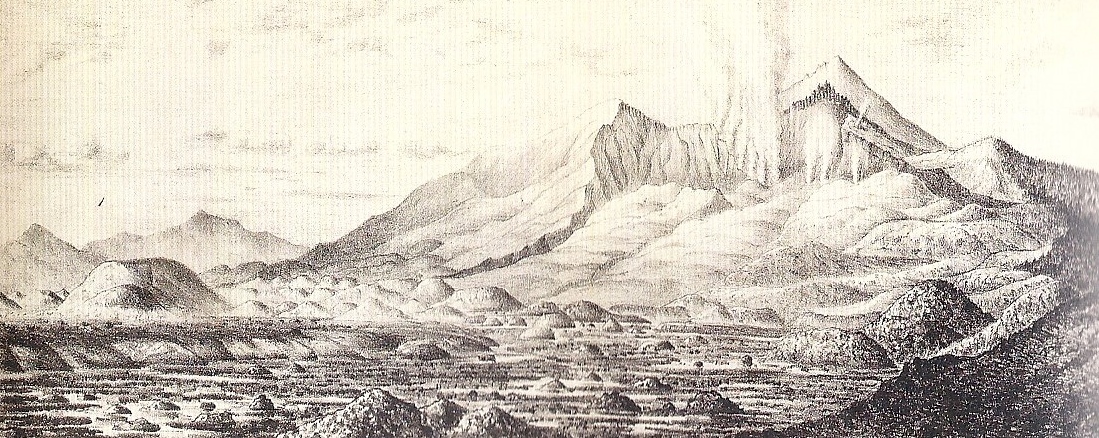
The historical anchor for Aizu-nuri is unusually precise. In 1590 the daimyo Gamō Ujisato was transferred to Aizu-Wakamatsu, and on his move he brought lacquer and maki-e artisans from his former domain of Hino, in Ōmi province — modern Shiga Prefecture, in the Kansai region. Their techniques fused with the local woodturning base, and under successive Aizu lords the craft grew into one of the largest lacquer industries in Japan.
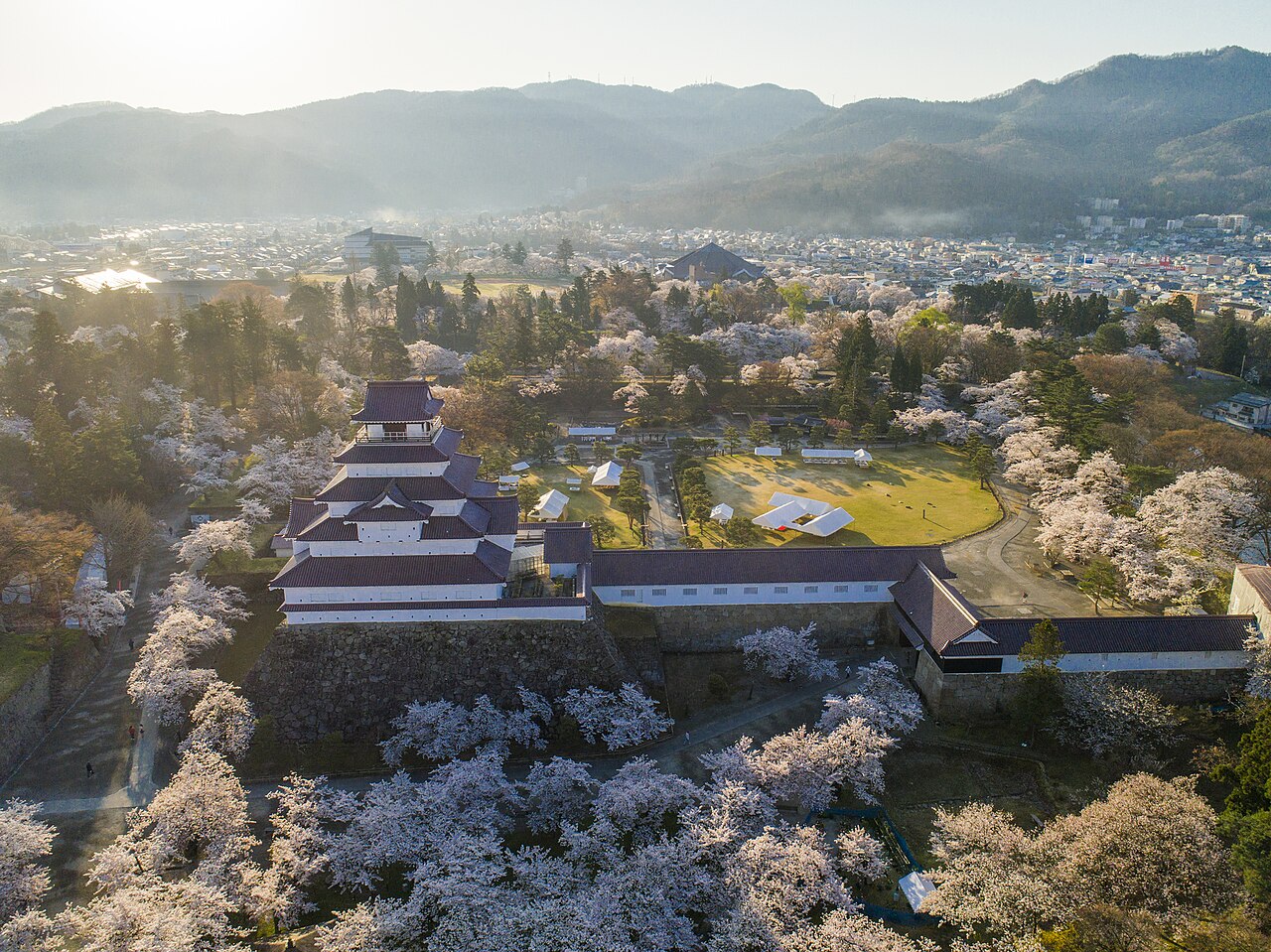
By the Edo period, Aizu lacquerware was being shipped and sold nationwide. The seat of that domain power was Tsuruga Castle (Tsurugajō), and the lords who held it patronized the lacquer trade as a domain product — the kind of sustained backing that turned an imported craft into a regional industry.
- 1590 — Gamō Ujisato is transferred to Aizu-Wakamatsu, bringing lacquer and maki-e artisans from Hino in Ōmi (modern Shiga).
- 1590s–1600s — Imported maki-e techniques fuse with local Aizu woodturning.
- 17th c. — Successive Aizu lords patronize and expand the lacquer trade as a domain product.
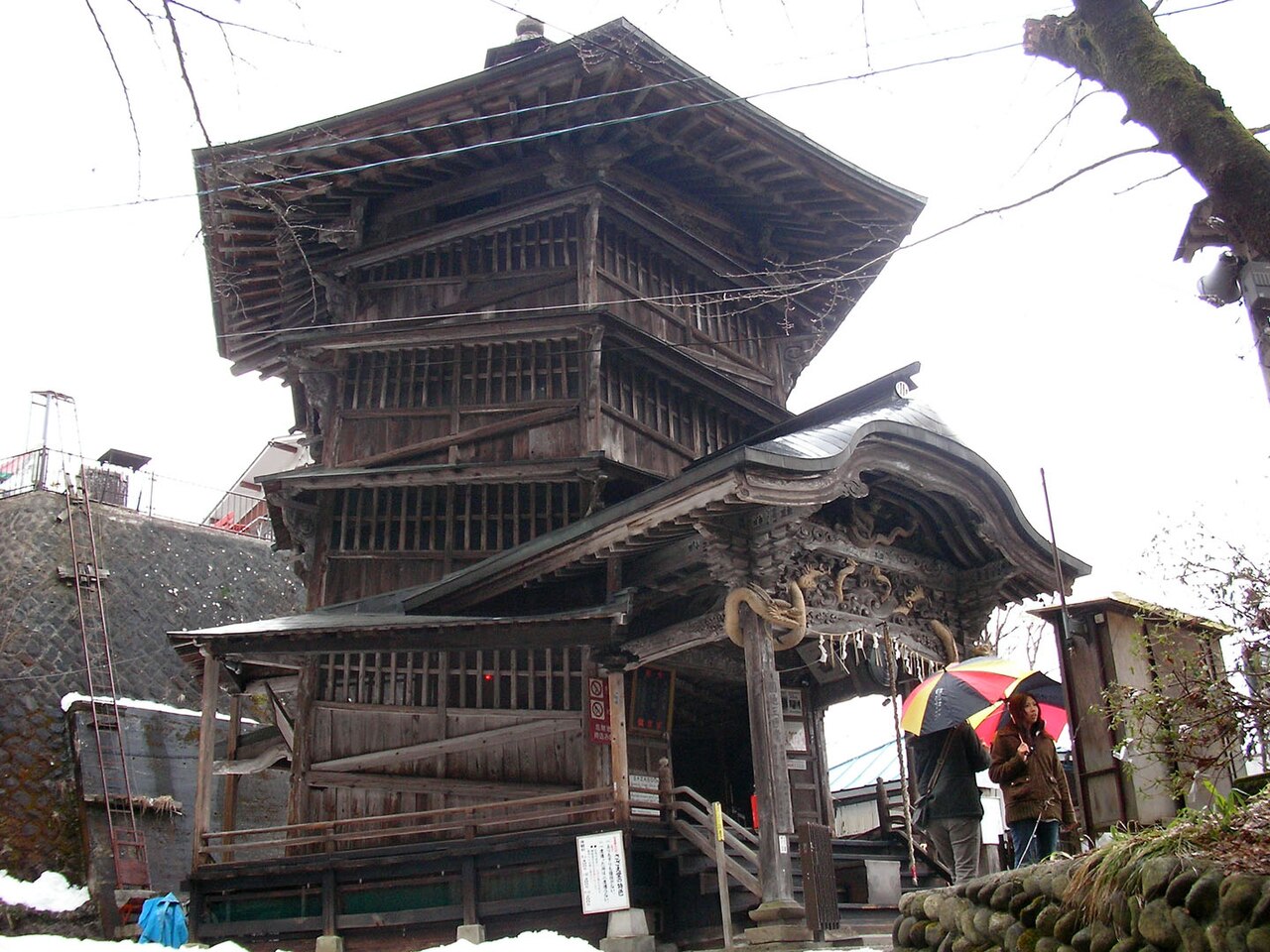
- 18th c. — Aizu’s craft and architectural ingenuity flourishes (the era of the double-helix Sazaedō).
- Edo period — Aizu lacquerware is exported nationwide and becomes one of Japan’s largest lacquer industries.
- Modern era — Aizu-nuri is recognized as a traditional Japanese craft; the jubako remains one of its signature forms.
- 2026 — Aizu workshops continue producing hon-urushi jubako for New Year osechi.
“Aizu-nuri began not with a local guild but with a single lord’s relocation in 1590 — and the maki-e artisans he carried north stayed for four centuries.”
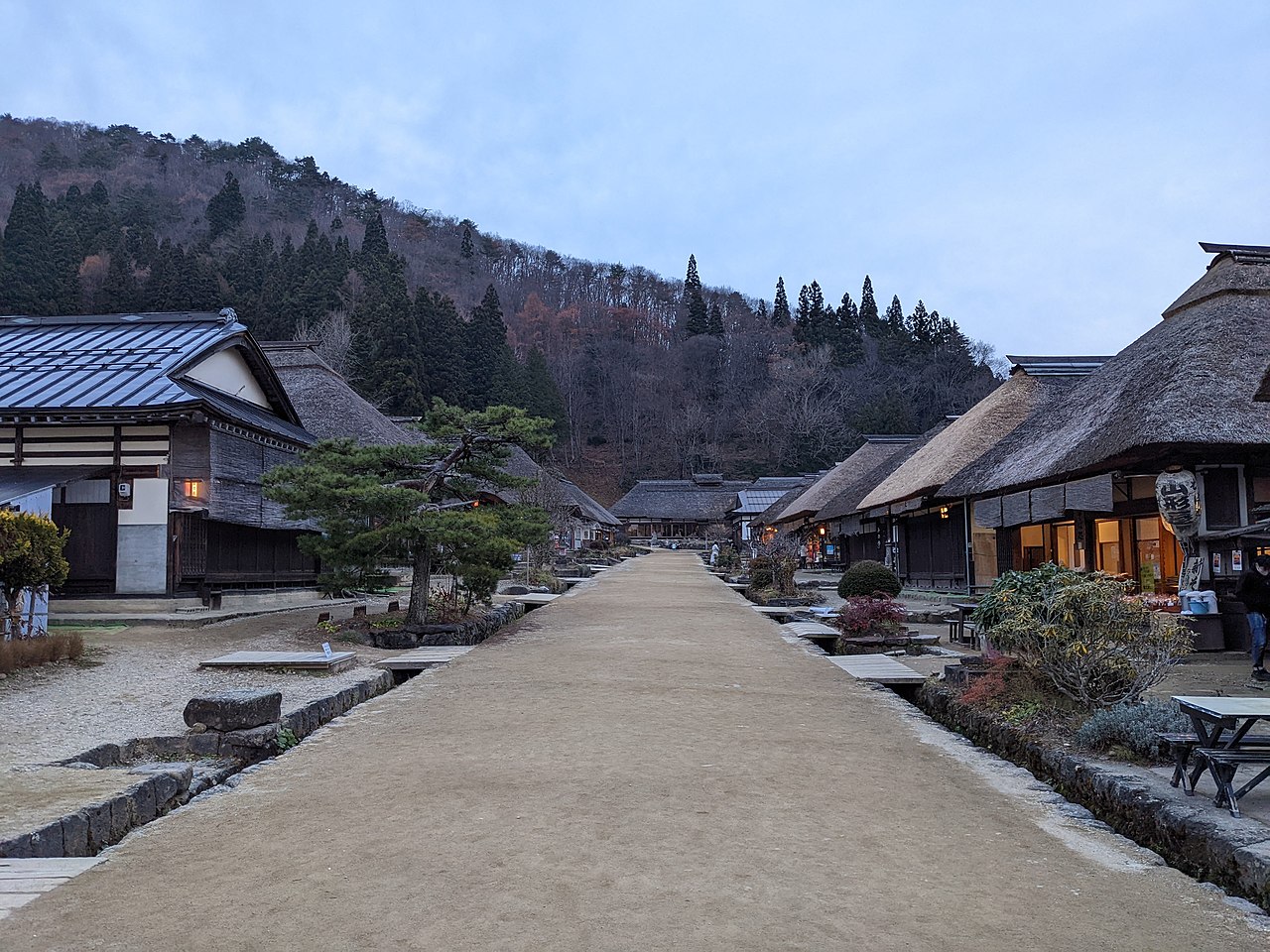
The continuity case is visible in the region itself. Ouchi-juku, a preserved Edo-era post town in the Aizu region, still shows the thatched-roof, snow-country streetscape in which Aizu’s lacquer and woodcraft developed. The setting was not incidental — the same forests, water, and cold that shaped the post towns shaped the workshops.
The signature of Aizu-nuri is its decorative vocabulary, often called “Aizu-e.” Shōchikubai — pine, bamboo, and plum — and noshi ribbons are painted in maki-e and colored urushi to signal longevity and prosperity. On a jubako, that vocabulary is not ornament for its own sake: the box is made for the New Year, and the motifs carry the same wishes as the osechi dishes set inside it. The region’s broader craft ingenuity is captured in landmarks like the double-helix Sazaedō on Iimoriyama, an 18th-century structure with two separate spiral ramps so that visitors never meet on the way up and down.
📌 How does it compare?
If you are weighing this jubako against related lacquerware and Aizu-region crafts, these existing guides are useful comparison points:
🍵 Aizu Hongo-yaki yunomi
 🕯️ Aizu painted candles
🥣 Kawatsura lacquer soup bowl
 🐚 Takaoka raden lacquer box
 🍶 Nara raden lacquer tray
🍷 Wajima Nuri sake cup pair
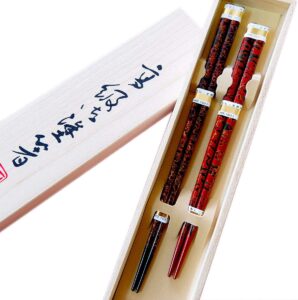 🥢 Tsugaru Nuri chopsticks
Price snapshot across stores
Because the fetched dataset returned no live listing snapshot, no verified price is shown below. Confirm the current JPY price on the Amazon JP Global Store listing — that is the authoritative figure for this specific item. USD figures elsewhere on the site are approximate estimates (¥150/USD baseline as of mid-2026).
| Store | Item / Variant | Price (JPY + USD est.) | Notes |
|---|---|---|---|
| 🇺🇸 Amazon.com (US) | Browse Japanese lacquerware & jubako boxes | varies (USD) | Best if you’re shopping from the US — Prime shipping, USD pricing, no international customs. Amazon US carries Japanese lacquer trays, bento, and jubako boxes from various makers; this exact Aizu-nuri piece is sourced from Japan (next row). |
| 🇯🇵 Amazon JP Global Store | Aizu-nuri two-tier maki-e jubako (ASIN B0FZLYNYF3) | See listing — snapshot unavailable at writing | The sourced listing for this specific item. Ships internationally from Japan to most major destinations. |
| Maker direct | Aizu lacquer ateliers | varies | Aizu-nuri is made by many independent workshops; there is no single unified storefront. Some sell direct but may not ship abroad. |
| Proxy services (Buyee / Tenso) | Any JP-only listing | item price + service fee + forwarding | Useful when a listing does not ship to your country directly; adds a forwarding fee and a second shipping leg. |
Prices in USD are approximate and depend on the current exchange rate. Amazon JP Global Store international shipping commonly runs about $15–$40 to the US and EU and higher to other regions; orders over your local threshold may incur customs duties.
What it does well
Built as hon-urushi lacquer over a wooden core rather than printed resin, giving the depth and repairability that true lacquerware is known for.
The shōchikubai (pine, bamboo, plum) motif is the traditional Aizu-e vocabulary, well-suited to New Year and celebratory tables.
The tiered form serves osechi and prepared dishes compactly and stores nested when not in use.
Aizu-nuri is a craft with a precise, traceable origin (1590) and centuries of continuous production — a clear provenance story for a gift.
Weaknesses and things to verify before buying
- No verified specs in our data. Exact dimensions, tier count, weight, and lacquer composition were not in the fetched dataset — confirm each on the live listing before ordering.
- No verified price. The snapshot returned no price; the JPY figure on the listing is the authoritative number, and it may have shifted since this writing.
- Hand-wash only. Genuine urushi lacquerware is generally not dishwasher- or microwave-safe and should be washed gently by hand and dried promptly.
- Sensitive to heat and sun. Lacquer can dull or crack with prolonged direct sunlight, dry heat, or sudden temperature changes; store it away from radiators and windows.
- Shipping cost and time. Buying internationally from Japan adds shipping fees, longer transit, and possible customs duties — factor these in before comparing to a local product.
- Maki-e and “Aizu-nuri” vary. Decoration can be hand-painted maki-e or a printed approximation depending on the listing; verify the listing states genuine urushi and how the motif is applied.
- Fresh urushi odor. New lacquerware can carry a faint lacquer smell that fades with airing; this is normal but worth knowing before food contact.
Conclusion — which buyer type are you?
You want genuine hand-decorated maki-e and the fullest expression of Aizu-nuri. Verify it is hon-urushi with hand-applied decoration, and consider buying maker-direct for the highest tier.
You want a real lacquer osechi box for the New Year at a fair price. This listing via Amazon JP Global Store is the straightforward path — confirm specs, then buy.
If cost is the priority, compare Japanese lacquer and bento boxes on Amazon US first; a synthetic-finish box may suit casual use, though it is not true Aizu-nuri.
If you need dishwasher-safe, everyday-careless tableware or fast cheap delivery, a lacquer jubako is the wrong tool — pass.
Other ways to approach this purchase
Lacquerware demand peaks before the New Year; shopping in the off-season can mean better availability and occasional price movement.
Older Aizu-nuri jubako turn up secondhand; inspect for lacquer cracking and chips, since refinishing urushi is specialist work.
If you buy through Amazon, applying store points or rewards can offset the international shipping surcharge.
If the listing does not ship to your country, a proxy service (Buyee / Tenso) can forward it — or skip and choose a locally stocked alternative.
🏆 Editor’s Pick
❓ Frequently Asked Questions
Is this genuine lacquer or a printed finish?
It is described as Aizu-nuri hon-urushi (genuine urushi lacquer) over a wooden core. Because finishes vary by listing, confirm on the live product page that the decoration is maki-e and the coat is true urushi rather than a synthetic or printed imitation.
Does it ship internationally?
The sourced listing is on the Amazon JP Global Store, which ships internationally from Japan to most major destinations. Shipping commonly runs about $15–$40 to the US and EU and more to other regions, and orders over your local threshold may incur customs duties. If a listing does not ship to your country, a proxy service such as Buyee or Tenso can forward it.
How do I care for a lacquer jubako?
Wash gently by hand with mild detergent and dry promptly; avoid the dishwasher, microwave, prolonged soaking, and abrasive scrubbers. Keep it out of direct sunlight and dry heat, which can dull or crack lacquer over time.
What is the shōchikubai motif and why pine, bamboo, and plum?
Shōchikubai (pine, bamboo, and plum) is a traditional auspicious set: pine for endurance, bamboo for resilience, and plum for renewal in early spring. It is part of the “Aizu-e” decorative vocabulary and is traditionally associated with longevity and prosperity, which is why it suits a New Year box.
Can I use it for food other than osechi?
Yes. While the jubako is most associated with New Year osechi, the tiered form works for any prepared or celebratory foods. Keep contents at moderate temperatures and avoid very hot items directly against the lacquer.
Where exactly is it made?
Aizu-nuri is produced in the Aizu region of western Fukushima Prefecture, centered on Aizu-Wakamatsu, in the Tōhoku region of Honshū. The craft was founded there in 1590 when daimyo Gamō Ujisato brought lacquer and maki-e artisans from Hino in Ōmi (modern Shiga).
jpmono.com is curated by a Japan-based editorial team (working out of Toyama in the Hokuriku region and Nara in Kansai) and is independent. We do not take payment from the makers we feature; income comes from affiliate links. We do not physically test every product — we read maker specs and source listings.
This article was prepared with AI assistance and reviewed against the source listing data available at the time of writing. Specifications and prices should be confirmed on the retailer’s live listing before purchase.
Affiliate disclosure: jpmono.com may earn a commission on qualifying purchases made through links on this page, at no additional cost to you.