![Harimaya Honten Asahiage Okaki (朝日あげ, Individually Wrapped Gift Box) — Airy Soy-Seasoned Rice Crackers from Ikuno, Hyogo [2026 Guide for International Readers]](https://jpmono.com/wp-content/uploads/2026/07/harimaya-asahiage-okaki-where-to-buy-2026-featured.jpg)
- What it is: Asahiage (朝日あげ) — a puffed, feather-light okaki (fried mochi-rice cracker) brushed with a soy-based seasoning; savory, not sweet.
- Made in: Ikuno, Asago City, Hyogo — the old silver-mining town in the Kansai region; the maker, Harimaya Honten (播磨屋本店), is one of Japan’s nationally recognized okaki brands.
- Price band: gift-box and tin okaki assortments (see the live listing for the current figure) — never an invented number here.
- Best for: readers who want a shelf-stable, individually wrapped Japanese savory snack that travels and gifts well.
- Skip if: you want a soft, sweet wagashi, or you have a soy or wheat allergy.
- Shipping: ships internationally from Amazon Japan — jump to our pick ↓
Sticky mochi rice is pounded into a solid slab, dried and aged for weeks, then dropped into hot oil — and it swells. What was a dense white block puffs into a light, layered cracker with a shattering crunch, and a quick brush of soy-based seasoning turns it savory and toasted rather than sweet. That transformation is the whole idea behind Harimaya Honten’s signature Asahiage (朝日あげ), an okaki made in the old silver-mining town of Ikuno in Asago, Hyogo.
Okaki are the thicker, mochi-rice cousins of the everyday senbei most people outside Japan picture when they hear “rice cracker.” Where flat senbei are typically pressed and baked from ordinary (non-glutinous) rice, okaki start from mochigome (もち米, glutinous rice), which is why they puff and crisp into so many airy layers when fried. Harimaya Honten is nationally recognized for this style, and Asahiage is its name-brand piece — sold as individually wrapped okaki in gift boxes and tins.
This guide is written for international readers deciding whether a rice-and-soy okaki is worth ordering from abroad. Because each piece is fried, thoroughly dried, individually wrapped, and boxed, Asahiage is genuinely shelf-stable at room temperature — it does not melt, and it travels well. We cover what the product is, how okaki differs from senbei and arare, how it compares to other Japanese snacks and teas in this series, and how to check the live Amazon Japan Global Store listing for shipping to your country before you order.
📅 Published:
🔄 Updated:
⏱️ Read time: ~9 min

ℹ️ Live pricing and some specs weren’t in our snapshot — the linked Amazon Japan listing is authoritative; unconfirmed attributes are marked below. The maker’s exact founding year is not in our snapshot, so we do not state one.
- Who this is for — and who should skip it
- Product overview (from published specs)
- Where this comes from — place, era, and the craft tradition
- 📦 Shipping & where to buy from outside Japan
- Price snapshot across stores
- What it does well
- Weaknesses and things to verify before buying
- Conclusion — which buyer type are you?
- Other ways to approach this purchase
- 🏆 Editor’s Pick
- ❓ Frequently Asked Questions
Who this is for — and who should skip it
- Want a savory, umami-forward Japanese snack rather than another sweet wagashi.
- Need something shelf-stable that ships from Japan without melting or spoiling in transit.
- Like individually wrapped pieces for gifting, sharing at the office, or portioning.
- Enjoy a light, airy, shattering crunch and a toasted-rice, soy-sauce aroma.
- Prefer simple, plant-based ingredients (glutinous rice, soy sauce, vegetable oil, seasonings).
- Have a soy or wheat allergy (soy sauce contains both).
- Are shopping for a soft, sweet confection — okaki is crisp and savory.
- Live somewhere that restricts personal food imports (check before ordering).
- Want a guaranteed low price — food snacks carry international shipping cost.
- Need it to keep indefinitely; it is shelf-stable but carries a best-by date.
Product overview (from published specs)
The table below draws on the Amazon US search surface (primary), the Amazon Japan Global Store listing that this specific item is sourced from (secondary), and the maker’s product description. Where a value was not in our snapshot, it is marked as such rather than guessed.
Harimaya Honten Asahiage Okaki (朝日あげ, Individually Wrapped Gift Box)
朝日あげ 贈答缶(1枚×24袋入)
在庫あり。 · Sold by IKEMIカンパニー 神戸本社 · ASIN B01MDVHIXD
Price and availability as of 2026-08-31 02:30 JST. The Amazon listing at the time of purchase is authoritative. jpmono.com earns a commission on qualifying purchases at no extra cost to you.
| Attribute | Detail | Source |
|---|---|---|
| Product | Asahiage (朝日あげ) — puffed, soy-seasoned okaki | Maker direct |
| Maker | Harimaya Honten (播磨屋本店) | Maker direct |
| Category | Okaki (thick mochi-rice cracker); a savory rice snack | Maker direct |
| Origin | Ikuno-cho, Asago City, Hyogo Prefecture (Kansai) | Maker direct |
| Main ingredients | Glutinous (mochi) rice, soy sauce, vegetable oil, seasonings — plant-based; no dairy or meat | Maker direct |
| Allergens | Soy and wheat (both present in soy sauce) — verify the current label | Maker direct |
| Format | Individually wrapped pieces in a gift box / tin | Amazon JP Global Store (sourced listing) |
| Storage | Room temperature, shelf-stable; carries a best-by date | Maker direct |
| Net weight / piece count | Varies by box size — check the live listing (Unconfirmed in our snapshot) | Amazon JP Global Store |
| Price | Not in our snapshot — the linked listing is authoritative | Amazon JP Global Store |
| ASIN (JP) | B01MDVHIXD | Amazon JP Global Store |
- 📦 Storage: keep at room temperature, away from humidity and direct sun — no refrigeration needed.
- 📅 Best-by: shelf-stable but dated; order a quantity you will finish rather than stockpiling.
- 🥢 Serving: each piece is individually wrapped, so open only what you eat; the rest stays crisp.
- ⚠️ Allergens: contains soy and wheat (soy sauce) — read the current label before serving to guests.
📖 Glossary — key terms
- okaki (おかき) — a thick rice cracker made from glutinous mochi rice; it puffs into airy, crisp layers. Larger pieces of the same family are called kakimochi; small ones are arare.
- senbei (煎餅) — the broad word for rice crackers; most classic senbei are pressed and baked from ordinary (non-glutinous) rice and are flatter and denser than okaki.
- arare (あられ) — small bite-size okaki, often mixed with soy-glazed or seaweed-wrapped pieces.
- mochigome (もち米) — glutinous “sticky” rice; the starch that lets okaki puff when fried.
- wagashi (和菓子) — traditional Japanese confections; usually sweet (yokan, mochi, dorayaki). Okaki sits alongside them as the savory counterpoint.
- tenryo (天領) — land held directly by the Edo-period shogunate; the Ikuno silver district was one such territory.
Where this comes from — place, era, and the craft tradition

Asago City sits inland in the northern half of Hyogo Prefecture, in the mountains that run down the spine of the Kansai region. Ikuno-cho, the district Harimaya Honten calls home, is a narrow valley town — cool, well-watered, and historically defined not by farming or the sea but by what was underground. This is silver country.
The town’s identity is the Ikuno Silver Mine (生野銀山, Ikuno Ginzan), one of the most important silver sources in Japanese history. In the Edo period the district was tenryo — held directly by the shogunate — because a silver vein was too valuable to leave to a local lord. In the Meiji era it became a model government mine, modernized with the help of a French mining engineer, before eventually closing in the twentieth century after more than a thousand years of working the rock.
- 807 (traditionally) — the Ikuno silver vein is first said to have been worked.
- 1542 — full-scale mining opens under the Yamana clan in the Sengoku era.
- 1600s — the district becomes shogunate-held (tenryo), a direct source of Edo Japan’s silver.
- 1868 — the new Meiji government makes Ikuno a state mine and engages French engineer Jean-François Coignet to modernize it.
- 1889 — the mine passes into private (Mitsubishi) operation.
- 1973 — the Ikuno mine closes after more than a millennium of working; the town turns to heritage and local industry.
These dates describe the documented history of the Ikuno Silver Mine — the identity of the town Harimaya Honten is based in. The confectioner’s own founding year was not in our snapshot, so we do not assign one.
What does a silver mine have to do with a rice cracker? Directly, nothing — but the point of okaki is continuity of a very ordinary kind. Long after the ore ran out, the mountain valley kept its cool climate and clean water, and it kept the everyday food culture that ties much of rural Japan together: rice, pounded into mochi, and preserved. Okaki is a preservation food at heart. Mochi that would spoil fresh is dried, aged, and fried so it keeps for months at room temperature — the same logic that let a mountain town stock a shelf through the seasons.
“Okaki begins as mochi you cannot keep and ends as a cracker you can mail across the world — the whole craft is the art of making rice last.”
The making follows a fixed sequence. Glutinous rice is steamed and pounded into mochi; the mochi is cut, dried, and aged for a stretch of time so its moisture equalizes; then the dried pieces are fried, at which point trapped moisture flashes to steam and the cracker puffs into many thin, crisp layers. A final brush of soy-based seasoning gives Asahiage its color and its savory, toasted-rice aroma. The flavor is umami and soy, not sugar — which is exactly why it belongs in this series as the salty counterpoint to the yokan, matcha, and sencha around it.
Other Japanese snack, tea, and tea-ware guides on jpmono.com — useful for building a full tea-and-okaki set or comparing rice snacks.
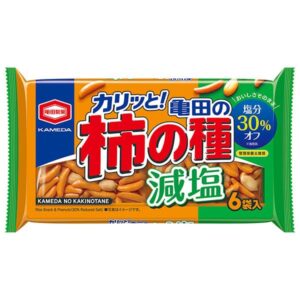

Kameda Kaki no Tane (亀田の柿の種, 6-bag box) — Niigata’s rice-cracker-and-peanut classic
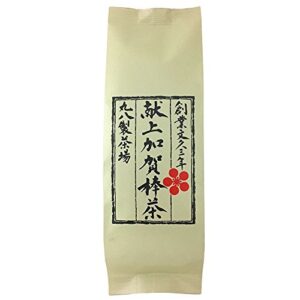

Maruhachi Seichajo Kenjo Kaga Bocha (献上加賀棒茶, sealed bag/tin)
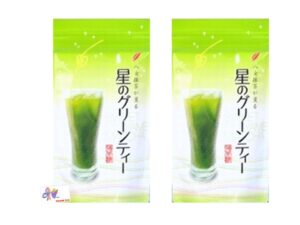

Hoshino Seichaen Yame Matcha (星野製茶園 八女抹茶, sealed 30–40g tin)
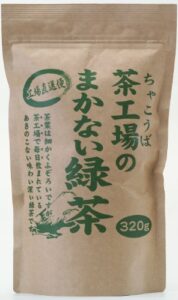

Ooigawa Chaen Fukamushi Sencha (大井川茶園 深蒸し煎茶, sealed foil bag)
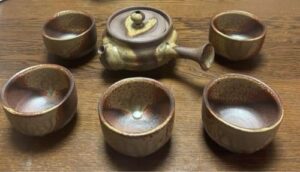

Tamba Tachikui-yaki Teapot: Ancient-Kiln Ash-Glaze Kyusu from Hyogo
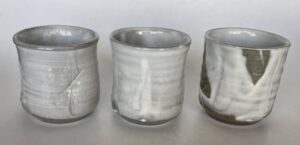

Tamba Tachikui-yaki Yunomi: Six Ancient Kilns Ash-Glaze Teacup
Tamba Tachikui-yaki Teapot (Hyogo ancient-kiln stoneware) — pair with your okaki
📦 Shipping & where to buy from outside Japan
Asahiage is a shelf-stable, room-temperature food item, which is exactly what makes it practical to order internationally. The specific gift-box listing is sourced from the Amazon Japan Global Store, which ships to 65+ countries — including Canada, the UK, and Australia — with import fees estimated and collected at checkout for most destinations.
Two practical notes for a food order. First, because it is a food product, eligibility can vary by destination: some countries restrict or inspect personal food imports, so confirm the item ships to your address on the live listing before you commit. Buy in small personal quantities. Second, plan for shipping cost: for a boxed food item, expect roughly $15–$40 to the US, EU, Canada, the UK, or Australia, with Amazon showing the import-fee estimate at checkout so there are no surprises at delivery.
If the JP Global Store does not ship to your country, a proxy service such as Buyee or Tenso can forward a domestic Amazon Japan or maker order — though that adds a handling fee and its own customs paperwork.
Price snapshot across stores
Prices and stock fluctuate; the linked listing is always authoritative. We do not print a fabricated figure — the Amazon Japan listing shows the current price for the specific gift box.
| Store | Item / Variant | Price (JPY + USD est.) | Notes |
|---|---|---|---|
| 🇺🇸 Amazon.com (US) | Browse Japanese okaki & rice crackers | varies (USD) | Best if you’re shopping from the US — Prime shipping, USD pricing, no international customs. Amazon US carries Japanese rice crackers and okaki from various makers; Harimaya Honten’s exact Asahiage box is sourced from Japan (next row). |
| 🇯🇵 Amazon JP Global Store | Asahiage individually wrapped gift box (ASIN B01MDVHIXD) | See live listing (not in our snapshot) | Ships internationally from Japan to 65+ countries — including Canada, the UK and Australia — with import fees estimated at checkout. This is the sourced listing for the exact item. |
| Maker direct (Harimaya Honten) | Full Asahiage / okaki assortment range | See maker site | Widest selection and gift options, but the official site is primarily Japan-domestic; international readers usually route through the Global Store or a proxy. |
| Proxy services (Buyee / Tenso) | Forwards a domestic JP order | Item + handling + forwarding | Useful if the Global Store does not ship to your country; adds a handling fee and separate customs paperwork. Confirm food-forwarding is permitted to your destination. |
Prices in USD are approximate and depend on the current exchange rate (¥150/USD baseline as of mid-2026). The JPY price on the listing is the authoritative one.
What it does well
Weaknesses and things to verify before buying
- Contains soy and wheat. The soy-sauce seasoning carries both allergens — not suitable for readers avoiding either. Read the current label before serving.
- It is savory, not sweet. If you are shopping for a soft, sugary wagashi, this is the wrong product; okaki is crisp and umami-forward.
- Food-import eligibility varies by country. Some destinations restrict or inspect personal food imports. Confirm the item ships to your address on the live listing before ordering.
- Best-by date. Shelf-stable does not mean indefinite — buy a quantity you will finish, and store it away from humidity.
- Price and piece count were not in our snapshot. Box sizes and counts differ; check the live listing for the exact weight, count, and current price rather than assuming.
- Texture is hard and brittle. Puffed okaki can shatter and crumb; it is not a fit for anyone who wants a soft snack, and fragments can occur in transit.
Conclusion — which buyer type are you?
Other ways to approach this purchase
🏆 Editor’s Pick
Our pick is Harimaya Honten’s Asahiage individually wrapped gift box (ASIN B01MDVHIXD). It is the maker’s name-brand okaki and one of the most widely recognized in Japan, so it is a safe, representative first purchase.
- Recognizable & representative: the signature product of a nationally known okaki brand — a low-risk introduction to the category.
- Individually wrapped & shelf-stable: it does not melt, travels well, and works as both a gift and a share-at-home snack.
- Sourced from Amazon Japan: the exact box ships internationally from the JP Global Store — start with a mid-size assortment; a single bag is the fallback.
❓ Frequently Asked Questions
Is Asahiage sweet or savory?
Savory. It is seasoned with a soy-based glaze, so the flavor is umami with a toasted-rice, soy-sauce aroma rather than sugar. It sits alongside sweet wagashi as the salty counterpoint.
Does it ship to my country?
The specific box is listed on the Amazon Japan Global Store, which ships to 65+ countries including Canada, the UK and Australia. Because it is a food item, eligibility can vary — confirm on the live listing before ordering, and buy in small personal quantities. Import fees are estimated at checkout.
What are the allergens?
The main allergens are soy and wheat, both present in the soy sauce used for seasoning. The ingredients are otherwise simple and plant-based (glutinous rice, soy sauce, vegetable oil, seasonings). Always read the current label, which is authoritative.
How long does it keep, and does it need refrigeration?
No refrigeration is needed. Because it is fried and fully dried, it is shelf-stable at room temperature; each piece is individually wrapped. It does carry a best-by date, so order a quantity you will finish and keep it away from humidity.
How is okaki different from senbei?
Okaki is made from glutinous (mochi) rice, which puffs into airy, crisp layers when fried, so it is thicker and lighter. Most classic senbei are pressed and baked from ordinary non-glutinous rice and are flatter and denser. Small okaki are called arare.
Is it a good gift?
Yes — the individually wrapped, boxed format is designed for gift-giving and sharing, and Harimaya Honten is a recognizable brand within Japan. It also travels well since it does not melt or need a cold chain.
Is it vegetarian or vegan?
The listed ingredients are plant-based — glutinous rice, soy sauce, vegetable oil, and seasonings, with no dairy or meat. It does contain soy and wheat. As formulations can change, check the current label if a strict diet matters to you.
jpmono.com is curated by a Japan-based editorial team (working out of Toyama in the Hokuriku region and Nara in Kansai) and is independent. We don’t take payment from the makers we feature; income comes from affiliate links. We focus on items with verifiable craft heritage and clear international shipping paths, and we don’t physically test every product — we read maker specs and source listings. Read more about our editorial standards.
🤖 This article was drafted with AI assistance and reviewed against the source listing before publication. Product specifications, availability, and pricing are subject to change — the linked Amazon listing is authoritative at the time of purchase.
Affiliate disclosure: jpmono.com may earn a commission on qualifying purchases made through links on this page, at no additional cost to you.